Minimalist Meditation Architecture: A Deep Dive into the Meditation Chapel
The Rise of Minimalist Meditation Architecture In a fast-paced world, minimalist meditation architecture has emerged as a sanctuary for those seeking spiritual connection and tranquility. The Meditati


The Rise of Minimalist Meditation Architecture
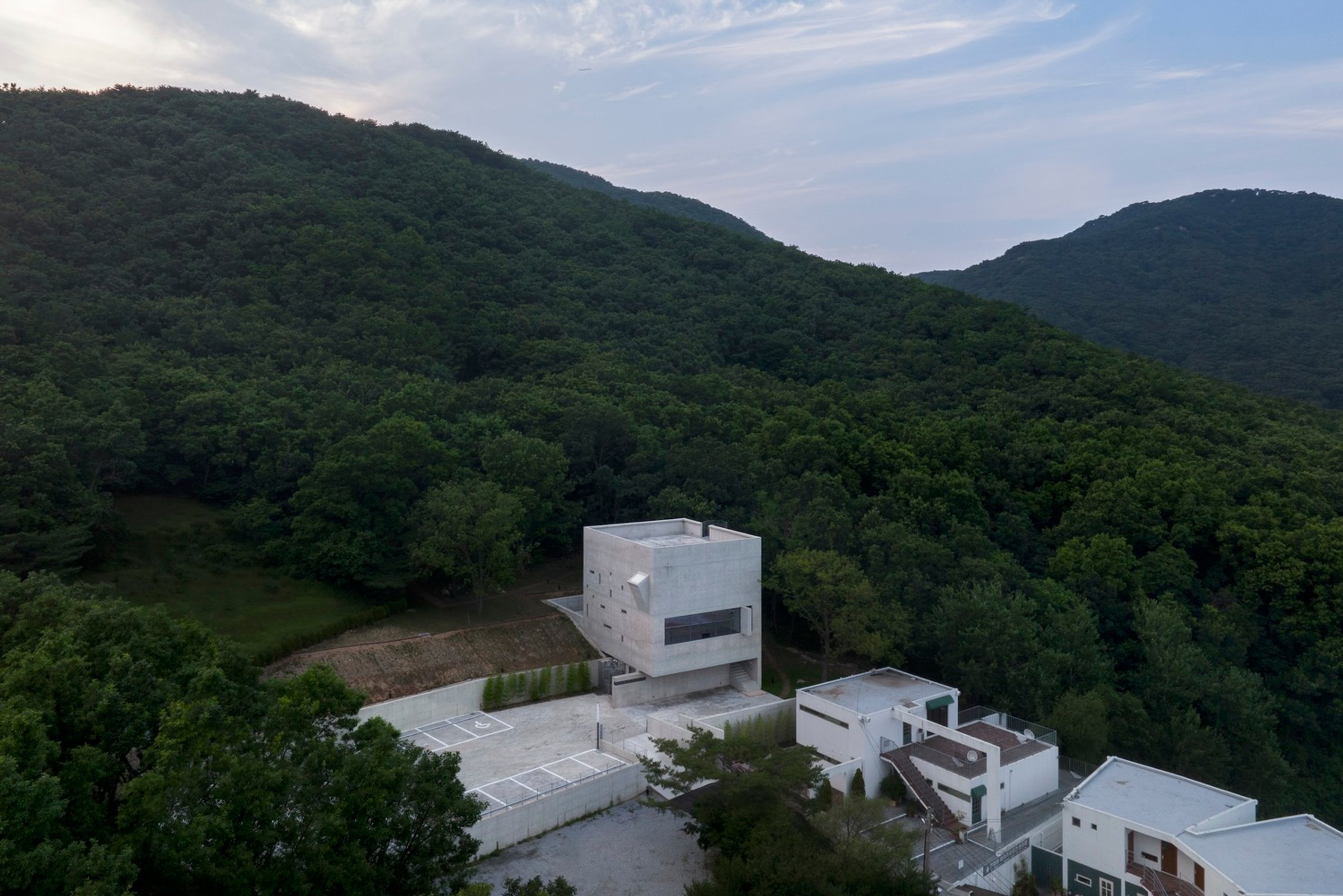
In a fast-paced world, minimalist meditation architecture has emerged as a sanctuary for those seeking spiritual connection and tranquility. The Meditation Chapel by Lee Eunseok + Atelier KOMA, located in Kanghwa, South Korea, exemplifies this movement. Completed in 2023, the chapel redefines the concept of sacred spaces by blending minimalism with mindfulness.
The Concept Behind the Meditation Chapel
A Sanctuary for Solitude
Rather than a traditional place of worship, the Meditation Chapel is designed for solitary individuals to reflect and connect with the divine through nature. Its minimalist architecture functions as a vessel for mindfulness, offering spaces that inspire awe and introspection.
Key Features of Minimalist Meditation Architecture
1. Lifted Volume Design
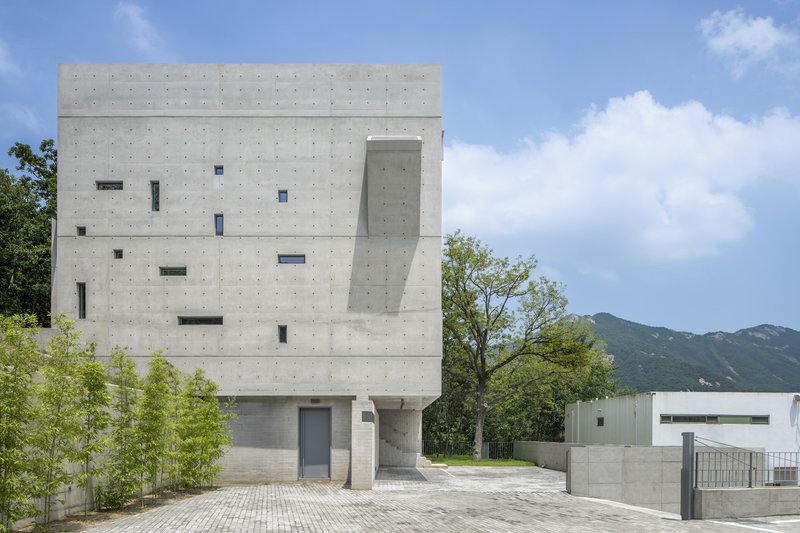
The chapel's design as a lifted box symbolizes separation from the mundane, guiding visitors into a sacred space. This physical elevation enhances the feeling of entering a realm meant for spiritual retreat.
2. Integration with Nature
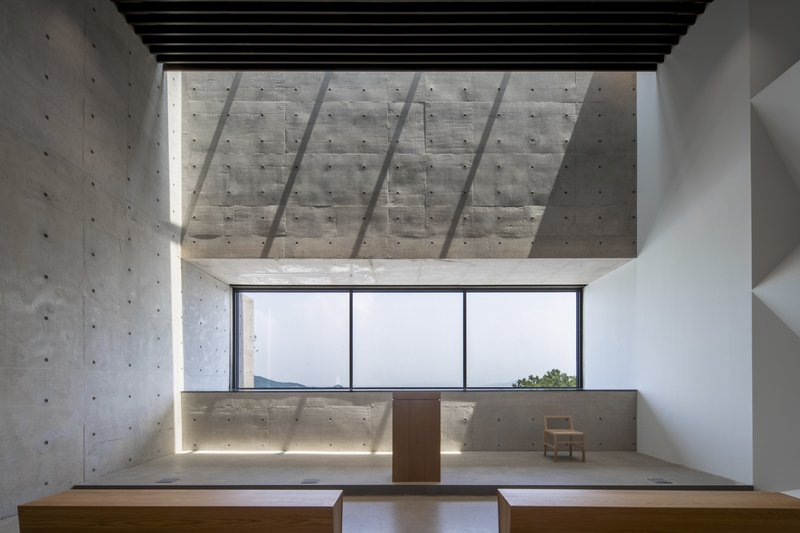
The building’s orientation and materials harmonize with the surrounding environment. The dark West Sea and expansive greenery become integral elements of the chapel, framing the visitor's experience.
Exploring the Four Thematic Surfaces
Sea Wall
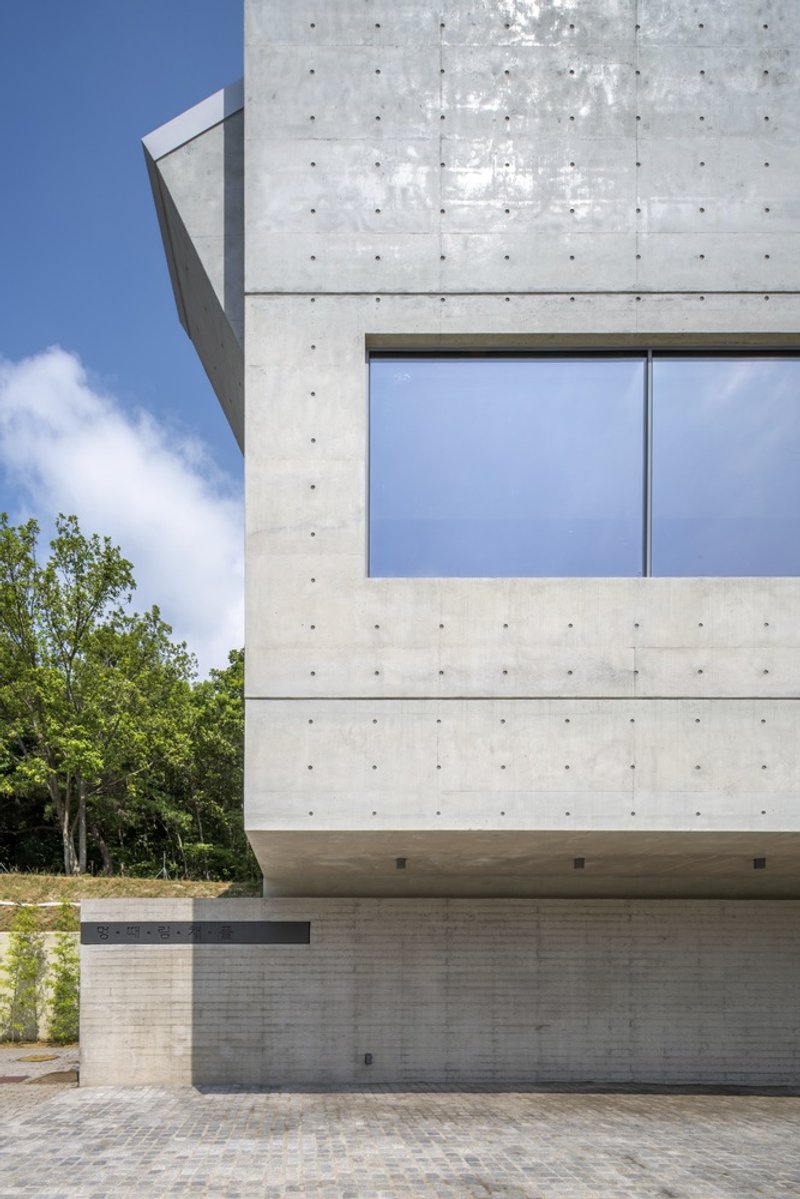
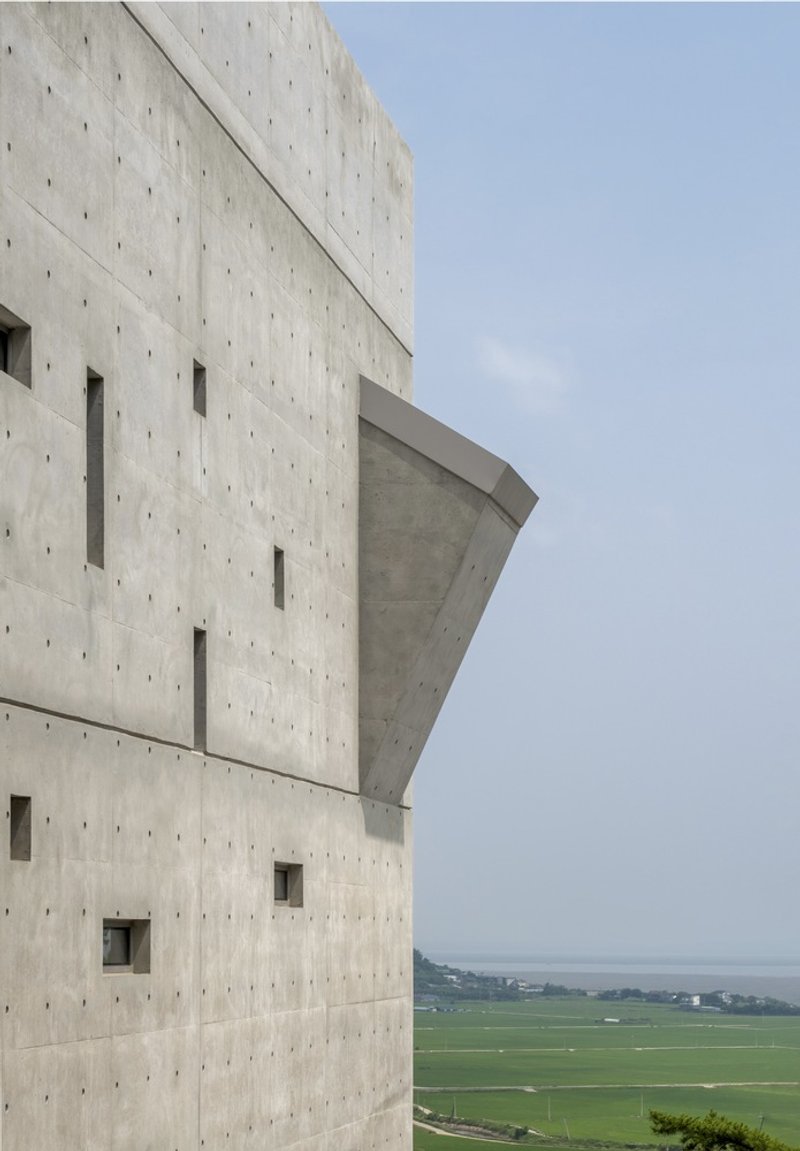
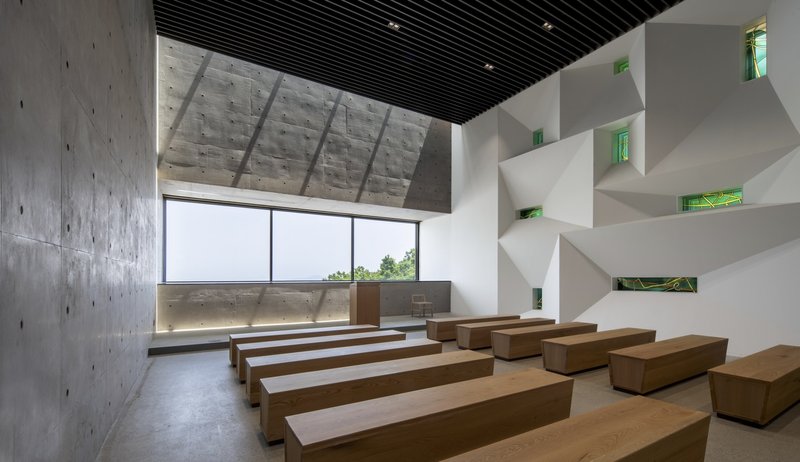
A striking concrete facade reflects the solemnity of the West Sea. Unlike dramatic seascapes, it offers a subdued view, inviting quiet contemplation.
Sound Wall
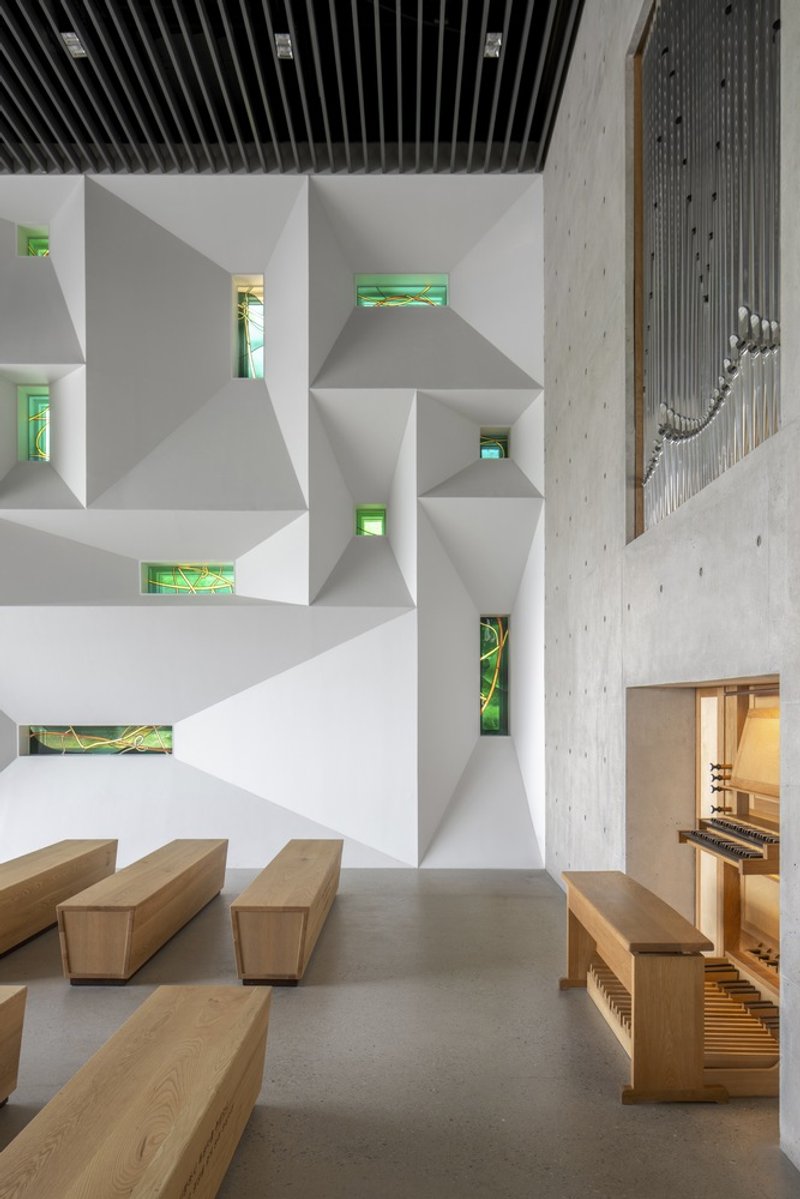
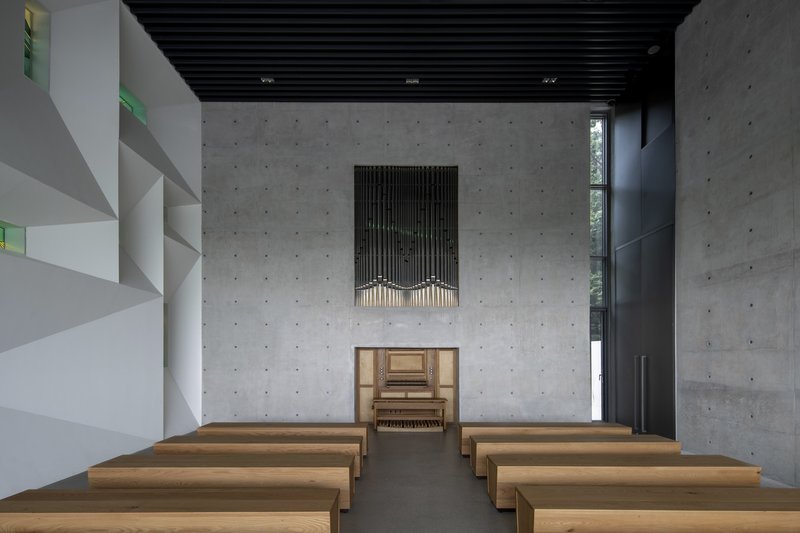
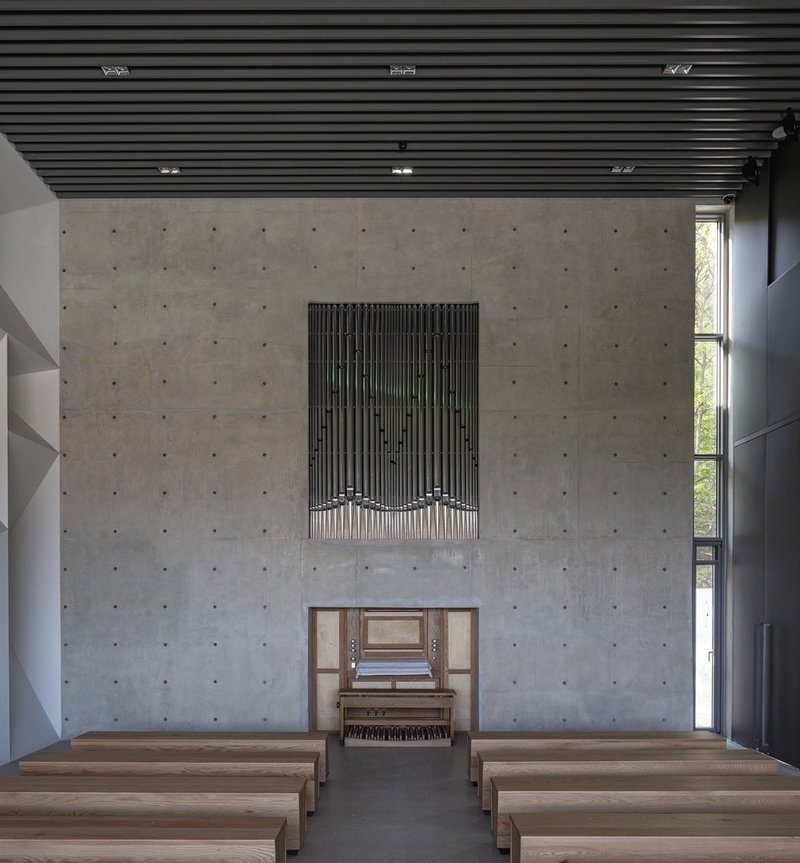
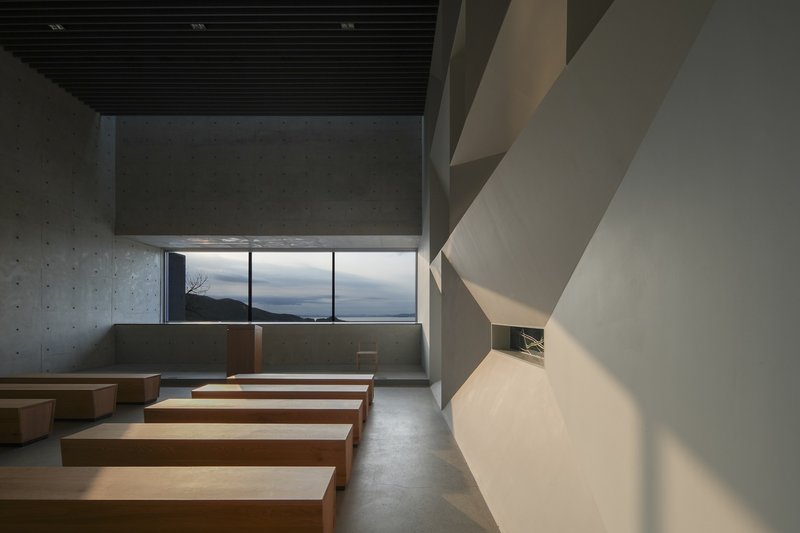
This wall houses an organ, adding a layer of auditory mindfulness. Its modest design complements the simplicity of the structure while enriching the sensory experience.
Light Wall
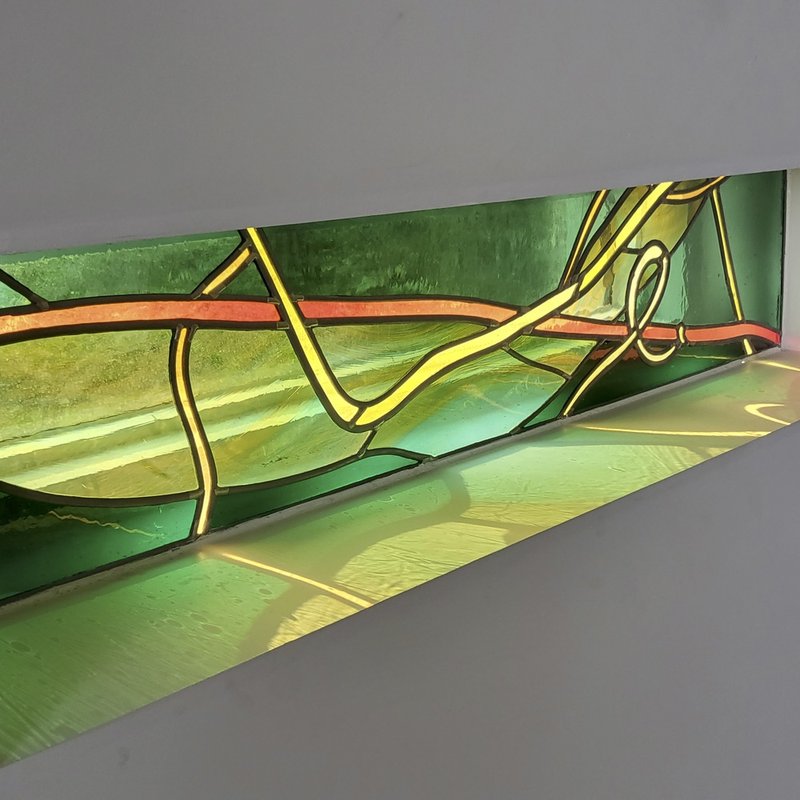
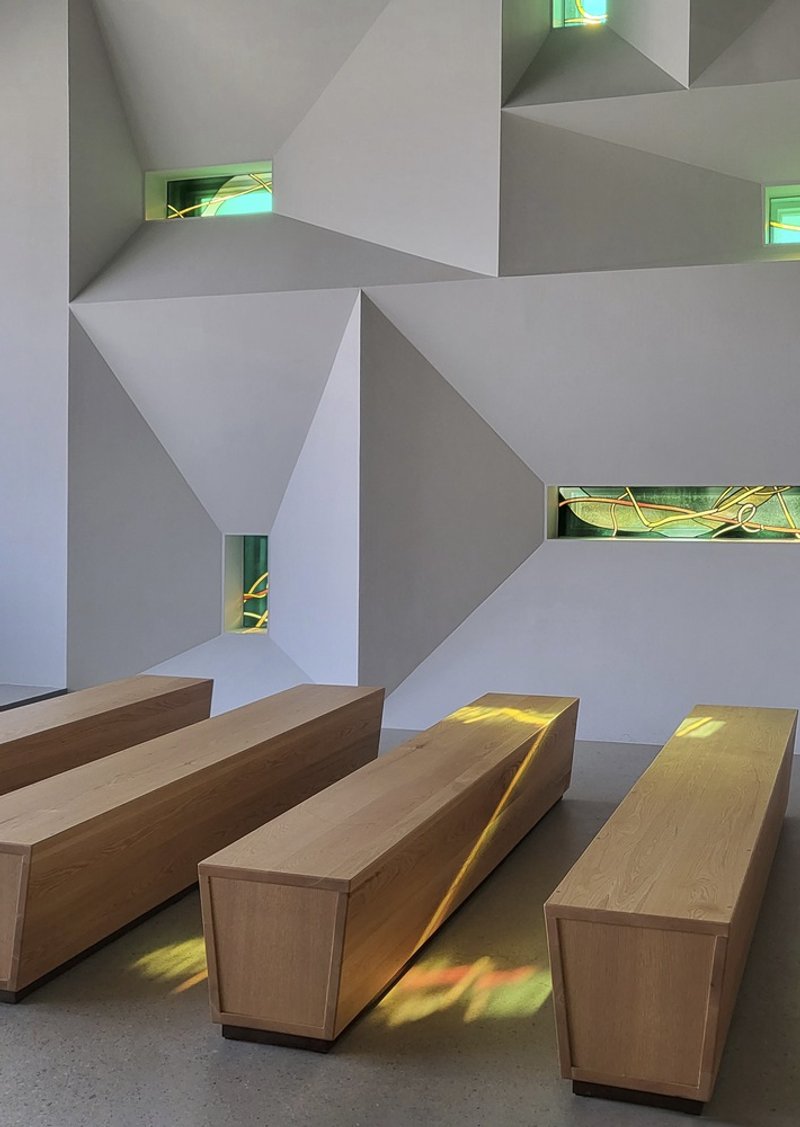
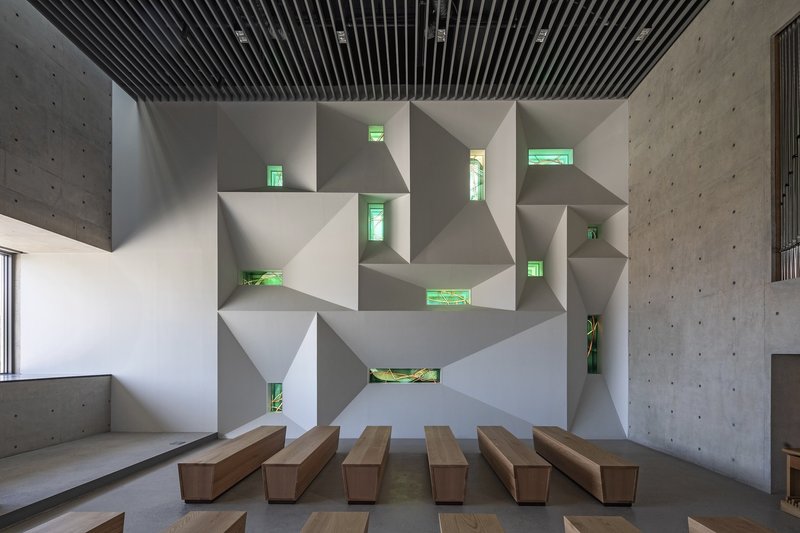
Twelve funnel-shaped stained-glass windows cast abstract green hues across the interior. Inspired by nature, these windows embody the chapel’s focus on minimalist meditation architecture.
Background Wall
The entrance wall creates a bridge between the chapel’s interior and the natural world outside. It frames the other three walls, adding depth and balance to the design.
The Three Key Spaces
Sea Chapel: Communal Reflection
This space allows small groups to gaze at the horizon, evoking calm and introspection. The view resembles minimalist art, echoing the works of James Turrell.
Closet Chapel: Individual Contemplation
A narrow, light-filled chamber encourages deep personal reflection. Its simplicity fosters a heightened sense of devoutness.
Sky Chapel: Awe-Inspiring Mindfulness
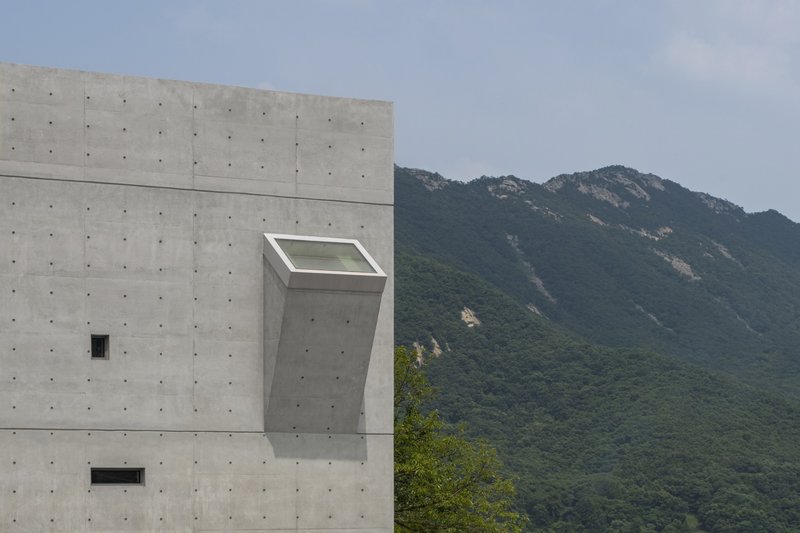
Located on the rooftop, this space offers uninterrupted views of the sky. Enclosed by concrete walls, it directs focus upward, emphasizing vertical mindfulness.
The Role of Minimalism in Spiritual Architecture
Minimalism strips away the distractions of modern life, leaving only the essentials. The Meditation Chapel exemplifies this approach by:
- Using raw materials like concrete and glass.
- Prioritizing natural light over artificial elements.
- Focusing on spatial design rather than decorative details.
This philosophy aligns with the principles of mindfulness, where simplicity enhances awareness.
Why the Meditation Chapel Stands Out
A Modern Take on Sacred Spaces
Unlike traditional religious buildings, the chapel emphasizes individual experience over collective rituals. Its design resonates with contemporary seekers of spirituality.
Functional Simplicity
Every element of the chapel serves a purpose, from the placement of windows to the selection of materials. This functional simplicity elevates the space from a mere structure to a spiritual retreat.
The Future of Minimalist Meditation Architecture
The Meditation Chapel by Lee Eunseok + Atelier KOMA sets a new standard for minimalist meditation architecture. By prioritizing mindfulness and integrating nature, it offers a profound spatial experience. As more people seek sanctuaries for reflection in an increasingly chaotic world, such designs will likely shape the future of spiritual architecture.
All Photographs are work of Kim Yongseong, Urban Azit