Modern Cultural Center Design: Rosa Bonheur Cultural Center by Modal Architecture
Explore the transformation of Rosa Bonheur Cultural Center by Modal Architecture, blending heritage restoration, modern design, and urban integration.


Situated in the heart of Fontenay-aux-Roses, France, the Rosa Bonheur Cultural Center has undergone a remarkable transformation by Modal Architecture. Originally built in the 1970s as a conservatory, the structure had fallen out of compliance with contemporary standards for accessibility, safety, and comfort. Through an ambitious renovation led by principal architect Monique Bastos, the building has been reimagined as a vibrant cultural and community hub that harmonizes with its urban surroundings and historic context.
A Historic Building Reimagined
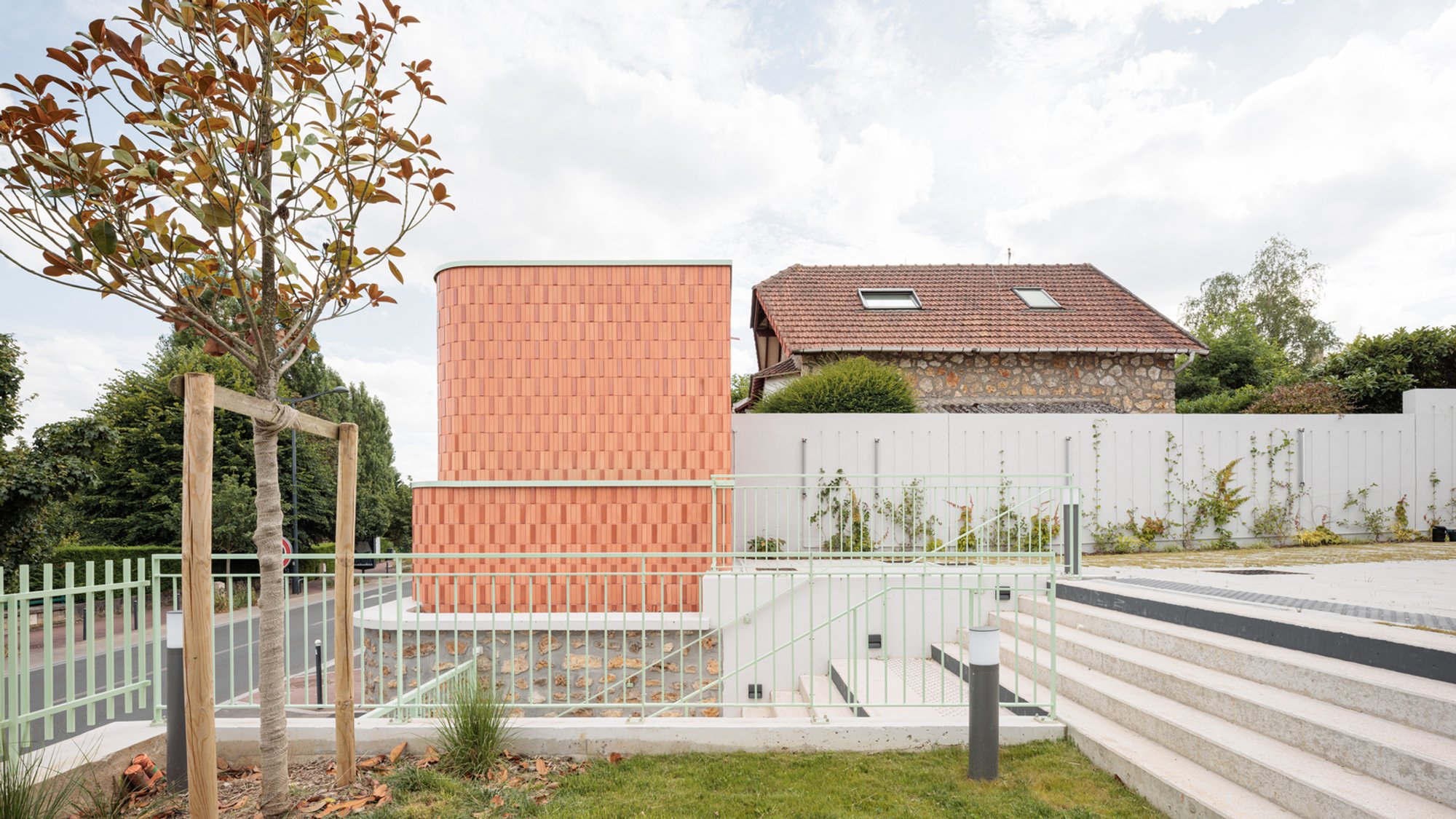
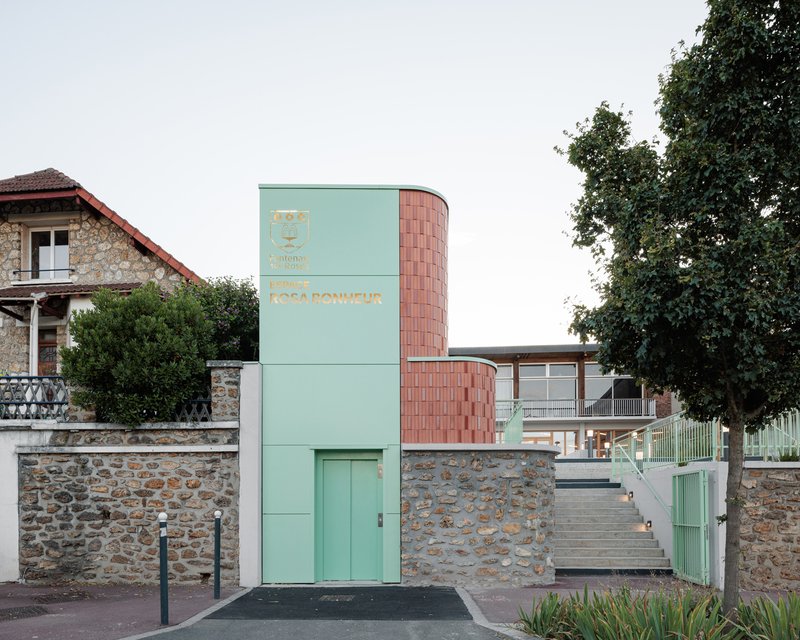
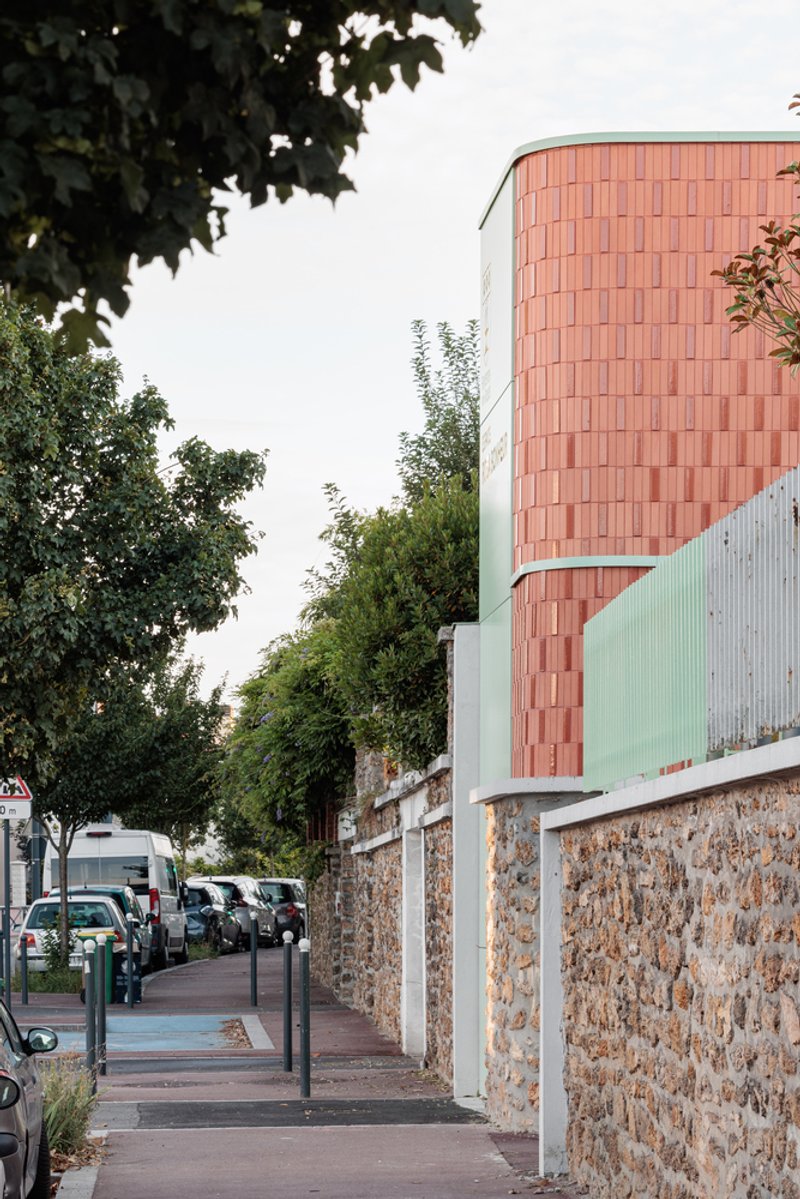
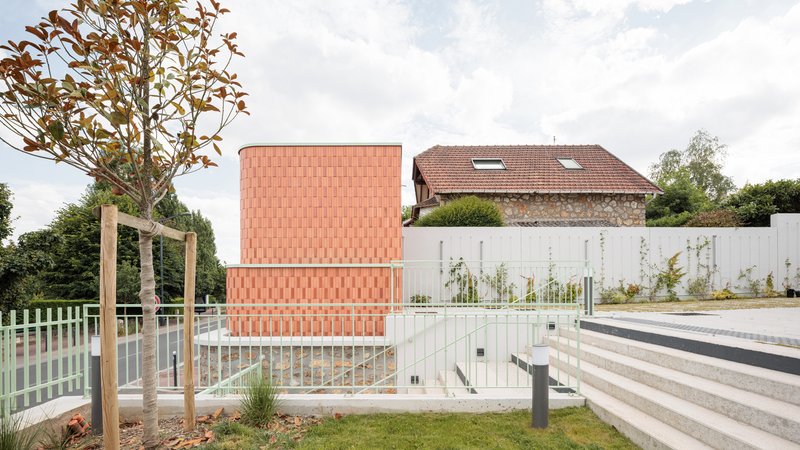
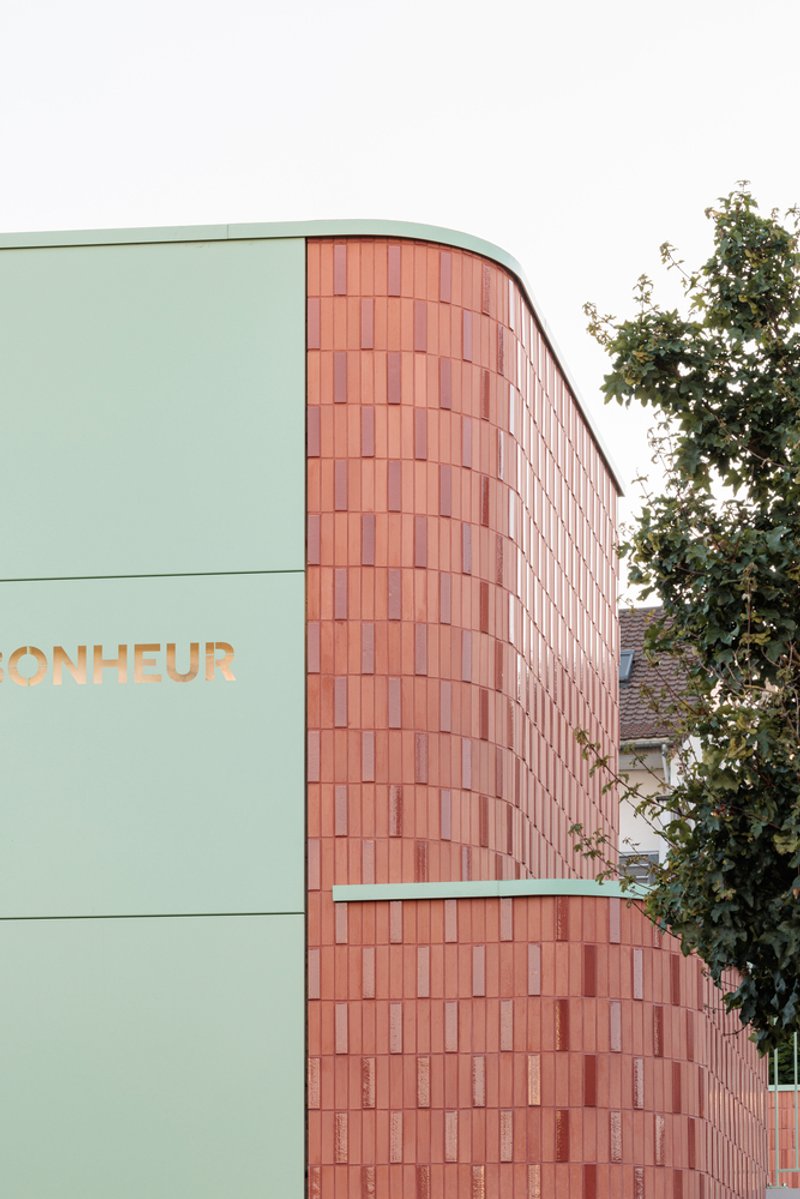
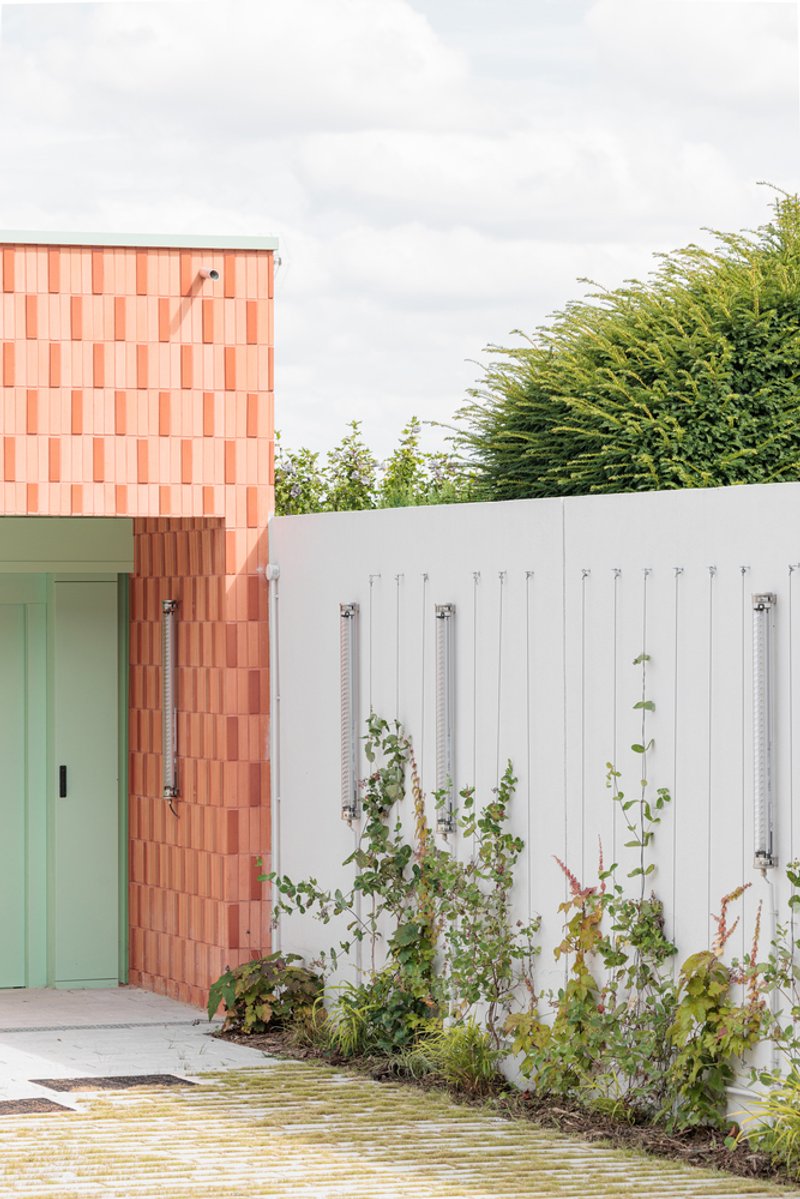
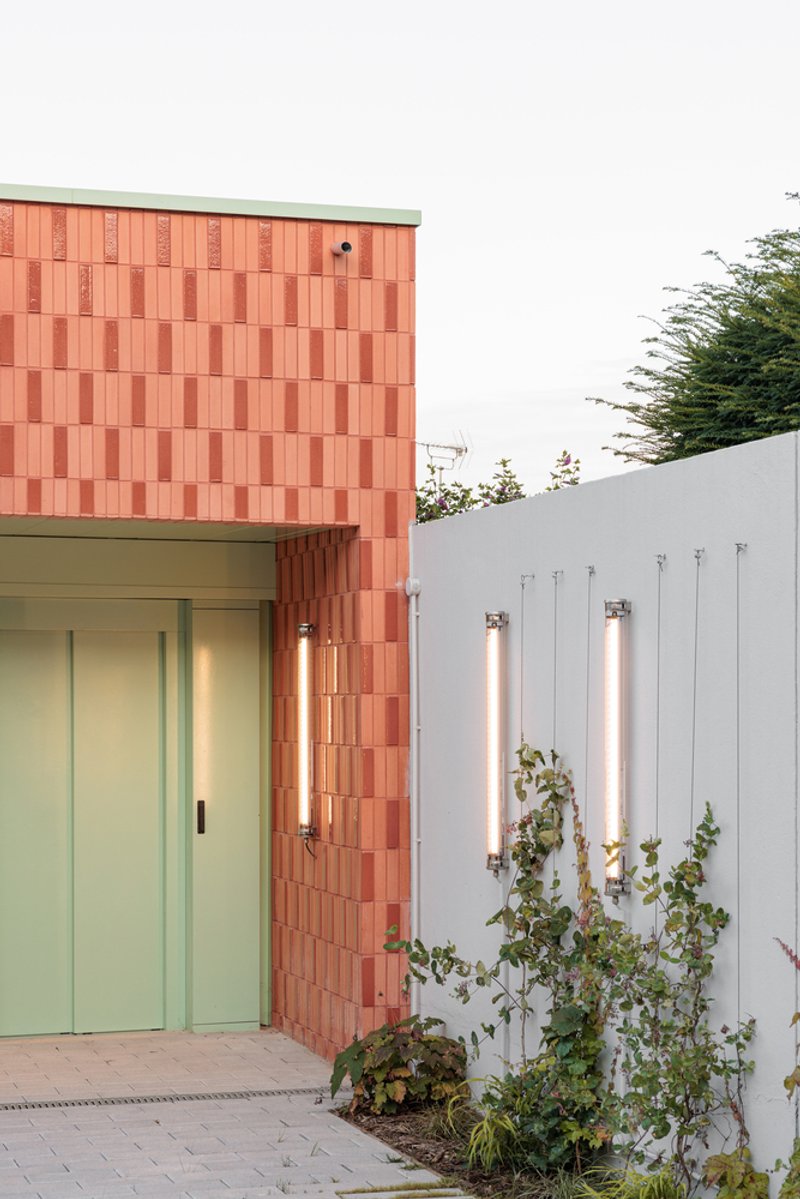
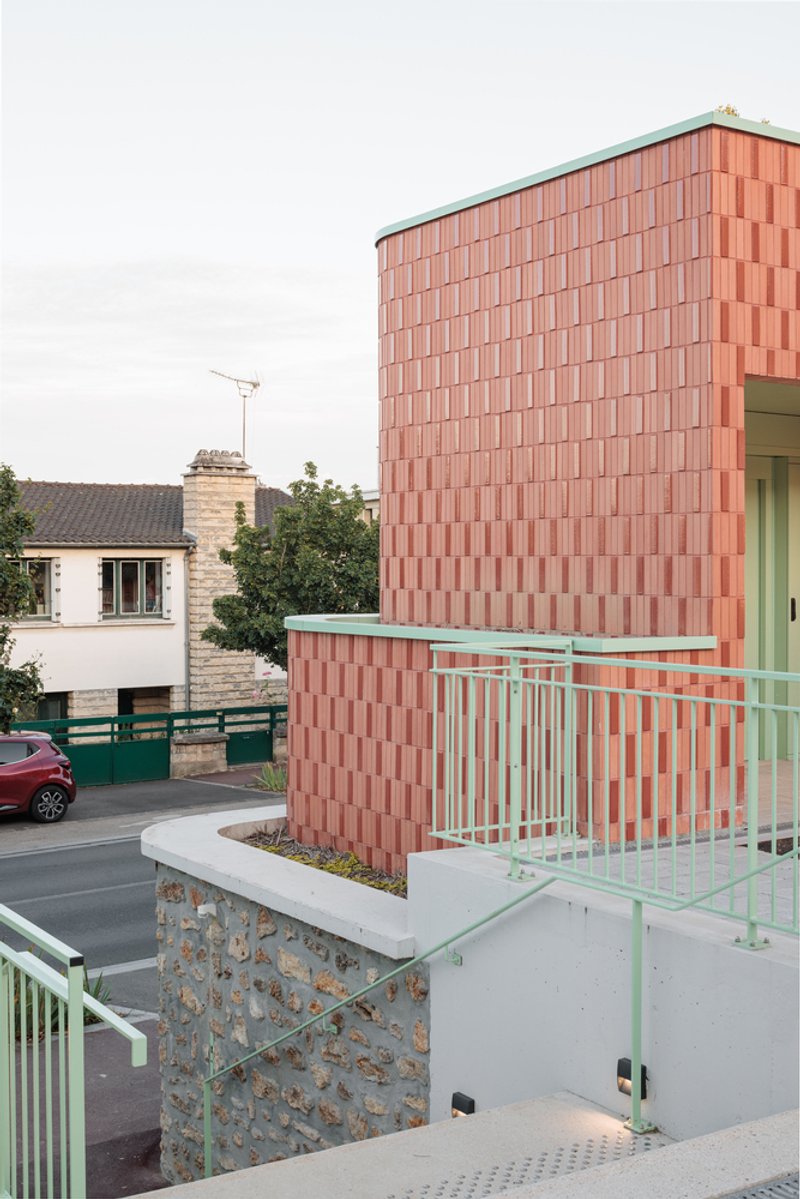
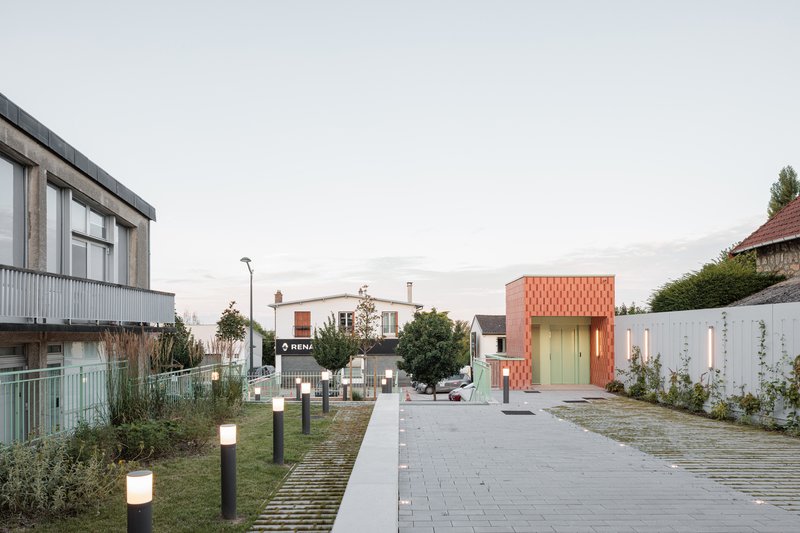
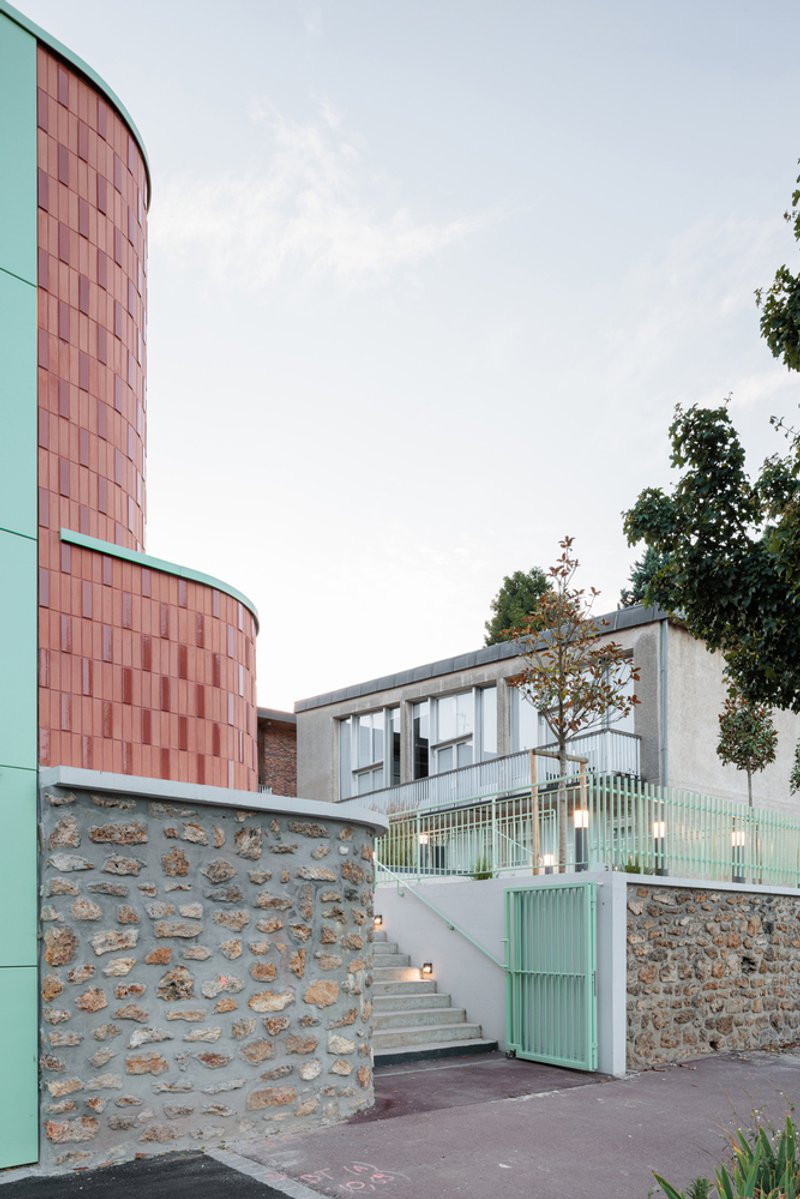
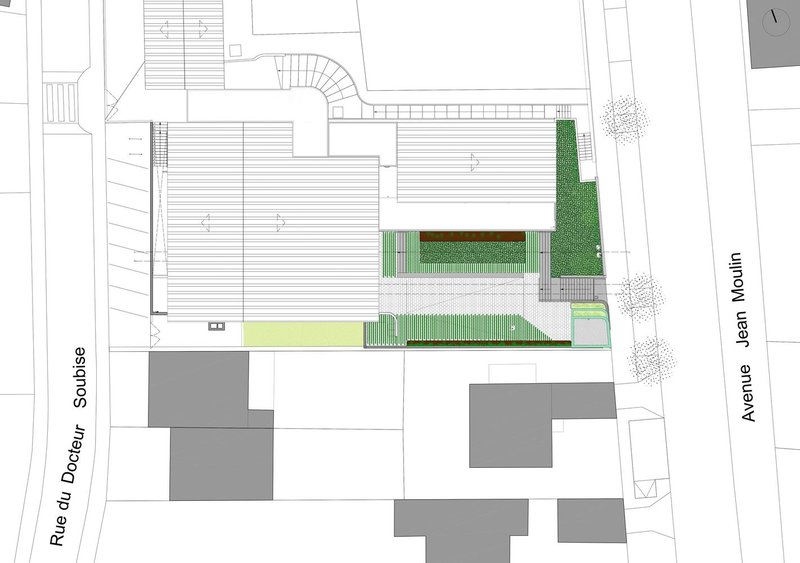
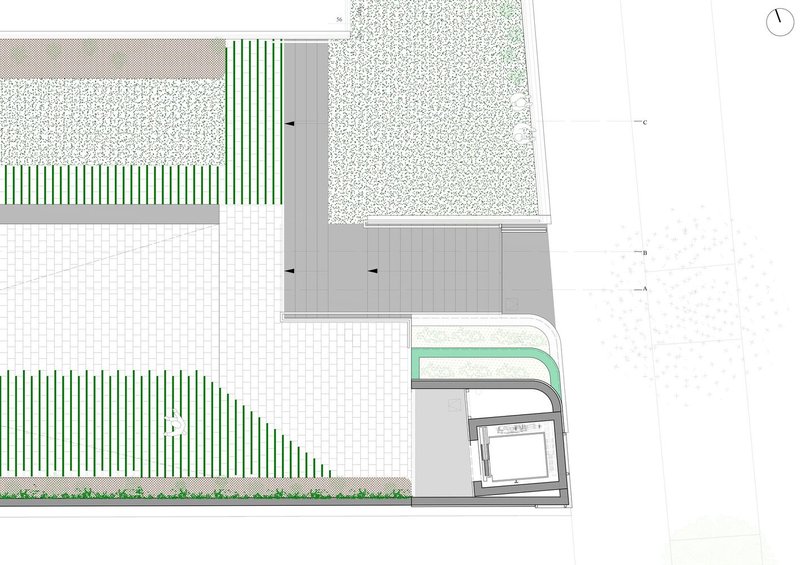
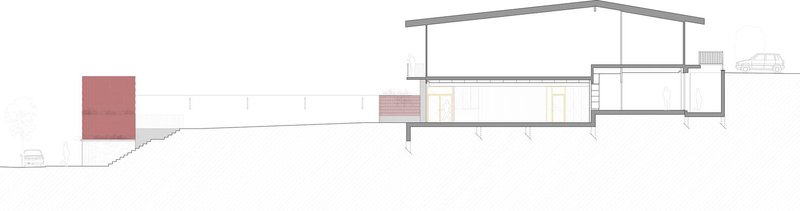
The original structure, located on steep terrain with a 6-meter elevation difference between bordering streets, presented significant challenges in visibility and accessibility. The design solution involved the creation of a new microarchitecture, housing an elevator that not only improves access but also acts as a striking landmark within the cityscape. Inspired by the 19th-century architectural language of the neighborhood, the design contrasts materials, textures, and finishes to emphasize the cultural facility's modern yet contextual presence.
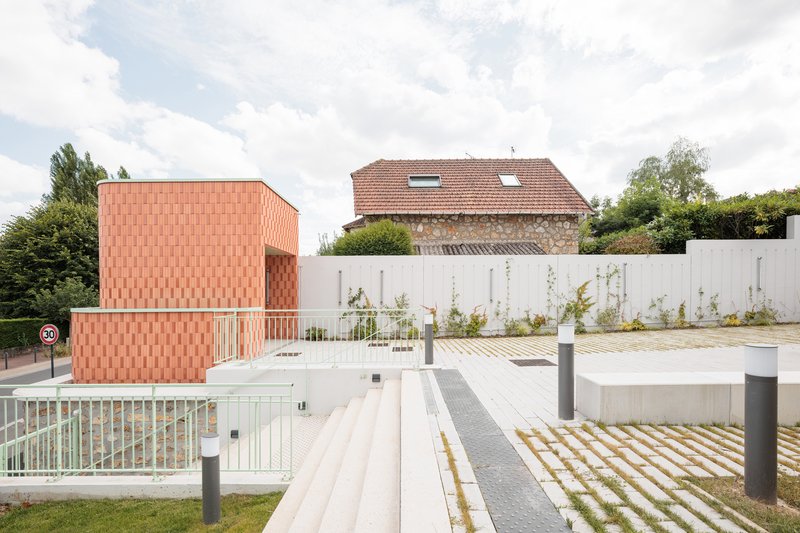
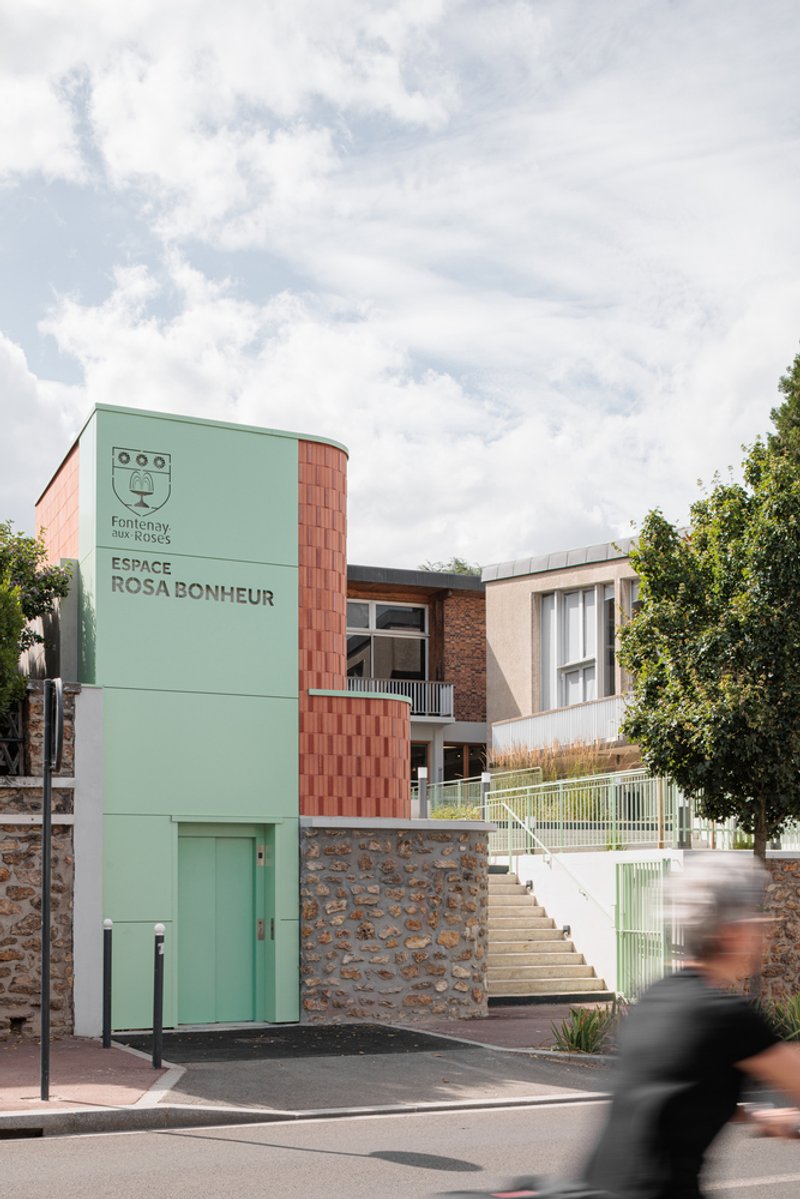
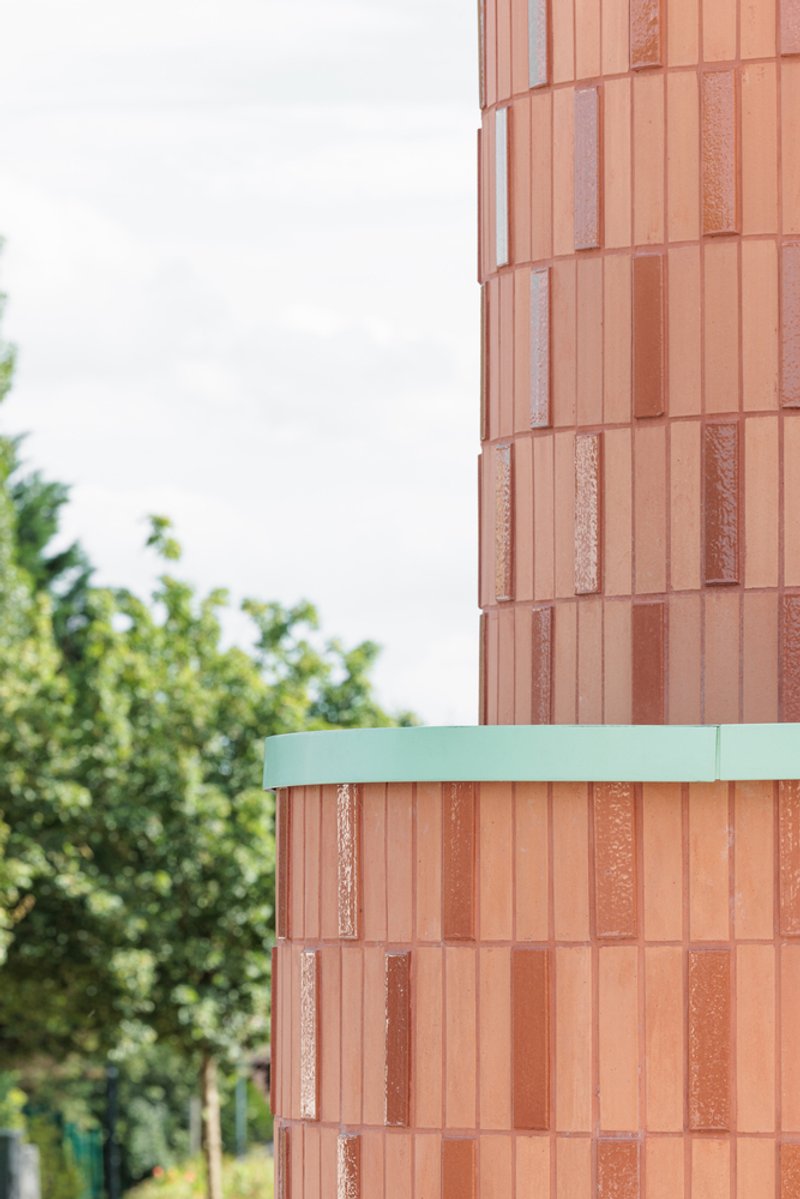
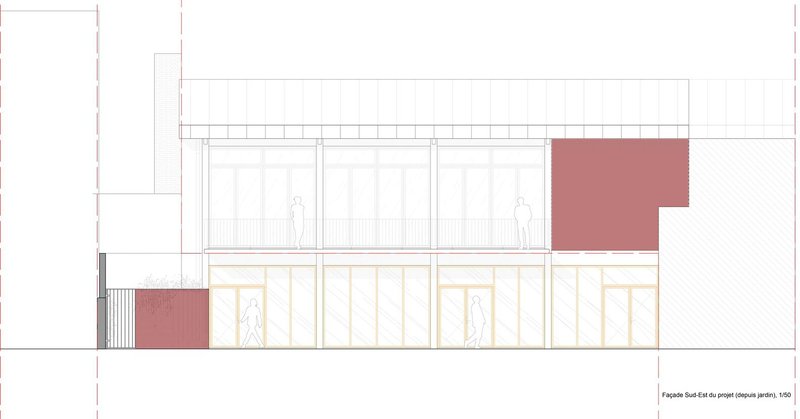
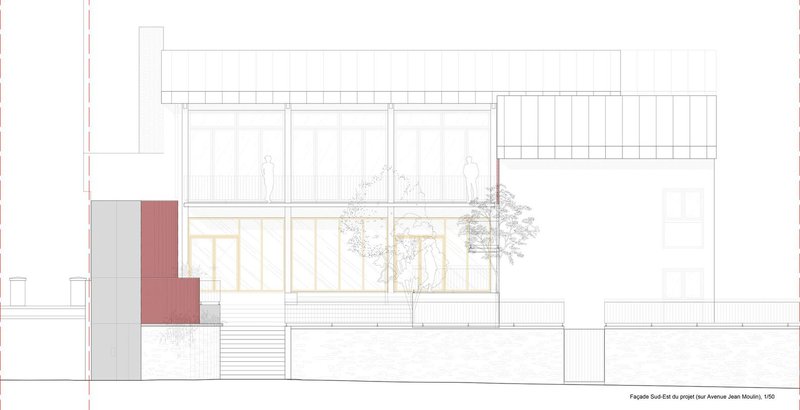
The elevator structure, crafted with pale green metal and a retro-lit, laser-cut sign, serves as a beacon for visitors. The base of the building was reconstructed with stone, while the elevator shaft was clad in matte and glazed reddish-brick tiles. These elements provide a vibrant contrast to the pastel shades of the surrounding materials, reinforcing the blend of heritage and contemporary aesthetics.
Landscaping and Urban Integration
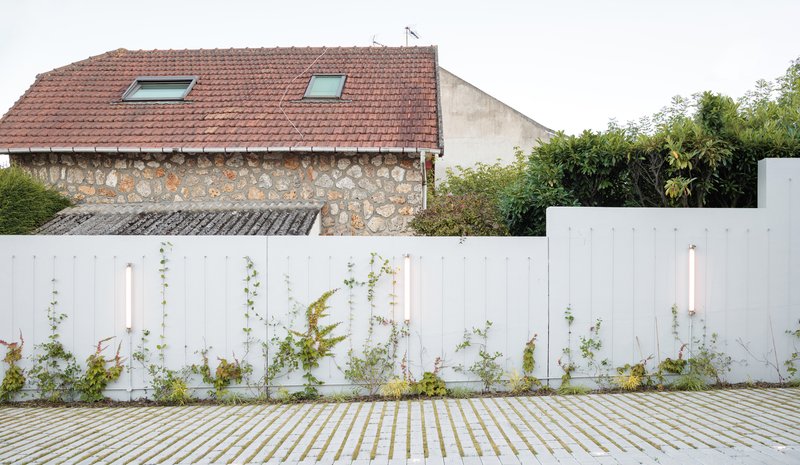
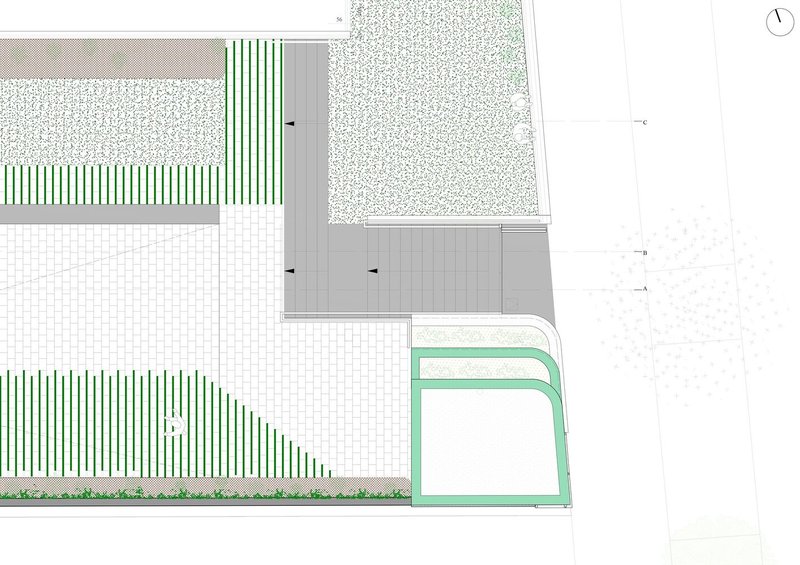
The transformation of the Rosa Bonheur Cultural Center extends beyond the building itself to the surrounding urban fabric. The elevated square, previously underutilized, was redesigned into an inviting public space. The new layout features a series of gardens and small paved squares with vegetated joints, bordered by long concrete benches. These additions create an accessible and visually appealing environment, reconnecting the site with the city’s topography and providing a space for community interaction.
Interior Design for Cultural Engagement
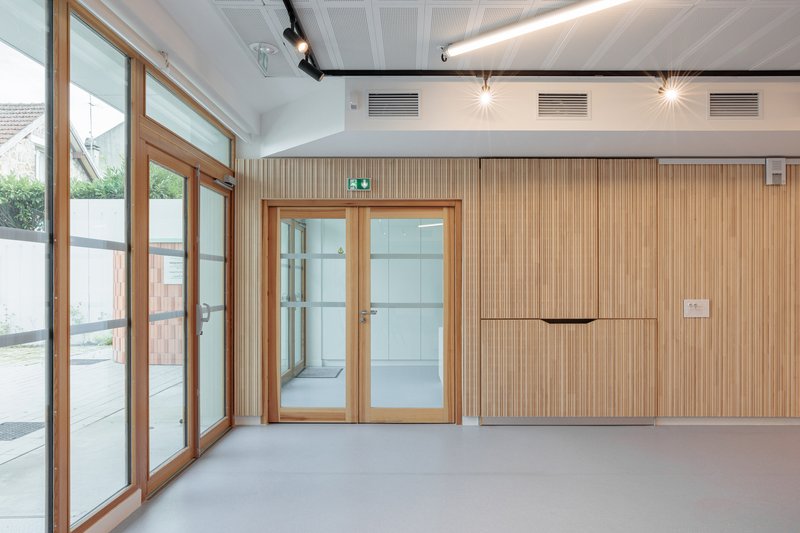
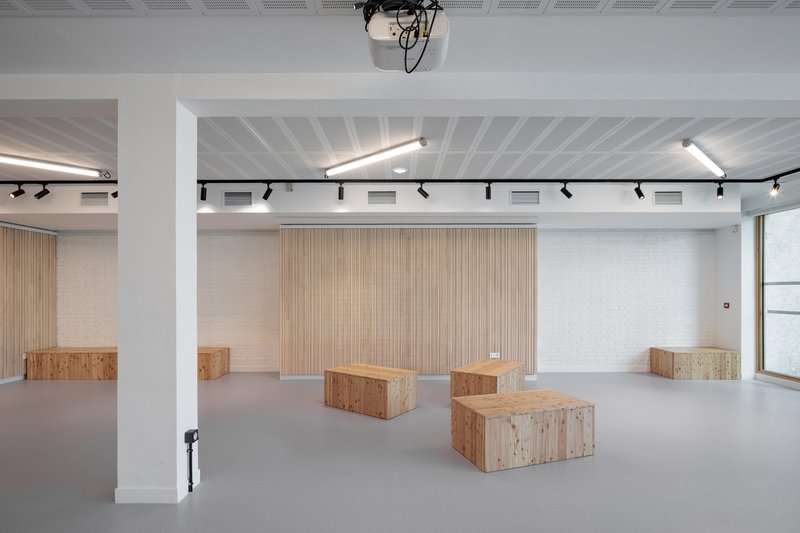
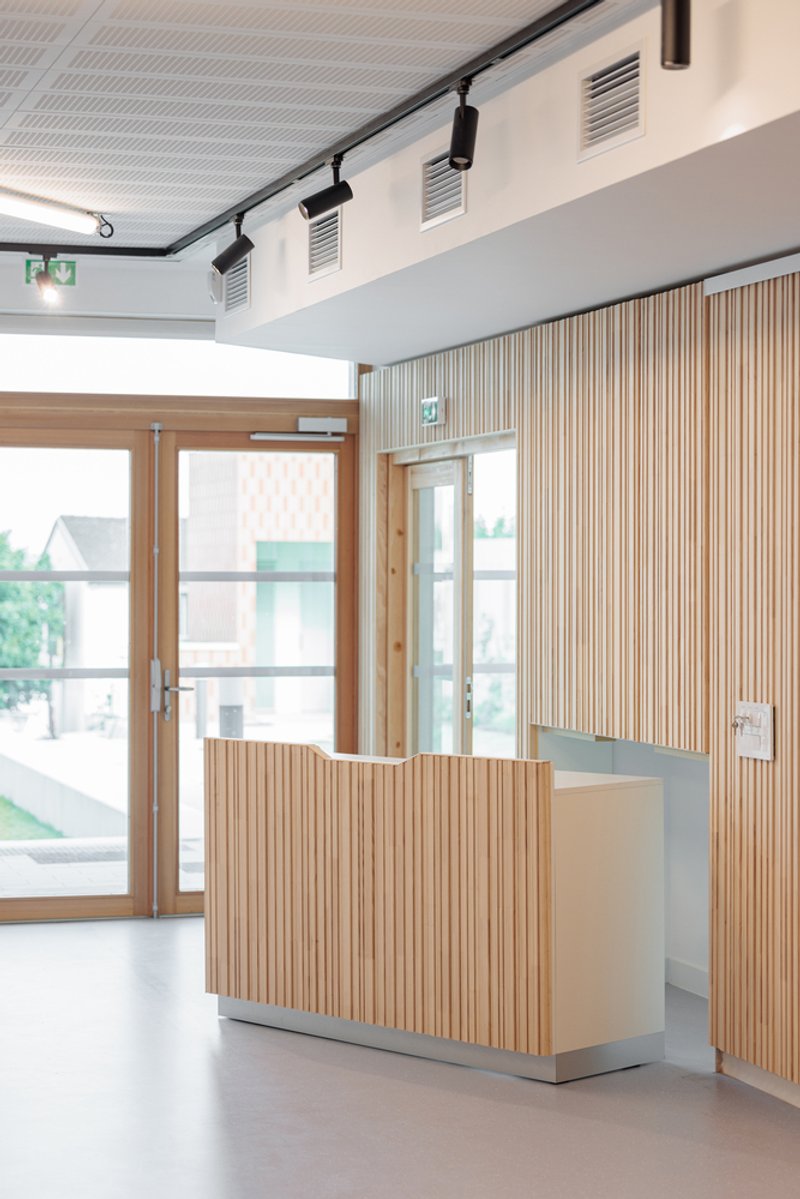
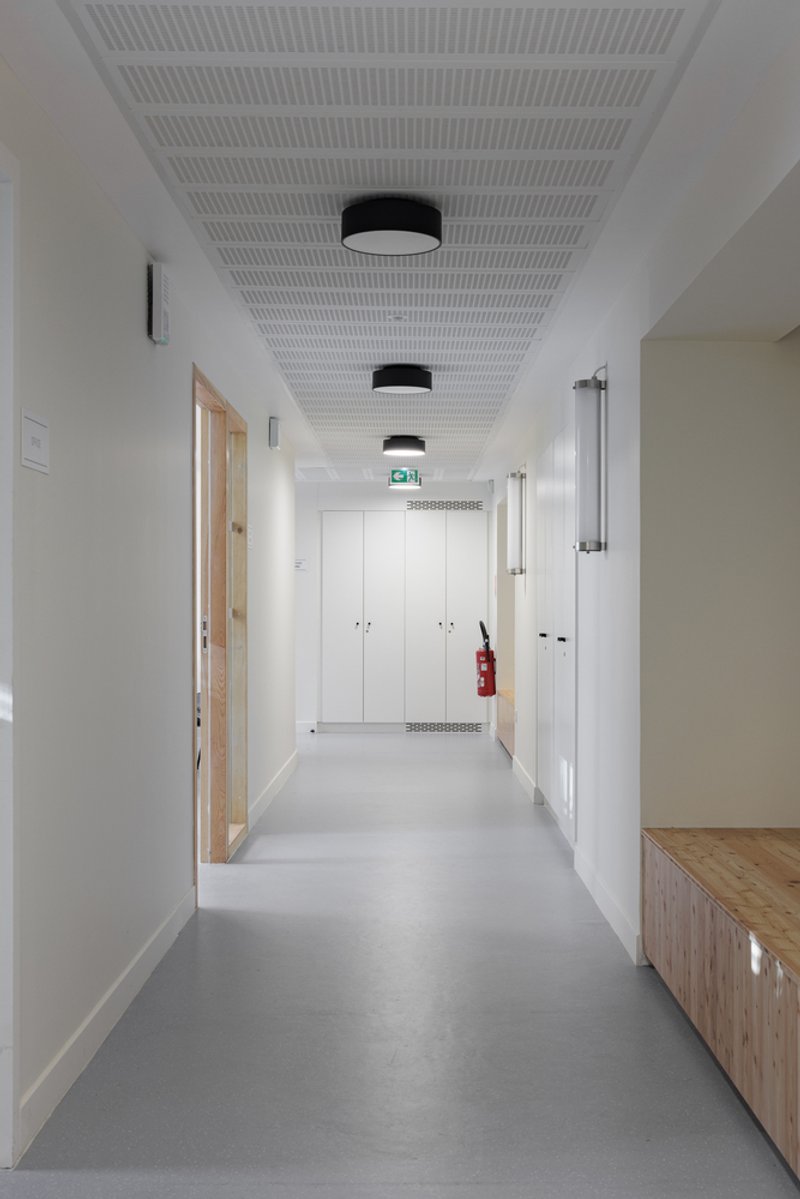
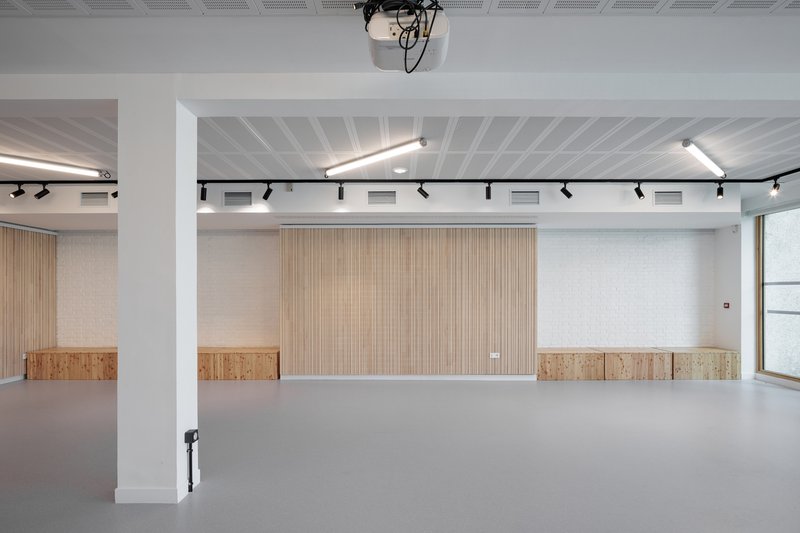
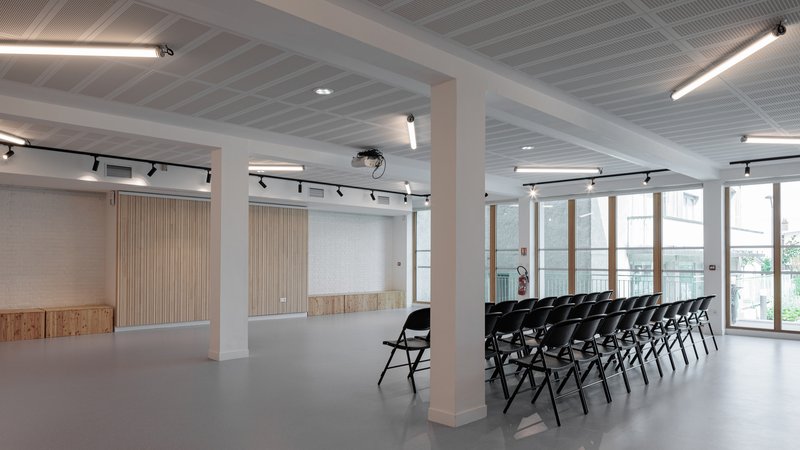
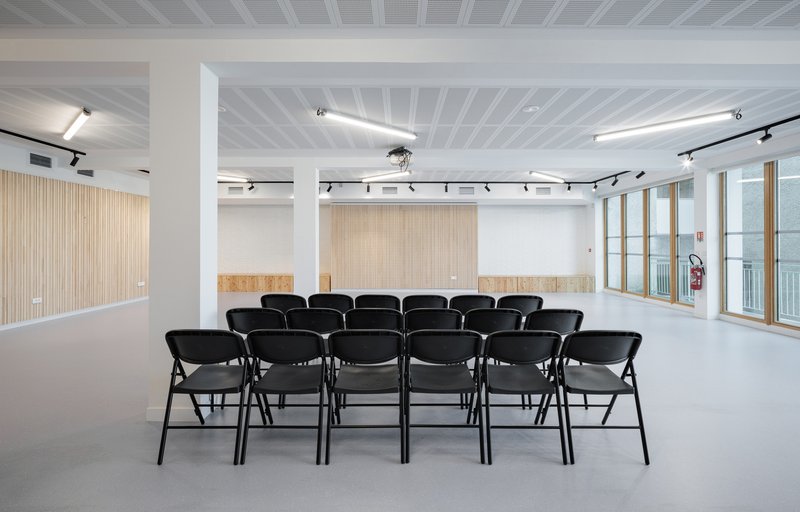
Inside, the Rosa Bonheur Cultural Center has been thoughtfully redesigned to support a variety of cultural and community activities. The reimagined spaces include community rooms and a large multipurpose hall intended for exhibitions, performances, and events. The hall is clad in wooden acoustic panels that enhance sound quality while concealing built-in storage cabinets and a movable reception desk.
Rolling benches add flexibility to the design, enabling the space to adapt to different functions. Whether hosting a cultural exhibition or a community gathering, the interiors reflect a commitment to functionality, creativity, and inclusivity.
Sustainability and Heritage Restoration
Sustainability and heritage restoration were integral to the renovation process. The building’s exterior joinery was replaced with wooden-framed windows, enhancing energy efficiency while preserving its character. The façade was refurbished to align with modern environmental standards, ensuring the structure’s longevity and sustainability.
The careful balance between historic preservation and modern innovation demonstrates how cultural centers can evolve to meet contemporary needs without losing their identity.
A Model for Modern Cultural Center Design
The Rosa Bonheur Cultural Center is a prime example of how adaptive reuse architecture can breathe new life into aging structures. By blending heritage preservation, innovative design, and urban integration, Modal Architecture has created a cultural landmark that serves as a dynamic hub for community and cultural engagement.
This project exemplifies modern cultural center design, offering a blueprint for how architects can transform underused spaces into vibrant, multifunctional facilities that meet the needs of diverse communities.
The Rosa Bonheur Cultural Center showcases the potential of thoughtful design to create meaningful connections between architecture, community, and culture. Modal Architecture’s approach to reimagining this historic building highlights the importance of accessibility, sustainability, and adaptability in contemporary cultural projects. As a revitalized space for creativity and interaction, the center serves as an inspiring example of modern cultural center design that bridges the past and the present.
All Photographs are work of Salem Mostefaoui