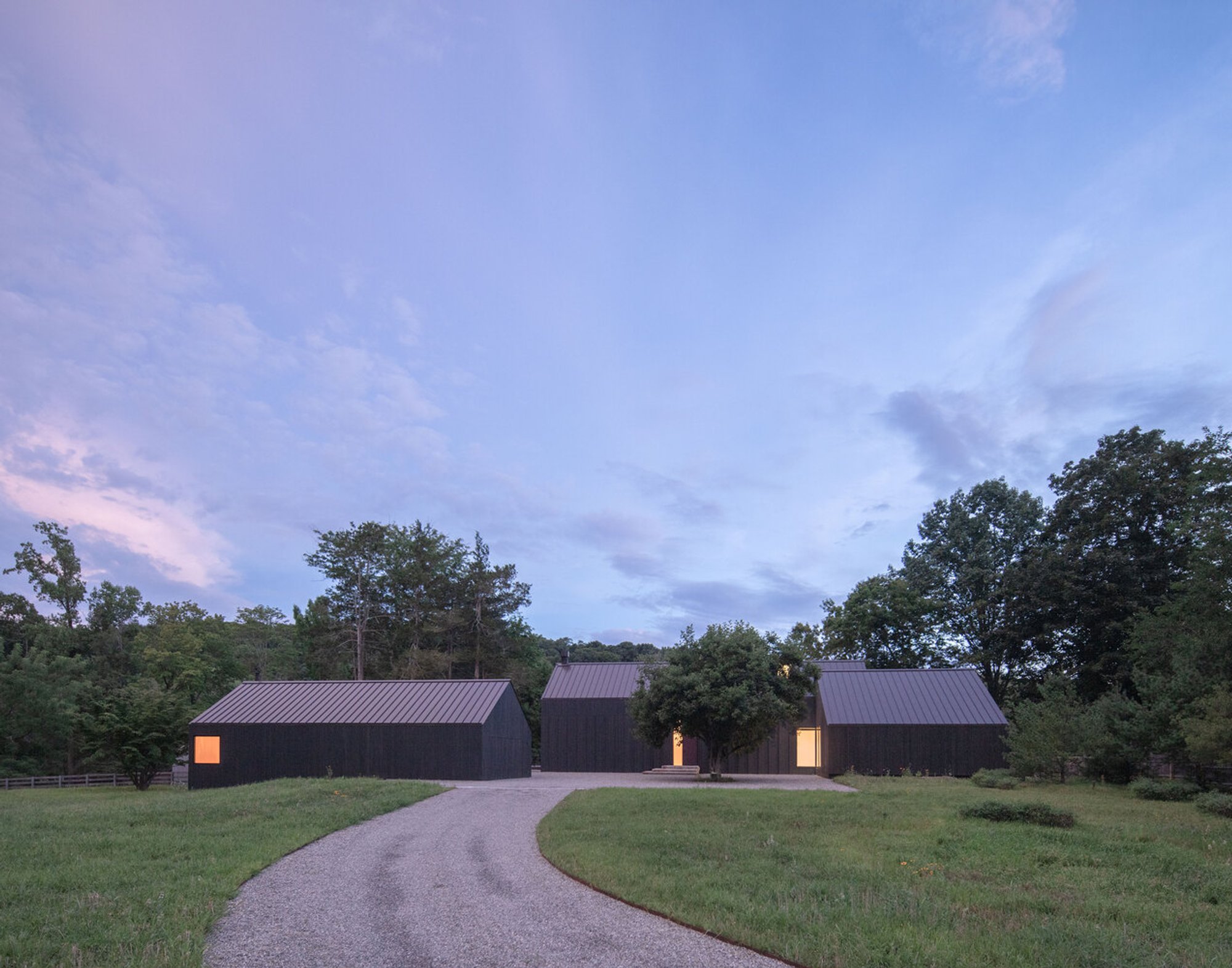
Modern Farmhouse Architecture: A Case Study of North Salem Farm
Exploring the North Salem Farm project, a modern farmhouse architecture blend by Worrell Yeung, integrating tradition with contemporary design in New York.


The concept of modern farmhouse architecture beautifully merges the warmth and simplicity of traditional rural living with contemporary design and sophistication. A prime example of this innovative architectural approach is the North Salem Farm project by Worrell Yeung Architecture. Situated in the picturesque landscape of Westchester County, New York, this project showcases how modern design principles can rejuvenate and transform traditional farmhouse structures into elegant, contemporary homes.
Design Philosophy and Approach
The Essence of Modern Farmhouse Architecture
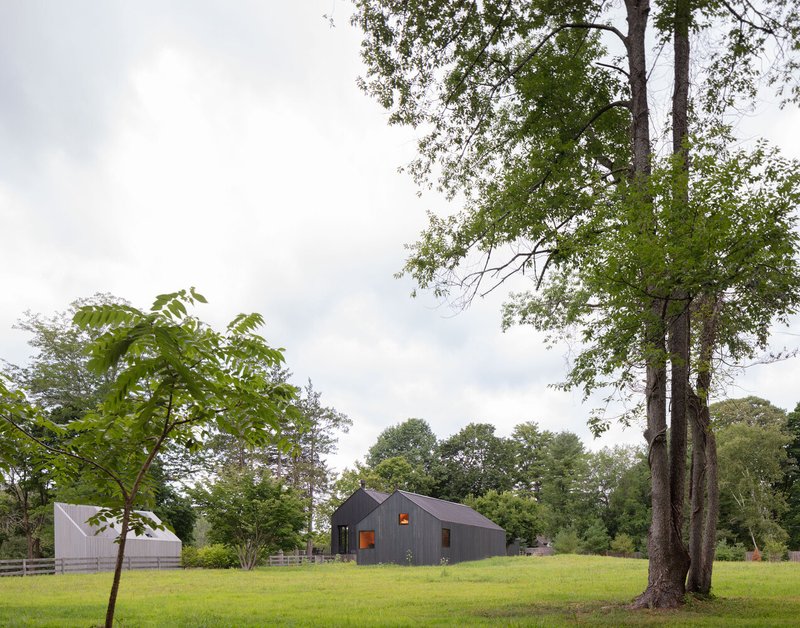
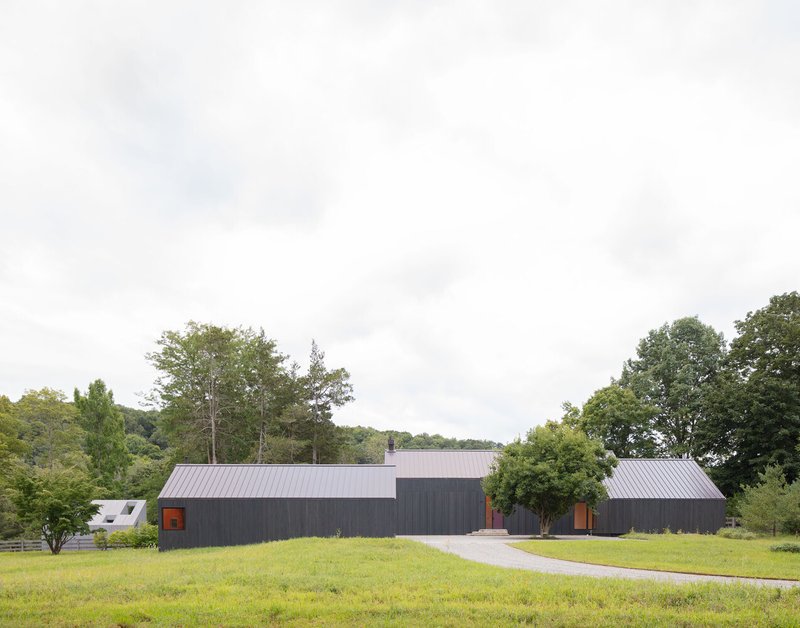
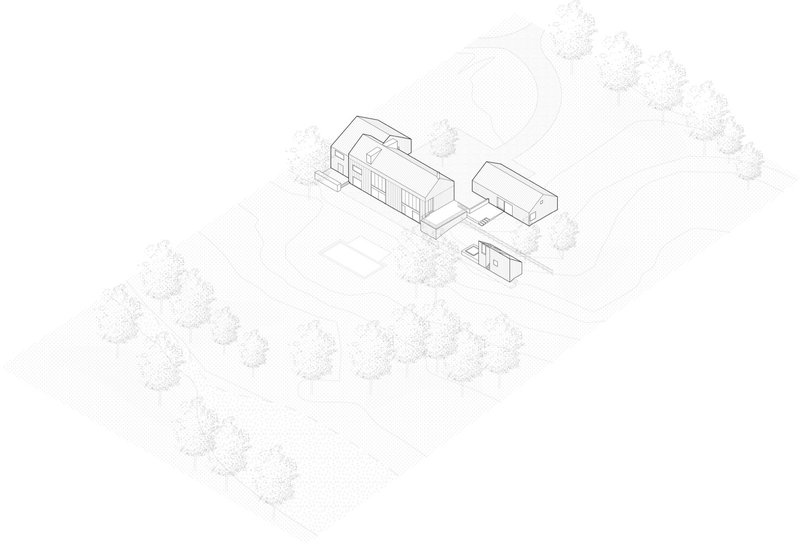
At the heart of the North Salem Farm project lies Worrell Yeung Architecture's commitment to expressing architectural volume through the simplification of design elements. This principle is evident in the project's integration into the surrounding agrarian landscape, emphasizing a seamless blend of indoor and outdoor spaces. The design team's approach gathers new and existing structures on an 8.7-acre site, optimizing views and creating a private, serene living environment.
Architectural Features and Material Choices
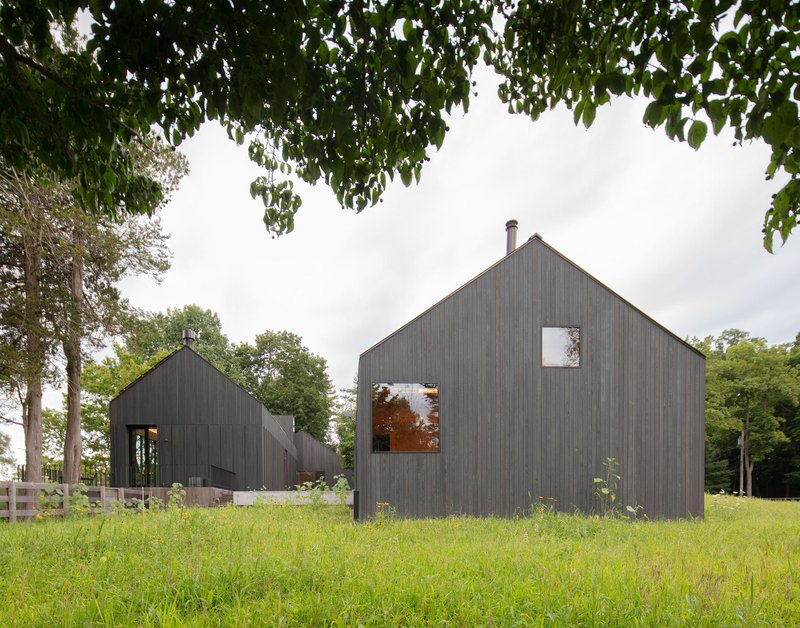
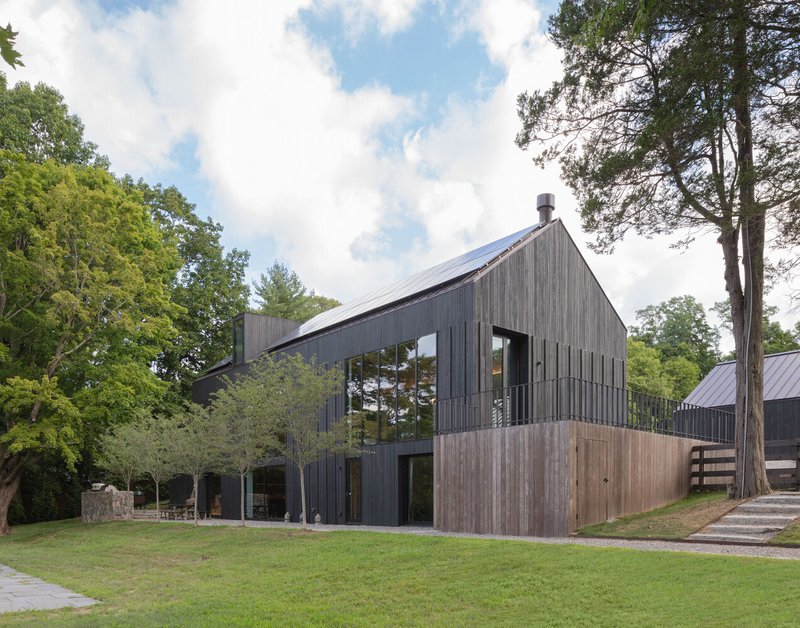
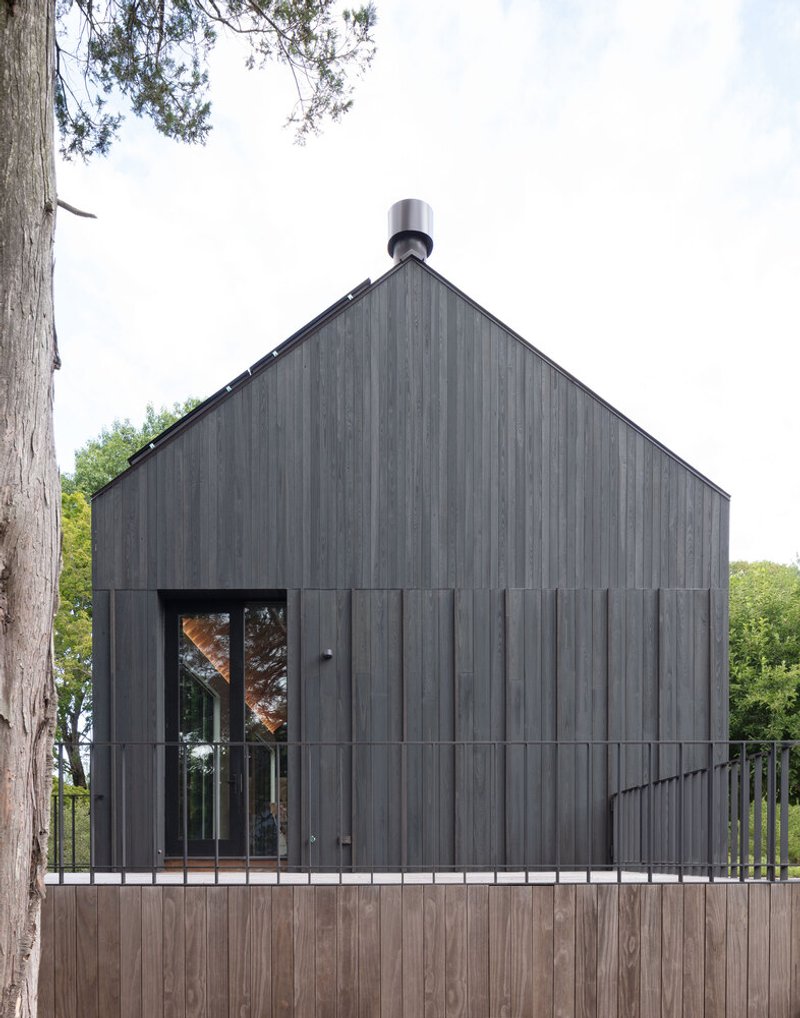
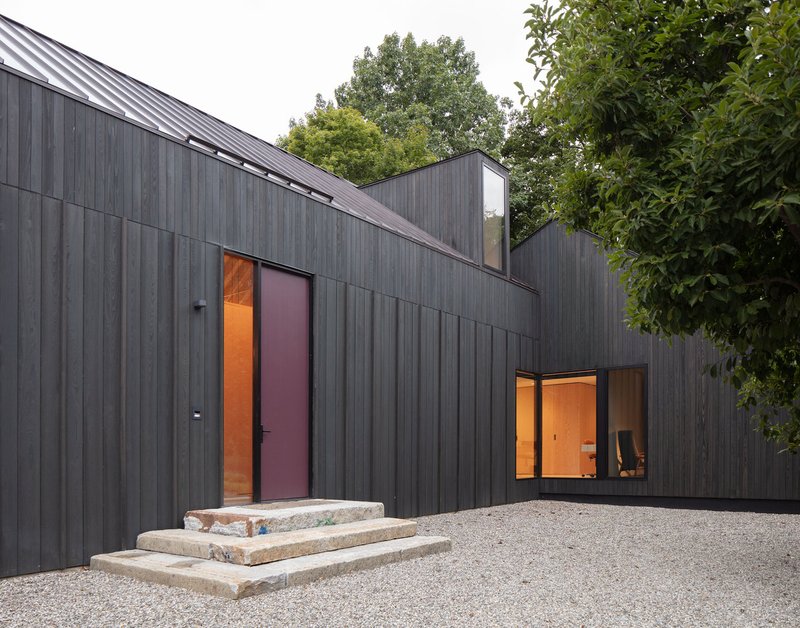
The project consists of a renovated and expanded main house, originally a converted dairy barn, alongside a new garage/studio and spa shed. These buildings reinterpret the traditional gabled form of American barns, with each structure showcasing unique cladding and material details to avoid a monotonous aesthetic experience. Dark metal roofing and custom dark green stained cypress wood siding characterize the main house, inspired by the dark, mossy-covered barns native to the area.
Interior Design and Living Spaces
Combining Tradition and Modernity
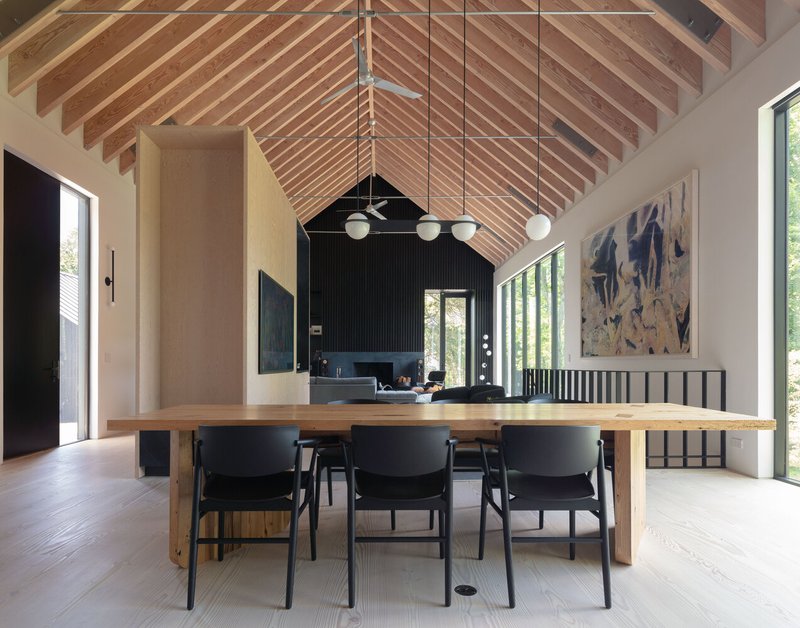
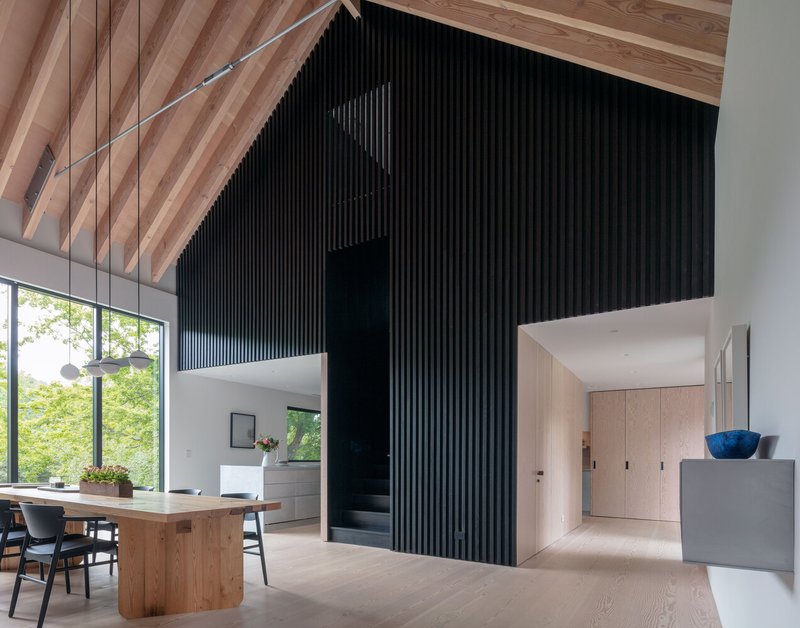
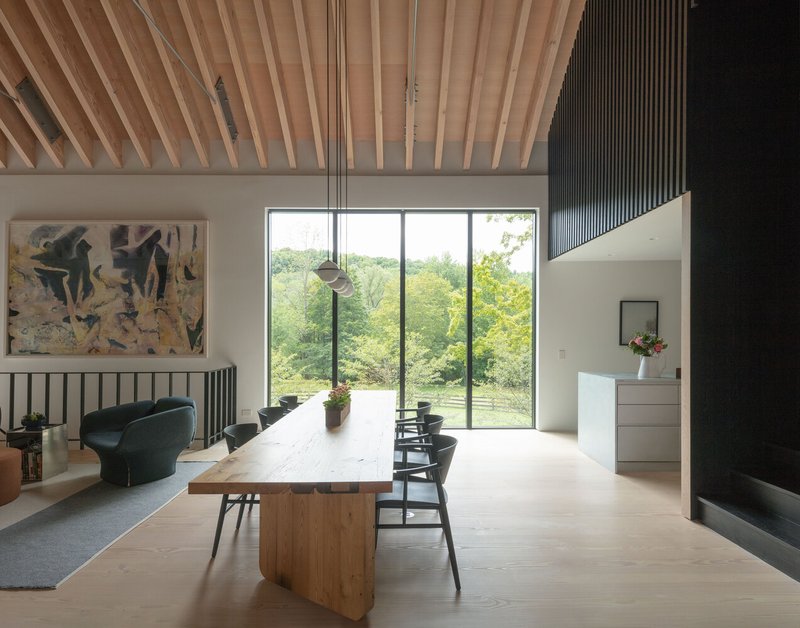
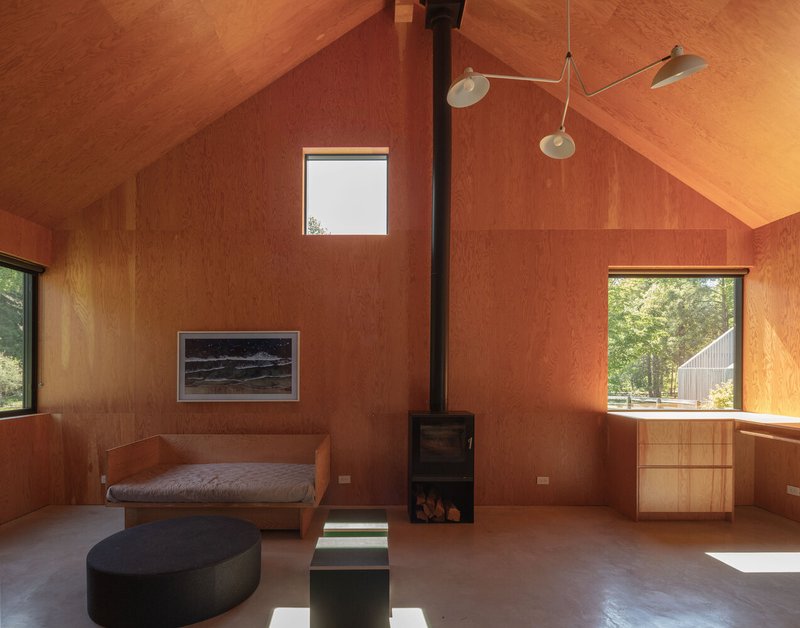
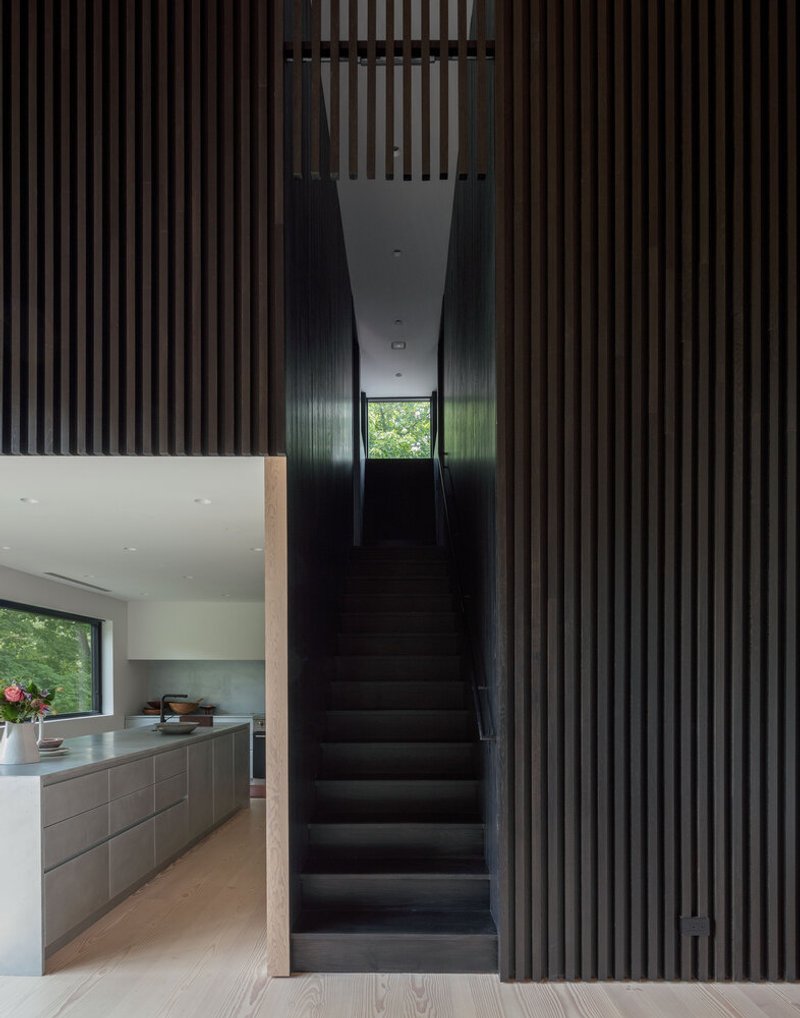
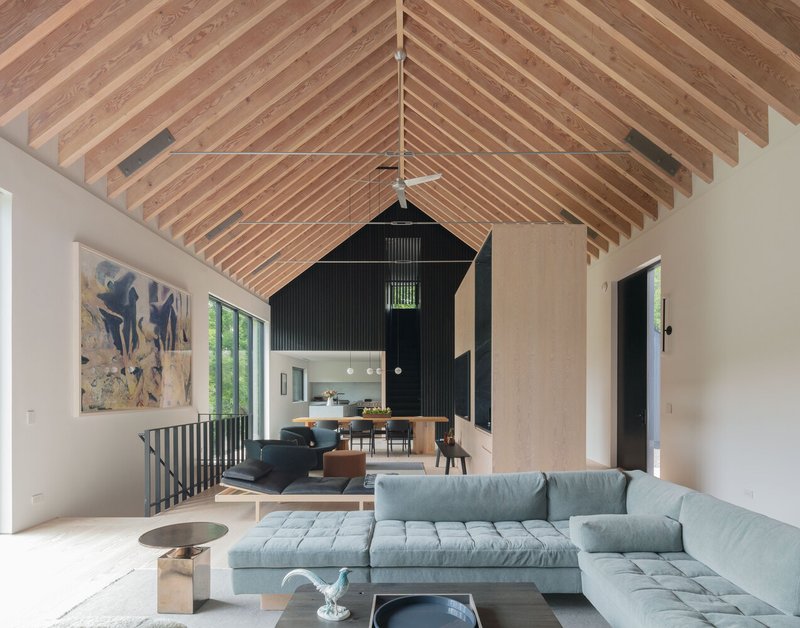
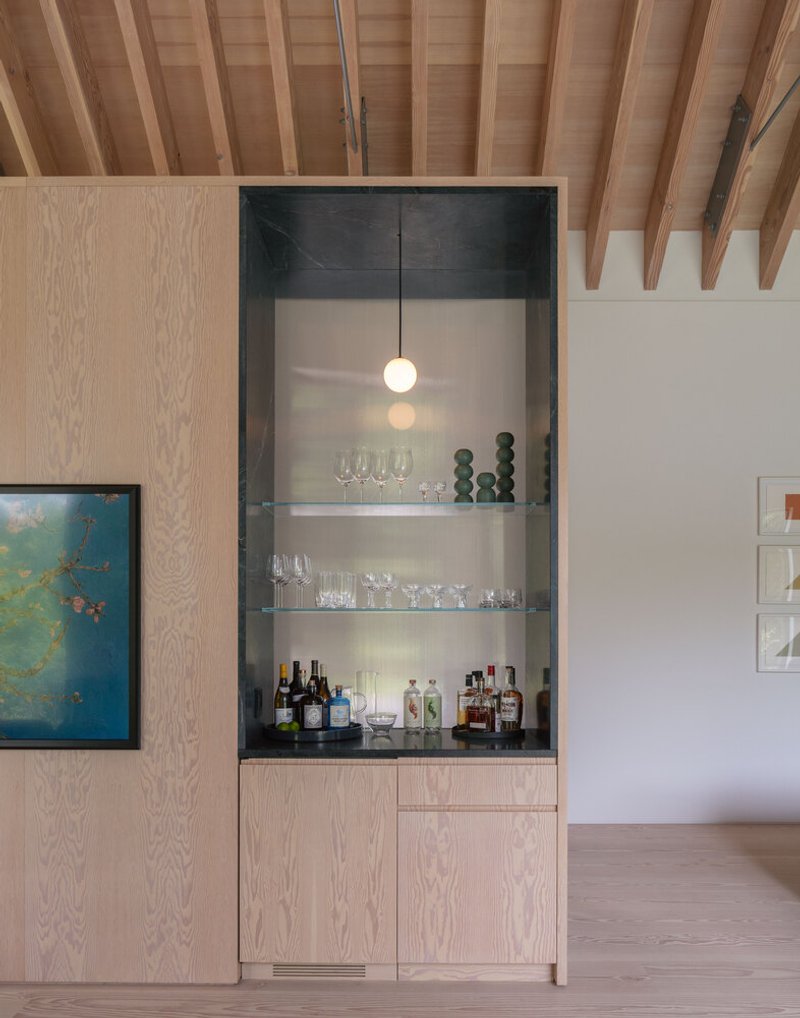
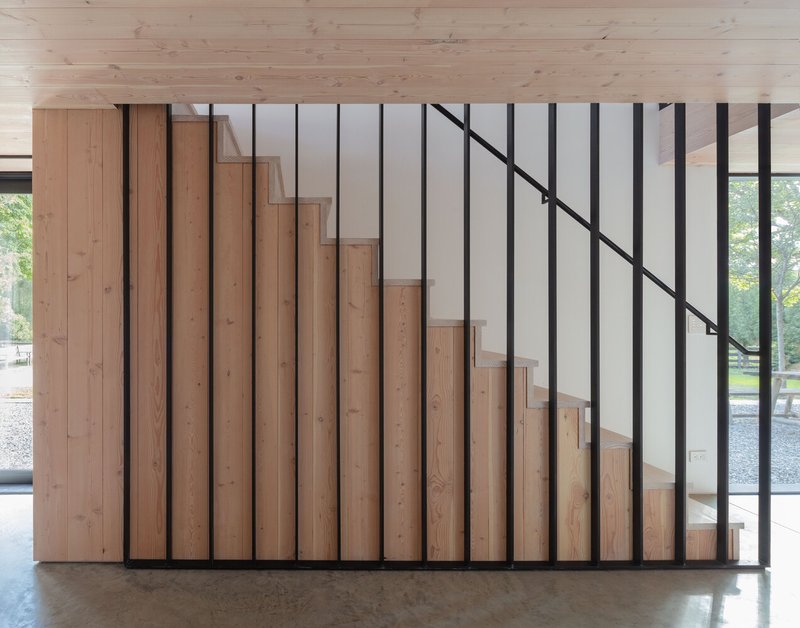
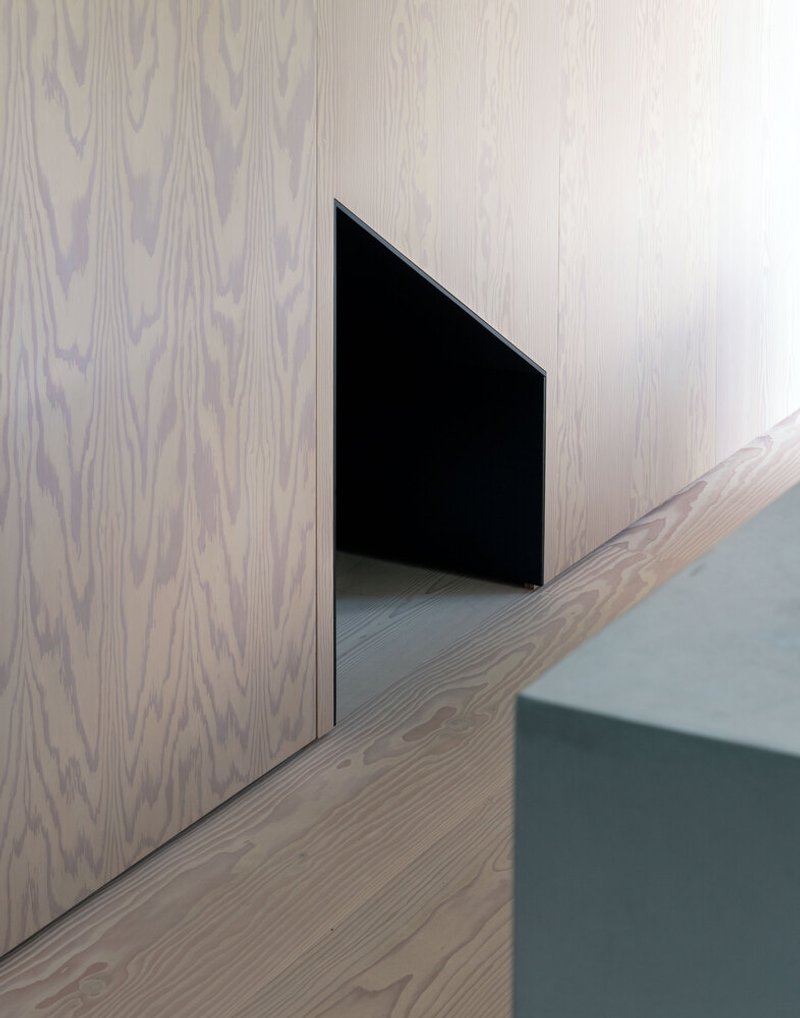
Inside the main house, a dramatic timber gabled roof stretches across the communal living space, creating an open and inviting atmosphere. The use of Douglas Fir wood for the freestanding core of the living area, which houses an entry closet, bench, and bar, contrasts beautifully with the black wood-clad fireplace/bookcase wall and guest wing volume. This design choice emphasizes the light Douglas Fir wood floors and matching structure above, embodying the modern farmhouse aesthetic.
Intimate Spaces and Material Harmony
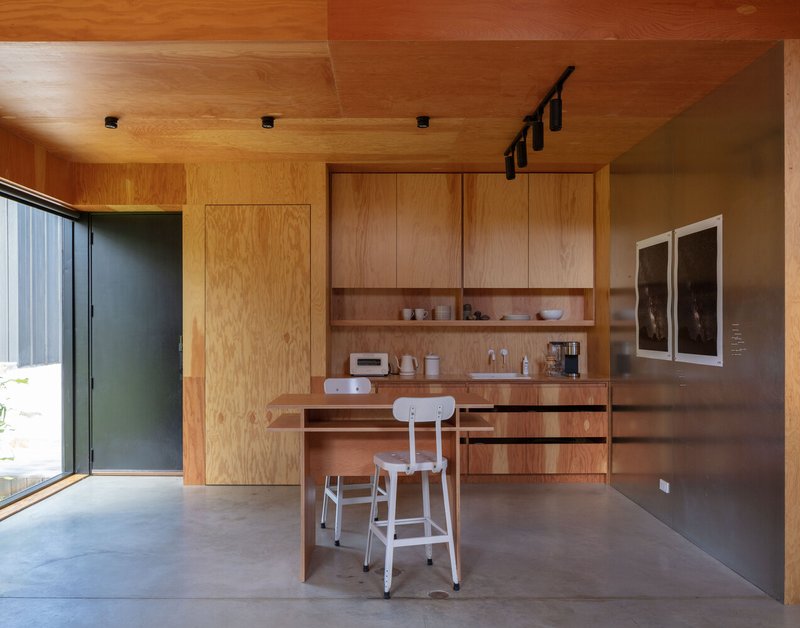
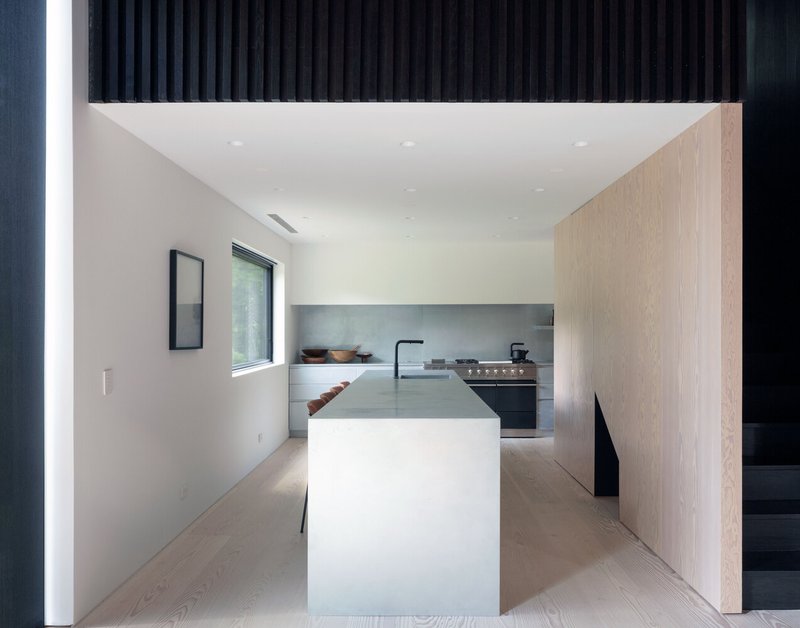
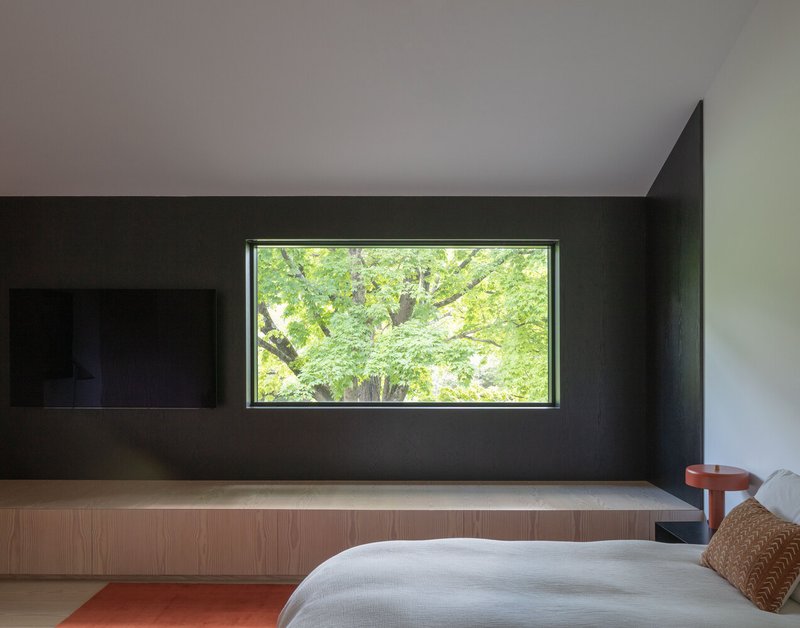
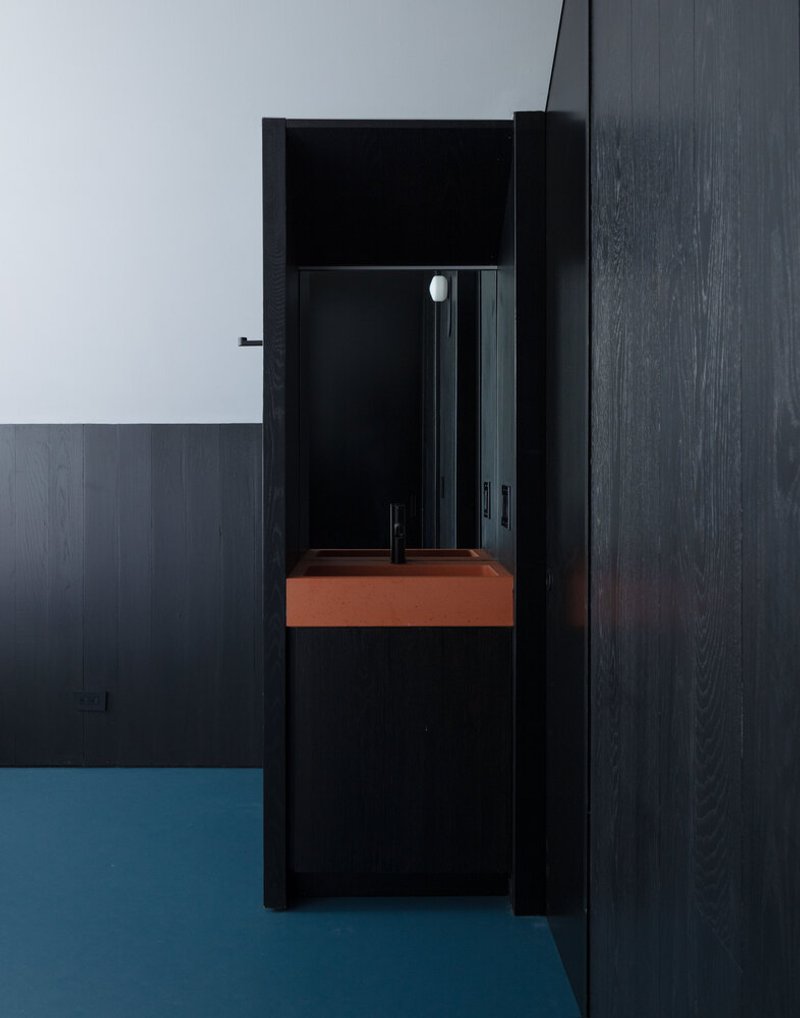
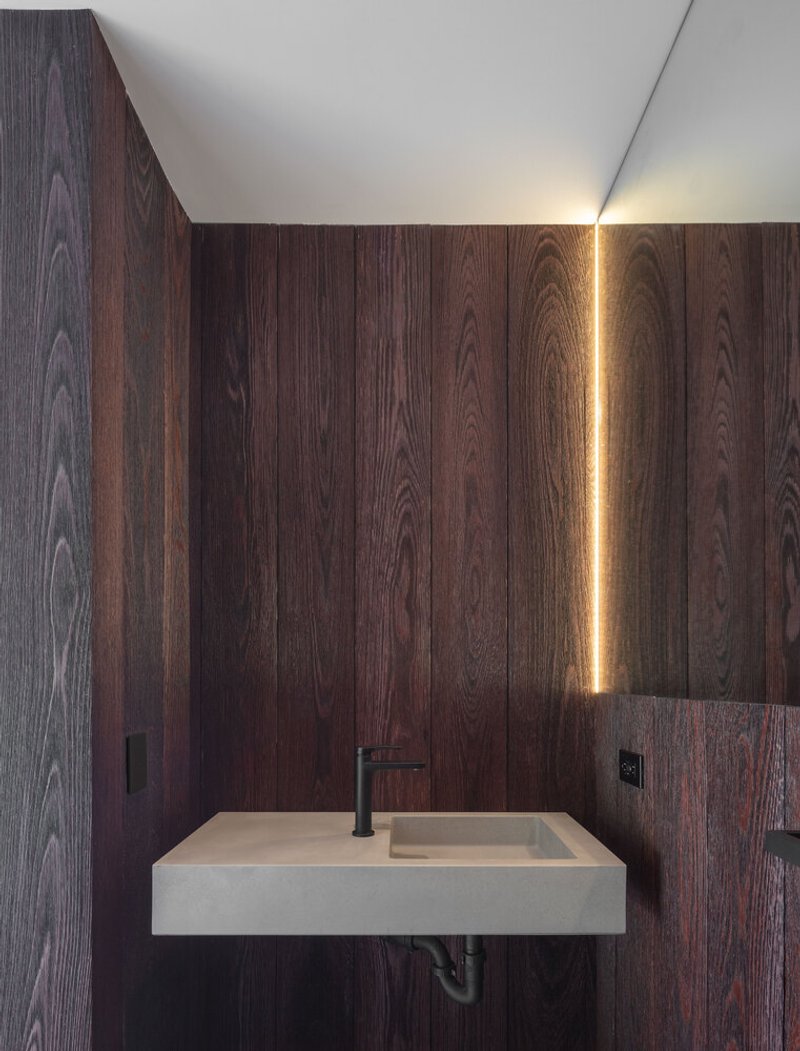
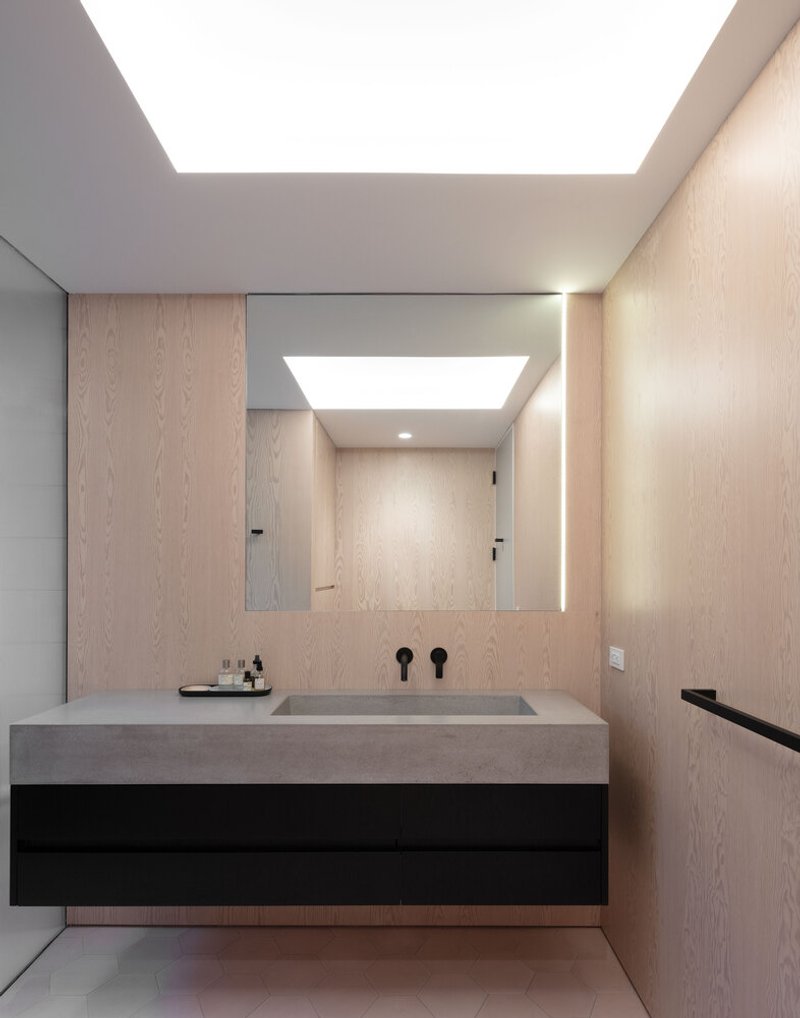
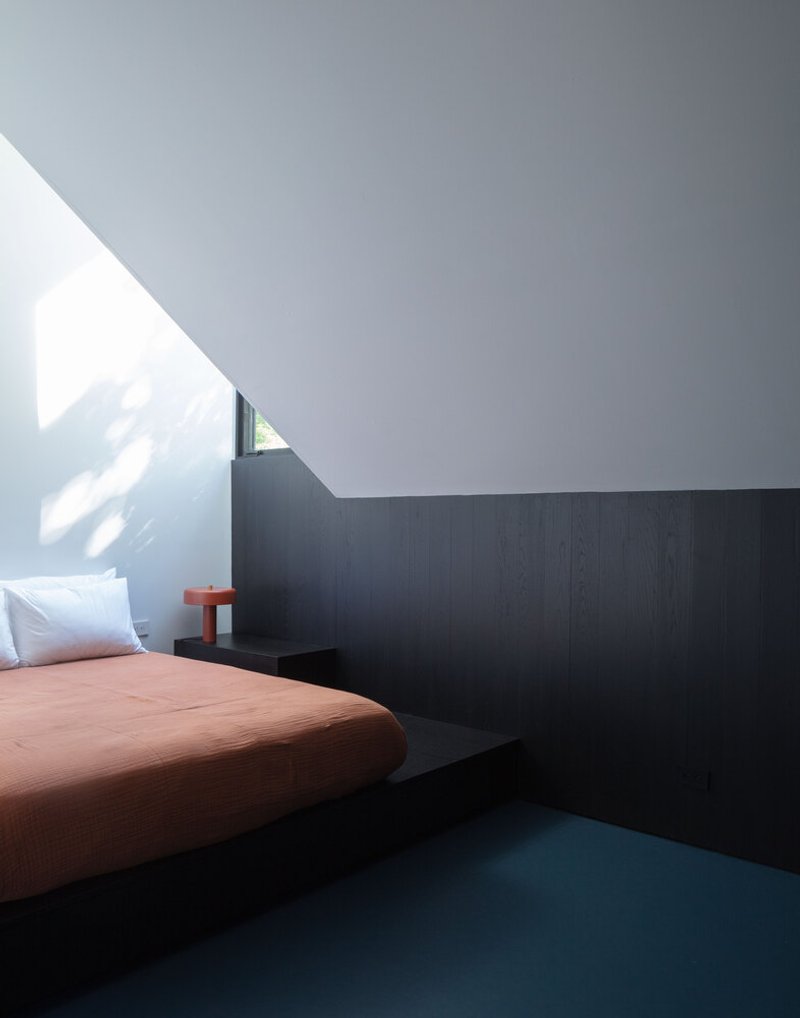
The kitchen and bedrooms of North Salem Farm further illustrate the modern farmhouse design ethos. The kitchen features a central zinc-clad island and Douglas Fir wood cabinetry, while the bedrooms offer compact, hotel-like accommodations with en-suite bathrooms and built-in storage. The use of dark wood-lined walls, vibrant color accents, and custom wallpaper designs in these spaces adds depth and character to the home.
Landscape Integration and Outdoor Amenities
Harmonizing with Nature
Collaborating with Raft Landscape, Worrell Yeung Architecture developed a site strategy that emphasizes privacy and views. The design of the driveway, entry gravel court, and the positioning of the main house and additional structures focus on maximizing the connection to the landscape, with particular attention to preserving and integrating existing natural elements like mature trees.
Expanding Living Spaces Outdoors
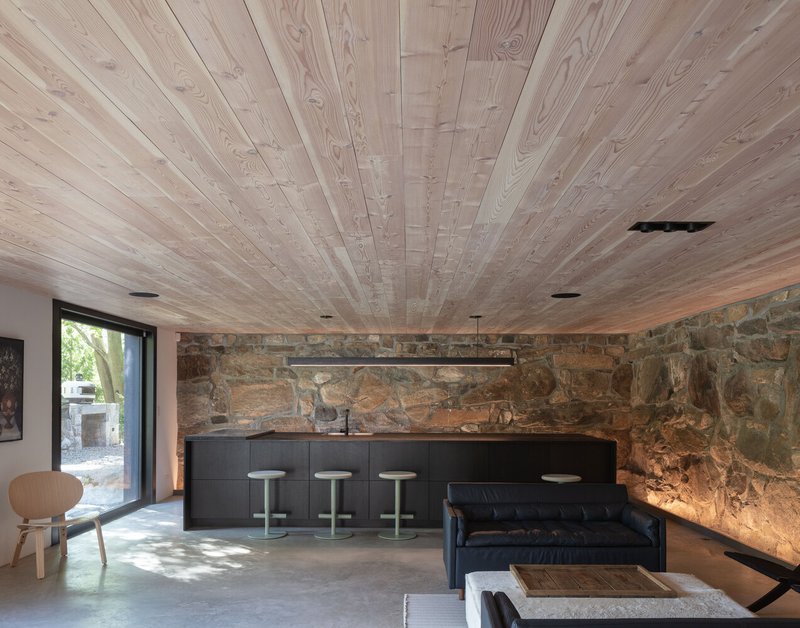
The project extends its living spaces to the outdoors, featuring a new deck accessible from the living area and a basement social space with direct access to the swimming pool. The spa shed, with its hot tub and sauna, offers a tranquil retreat, emphasizing the modern farmhouse's commitment to comfort, relaxation, and a deep connection with nature.
Redefining Rural Architecture
North Salem Farm by Worrell Yeung Architecture stands as a testament to the potential of modern farmhouse architecture to harmonize traditional and contemporary design elements. This project not only provides a luxurious living environment but also respects and enhances its natural surroundings, setting a benchmark for future developments within this architectural genre.
All photographs are work of Naho Kubota