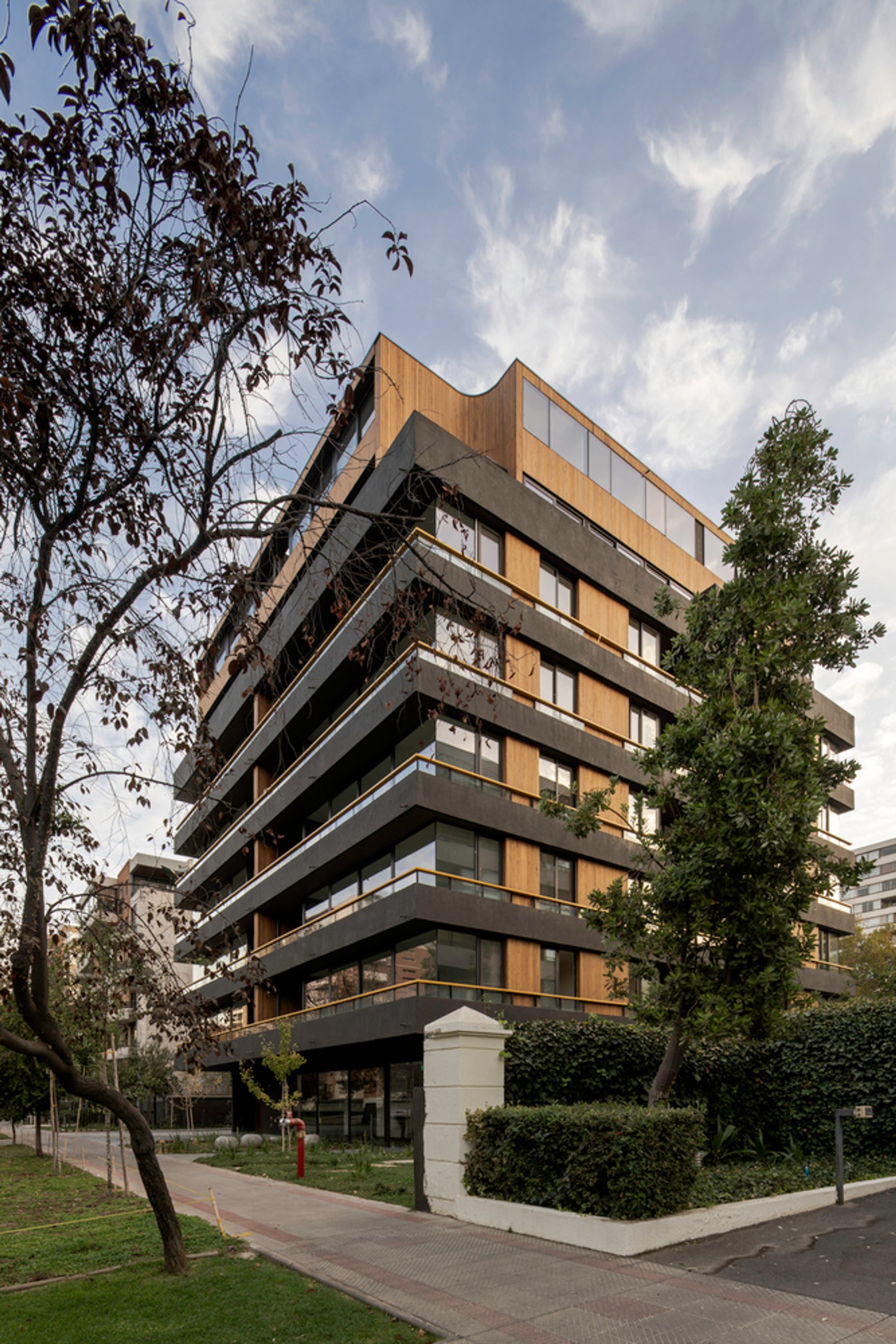
Modern Medium-Density Housing in Providencia: JS449 Apartment Building by Duque Motta & AA + FIA
Explore JS449 Apartment Building's innovative design, blending tradition with modern medium-density housing in Providencia, Chile


Nestled in the heart of Providencia, Chile, the JS449 Apartment Building stands as a testament to modern medium-density housing, skillfully crafted by architects Duque Motta & AA + FIA. This architectural marvel, completed in 2022, embraces a unique design philosophy that harmoniously blends tradition with contemporary living.
Architectural Innovation in Providencia
The assignment for JS449 was to develop a residential building in Providencia, emphasizing increased density while adhering to local regulations. Duque Motta & AA + FIA ingeniously incorporated a 12-floor structure, respecting regulations that exclude housing on the first floor. This architectural feat aimed to connect with the rich tradition of mid-20th-century medium-density housing in Providencia.
Integrating with Providencia's Heritage
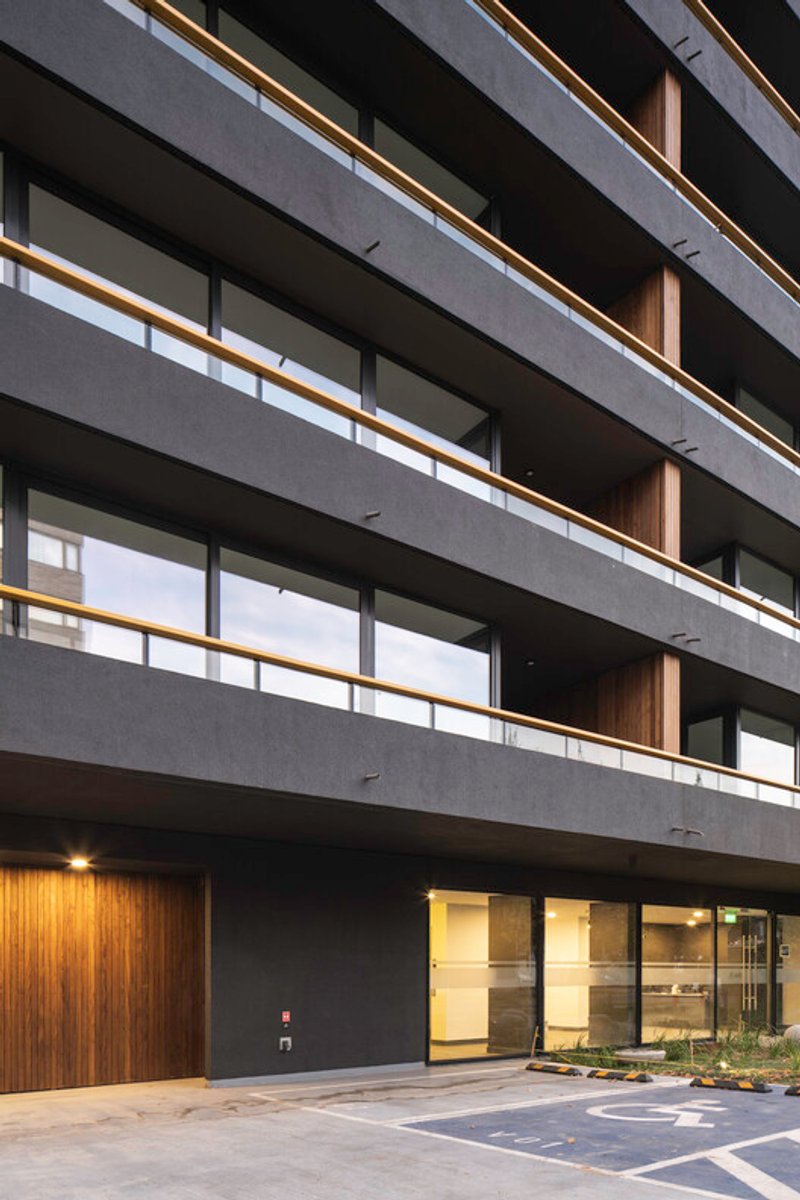
JS449's design prioritizes public space, dedicating a front garden strip to the street and creating a transparent entrance hall, seamlessly integrating with the city. The building strategically utilizes only 8 of the 12 allowed floors, demonstrating a commitment to harmonizing with the neighborhood's existing structures.
Cantilevered Brilliance for Optimal Space Utilization
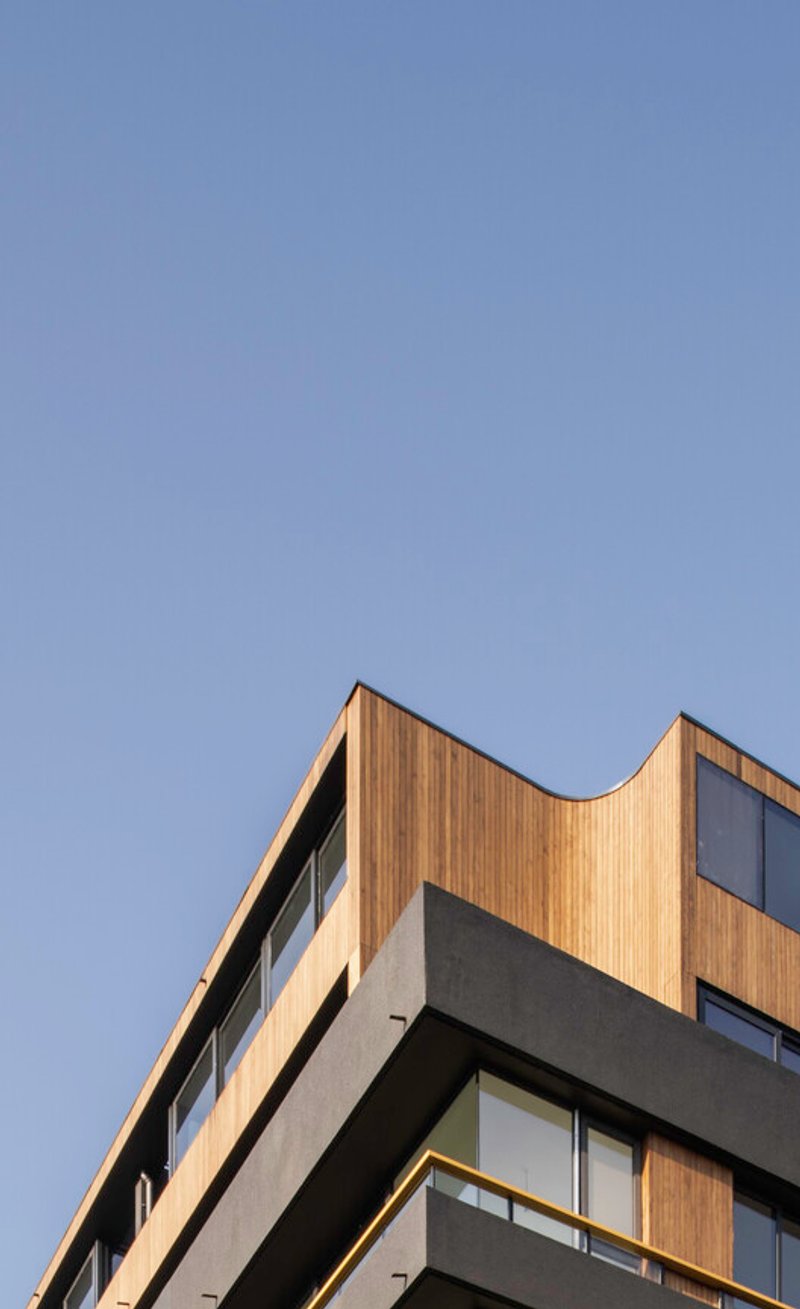
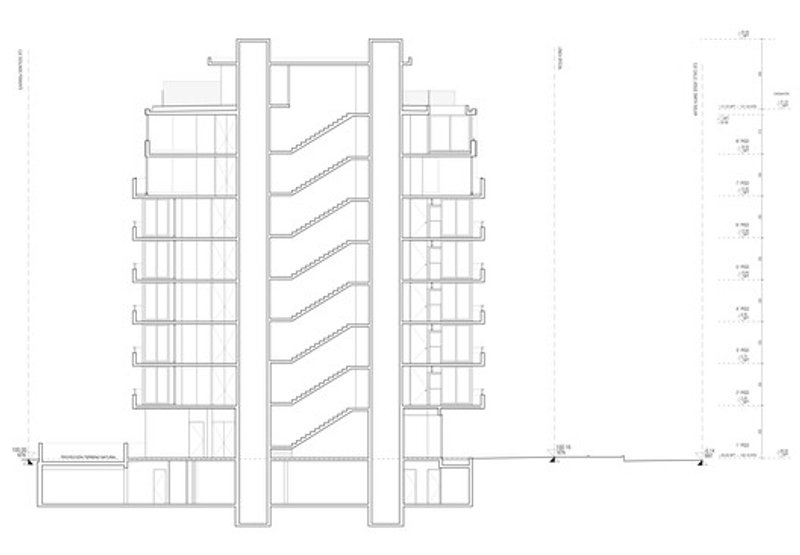
To achieve the required constructability, the architects employed a cantilevered design, lifting the building 2.5 meters above the ground floor. This innovative approach maximizes upper-floor occupation while freeing up valuable ground space. The building's upper levels gracefully step back, ensuring compatibility with neighboring properties.
Spatial Configuration for Quality Living
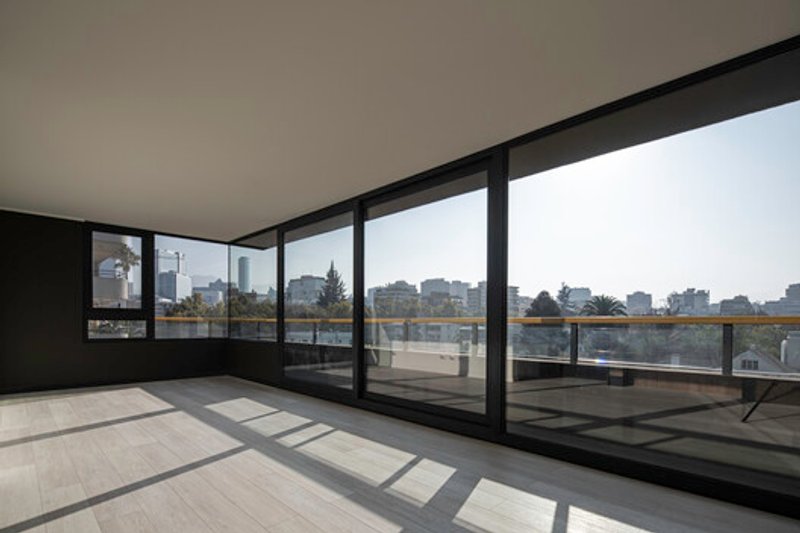
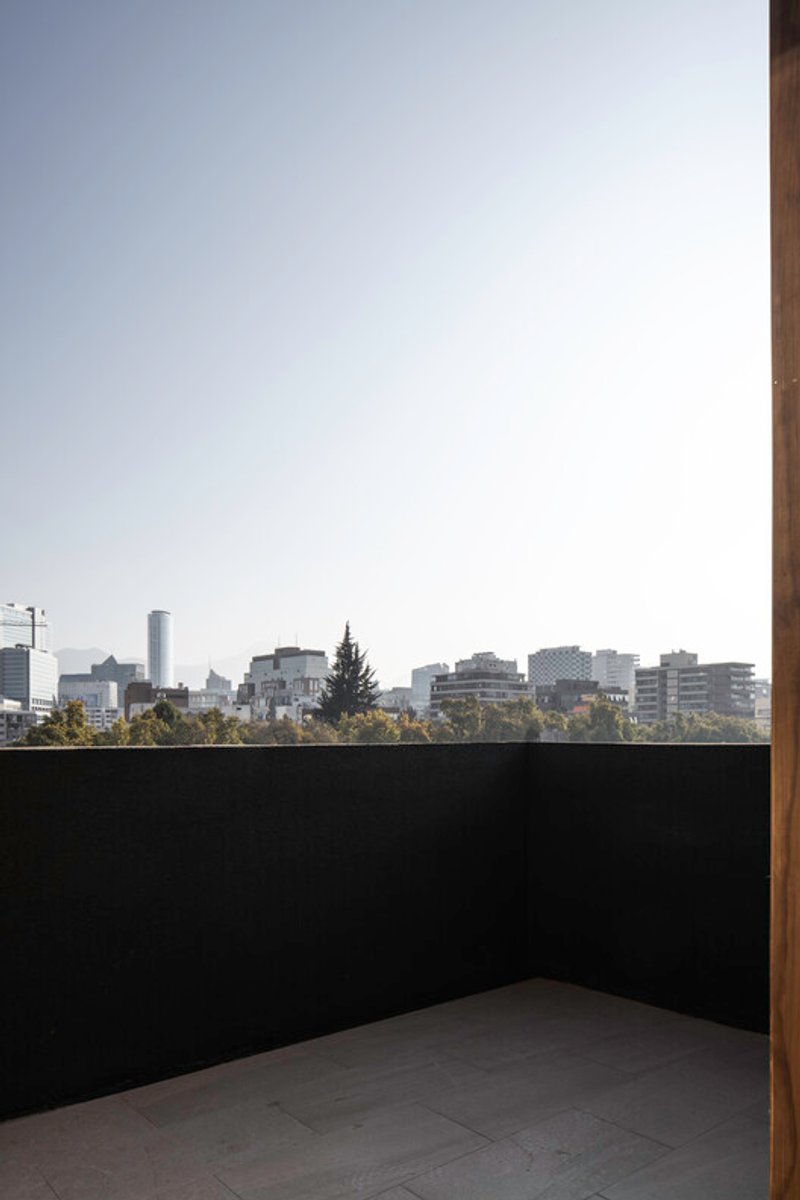
JS449's floor plan, resembling a square, is divided into four quadrants housing corner apartments with double orientation. This spatial configuration resurrects the spatial qualities that characterized Providencia's apartments in the 1960s and 1970s, featuring living-dining spaces arranged parallel to the facade for abundant natural light and panoramic views.
Design Elements and Materiality
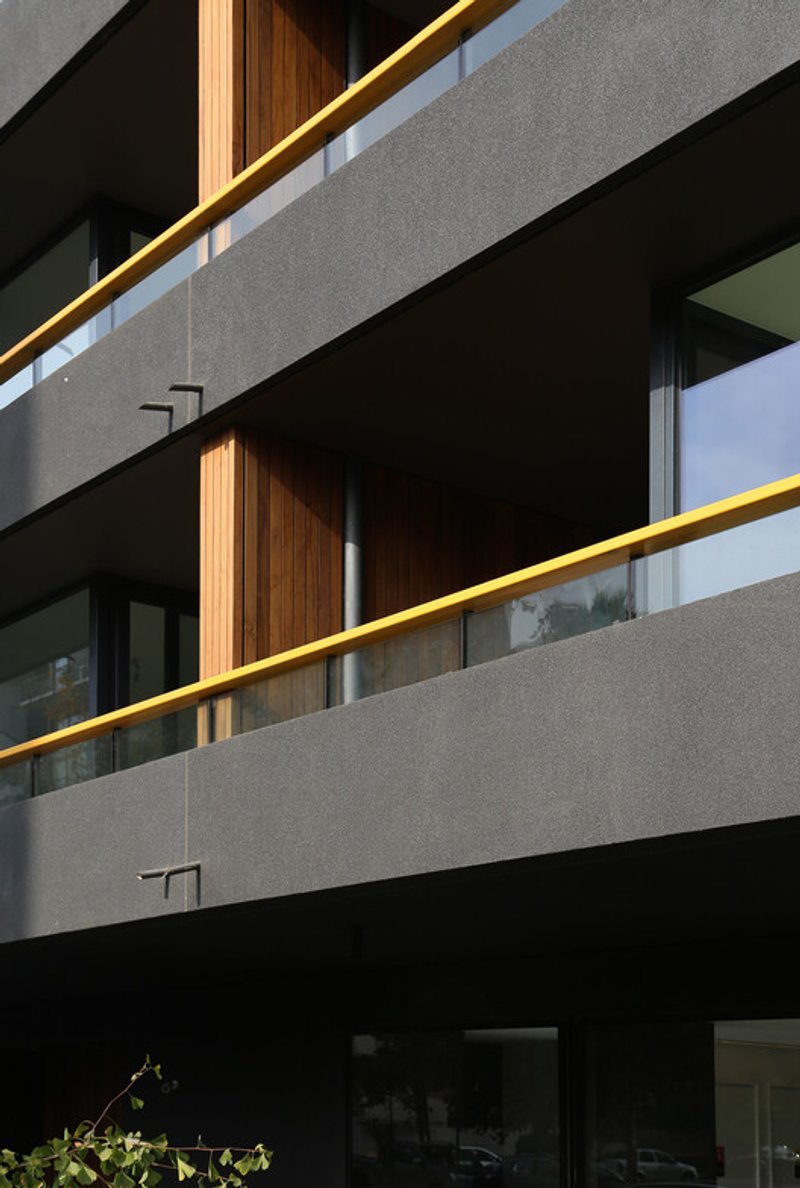
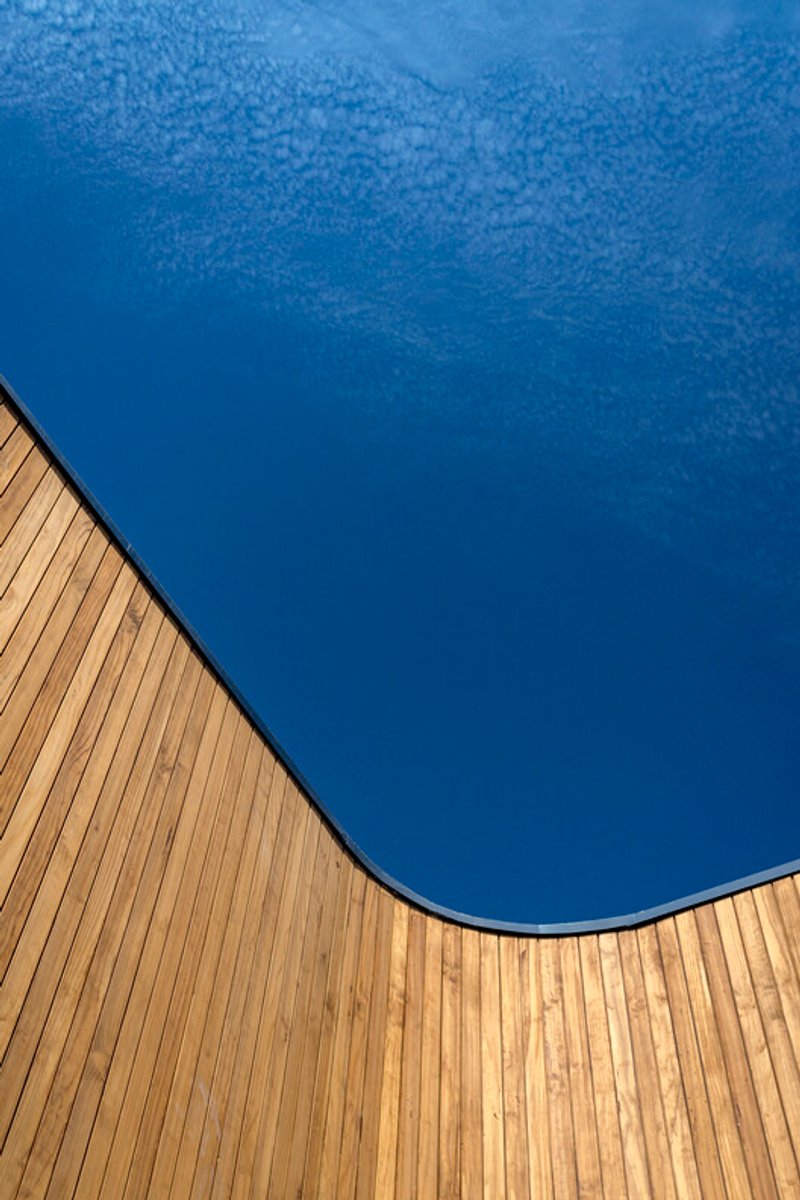
The building's facade showcases a thoughtfully designed setback base, a five-level body emphasizing horizontality, and a wooden-clad strip for a touch of warmth. The architects play with materials, using glass for transparency on the first floor, heat-treated wood for a natural aesthetic, and painted graphite for concrete beams, creating a visually stunning and dynamic exterior.
All photographs are work of Nicolás Saieh