Modern Mosque Architecture: Hadrovića Mosque by ARHINGinženjering in Podgorica
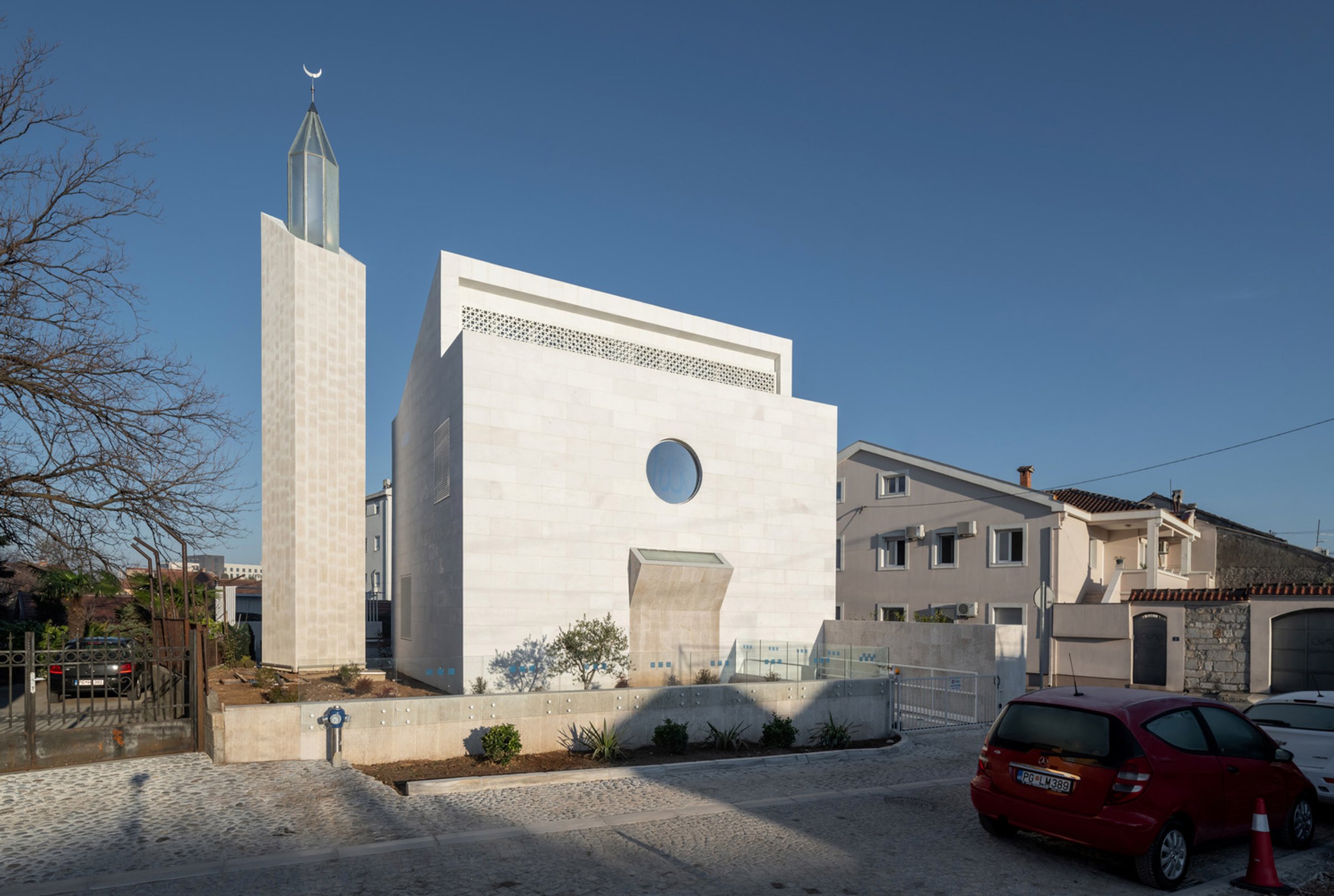
Hadrovića Mosque by ARHINGinženjering redefines modern mosque architecture, blending traditional single-pitched roof typology with contemporary design and tactile materials.


Introduction to Modern Mosque Architecture
Modern mosque architecture is reshaping the identity of Islamic religious buildings worldwide, blending traditional elements with contemporary design principles. The Hadrovića Mosque, completed in 2024 by ARHINGinženjering, stands as a powerful example of this architectural evolution. Located in the Drač neighborhood in Podgorica, Montenegro, the mosque represents a respectful reinterpretation of historical forms within a modern context.
Historical Context and Site Significance
The Hadrovića Mosque is built on a site with deep historical roots. Until 1958, an Ottoman-era mosque stood at this location before being demolished during the communist regime's campaign against religious institutions. The original structure's documentation and most of its foundations were erased, making reconstruction impossible.
In the early 21st century, an urban development plan reinstated the site as a place for worship. This decision paved the way for ARHINGinženjering to design a contemporary mosque that would honor the past while embracing modern architectural expressions.
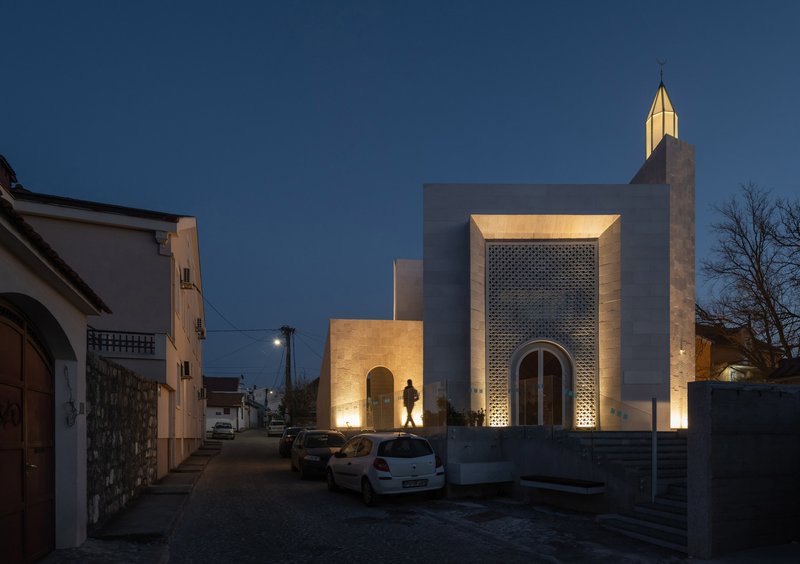
Respecting Tradition in Modern Mosque Architecture
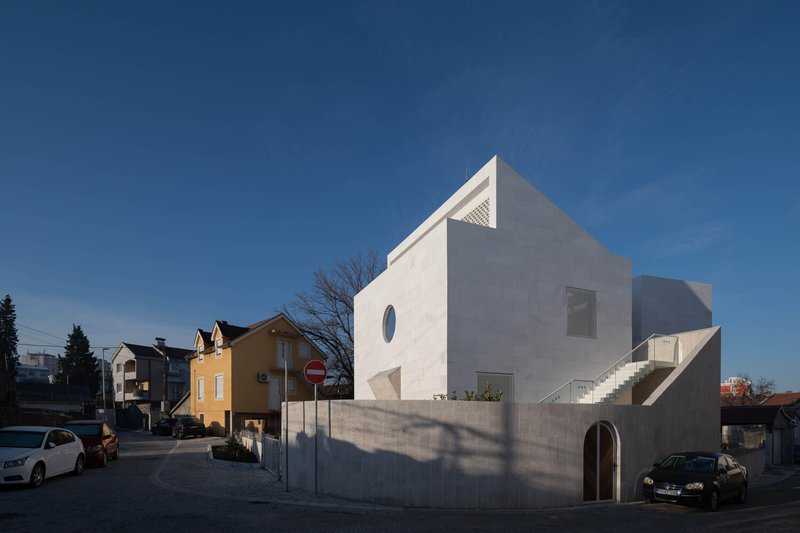
The architectural approach to the Hadrovića Mosque is guided by the principle of being a "good neighbor." The architects carefully observed the vernacular architecture of Drač, characterized by single-pitched roofs directing rainwater into inner courtyards. This typology historically served both functional and social purposes—preventing streets from flooding during heavy rains and collecting water for household use.
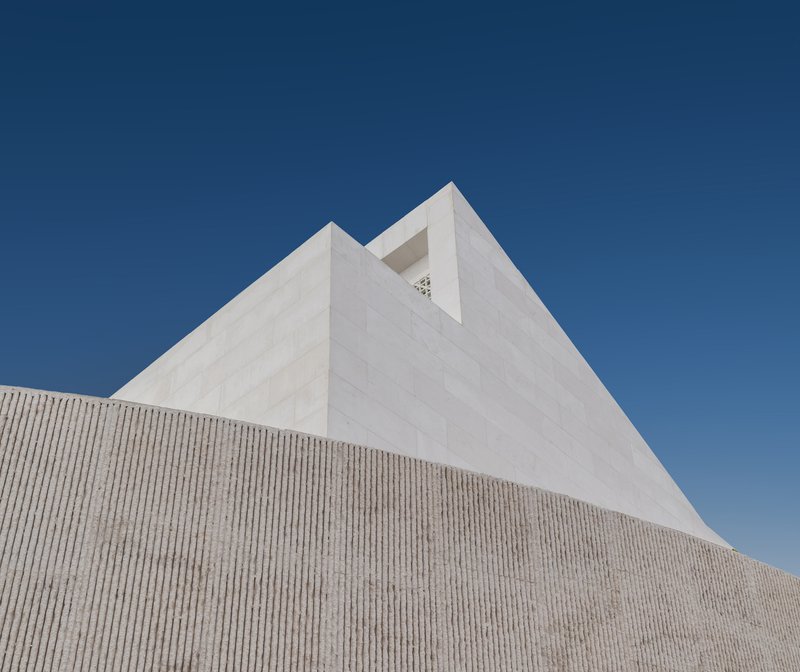
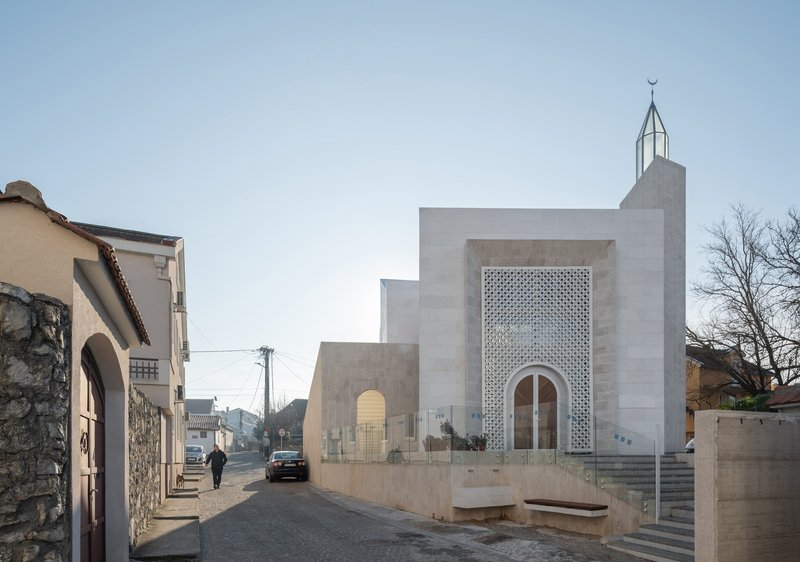
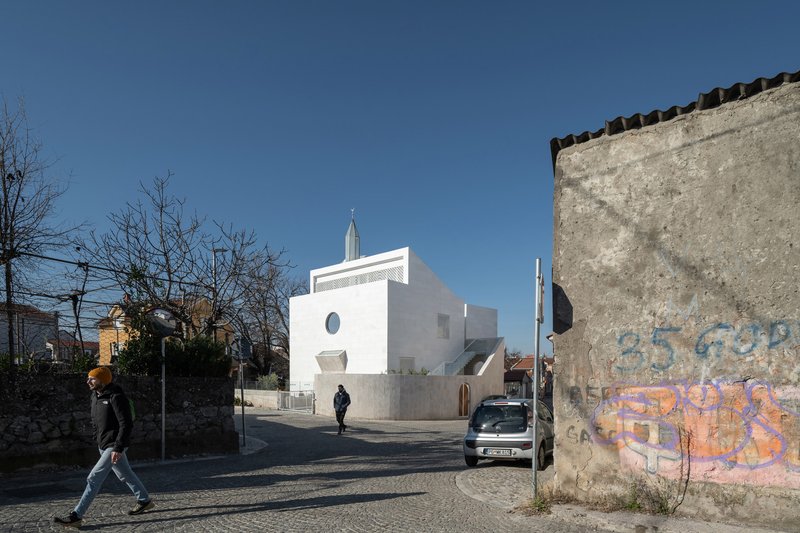
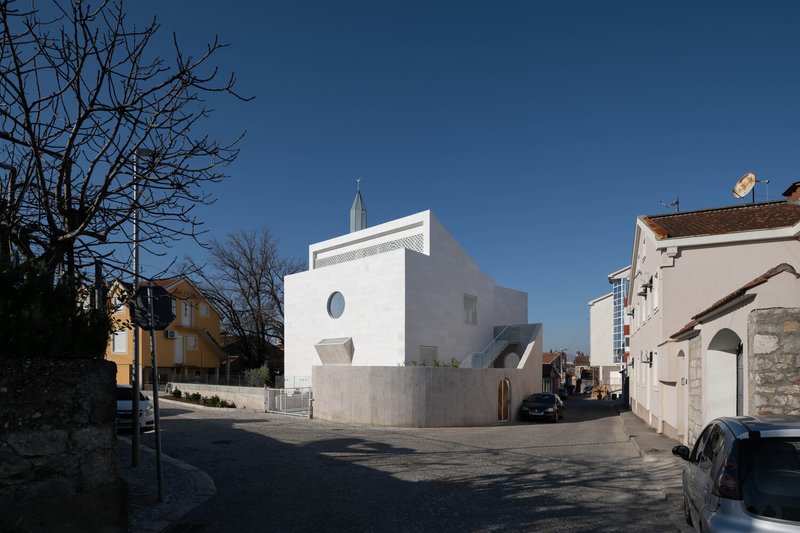
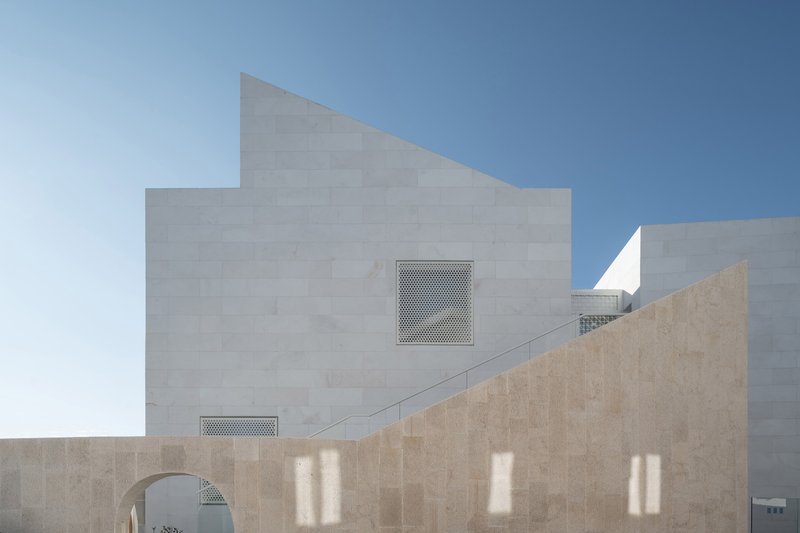
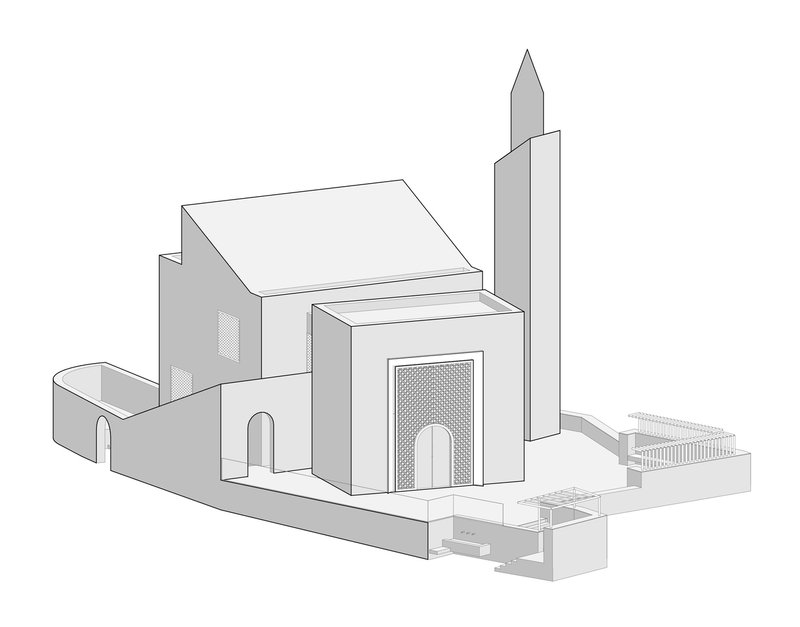
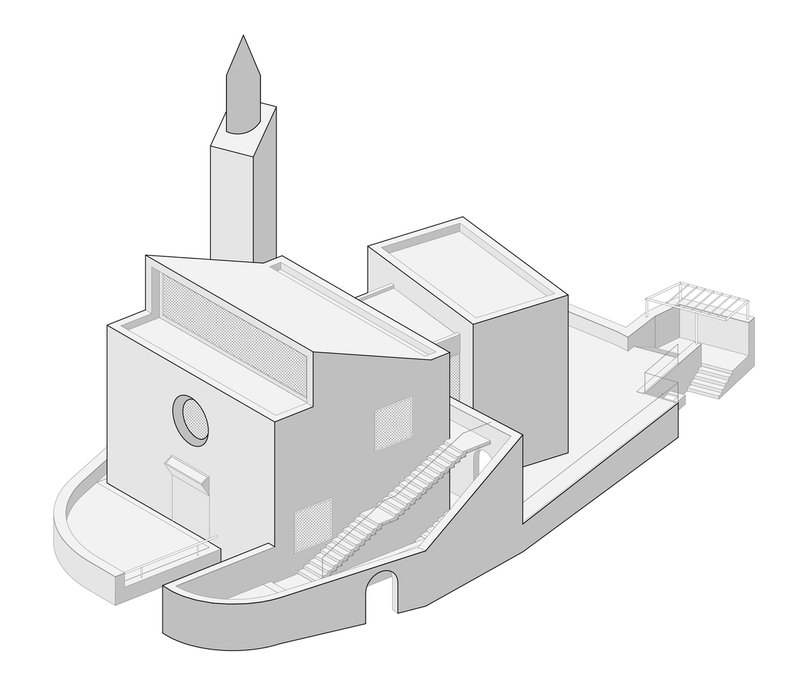
Inspired by this local tradition, the mosque incorporates single-pitched roofs and a courtyard enclosed by sloped walls. These elements ground the structure in its context while infusing it with modern clarity. The resulting design respects the established architectural language of the neighborhood, illustrating how modern mosque architecture can seamlessly integrate with its surroundings.
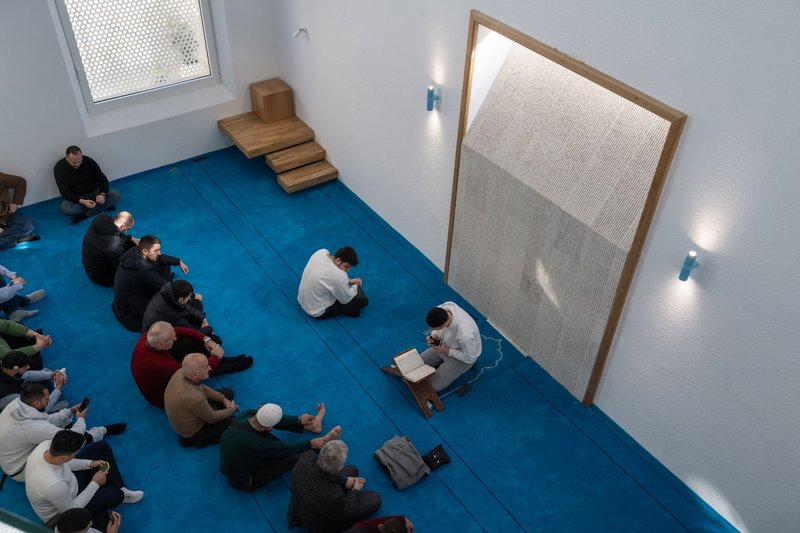
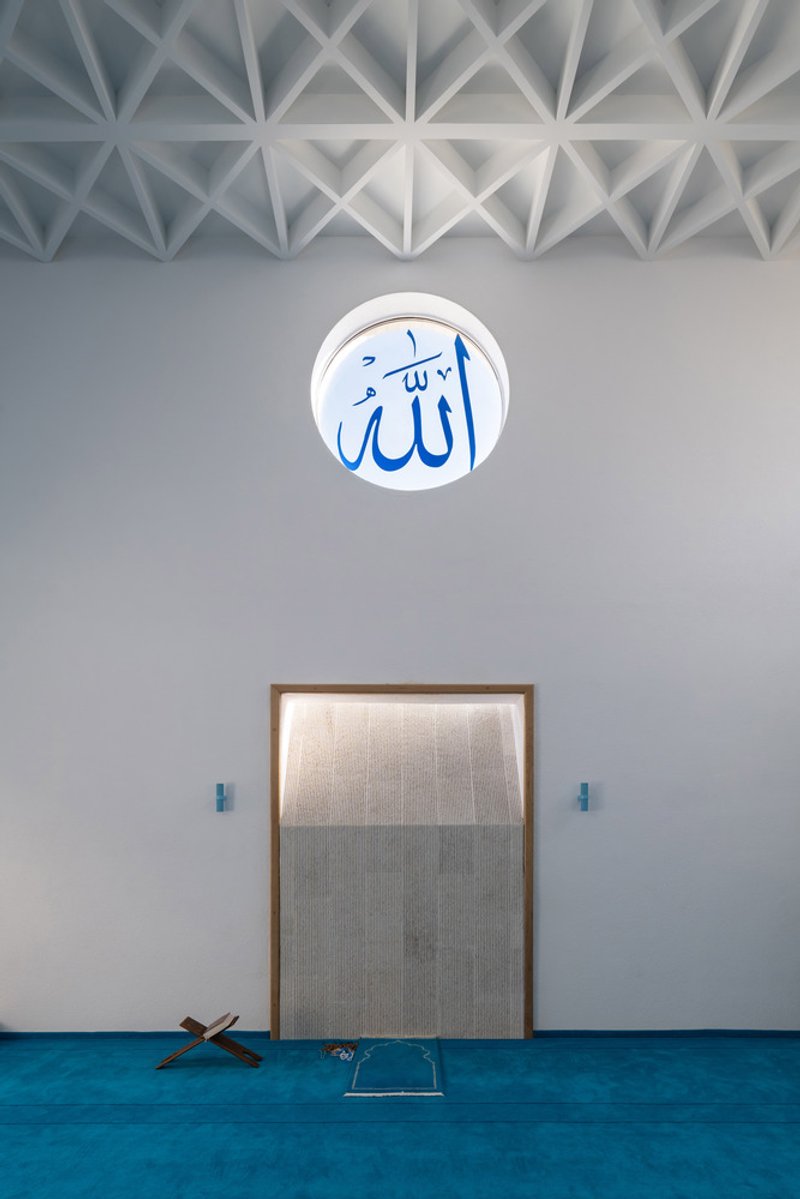
Architectural Composition and Spatial Design
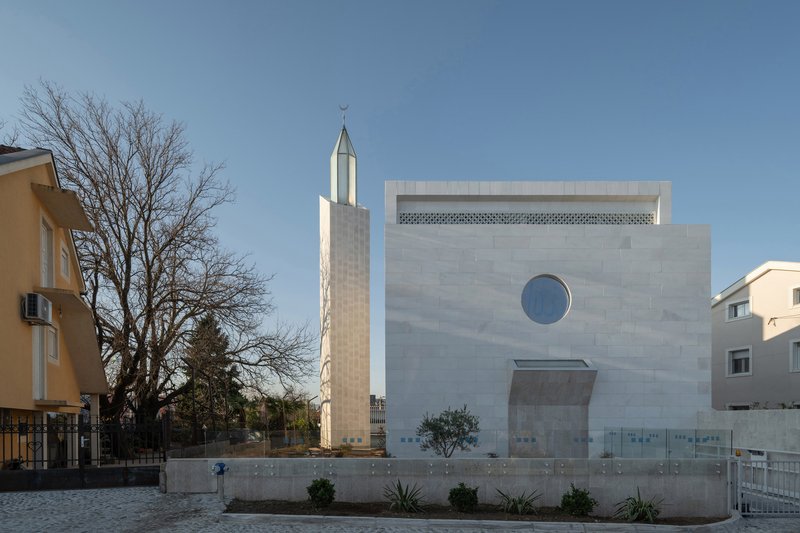
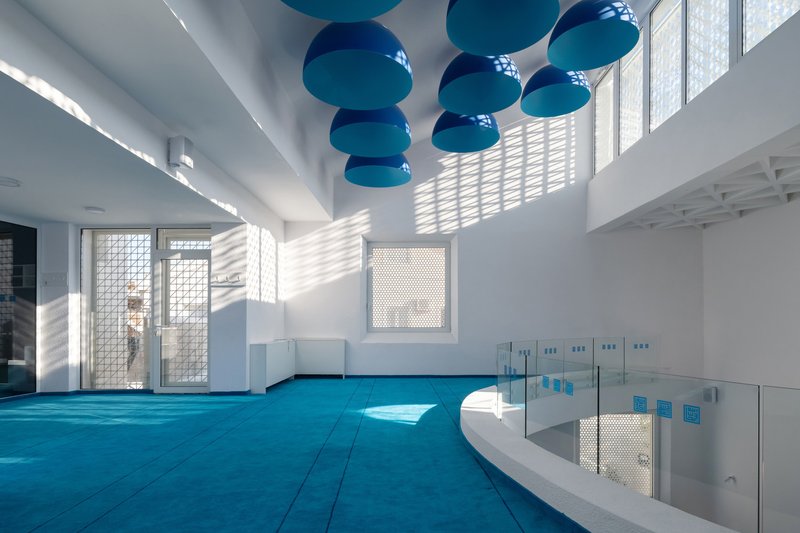
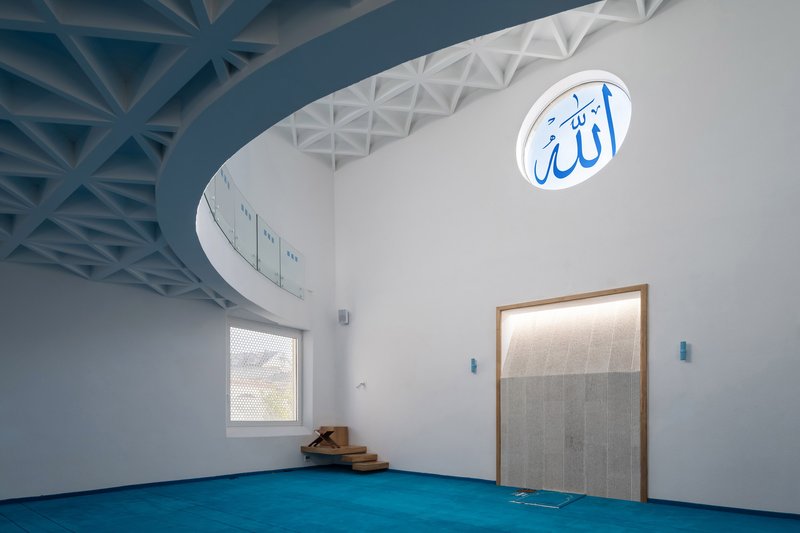
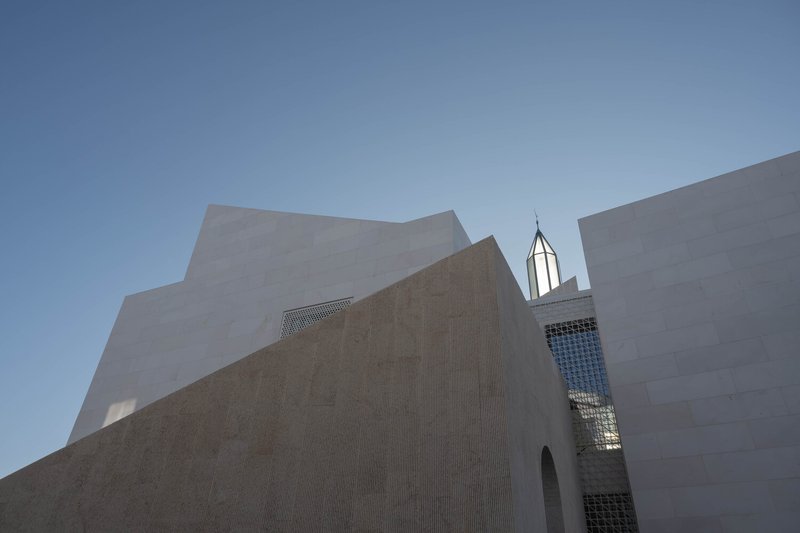
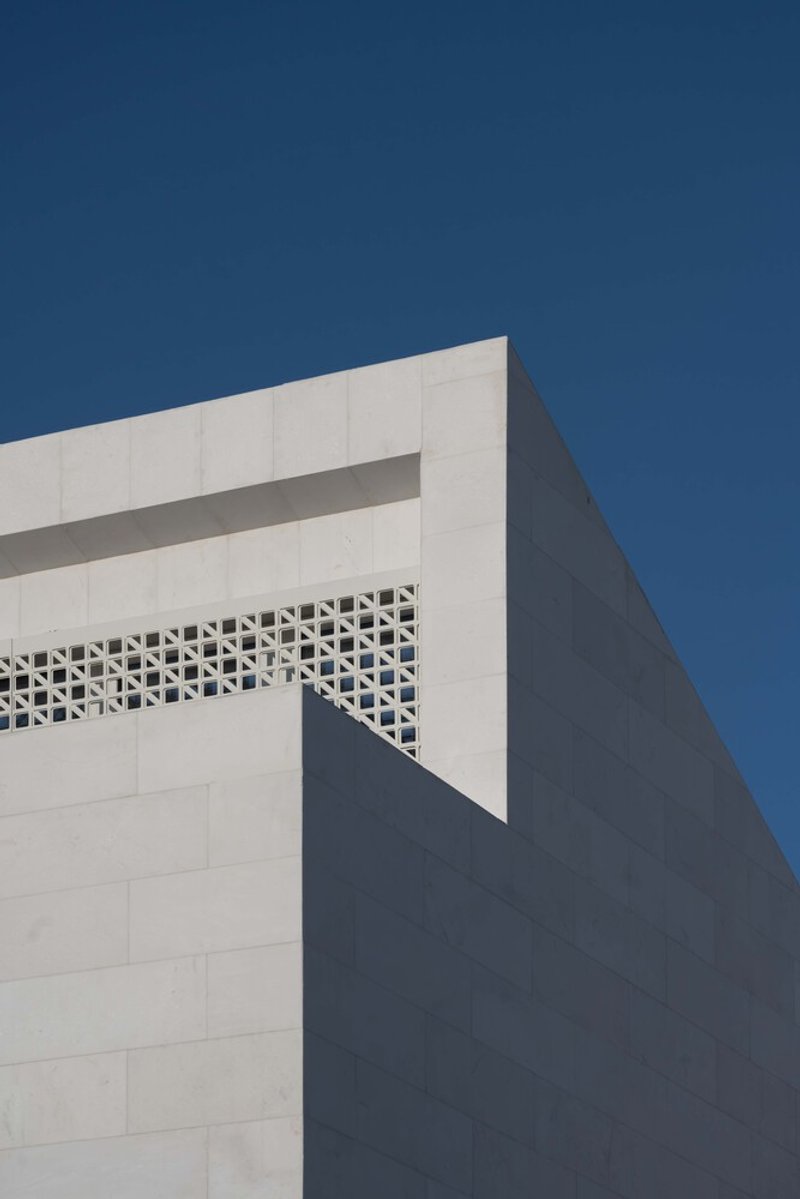
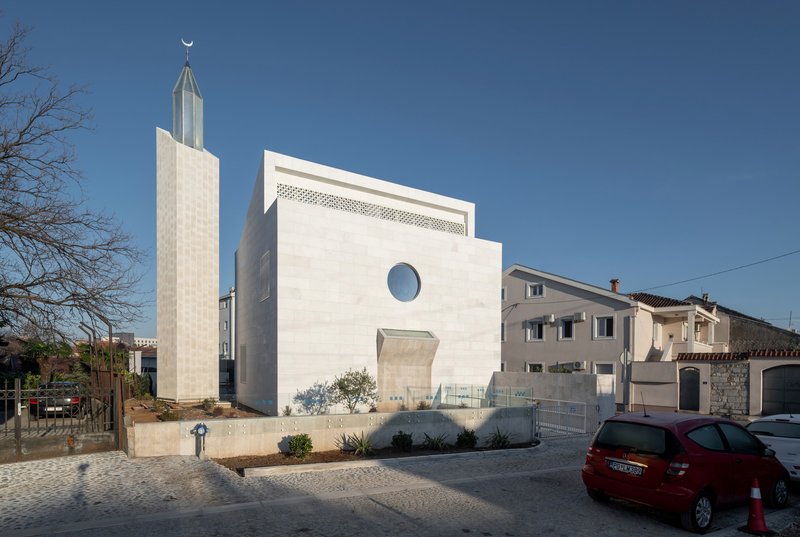
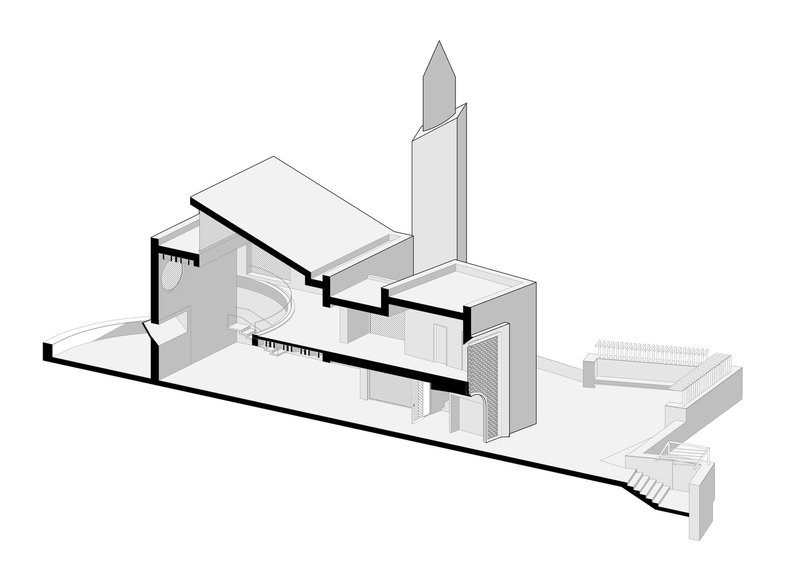
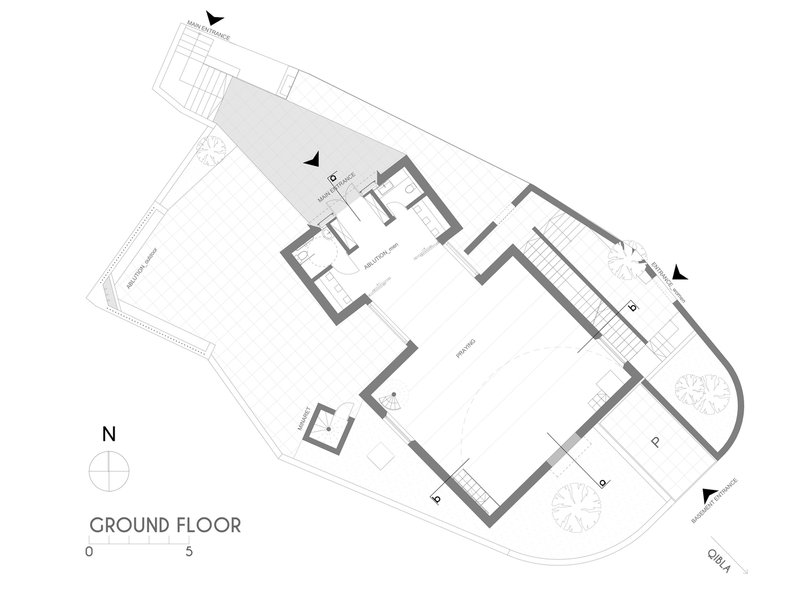
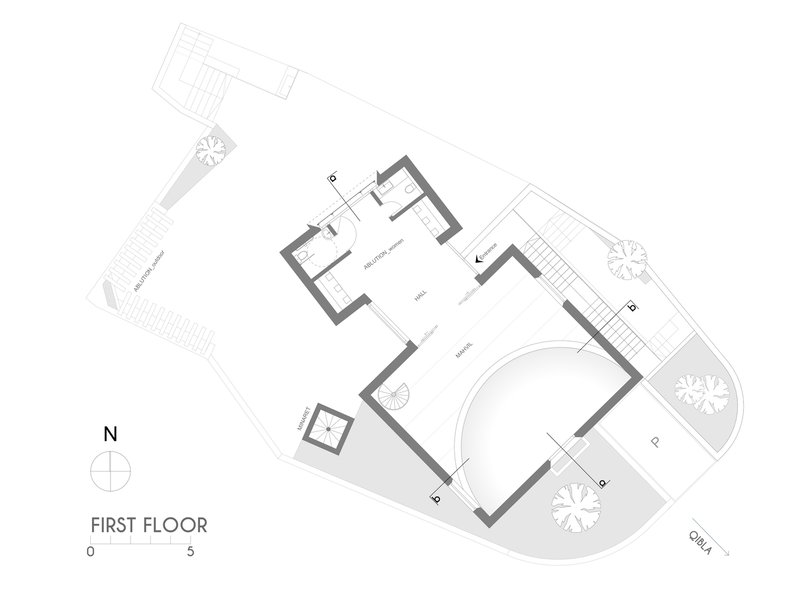
The Hadrovića Mosque is composed of two interconnected volumes linked by a courtyard wall, evoking the traditional spatial arrangement found in Ottoman and Balkan Islamic architecture. The main prayer hall is defined by clean geometric forms, softened by natural light filtering through glass surfaces.
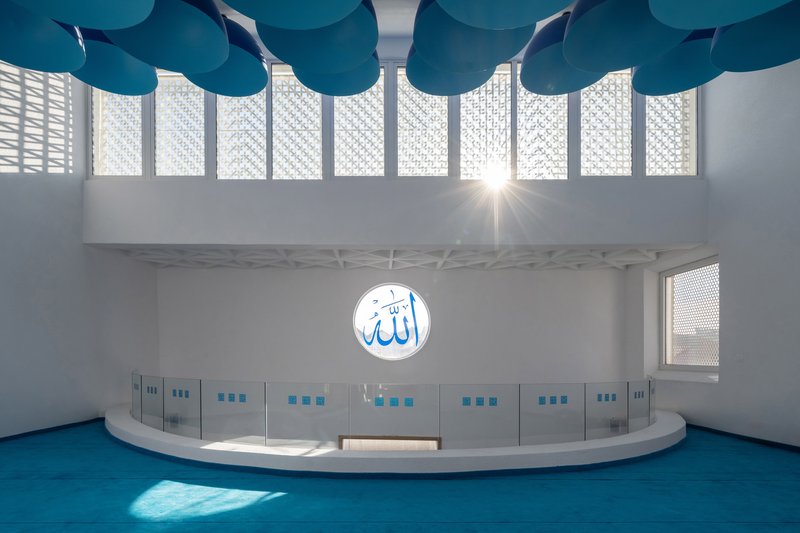
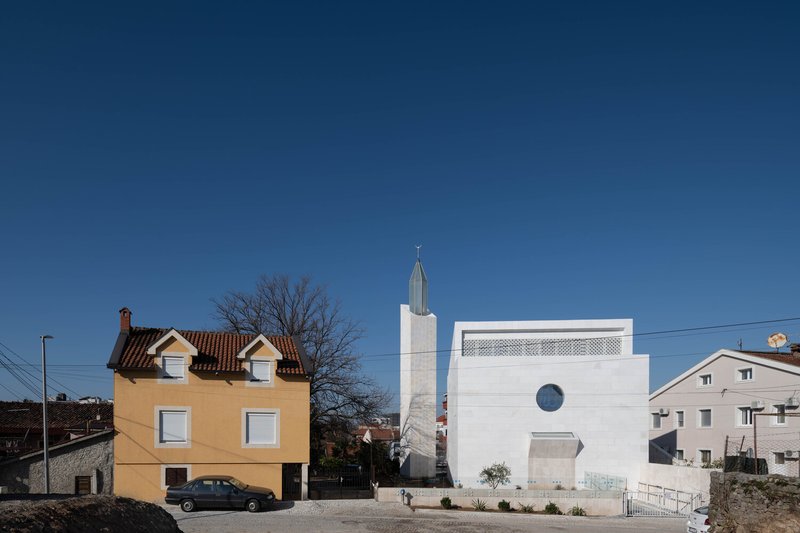
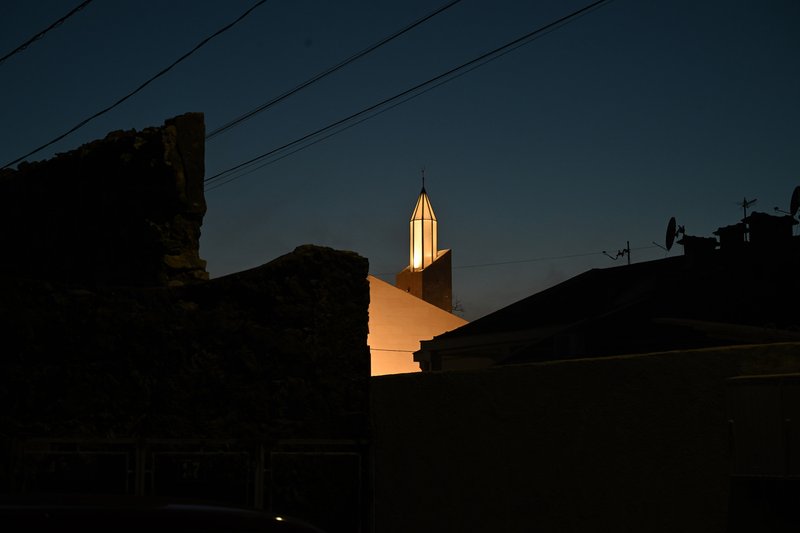
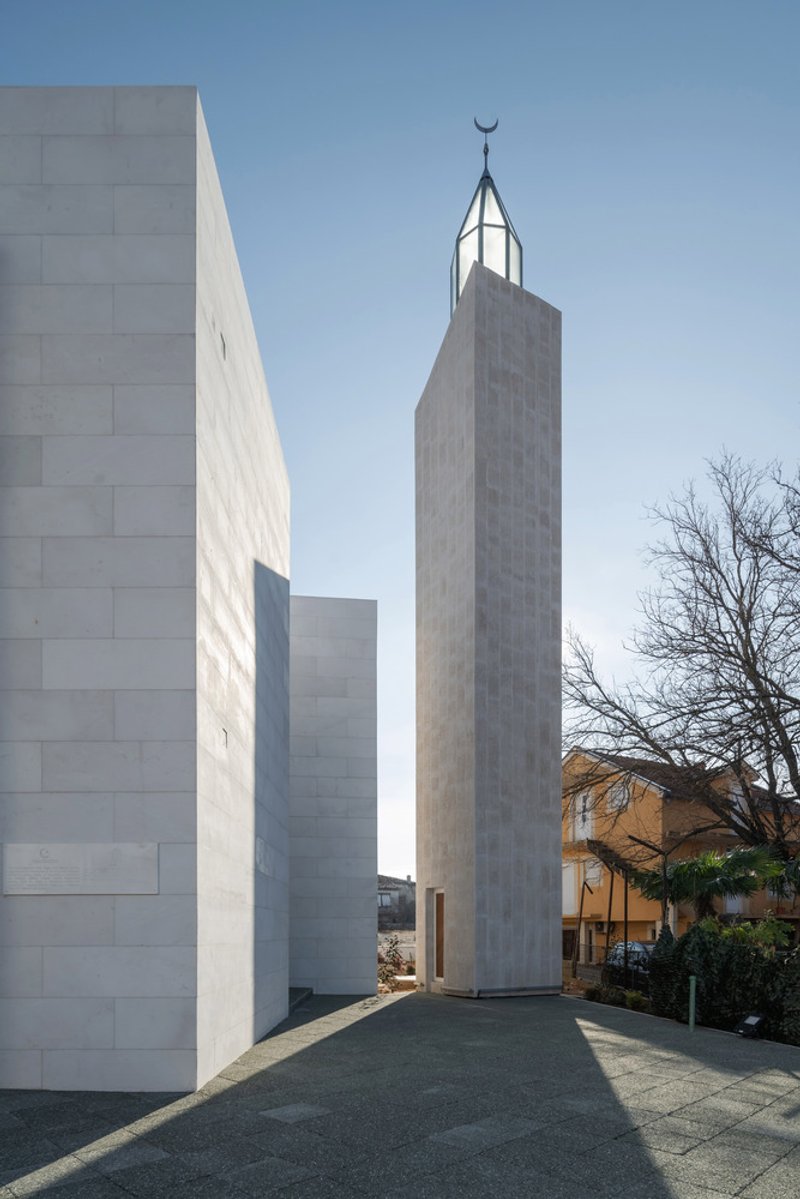
The mosque's minaret echoes the sloping lines of the courtyard wall, creating a dynamic play of ascending and descending masses. This visual movement brings vitality to the structure while preserving the mosque’s spiritual symbolism. Modern mosque architecture often seeks such harmony—balancing minimalism with expressive geometry.
Materiality and Texture in Modern Mosque Architecture
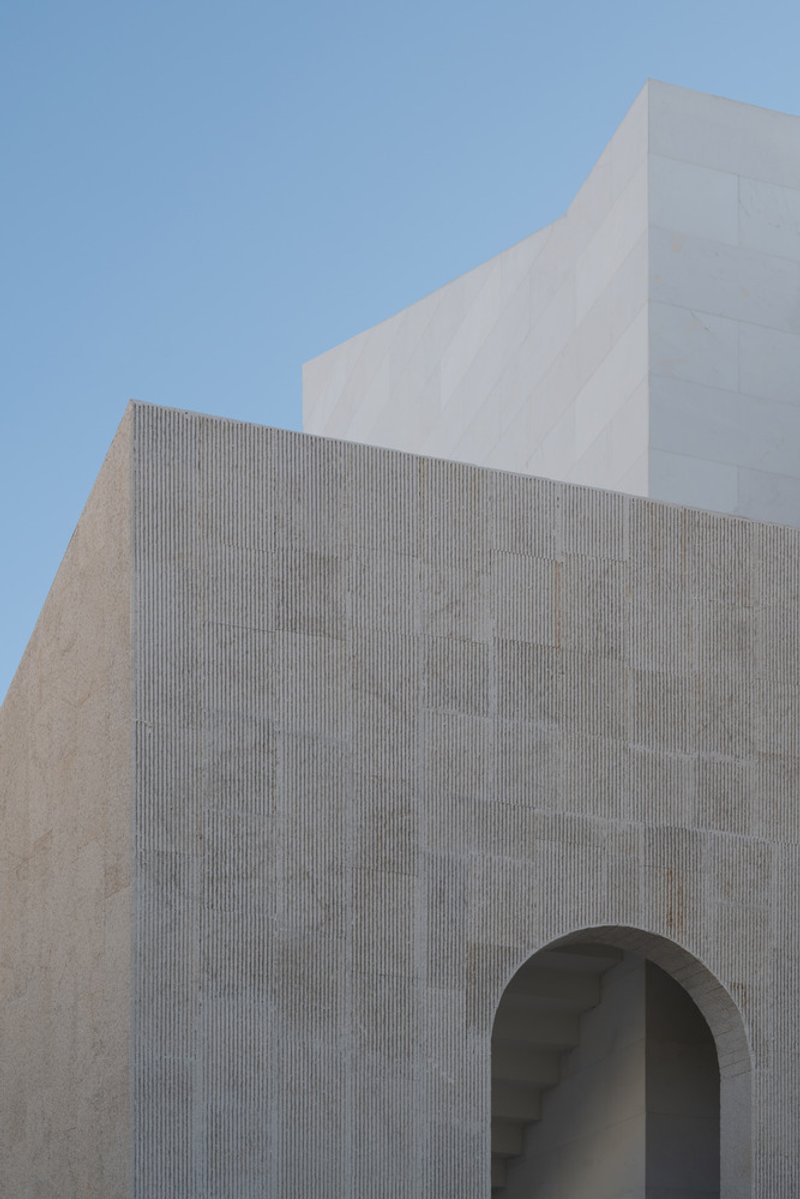
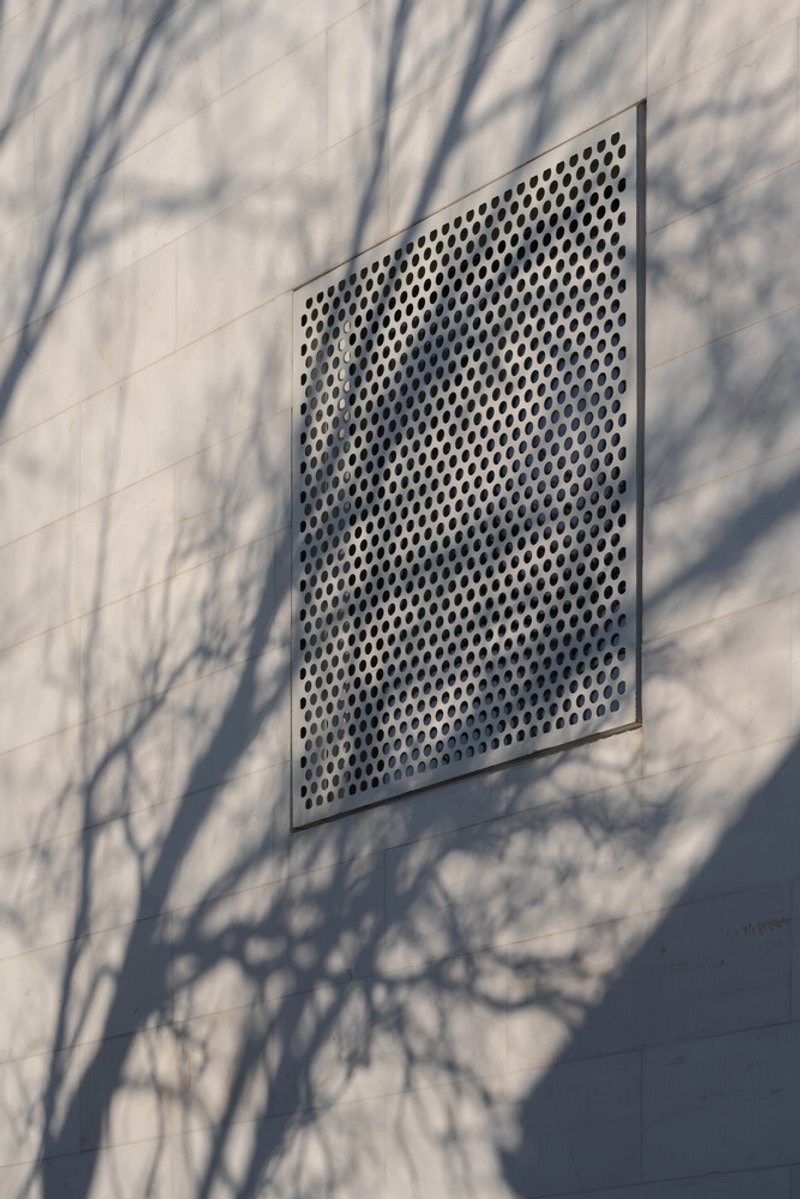
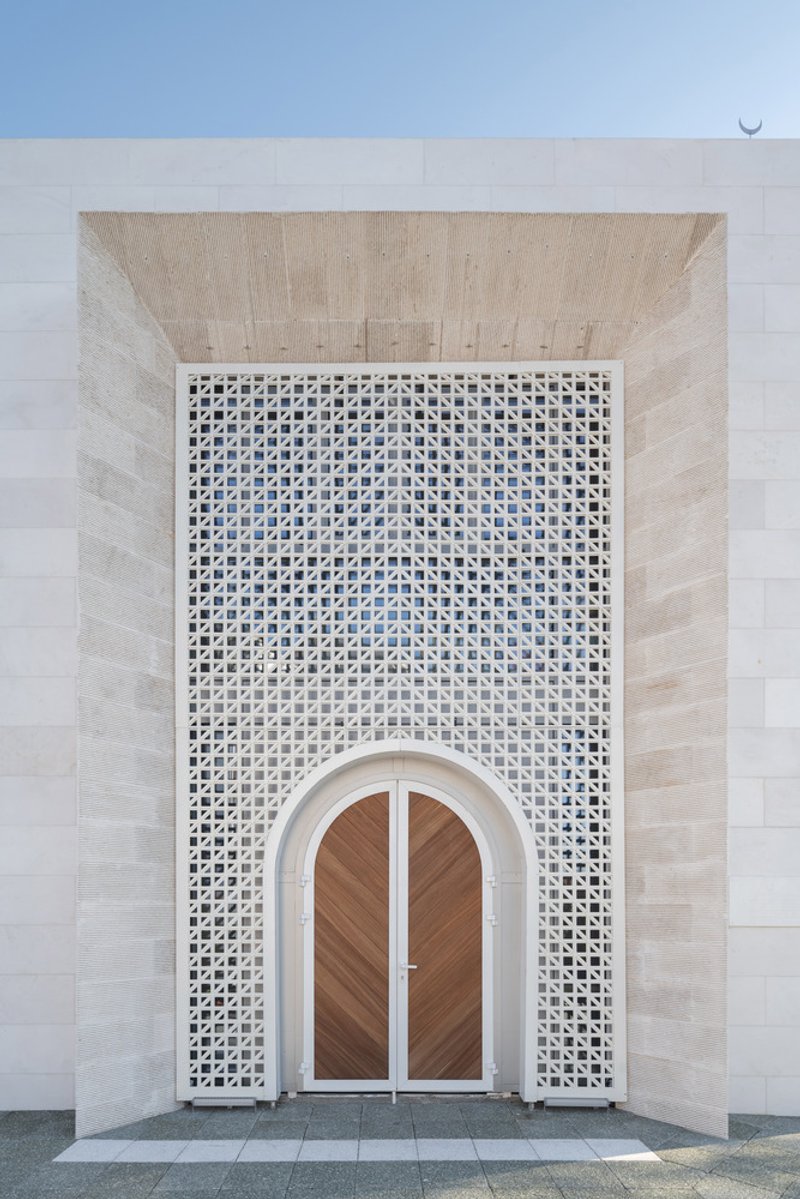
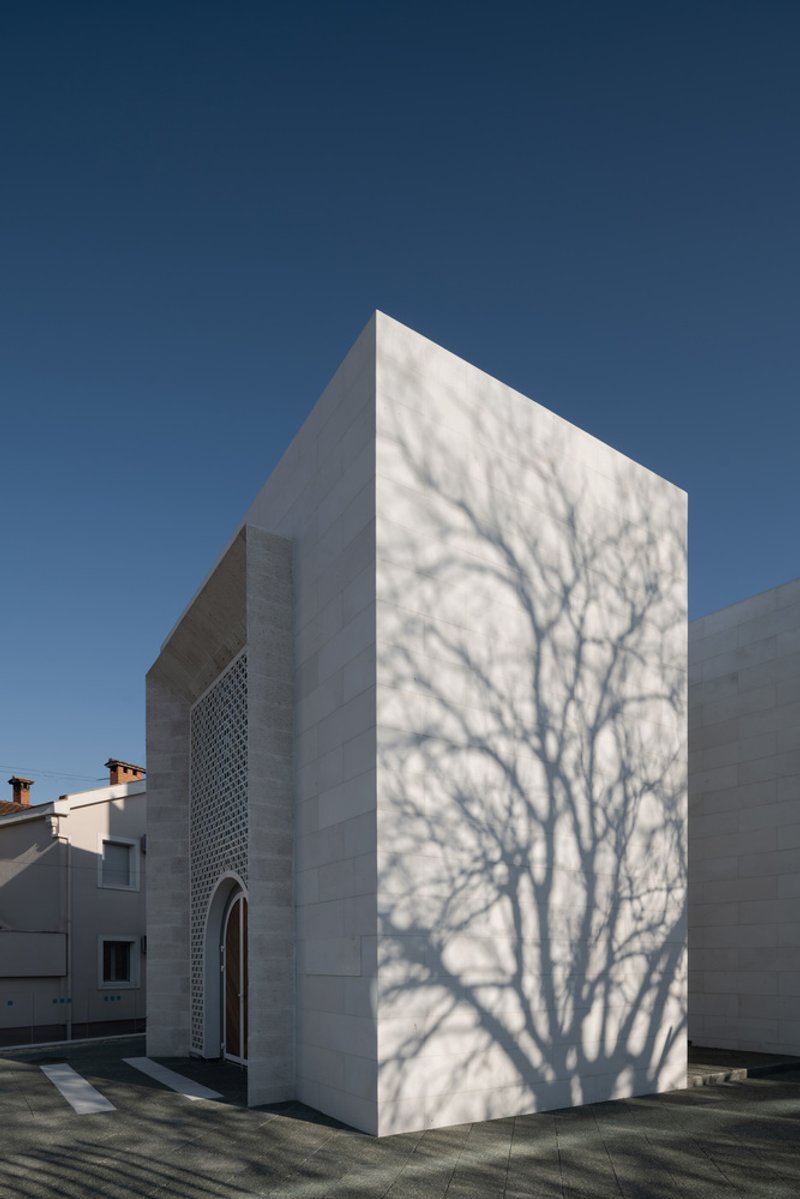
Material selection plays a crucial role in reinforcing the mosque's relationship with its context. In Drač, stone is a traditional building material, and the architects chose to reinterpret this heritage through a modern lens. The mosque’s exterior features brushed stone cladding on the fence and minaret, lending a tactile quality to the surfaces. This textured stone contrasts with the smooth white marble covering the main prayer hall, emphasizing purity and serenity.
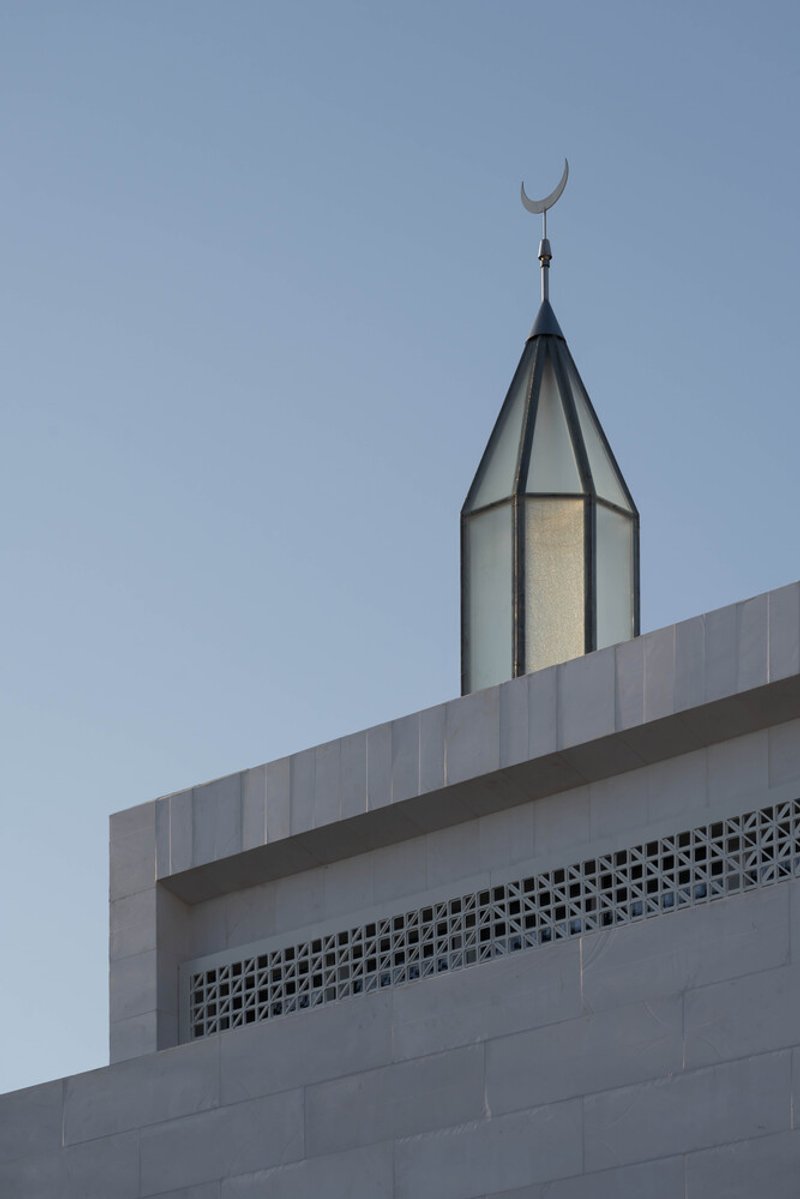
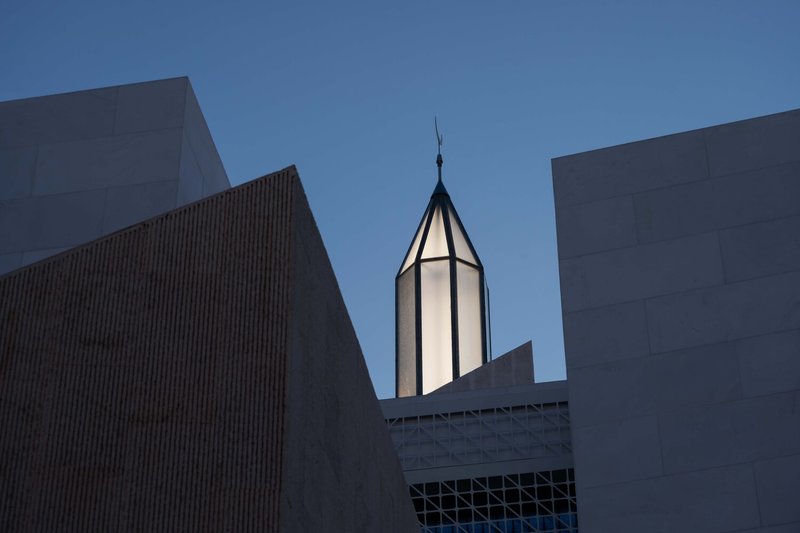
This juxtaposition of materials reflects a broader trend in modern mosque architecture—combining age-old craftsmanship with contemporary precision. The result is a structure that feels both rooted in history and forward-looking.
Challenges of Introducing Modern Mosque Architecture
Designing the Hadrovića Mosque involved overcoming cultural resistance to contemporary architectural forms. In Islamic architecture, there are no canonical rules dictating mosque design. However, communities often hold deep attachments to traditional architectural motifs. Convincing stakeholders to accept a modern mosque architecture concept required careful negotiation and demonstration of how modern design can honor spiritual and cultural values.
The successful realization of the Hadrovića Mosque underscores the potential of modern mosque architecture to foster dialogue between tradition and innovation. It serves as an example for future projects seeking to reinterpret Islamic architecture for the 21st century.
The Role of Light in Modern Mosque Architecture
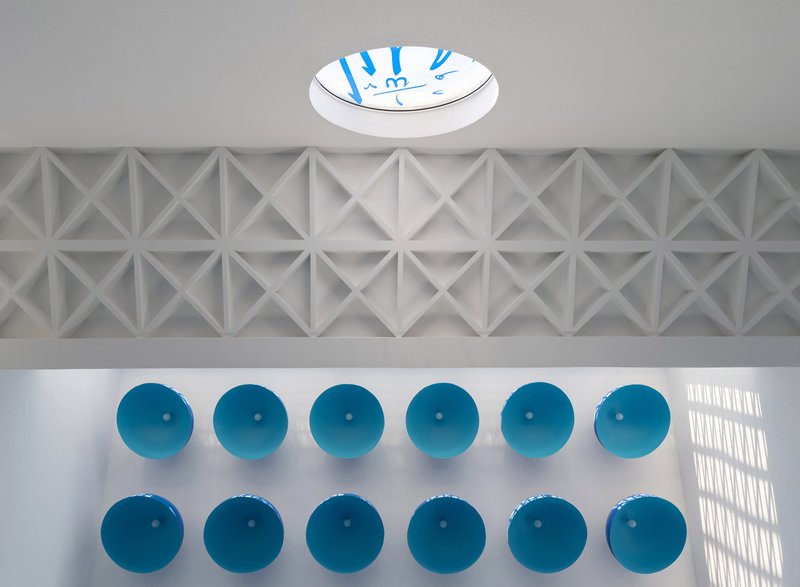
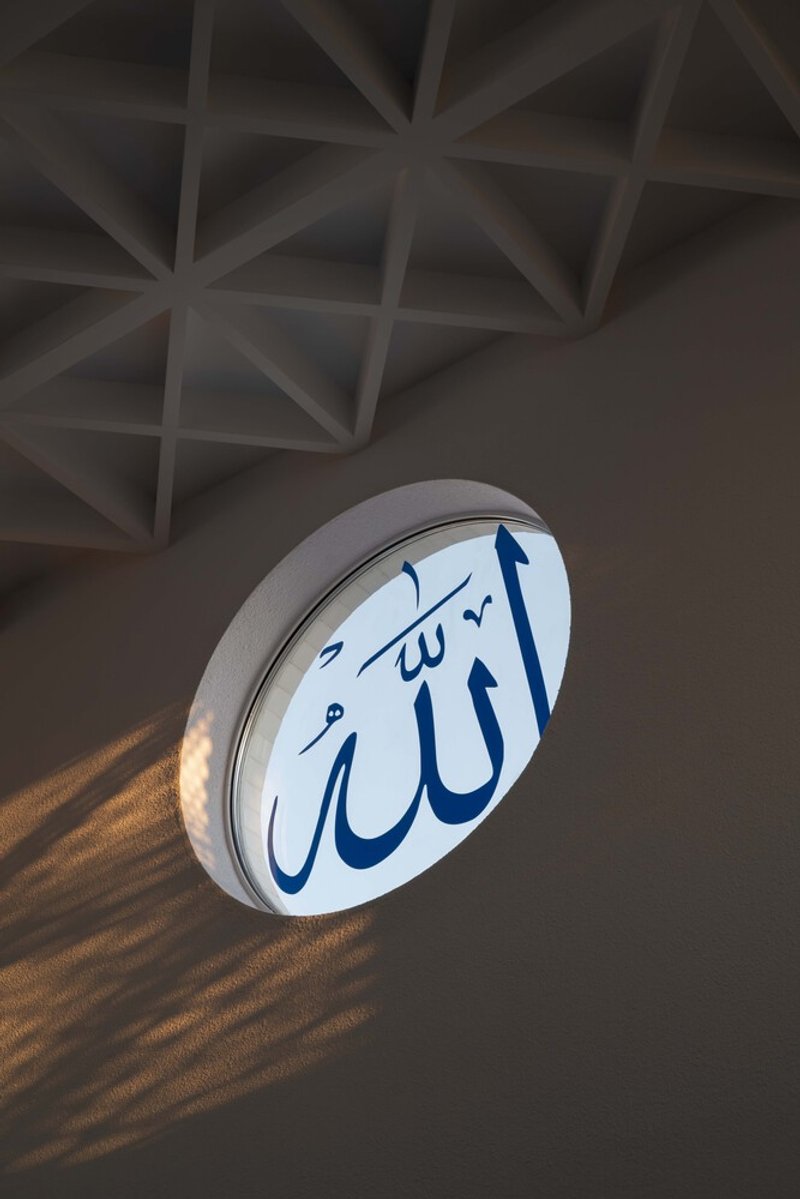
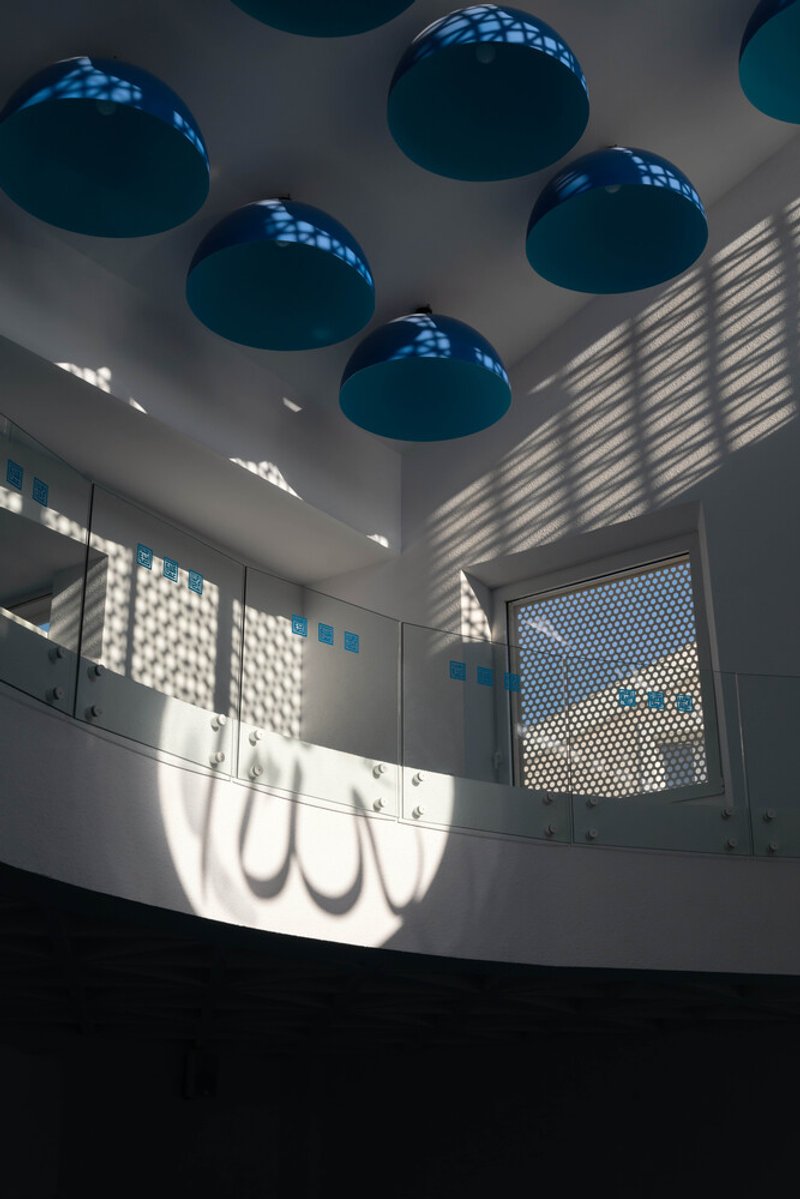
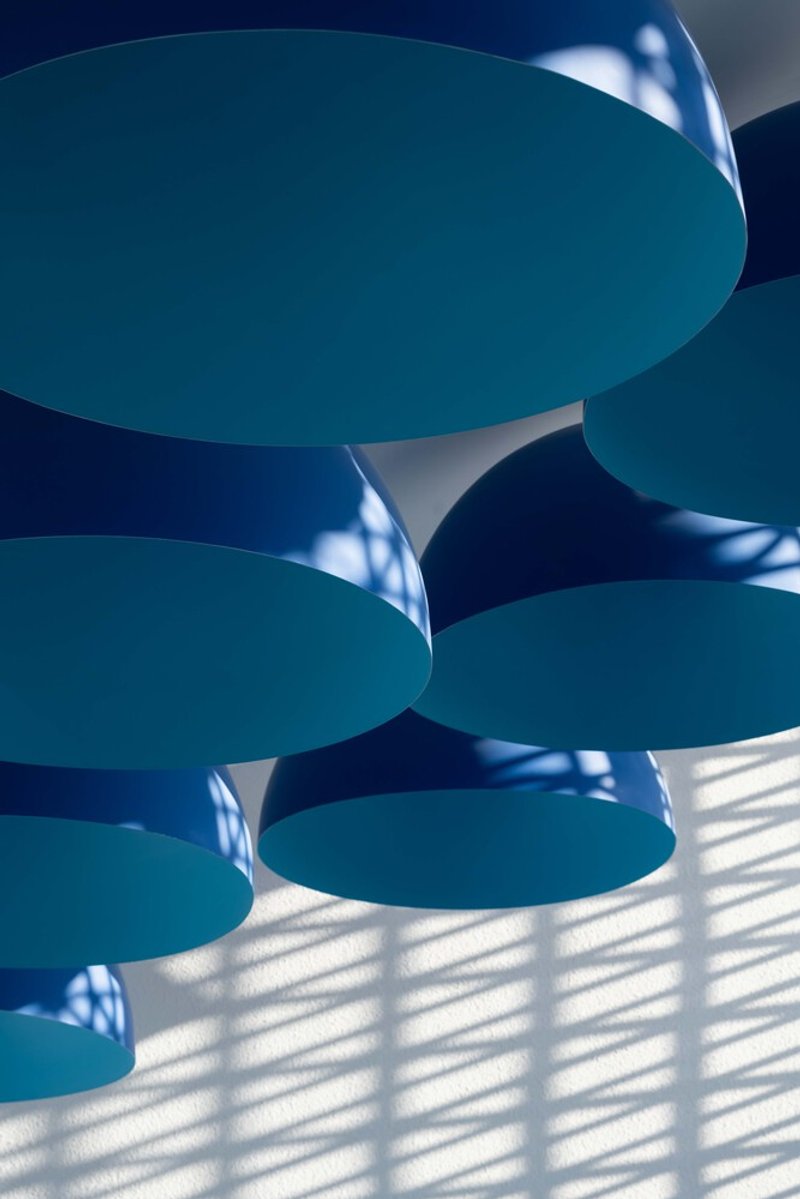
Light is a fundamental element in Islamic architecture, symbolizing divine presence. In the Hadrovića Mosque, natural light is masterfully orchestrated. Large glass surfaces allow sunlight to permeate the prayer hall, creating an atmosphere of tranquility. The interplay of light and shadow accentuates the textures of stone and marble, enhancing the sensory experience of the space.
Modern mosque architecture often elevates light as a design tool, moving beyond mere illumination to create spaces that evoke spirituality and serenity. The Hadrovića Mosque exemplifies this approach, transforming daylight into an architectural element that enriches both the physical and metaphysical qualities of the mosque.
Urban Integration and Community Symbolism
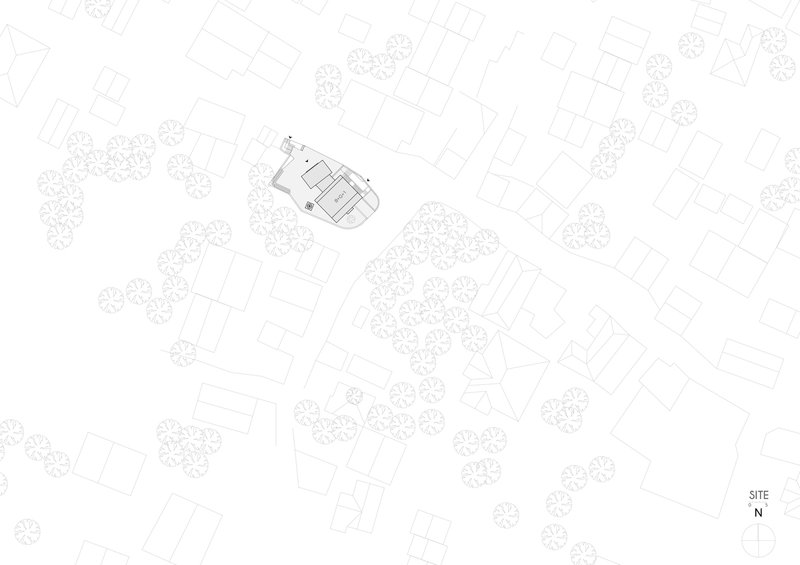
Situated at the intersection of four streets, the Hadrovića Mosque occupies a prominent position in the urban fabric of Drač. This centrality reinforces the mosque's role as a place of gathering and spiritual connection. Its contemporary aesthetic signals progress and inclusivity, inviting both worshippers and visitors to engage with the space.
Modern mosque architecture increasingly emphasizes openness and accessibility, reflecting the diverse and interconnected societies of today. The Hadrovića Mosque embodies this ethos, standing as a beacon of architectural dialogue and community resilience.
Redefining Modern Mosque Architecture
The Hadrovića Mosque by ARHINGinženjering redefines modern mosque architecture by merging contextual sensitivity with contemporary expression. It demonstrates that Islamic architecture can evolve without losing its essence—embracing new forms while preserving cultural memory.
As modern mosque architecture continues to shape urban landscapes, projects like the Hadrovića Mosque inspire architects to explore innovative ways of expressing faith through space, material, and light.
All photographs are works of Ilya Ivanov, Lejla Nurković