
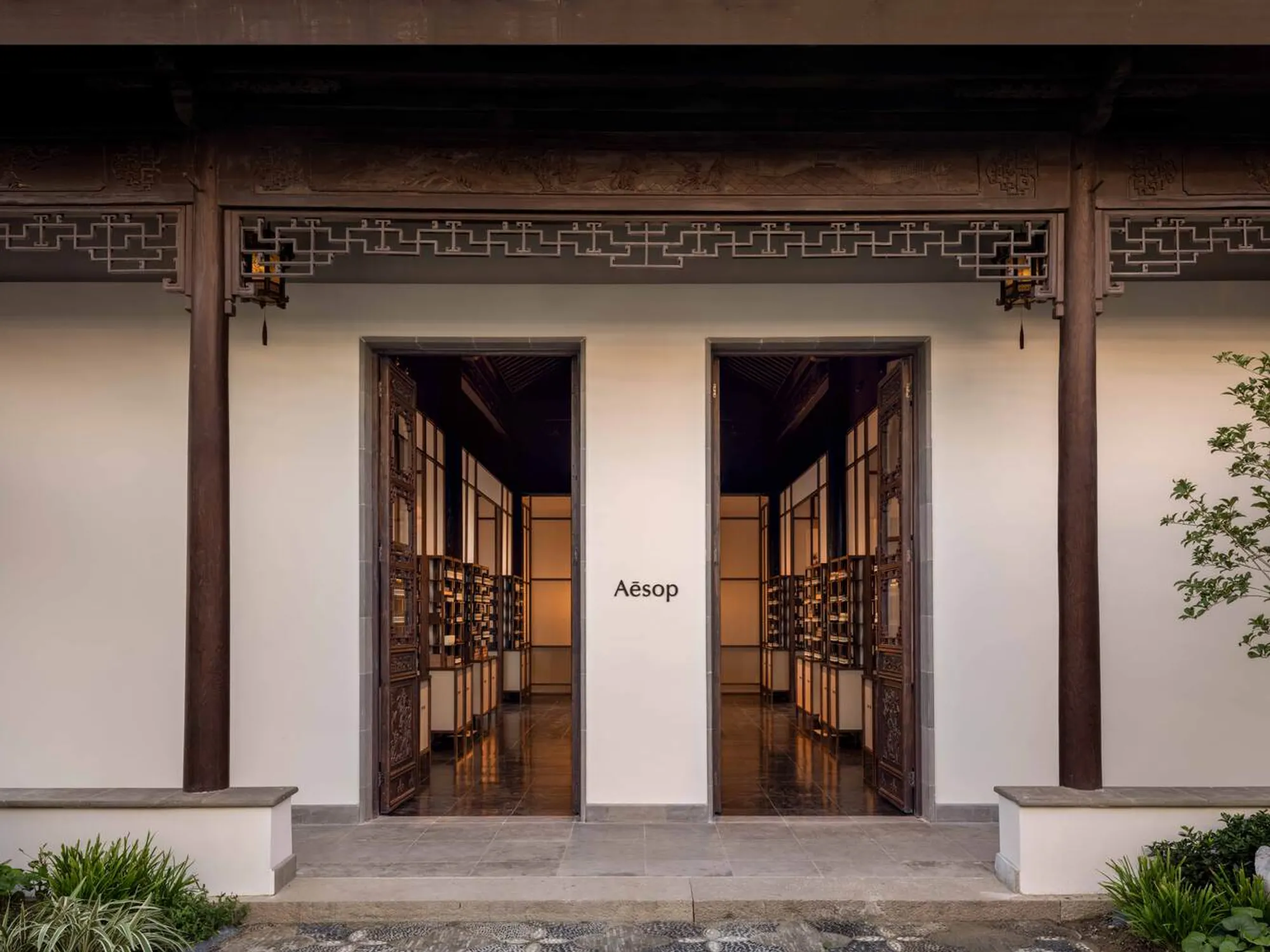
Modern Retail Design Inspired by Traditional Architecture: Aesop Suzhou Cangjie Store by Offhand Practice
Aesop Suzhou Cangjie Store bridges modern retail design with traditional Jiangnan architecture, celebrating heritage and sustainability in a tranquil space.


The Aesop Suzhou Cangjie Store, located in the historic city of Suzhou, China, is a unique blend of modern retail design and traditional architecture. Designed by Offhand Practice, this 150-square-meter store reimagines the beauty of Jiangnan’s cultural heritage while integrating Aesop’s minimalist aesthetic. Nestled within Cangjie, a district rich in history and charm, the store exemplifies how contemporary spaces can respectfully embrace tradition.
A Dialogue Between Past and Present
Location and Cultural Context
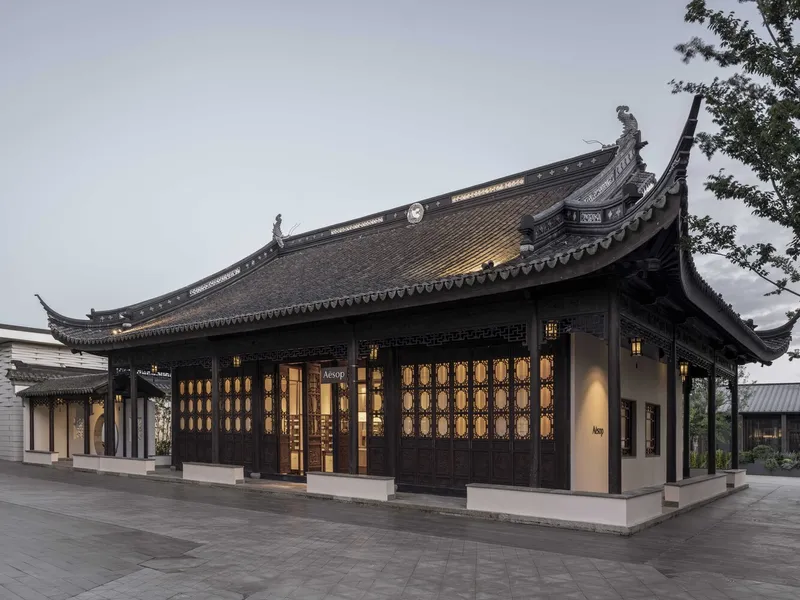
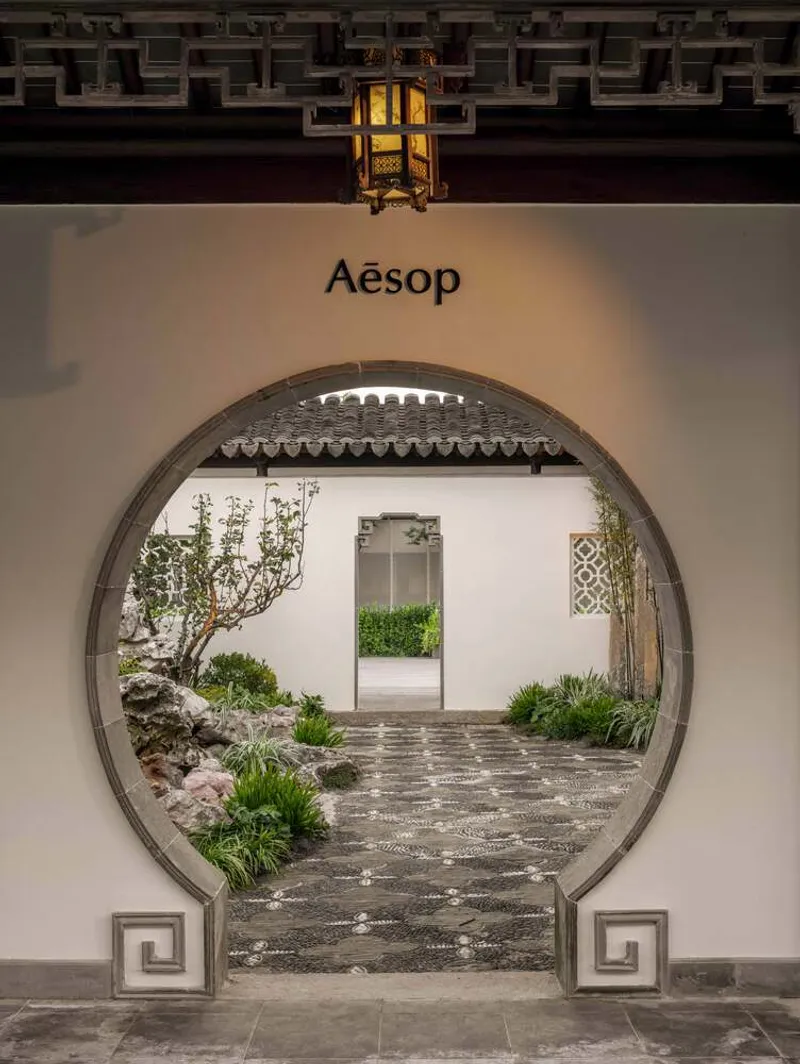
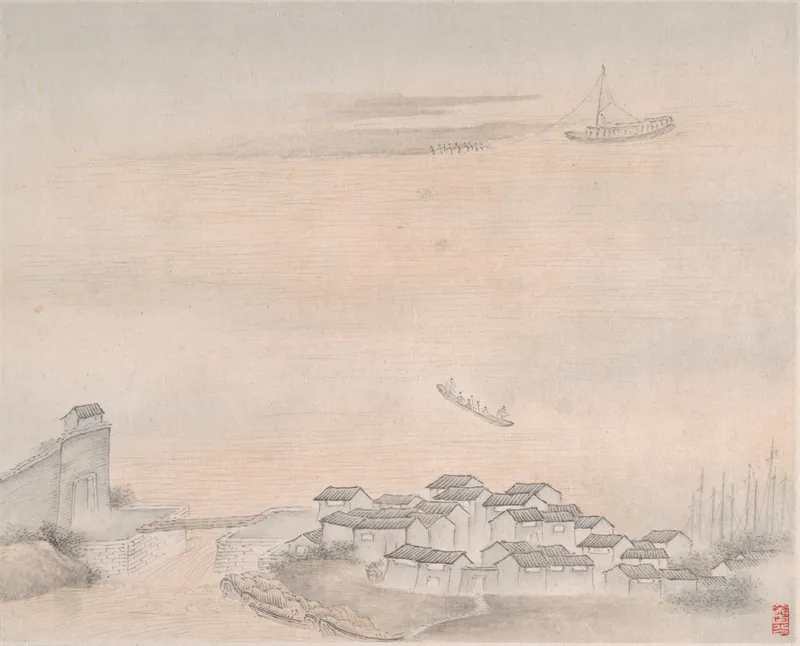
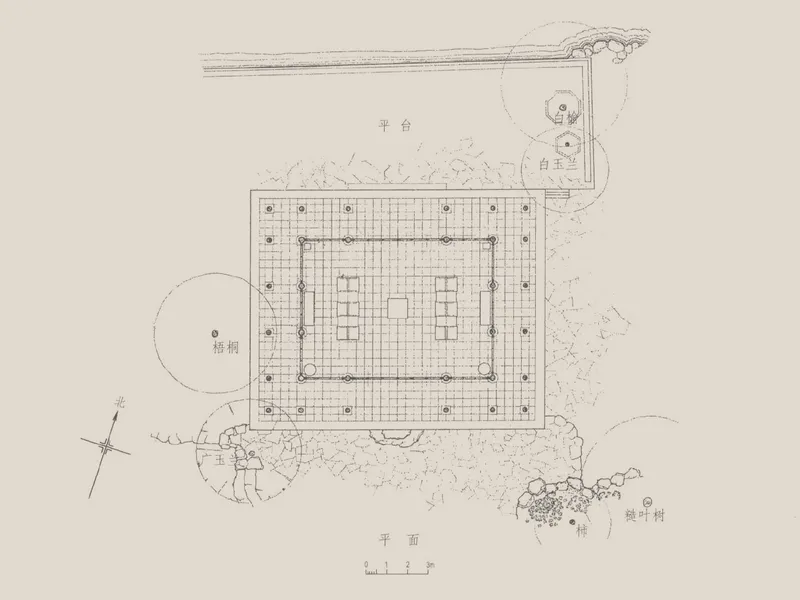
Set in the heart of Suzhou’s historic Cangjie district, the store occupies a restored Qing Dynasty structure known as Phoenix Hall. Surrounded by cobblestone streets and the iconic Xiangmen Wall, the store’s design draws heavily from the Jiangnan region’s architectural and cultural traditions.
Historic Inspiration Meets Modern Functionality
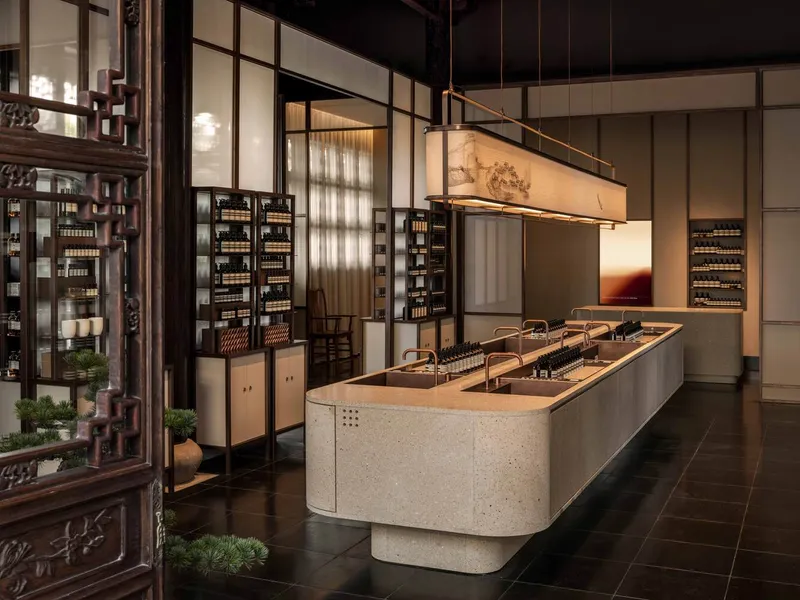
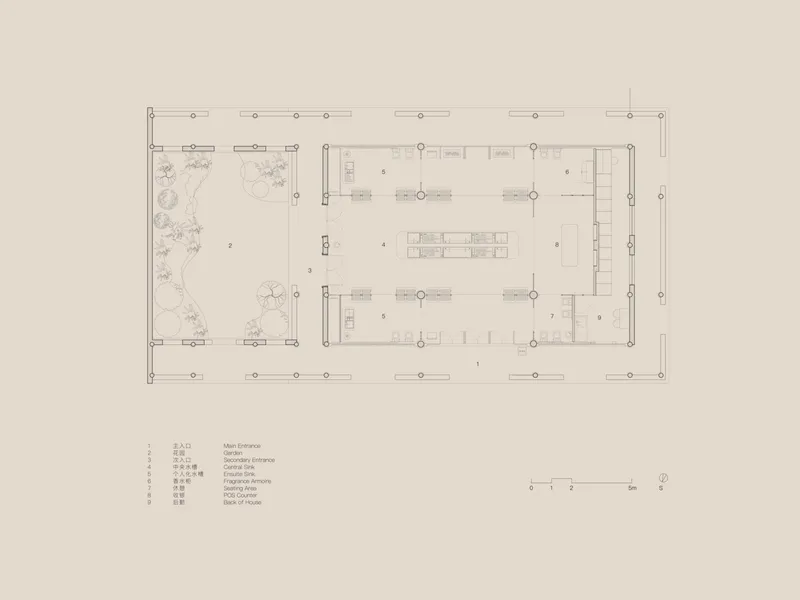
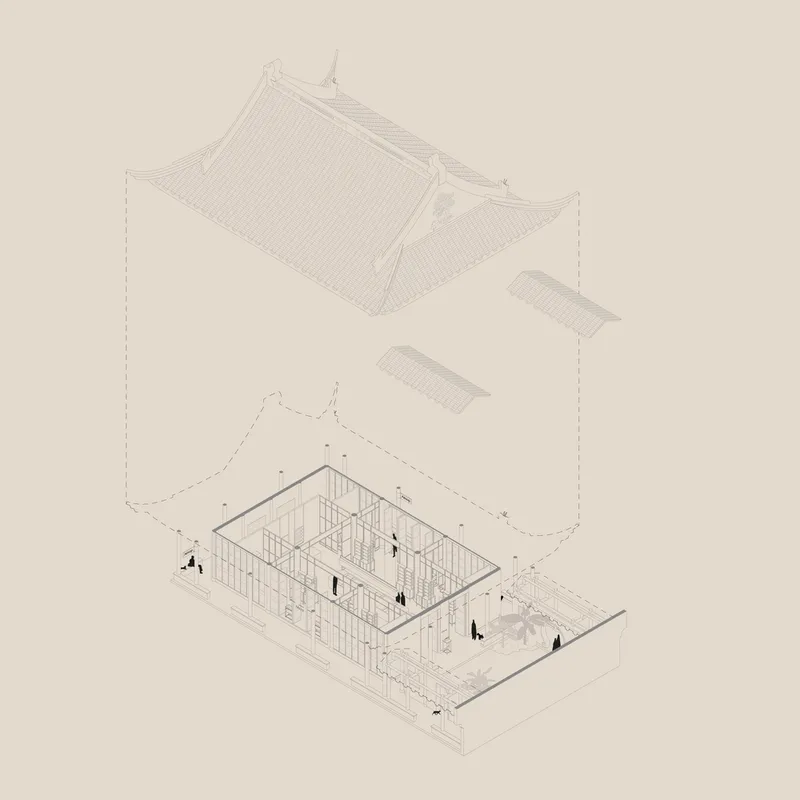
The design concept focuses on integrating modern functionality within the constraints of traditional architecture. Drawing from Jiangnan garden architecture, the space is divided into a central "hall" for communal interaction and surrounding "rooms" for intimate experiences. This layout mirrors traditional spatial divisions while accommodating Aesop’s brand-centric requirements.
Design Features
Architectural Elements
Central "Hall" as a Social Core
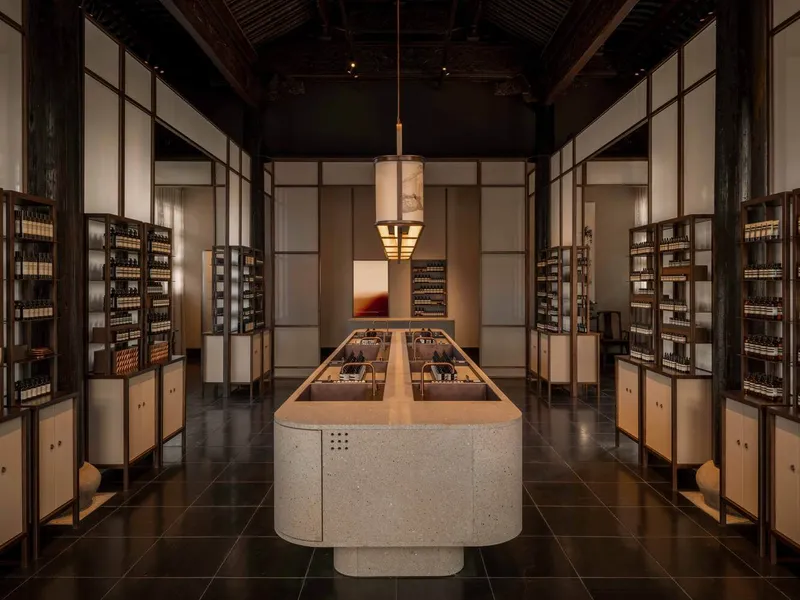
The central "hall" is a multifunctional space, housing Aesop's iconic sink for hands-on product experiences. The open layout fosters customer interaction and a sense of ceremony.
Intimate "Rooms" for Personalized Experiences
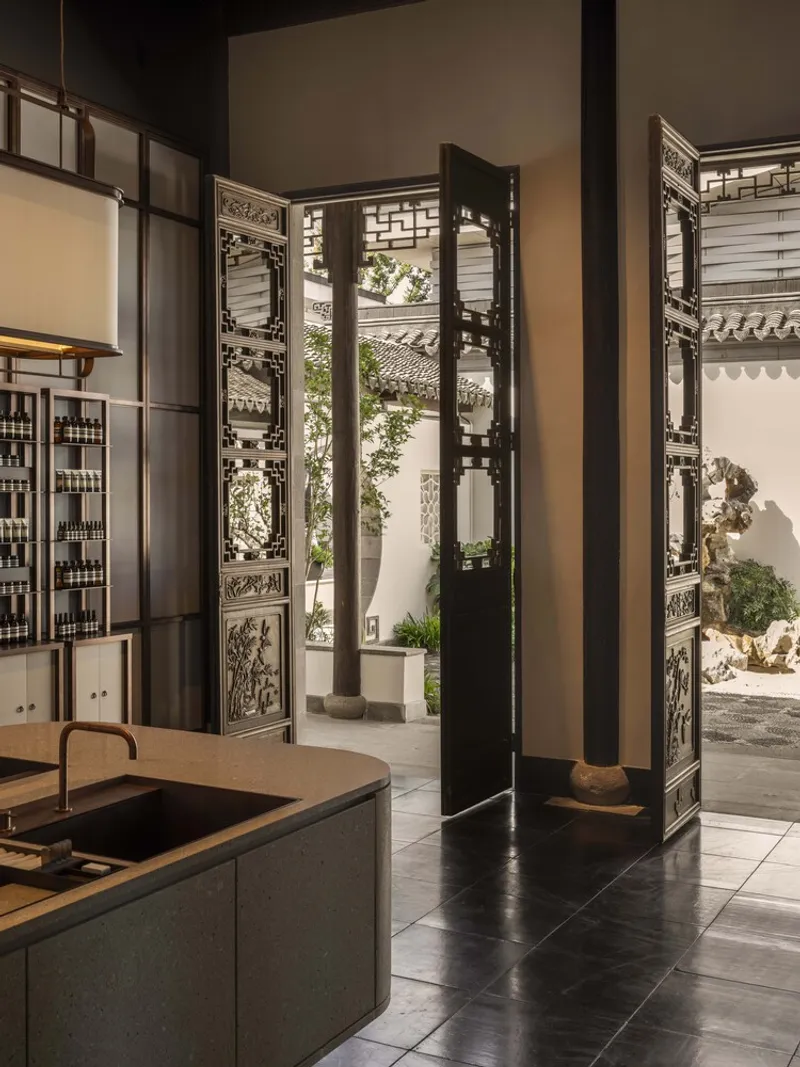
The surrounding "rooms" offer secluded spaces for fragrance exploration, consultations, and relaxation. Each area is thoughtfully designed to balance privacy and functionality.
Material Palette and Craftsmanship
Silk and Stone Integration
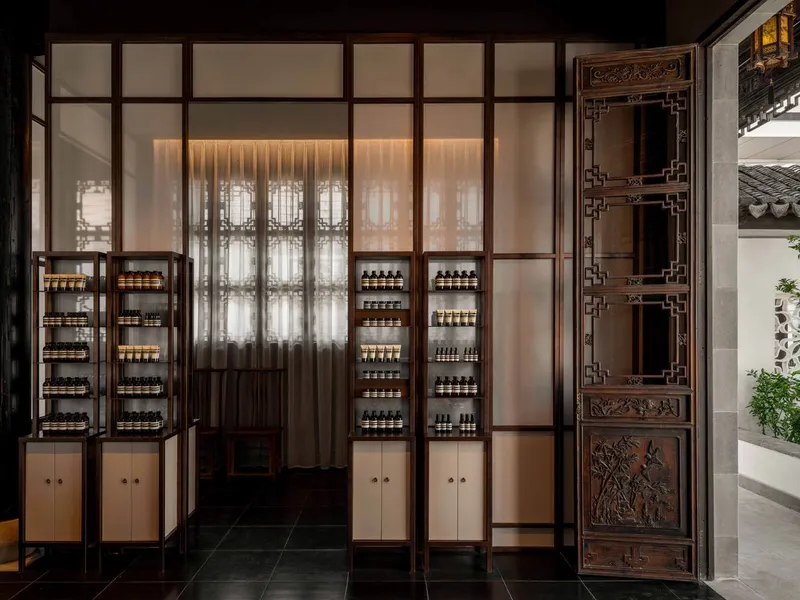
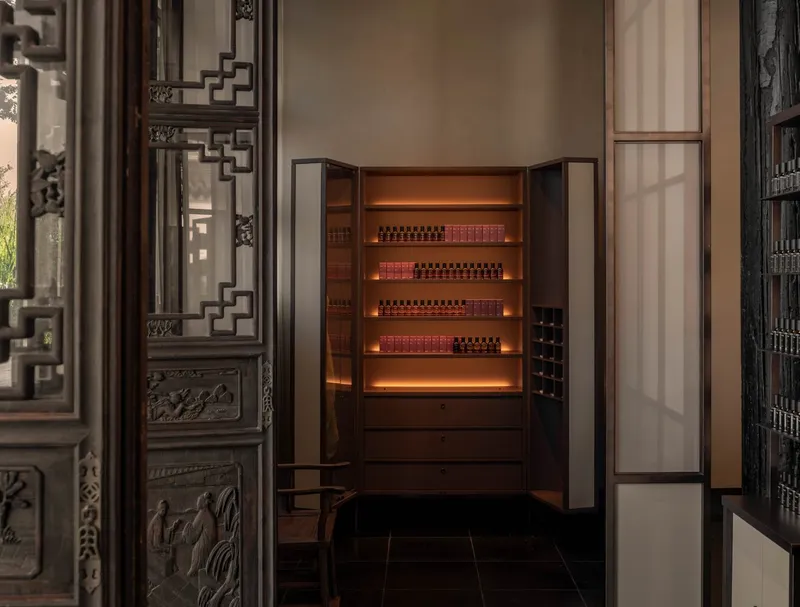
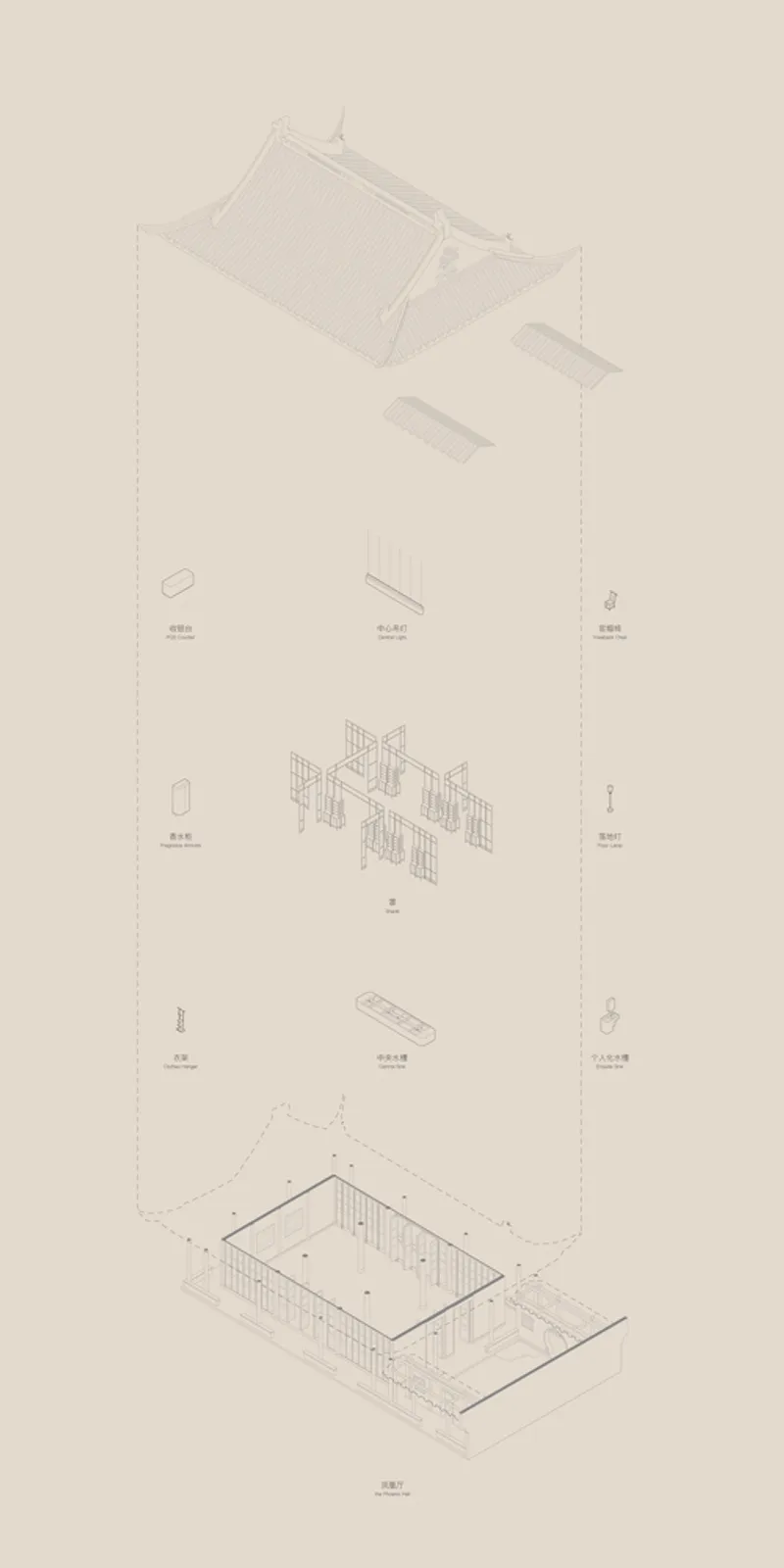
Silk, a hallmark of Suzhou’s heritage, is used in the "shade" structures, replacing traditional wooden frameworks. Stone elements, including the central sink, are inspired by Suzhou garden aesthetics, evoking natural formations and the "stacked mountains and flowing water" philosophy.
Suzhou Embroidery and Antique Furniture
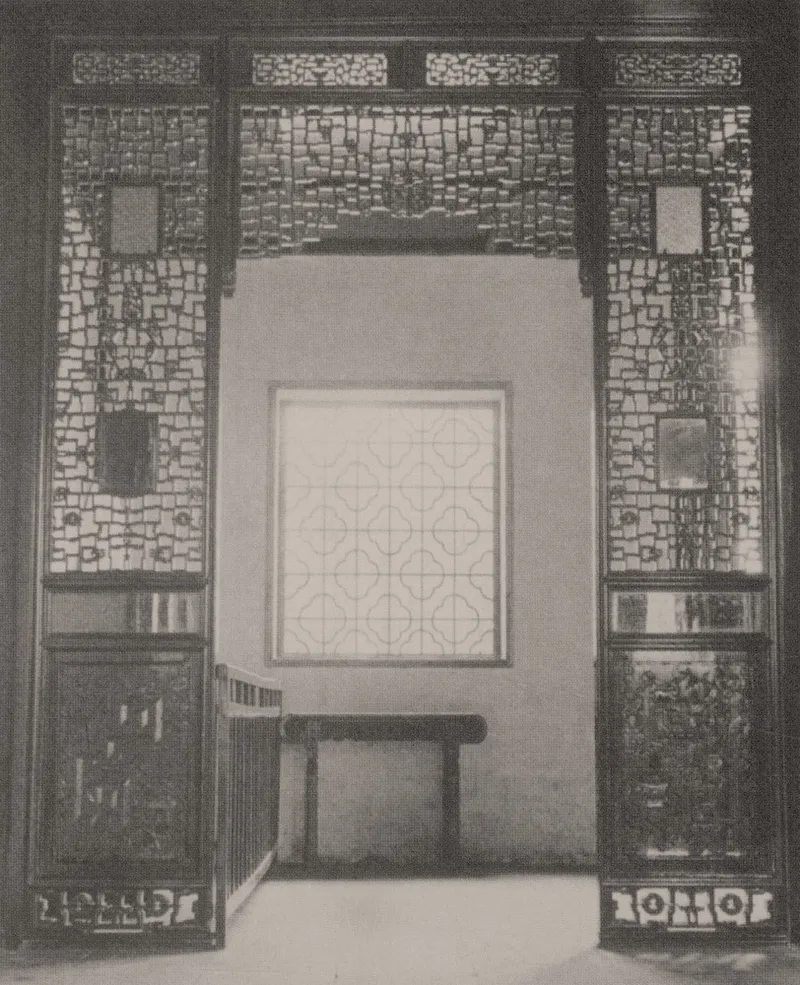
Traditional Suzhou embroidery adorns a modern lantern, creating a poetic interplay of light and shadow. Carefully selected antique furniture reduces reliance on new resources, blending sustainability with heritage.
Spatial Flow and Visitor Experience
Inviting Entrances
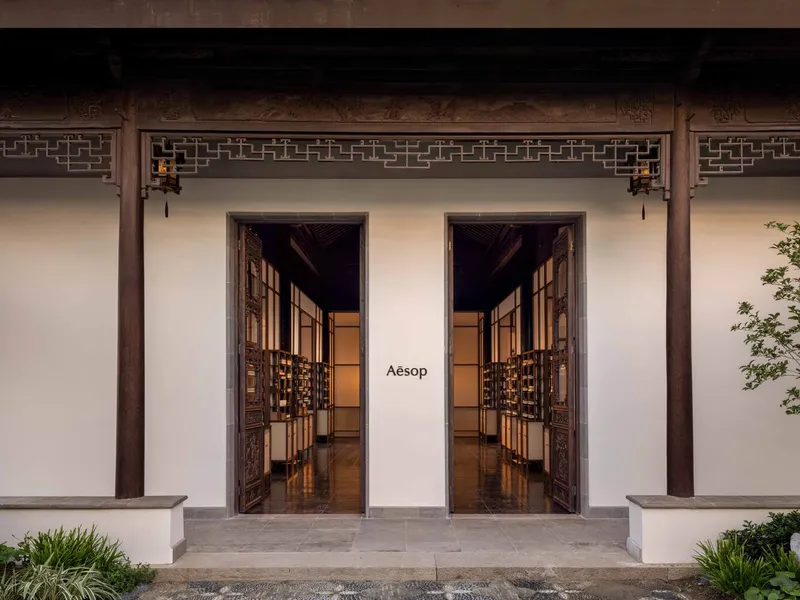
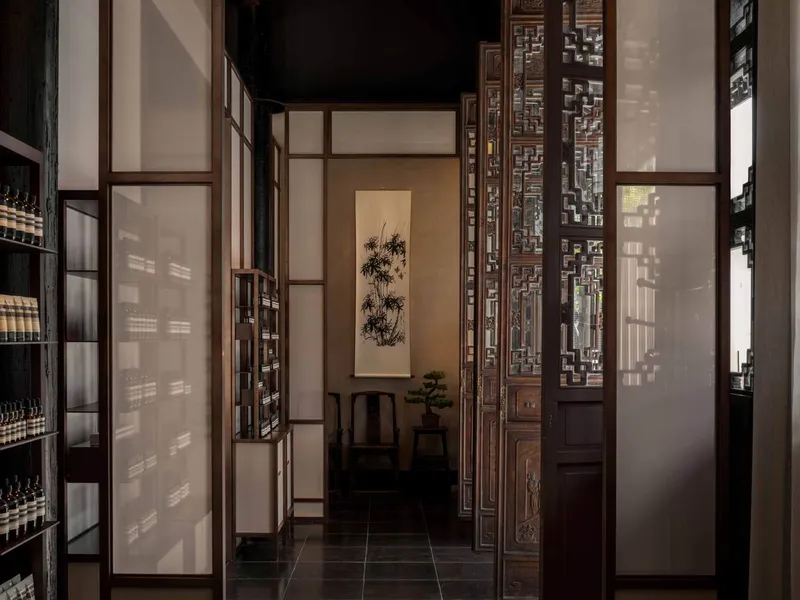
The store features six doors along its south-facing façade, encouraging exploration. A secondary gable-wall entrance offers glimpses of a serene garden with swaying trees and flowing water.
Seamless Spatial Hierarchy
Product shelves, integrated into the "shade," align with existing beams and columns to create an organic flow. This arrangement enhances spatial hierarchy and enriches the customer journey.
Sustainability and Heritage
Respect for Local Traditions
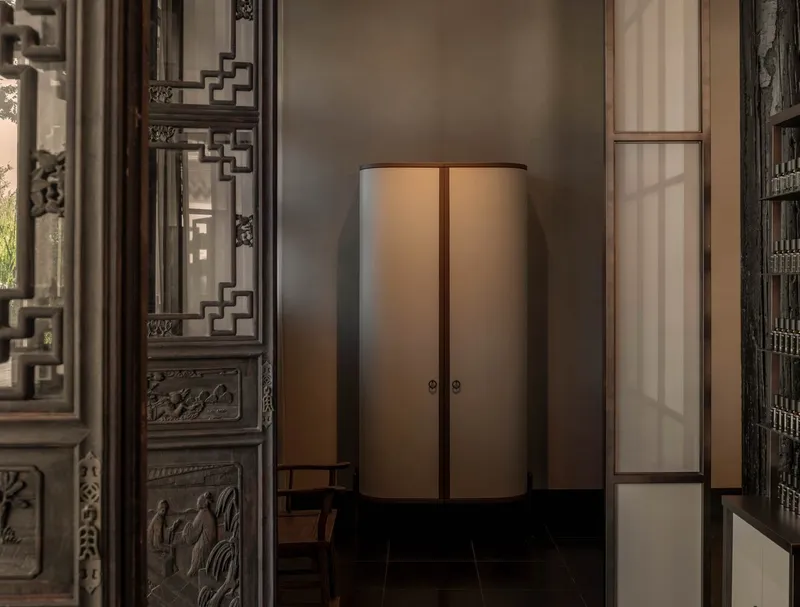
By employing traditional materials, techniques, and layouts, the design honors Suzhou’s cultural legacy. Every element, from silk lanterns to antique furniture, connects to Jiangnan traditions.
Commitment to Sustainability
The store emphasizes resourcefulness by repurposing materials and incorporating antique elements. This sustainable approach aligns with Aesop’s philosophy of mindful design.
The Aesop Suzhou Cangjie Store is a testament to the harmonious blending of tradition and modernity. By reinterpreting Jiangnan’s rich cultural heritage through a contemporary lens, Offhand Practice has created a tranquil sanctuary that exemplifies sustainable and thoughtful design. This project sets a benchmark for how retail spaces can honor their historical contexts while offering innovative customer experiences.
All photographs are work of Fangfang Tian




Popular Articles
Popular articles from the community


Play: Fragments of Their World
Familiar architecture becomes modular playground design, creating safe spaces where displaced children can learn, connect, imagine and play.

Hill & Cross Opera: Sculptural Opera House Architecture Shaped by Tallinn’s Landscape and Identity
Hill & Cross Opera reimagines opera house architecture in Tallinn through its sculptural hill, civic plaza, glass wave and a luminous cross.

Riyadh For All: Intergenerational Urban Design for Active Aging in Rabat
Riyadh For All reimagines urban design in Rabat with intergenerational co-living, adaptive courtyards, and Moroccan cultural exchange today.

The Ocean Hive: Sustainable Architecture for a Self-Sufficient Civilization at Sea
The Ocean Hive imagines sustainable architecture at sea, where modular habitats, algae, wave power and ocean waste sustain a growing colony.

Similar Reads
You might also enjoy these articles


Hodi-Mandai Geram
Project Function: Preservation and revitalization of the Intangible heritage and socio-spatial identity of the Hodi by Housing, Cultural Memory Center, Sacred Grove, landscape, local tourism economy


Olio Towers: A Mid-Rise for Performers That Fuses Housing, Rehearsal, and Stage
Located blocks from Houston's Theater District, this modular tower stacks living units around a central performance atrium.

Oasis: Modular Green Housing Carved into Dhaka's Urban Fabric
A shortlisted Plugin Housing entry reclaims unauthorized settlements in Dhaka with stepped concrete volumes, green roofs, and ventilation-driven design.

Black Hole: A Floating Megastructure for the Post-Physical Era
Emiliano Mazzarotto envisions a spherical, self-scaling arena where e-sports, digital hotels, and holographic stadiums replace traditional public space.


Explore Architecture Competitions
Discover active competitions in this discipline



Challenge to reimagine the Iron Throne


Photograph architecture without architects


Illustrate the lost glory of Angkor Wat - Render Challenge


Design challenge to reuse E-waste
Comments (0)
Please login or sign up to add comments
No comments yet. Be the first to comment!