Mourning clock
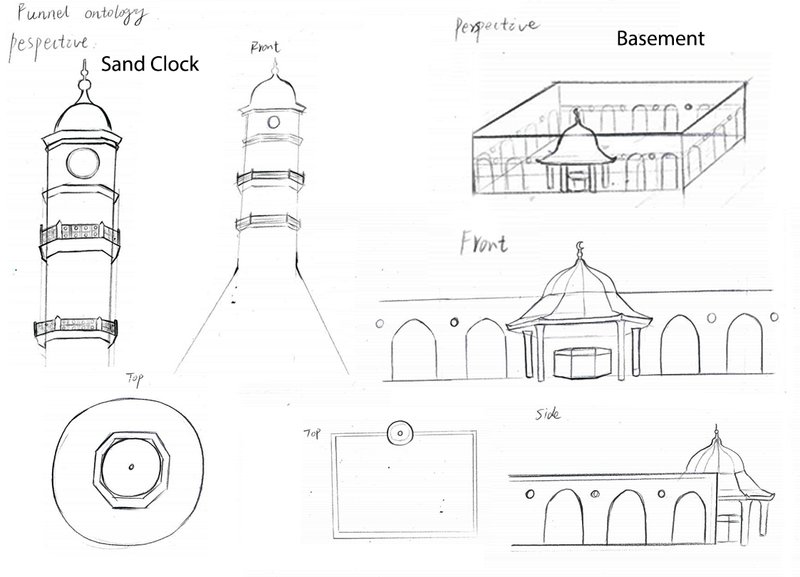
The Great Mosque of Aleppo


Concept
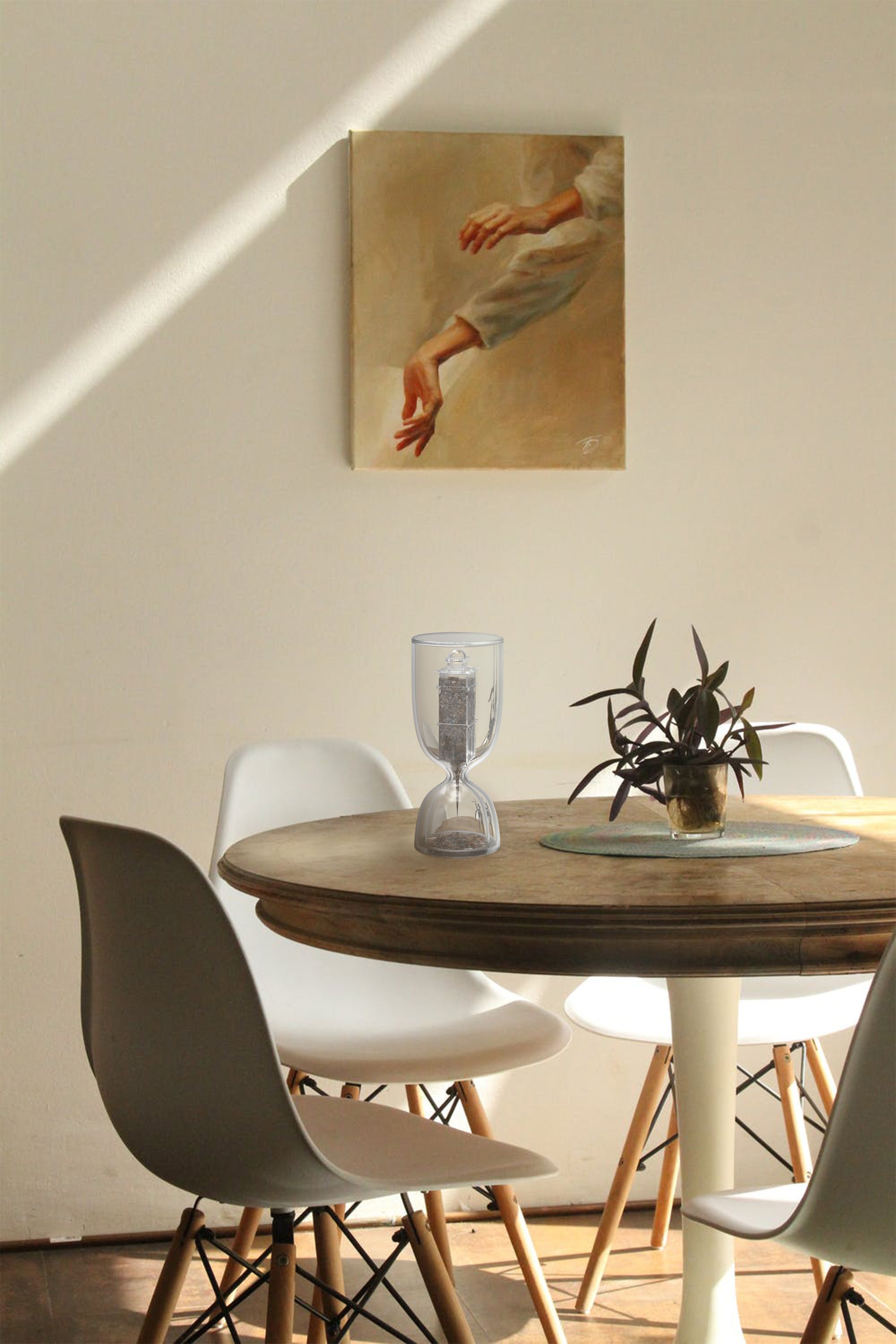
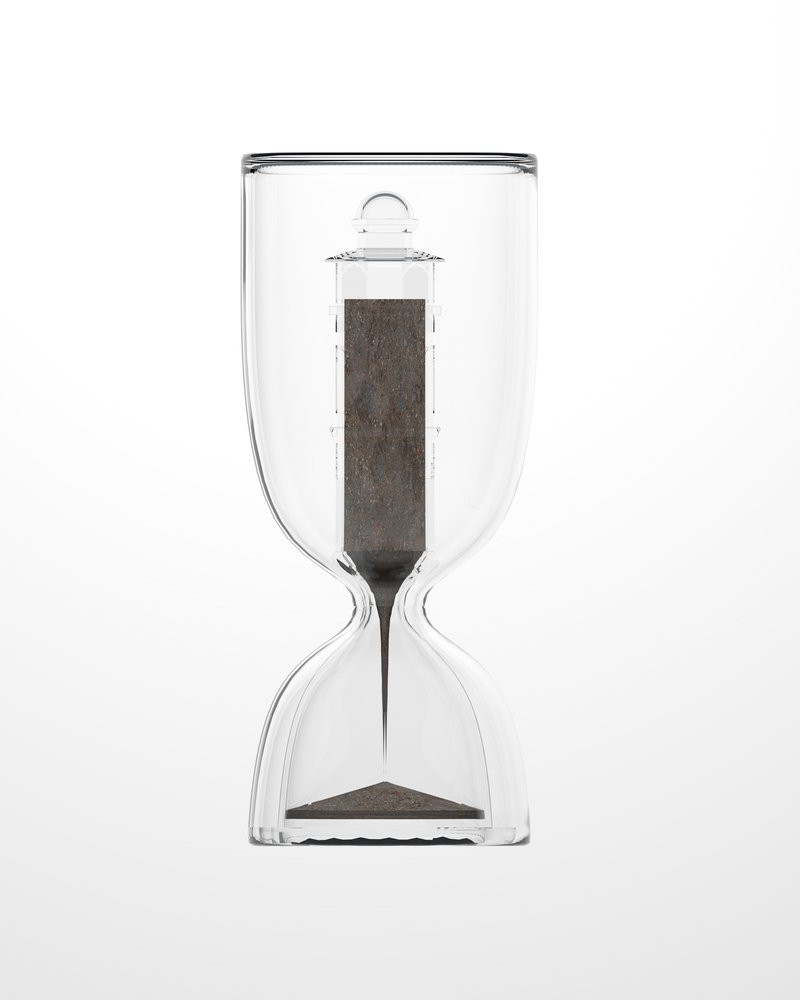
An hourglass for people to mourn, lasting for 3 minutes. Substituting sand with rubbles, and use the shape of the iconic building of the post-war city Aleppo inside the hourglass. Firstly, the building is filled with rubbles, as the rubbles run through its neck, the building will disappear gradually, which reflects the destruction of the city because of the war. At the same time, since the hourglass is transparent and its neck helps slow down the rate of the passing of rubbles. It also helps amplify the roughness of rubble materials.
Background
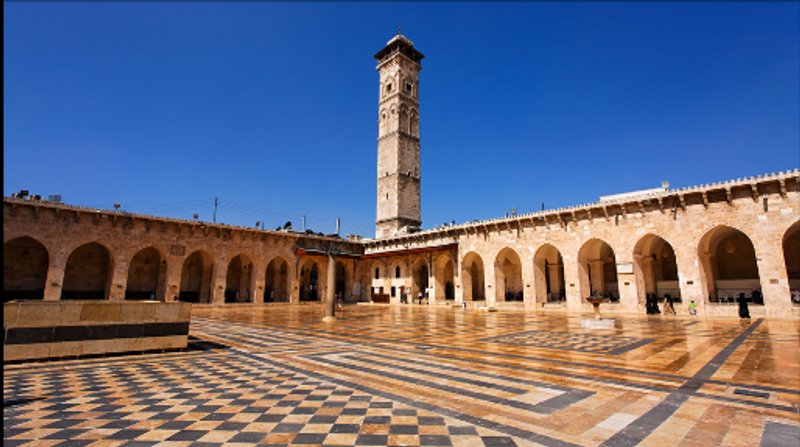
The Great Mosque of Aleppo is the largest and one of the oldest mosques in the city of Aleppo, Syria. It is located in the al-Jalloum district of the Ancient City of Aleppo, a World Heritage Site, near the entrance to Al-Madina Souq. This mosque is said to be the site of the remains of Zechariah, the father of John the Baptist, who are both highly revered in Islam and Christianity. It was built in the early 8th century. However, the current buildings can be traced back to the 11th to the 14th century. The minaret was built in 1090,It is one of the oldest mosques in the world, with a history of nearly a thousand years.
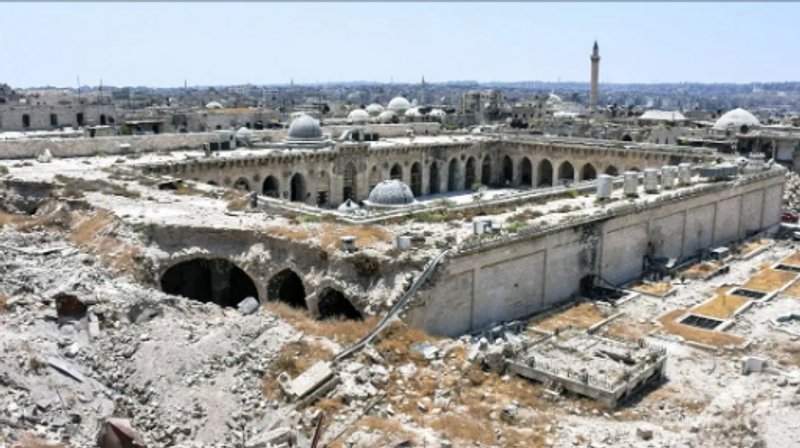
However, such an ancient city suffered a catastrophe in the 2010s when human civilization was highly developed. Among them, the Great Mosque of Aleppo was severely damage in 2012 and 2013. In April 2013, the minaret that stood on the northwest side of the Aleppo Grand Mosque for nearly a thousand years was completely destroyed by artillery fire. Destroyed and cannot be repaired. It does'nt matter whether it was the government tank shelling or the opposition using explosives to destroy the spire. What is important is that the thousand-year culture relics has become a pile of ruined walls. This is a pity for those who have been there, let alone the people who grew up there.
During the three minutes of this hourglass, we tried to reproduce the scene of the gradual collapse of the Aleppo Mosque, which is the heritage of all mankind. For this tragedy, and for everyone who feels sad about it, we have a deep silence for three minutes. More importantly, we hope to reawaken mankind’s resistance to wars and yearning for peace.
Investigation method
Thinking of war, we can easily think of Syrian that often appear in international news, and then we did a lot of second-hand research to finally determine the Great Mosque of Aleppo with a long culture and is significance to local residents. We also watched a documentary about local residents, trying to have a deeper empathy from individual perspective.
Iteration
We have gone through six iterations in total.
First iteration
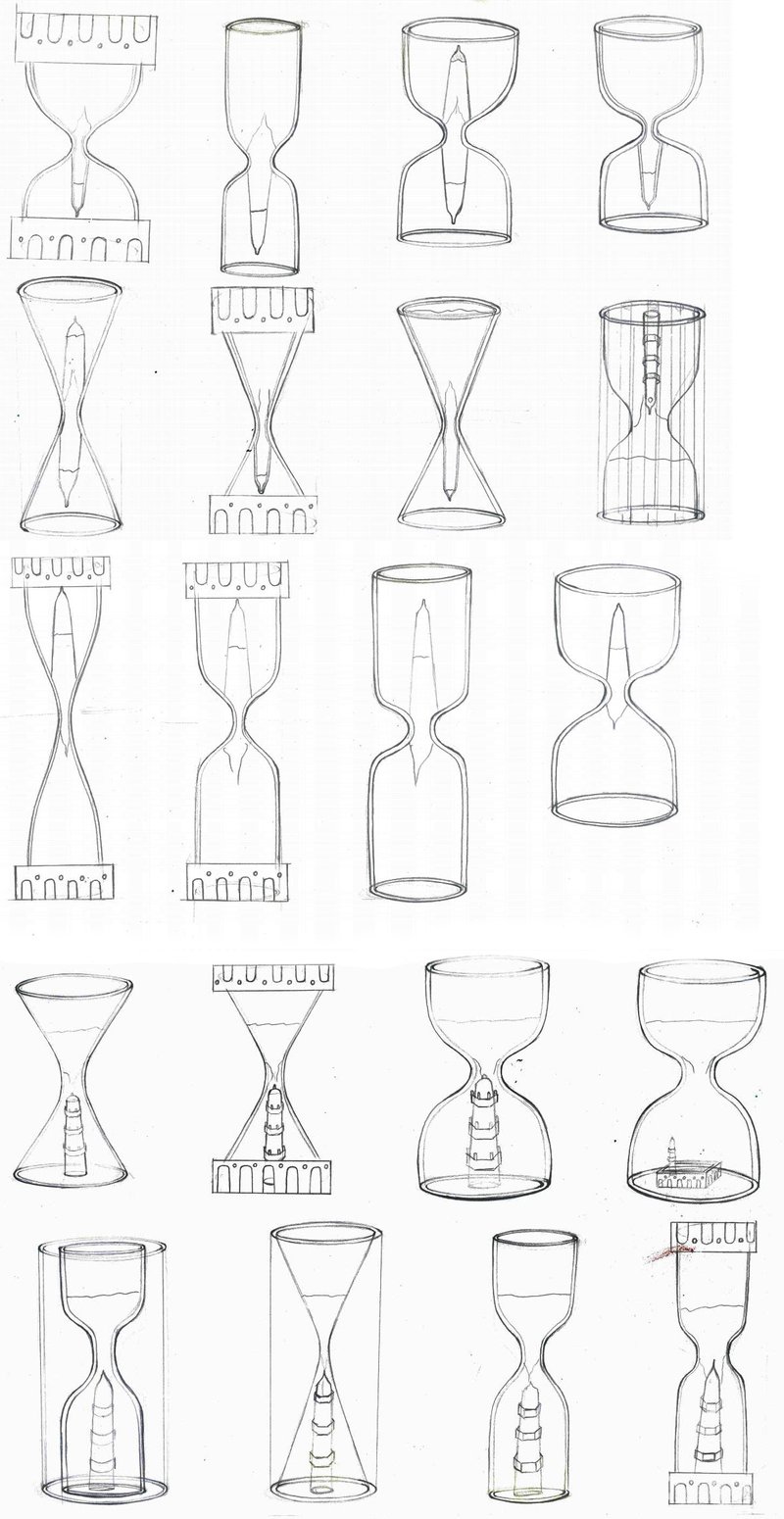
Firstly, we want to integrate the whole building (tower and base) into the hourglass, so we conduct brainstorming, to explore the various shape.
Second iteration
In the second iteration, we remove the base, only keep the tower which is more representative.
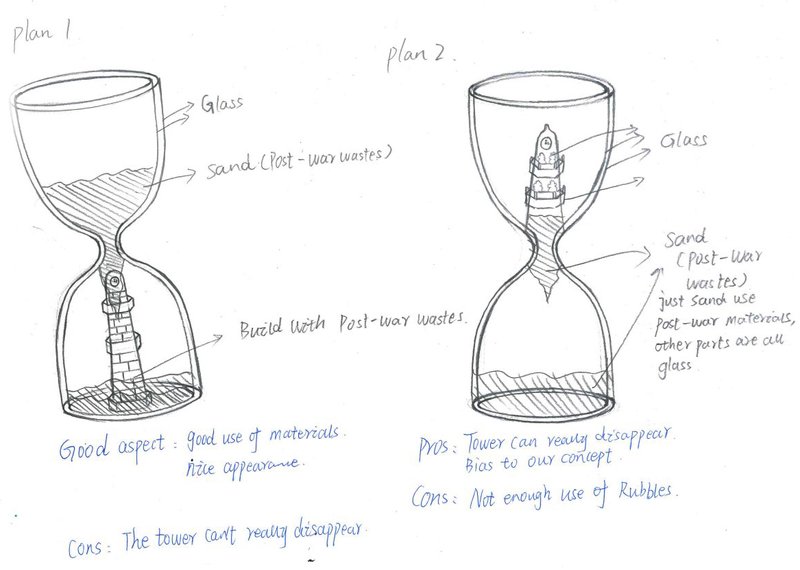
We think about 2 ways to make the tower “disappear”
•To let the rubbles fall down and cover the solid tower made of ruins
•To use glass to make the tower transparent. When the rubbles drop , the “disappearance” of the building can be clearly showed
We choose the 2nd scheme, which can better reflect the sense of fragmentation when the building collapses
Third iteration
We decide the overall size of the hourglass according to the usage scenario. We hope that this hourglass is placed on the table and the tower part is large enough to be prominent, so we determine this size.
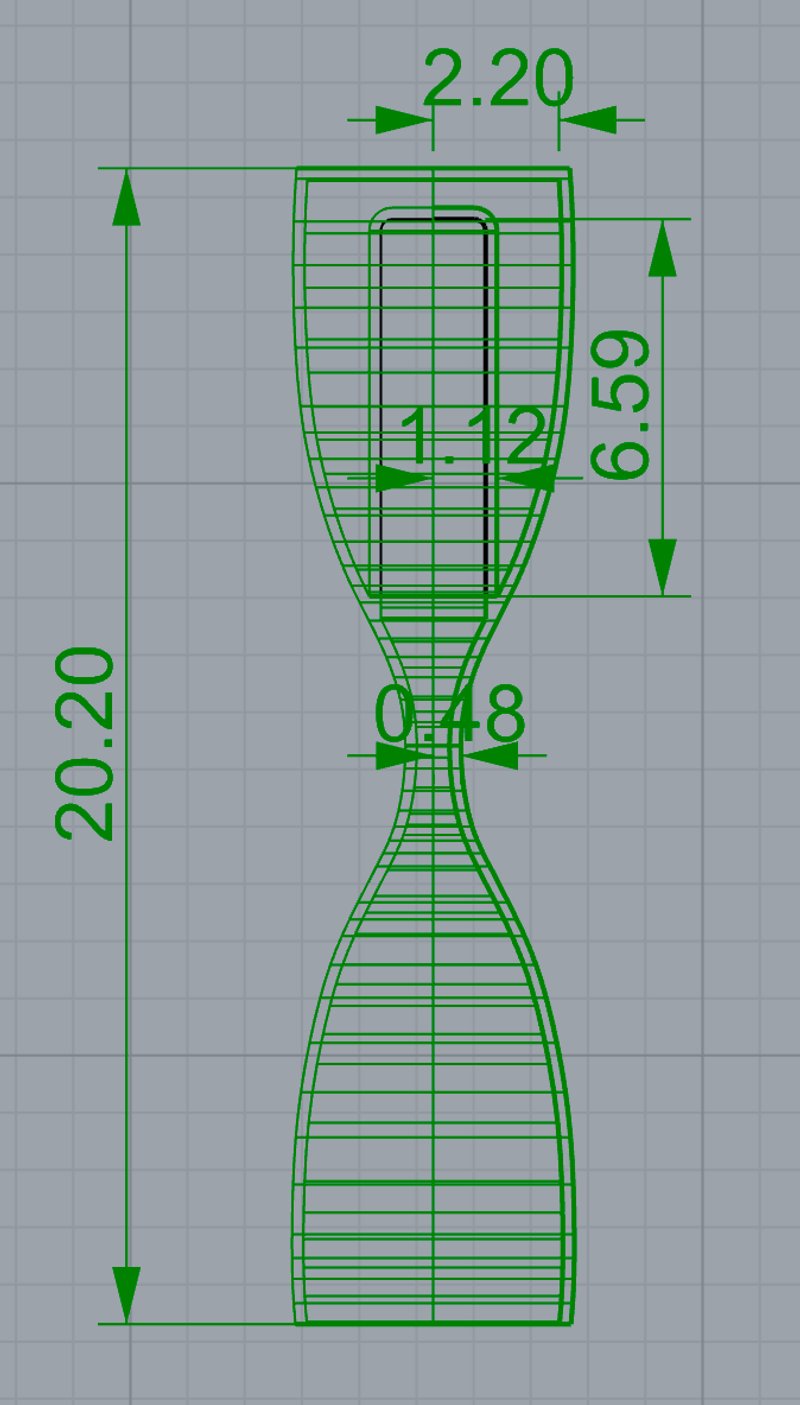
After printing the rough 3d model to testing, we figure out problems: rubbles cannot flow smoothly because of rubbles’ materials and the dimension of the neck.
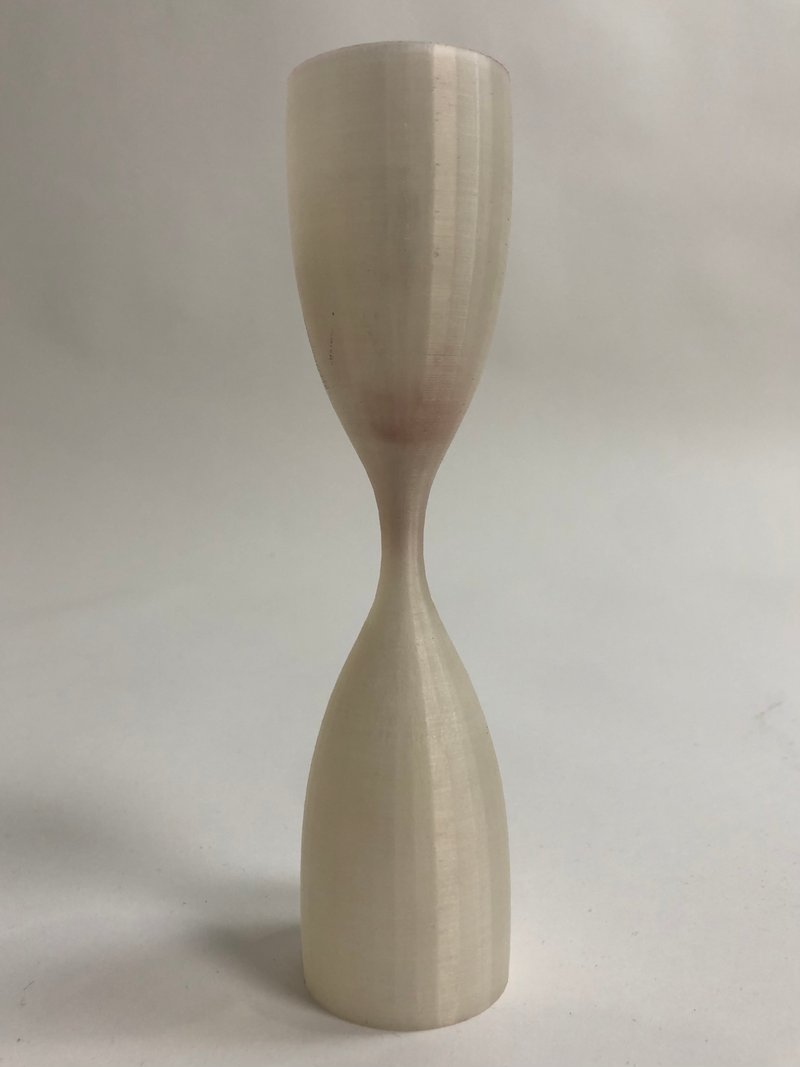
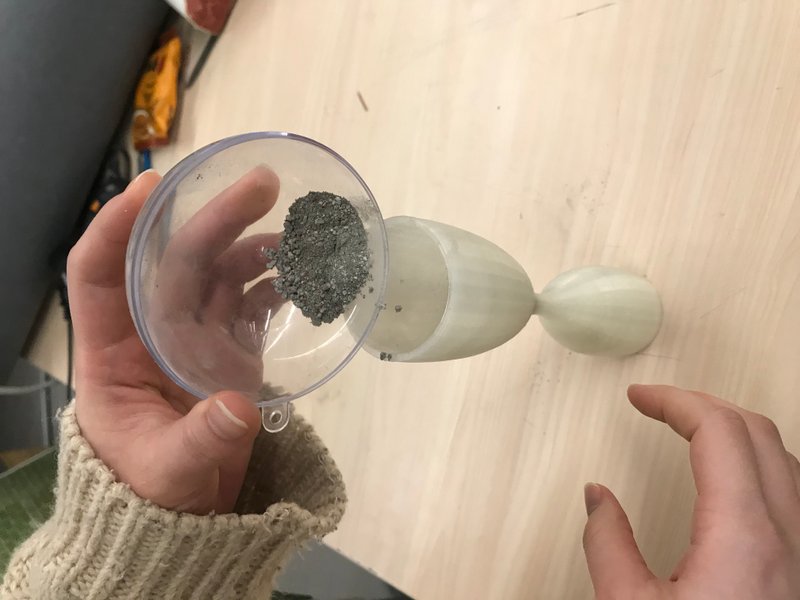
Fourth iteration
In order to solve that problem, we want to reduce the friction by changing the materials of rubbles. And we also change the size and slope of neck, as these 3 dimensions. Then we used resin to do 3D printing. We find that the model of a dimension can allow the rubbles almost flow smoothly in hourglass.
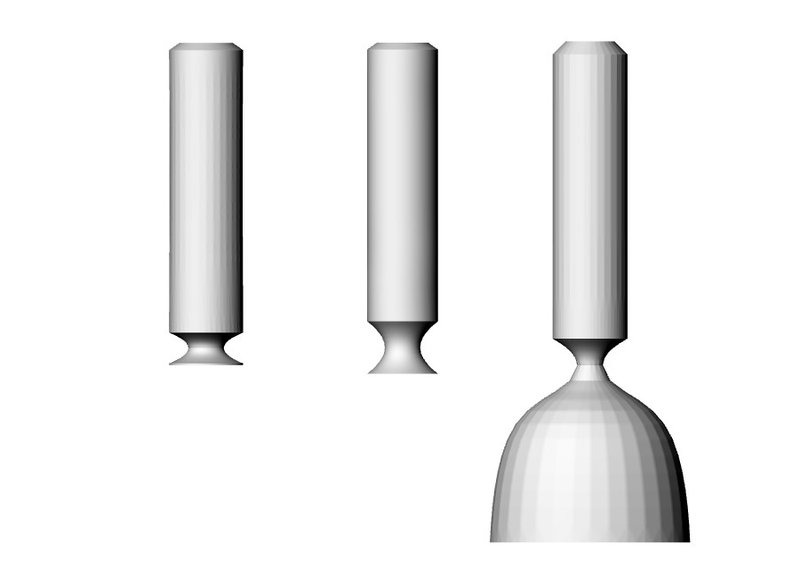
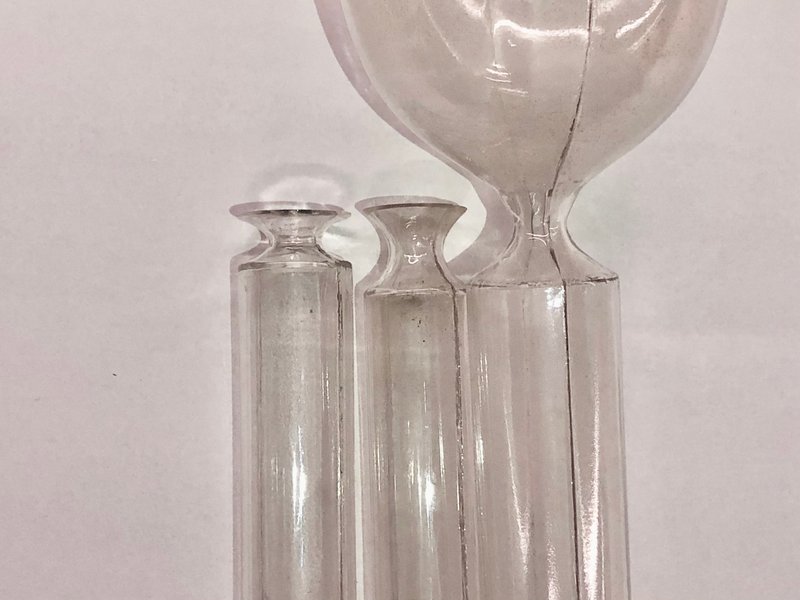
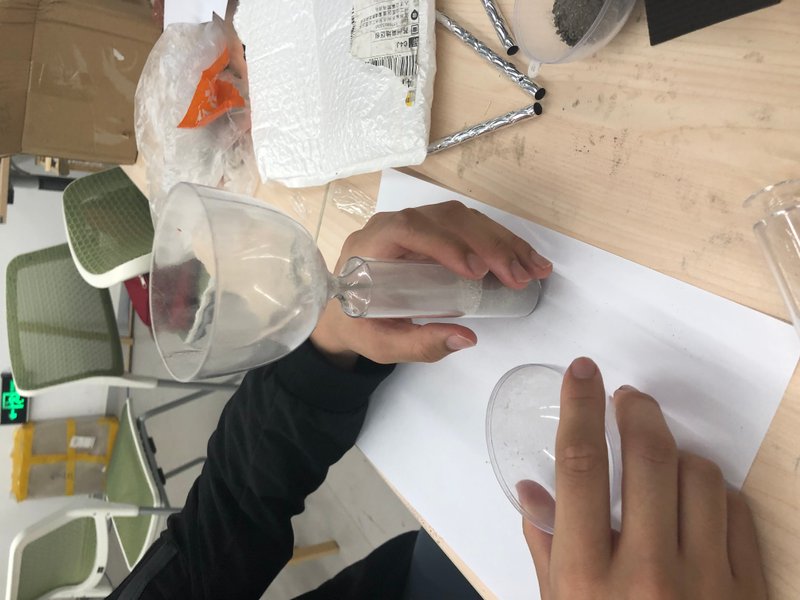
Fifth iteration
For this generation, we decide to increase the volume of the tower to 3 layers, in order to demonstrate the concept better and to meet the competition requirements of 50% raw materials.
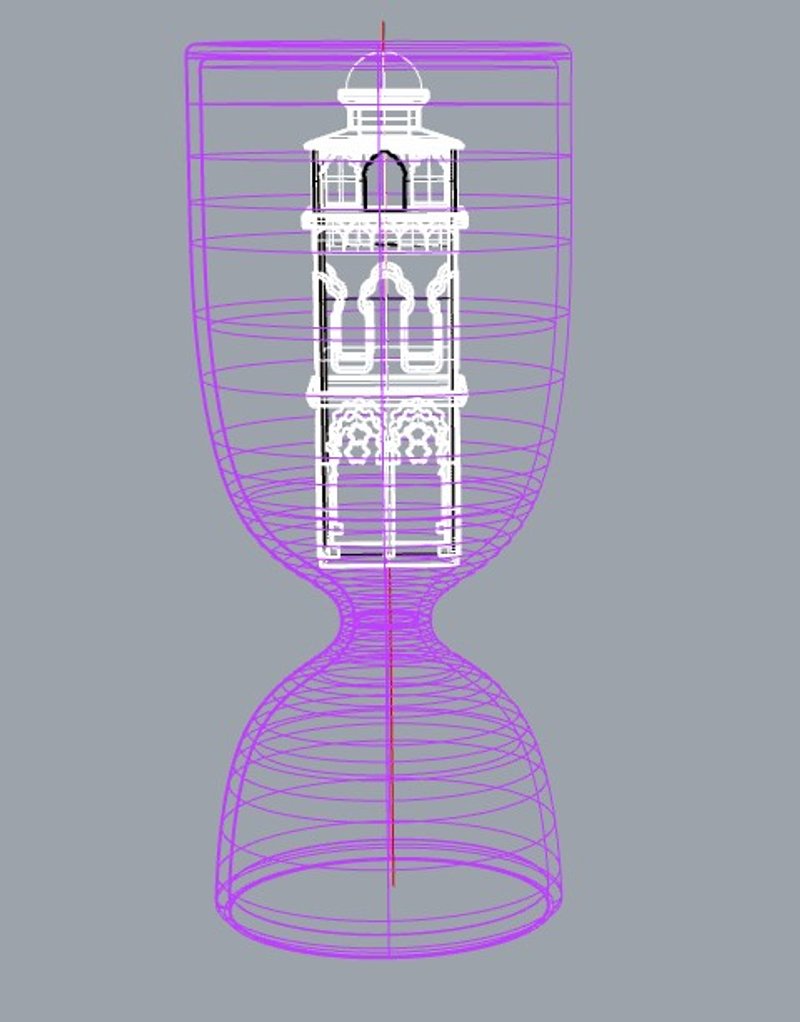
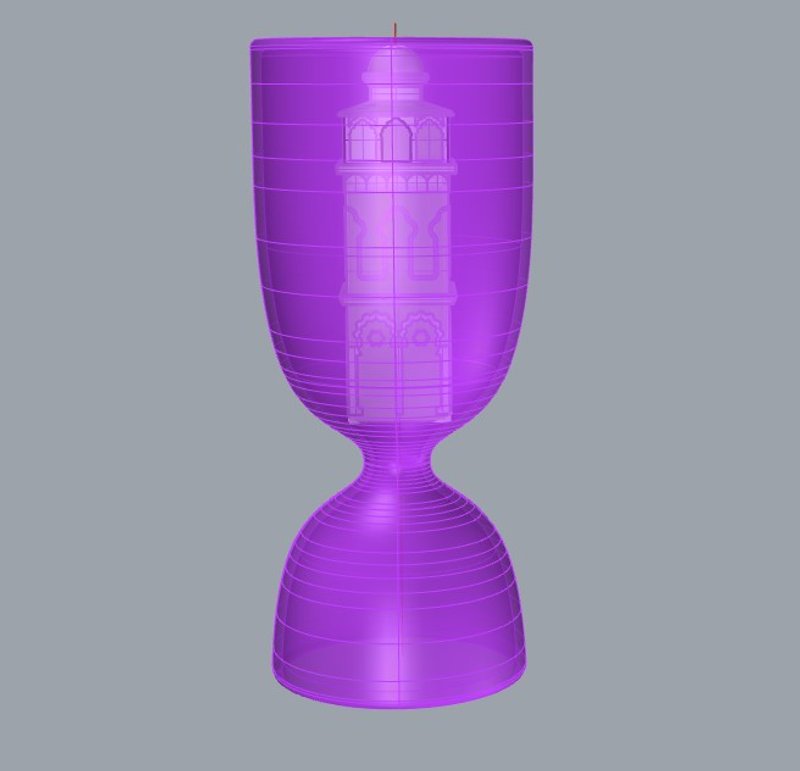
Sixth iteration
At last, we add a connecting part at the bottom. This can help the core of hourglass to be fixed inside
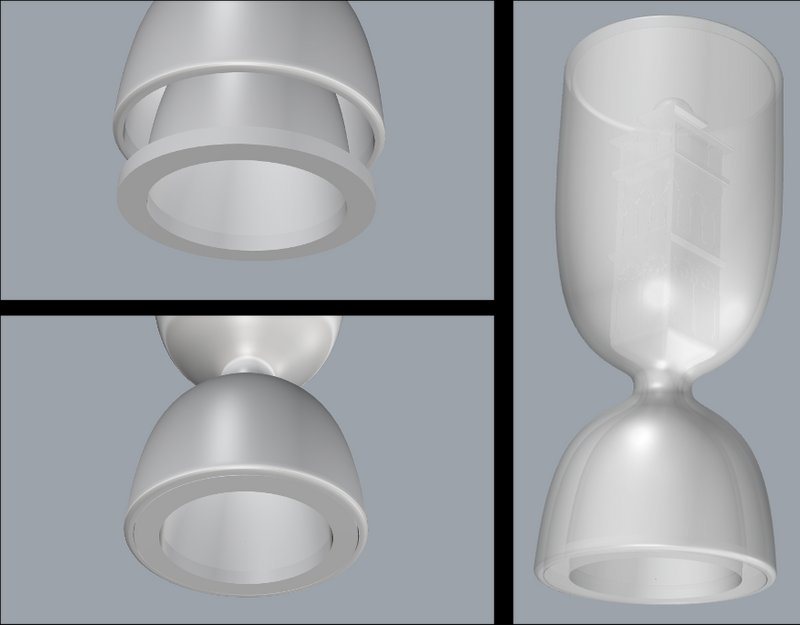
Materials
Because It costs a lot to transform construction waste into hourglass, the construction waste is used to form the fluid that flows in hourglass. Several types of Aleppo’s materials are chosen. For instance, black basalt powder, porcelain powder, brick powder, cement and sand are used. Among these materials, black basalt is only used in Syria while others are used more extensively. Despite porcelain, other materials have a large friction coefficient. Thus, porcelain takes up sixty percent area of fluid so as to decrease the probable friction. Using Syria’s sand will change the color of fluid to yellow so as to maintain the local style. Moreover, since most the powders are extremely small, only some materials such as cement and sand need to be polished. These materials show the style, culture and construction type of Aleppo well.
Several reasons result in choosing of materials.
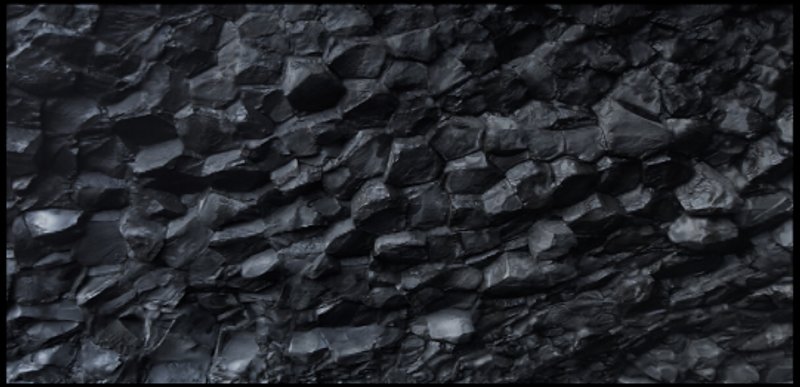
For black basalt: according to “The earth through time” “Molten basalt lava has a low viscosity due to its relatively low silica content (between 45% and 52%), resulting in rapidly moving lava flows that can spread over great areas before cooling and solidifying.”
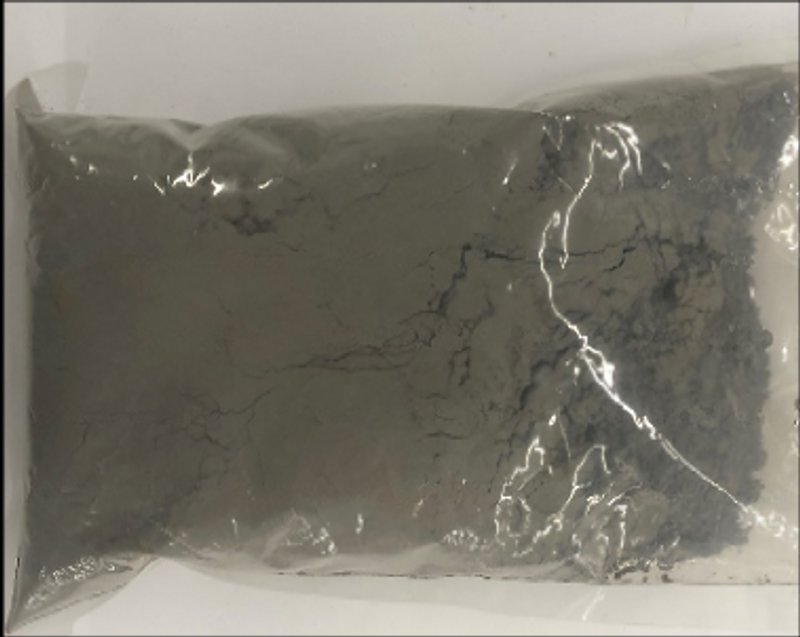
Thus, the black basalts are widely used in Syria’s buildings where lava come out mostly. As a result, using black basalt as one of materials will not only save cost, but also Syrians’ hardworking and persistent will be shown. Moreover, basalt needn’t be manufactured again, because most of basalt bricks have been crushed into small powders. Through collecting basalt powders in rubbles, cost of manufacturer will decrease. Some of materials include black basalt which have large diameter should be crushed so as to pass the throat of hourglass. The final powders are like;
For porcelain:
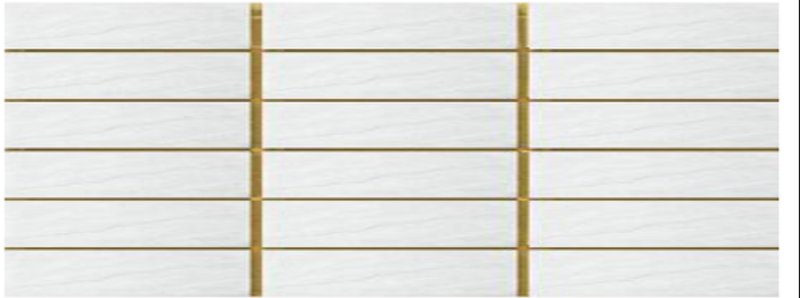
most of Syria’s houses loaded construction materials made by porcelain so as to insulate hate. Thus, porcelain can be easily collected from rubble. Porcelain powders flew in hourglass will show the damage of wars and roughness of rubbles, since several wars happened in Aleppo destroyed houses, churches and towers. Additionally, most porcelain collected from rubbles are covered by dust. These dusts will enlarge powders’ friction coefficient so as to increase friction between fluid and neck of hourglass. As a result, fluid will stick on the neck instead of flow through the throat. For this reason, porcelain powder should be washed and heated before being mixed so that the dusts can be cleaned. The washed porcelain powders are like;
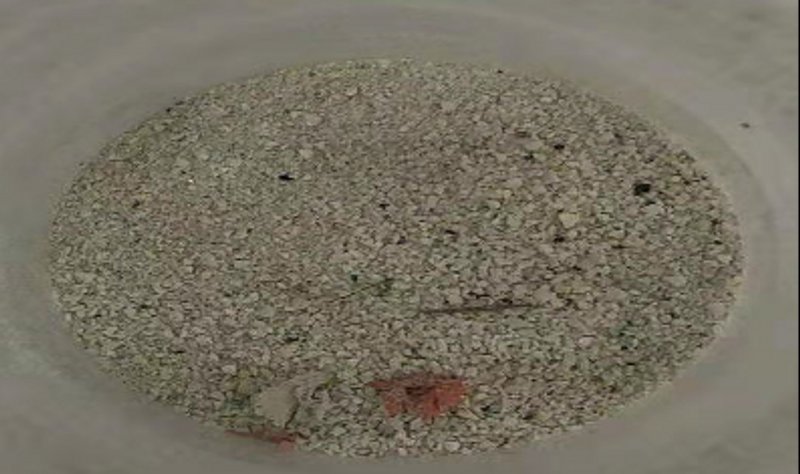
Other materials such as brick, sand and glass are also mixed so that the roughness and Syria style can be shown through specific colour.
Expansion plan
The hourglass can be enlarged to a larger size and placed on the square like a sculpture so that people can mourn at the same time and place, so as to sublimate this common emotion.
The hourglass can also be made into smaller size, like key pendants, which appear in people's sight more often, and also represent people's yearning for peace.
References (1)