Multi-Generational Home Design: A Case Study of House for a Grandmother by Philip Lütken
Explore the "House for a Grandmother" in Copenhagen, a model of multi-generational home design blending tradition with modern sustainability.


In the heart of Copenhagen's suburban district, the "House for a Grandmother" stands as a beacon of innovative multi-generational home design. Designed by architect Philip Lütken, this house merges functionality with aesthetic sensibility, catering to the needs of extended family living together.
The Rise of Multi-Generational Living
Understanding Multi-Generational Homes
Multi-generational homes are designed to accommodate more than one generation of a family, providing spaces that support independence and communal living. These homes are becoming increasingly popular as they cater to aging parents, returning adult children, or simply families looking to strengthen their bonds.
Benefits of Multi-Generational Living
The advantages of such arrangements include shared living costs, enhanced family support systems, and enriched daily life through shared experiences. Architecturally, these homes encourage designs that respect both privacy and community, a challenge that the "House for a Grandmother" addresses gracefully.
Architectural Features of the House for a Grandmother
Design Philosophy
The house extension in Copenhagen embodies a unique architectural philosophy that respects traditional Danish building practices while embracing modern living needs. It serves as both a separate residence for the grandmother and a space that can be shared with the broader family, promoting interaction across generations.
Sustainable Building Techniques
Material Use and Construction
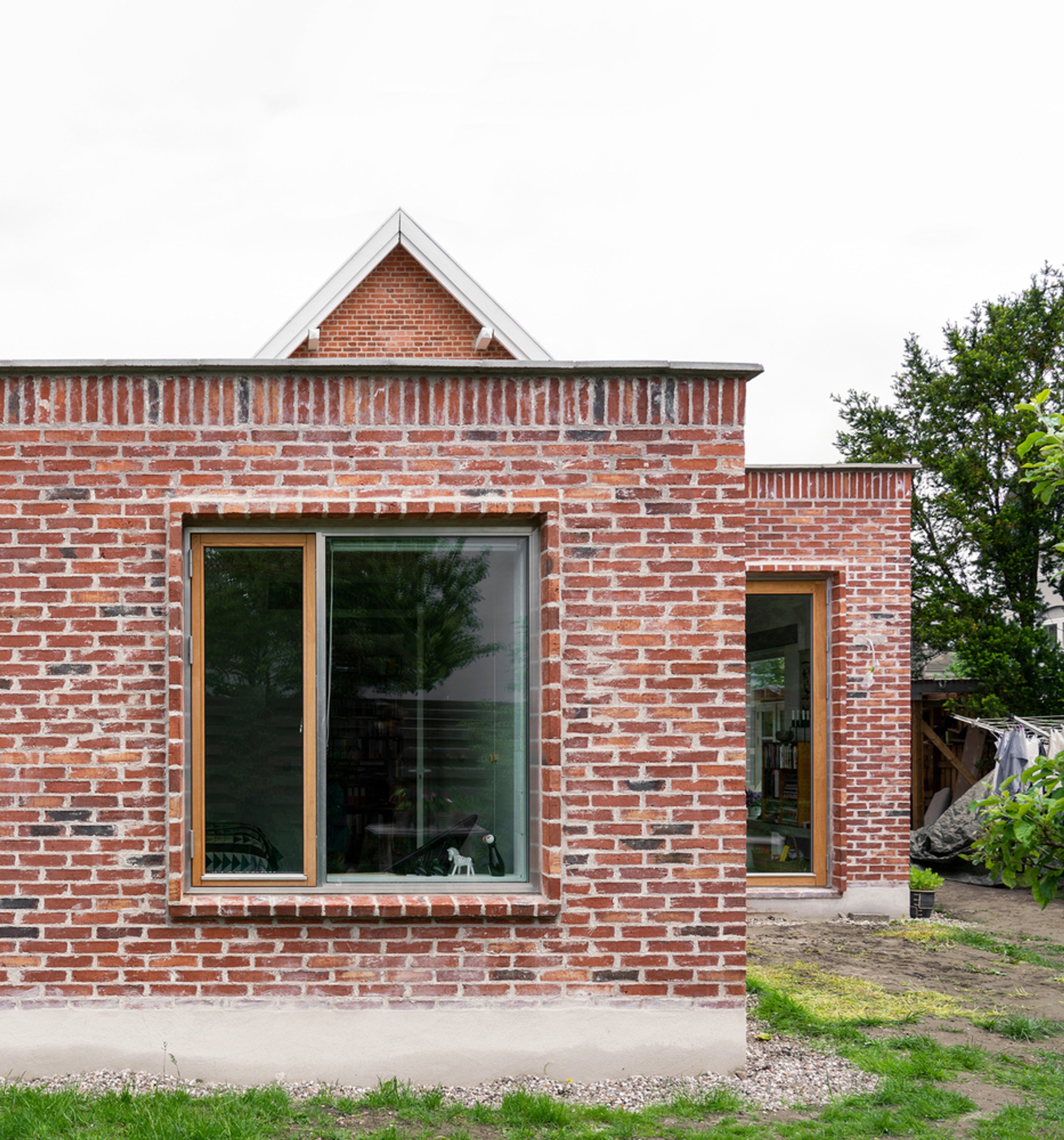
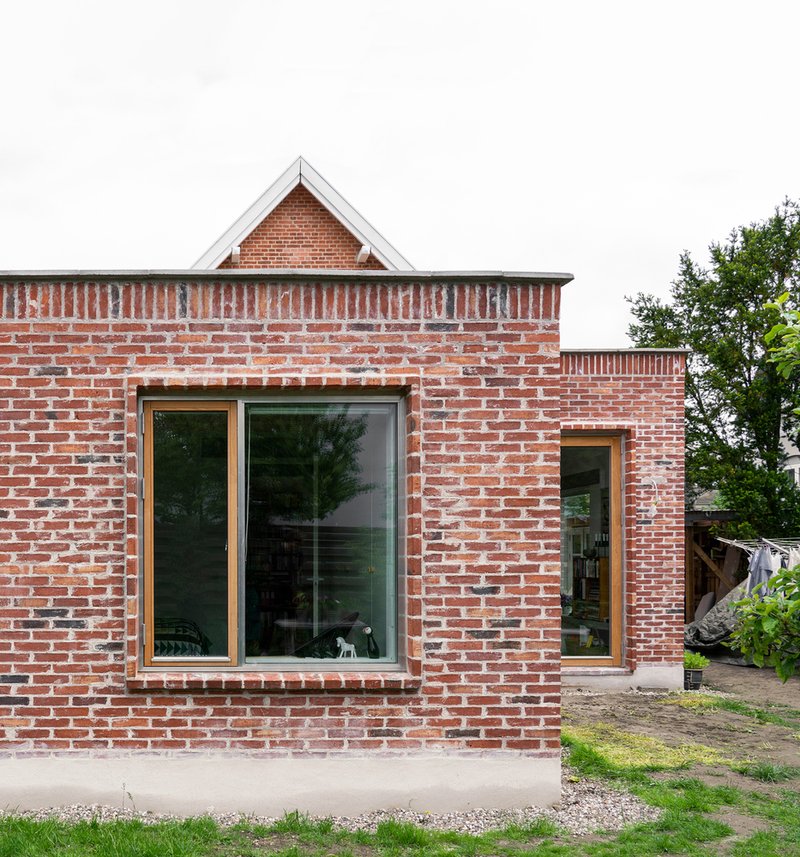
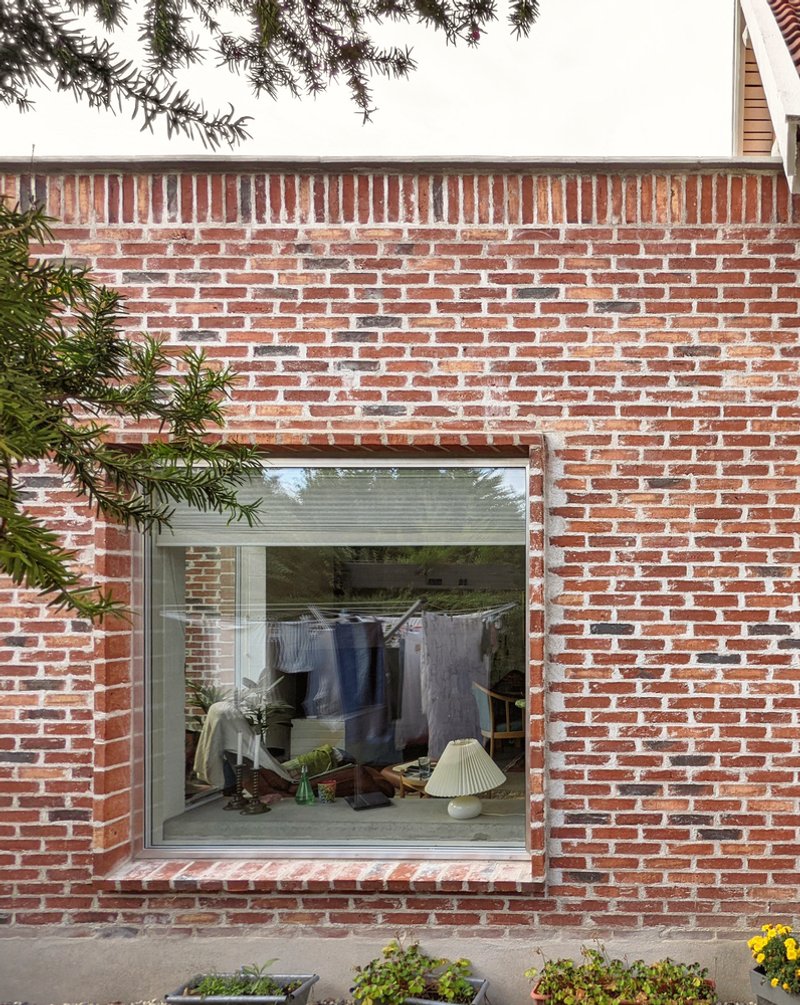
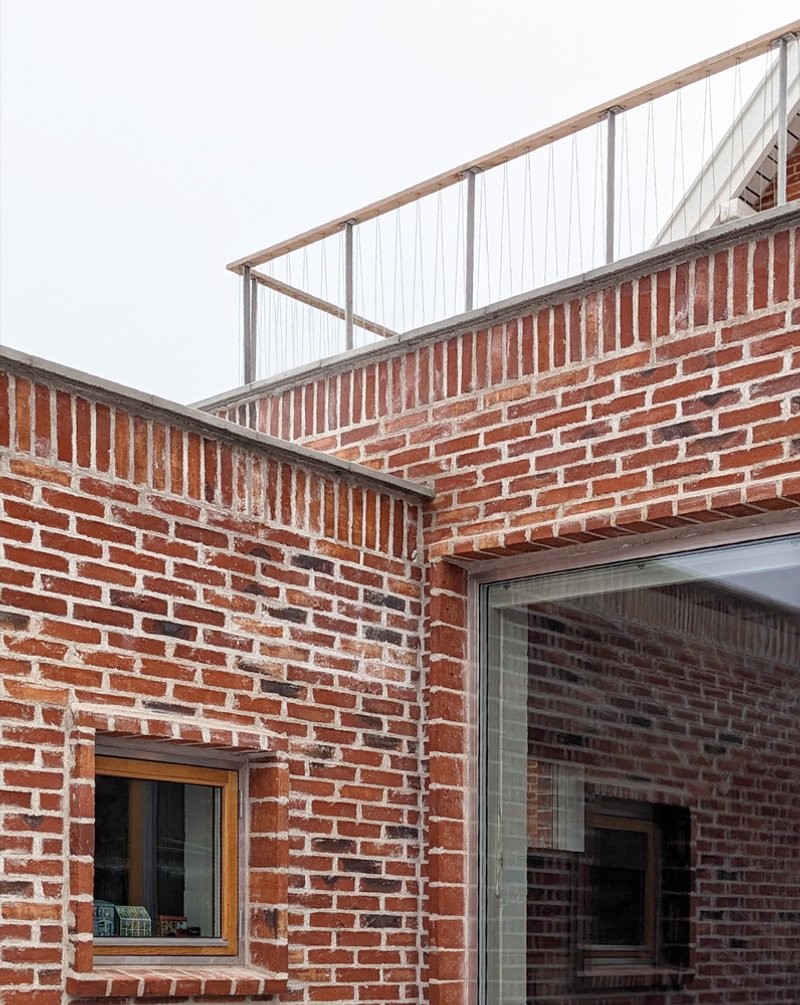
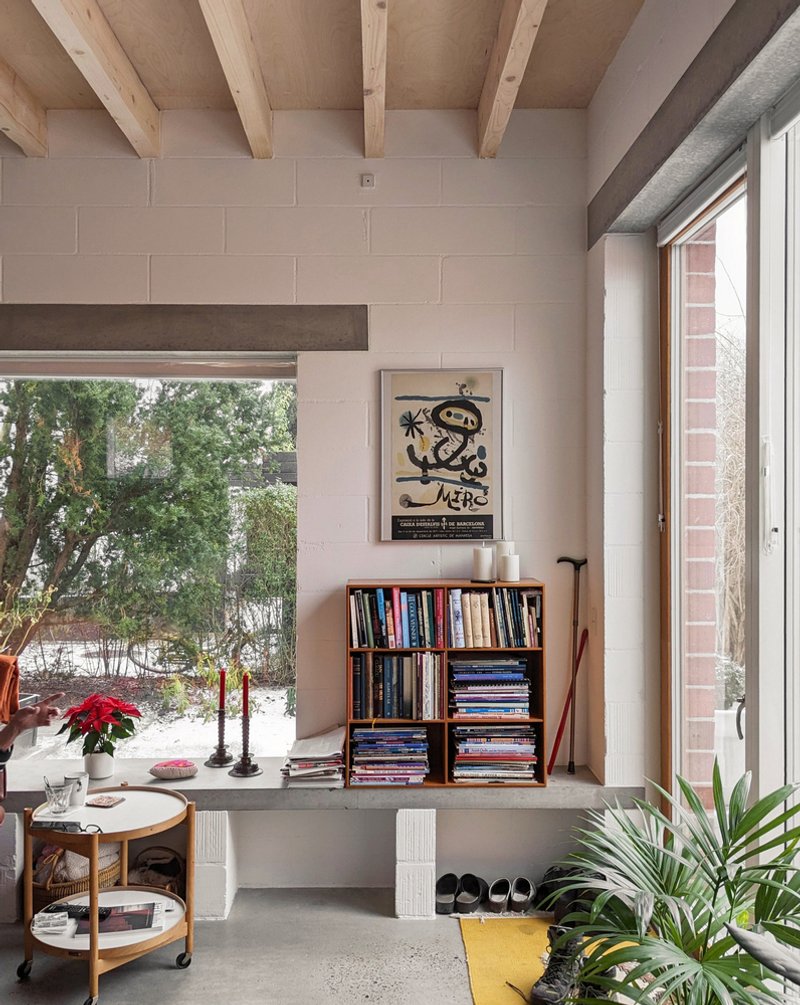
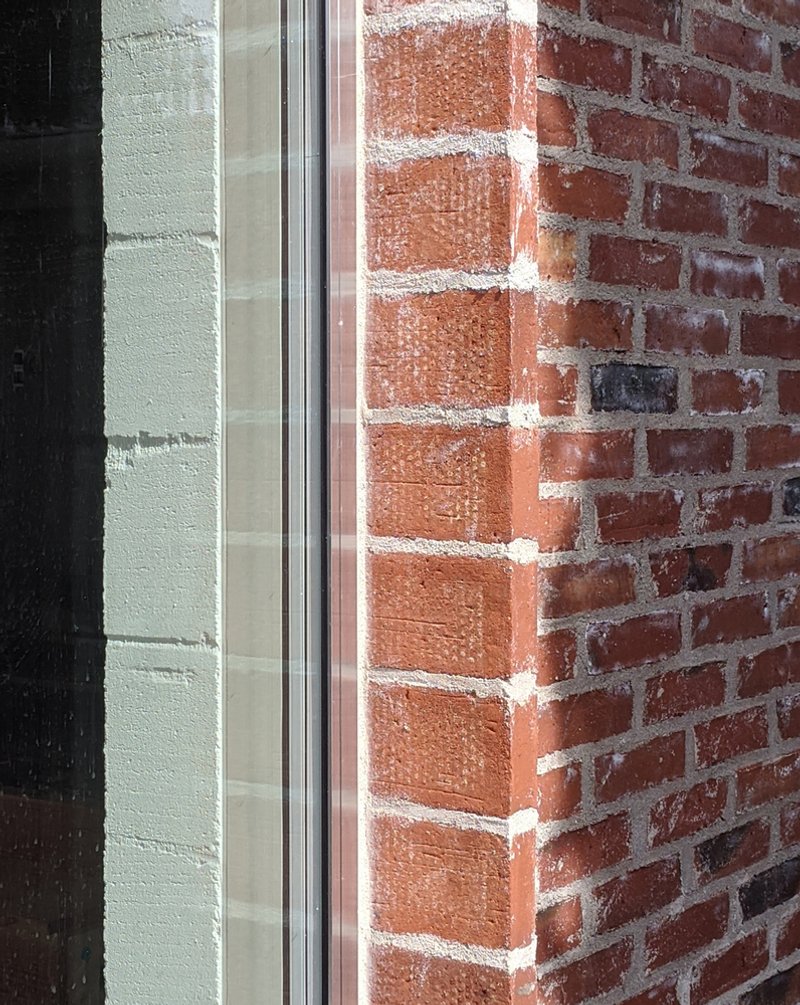
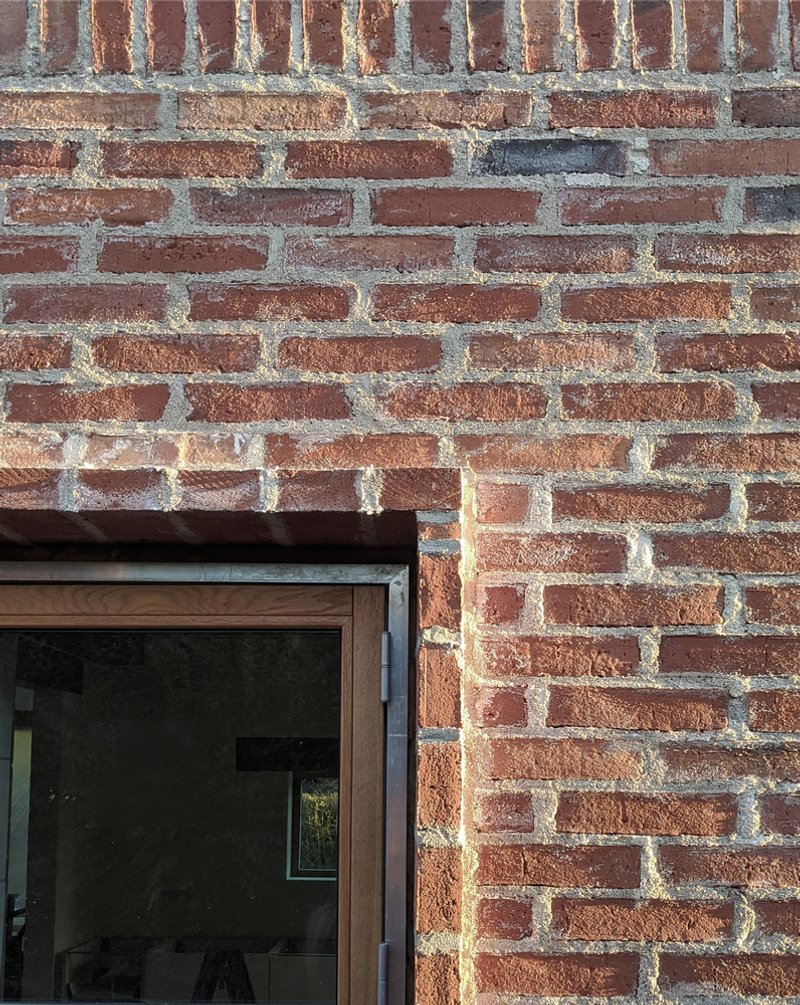
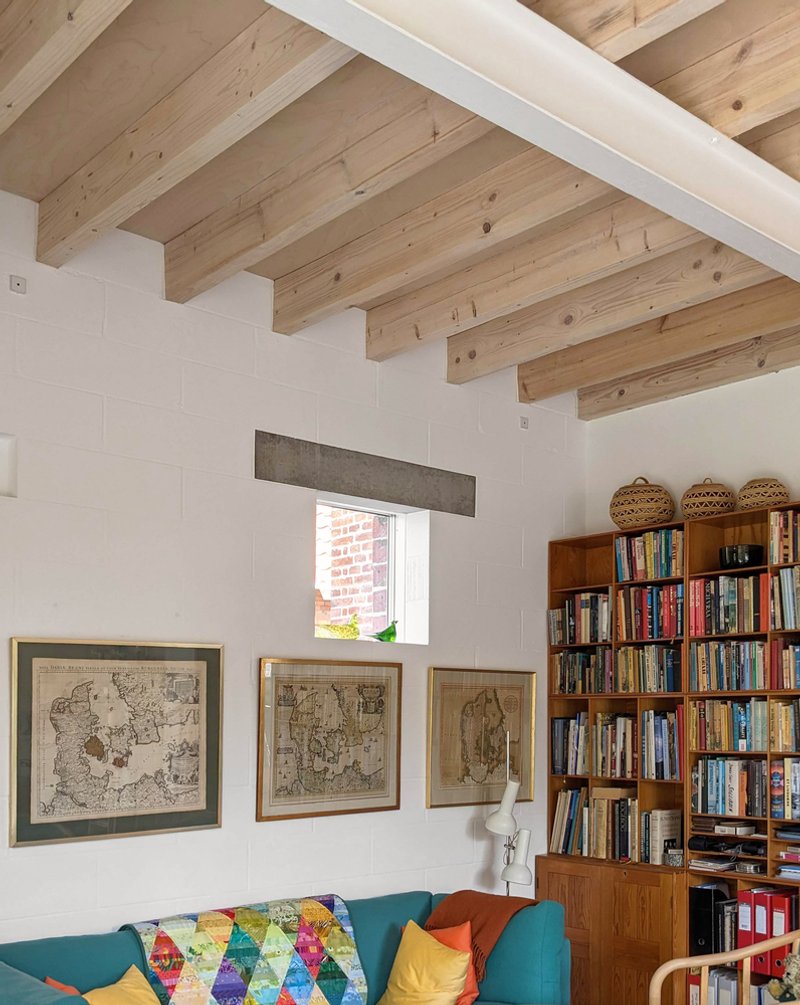
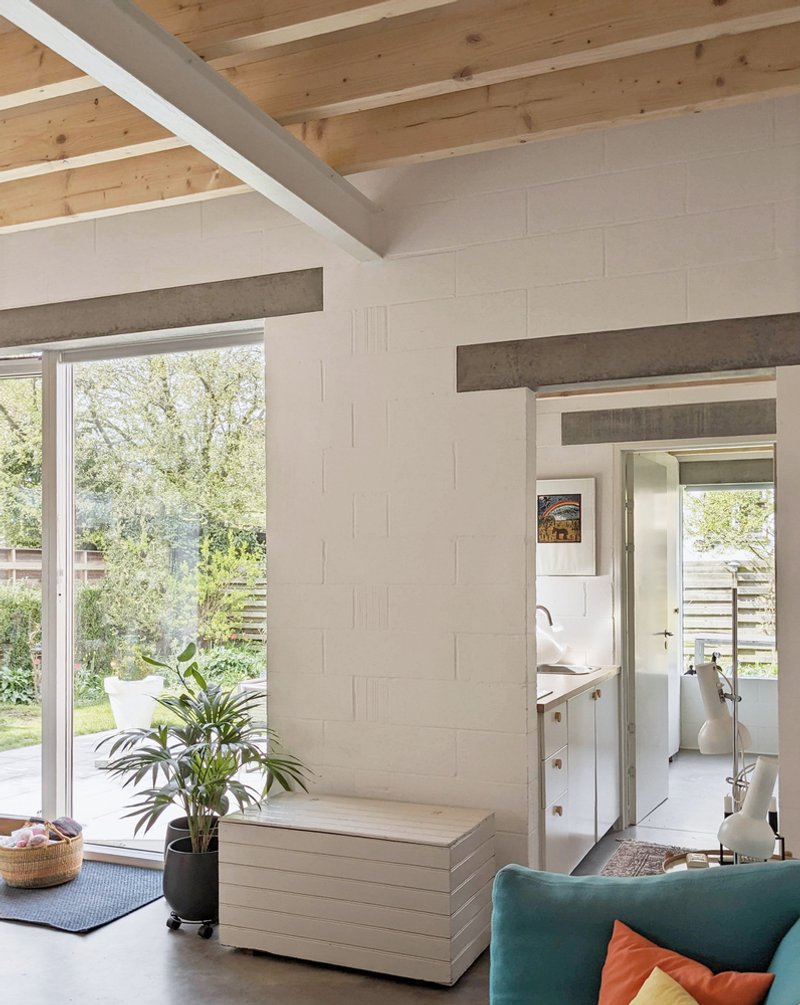
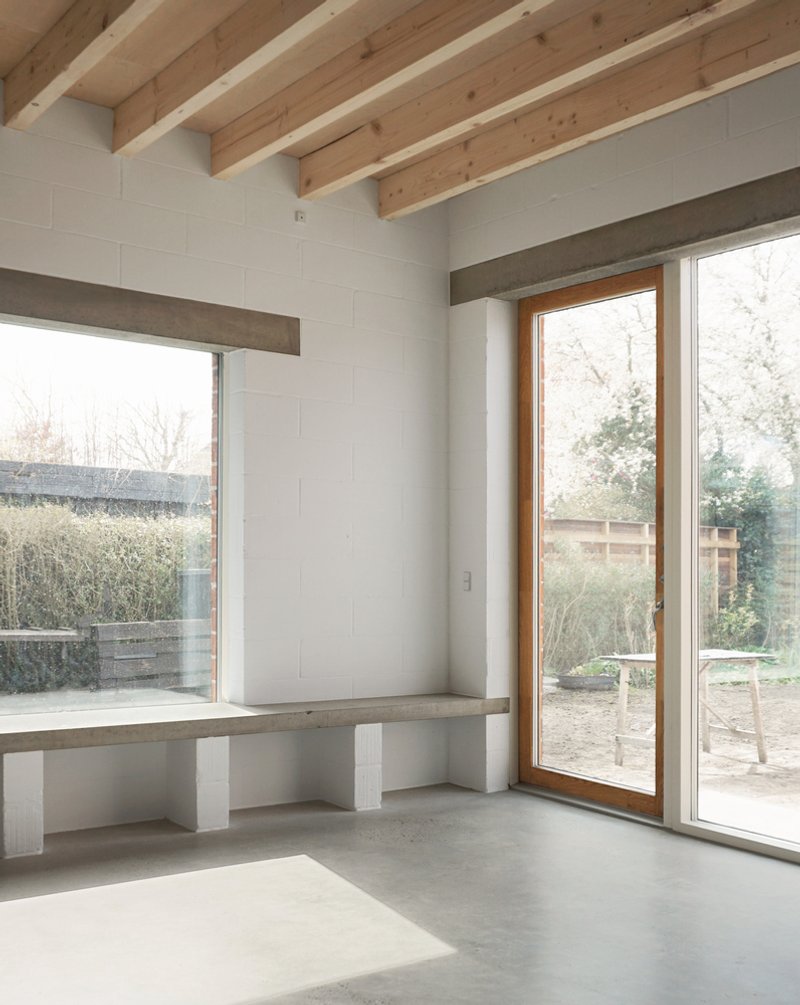
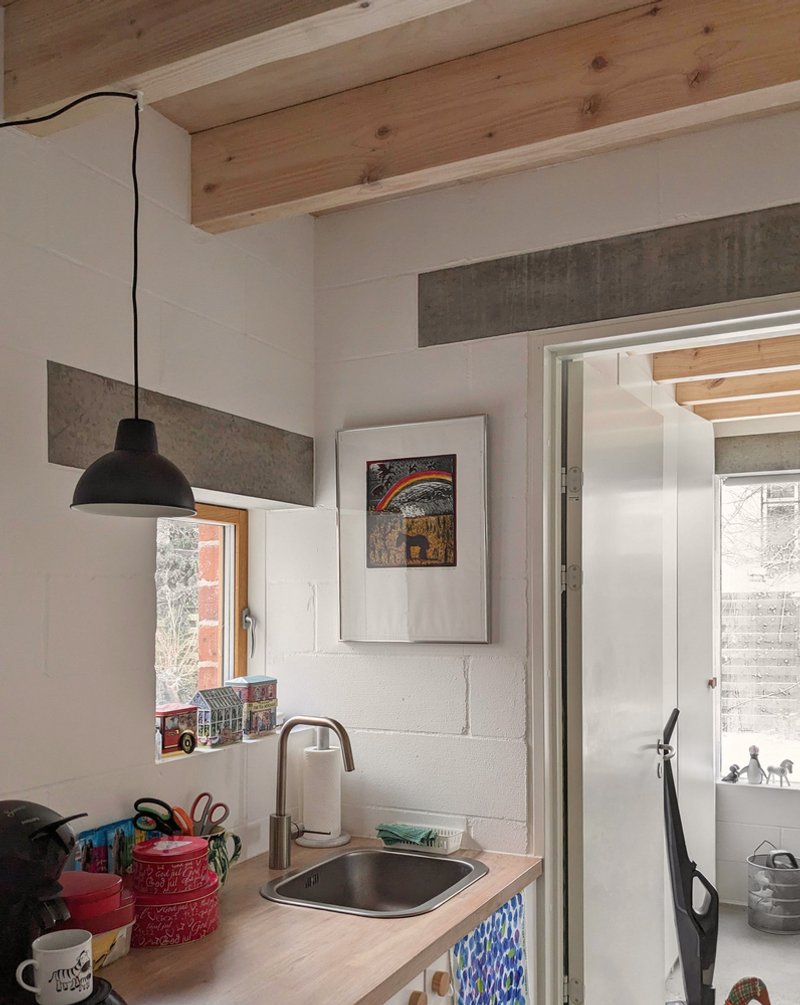
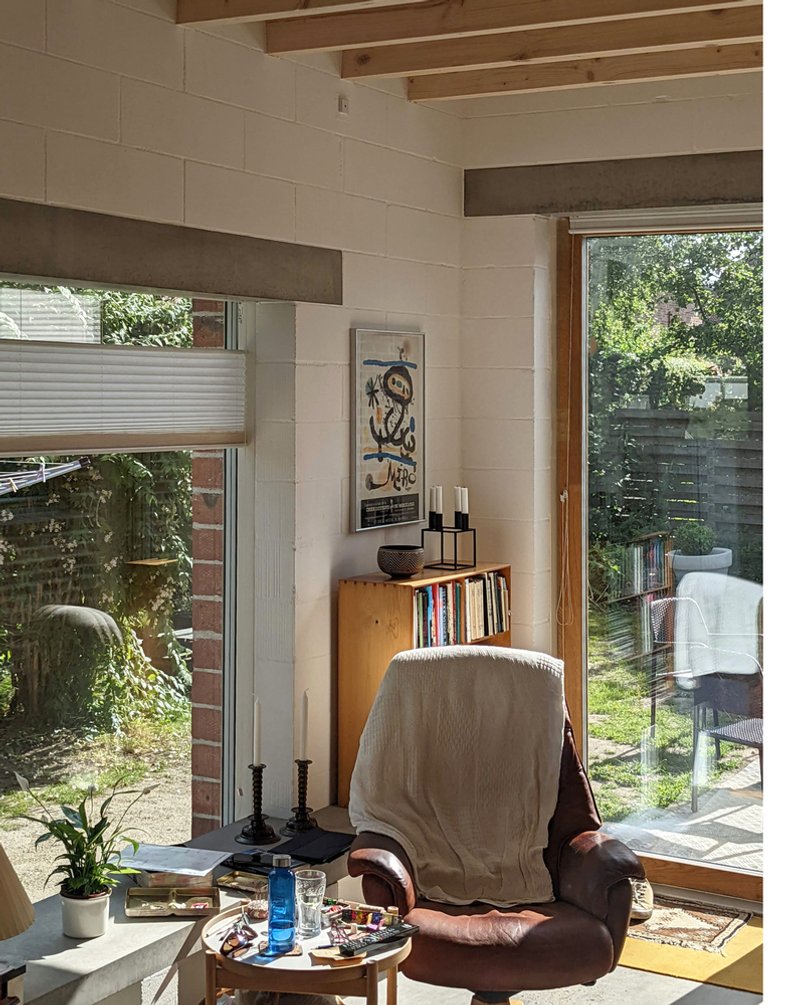
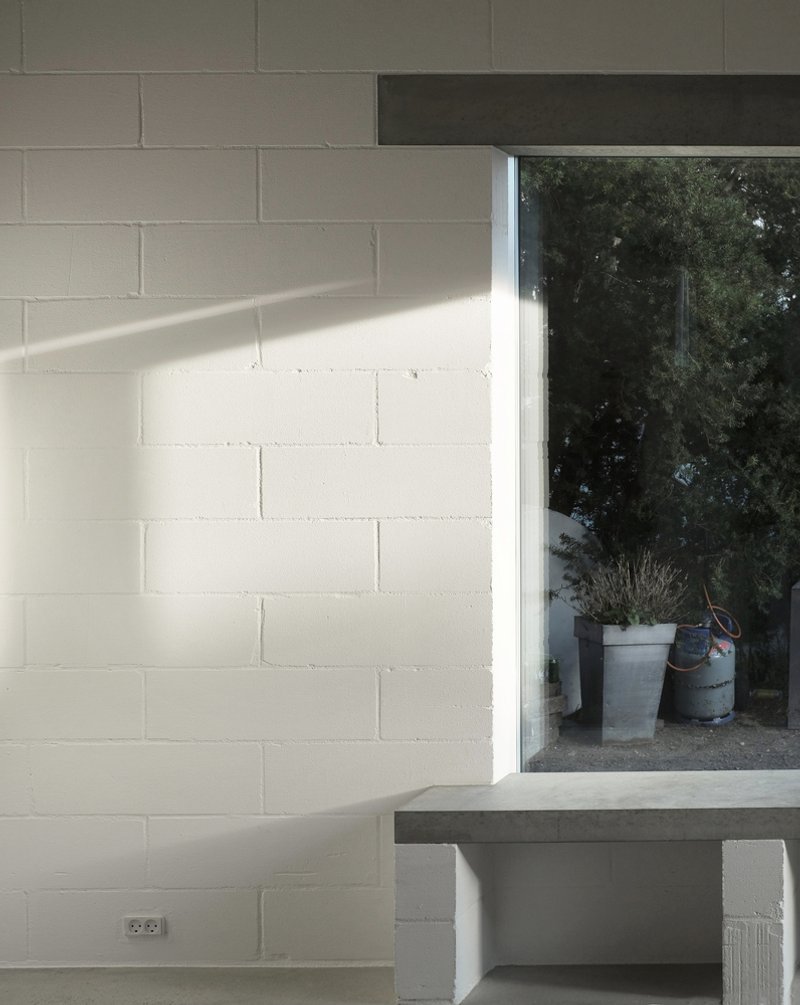
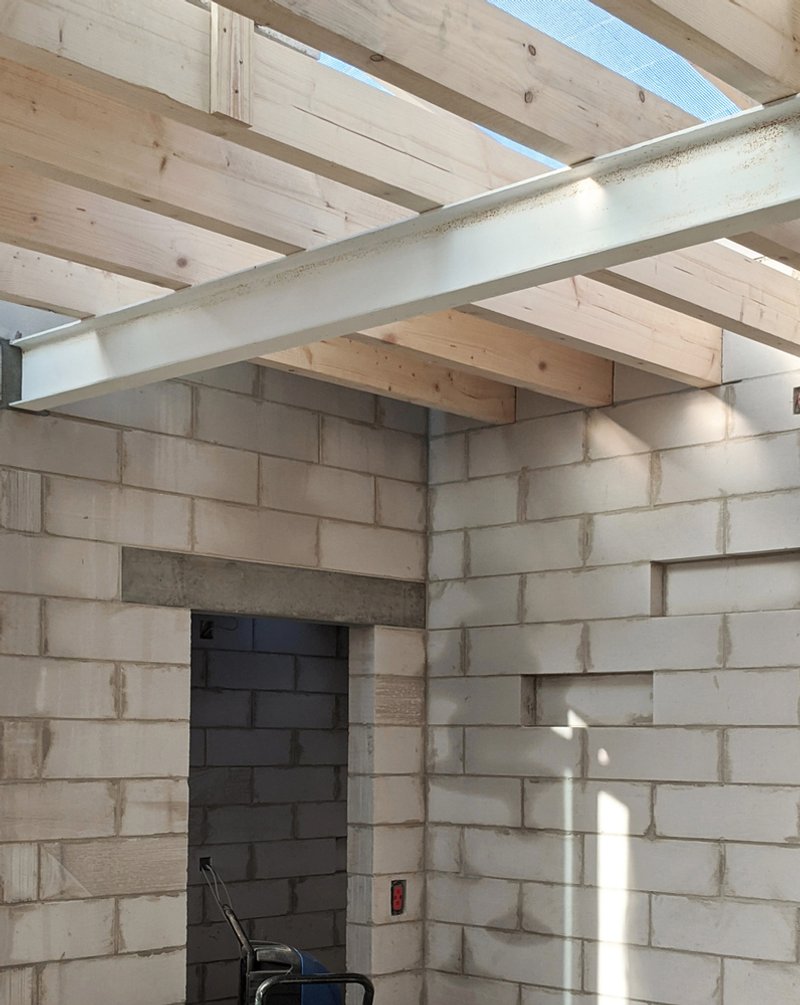
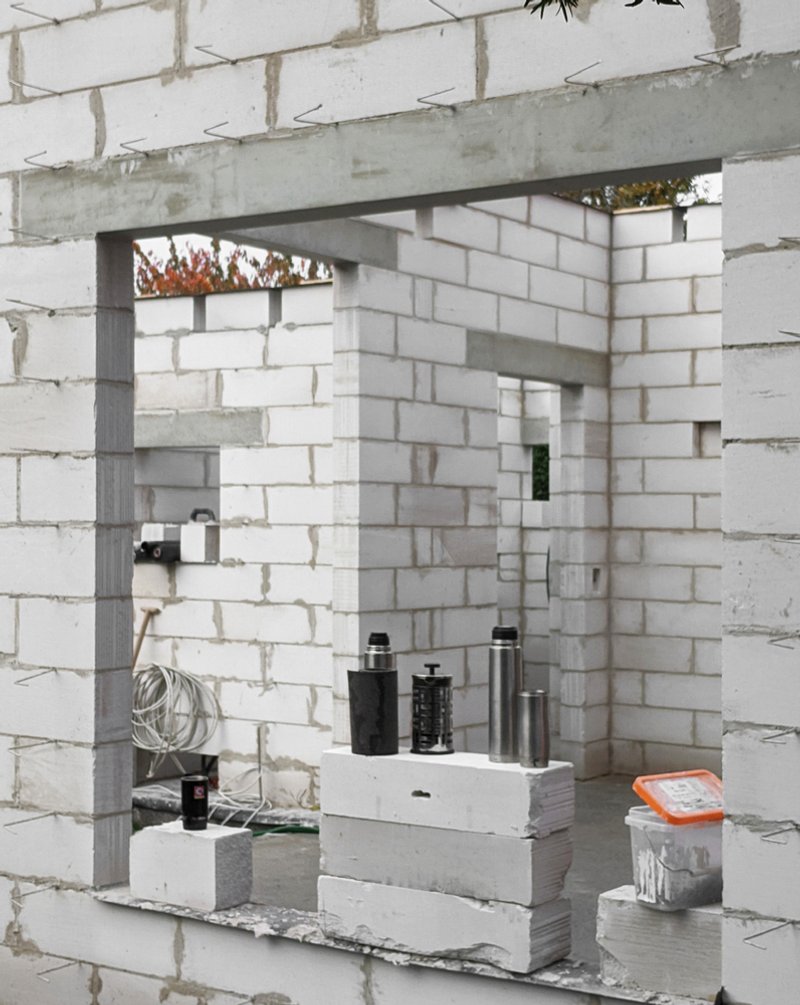
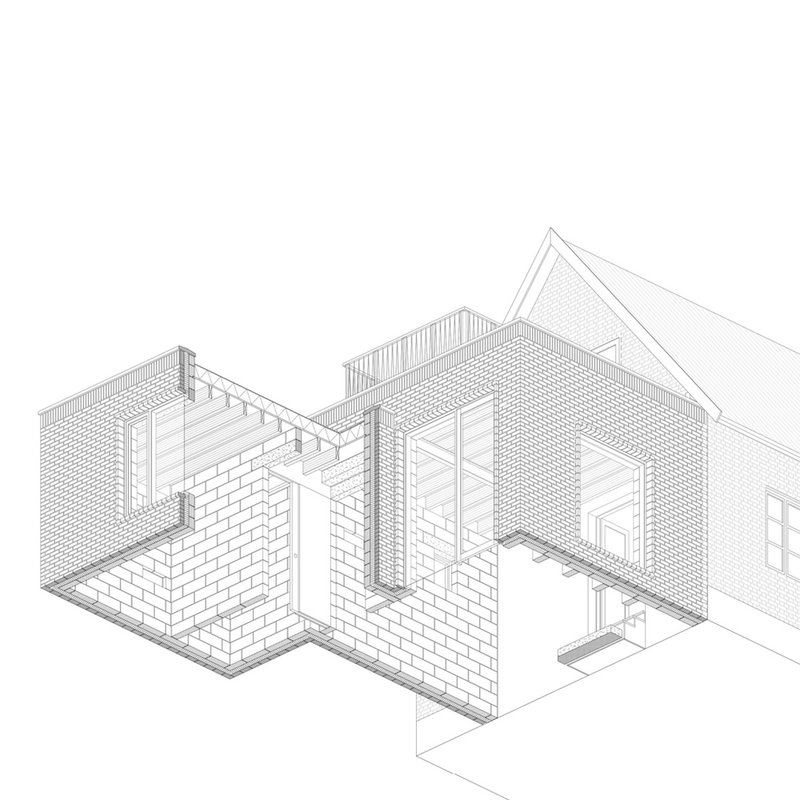
The house showcases traditional materials like brick, wood, and concrete in a modern context. The structure's visible layers—each with distinct properties—are designed to educate onlookers about the building process, emphasizing the use of sustainable, breathable materials such as mineral silicate paint on blocks and wax-treated wooden beams.
Energy Efficiency and Adaptability
The design includes features such as strategically placed windows for natural light and ventilation, reducing the need for artificial heating and lighting. The use of lime mortar not only adds to the aesthetic but also ensures that bricks can be reused, promoting sustainability.
Interior Design and Layout
Functional Spaces
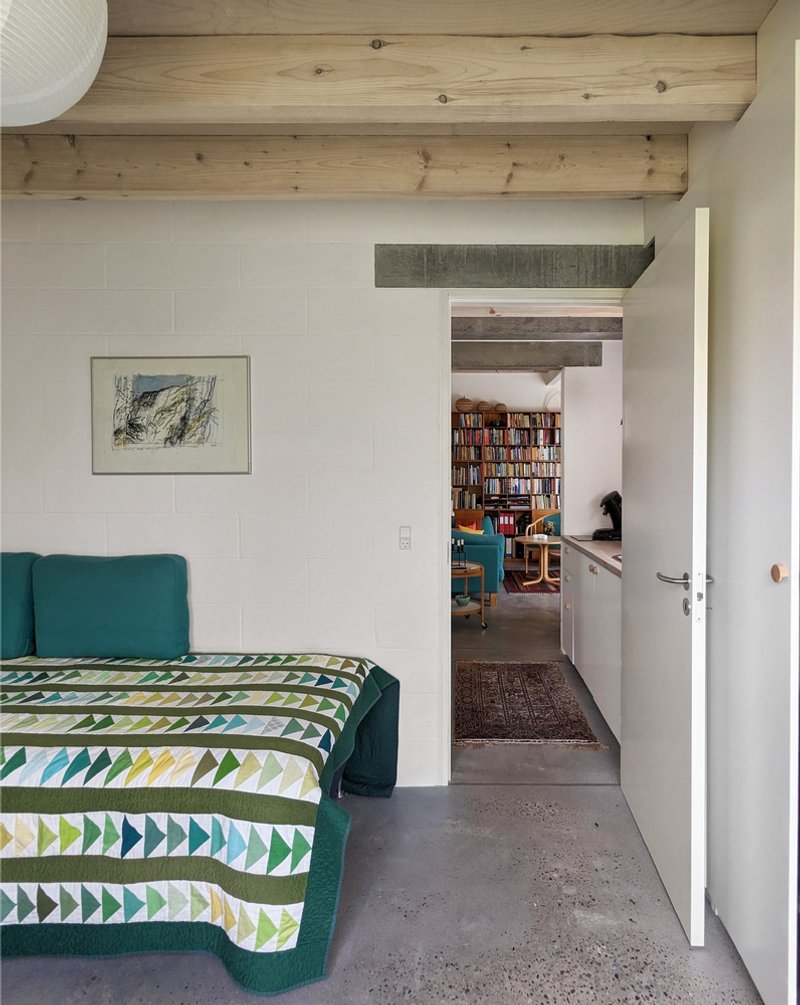
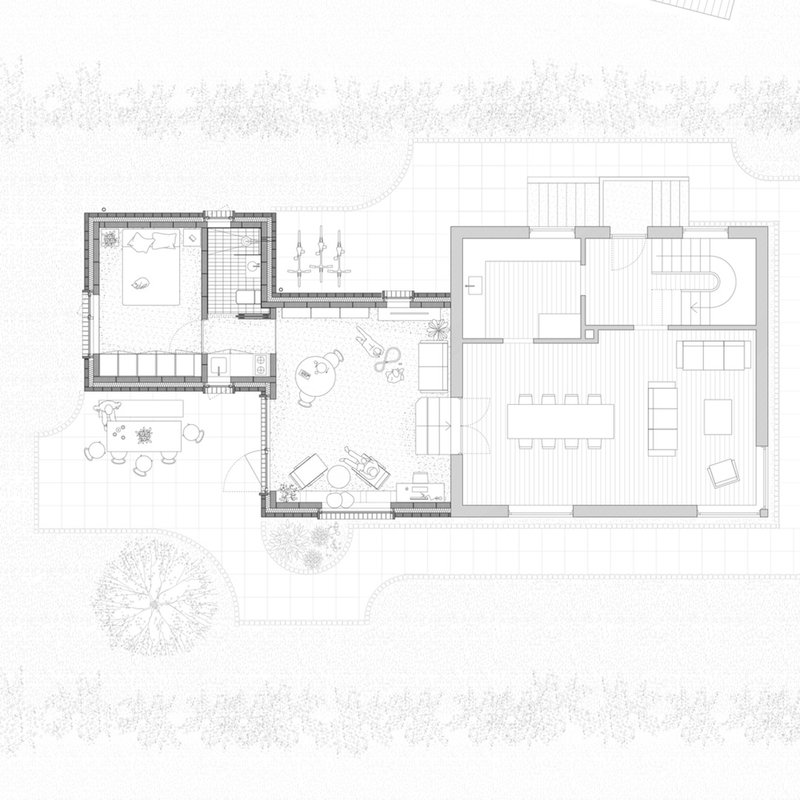
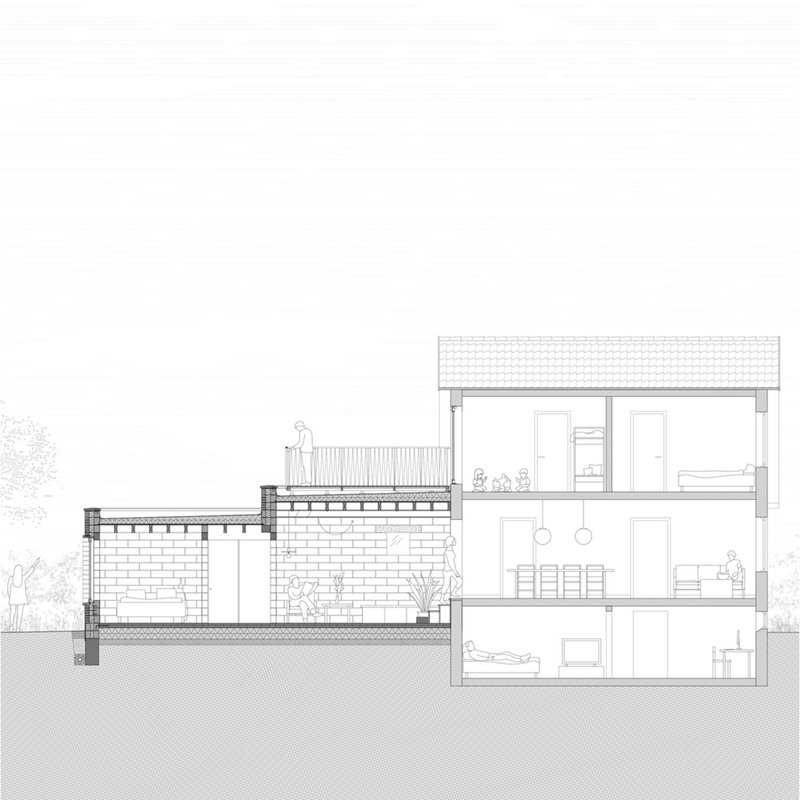
The interior is segmented into zones: communal areas with generous height for family gatherings and private spaces for individual retreat. This layout supports various activities and interactions, catering to the needs of different family members.
Aesthetic Choices
The aesthetic approach combines minimalism with functionality, using a palette that reflects natural materials and colors. The rough, unfinished look of the brickwork juxtaposed with the smoothness of the large visible blocks inside creates a dynamic interior atmosphere.
Impact on Multi-Generational Living
Enhancing Family Dynamics
By providing shared and private spaces, the house facilitates a balanced family dynamic, enabling both communal activities and individual privacy. This design approach helps maintain healthy relationships between family members across generations.
Setting a Precedent
The "House for a Grandmother" sets a precedent in multi-generational home design, demonstrating how architecture can adapt to changing family structures and lifestyles. It serves as a model for future developments in residential architecture.
Philip Lütken’s "House for a Grandmother" is more than just a residence; it is a forward-thinking solution to the growing demand for multi-generational homes. Through thoughtful design and sustainable practices, it offers a blueprint for future homes that need to accommodate diverse family needs while promoting environmental stewardship and community living. This project not only adapts to its immediate social context but also contributes to the broader dialogue on multi-generational living solutions.
All photographs are work of Kim Høltermand