

Music Academy Staufen: A Contemporary Cultural Landmark by Bez+Kock Architekten
Monolithic brick music academy organizes performance, rehearsal, and living spaces vertically, creating a bold cultural landmark within Staufen’s industrial context.


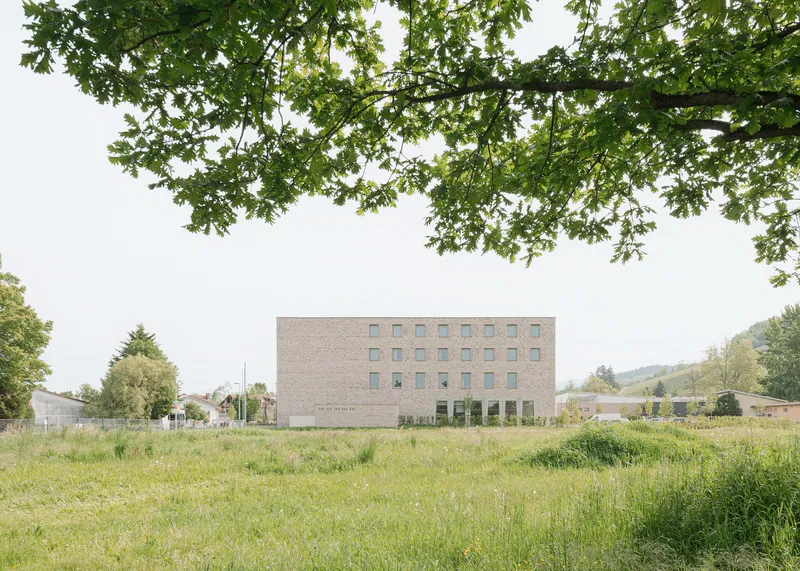
Located on the north-western outskirts of Staufen im Breisgau, the Music Academy of the Federation of German Wind Music Associations establishes a strong cultural presence within an otherwise anonymous industrial estate. Designed by Bez+Kock Architekten, the project transforms a peripheral site into an identity-defining architectural landmark, combining robust materiality with a carefully articulated spatial hierarchy.
Architectural Concept and Urban Response
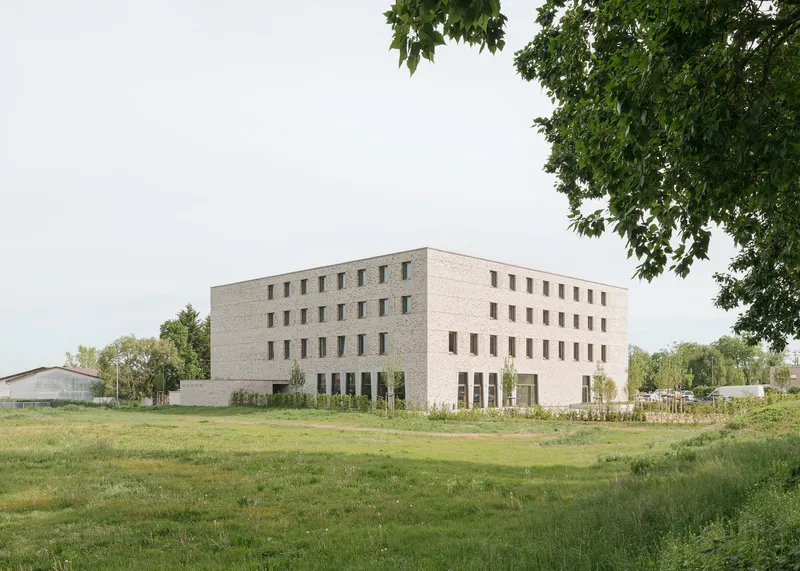
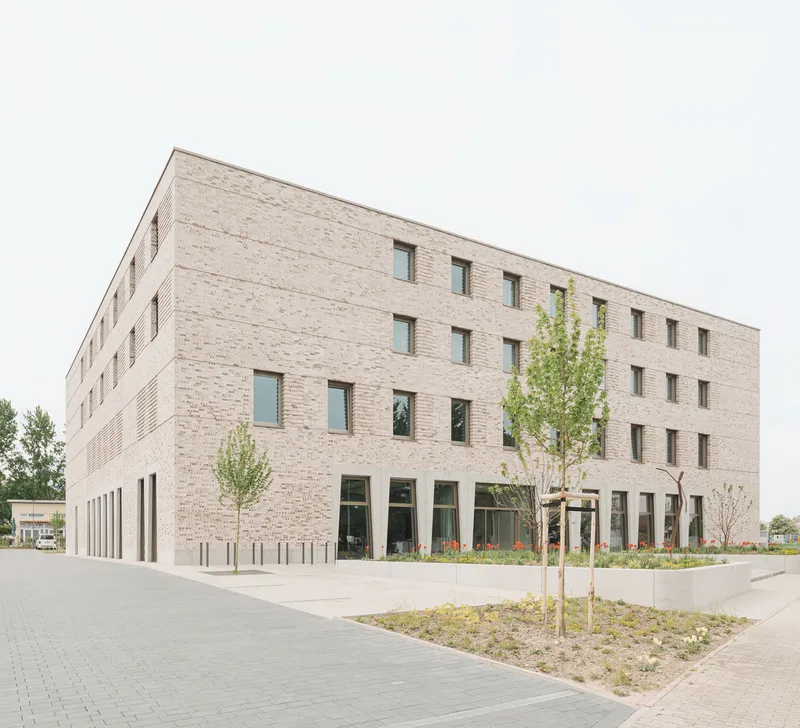
The new Music Academy responds deliberately to its faceless surroundings through a compact, sculptural volume clad entirely in water-struck clinker brick. This homogeneous material treatment gives the building a monolithic clarity while anchoring it firmly within the regional building tradition. Rather than blending into the industrial context, the academy asserts itself as a civic and cultural destination, establishing a clear address and sense of arrival.
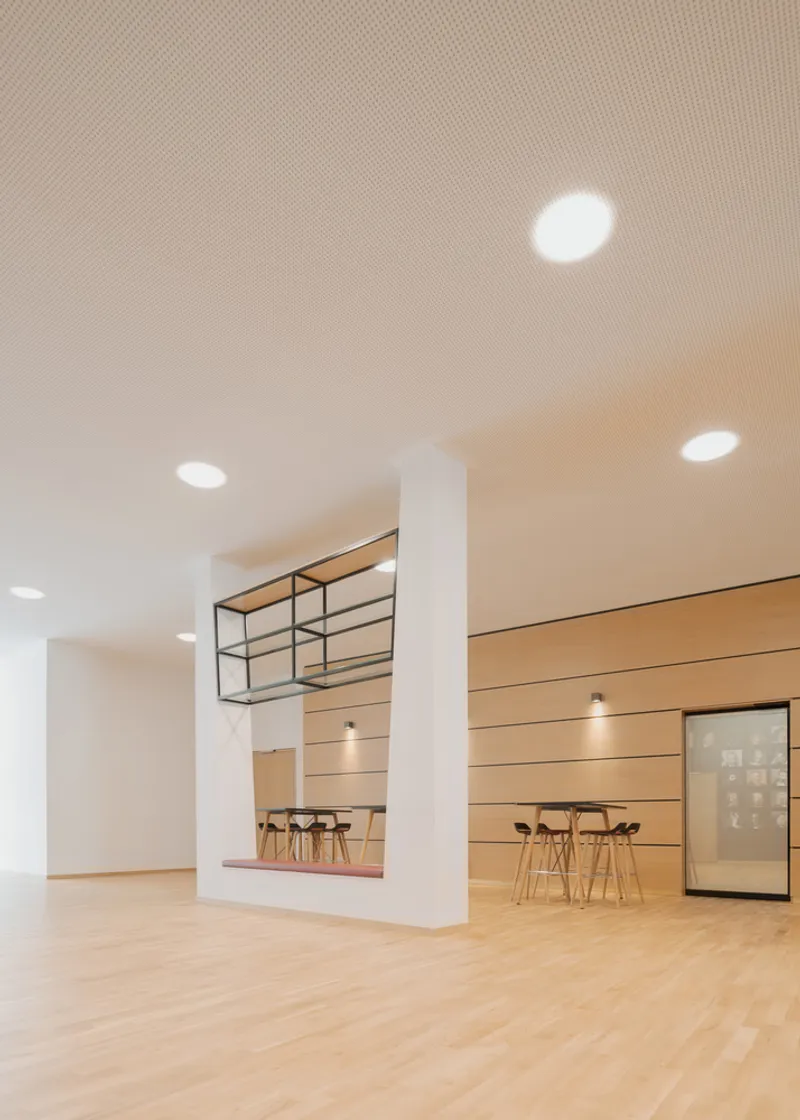
A centrally positioned foyer cuts through the building along a north, south axis, functioning as both spatial connector and social heart. This generous internal void visually and physically links the different programmatic layers, reinforcing orientation and encouraging interaction among students, performers, and visitors.
Spatial Organization and Functional Stacking
The internal organization follows a clear principle of vertical stacking, allowing the diverse functions of the academy to coexist efficiently within a compact footprint. Public and semi-public spaces are concentrated on the lower levels, while more private uses gradually move upward.
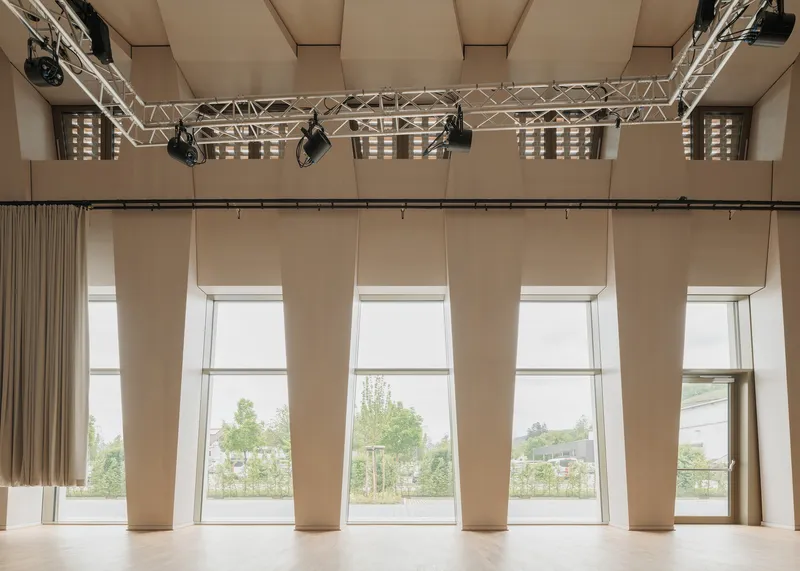
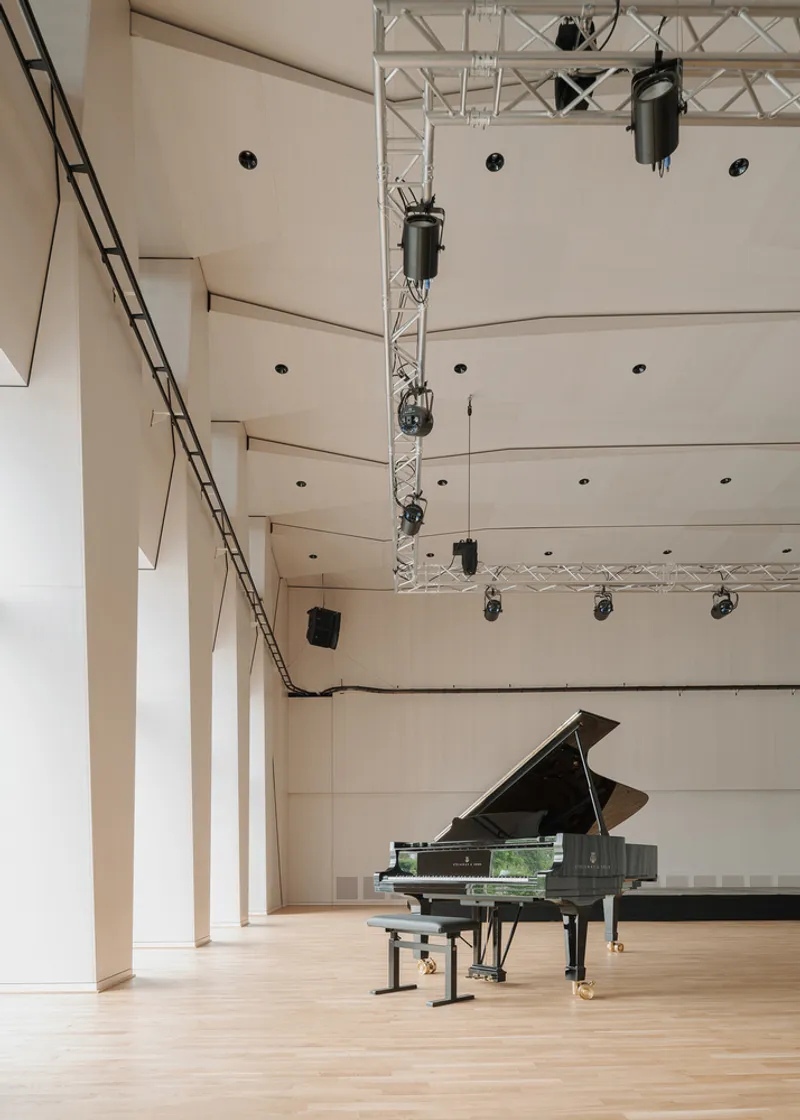
The first floor accommodates the large concert and rehearsal halls, alongside the dining facilities and administrative areas. These spaces form the most public layer of the building, supporting performances, events, and daily institutional life. A single-flight staircase leads upward to the second floor, where smaller rehearsal rooms are arranged around the dramatic two-storey hall. This central space acts as an acoustic and social core, reinforced by two centrally located bar and lounge areas that serve as informal meeting points and zones of exchange.
Residential Floors and Acoustic Privacy
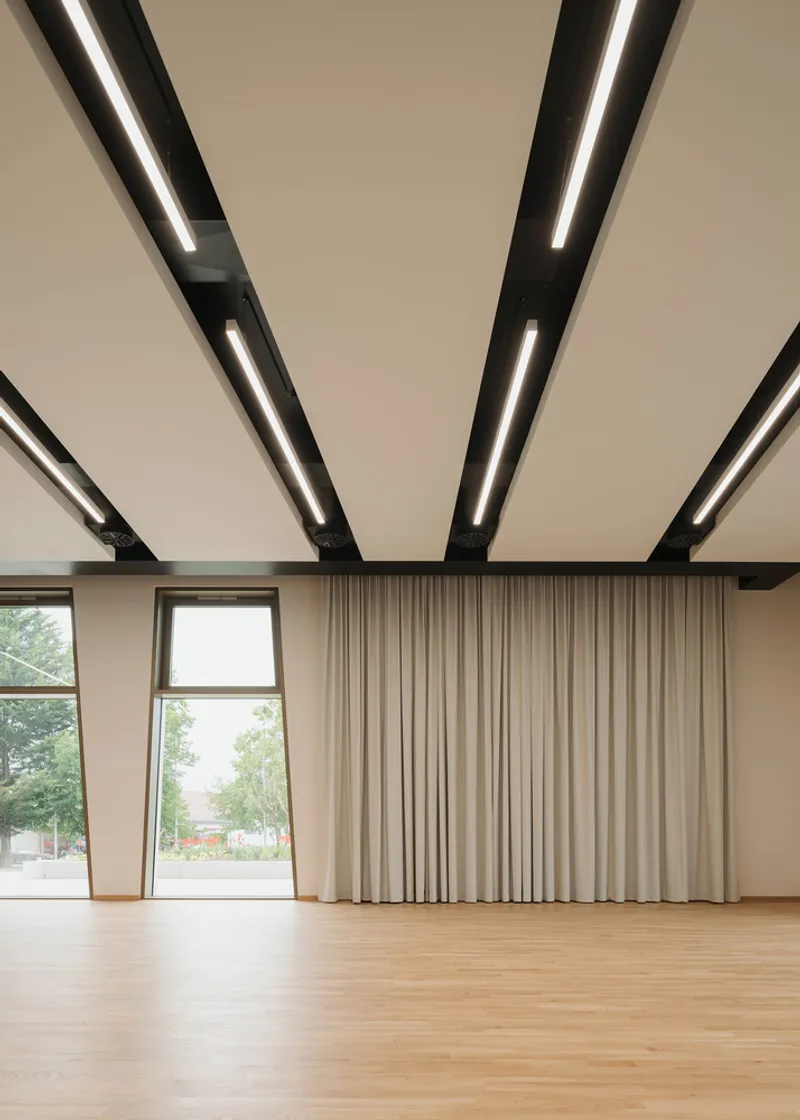
Above the teaching and rehearsal spaces, the two upper floors house a total of sixty single and double guest rooms for academy participants. The residential levels are conceived as calm retreats, carefully separated from the more active musical spaces below. Each room is assigned a precisely positioned window, ensuring daylight and views while maintaining acoustic and visual privacy essential for rest and concentration.
Facade Articulation and Architectural Expression
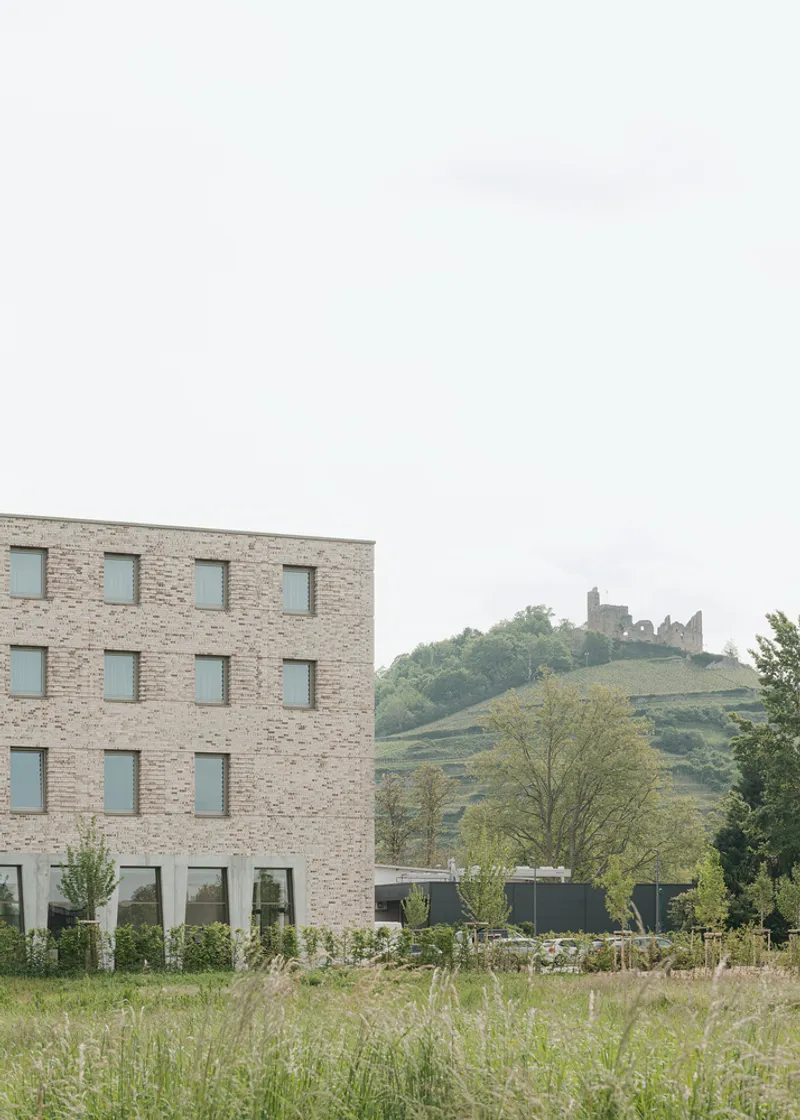
The functional stacking of the building is clearly legible on the exterior through the sculptural articulation of the clinker brick façade. The first floor is characterized by large trapezoidal windows, emphasizing openness and signaling the building’s public cultural role. In contrast, the second floor features a strictly ordered band of smaller openings, subtly concealing the rehearsal rooms behind a disciplined rhythm.
The upper residential floors are distinguished by perforated window openings, each corresponding to an individual room. This façade strategy balances uniformity and variation, expressing the internal program while maintaining a cohesive architectural identity.
A New Cultural Anchor
Completed in 2024 with a total floor area of 5,750 square meters, the Music Academy Staufen exemplifies contemporary cultural architecture rooted in clarity, durability, and spatial intelligence. Through its powerful material presence, legible organization, and carefully modulated façade, the building transcends its industrial context to become a new cultural anchor for Staufen im Breisgau, offering an environment where music, learning, and community intersect.
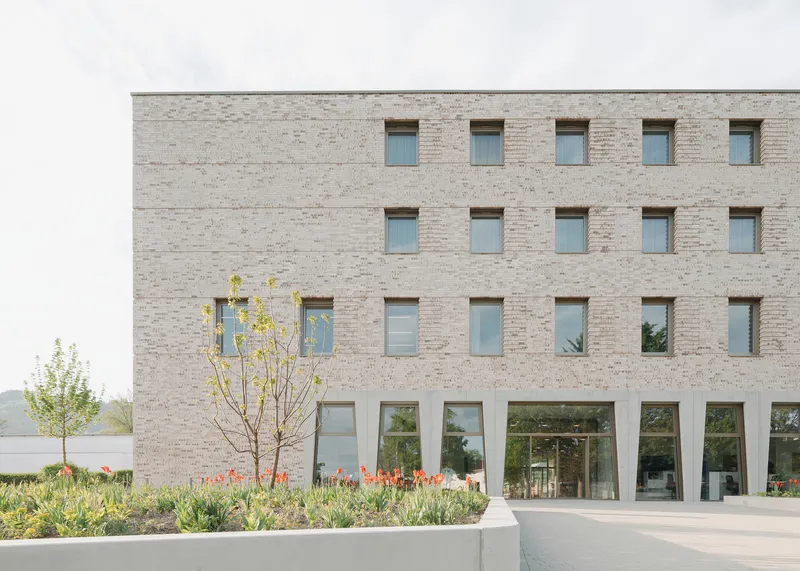
All photographs are works of Peter Ziegner


Popular Articles
Popular articles from the community


Temporary Home for Dogs: A Reversed Zoo Rethinks Animal Shelter Architecture
In Bucharest, a sinuous corridor and freed landscape flip the logic of containment, designing a shelter that works to make itself unnecessary.

Opera on the Sea: Driftwood Logic Shapes a Timber Opera House on Estonia's Coast
Trevor Orgill's opera house translates the entangled drift of floating timber into a civic building where wood, water, and music converge.
Extended Shell: Retrofitting Kolkata's Balconies as Living Urban Thresholds
A modular retrofit system recovers the social and environmental intelligence of Kolkata's historic verandas for contemporary Park Street residents.
Faces of the Soviet Avant-Garde: Turning Moscow's Street Names into an Open-Air Museum
A network of sculptural installations across a Moscow residential district transforms forgotten architect names into spatial encounters with cultural memor

Similar Reads
You might also enjoy these articles

FAMM Arquitectura Organizes Ten Villas Around Courtyards and Jungle in Nosara, Costa Rica
El Molino pairs two elongated volumes with deep overhangs and timber louvers to build a compact coastal community five minutes from the beach.
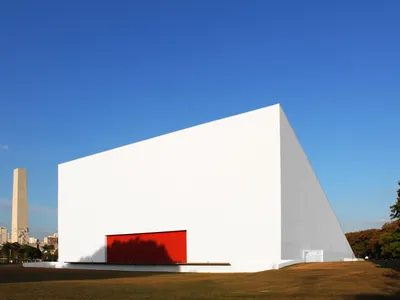
Oscar Niemeyer's Ibirapuera Park Pavilions Define São Paulo's Cultural Identity in Concrete and Curve
A constellation of modernist volumes set within São Paulo's most important urban park, conceived for the city's 400th anniversary in 1954.
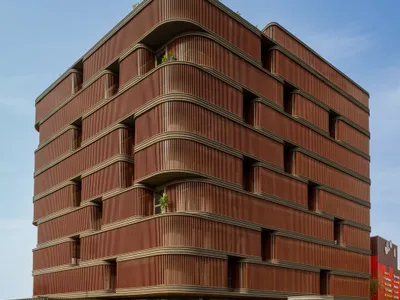
Sanjay Puri Architects Wraps a Jaipur Office Tower in Capsule-Shaped Green Buffers
A nine-level climate-responsive workplace near Jaipur Airport uses stacked planter terraces and aluminium screens to fight 40°C heat.
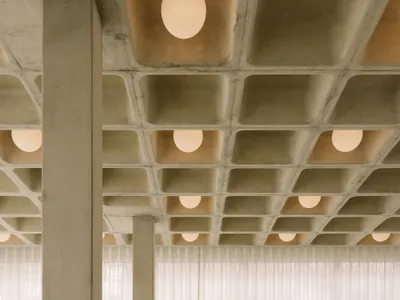
RHO Converts a Berlin Spree-Side Industrial Courtyard into Enkime's 1,000 m² Agency Headquarters
A social media agency's new home in Charlottenburg trades glossy branding for concrete waffle ceilings, glazed tile, and sheer curtains.

Explore Staarch Architects Competitions
Discover active competitions in this discipline

Challenge to reimagine the Iron Throne

Photograph architecture without architects

Illustrate the lost glory of Angkor Wat - Render Challenge

Bring back Drive In's
Comments (0)
Please login or sign up to add comments
No comments yet. Be the first to comment!