National Athletics Stadium Hungary: A Sustainable Athletics Stadium Design in Budapest
The National Athletics Stadium in Budapest combines sustainable architecture with world-class sports facilities, creating a green urban landmark.


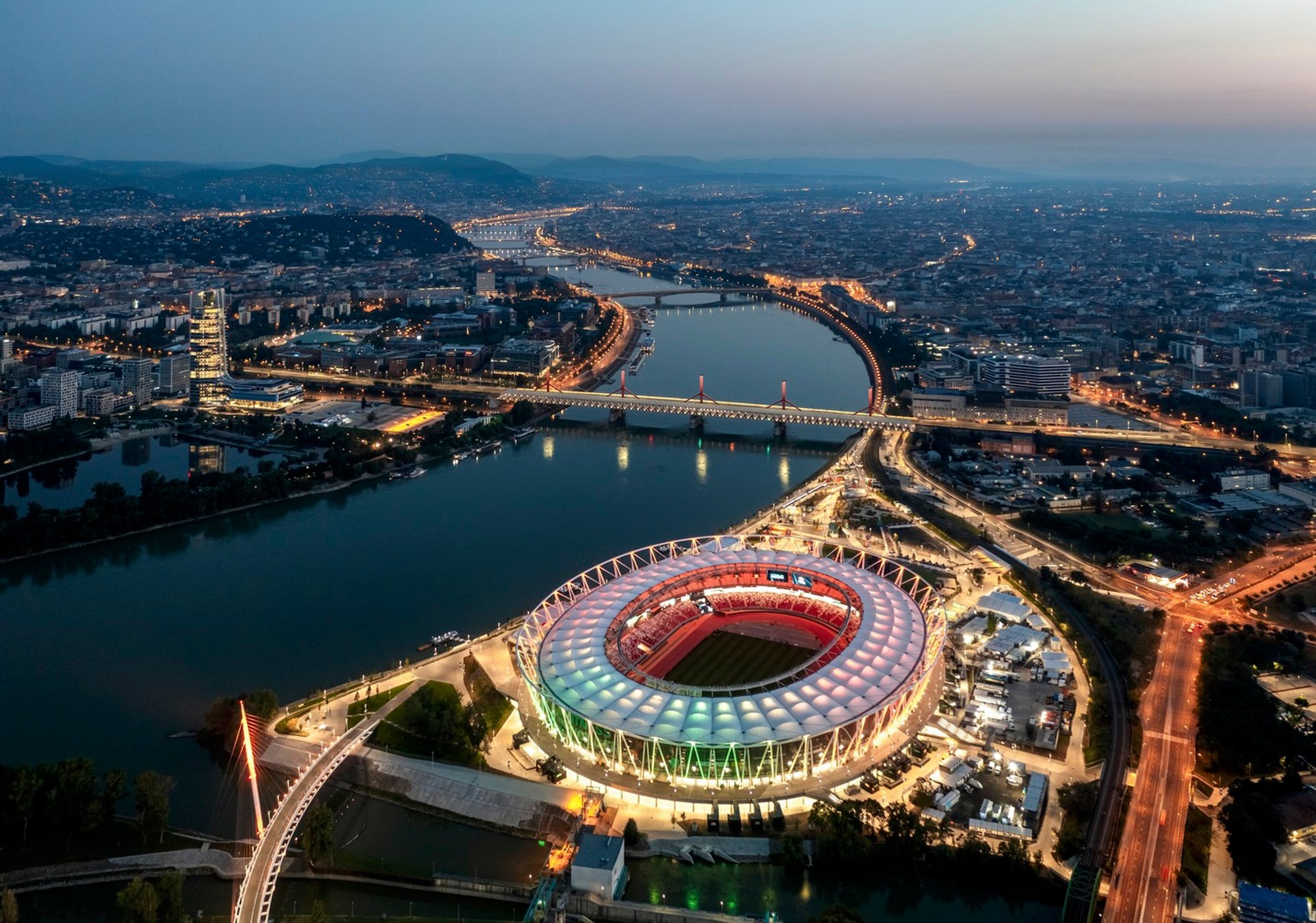
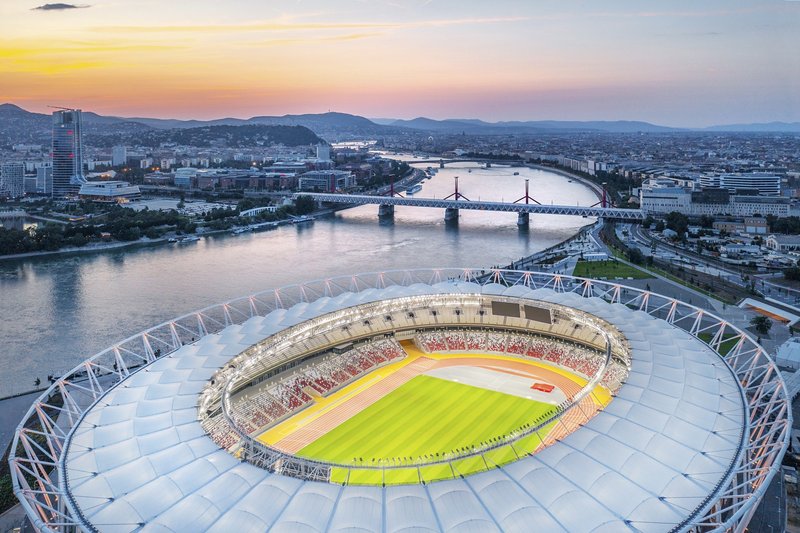
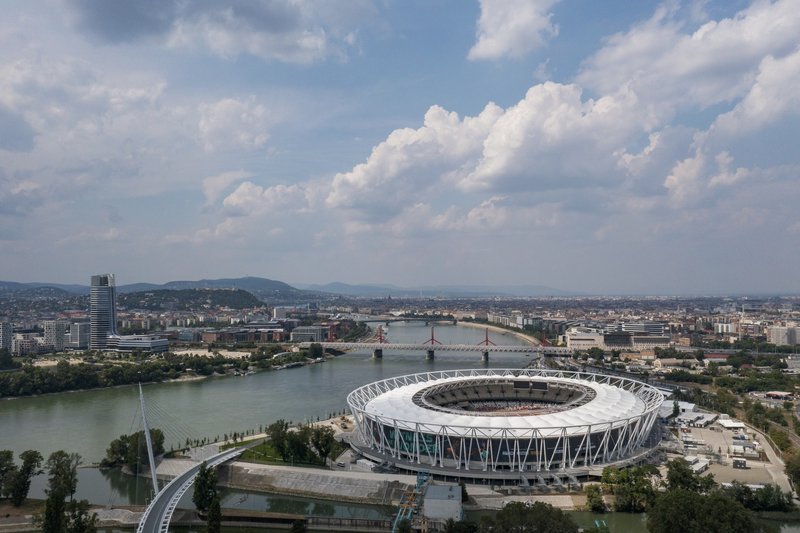
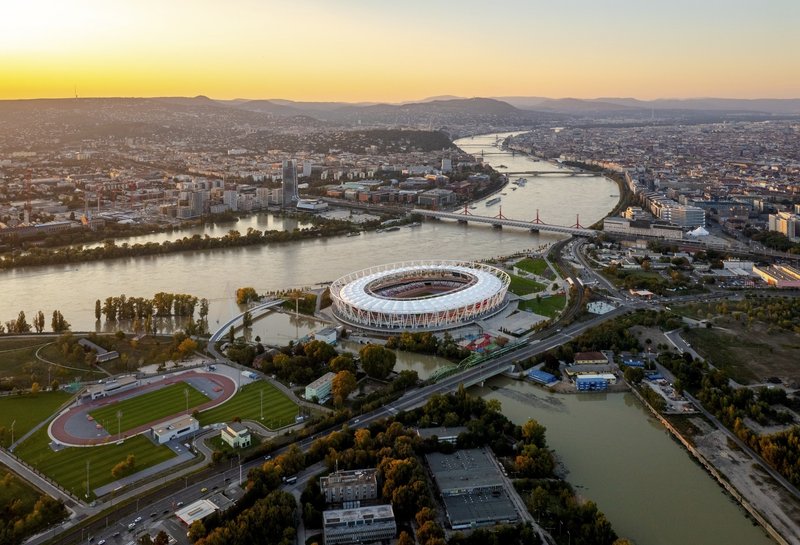
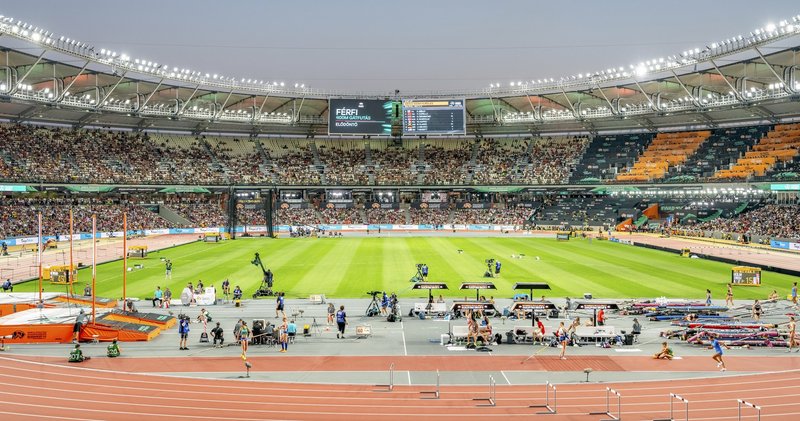
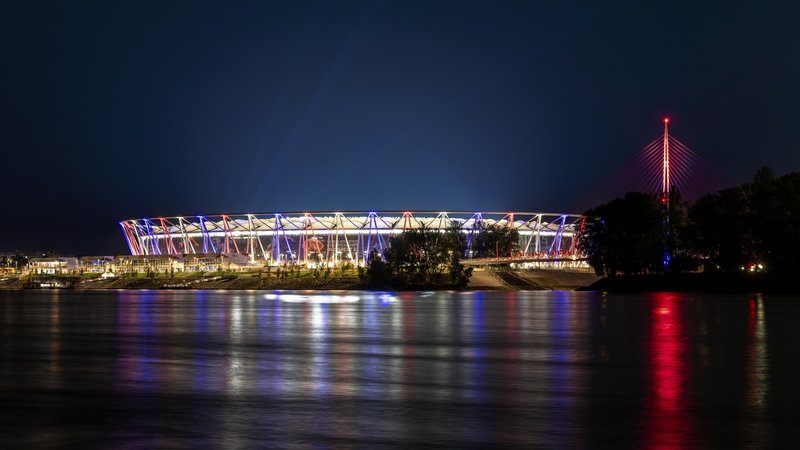
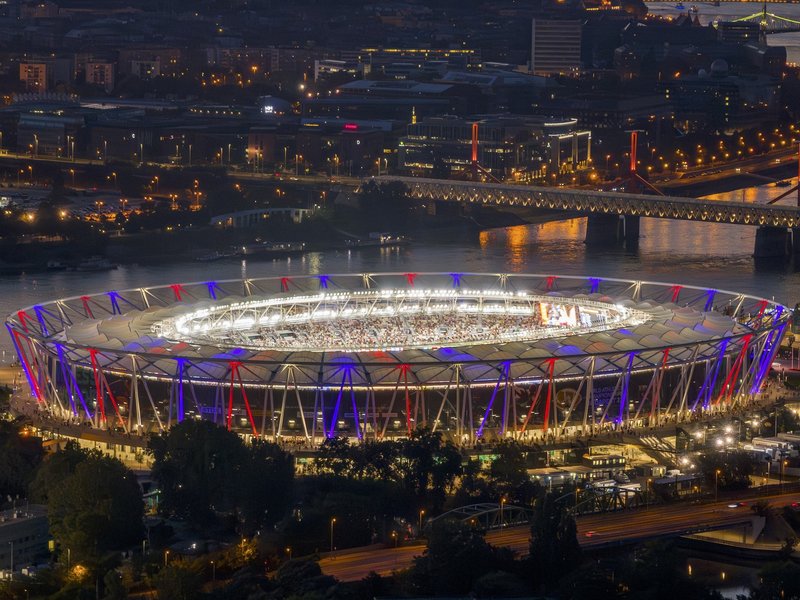
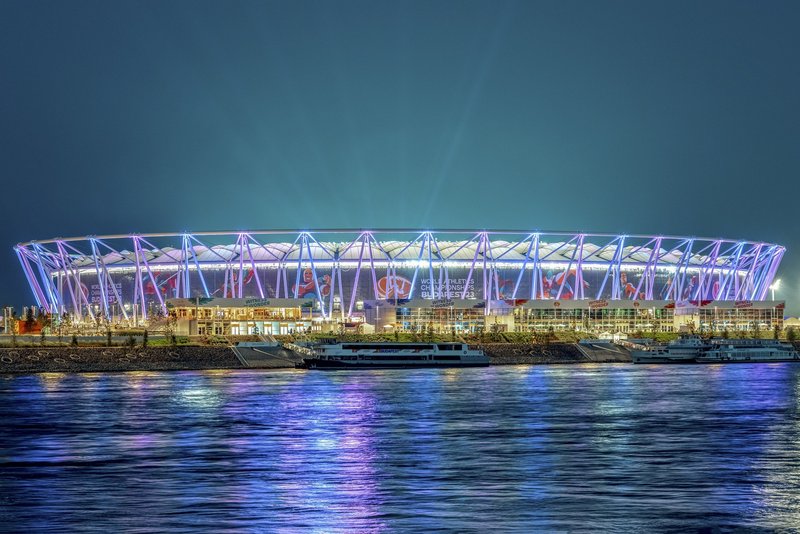
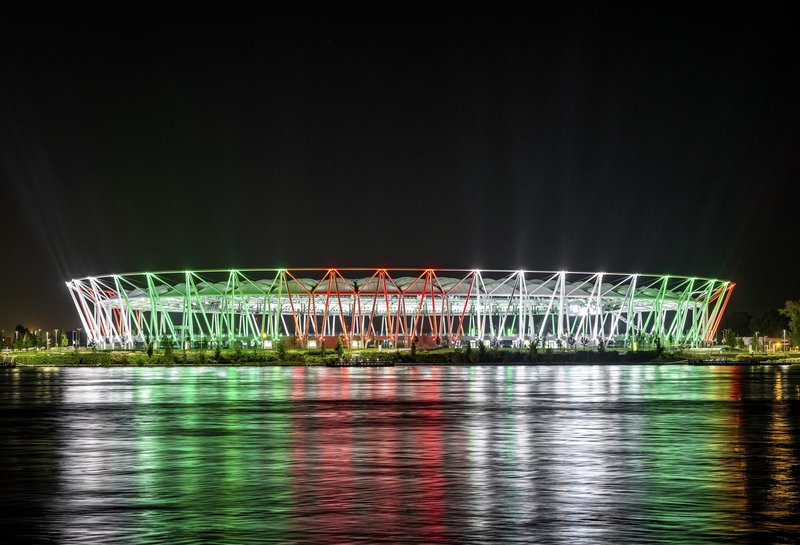
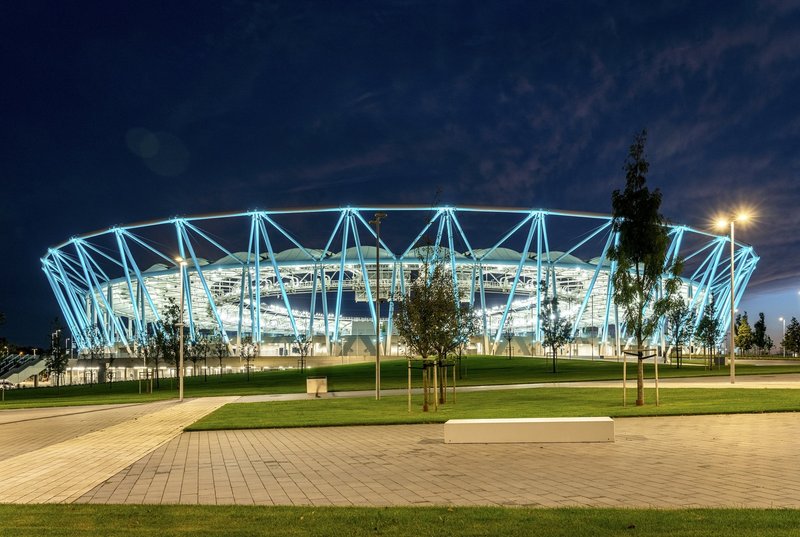
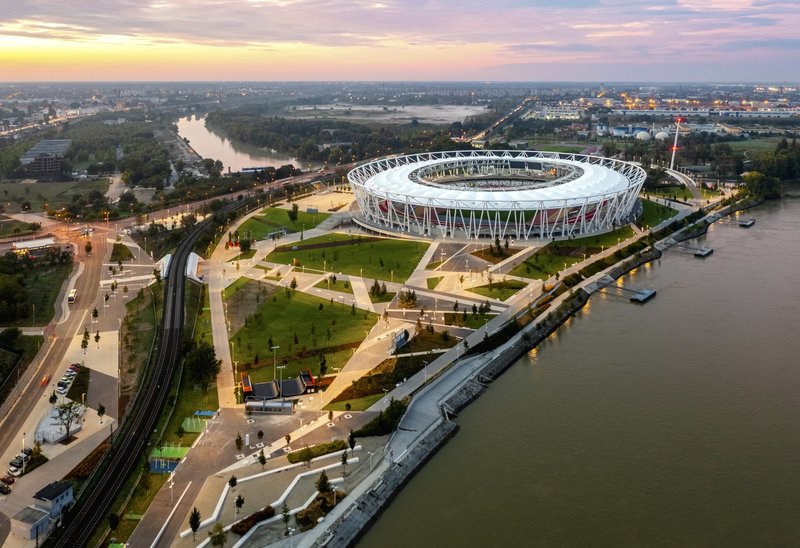
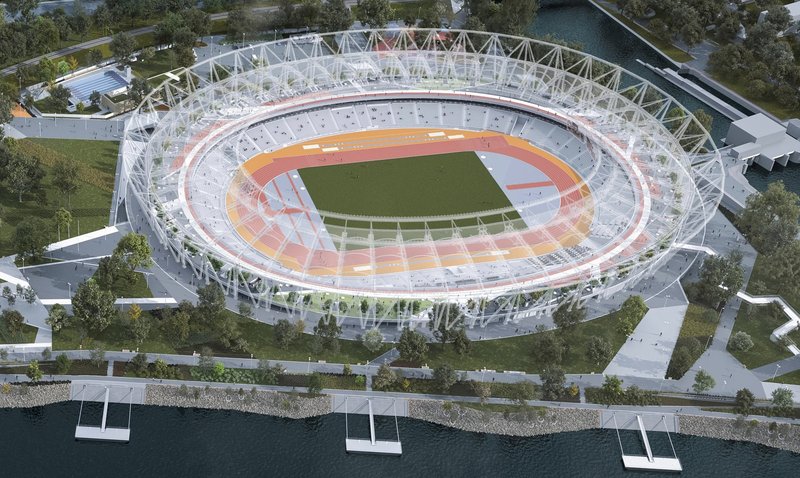
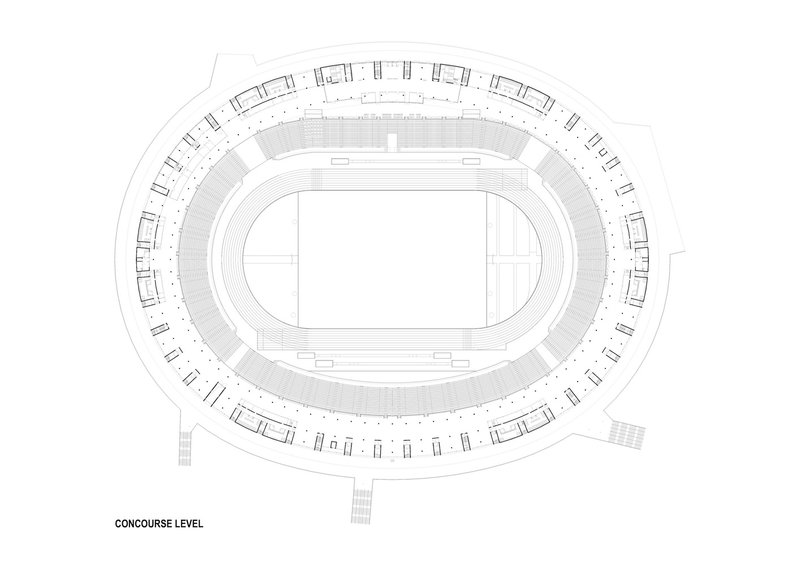
The National Athletics Stadium in Budapest, designed by NAPUR Architect, is a striking example of sustainable stadium architecture. Built as part of the larger Budapest South City Gate development, this monumental structure integrates cutting-edge design and green principles to create a lasting impact on both the sporting community and the environment. Completed in 2024, it serves as a key venue for the 2023 World Athletics Championships and will continue to function as a multi-purpose arena, contributing to the city's urban development and sustainability goals.
A Vision for the Future of Urban Sports Infrastructure
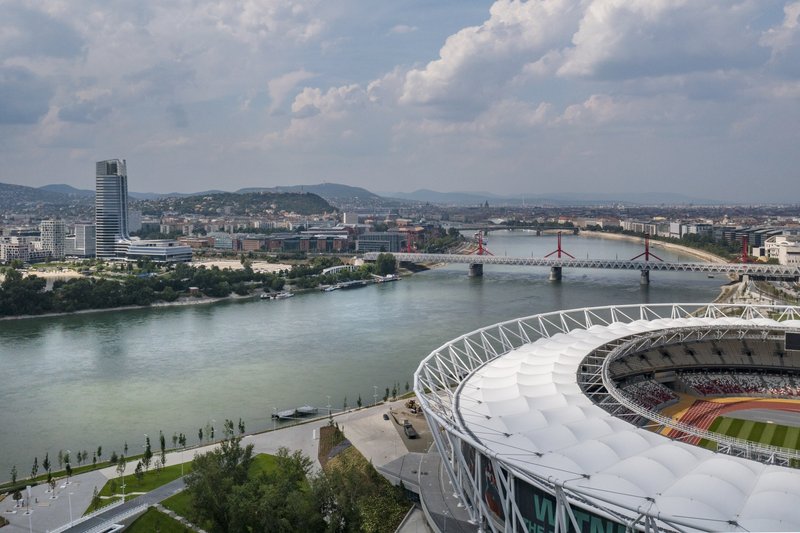
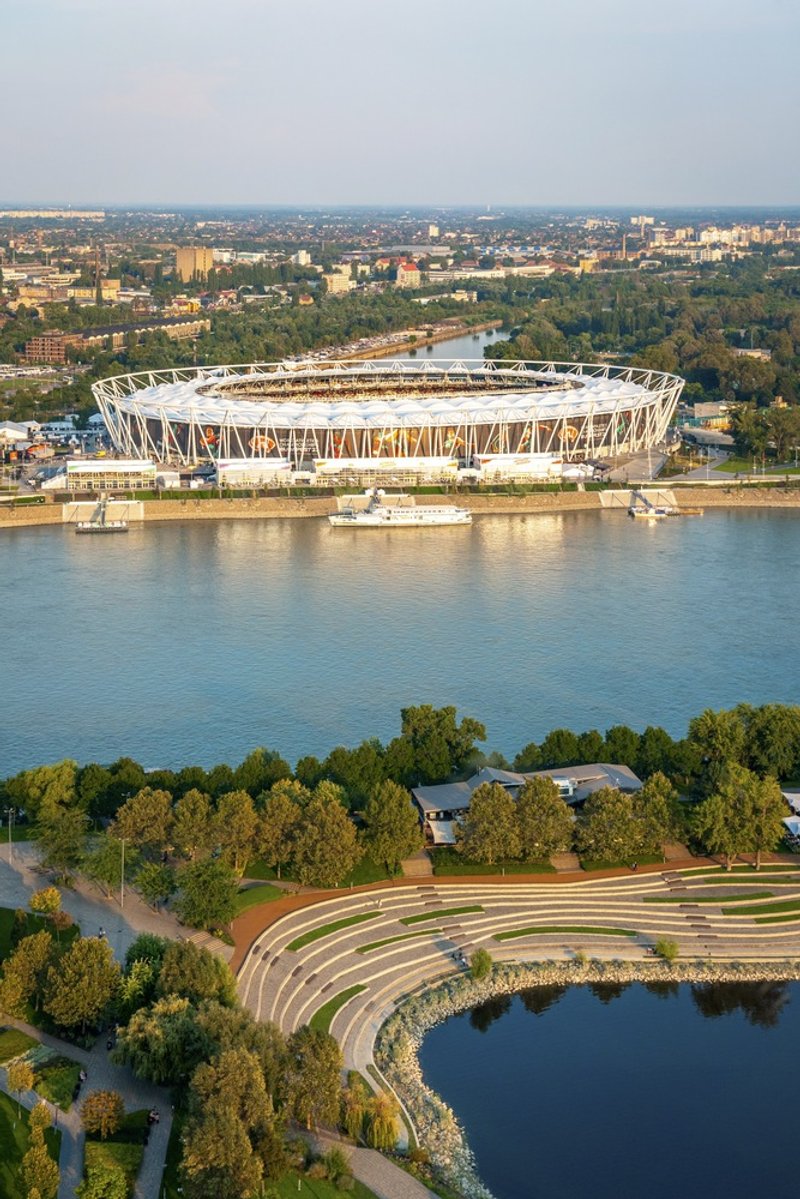
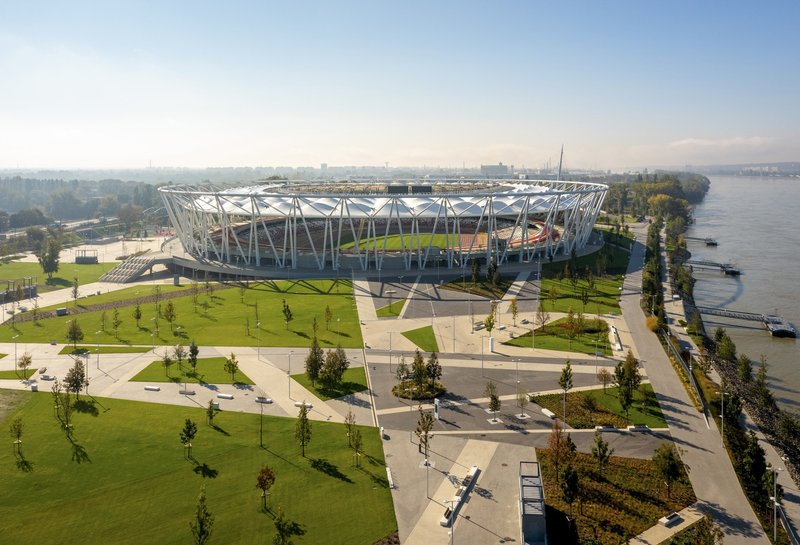
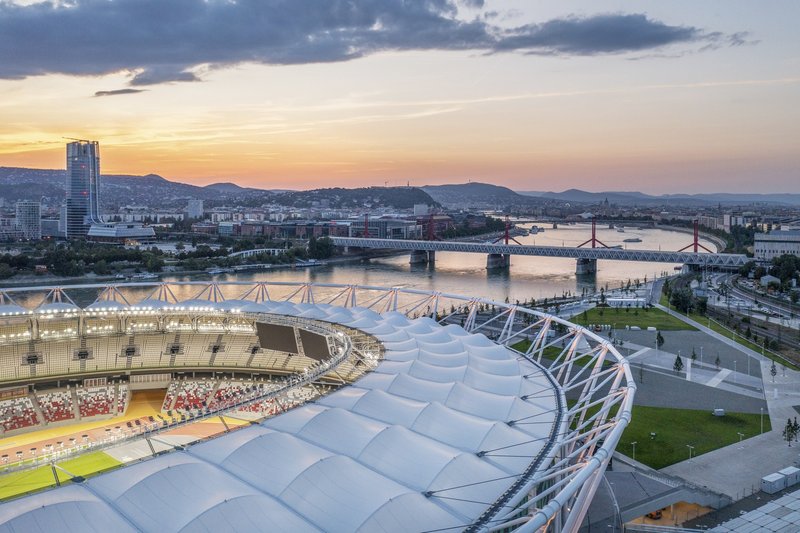
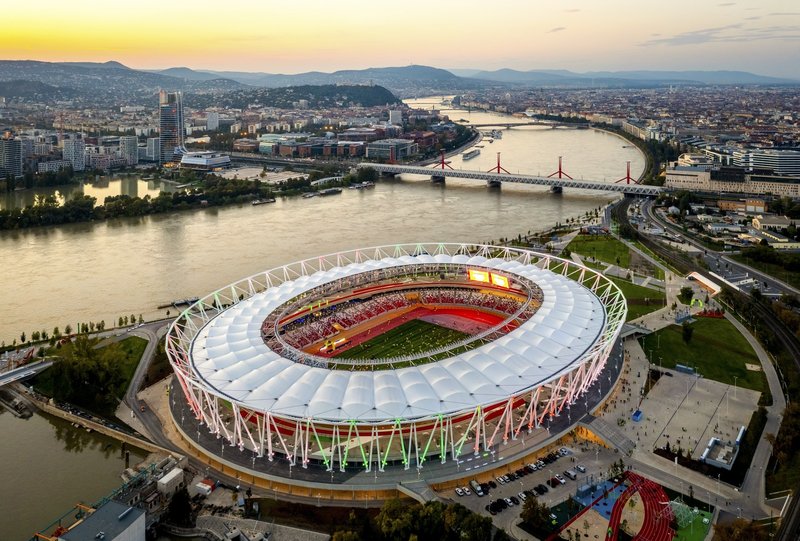
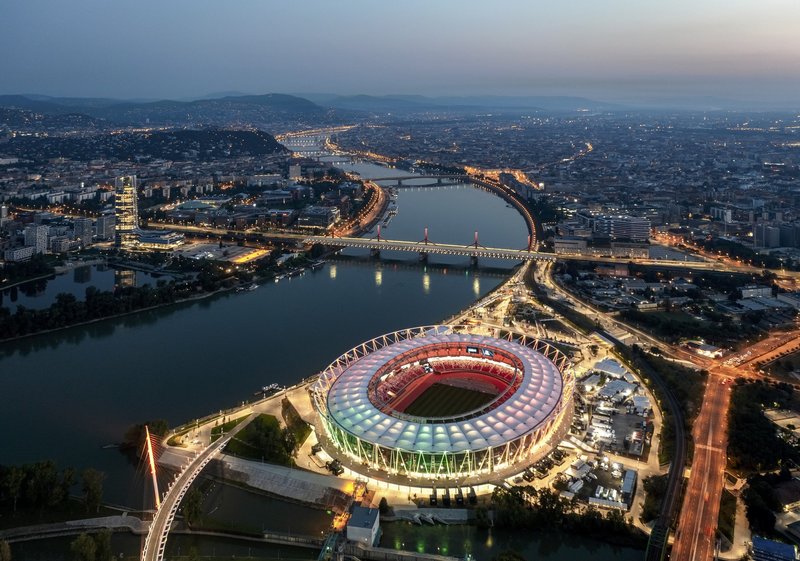
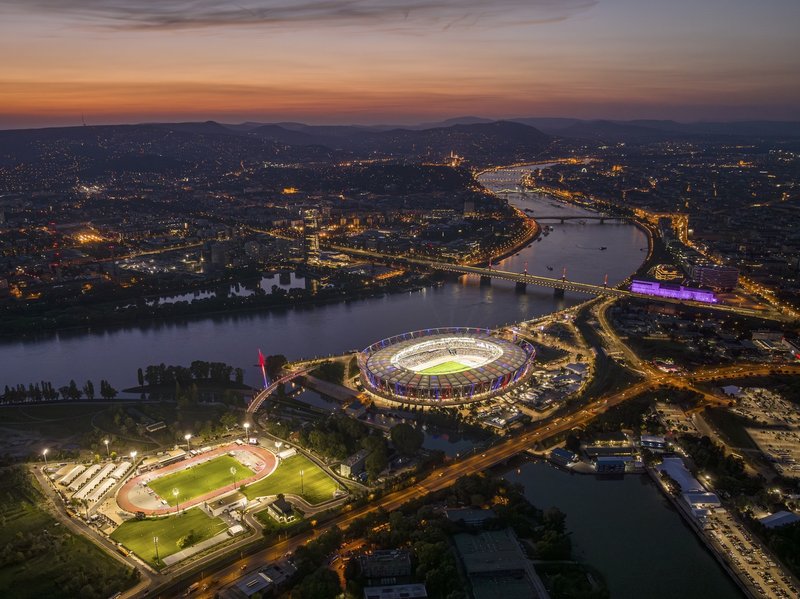
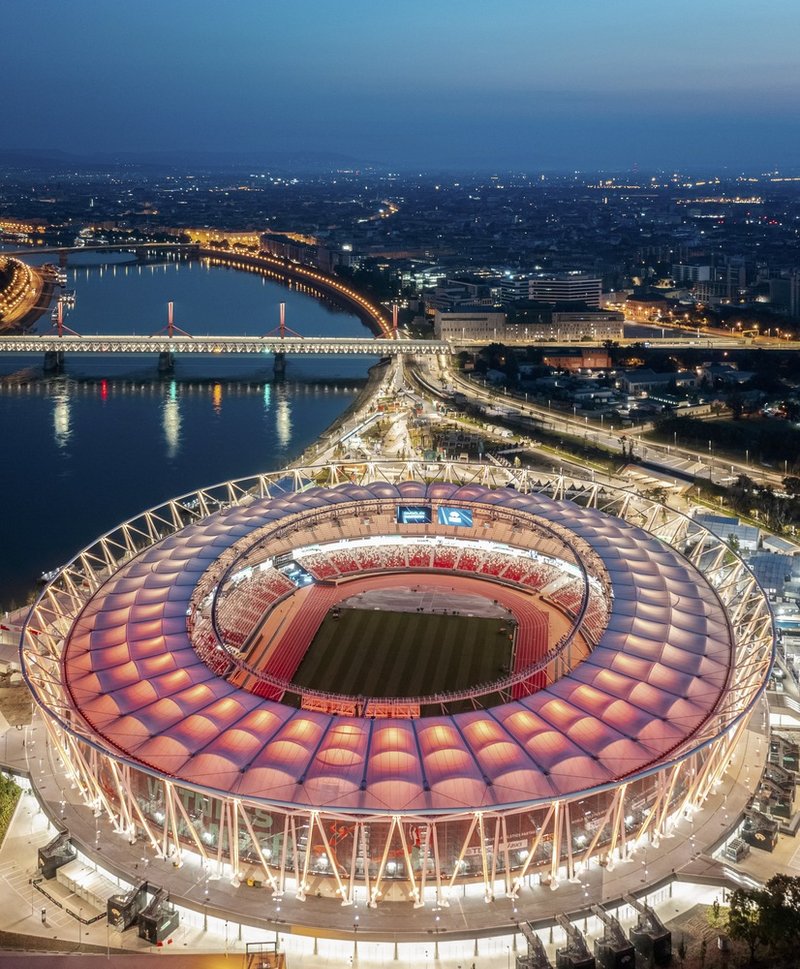
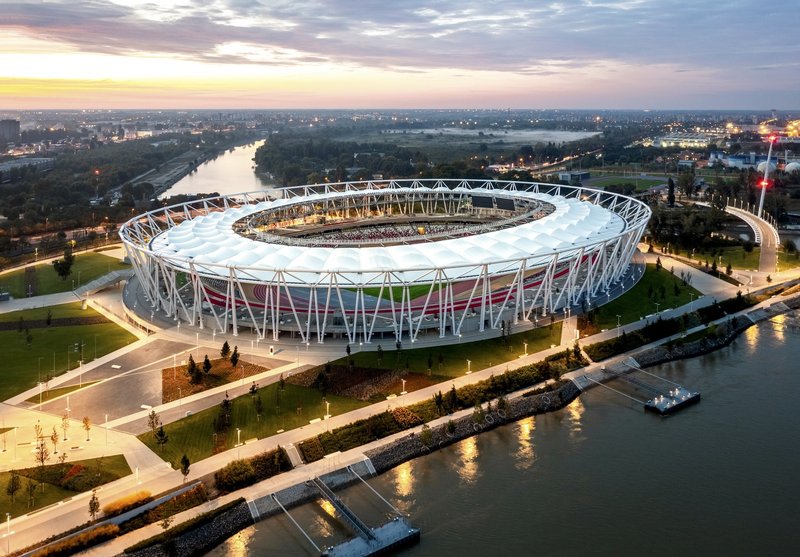
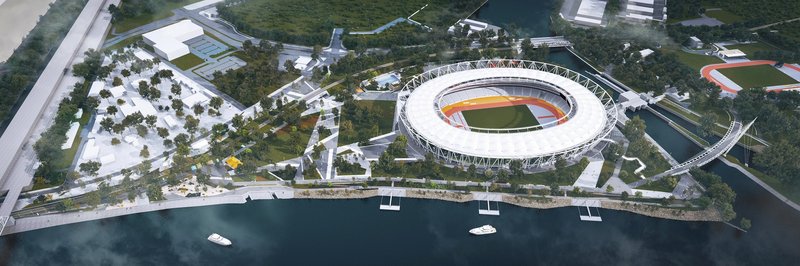
Located on the former Vituki industrial site in Ferencváros, the National Athletics Stadium is a significant element of a larger urban development project. The design team, led by NAPUR Architect, won the competition to create a new landmark for the city. The project envisions a revitalized area that not only includes the stadium but also a park, a pedestrian-bicycle cable bridge, and a new Athletics Training Centre, all aimed at transforming the surrounding neighborhood into a dynamic sports and recreational hub.
Design Elements Inspired by Athletics
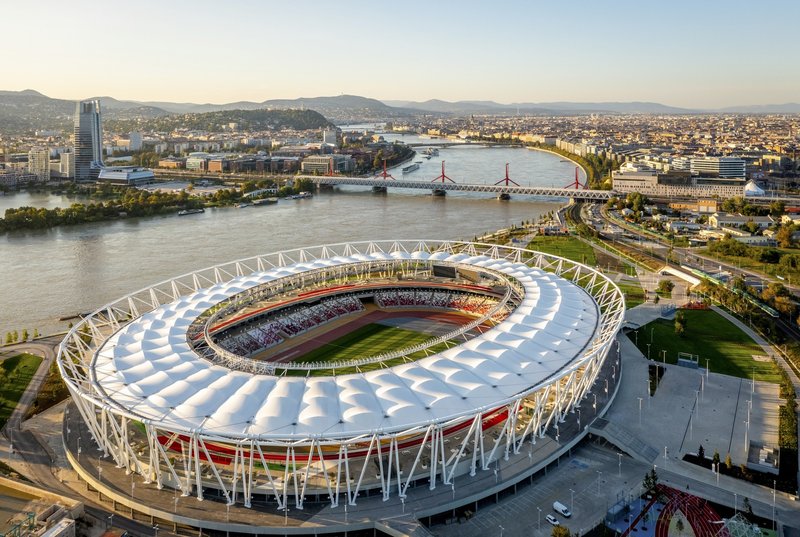
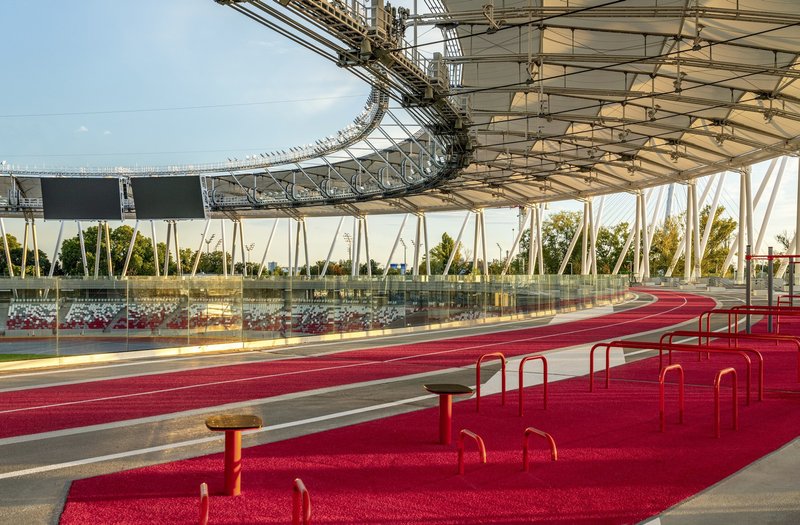
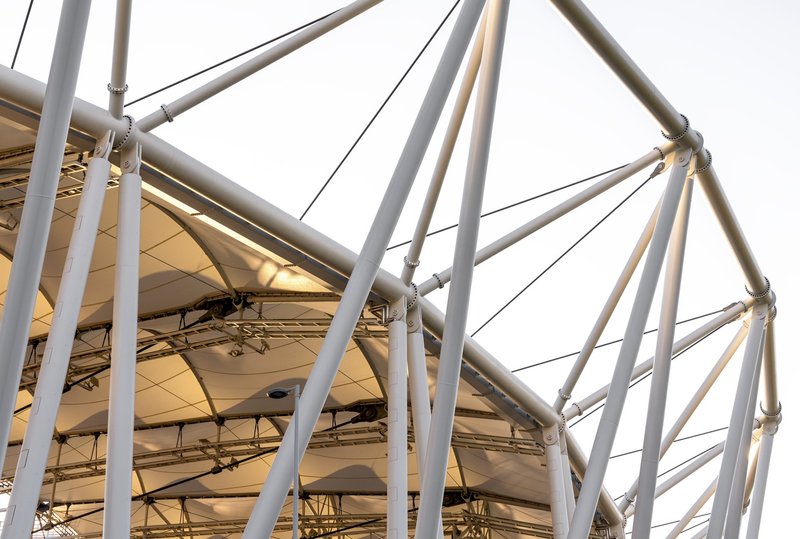
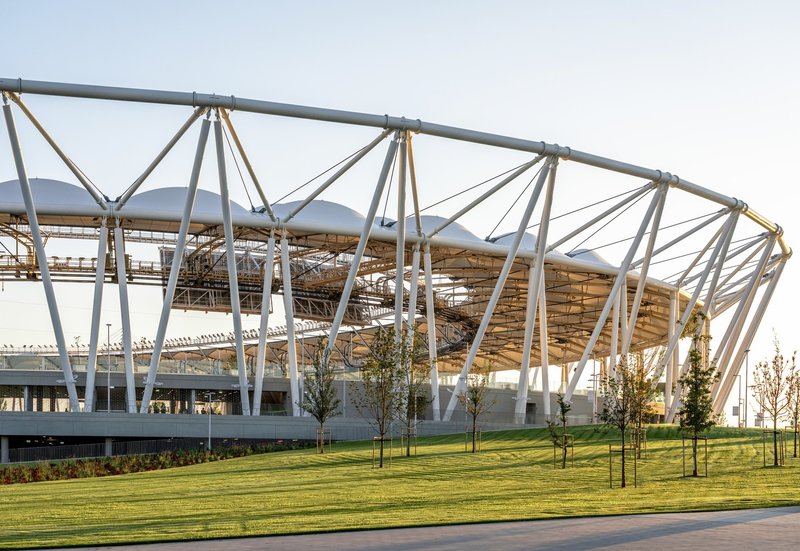
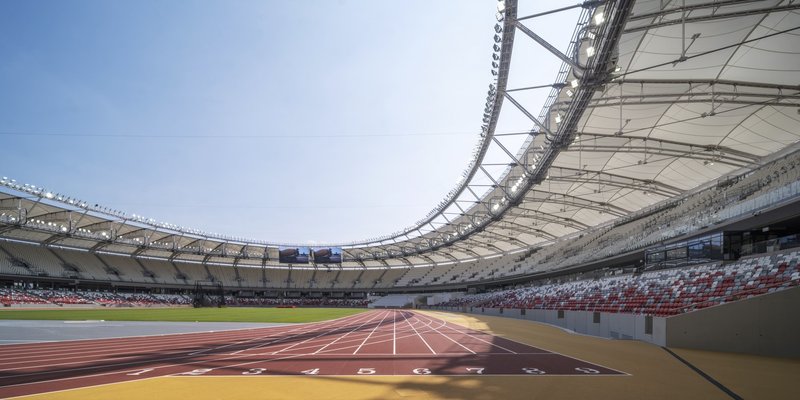
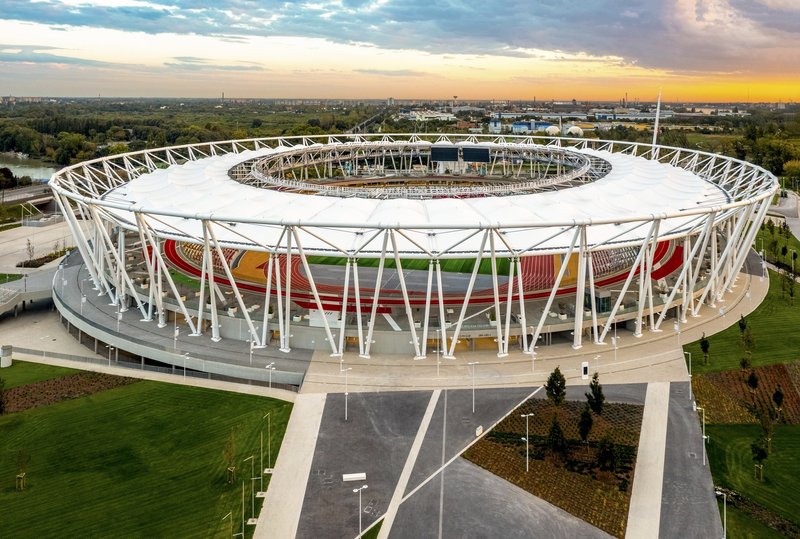
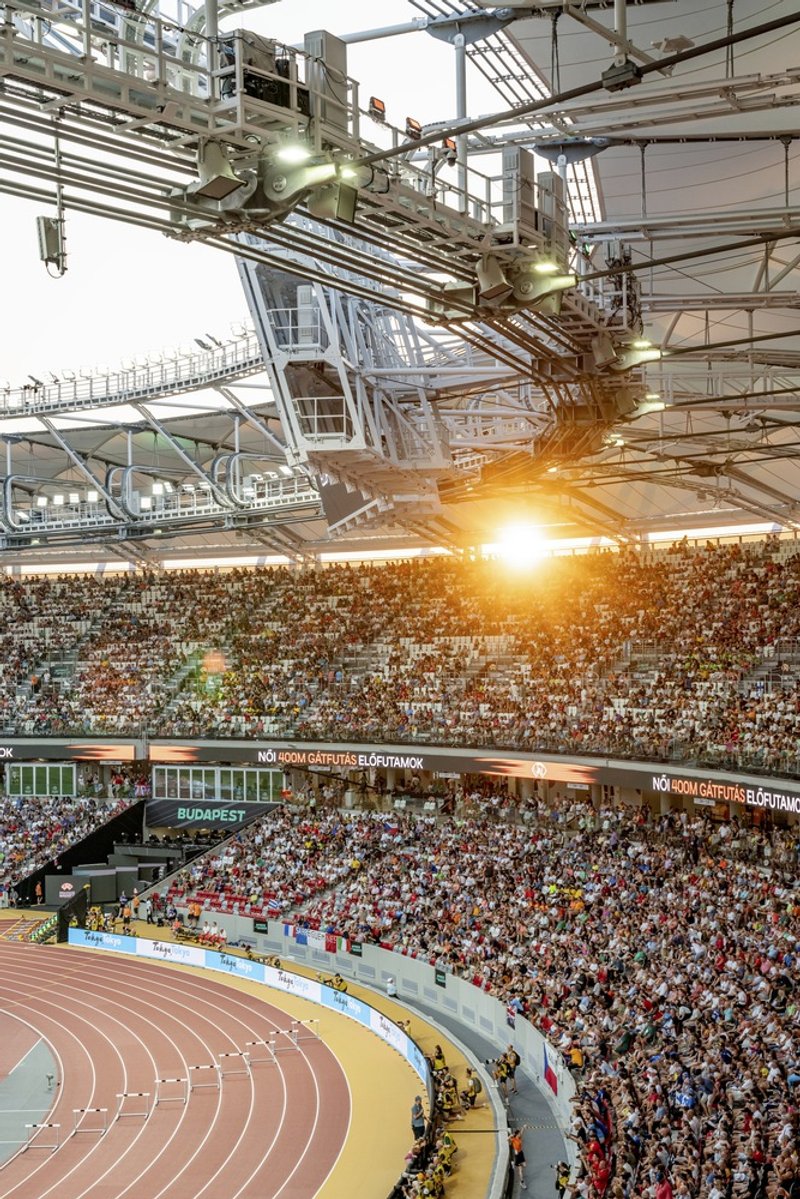
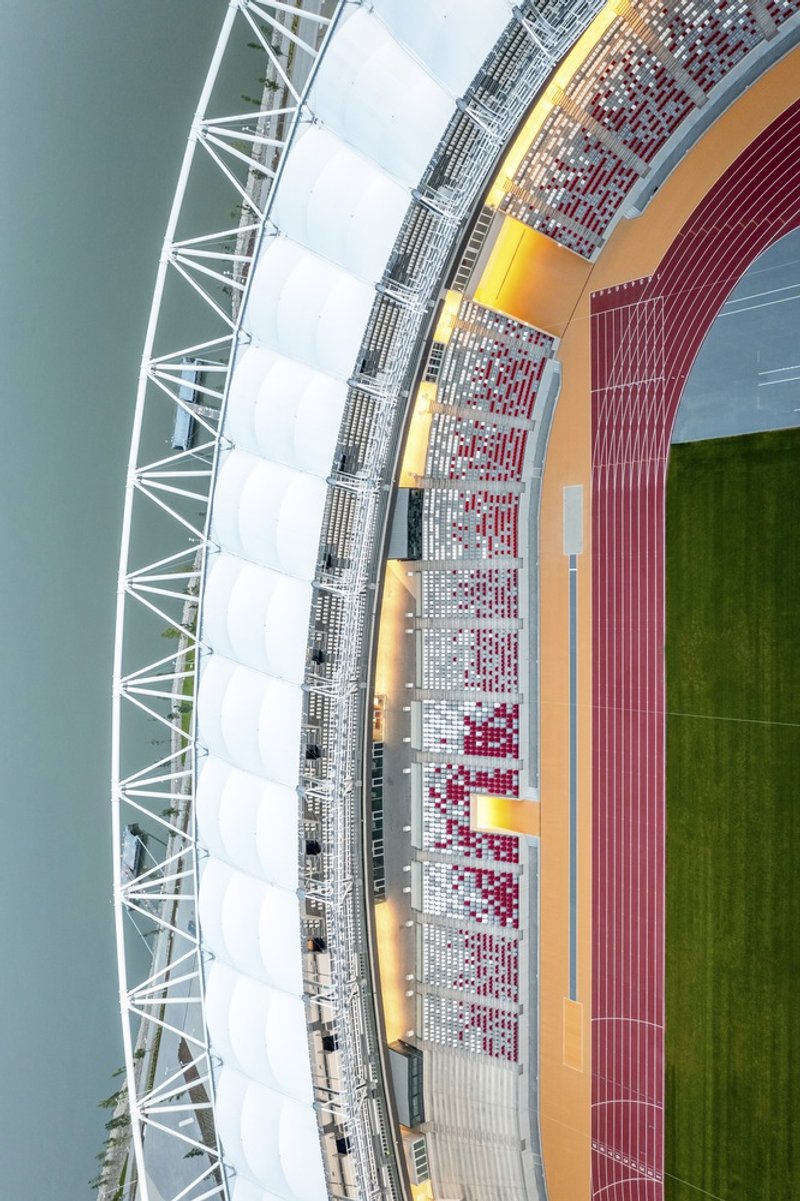
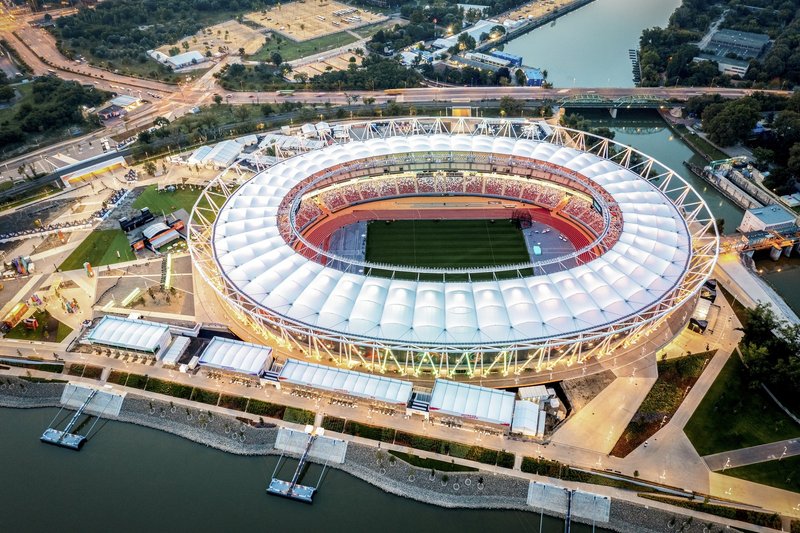
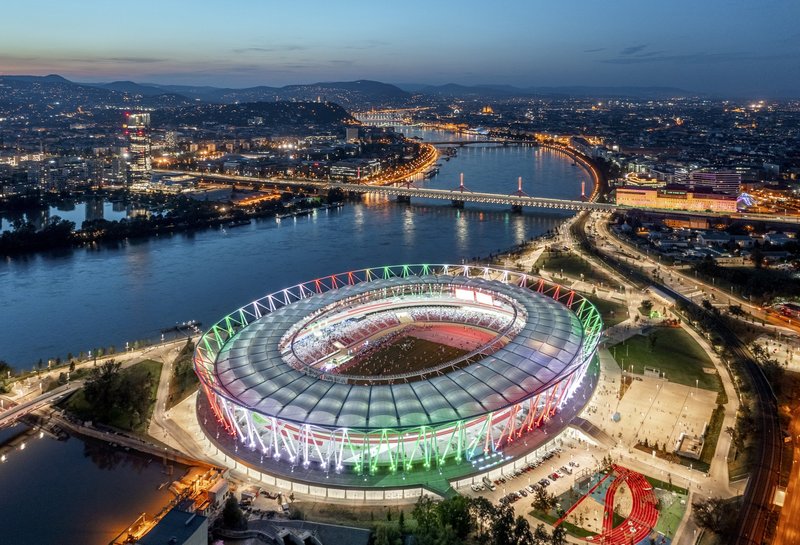
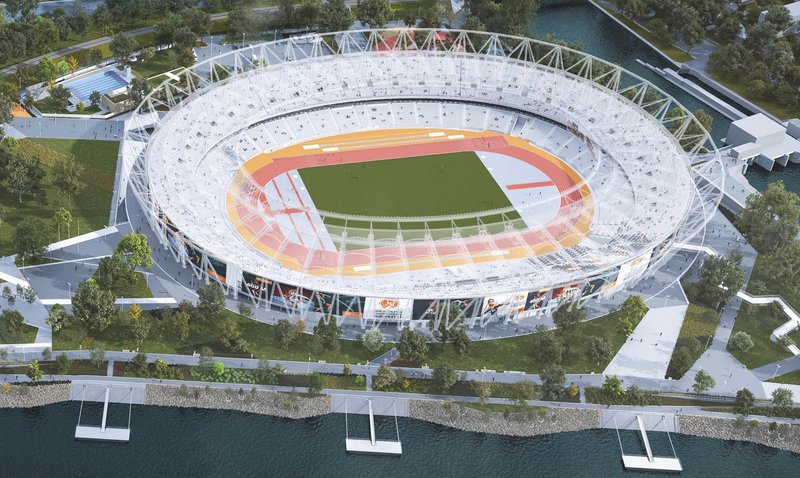
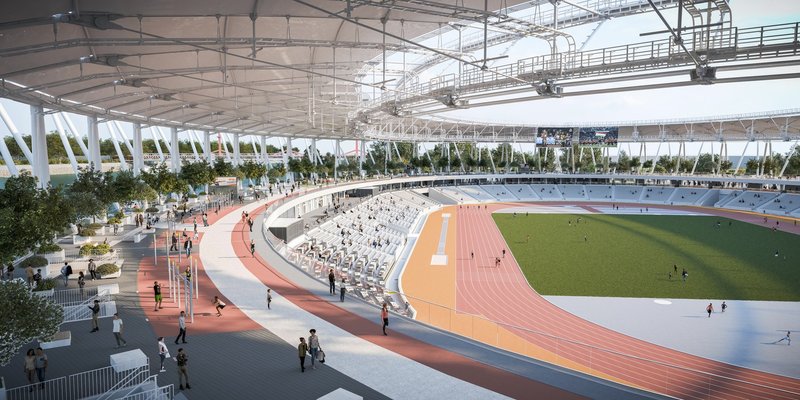
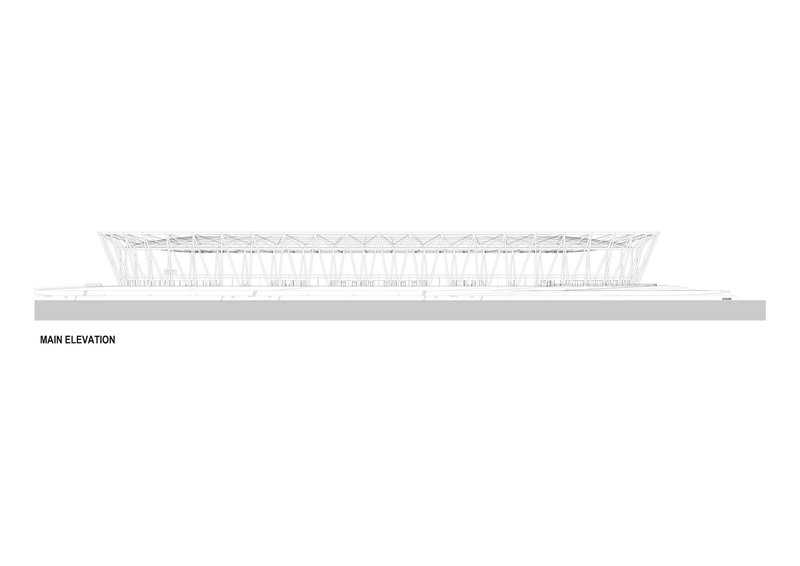
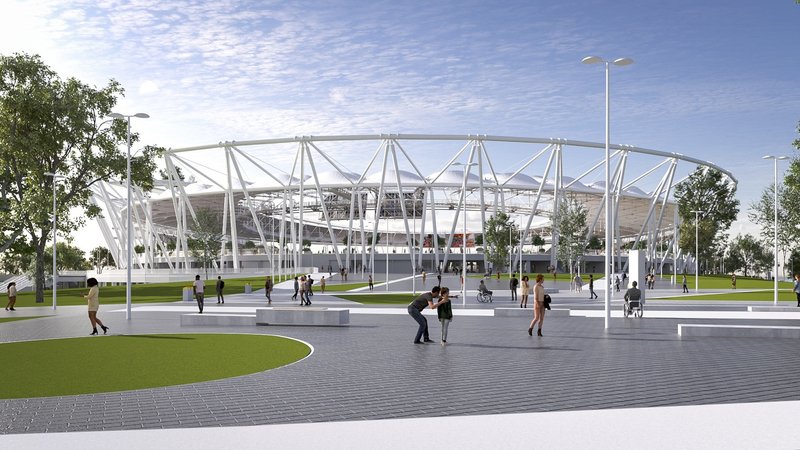
The design of the stadium pays homage to athletics, often referred to as the "queen of sports." The architecture reflects this theme with a monumental, yet functional aesthetic. The white crown-shaped structure is symbolic of the sport's prestige, while the stadium’s design emphasizes openness and accessibility. The building's form and materials have been carefully chosen to highlight its significance while fitting seamlessly into the urban fabric of Budapest. The design also includes a new leisure park, called the "Open City Ring," which features running tracks, a family jogging area, and a space for street workouts, ensuring the stadium serves as a year-round destination for athletes and the public.
Sustainability in Stadium Architecture
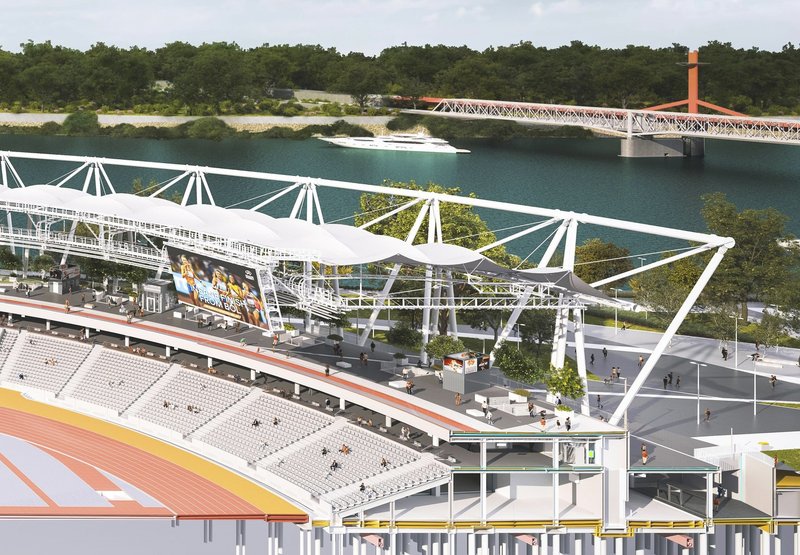
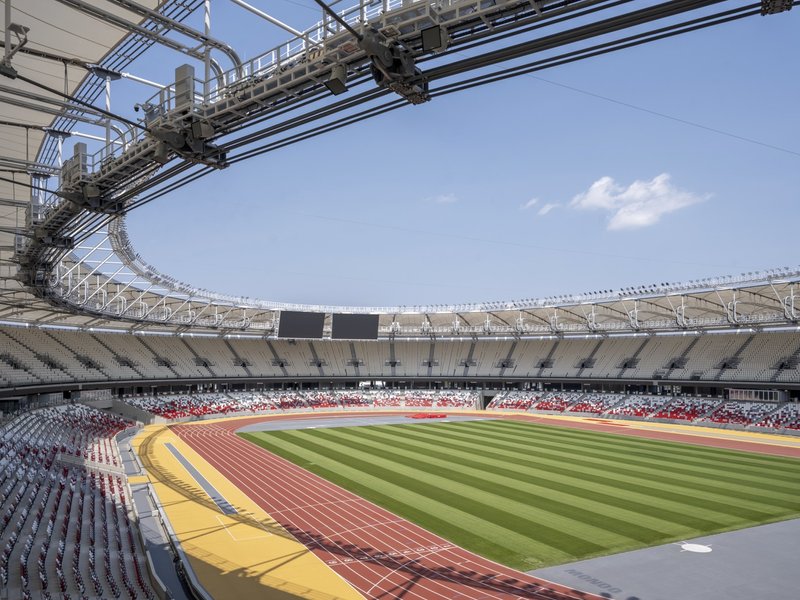
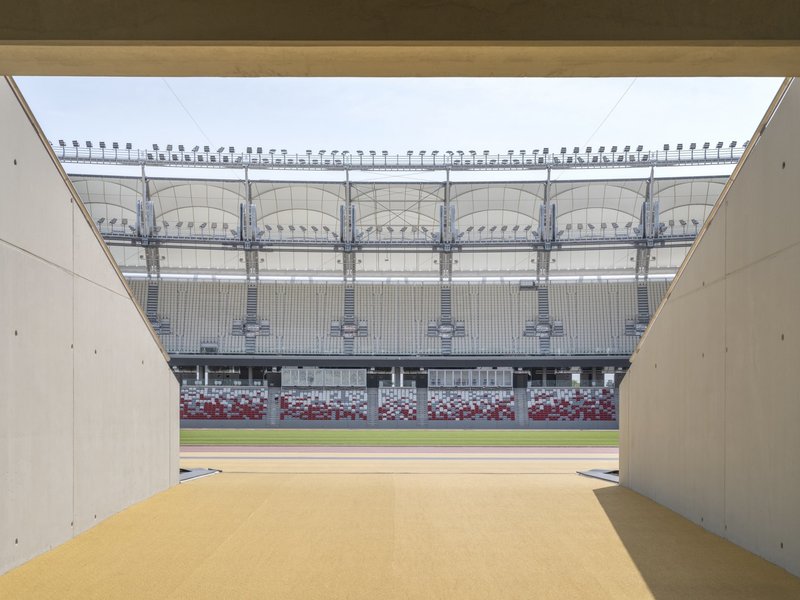
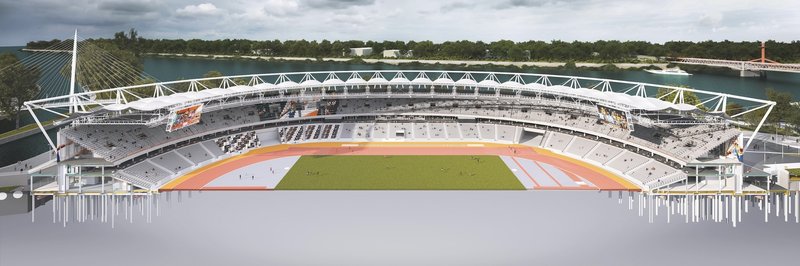
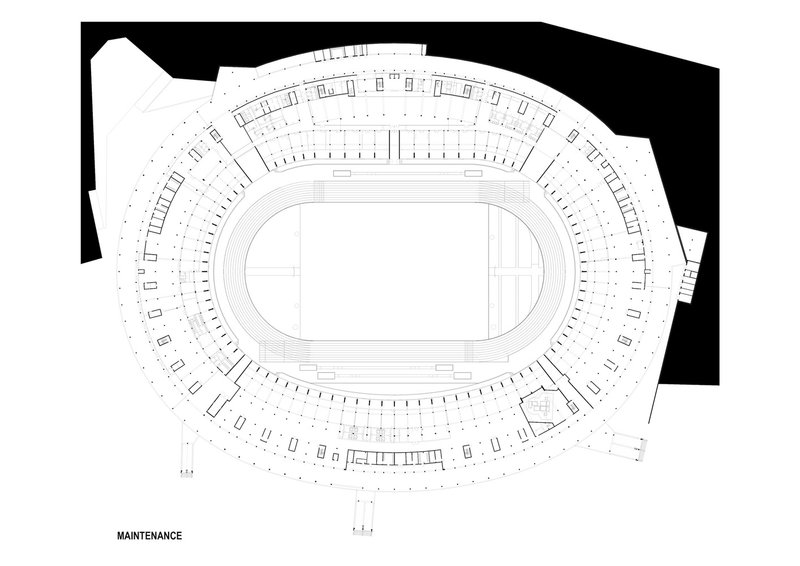
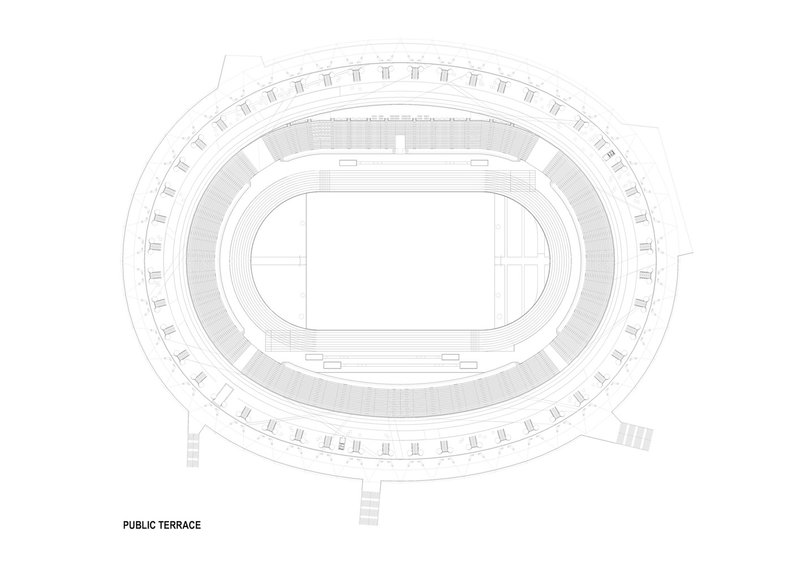
The National Athletics Stadium is not only a sporting venue but also a beacon of sustainability in modern architecture. One of the most innovative features of the project is the stadium's “Open Arena” concept, making it the first such stadium in the world. This approach allows the stadium to operate as a versatile space for both major events and everyday recreational activities. After the World Championships, temporary upper stands were removed, replaced by a 15,000-square-meter public park designed for continuous use.
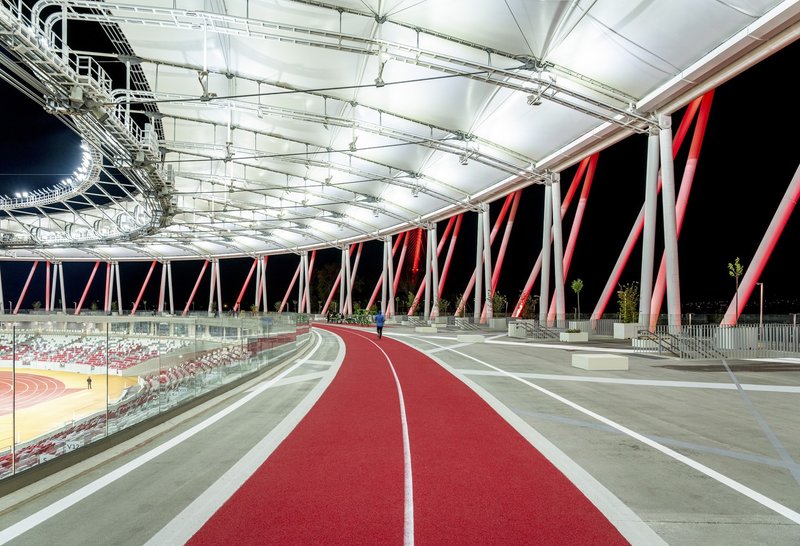
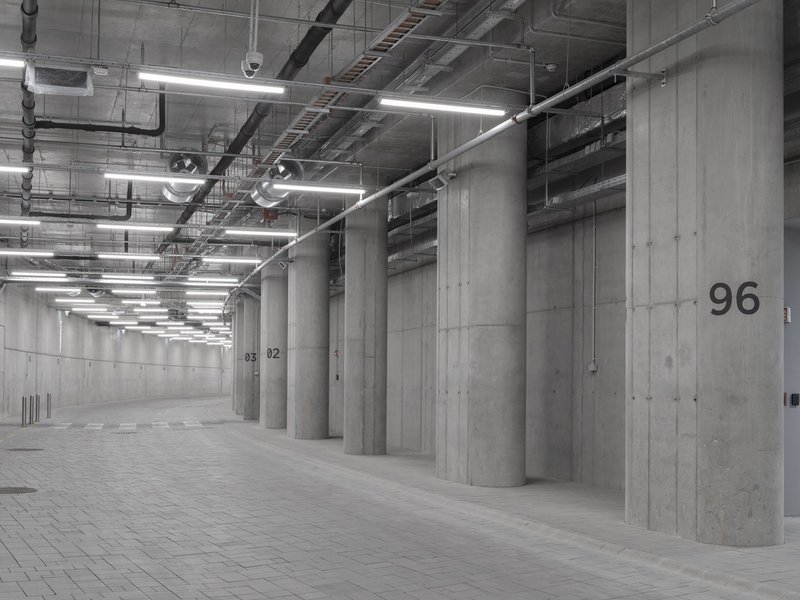
The stadium's environmental credentials are reinforced through the rehabilitation of a brownfield industrial site, turning a previously underutilized area into a vibrant public space. The development includes extensive green infrastructure, such as flood defenses, coastal walkways, bicycle paths, and water stations, all designed to integrate with the city's ecological network. Public transport and pedestrian-friendly solutions further reduce the stadium's carbon footprint, while the building's geothermal energy system ensures a renewable and sustainable energy source.
Engineering and Architectural Innovation
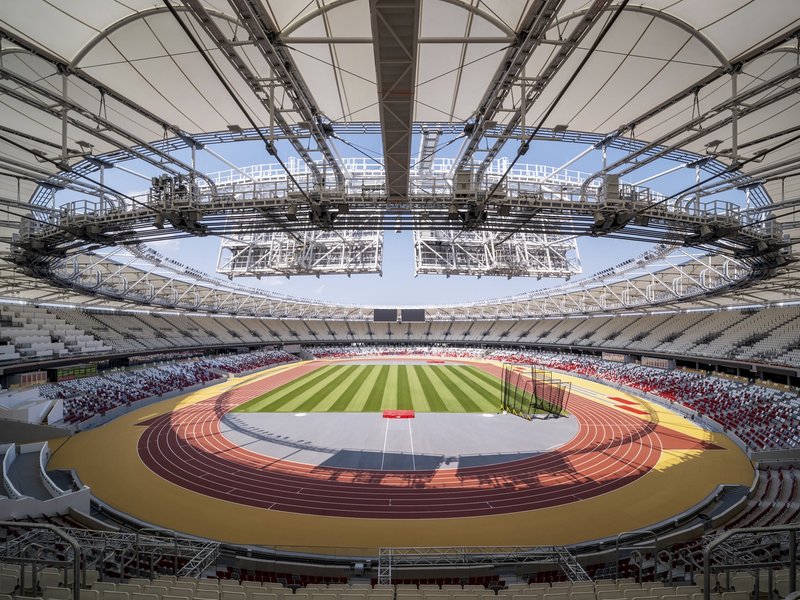
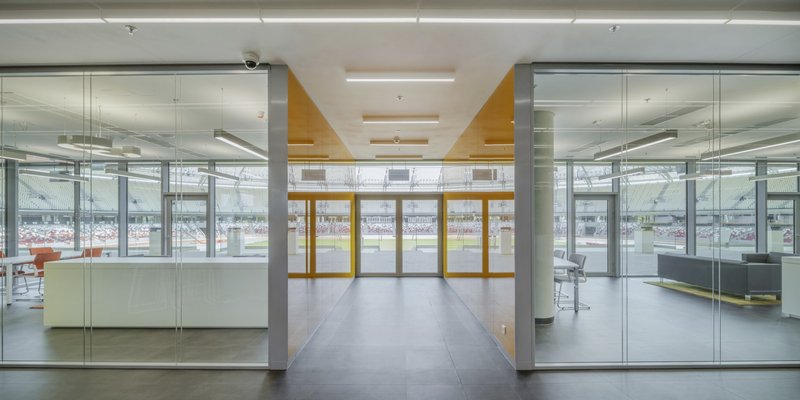
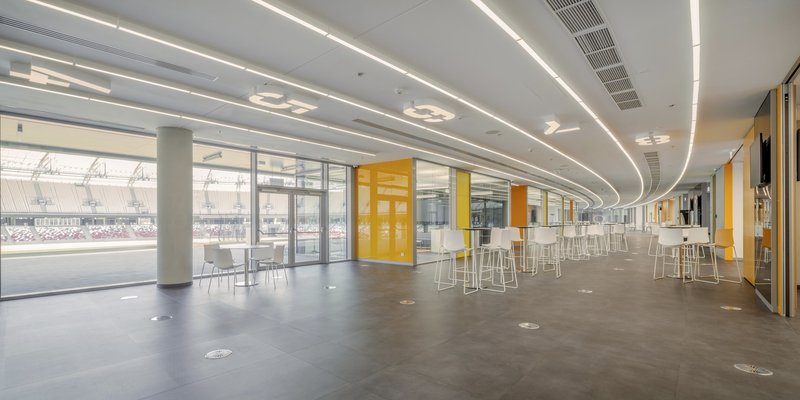
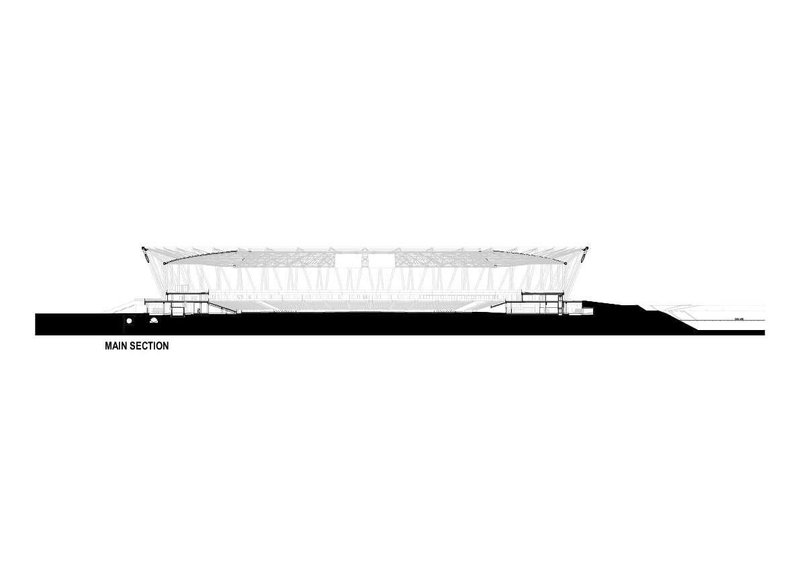
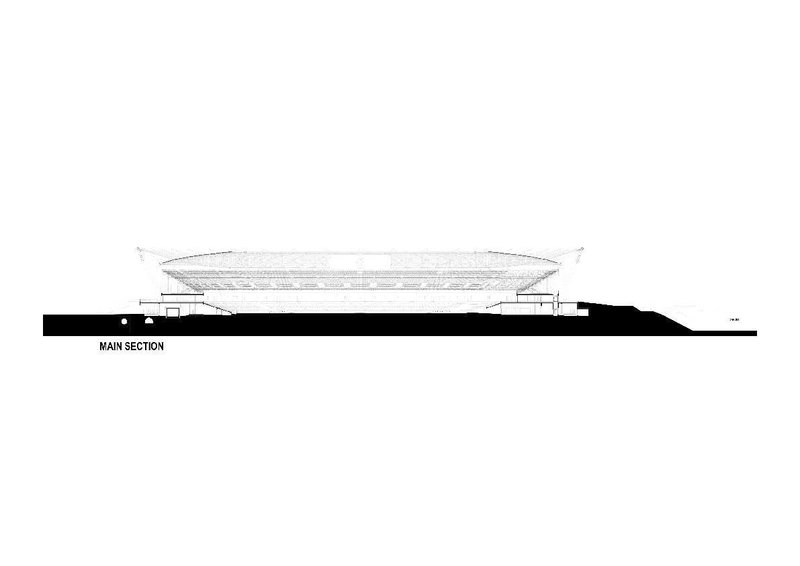
From an engineering perspective, the stadium features a unique stretched roof structure, optimized to minimize steel consumption. The building’s interior heating is limited to the most essential areas, further enhancing its energy efficiency. These thoughtful design and engineering solutions ensure the stadium is not only environmentally sustainable but also cost-effective in the long term. The use of cutting-edge technology and sustainable materials makes this stadium a model for future sports infrastructure projects around the world.
A Lasting Legacy for Budapest
The National Athletics Stadium in Budapest is more than just a sporting venue; it is a testament to the potential of sustainable stadium design. By blending cutting-edge architectural innovation with environmentally conscious practices, NAPUR Architect has created a space that will serve the city and its citizens for generations to come. Whether hosting world-class athletic events or providing a recreational space for local residents, the stadium exemplifies how modern sports facilities can enhance urban life while promoting sustainability.
All Photographs are work of Molnár József, Tamás Bujnovszky, Zsolt Hlinka