

Navigating the World of Design Concepts: A Comprehensive Guide
This article delves into design concepts, highlighting their creation, application in architecture and design, and the evolving role of technology and sustainability.


In the dynamic realm of design, whether it be in architecture, product innovation, or digital landscapes, the core of every groundbreaking project lies in its initial spark: the design concept. These foundational ideas are more than mere starting points; they are the creative bedrock that drives innovation, functionality, and aesthetics forward. Understanding and applying effective design concepts is essential for architects, designers, and creatives who strive to produce work that not only meets but exceeds the expectations of the present and anticipates the needs of the future. In this guide, we delve into the world of design concepts, exploring their significance and how they shape our built environment and digital experiences.
Understanding Design Concepts
Definition and Importance
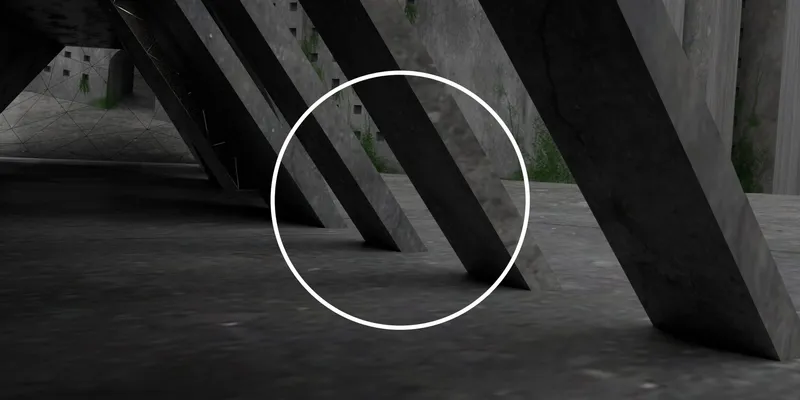
At its essence, a design concept serves as the guiding light for a project, offering a clear direction for its development. It's an overarching idea or philosophy that informs every decision made during the design process, from the initial sketches to the final touches. But what makes design concepts so crucial? They embody the project's intentions, encapsulating not only aesthetic values but also practical considerations and cultural insights. A well-crafted design concept ensures that the project remains focused and coherent throughout its development, resulting in designs that are not only visually compelling but also meaningful and impactful.
Types of Design Concepts
Design concepts come in various forms, each with its unique approach to solving design challenges. Let's explore some of the most influential design concepts shaping today's design landscape:
- Sustainable Design: This concept emphasizes designs that minimize environmental impact and promote sustainability. It integrates eco-friendly materials, energy efficiency, and a harmonious relationship with the natural environment. Architecture that adheres to sustainable design principles, like the Edge in Amsterdam, not only sets a standard for green building but also showcases the potential for modern constructions to positively impact the planet.
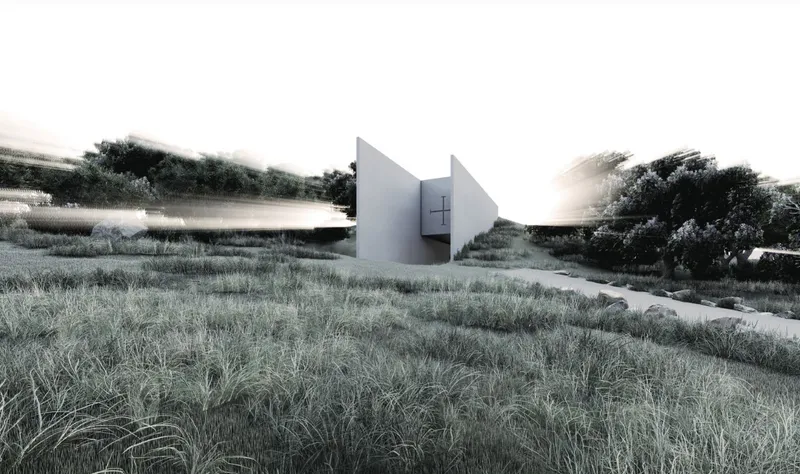
- Minimalist Design: Characterized by simplicity, clarity, and the principle of "less is more," minimalist design focuses on essential elements, removing anything that doesn't serve a purpose. This concept can be seen in product design, such as Dieter Rams' work for Braun, which emphasizes functionality and simplicity, and in architectural projects like Tadao Ando's Church of the Light, where space, light, and materiality are masterfully orchestrated to create profound experiences with minimal forms.
- Biomimicry: Inspired by nature's models and systems, biomimicry seeks innovative solutions by emulating nature's time-tested patterns and strategies. The Eastgate Centre in Harare, Zimbabwe, for example, uses a natural cooling system inspired by termite mounds, demonstrating how biomimicry can lead to energy-efficient and sustainable design solutions.
- Futuristic Technology-Inspired Design: This concept draws inspiration from cutting-edge technology and speculative futures, envisioning designs that push the boundaries of what's currently possible. It's about imagining the future of living spaces, products, and digital interfaces, incorporating advanced materials, interactive technologies, and new ways of experiencing the world. Projects like the Dynamic Tower in Dubai, a proposed rotating skyscraper, exemplify how futuristic design concepts can redefine our expectations of architecture and living spaces.

By embracing these diverse design concepts, designers and architects can create projects that are not only aesthetically pleasing but also responsive to the evolving needs and challenges of our world. As we continue to explore the depths of creativity and innovation, the role of design concepts in shaping our environment becomes increasingly evident, marking the path toward a future where design transcends mere form and function to become a catalyst for change and progress.
The Process of Developing Design Concepts
Research and Inspiration
The journey of a design concept begins with thorough research and the quest for inspiration. This phase is about immersing oneself in the project's context, understanding the environment, culture, and specific needs of the users. Designers might explore nature, art, technology, and existing works to spark innovative ideas. This exploration is crucial for grounding design concepts in reality while pushing the boundaries of creativity. For instance, the architectural design of the Guggenheim Museum in Bilbao by Frank Gehry was inspired by the city's nautical culture and history, resulting in a structure that reflects its environment and cultural context. UNI is a great place to do your research and find inspiration from a library of over 10000+ Projects.

Idea Generation and Sketching
Following research, the next step is to generate ideas and visualize them. Techniques such as brainstorming sessions, mind mapping, and sketching come into play. Designers use both traditional sketching and digital tools to bring their ideas to life, allowing for rapid iteration and exploration of different concepts. This stage is about freedom and creativity, with the aim of developing a strong and flexible design concept that can guide the project forward.
Evaluation and Refinement
Once ideas are generated, the critical process of evaluation and refinement begins. Design concepts are critiqued based on their feasibility, impact, and alignment with project goals and user needs. Feedback is sought from peers, potential users, and stakeholders to refine the concept further. This iterative process ensures that the final design concept is both innovative and grounded in practical considerations, ready to be developed into a full-fledged project.

Applying Design Concepts in Architecture and Beyond
Architecture
In architecture, design concepts are the foundation upon which buildings and spaces are created. They guide architectural decisions, from the overall form to the smallest detail. Iconic buildings like the Sydney Opera House, with its sail-like shells, embody a design concept inspired by its maritime setting, while the Falling water house by Frank Lloyd Wright showcases a concept of harmony with nature. These examples demonstrate how design concepts in architecture not only determine the aesthetic and functional aspects of buildings but also their relationship with the surrounding environment and cultural context.
Product Design
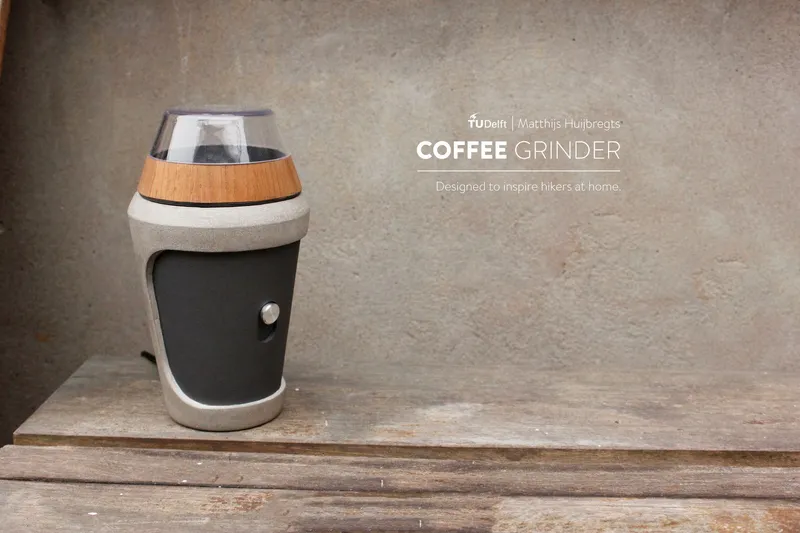
In product design, design concepts influence the functionality, usability, and aesthetic appeal of products. Innovative products like the Dyson Air Multiplier fan, which uses air multiplier technology to generate airflow without visible blades, exemplify how a strong design concept can lead to breakthroughs in product functionality and design.
Digital Design
Design concepts play a critical role in creating user interfaces, websites, and digital experiences. They help in crafting experiences that are intuitive, engaging, and aesthetically pleasing. For instance, the flat design concept, characterized by simplicity and functionality, has significantly influenced the look and feel of modern digital interfaces, emphasizing usability and minimalism.
The Future of Design Concepts
Emerging Trends
The future of design concepts is being shaped by emerging trends such as the integration of artificial intelligence (AI), biotechnology, and sustainable materials. These trends are opening new avenues for innovation, enabling designers to create solutions that are more adaptive, intelligent, and environmentally friendly. For example, biodesign, which involves the use of living organisms in design, presents new possibilities for sustainable architecture and product design.

The Role of Technology
Advancements in technology, including virtual reality (VR), 3D printing, and computational design, are revolutionizing the way design concepts are developed and realized. VR allows designers to immerse themselves and their clients in virtual models of their designs, enhancing the design process. Meanwhile, 3D printing and computational design are enabling more complex and customized solutions, pushing the limits of what can be achieved in architecture, product design, and beyond.
As we look to the future, it's clear that design concepts will continue to evolve, driven by technological innovation and a deeper understanding of environmental and social challenges. The exploration of new design concepts is essential for creating solutions that are not only aesthetically pleasing but also sustainable, functional, and meaningful.
FAQs
What is a design concept?
A design concept is a foundational idea that guides the creative and decision-making process of a design project. It represents the essence of your vision, encapsulating the project's direction, goals, and the intended message or experience. The significance of a design concept lies in its ability to unify all aspects of the design, ensuring coherence and integrity throughout the development process. It serves as a touchstone for making aesthetic and functional decisions, enabling designers to create meaningful and impactful work.
How do I choose the right design concept for my project?
Choosing the right design concept involves a deep understanding of your project's goals, the needs and preferences of your client or target audience, and the specific context in which the design will exist. Start by researching and gathering insights on these key areas. Brainstorm ideas that resonate with the project's objectives and evaluate them based on their potential to address the client's needs and enhance the user experience. Consider the cultural, social, and environmental context of your project to ensure that your design concept is relevant and responsive. Finally, select a concept that offers a clear direction, inspires innovation, and aligns with the project's overarching goals.
Can a project have multiple design concepts?
Yes, a project can incorporate multiple design concepts, especially in complex projects that encompass various functions, audiences, or values. The challenge lies in integrating and balancing these concepts to create a cohesive and harmonious design. This requires careful consideration of how each concept interacts with and complements the others, ensuring that the overall design remains focused and coherent. Successful integration often involves finding common ground or a unifying theme that can bring disparate concepts together in a meaningful way.
How do technology and innovation influence design concepts?
Technology and innovation have a profound impact on design concepts, constantly expanding the realm of possibilities for creative design. Advances in technology can inspire new design ideas, enable novel approaches to problem-solving, and facilitate the creation of designs that were previously unimaginable. For instance, digital tools and software enhance the visualization and simulation of design concepts, while developments in materials science allow for new forms and functionalities. Furthermore, technology can influence the thematic direction of design concepts, encouraging designers to explore futuristic themes, digital integration, and interactive experiences.
What role does sustainability play in modern design concepts?
Sustainability has become a central pillar in modern design concepts, reflecting a growing recognition of environmental responsibilities and the need for sustainable development. Sustainable design principles focus on minimizing environmental impact, promoting resource efficiency, and ensuring social and ecological responsibility. In practice, this means incorporating energy-efficient systems, sustainable materials, and green technologies into designs, as well as considering the lifecycle and recyclability of products. Embracing sustainability in design concepts not only addresses environmental challenges but also resonates with increasingly eco-conscious consumers and communities, adding value and relevance to design projects.
How can I present my design concept effectively?
Presenting your design concept effectively involves clearly communicating the idea, its relevance, and how it addresses the project's goals and challenges. Start by crafting a compelling narrative that encapsulates the essence of your concept and its significance. Use sketches, renderings, and models to visually convey your ideas, making sure they are detailed and polished to accurately reflect your vision. Digital presentations or animations can further enhance the impact, allowing viewers to engage with the concept on a deeper level. Additionally, be prepared to explain your design decisions and how the concept will be implemented, showing your understanding and commitment to bringing the concept to life.


Popular Articles
Popular articles from the community


FCC Arquitectura Expands a Portuguese Granite House with a Board-Marked Concrete Wing
In Portugal, JV House pairs a cleaned-up whitewashed and granite dwelling with a timber-shuttered concrete extension, courtyards and a garden pool.

Juan García Correa, John González and Claudia Rueda Sink a Circular Amphitheater into a Manizales Engineering Building
On the La Nubia campus in Manizales, Colombia, the S1 Building folds labs and offices into a hillside of ramped lawns that double as a campus route.

David Ortega Stacks a Two-Story Mexico City Penthouse Around a Steel Stair and a Pergola-Shaded Roof Terrace
In Colonia Roma, a 300 m² penthouse uses oak joinery, a planted steel stair and a slatted roof pergola to make a new-build apartment feel like a house.


Aquadapt: An Underwater Habitat That Rewrites Its Rooms by the Hour
Curved modules ring the seabed while one shell shifts from breakfast room to cinema, farm and football pitch as residents' needs change.

Similar Reads
You might also enjoy these articles
Juan García Correa, John González and Claudia Rueda Sink a Circular Amphitheater into a Manizales Engineering Building
On the La Nubia campus in Manizales, Colombia, the S1 Building folds labs and offices into a hillside of ramped lawns that double as a campus route.

Arealis Brasil Wraps a São Paulo Office for Everis's Creative Arm Around a Glowing Curved Counter
In Brooklin Paulista, a 300 m² office for the creative agency Chazz uses timber, metal mesh and ribbed green glass to blur workspace and pub.

LT2A and OPEN Architectes Thread a Brick and Glass High School Through a Wooded Belgian Campus
In Braine-l'Alleud, a 3,000 m² wing for Collège Cardinal Mercier pairs pale brick with a glazed colonnade, deferring to a small chapel and a dense wood.

Atelier Diving Bell Stitches a Hangzhou Food Court Together with a Louvered Steel Canopy
In Hangzhou's Liangzhu Culture Village, a 1,400 m² food court renewal uses canopies, tree benches and props to turn a passage into a place.

Explore Design Development Competitions
Discover active competitions in this discipline

Design challenge to equip cities with modern furniture

Packaging challenge - Design meets sustainability
Comments (0)
Please login or sign up to add comments
No comments yet. Be the first to comment!