
Panelak Apartment Renovation in Bratislava by Kilo and Honc: A Sustainable Transformation of Modernist Living
Panelak apartment renovation transforms rigid 1960s layout into open, light-filled home using sustainable, cost-effective design strategies for modern living.


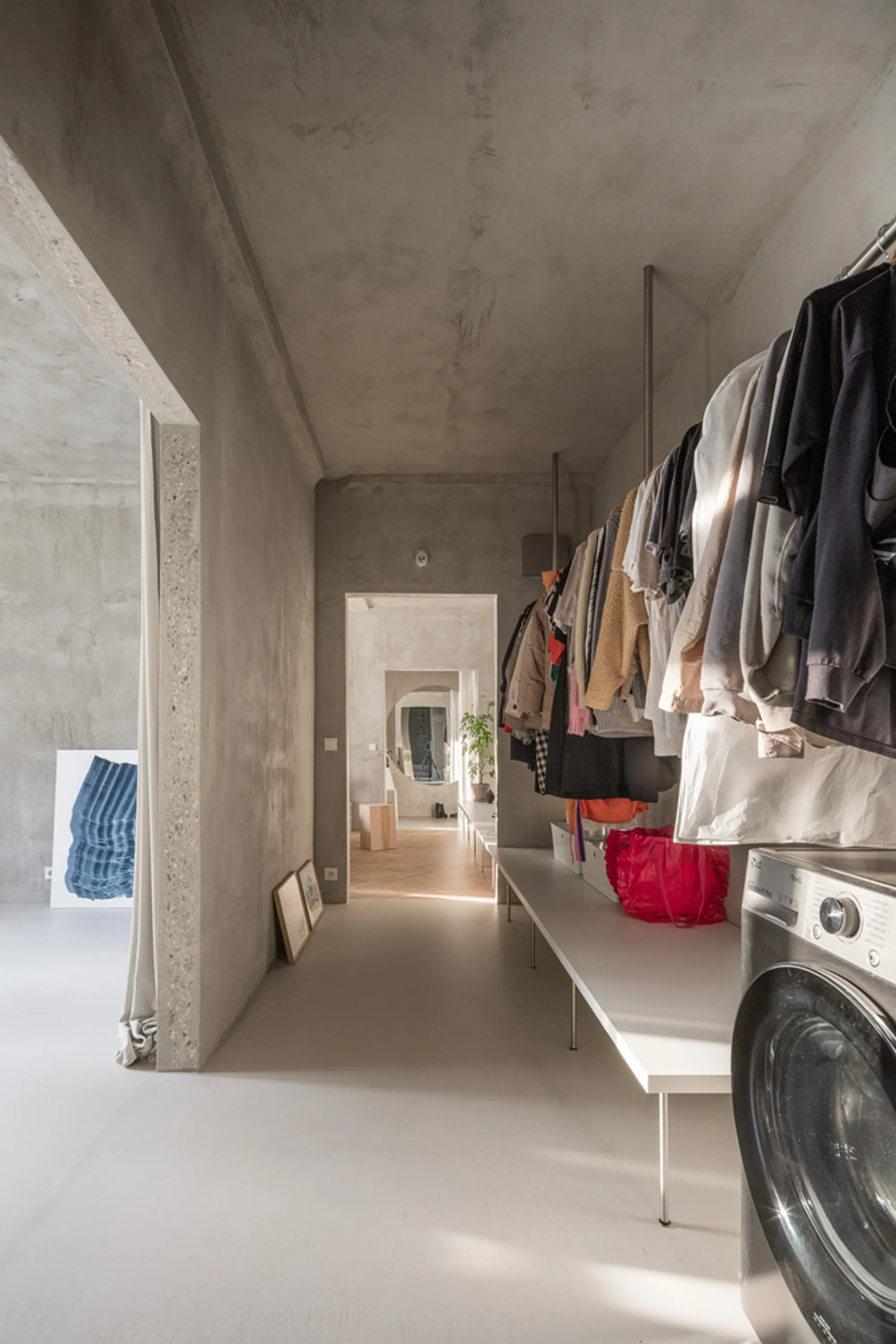
The Panelak Apartment in Bratislava, Slovakia, redesigned by Kilo and Honc in 2022, presents a thoughtful approach to sustainable apartment renovation within a typified 1960s slab block structure. Covering 76 square meters, the project challenges outdated spatial configurations and reimagines them to suit contemporary lifestyles, particularly for young families navigating rising real estate demands.
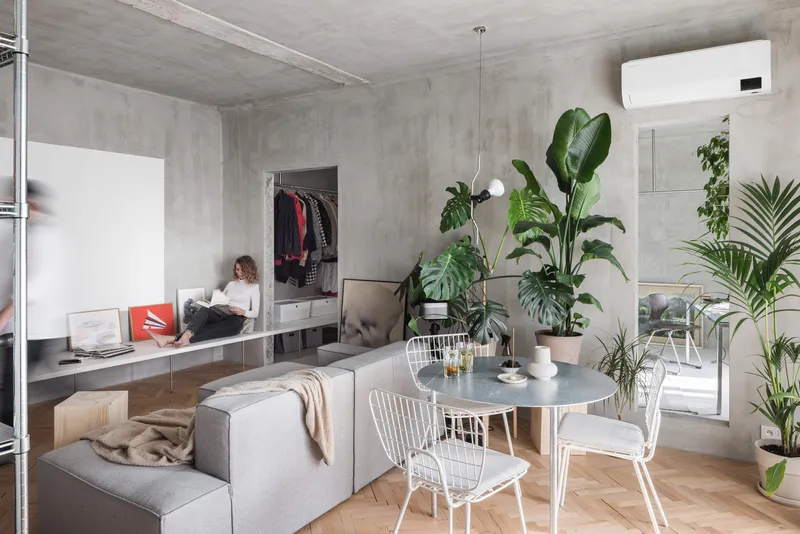
Rethinking Panelák Living for Modern Lifestyles
Originally designed with rigid and compartmentalized layouts, panelák apartments reflect a past era where functionality often overshadowed flexibility. The existing space lacked openness, natural light, and spatial fluidity. Each room was enclosed, creating a disconnected living experience both visually and acoustically.
Kilo and Honc approached the renovation as a process of adaptive reuse and spatial reconfiguration, aiming to redefine how inhabitants interact with their home environment. By addressing generational shifts in lifestyle and family dynamics, the project introduces a more flexible and connected living arrangement.
Working Within the Structural Framework
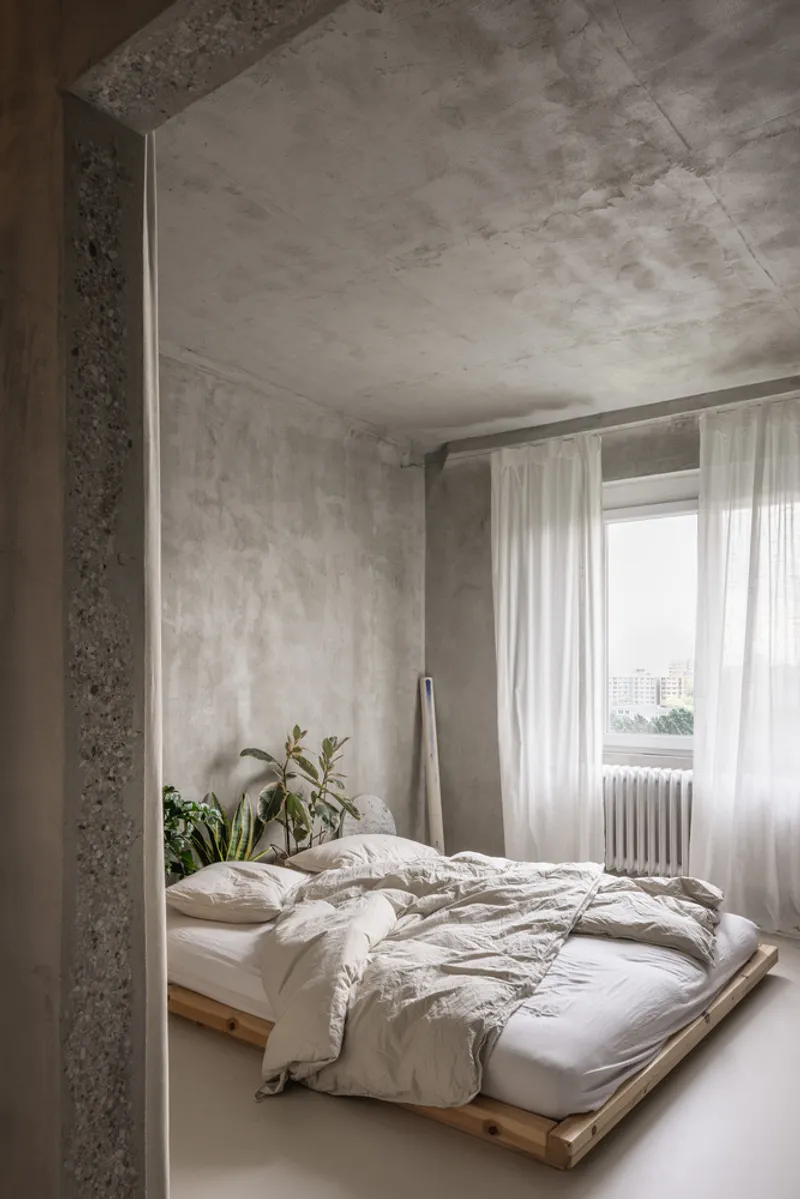
The apartment is organized around a structural skeleton-panel system with a 3.9 x 3.9-meter grid. Rather than treating this framework as a limitation, the architects reinterpret it as a guiding boundary rather than a restrictive element.
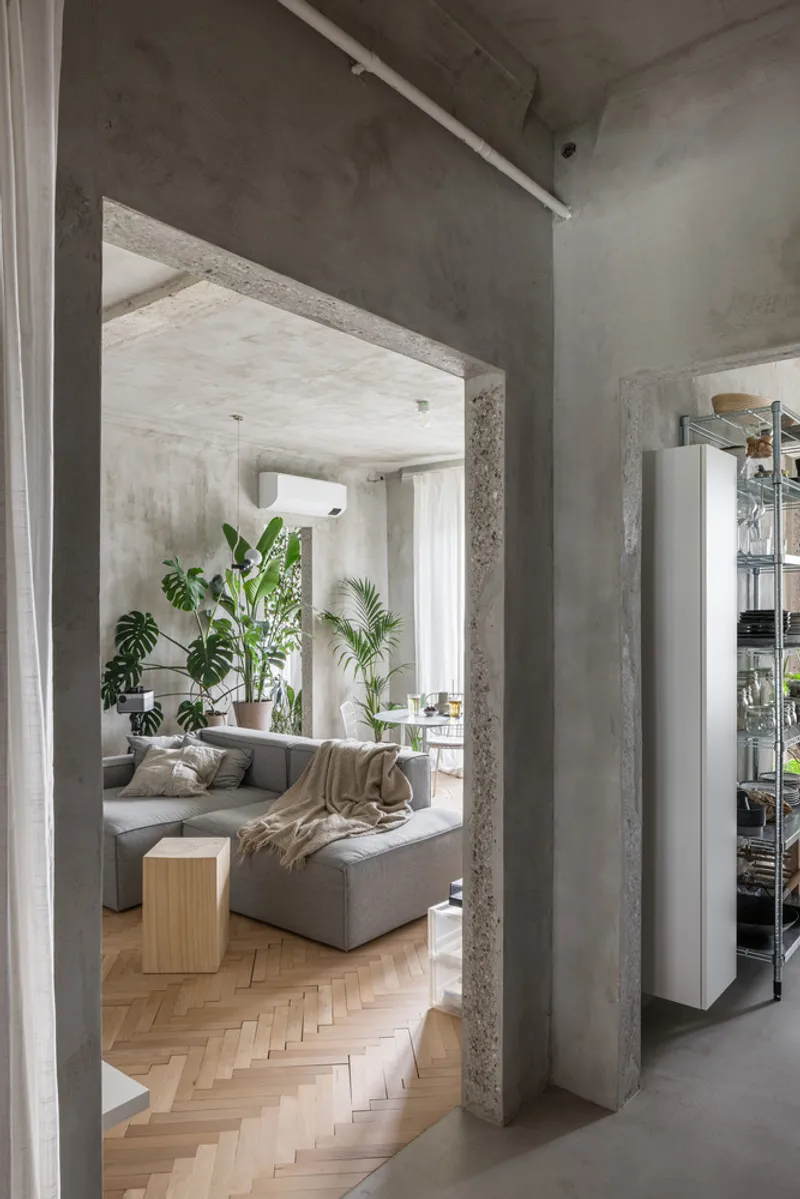
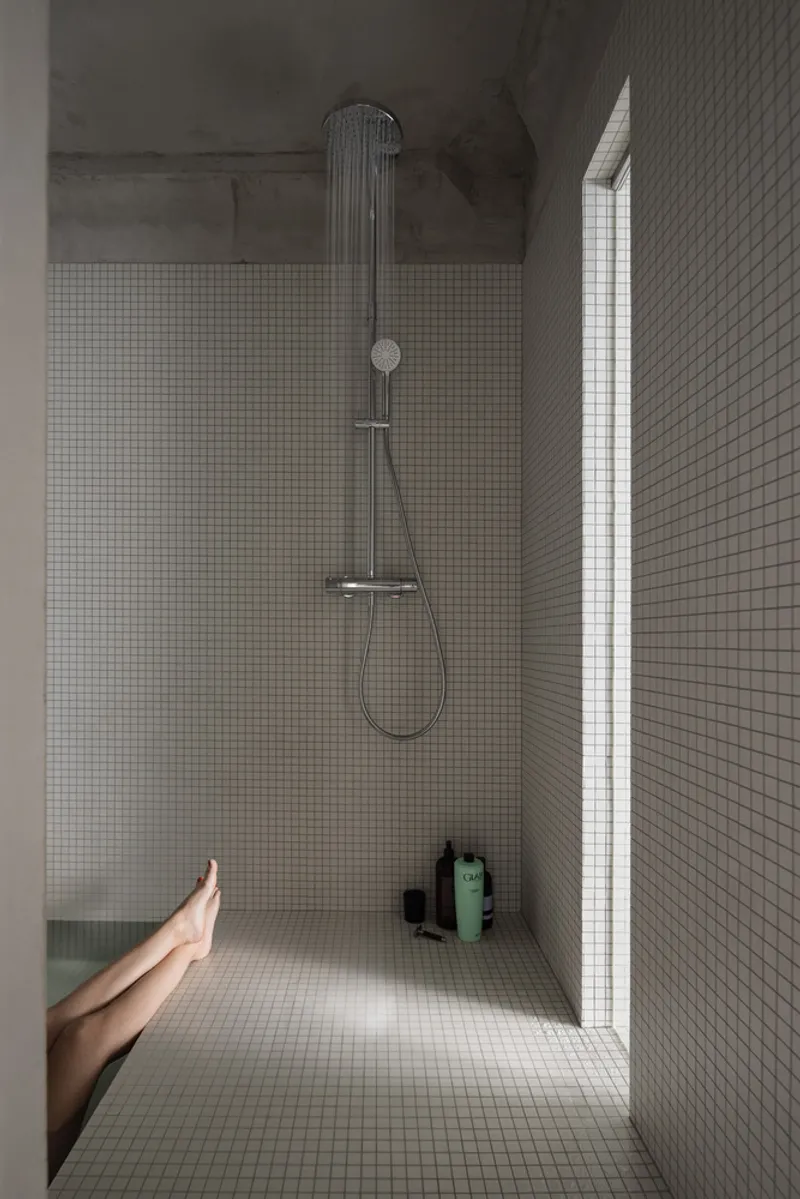
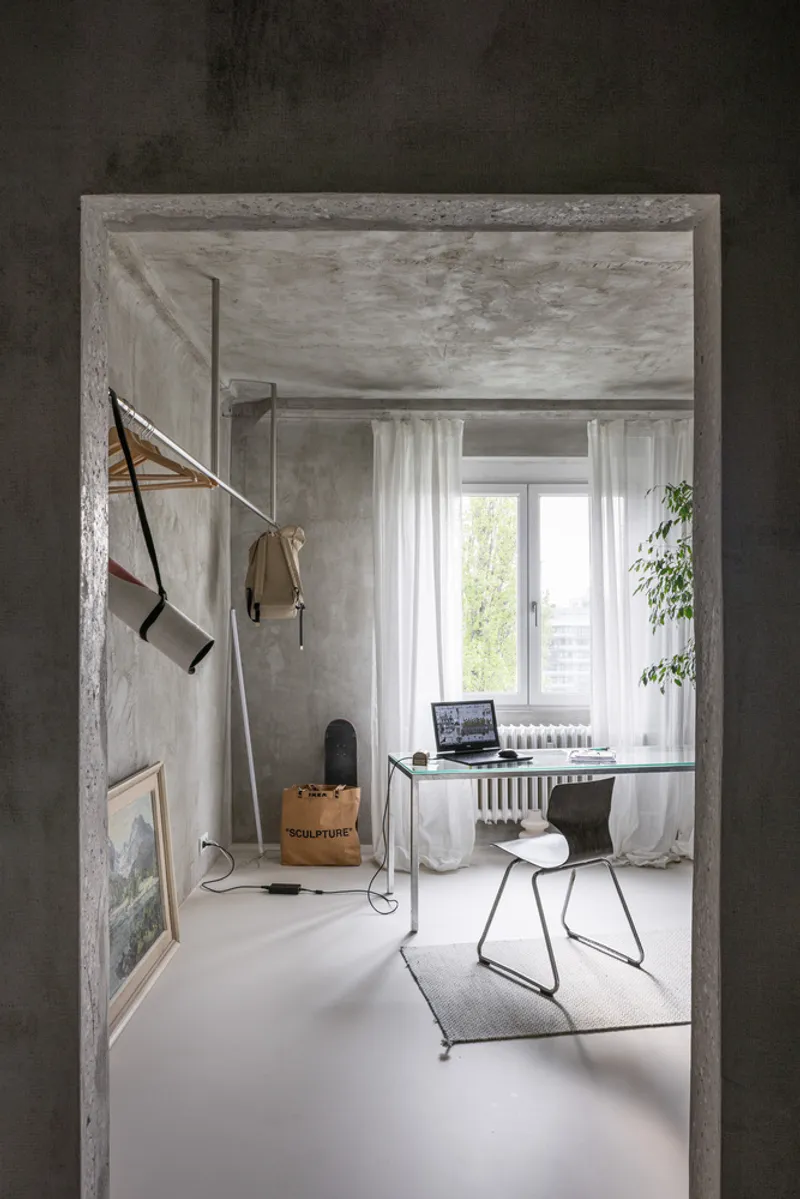
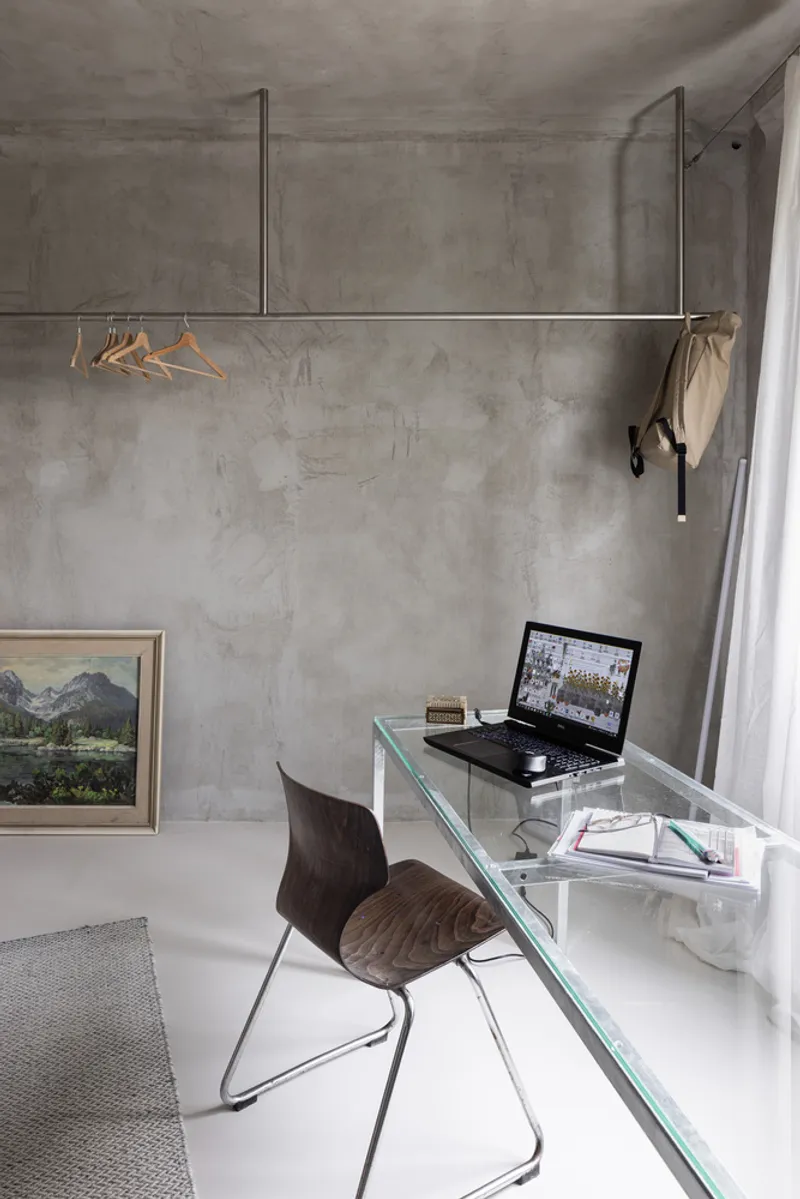
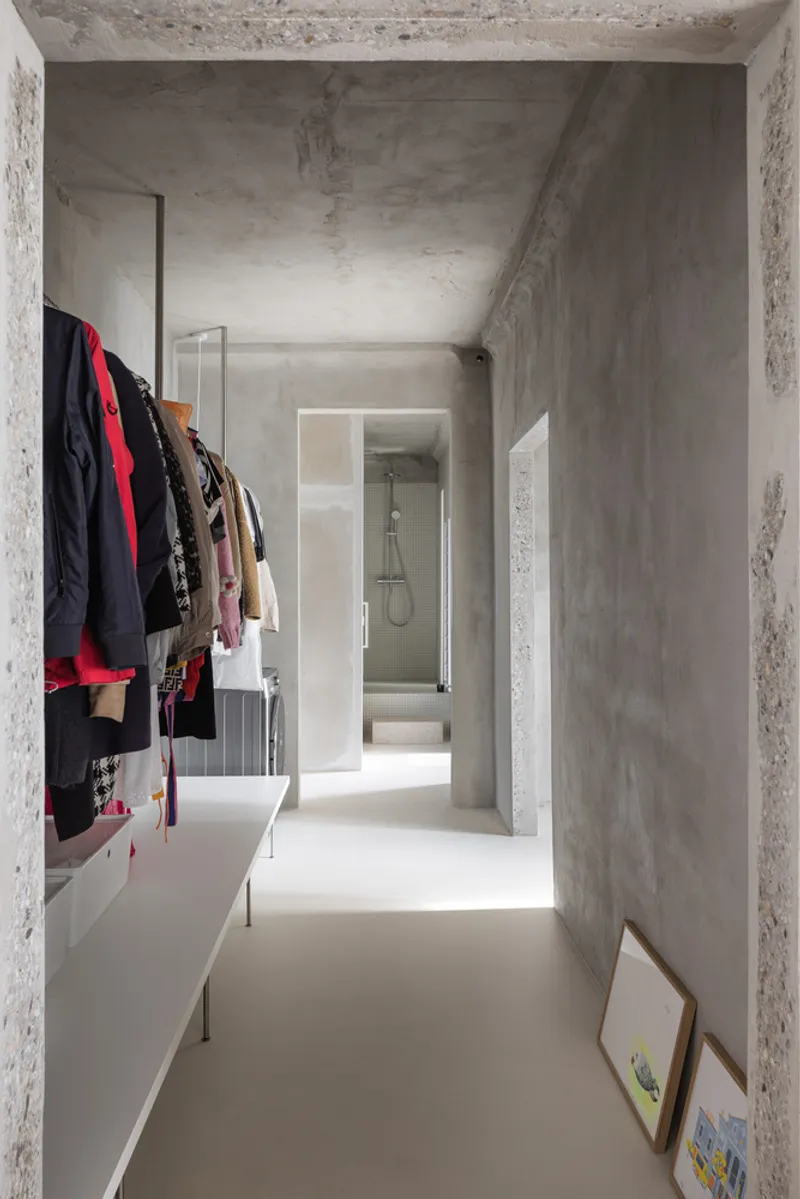
Strategic interventions, including carefully placed openings, disrupt the rigid layout. These modifications allow light to flow freely between spaces, creating visual connections and enhancing depth. This approach transforms the once segmented apartment into a cohesive and breathable environment, aligning with contemporary interior architecture trends focused on openness and adaptability.
Enhancing Light, Connectivity, and Spatial Depth
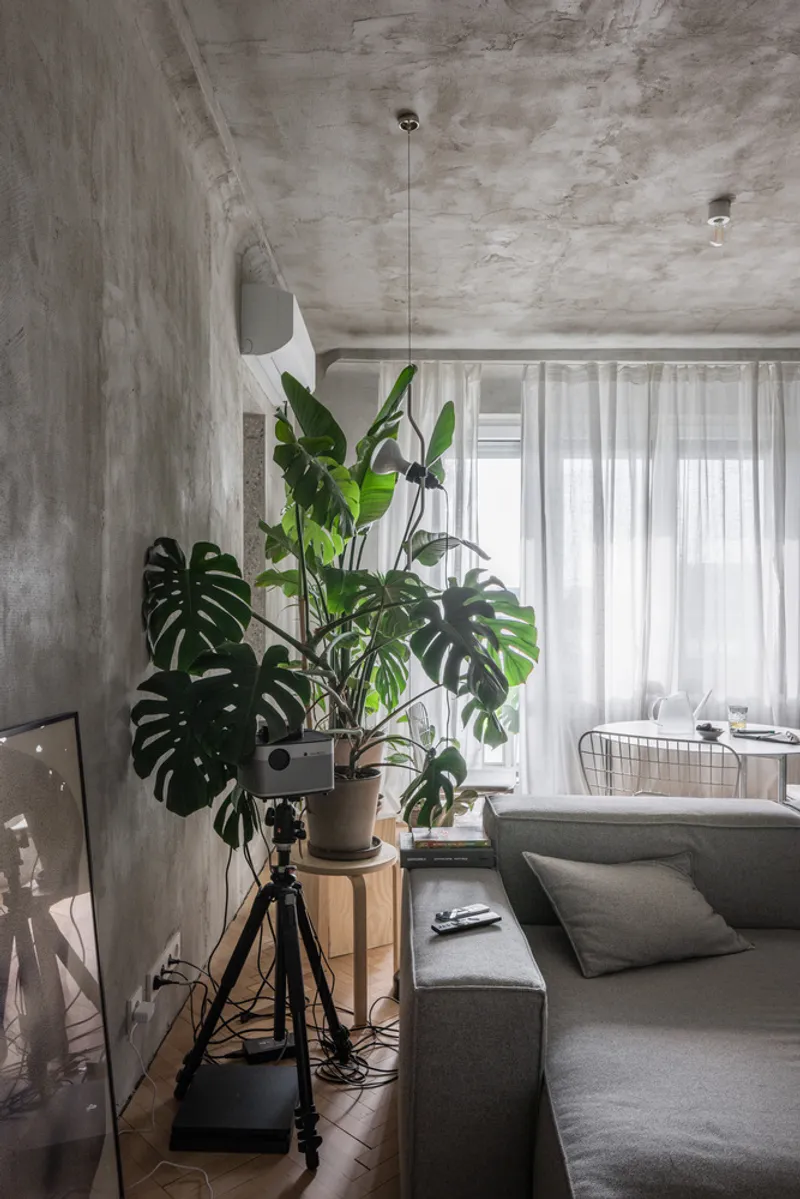
One of the most significant transformations lies in the introduction of natural light and spatial continuity. By breaking down barriers and introducing visual links, the apartment gains a renewed sense of lightness. Spaces that were once isolated now interact seamlessly, fostering a more dynamic and engaging domestic experience.
This design strategy reflects key principles of modern residential architecture, where transparency, connectivity, and multifunctionality play a central role in enhancing everyday living.
Affordable and Sustainable Renovation Strategy
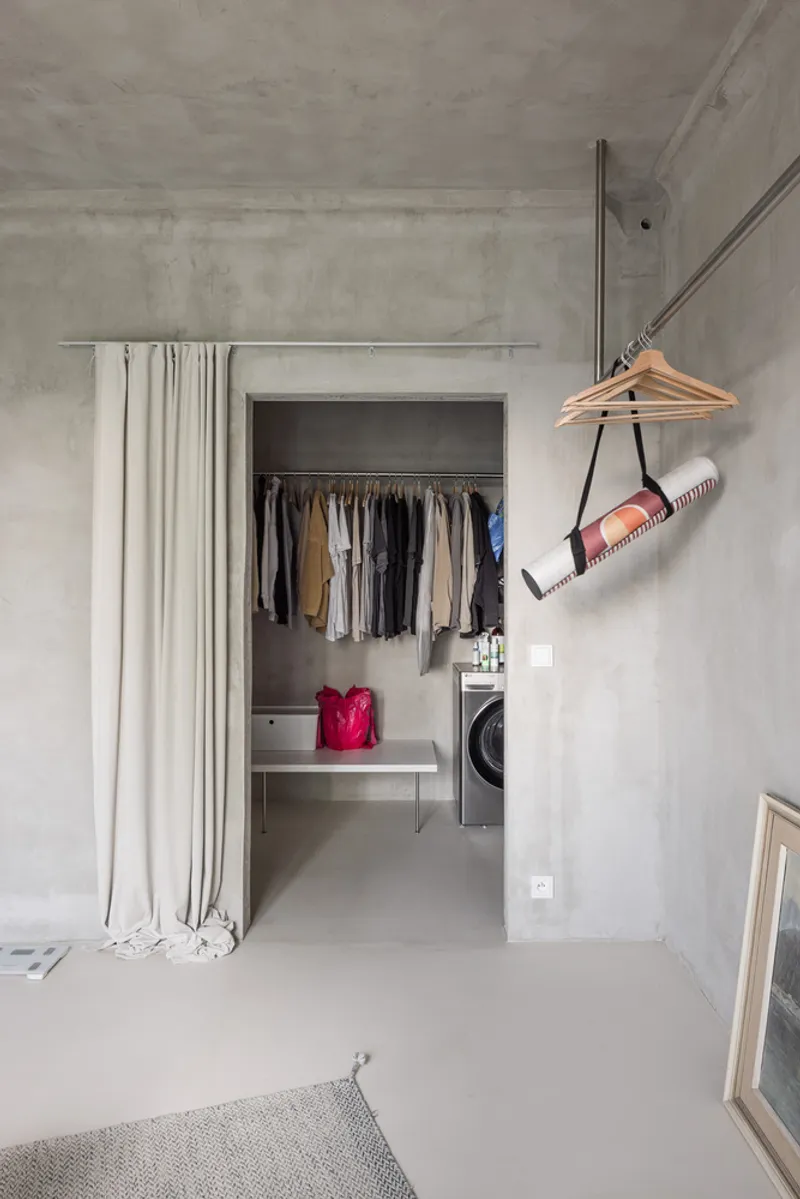
Beyond aesthetics, the project emphasizes cost-effective and sustainable renovation solutions. In a housing market where affordability is a growing concern, the architects demonstrate that existing panelák apartments can be adapted rather than replaced.
By working with the existing structure and minimizing unnecessary demolition, the project reduces material waste while preserving the building’s original framework. This approach highlights the importance of circular design and sustainable housing, offering a practical model for upgrading aging residential stock.
A New Perspective on Collective Housing
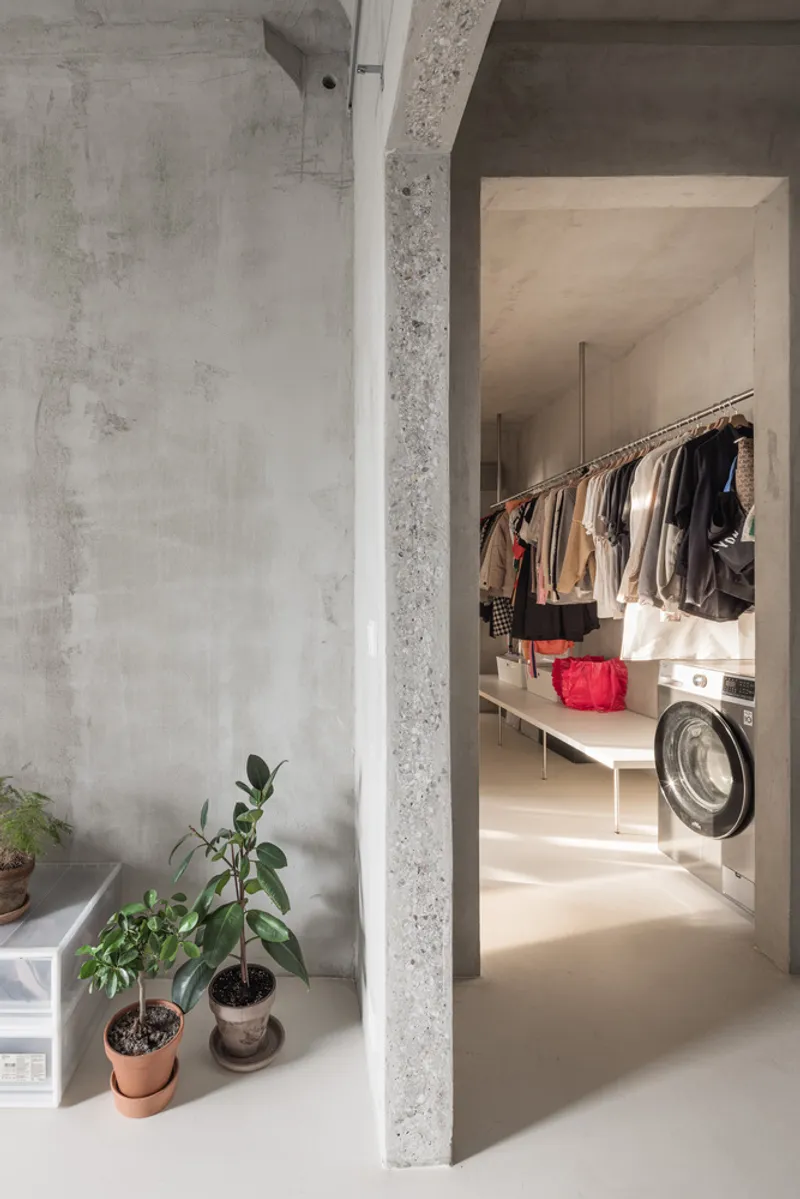
The Panelak Apartment renovation challenges the perception of slab block housing as outdated or undesirable. Instead, it positions these buildings as valuable resources capable of meeting modern living standards through thoughtful design interventions.
Kilo and Honc’s work underscores the potential of urban apartment renovation to address contemporary housing challenges while preserving architectural heritage. The project ultimately advocates for a more sustainable and adaptable future for collective housing environments.
All photographs are works of
Matej Hakár



Popular Articles
Popular articles from the community


The Musturak Paradise: Senior Living Architecture for a Connected Future in Temara, Morocco
The Musturak Paradise reimagines senior living architecture in Temara via private homes, social spaces, culture, community, and shared care.

Riyadh For All: Intergenerational Urban Design for Active Aging in Rabat
Riyadh For All reimagines urban design in Rabat with intergenerational co-living, adaptive courtyards, and Moroccan cultural exchange today.

Co-Life: Senior Housing Design That Reconnects Older Adults With the City
Co-Life reimagines senior housing design through healing gardens, shared streets, workshops, and a sustainable community across generations.

Co-life: Sustainable Architecture for Age-Friendly Community Living
Co-life reimagines sustainable architecture for seniors through courtyards, rammed earth, shared gardens, and spaces designed for belonging.


Similar Reads
You might also enjoy these articles


FAMM Arquitectura Organizes Ten Villas Around Courtyards and Jungle in Nosara, Costa Rica
El Molino pairs two elongated volumes with deep overhangs and timber louvers to build a compact coastal community five minutes from the beach.

Oscar Niemeyer's Ibirapuera Park Pavilions Define São Paulo's Cultural Identity in Concrete and Curve
A constellation of modernist volumes set within São Paulo's most important urban park, conceived for the city's 400th anniversary in 1954.
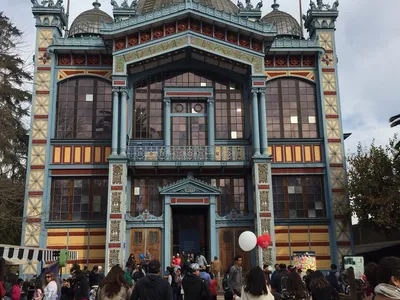
How Henri Picq's 1889 Paris Pavilion Traveled 11,000 Kilometers to Become Santiago's Artequín Museum
A prefabricated iron and glass pavilion built for the Paris Universal Exposition found a second life as a children's art museum in Chile.

Sanjay Puri Architects Wraps a Jaipur Office Tower in Capsule-Shaped Green Buffers
A nine-level climate-responsive workplace near Jaipur Airport uses stacked planter terraces and aluminium screens to fight 40°C heat.

Explore Architecture Competitions
Discover active competitions in this discipline



Challenge to reimagine the Iron Throne


Photograph architecture without architects


Illustrate the lost glory of Angkor Wat - Render Challenge


Design challenge to reuse E-waste
Comments (0)
Please login or sign up to add comments
No comments yet. Be the first to comment!