PRAVAHA: The Flow of Life
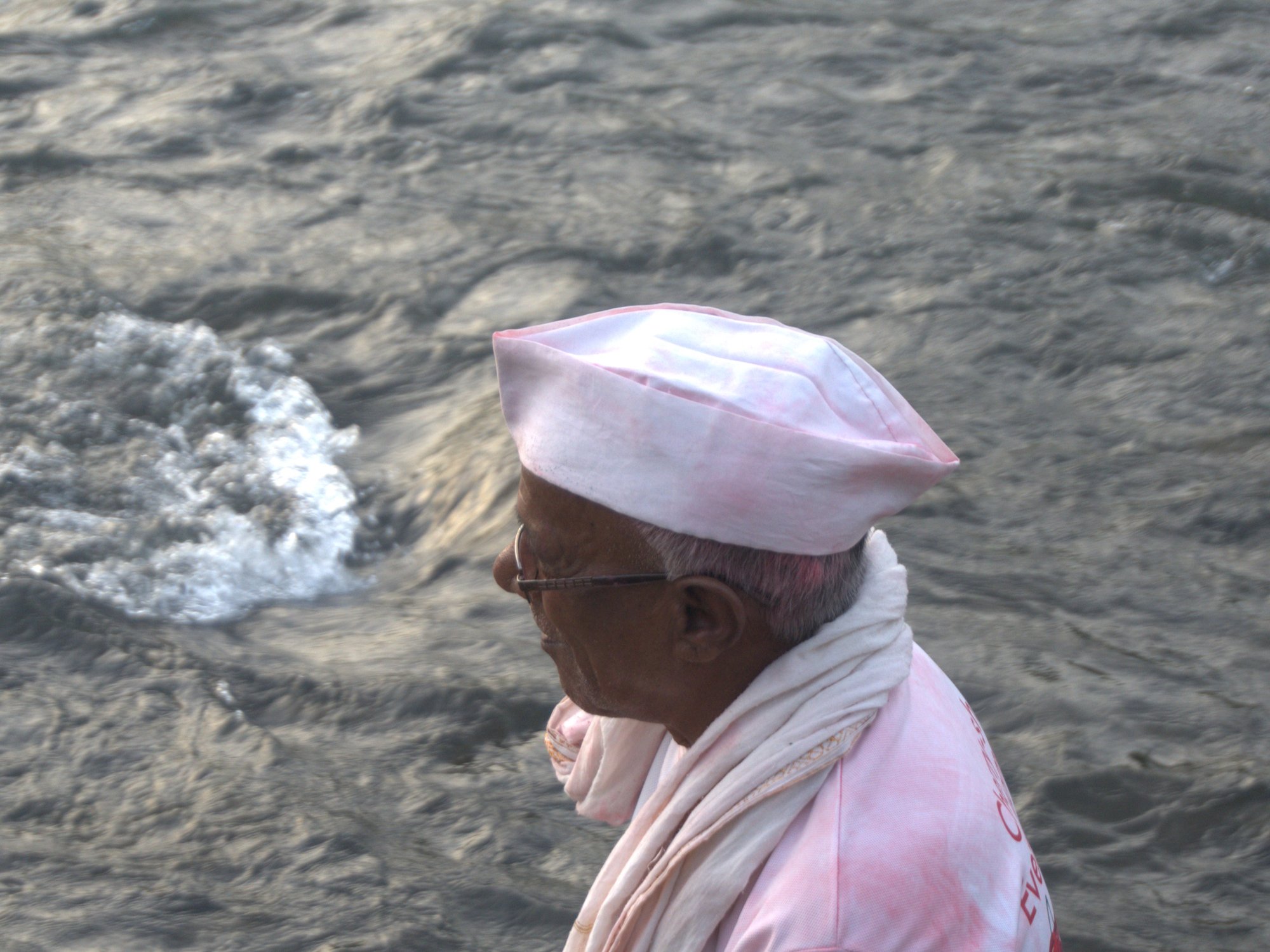
In Poladpur, water is life, memory, and culture. PRAVAHA reimagines architecture as a flow—where water, community, and tradition come together to restore connection and resilience.


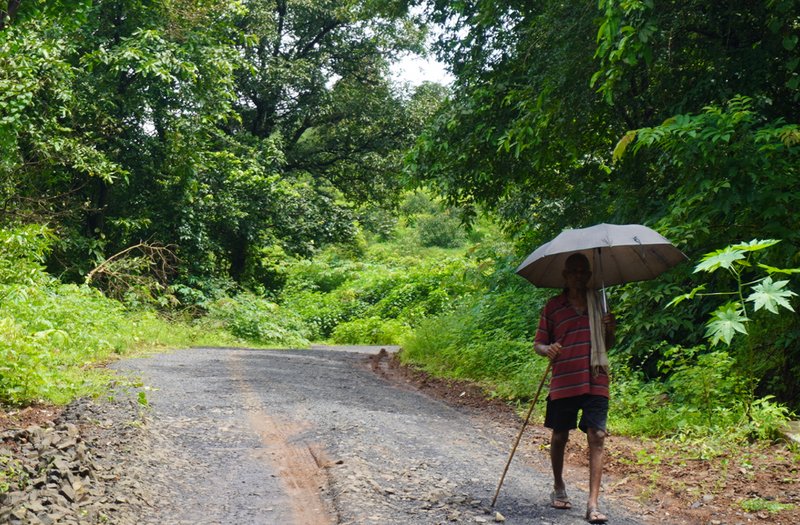
In Poladpur, life moves with the rhythm of water. Dawn begins with women carrying earthen pots along winding paths, their footsteps tracing the invisible pulse of the land. Farmers walk barren fields, reading hope in the soil and clouds, while children chase streams that vanish as quickly as they appear. Water is fragile here, slipping through hands and memory alike, yet it is the measure of all existence.
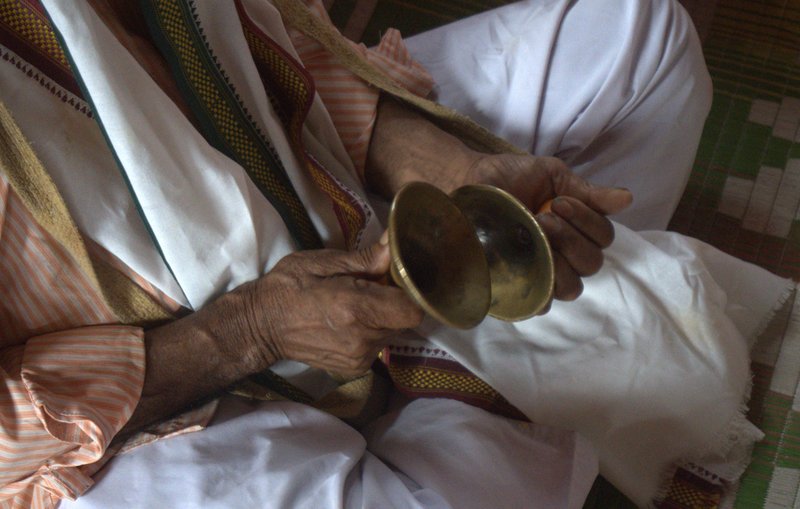
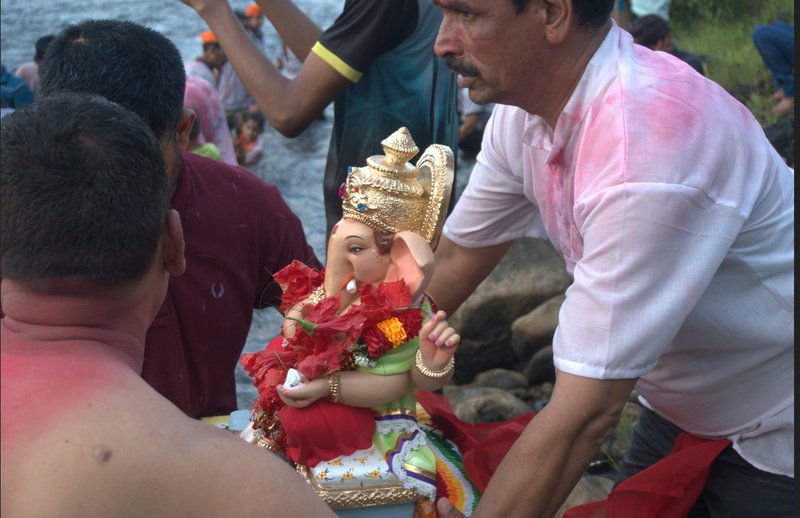
Once, the villages celebrated water as the lifeblood of ritual and joy. Ganesh idols found their way to rivers and ponds, the palki of Lord Vitthal moved through streets alive with song, and the Hari Naam Saptaha echoed across homes. Today, these traditions persist only as whispers. Scarcity has fractured rhythms, yet the spirit endures, carrying memories of ponds that shimmered under moonlight and stepwells that gathered communities in shared purpose and reflection.
It is in response to this delicate paradox that PRAVAHA emerges. It is not merely a building, but a Water–Community Hub, where architecture flows as freely as water itself, linking ecology, culture, and human life. Stepped reservoirs become spaces of congregation; open courtyards host markets, storytelling, and celebration; rainwater systems and recharge wells quietly restore the earth, inviting life back to the land. The site is imagined as porous and open—walls dissolve, animals roam freely, native trees call back birds, and the landscape gradually breathes as a living forest.
Here, water is more than survival—it is memory, reflection, and continuity. Architecture becomes a vessel for life, carrying the stories, struggles, and dreams of Poladpur’s people. PRAVAHA honors voices often unheard—farmers, women, youth—ensuring their needs shape the spaces they inhabit. Local materials and traditional wisdom root the design in identity while sustaining livelihoods and craftsmanship.