Preserving Metabolism Architecture: The Renovation of Shizuoka Shimbun Tokyo Branch Office
The Shizuoka Shimbun Tokyo Branch Office renovation preserves Metabolism architecture through structural reinforcements, façade restoration, and modernized interior enhancements.


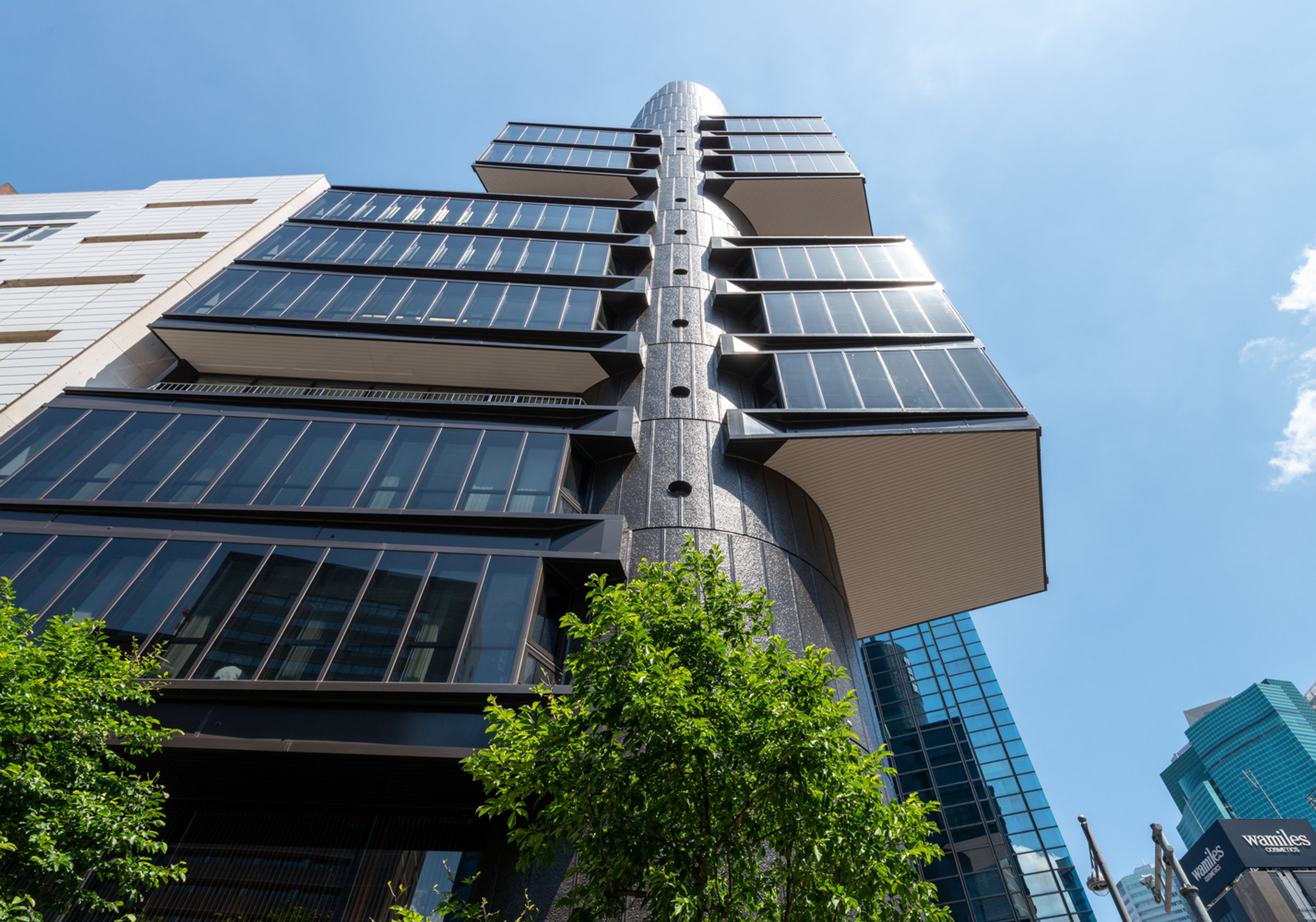
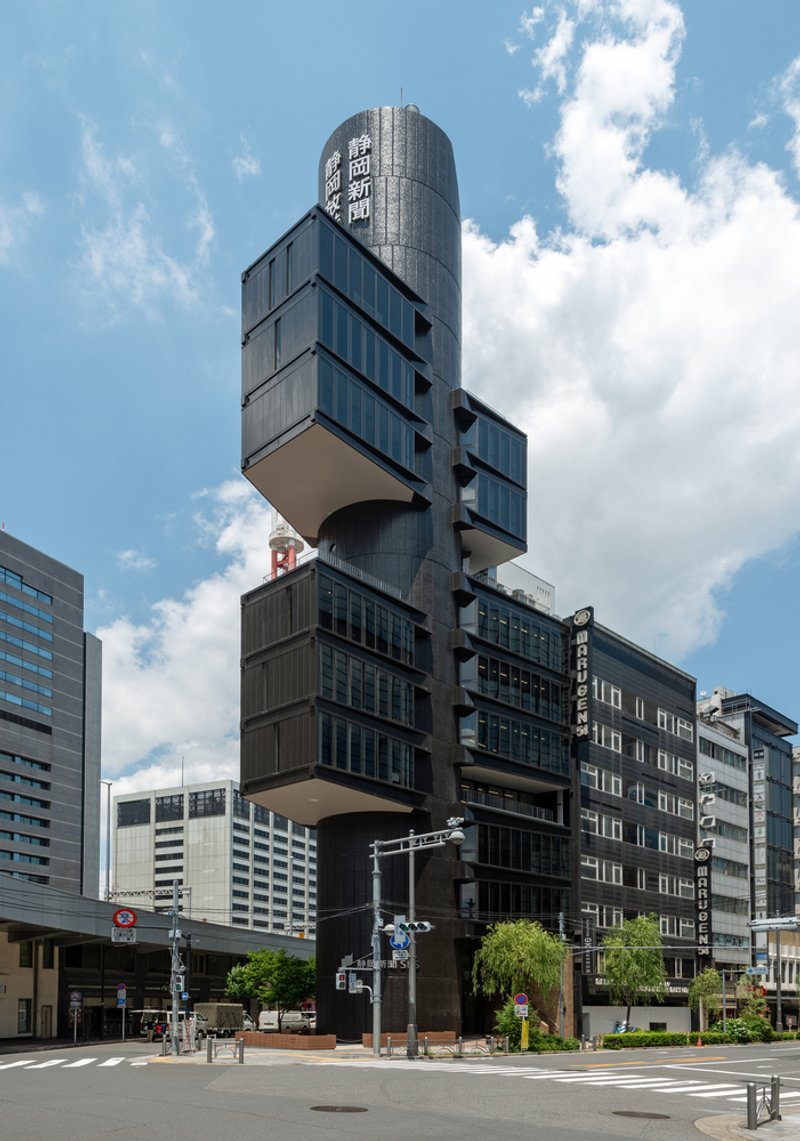
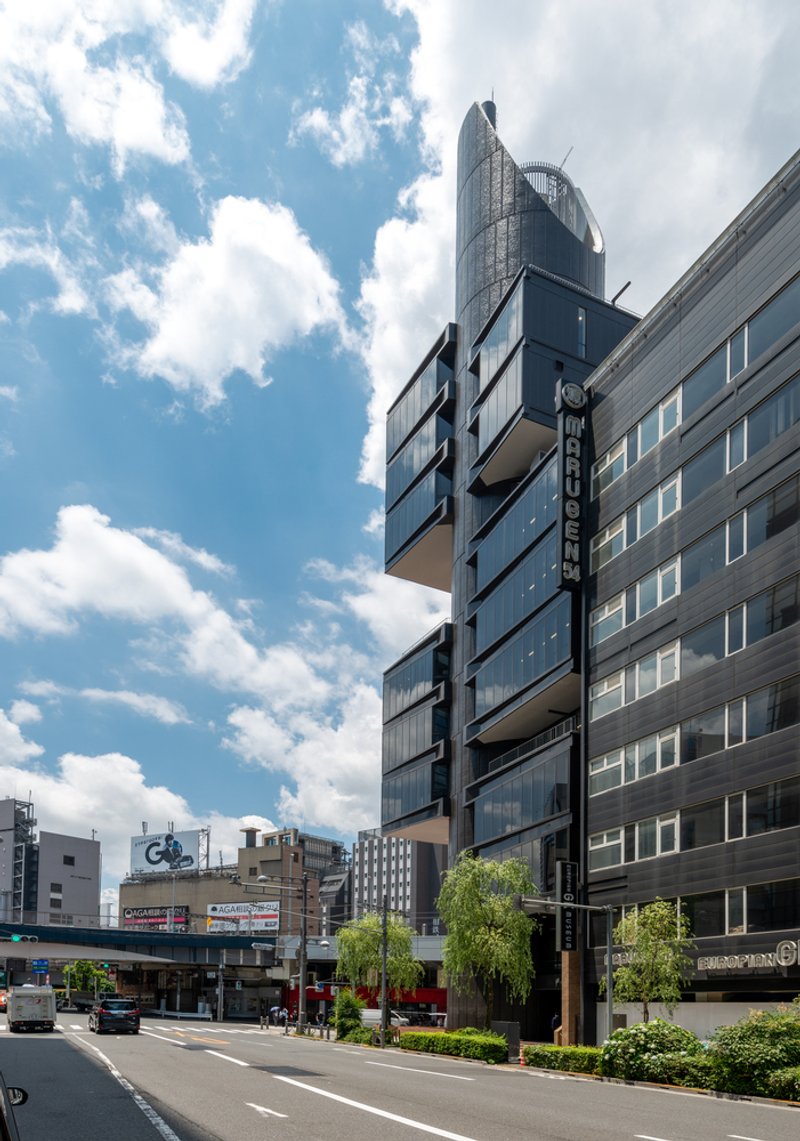
The Shizuoka Shimbun Shizuoka Broadcasting System Tokyo Branch Office renovation stands as a significant milestone in preserving Metabolism architecture. Originally built in 1967 and designed by Kenzo Tange, the building exemplifies Japan’s post-war architectural innovation, where modular expansion and adaptability were central themes. The recent renovation by TAISEI DESIGN Planners Architects & Engineers ensures the building's longevity while maintaining its iconic architectural identity. This project merges past and present, reinforcing structural integrity, enhancing functionality, and revitalizing the design for contemporary use.
The Architectural Legacy of Metabolism
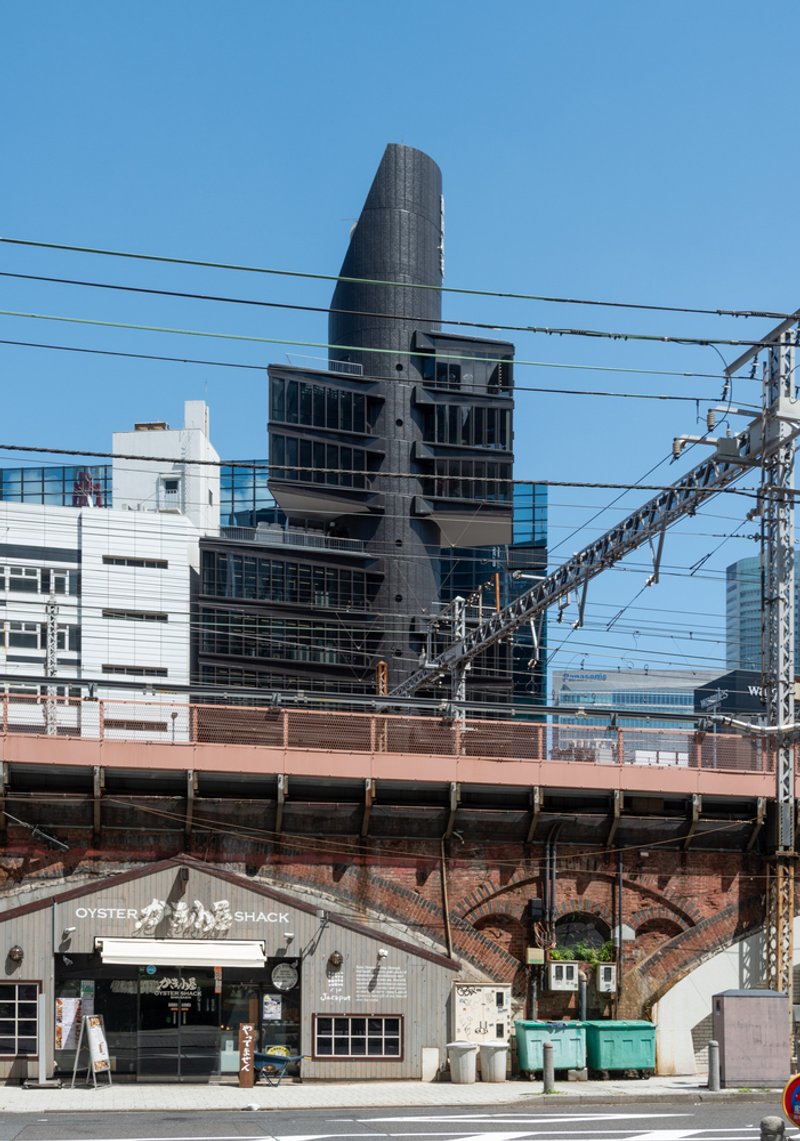
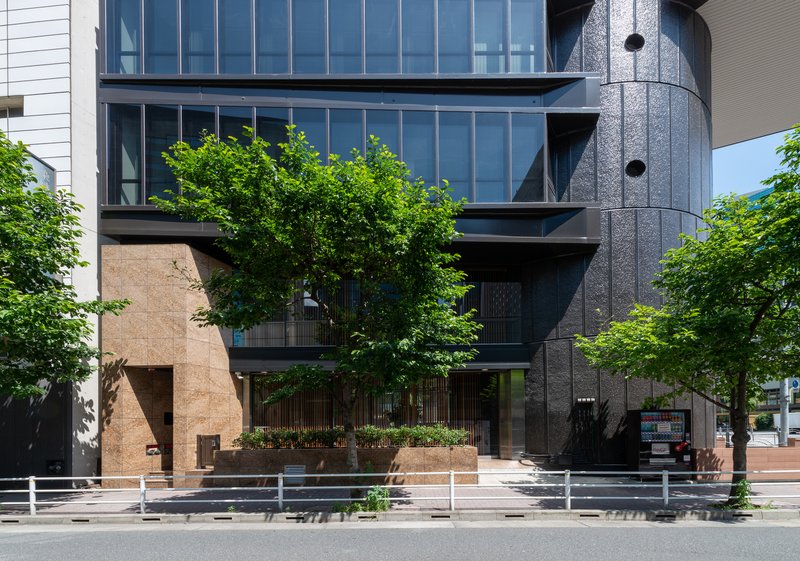
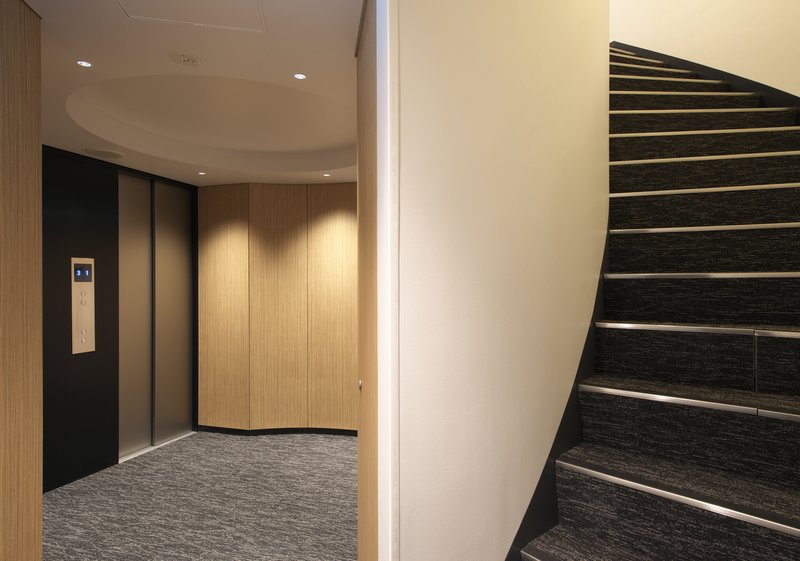
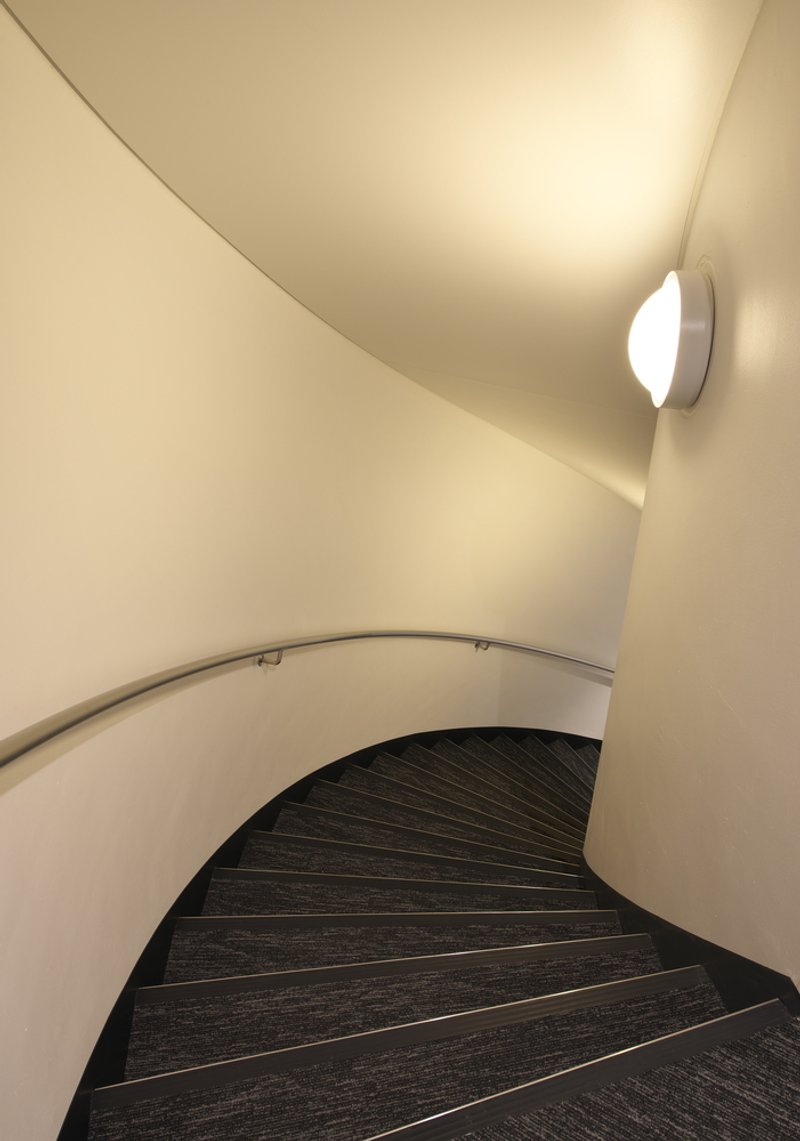
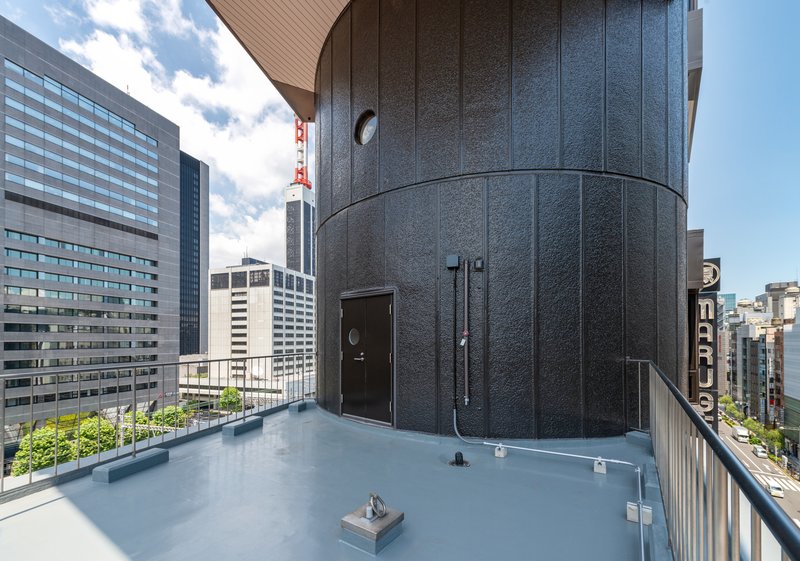
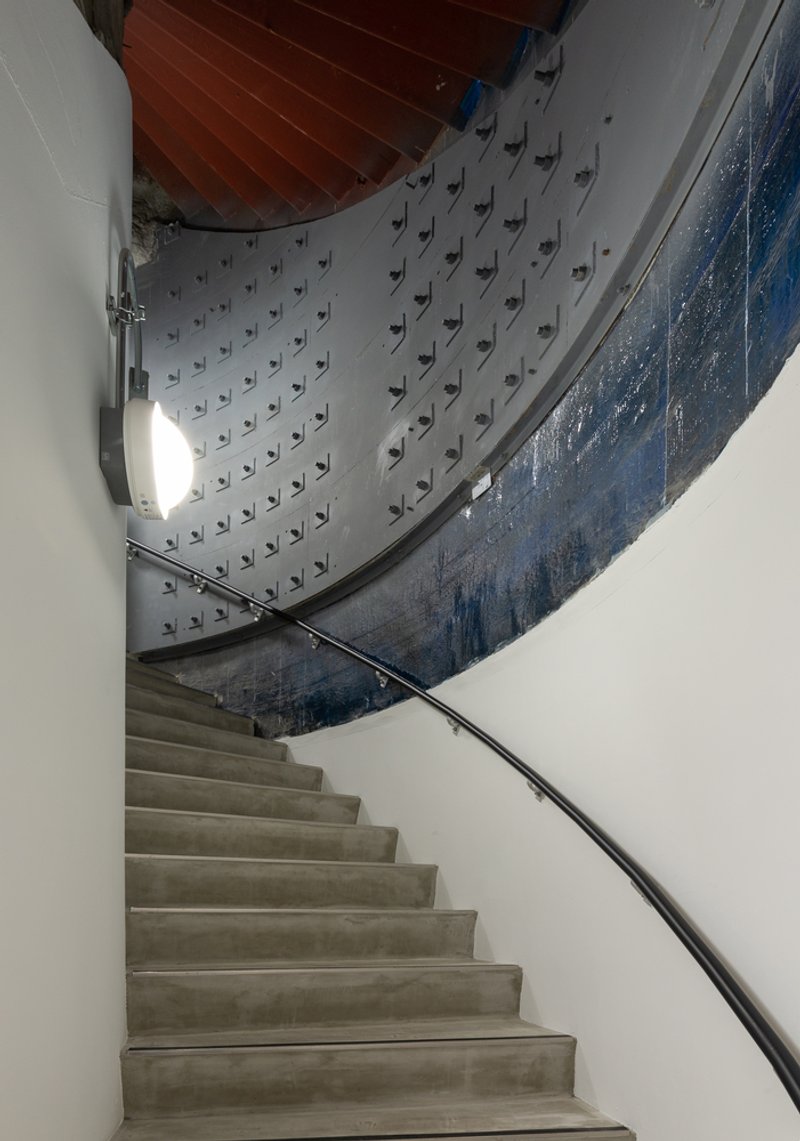
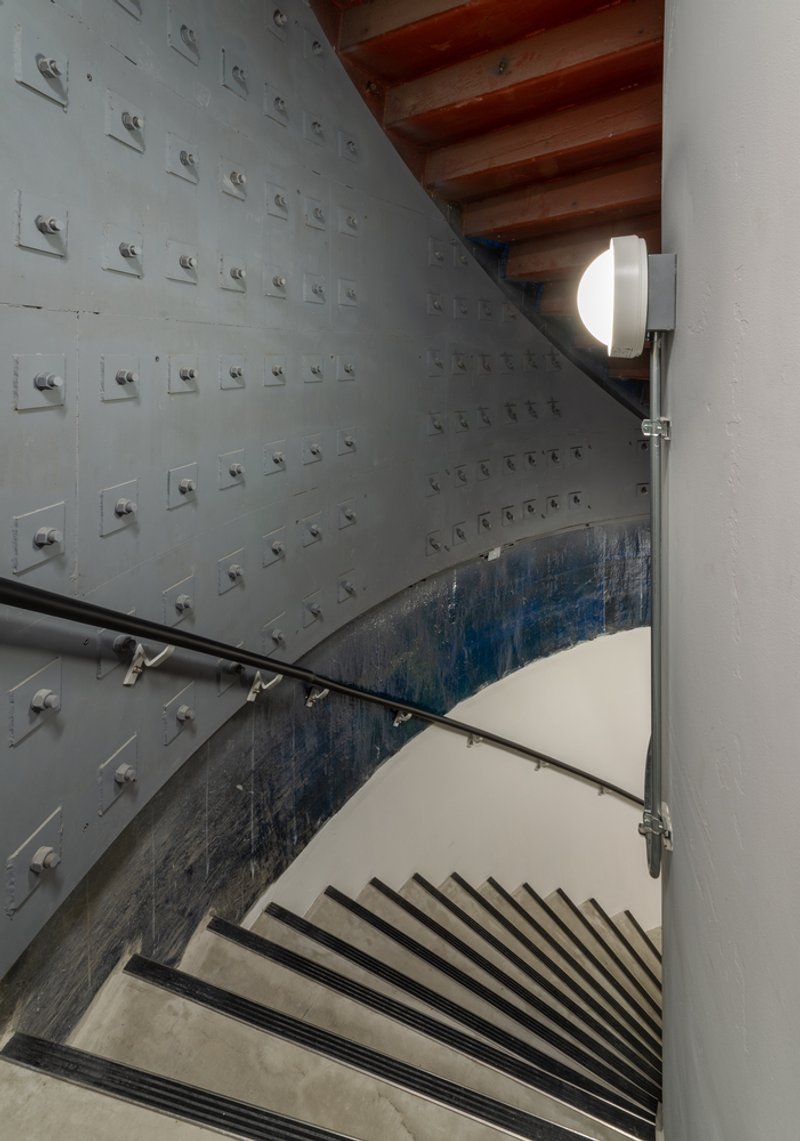
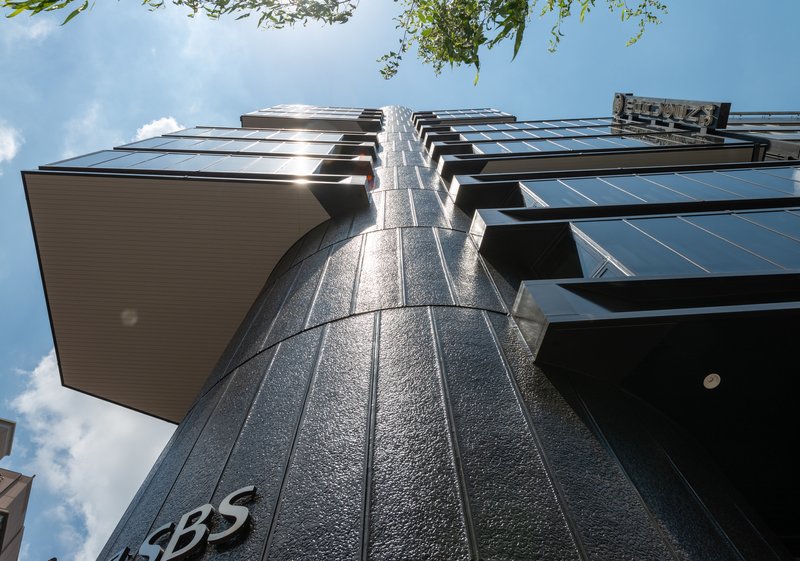
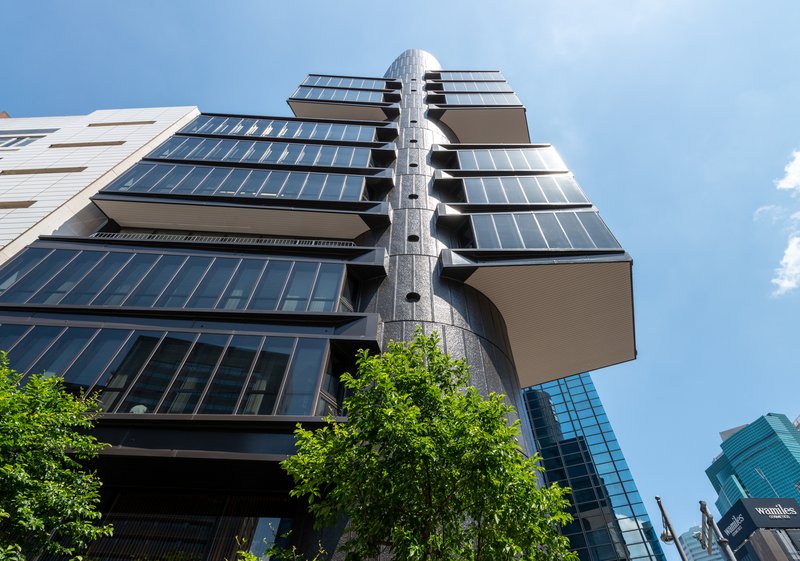
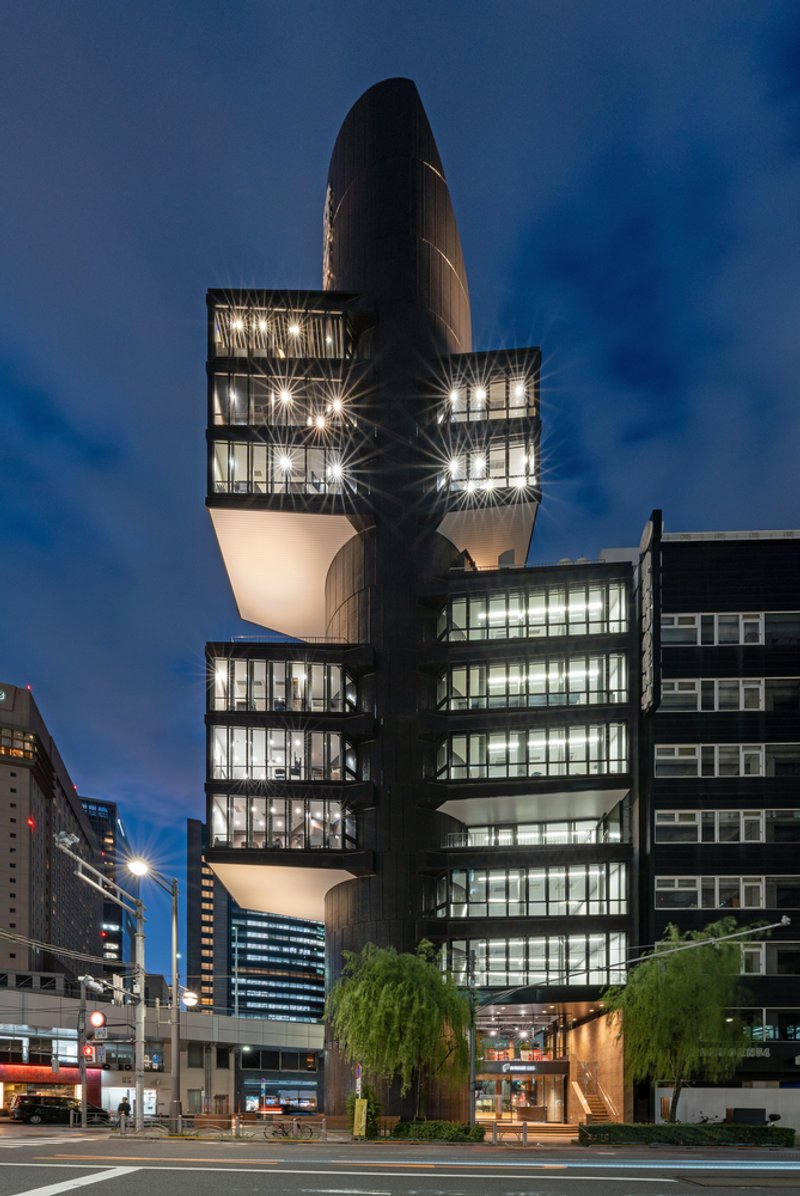
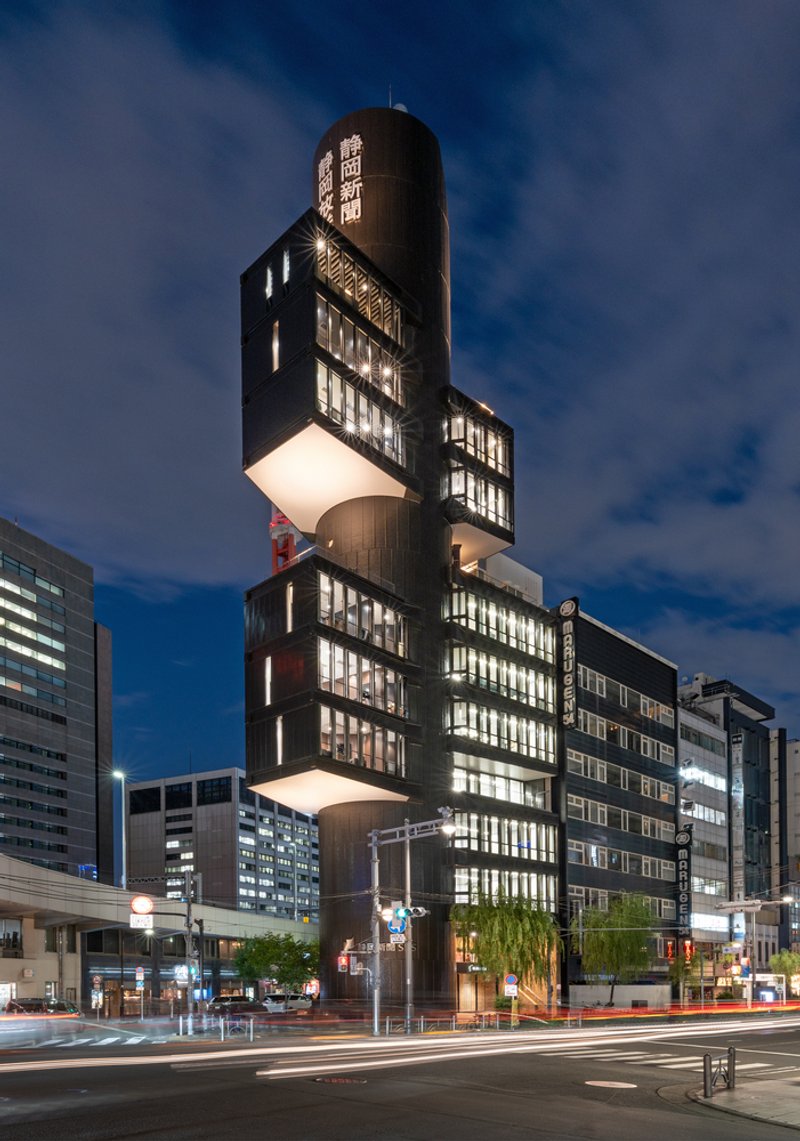
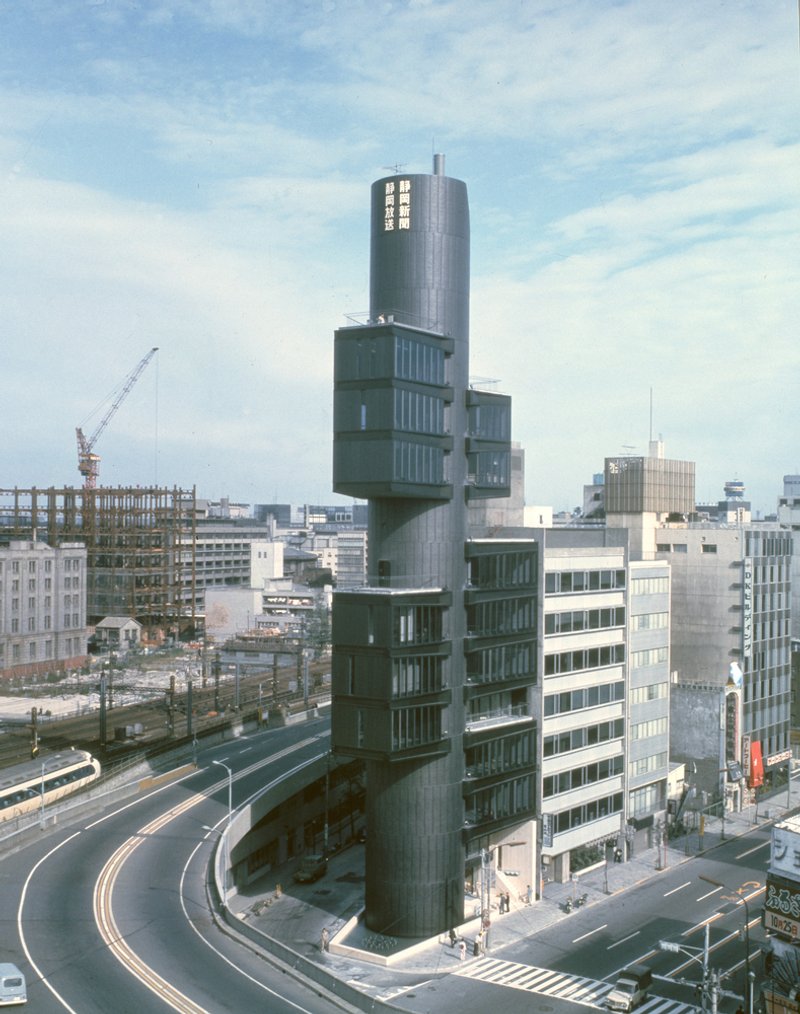
Metabolism was a post-war Japanese architectural movement that championed flexible and organic urban structures. This ideology is reflected in the Shizuoka Shimbun Tokyo Branch Office’s unique cylindrical core, which houses the building’s vertical circulation, including stairs, elevators, and mechanical systems. The office spaces extend outward, creating a distinctive form that exemplifies Metabolism’s emphasis on modular expansion.
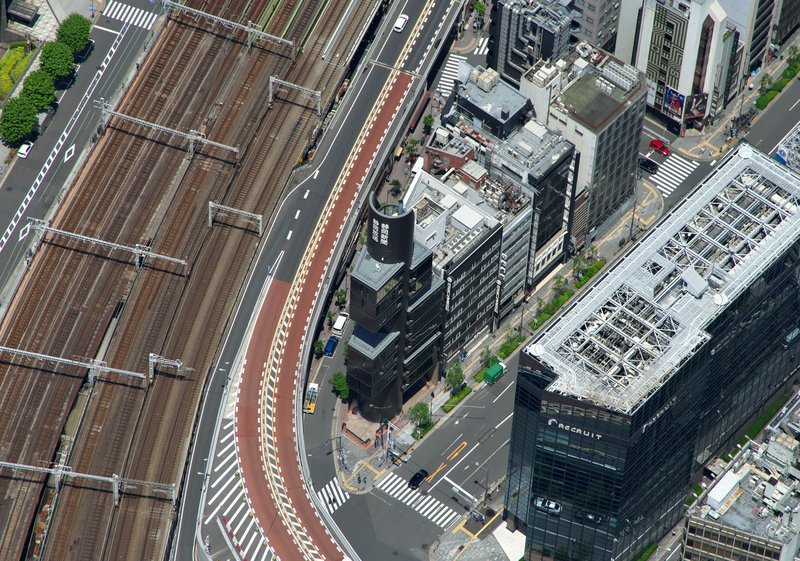
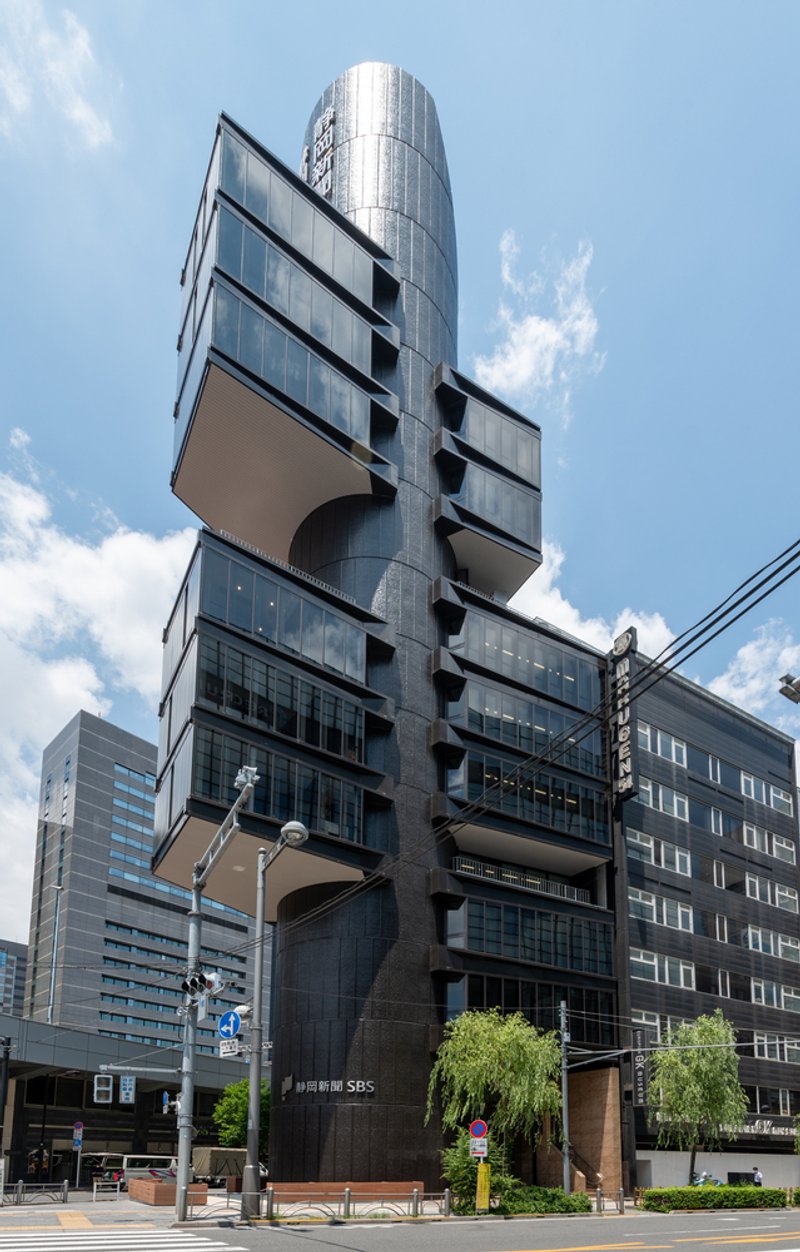
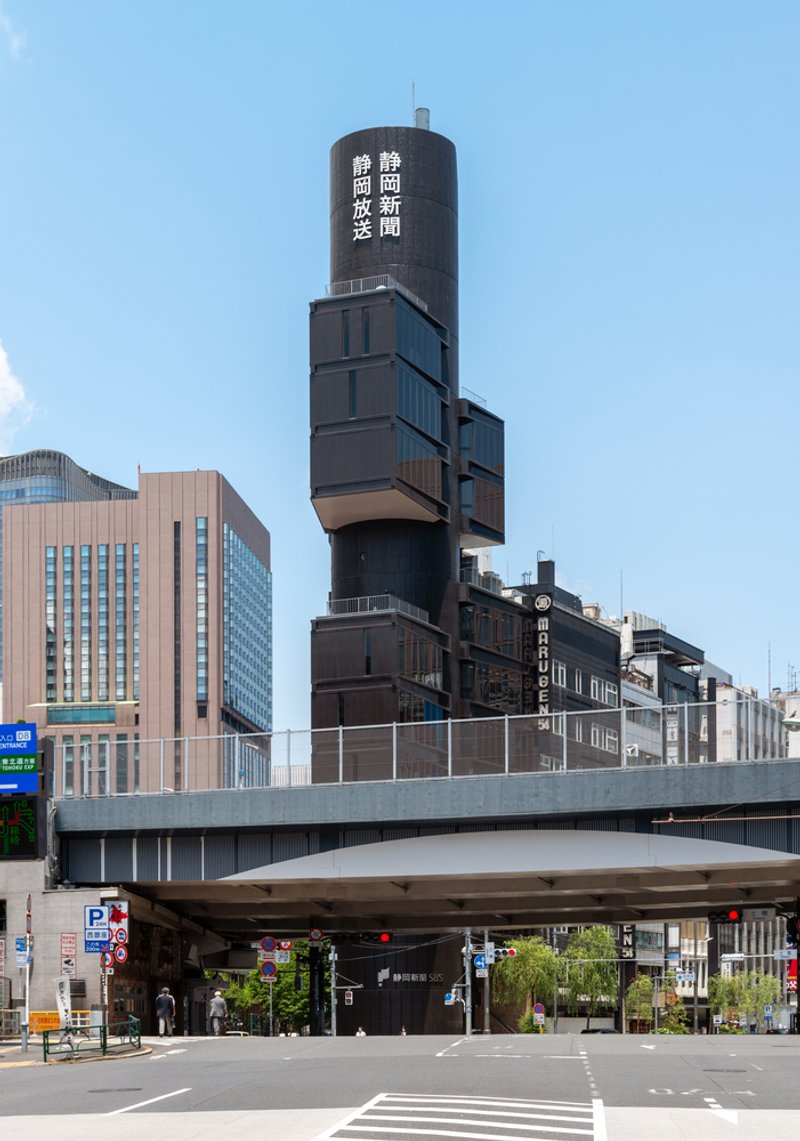
Kenzo Tange’s original design responded to the rapid economic growth of the era, offering an architectural solution that balanced functionality with an expressive form. The renovation project sought to respect this legacy while upgrading the building’s structural and spatial elements to meet modern standards.
Structural Reinforcement and Seismic Upgrades
One of the primary challenges in renovating a Metabolism-era building is balancing preservation with necessary structural reinforcements. Given the unique load-bearing system, a careful seismic retrofitting plan was implemented. Engineers conducted a detailed seismic response analysis to identify vulnerable areas.
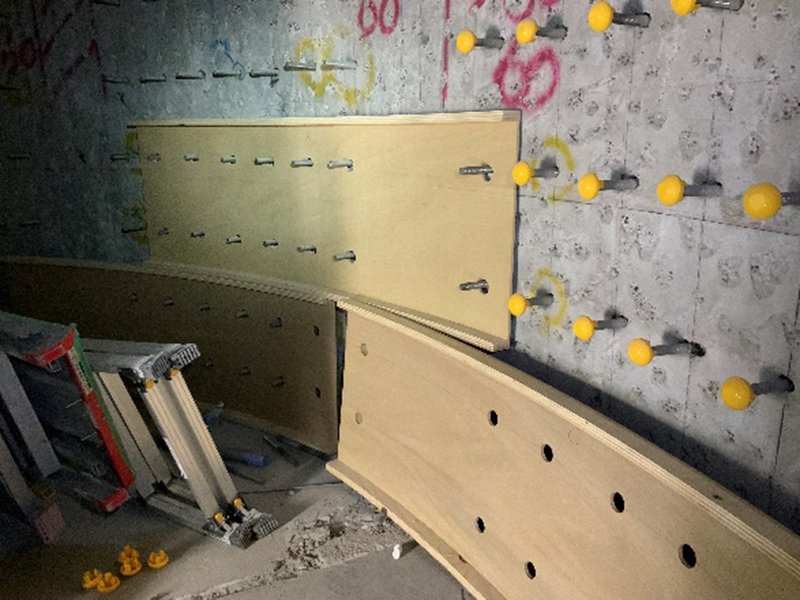
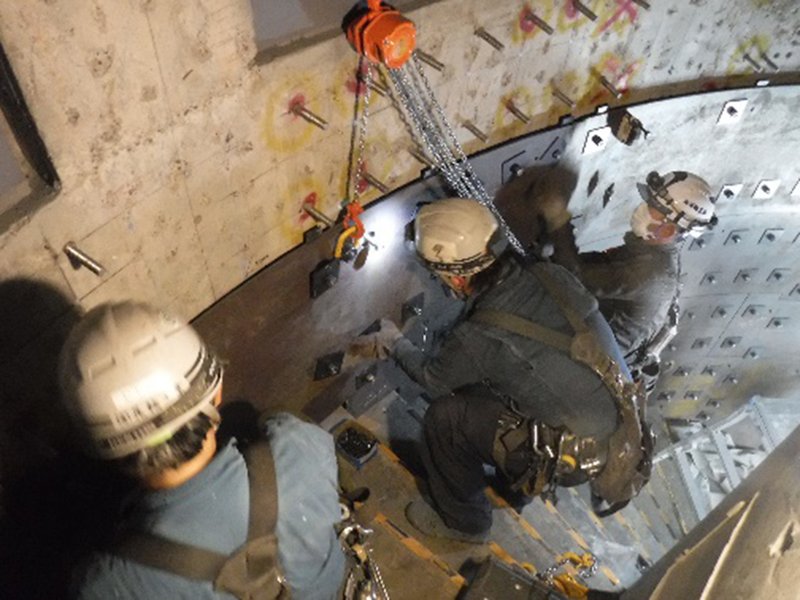
The core structure was strengthened using carbon fiber sheets applied to the lower sections of the cylindrical core wall, reinforcing bending resistance. Additionally, thin steel plates were installed across the first to fifth floors, significantly improving shear resistance. These enhancements allow the building to withstand seismic activity while maintaining its original form.
Restoring the Exterior with Historical Accuracy
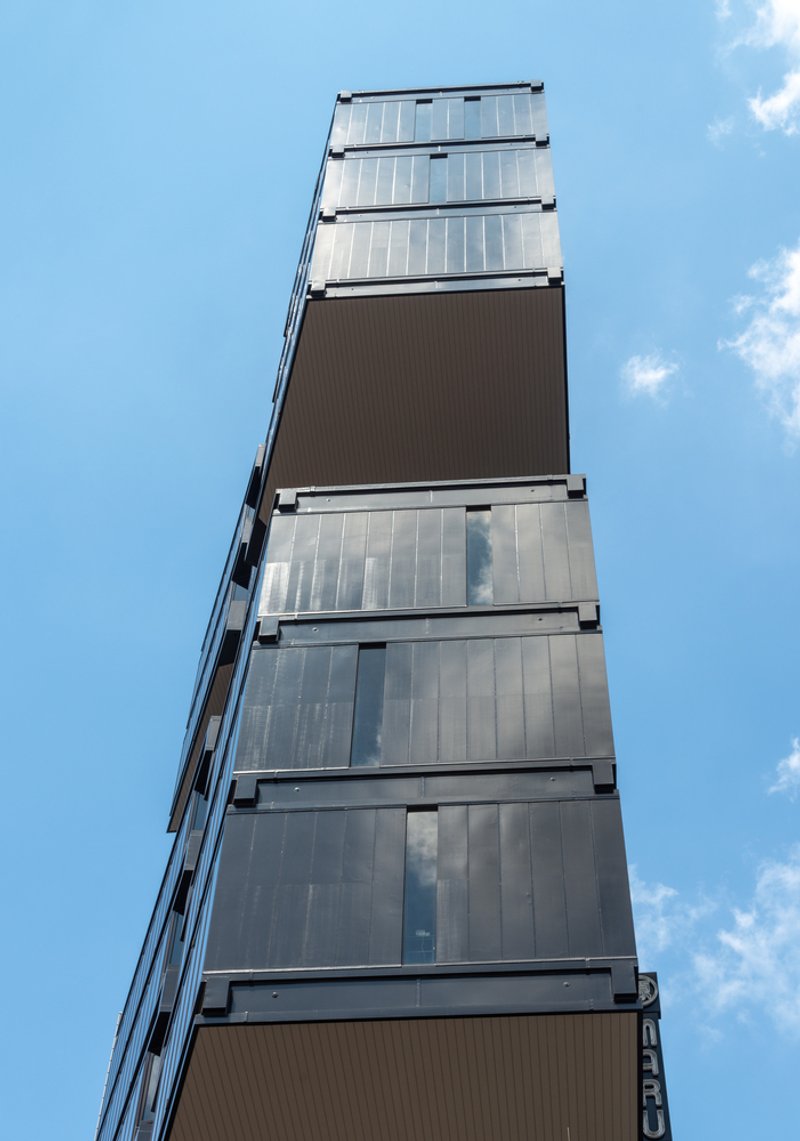
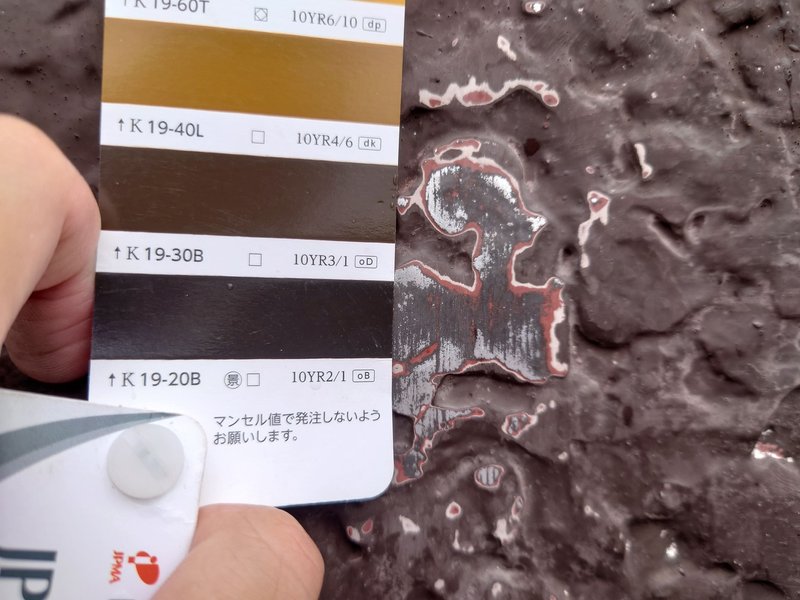
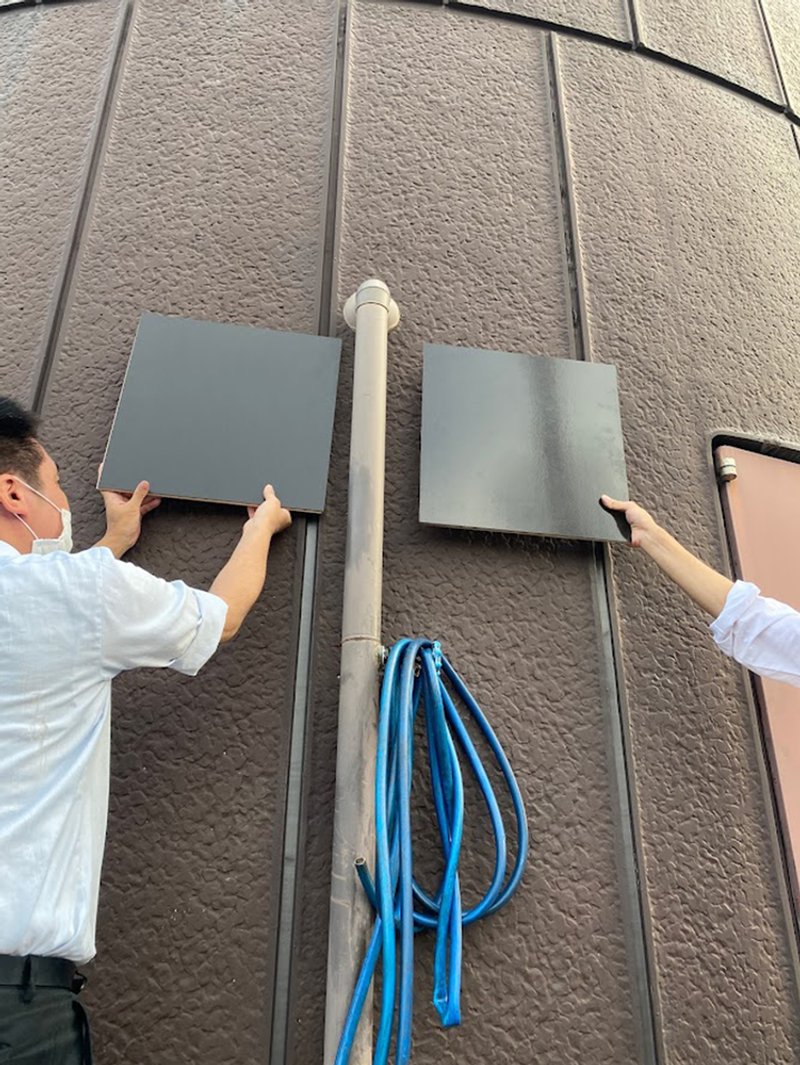
A crucial aspect of the renovation was restoring the façade to reflect its original 1967 appearance. This process involved extensive paint analysis, comparing historical photographs and documented color schemes to accurately replicate the building’s original hues.
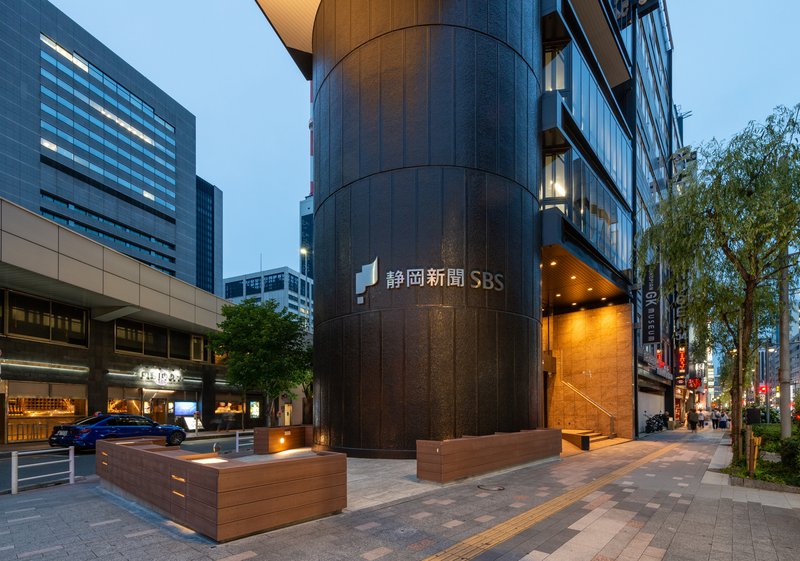
Additionally, lighting design played a pivotal role in the exterior revitalization. The cylindrical structure and the underside of the eaves were illuminated with LED lighting, enhancing the building’s nighttime presence. The result is a structure that not only honors its historical significance but also asserts itself as a contemporary landmark in Ginza.
Interior Enhancements for Modern Workspaces
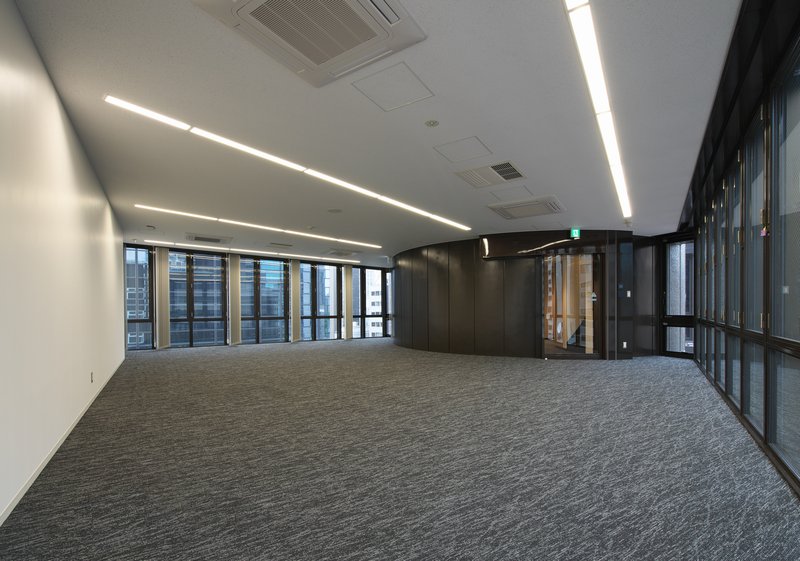
The renovation introduced significant upgrades to the interior, ensuring that the workspace meets contemporary needs while maintaining its architectural integrity.
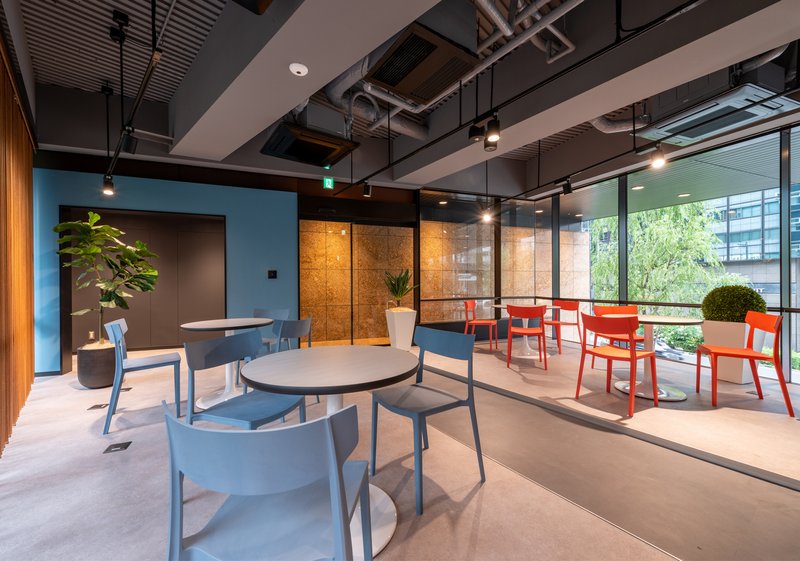
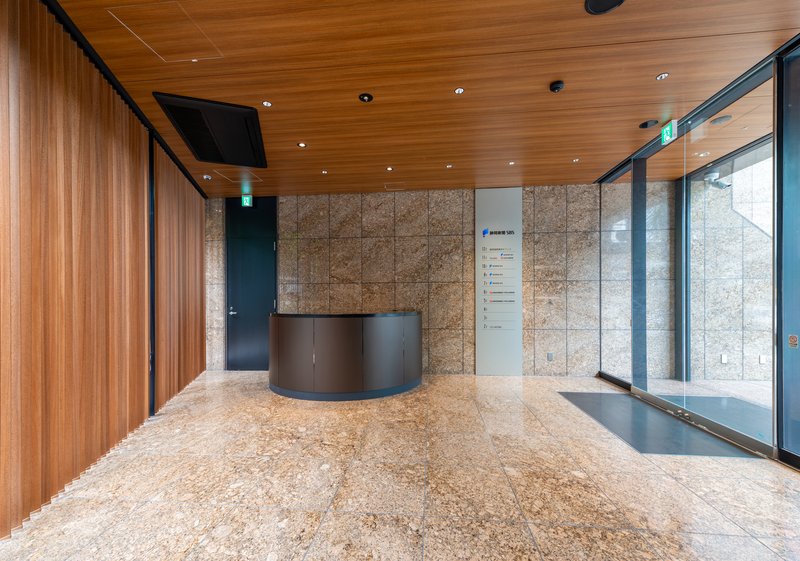
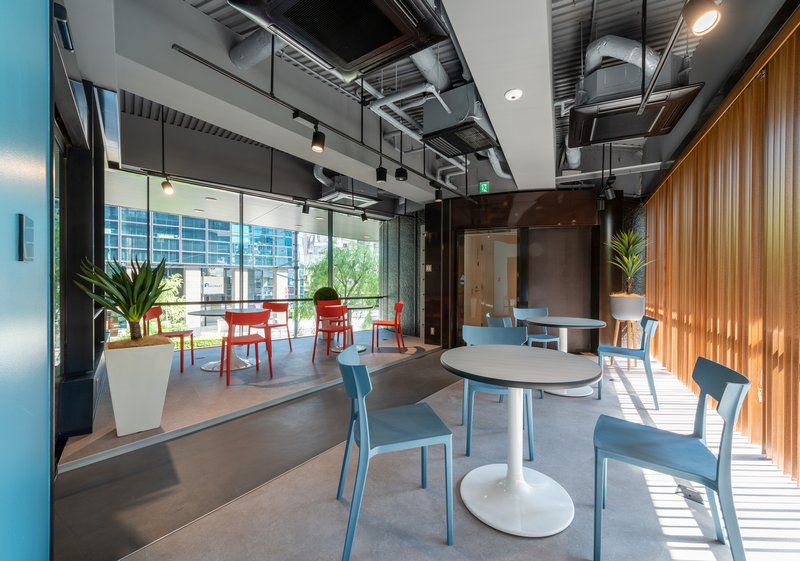
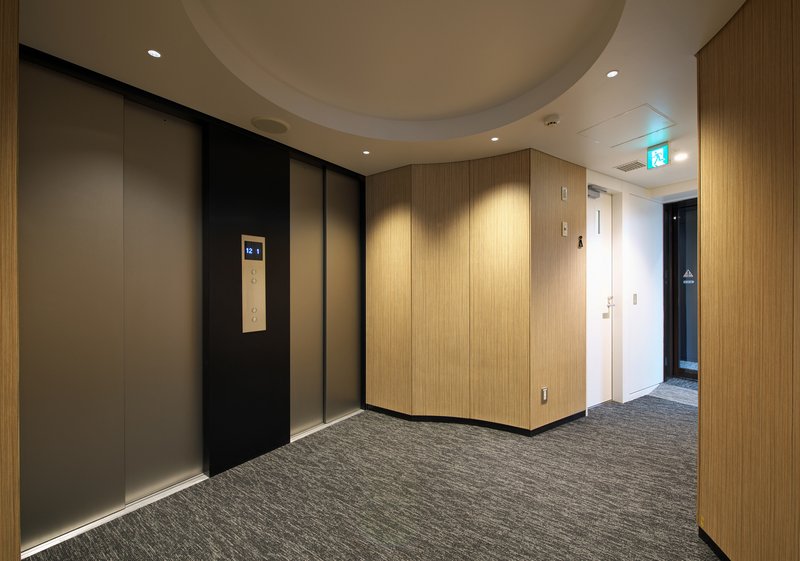
Security systems were modernized, and business continuity planning (BCP) measures were incorporated, ensuring resilience in emergency situations. Accessibility was improved through barrier-free design, creating a more inclusive environment. In addition, shared spaces were redesigned to foster collaboration and enhance usability.
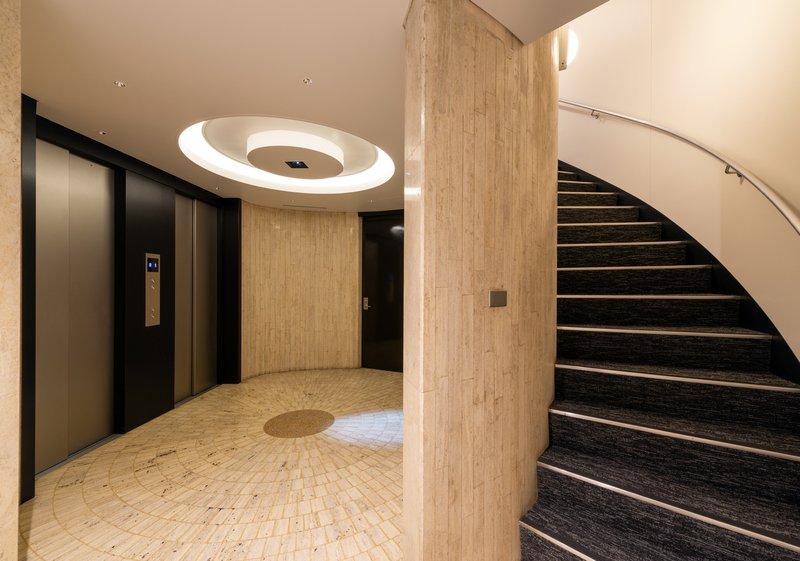
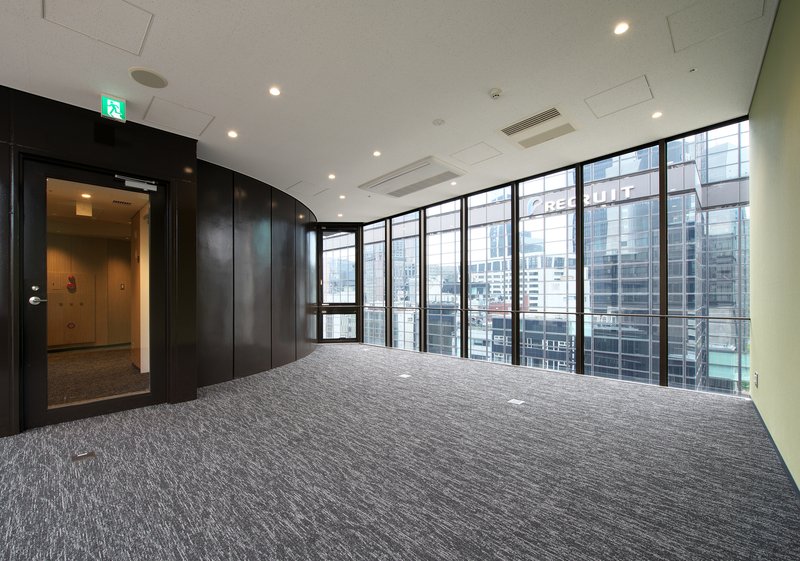
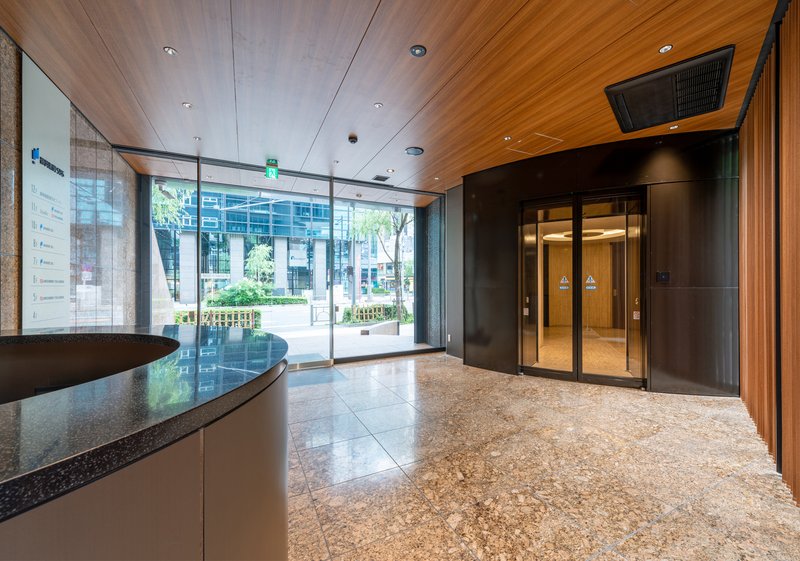
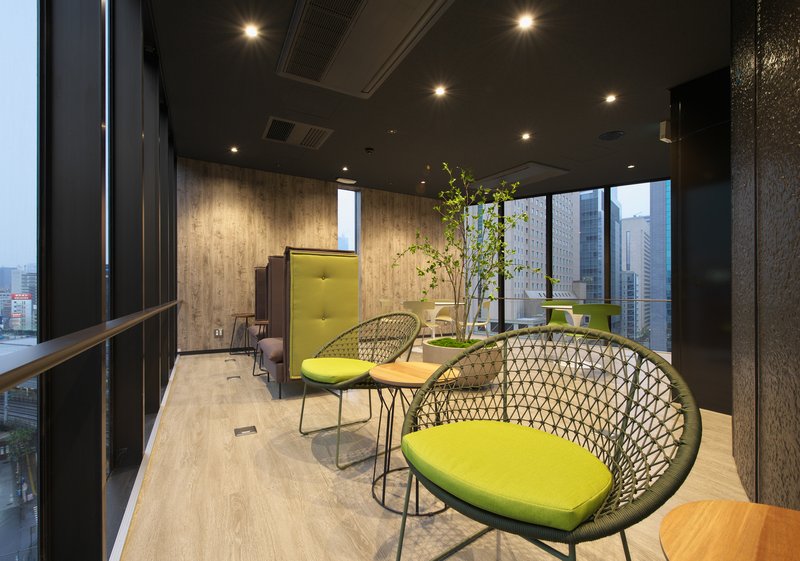
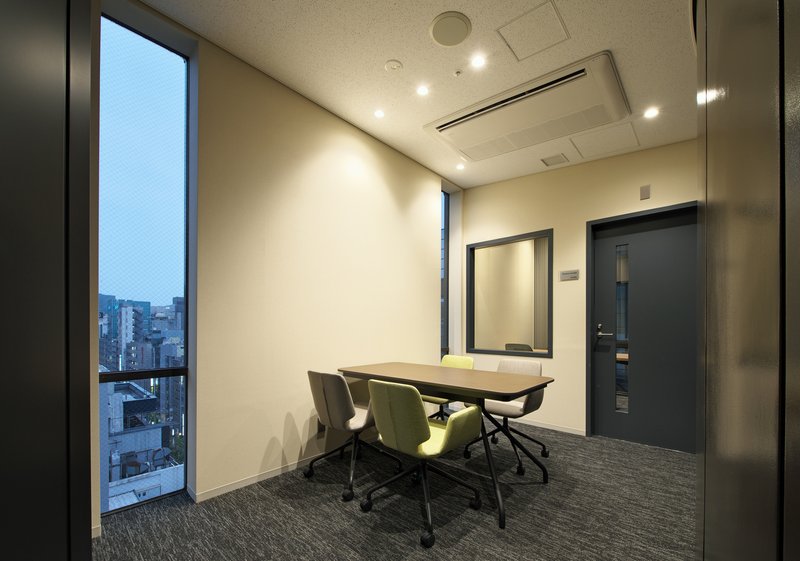
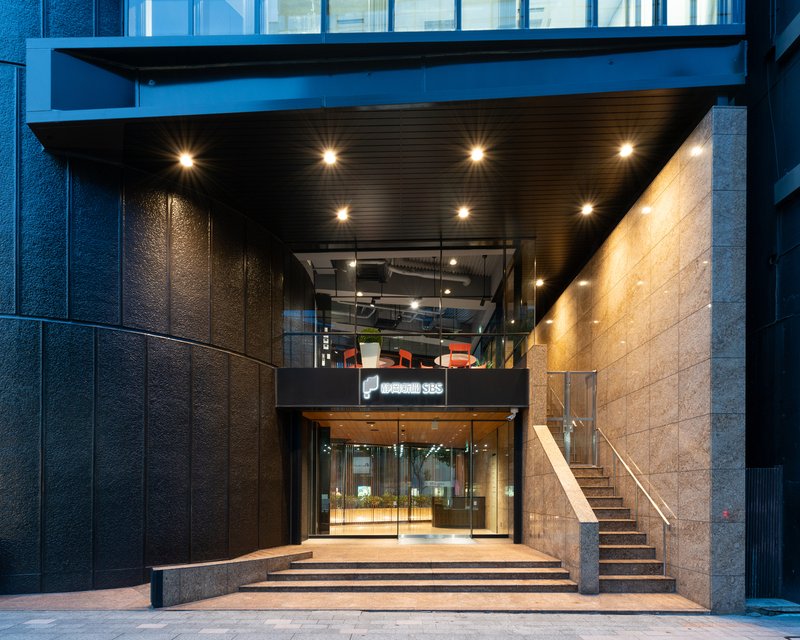
Key areas, such as the conference rooms, entrance halls, and refresh areas, were reimagined with modern materials and lighting, blending functionality with the original architectural aesthetic. The rooftop space was also revitalized, providing a multi-purpose area that enhances the work environment.
A Model for Sustainable Architectural Preservation
The Shizuoka Shimbun Tokyo Branch Office renovation exemplifies how Metabolism architecture can be preserved while adapting to contemporary demands. By reinforcing the structure, restoring the original design details, and upgrading interior functionalities, the project successfully bridges the past and future.
This renovation serves as a precedent for future preservation efforts, proving that historical architecture can retain its identity while evolving to meet modern needs. As Tokyo continues to redefine its urban landscape, projects like this ensure that significant architectural movements such as Metabolism remain an integral part of the city’s identity.
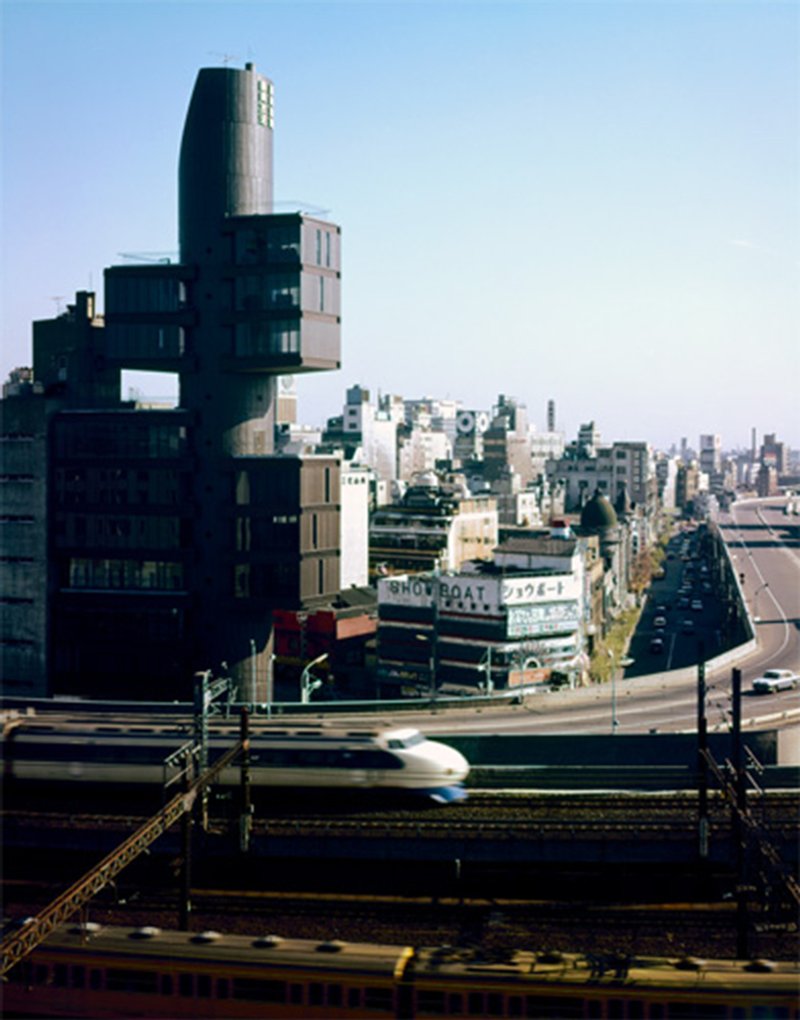
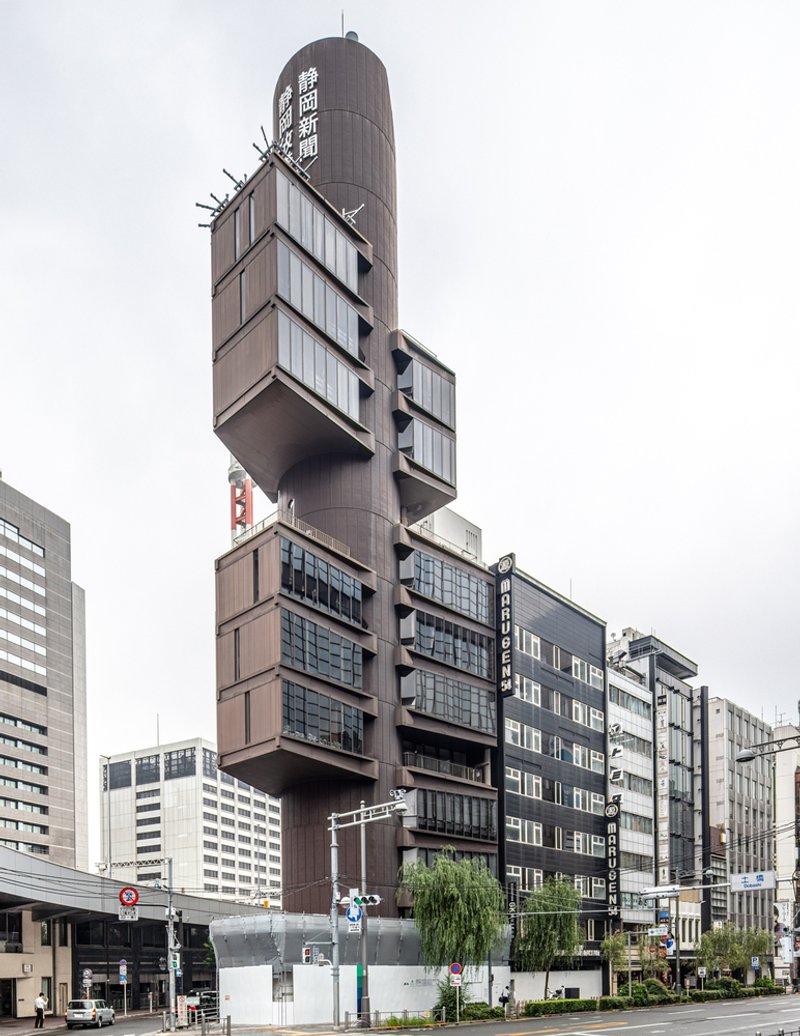
The renovation of the Shizuoka Shimbun Tokyo Branch Office is a testament to the resilience and adaptability of Metabolism architecture. By meticulously preserving the building’s unique form while integrating modern enhancements, TAISEI DESIGN Planners Architects & Engineers have ensured that Kenzo Tange’s vision continues to inspire future generations. This project not only safeguards architectural heritage but also demonstrates how thoughtful renovation can breathe new life into iconic structures.
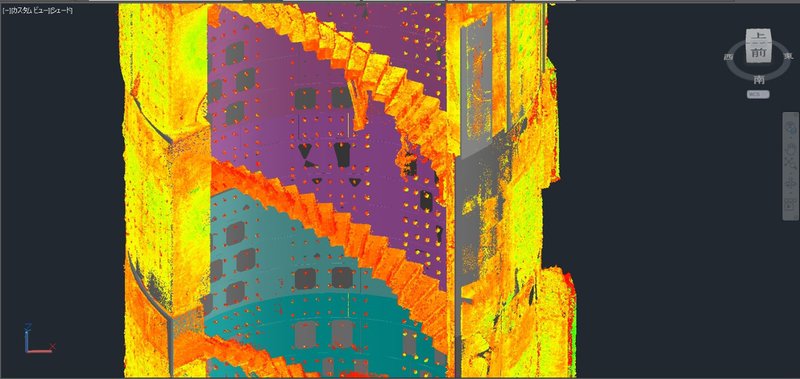
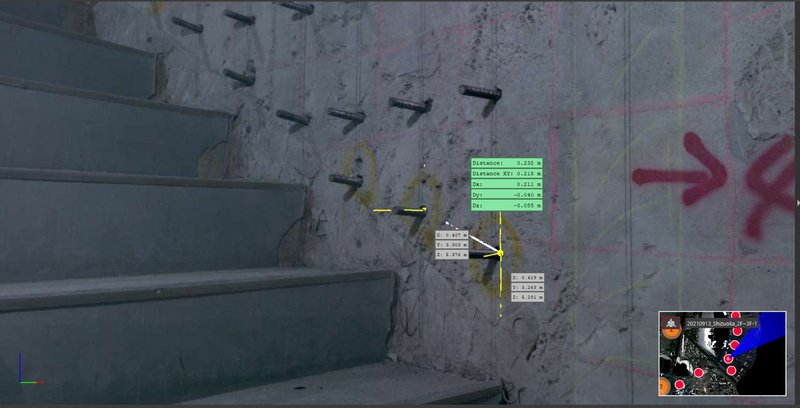
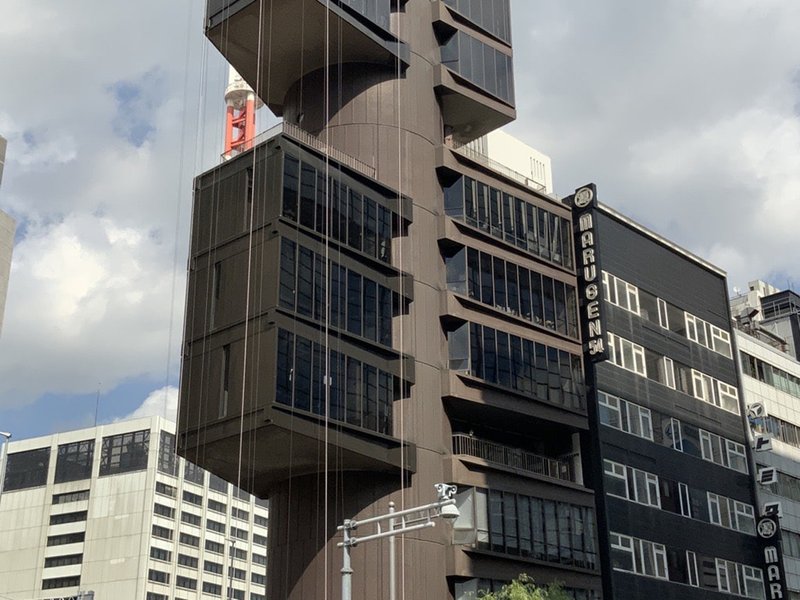
All photographs are works of Naoki Kumagai Photo Office, Inc., Taisei Corporation