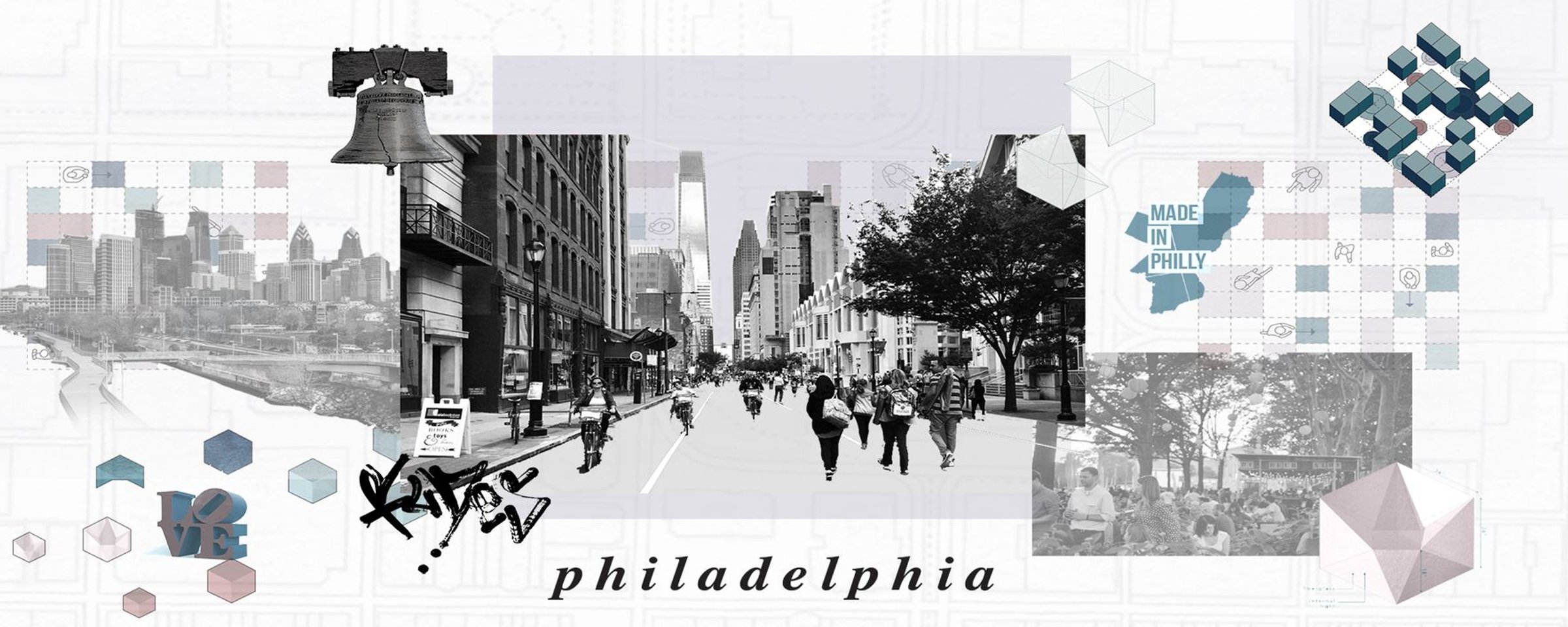
Re-grouping: A Modular Urban Design Strategy for Philadelphia
Transforming neglected spaces with modular urban design — a grassroots movement reclaiming Philadelphia’s public realm, one cube at a time.


Project by Shannon McLain and Petra Stanev
Shortlisted Entry of Urbanscape: Symbiosis
In a city defined by grit, resilience, and reinvention, Philadelphia is witnessing a grassroots architectural transformation. "Re-grouping" is a modular urban design initiative that harnesses the power of community-driven change to reimagine underutilized, neglected, and forgotten spaces. Using lightweight, adaptable fiberglass modules, the project creates an evolving toolkit of public furniture that transforms streets, vacant lots, and infrastructure gaps into vibrant public space.
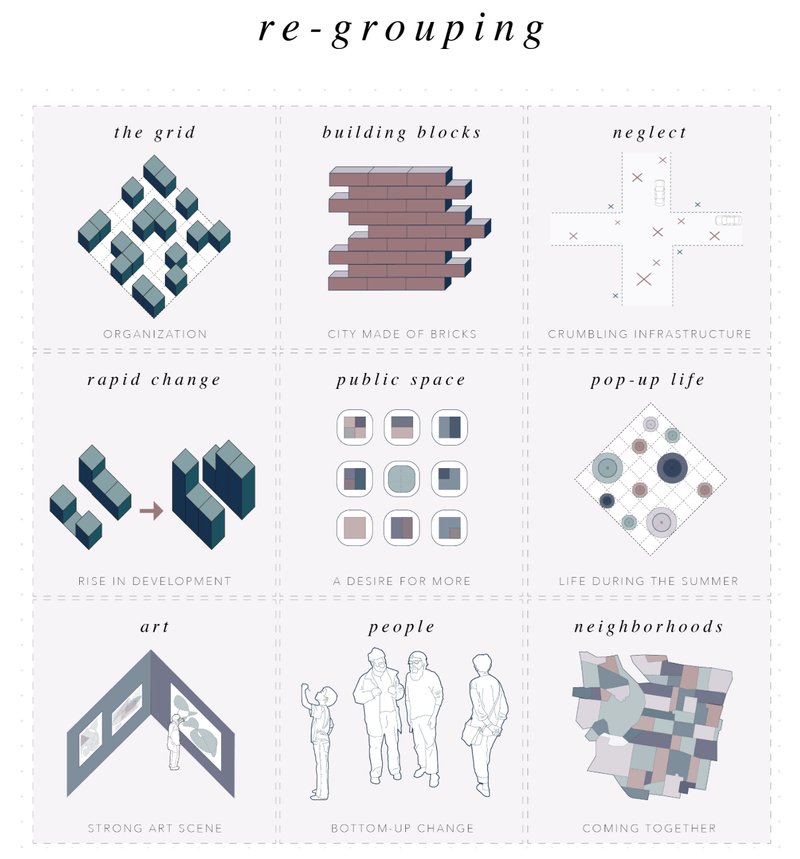
At the heart of the concept is modularity—a system that reflects the grid-based, brick-built DNA of Philadelphia while offering a flexible response to contemporary urban challenges. From beer gardens and block parties to temporary classrooms and art installations, these cubes provide functional, scalable infrastructure for pop-up life across the city.
Urban Challenges Meet Bottom-Up Solutions
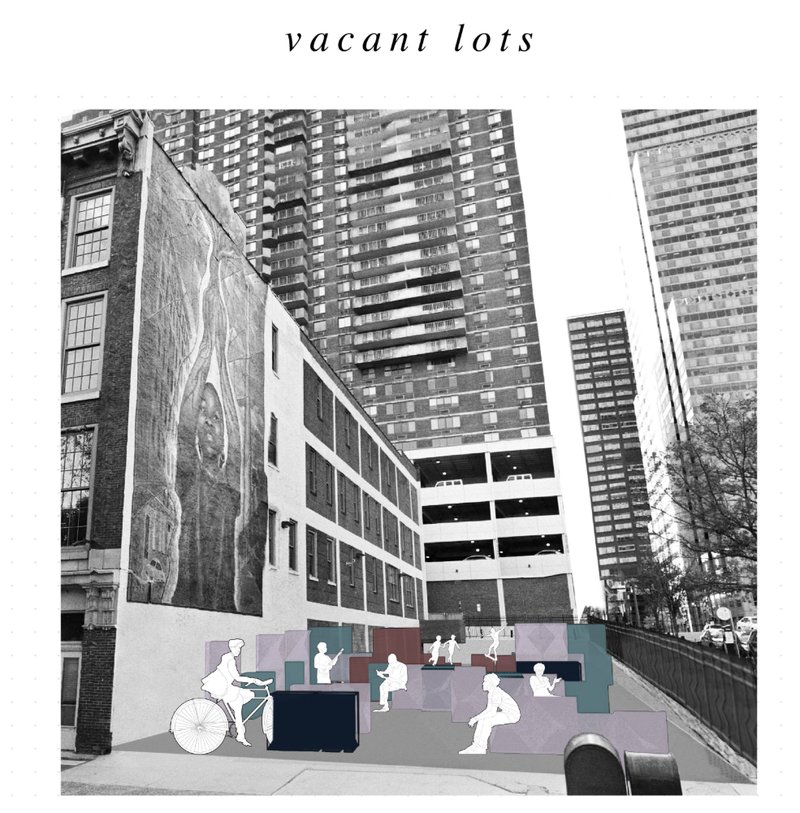
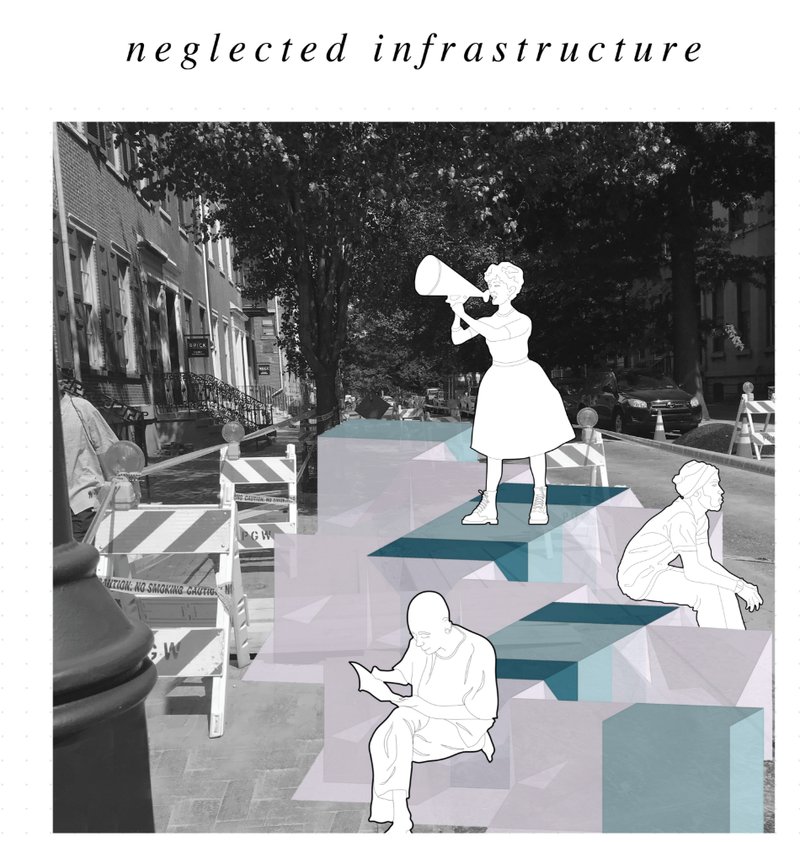
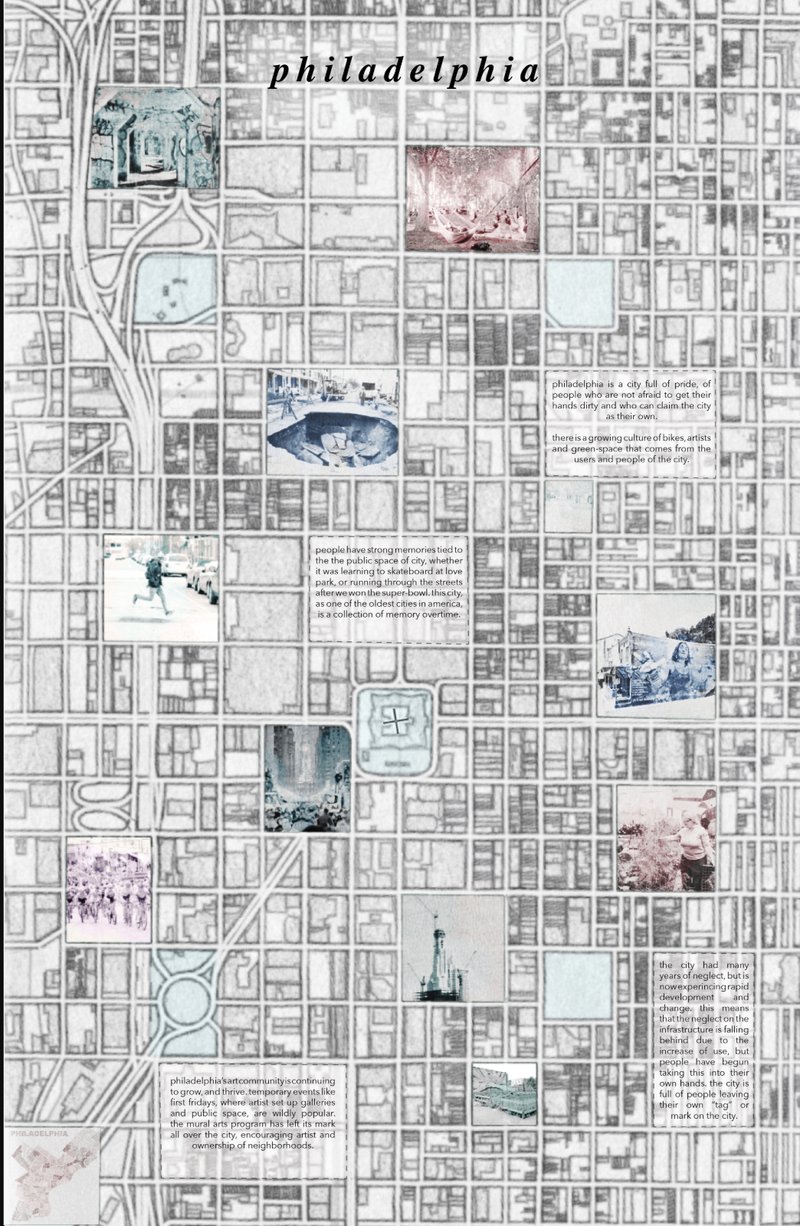
Philadelphia’s infrastructure has long suffered from years of neglect. Over 40,000 vacant lots and numerous "non-places" plague the urban landscape, creating gaps in social connectivity and access to public amenities. As rapid urban development accelerates, public space is becoming a contested asset. In response, local artists, cyclists, and residents have begun to reclaim their city—mending potholes, turning empty blocks into gardens, and filling public space with murals, skate parks, and performance zones.
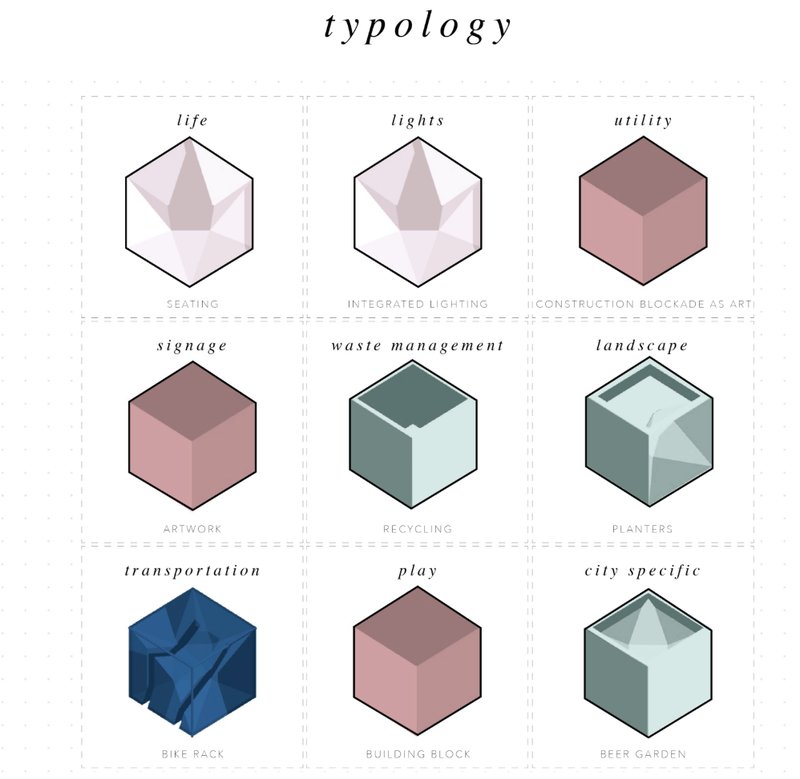
The modular system answers this momentum. Fiberglass units, internally lit for night use, can be easily moved, combined, and configured to serve a range of urban needs. Whether acting as a bench, planter, play structure, or display surface, each unit enables informal programming and enhances the vibrancy of a site.
Designing for Flexibility and Civic Identity
The cube typology is deliberately simple—echoing children's building blocks to evoke accessibility and imagination. Its dimensions and material make it scalable and reusable, while its geometric neutrality allows for interpretation: one unit may act as a bike rack, another as an art pedestal. Assembling modules across multiple sites creates not only a visual identity but also a network of civic engagement.
This approach gives rise to participatory architecture, where the public becomes an active stakeholder in shaping the built environment. By deploying these modules in neglected infrastructure sites or unused public squares, the city can provide instant, affordable improvements that respond to local needs and cultural energy.
City-Wide Impact and Lasting Value
The potential for city-wide deployment is immense. With thoughtful distribution across neighborhoods, these micro-interventions create ripple effects—activating space, sparking conversation, and fostering pride in local identity. The modular system becomes a means of cohesion for Philadelphia’s diverse communities.
By fusing modular urban design with community participation, "Re-grouping" becomes more than a toolkit; it’s a platform for reclaiming the city. In a time when civic space is shrinking, this project argues for bottom-up adaptability as a lasting architectural strategy—transforming forgotten lots into places of memory, expression, and collective ownership.