Return to Earth: A Vision in Sustainable Architecture
Blending tradition with innovation, this eco-friendly cemetery redefines urban green spaces through sustainable architecture.


In the past, cemeteries have served as emotional and contemplative spaces for communities. They were integral to the urban fabric, offering places for reflection and remembrance. However, as urban populations grow, integrating cemeteries into modern city planning requires cutting-edge technology and ecologically sustainable solutions.
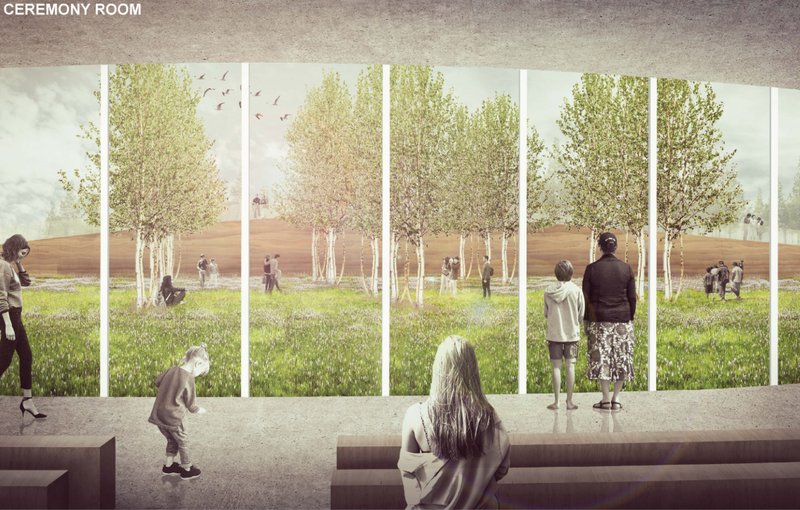
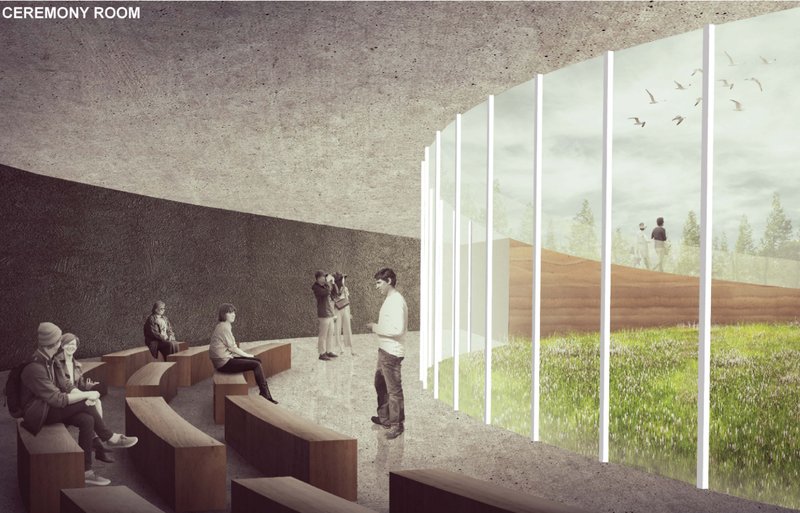
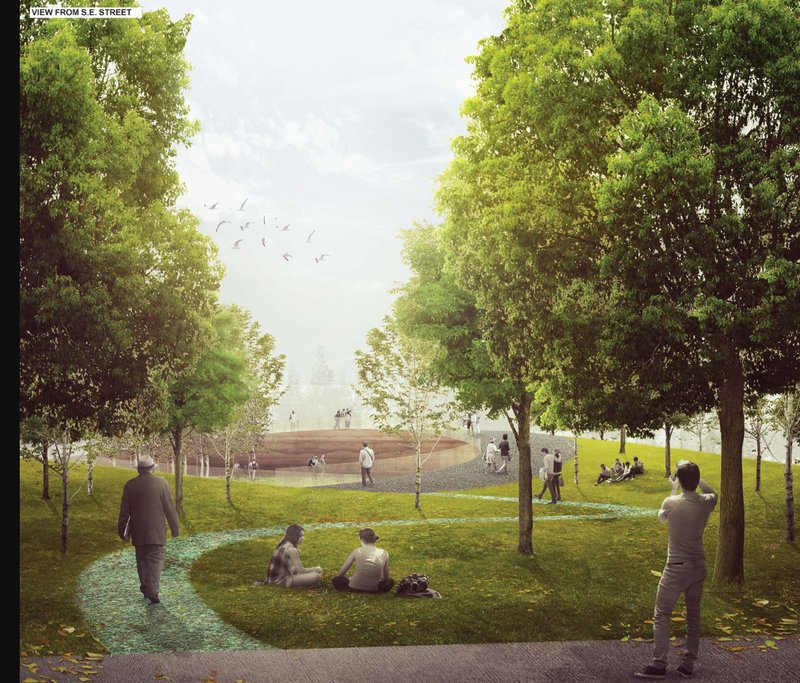
This project "Return To Earth", led by Daniel Douglas, redefines cemetery architecture by incorporating principles of sustainable architecture. By designing a burial meadow that seamlessly integrates with the surrounding landscape, the project provides an environmentally friendly alternative to traditional cemeteries. The use of cryomation, a greener alternative to cremation, further enhances the project's ecological footprint, reducing carbon emissions and land use impact.
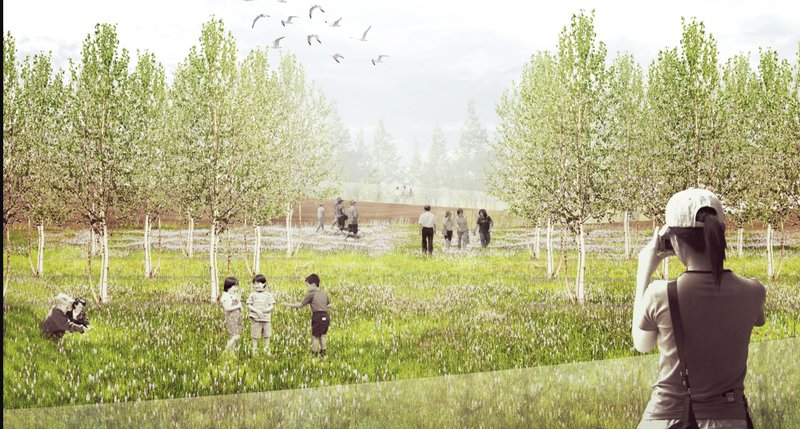
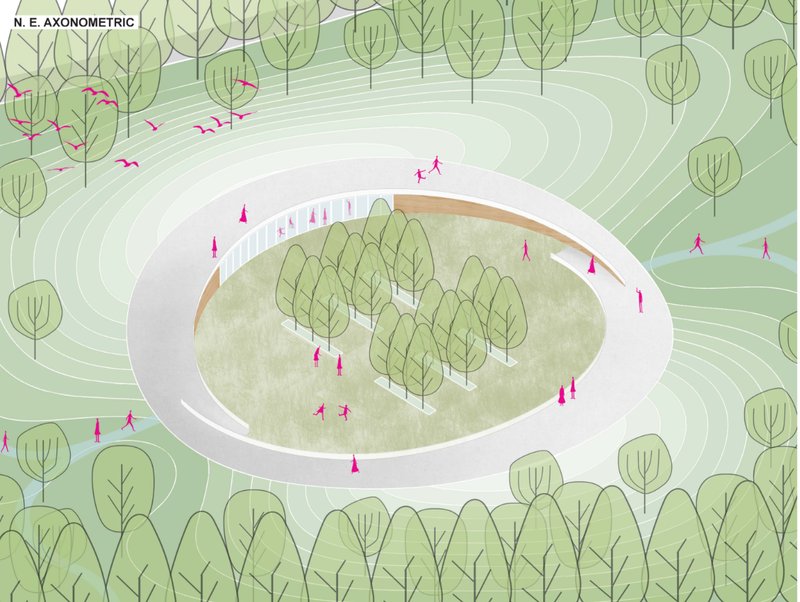
The concept of circular design plays a crucial role in this cemetery, inspired by Chinese philosophy's cyclical nature of life and death. The central burial grove is surrounded by layers of greenery, pathways, and reflection spaces, fostering a sense of community while maintaining an intimate connection with nature.
Beyond just burial spaces, this design promotes biodiversity, improves air quality, and transforms the cemetery into a sustainable urban green space. It exemplifies how modern architecture can harmonize with ecological conservation while preserving cultural traditions.
By embracing sustainable architecture, this project reshapes how cemeteries function in urban areas, creating spaces that honor the past while fostering a greener future.