Revitalizing Urban Landscapes: The Future of Sustainable Architecture
Redefining urban landscapes by harmonizing ecology, innovation, and community for a resilient and sustainable tomorrow.


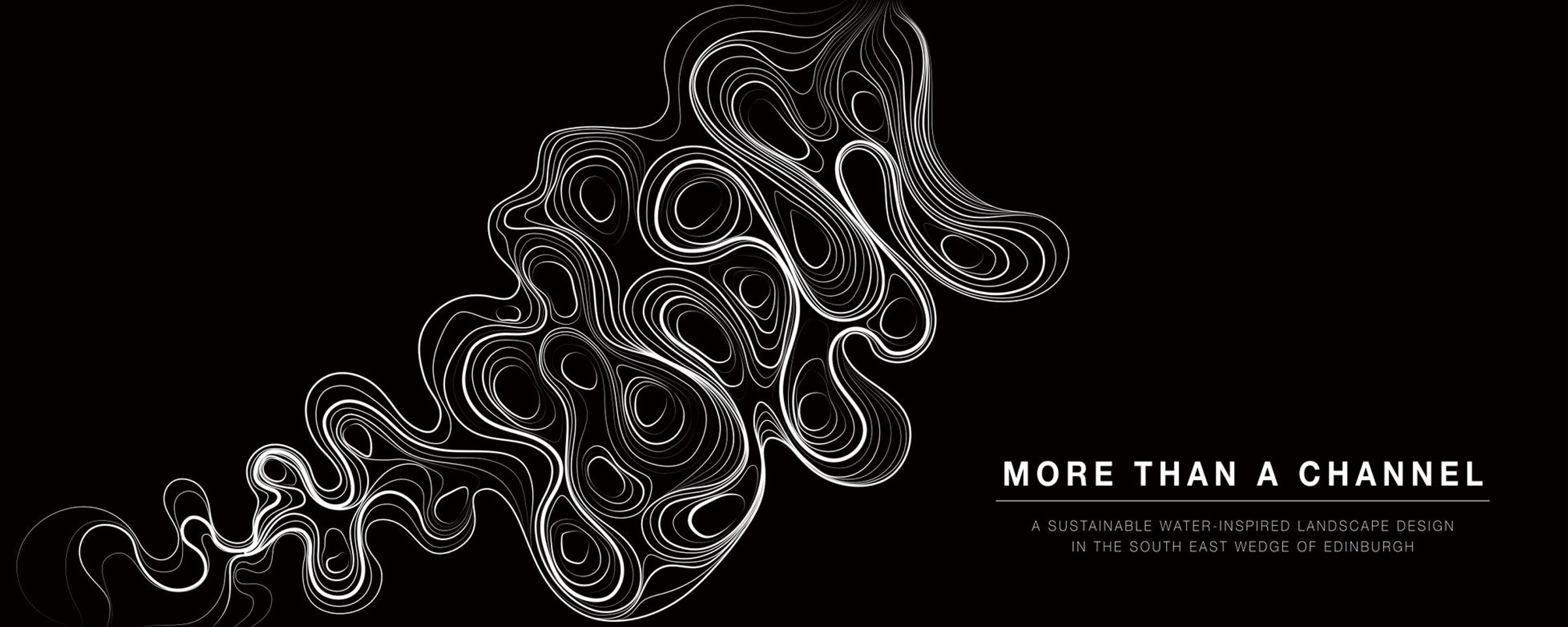
"More Than a Channel" is an exemplary project designed by Tianyi Jiang, earning a runner-up award at UnIATA '19. This initiative reimagines urban landscapes through sustainable, water-focused design principles, addressing ecological challenges while creating thriving community spaces. Situated in Edinburgh's South East Wedge, it transforms the suburban environment by integrating flood management, biodiversity enhancement, and recreational opportunities.
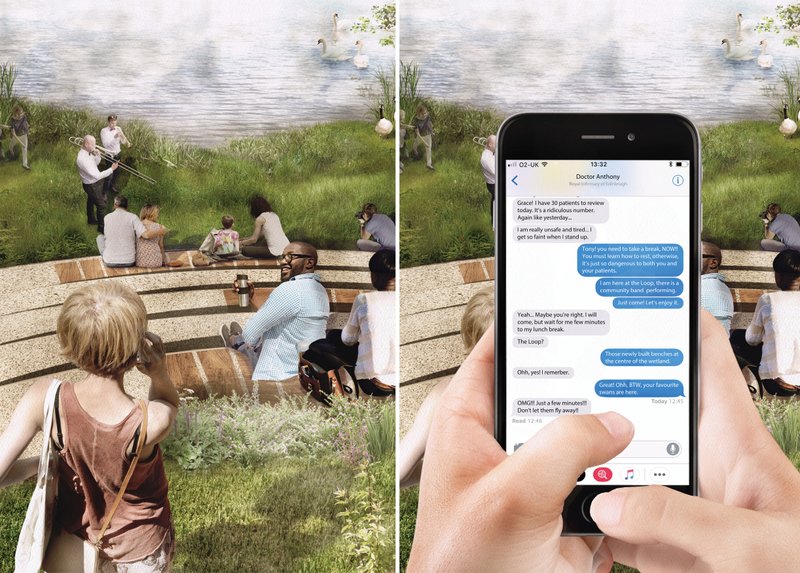
Site Analysis: Laying the Groundwork for Transformation
The project starts with an in-depth analysis of the site’s geological, hydrological, and ecological aspects, including:
- Topographical Studies: Understanding elevation changes and soil structures to optimize water flow.
- Hydrological Insights: Identifying flood-prone zones and designing sustainable water pathways.
- Ecological Framework: Mapping biodiversity to foster green corridors and wildlife habitats.
This comprehensive approach forms the foundation for a visionary landscape design that prioritizes resilience and community well-being.
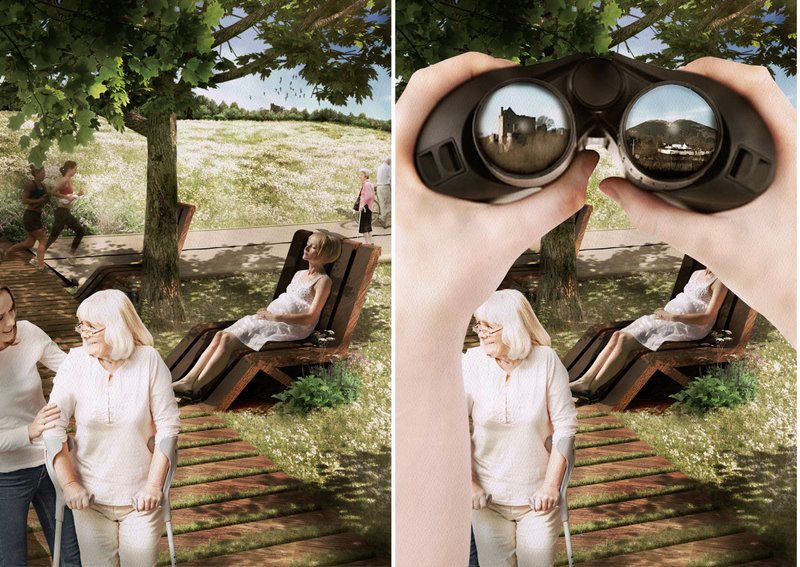
Harnessing Water and Ecology
"More Than a Channel" leverages water as a central element to address urban challenges. The project incorporates wetlands, filtration zones, and natural watercourses to:
- Manage flooding effectively.
- Improve water quality through natural filtration.
- Create vibrant spaces for flora, fauna, and human interaction.
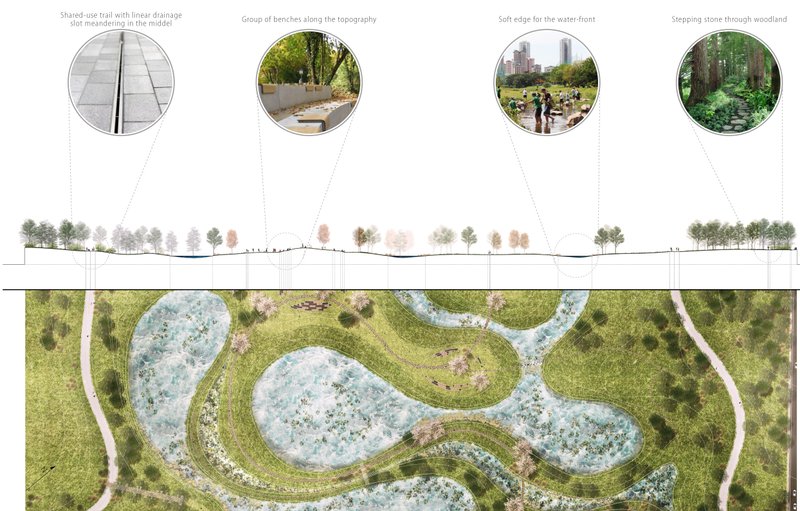
Masterplan: Blending Functionality and Aesthetics
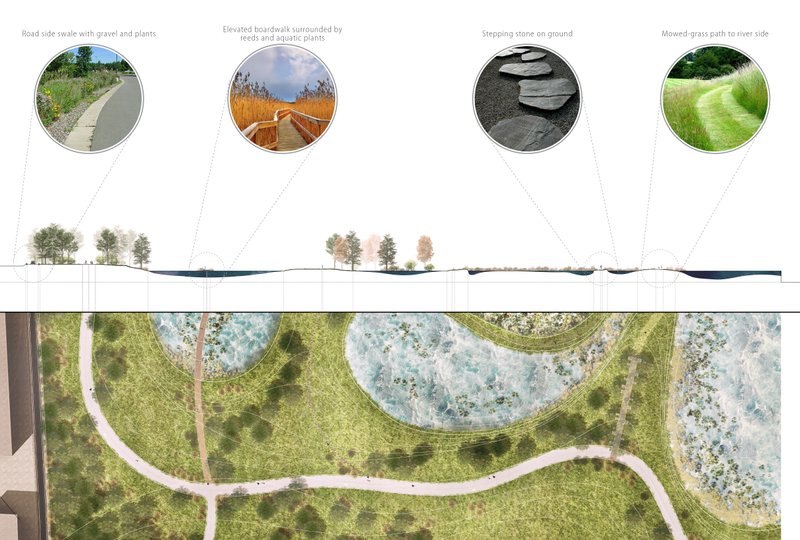
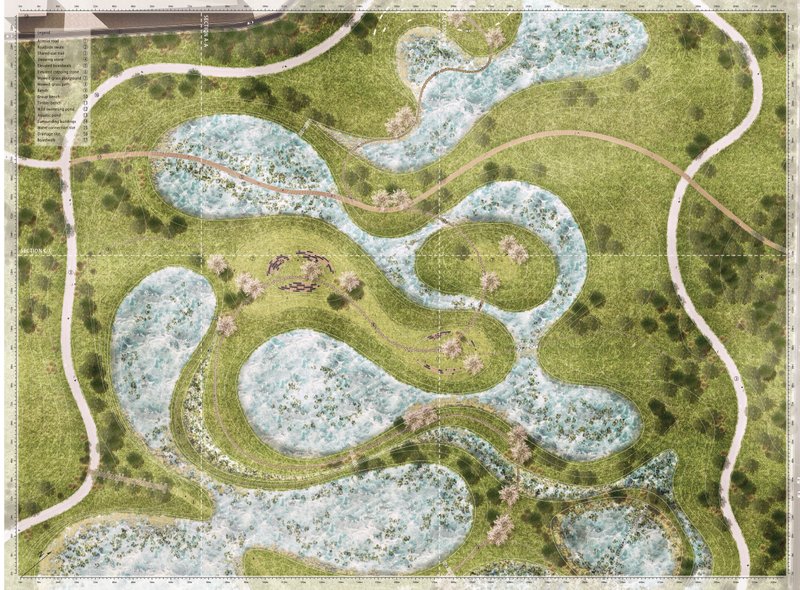
The masterplan integrates natural and man-made elements to enhance usability and ecological performance. Key features include:
- Redesigned valleys to channel water efficiently.
- Recreational zones adapted to seasonal changes.
- Green connections linking urban and rural landscapes.
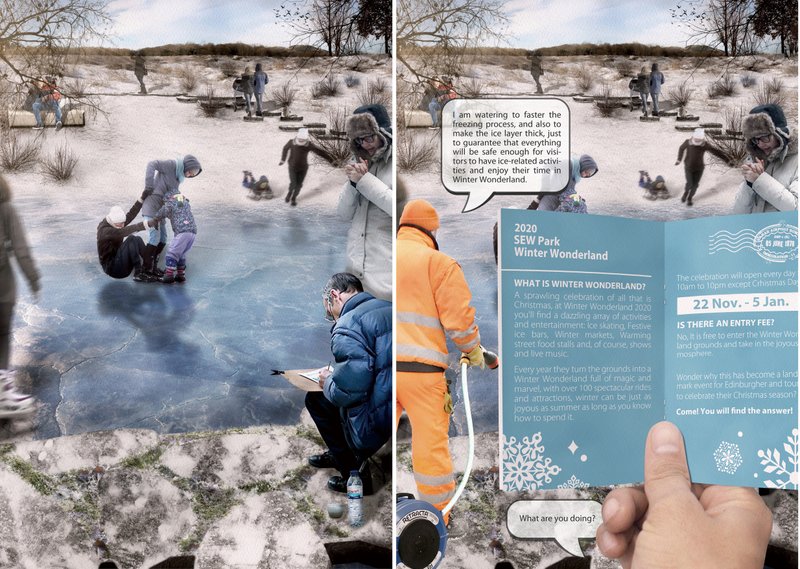
Hydrological Mapping: Innovating Flood Management
Hydrological models simulate water flow, highlighting flood potential and water retention capabilities. These insights guide:
- Seasonal water management strategies.
- Flood-safe zones for recreation and ecology.
- Scalable designs for urban water resilience.
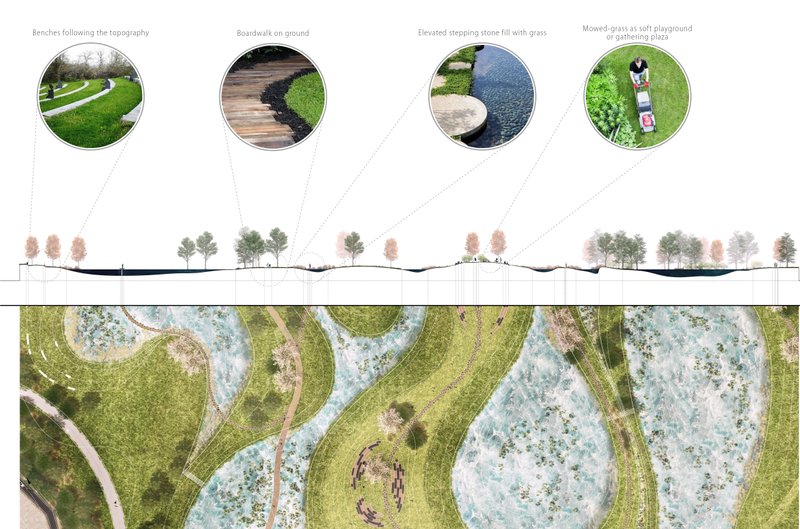
Green Infrastructure: A Holistic Approach
The project’s "Green ID" integrates urban greenery with ecological needs, creating a blueprint for resilient cities. Features include:
- Biodiversity hotspots.
- Urban-to-rural ecological corridors.
- Multi-functional recreational spaces that enhance public health and environmental quality.
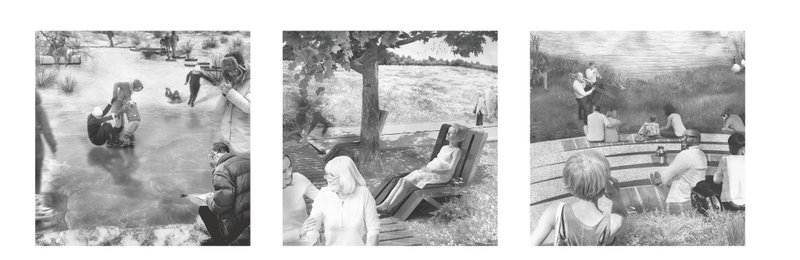
"More Than a Channel" showcases how sustainable architecture can redefine urban living. By combining water management, ecological restoration, and community engagement, it sets a precedent for future urban design. The project not only addresses today’s challenges but also envisions a resilient and thriving tomorrow for cities worldwide.