Rio de Janeiro Museum – A Celebration of Cultural Architecture
A museum inspired by Rio’s vibrant favelas, blending cultural expression, sustainable design, and contemporary architecture along the city’s coastline.


The Rio de Janeiro Museum reimagines how cultural architecture can express identity, memory, and place. Drawing inspiration from the favelas—home to more than a quarter of the city’s population—the project transforms their dynamic spatial language into a contemporary architectural landmark. Designed by Abdelhamead Rasslan, the museum celebrates Rio’s social fabric while integrating modern construction technologies and sustainable design strategies.
Set along the city’s waterfront, the museum becomes a bridge between Rio’s layered past and its evolving urban future. By embracing the colourful, irregular geometry of favela formations, the project creates a built environment that mirrors the “beautiful chaos” of the communities that shape the city’s cultural rhythm.
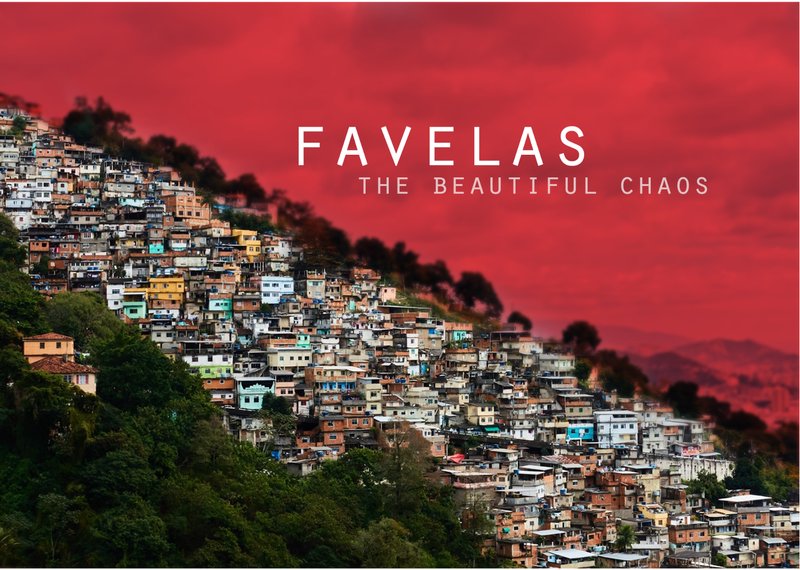
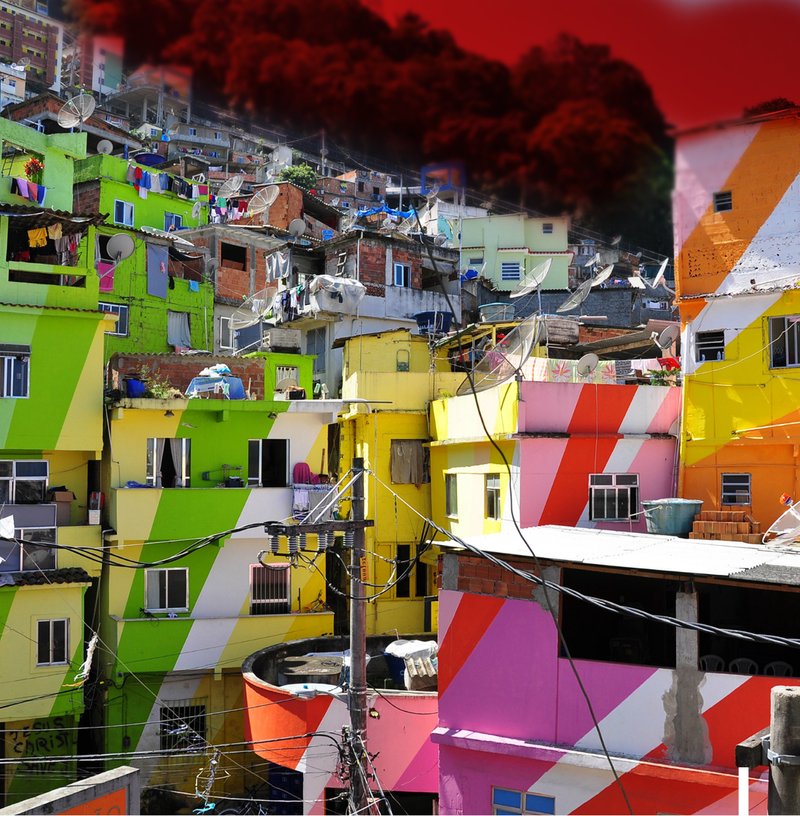
Conceptual Framework: The Favela as Architectural Language
The architectural form of the museum is a direct abstraction of favela morphology—an intricate composition of stacked, interlocking, cantilevered, and overlapping volumes. Rather than imitating informal construction, the project elevates its visual and spatial logic into a refined system with:
- Layered massing inspired by informal hillside growth
- Vibrant colour compositions that express cultural diversity
- Interconnected circulation that encourages spontaneous movement
- Community-oriented public spaces resembling favela courtyards and walkways
This conceptual approach provides a strong cultural identity while establishing the museum as a symbol of collective creativity.
Site Strategy: Engaging the Waterfront
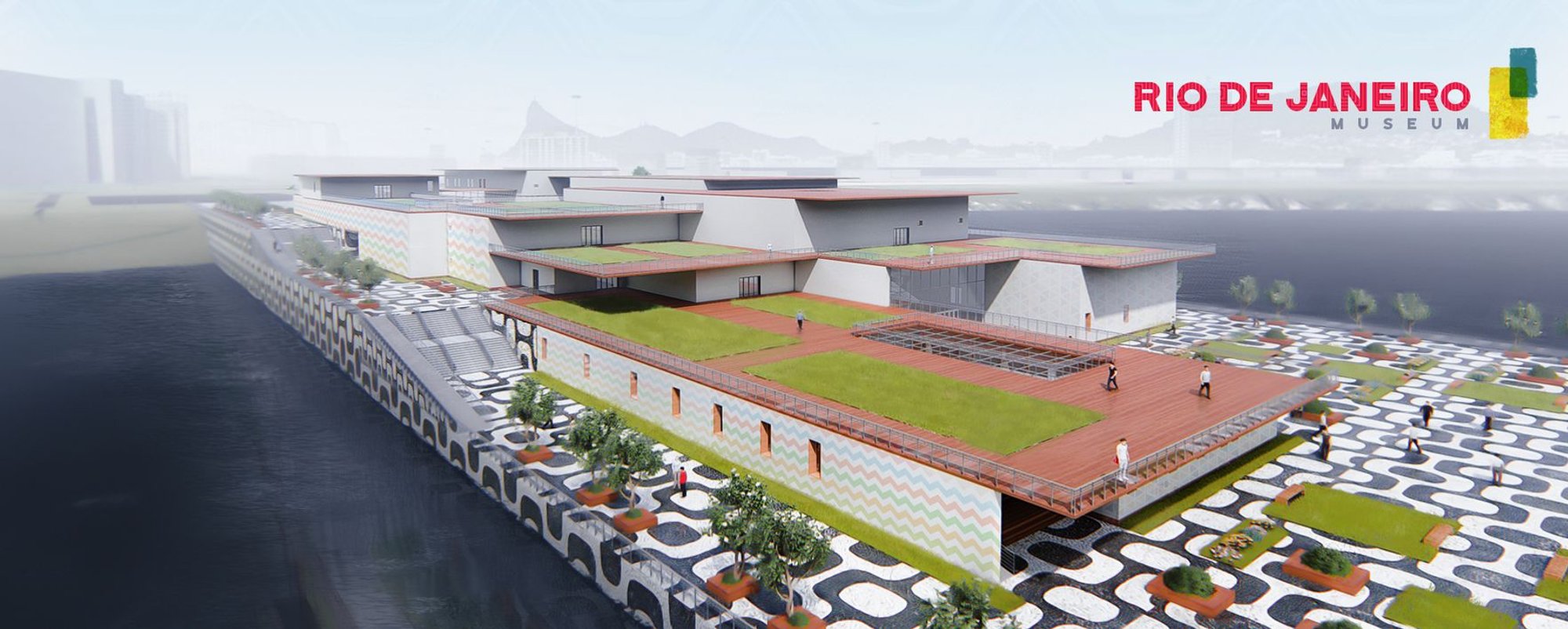
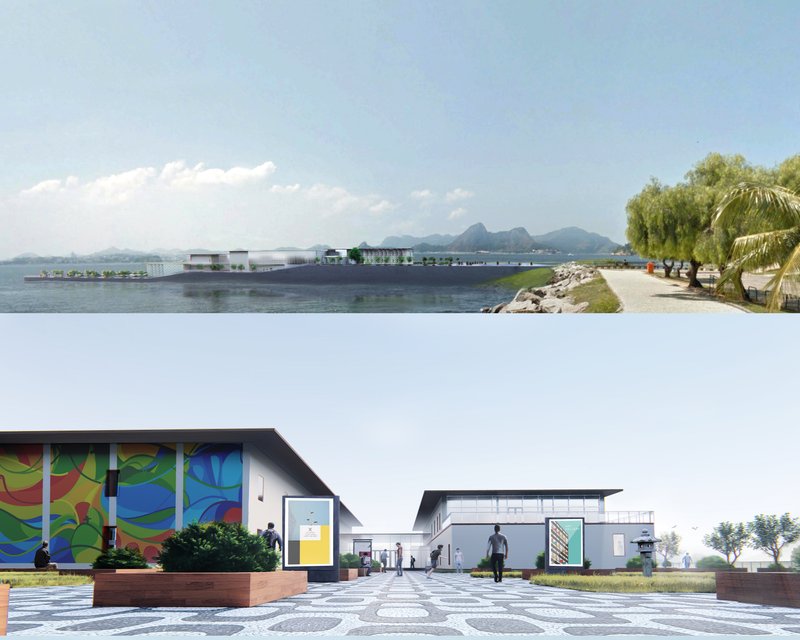
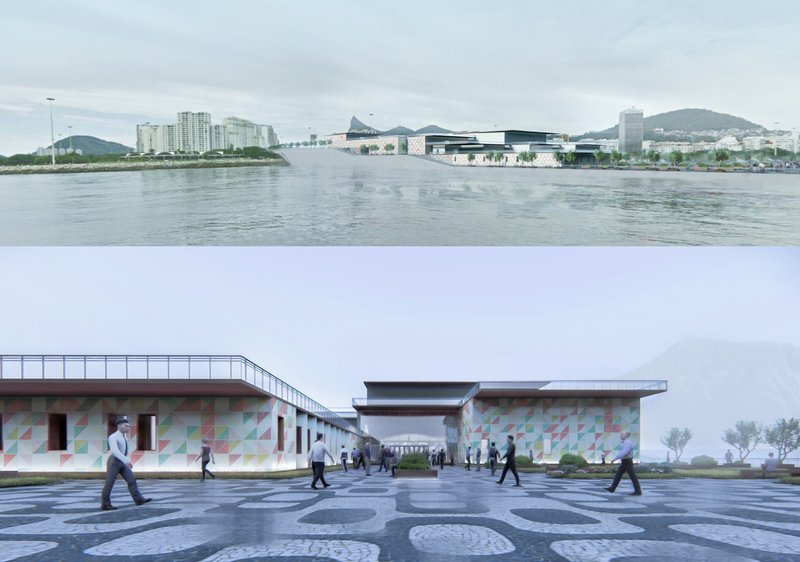
The museum extends from the land out into the water, forming a linear cultural spine that reconnects visitors with Rio’s coastal landscape. The site plan reveals a structure that floats between land and sea, enabling:
- unobstructed ocean views
- natural ventilation corridors shaped by the site’s wind patterns
- a climatic strategy that reduces dependence on mechanical cooling
The museum’s orientation responds to solar paths, ensuring controlled daylight for galleries, shaded pedestrian areas, and thermally comfortable public spaces.
Spatial Program and Functional Zoning
The museum’s program is distributed through a series of volumes, each assigned a distinct cultural or educational function. The organization emphasizes accessibility, fluid circulation, and intuitive spatial experience.
Key Program Elements
- Galleries – multiple exhibition wings connected through open courts
- Library – a quiet research environment anchored near the waterfront
- Research Center – laboratories and studios supporting cultural studies
- Administration – strategically positioned for efficient operational flow
- Auditorium – a multi-purpose hall for lectures, performances, and events
- Cafe & Gift Shop – public nodes encouraging extended visitor engagement
Layered floors, cantilevered blocks, and multi-level walkways create a rich spatial narrative that reflects the stacked nature of favela environments.
Climatic & Sustainable Design Strategies
The architectural massing is shaped not only by cultural inspiration but also by environmental performance.
1. Solar Orientation
Roof plates are arranged to maximize indirect daylight while minimizing heat gain. Shaded passages and overhangs create microclimates that improve thermal comfort.
2. Natural Ventilation
Large voids and internal courtyards generate cross-breezes, enhancing airflow across the building. A central ventilation core increases air movement and reduces mechanical cooling loads.
3. Landscape Integration
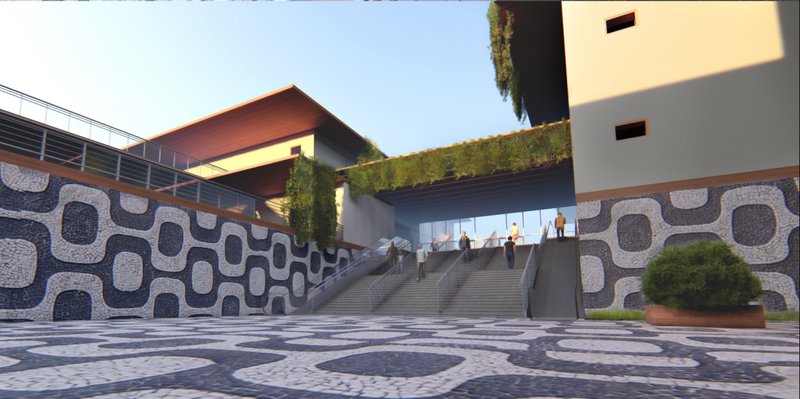
Green roofs and planted terraces blend the structure with its coastal surroundings while mitigating heat absorption.
Architectural Experience
Through carefully curated perspectives, the museum creates an immersive public journey:
- Promenades along the water reveal panoramic views of Rio’s skyline.
- Colorful façades echo the vibrancy of hillside settlements.
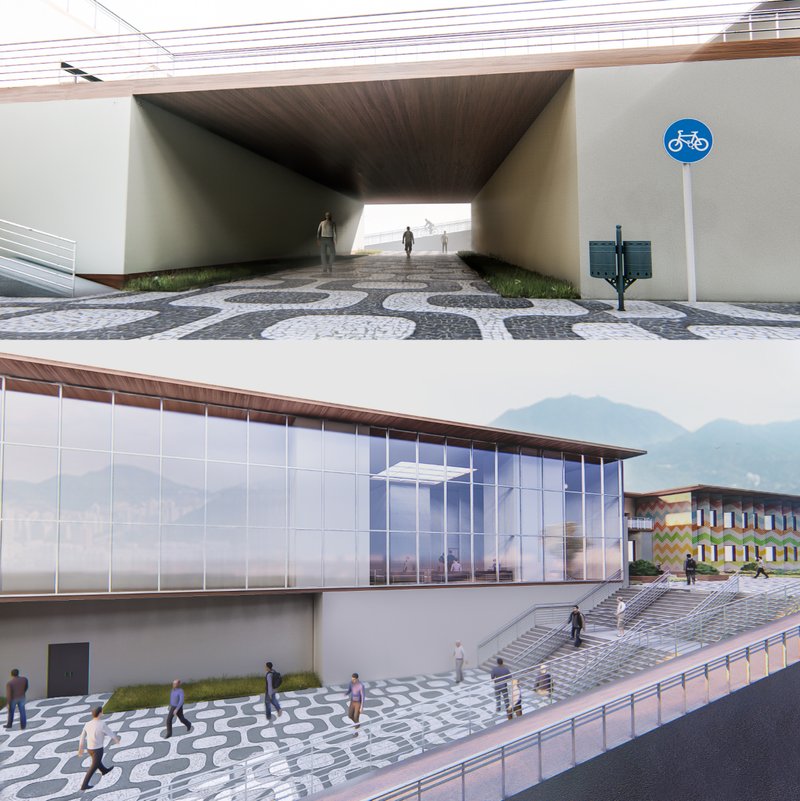
- Wide plazas and patterned pavements reinterpret traditional Brazilian sidewalk motifs.
- Shaded tunnels and raised walkways offer spaces for rest, gathering, and reflection.
These interactions merge art, culture, nature, and architecture into a holistic urban experience.
Technical Drawings: A Transparent Design Process
The project is supported by detailed architectural documentation:
- Floor Plans – illustrating functional logic across multiple levels
- Sections – revealing the layering, cut-aways, and volumetric depth
- Elevations – showcasing the building’s proportion, façade rhythm, and relationship with terrain
This comprehensive architectural system reflects both conceptual clarity and technical precision.
The Rio de Janeiro Museum stands as a landmark of cultural architecture, merging the spirit of the favelas with contemporary design innovation. By honouring the city’s social identity and embracing sustainable strategies, the project creates a museum that is both rooted in history and forward-looking in its architectural ambition.
Abdelhamead Rasslan’s design celebrates the complexity of urban life—turning the “beautiful chaos” of Rio into an inspiring architectural narrative that connects people, place, and culture.