
Seeing Real Architecture: A Look at Wolfgang Tillmans' Work at MoMA
If you're interested in architecture, or if you're simply looking for some beautiful photos, Tillmans' exhibit at MoMA is well worth a visit

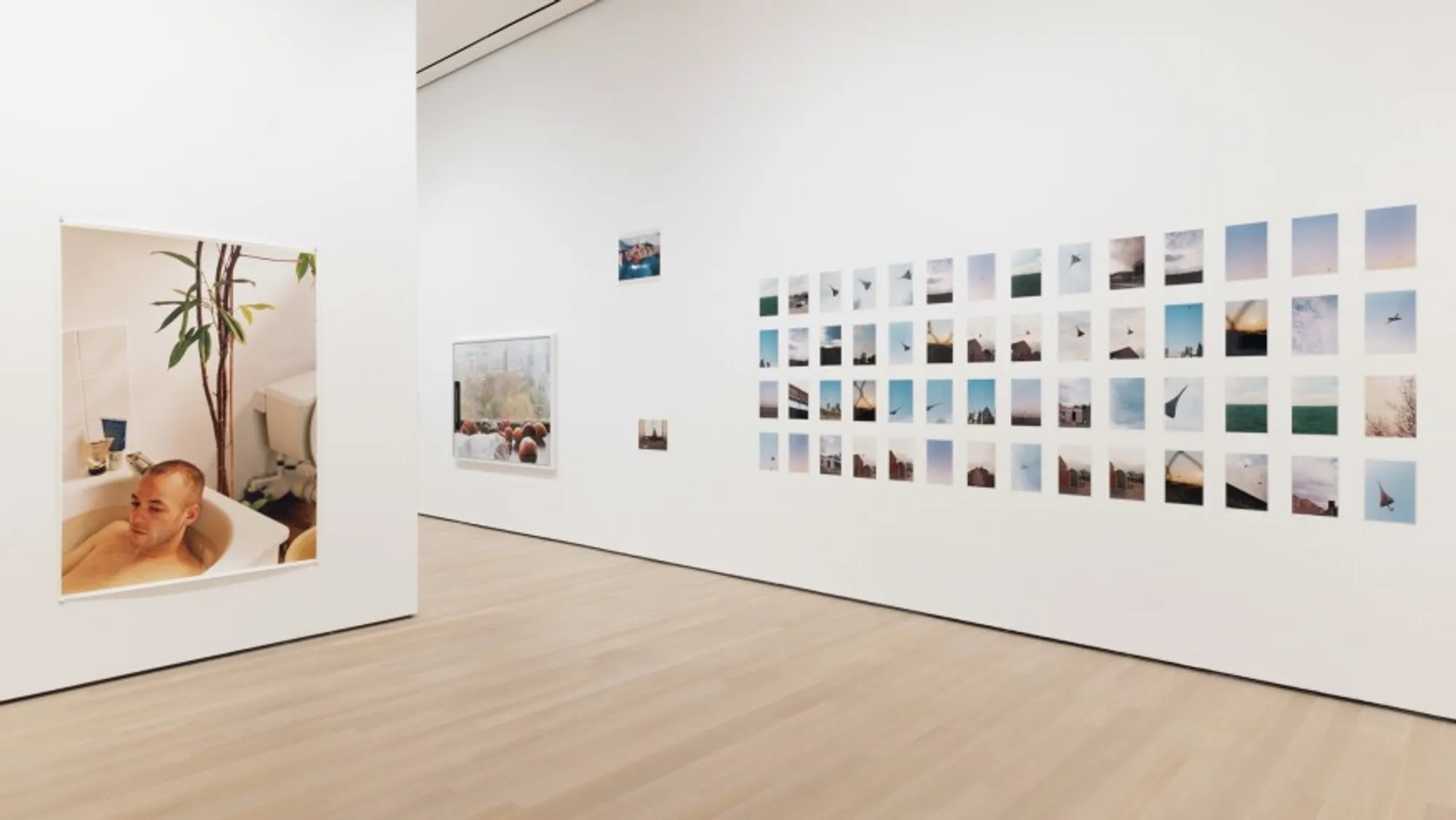
 Installation view of Wolfgang Tillmans: To look without fear, on view at The Museum of Modern Art, New York from September 12, 2022 – January 1, 2023.
The Museum of Modern Art is currently displaying Wolfgang Tillmans: To Look Without Fear, an exhibition featuring a variety of seemingly mundane objects and scenes. Among them are an almost empty highway with a truck passing overhead, mirrors propped against a wall, the remnants of a party with discarded bottles and cups scattered on the floor, a construction site marked off by orange mesh and divided by a wooden walkway and subway grates, the back of a partially shaved head, a close-up of a car headlight with its lenses appearing as transparent triangles, a pile of clothes arranged in a way that resembles a Virgin Mary cloak and also conveys the smell of the person who wore them, and an exit door used as a display for photographs. This exhibit invites viewers to consider the significance and meaning that can be found in everyday sights and to create narratives and emotions from these seemingly insignificant details. It runs through January 1, 2023.
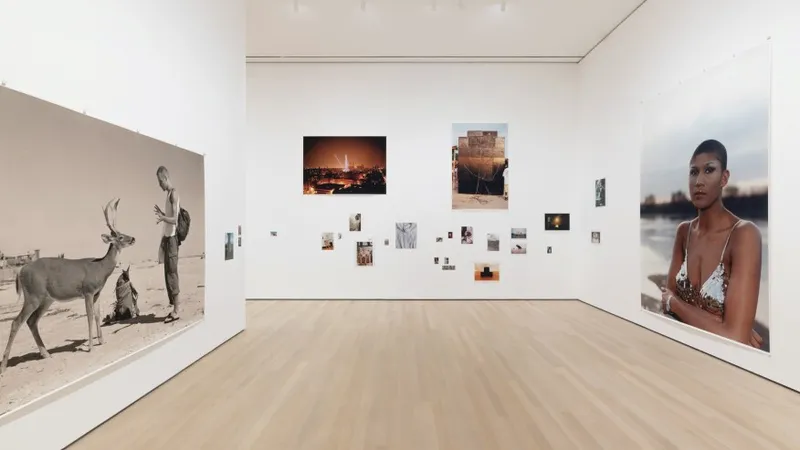
 Installation view of Wolfgang Tillmans: To look without fear, on view at The Museum of Modern Art, New York from September 12, 2022 – January 1, 2023.
Wolfgang Tillmans is a German photographer known for his ability to capture the beauty in seemingly mundane subjects. He began his career in the 1980s by taking pictures of Berlin's club scene and has since gained recognition in the fashion industry in England. His work often features friends, parties, clothing, and homes, as well as his own studio and the spaces in between these locations. In addition to his classical skills, Tillmans is known for his unique compositions and frank portrayal of the human body in his portraits. He also experiments with the printing process, creating abstract compositions through the use of ink and colour. Overall, Tillmans' diverse range of subjects and techniques make his work stand out.
"This celebration of what we usually ignore is at the very heart of what we call art today. "
What sets Tillmans's work apart from much of classical photography is his approach to printing and displaying his images. Rather than sticking to a single size, he prints his photographs in a range of sizes, from small thumbnails to large posters that take up significant wall space. Some of his images, such as Headlight (f), showcase the technical skills of both the photographer and printer, while others, like the flower portrait Podium, are presented in a more casual, snapshot-like manner. In addition to traditional prints, Tillmans also creates zines and art publications and has even provided images for commercial purposes, including the cover of Frank Ocean's Blonde album.
 Installation view of Wolfgang Tillmans: To look without fear, on view at The Museum of Modern Art, New York from September 12, 2022 – January 1, 2023.
In addition to publishing his artwork in magazines, the artist frequently displays his works in exhibitions that he personally curates down to the smallest detail. These exhibitions, which can include a wide range of different types and sizes of photographs, disrupt the usual calm pace of the MoMA and challenge the traditional narratives often presented in museums and galleries. Instead of focusing on the progression of the artist's work or specific themes, the shows become a diverse mix of close-up shots, sweeping panoramas, and sometimes controversial or unexpected subjects. The MoMA exhibition is the culmination of this approach, as the art and the exhibition itself become intertwined, blurring the lines between the objects, their representation, and their presentation. The fact that the exhibition occupies almost the entire top floor of the museum, an honour reserved for only the most highly regarded artists, emphasizes the importance of this celebration of often overlooked subjects in contemporary art.
The exhibit itself is a form of critique. By choosing to be placed alongside renowned artists such as de Kooning and Warhol and then creating a chaotic display, Tillmans challenges both the Museum of Modern Art and the viewer's attempts to categorize his art within the traditional canon. His use of photographs covering exit doors and walls haphazardly, as well as his incorporation of disco lighting and rave videos in several dark rooms, transforms the typically grand exhibition space into a vibrant and chaotic party atmosphere. The only thing missing is the accompanying sounds and smells of a true celebration.
Tillman's approach to art and architecture differs from traditional perspectives because it breaks away from the constraints of white walls and established norms. His work highlights aspects of the world that we often overlook, despite their potential value. Rather than solely focusing on the practical aspects of architecture, such as serving and housing activities, Tillman's work encourages us to reconsider the way we prioritize and organize social relations within spaces. In architecture, there is a hierarchy of significance based on subject matter and function, as well as the materials and forms used. Tillman challenges these hierarchies and the way they shape the spaces we design, ultimately leading to a new understanding of what we consider to be architecture.
What if we find beauty in unexpected things, like a bunched-up hoodie or a flatbed scanner, rather than traditional architectural elements like marble columns? And what if, in our image-saturated, social media-connected world, we are drawn to complex urban organizations that can be captured through a combination of aerial views of factories and close-ups of flowers? Even something as seemingly mundane as an iPhone propped up against a bottle of water on a hospital bedside table can be a poignant reminder of our own mortality, potentially more effective than a traditional monument at the centre of architecture.
Wolfgang Tillmans has a talent for making even the most mundane subjects visually appealing. His work encourages viewers to look without fear, to embrace the beauty in the world around us, even in things that may seem ugly or disturbing. Through his art, Tillmans reminds us that there is value in exploring and examining the world around us, rather than trying to impose our own order or beauty onto it. By looking without fear, we can discover a world that is already beautiful in its own way, and that does not require us to make it fit our expectations or desires.
Architecture is a way of seeing and understanding the world we live in and shaping it into spaces that we can inhabit. "To Look Without Fear" takes this idea even further, presenting a building that not only embodies this concept but surpasses the majority of contemporary buildings designed by architects who may not fully understand or consider their surroundings. It should be noted that the views and conclusions expressed in this article do not necessarily reflect those of ARCHITECT magazine or The American Institute of Architects.
References (2)


Popular Articles
Popular articles from the community


The Ocean Hive: Sustainable Architecture for a Self-Sufficient Civilization at Sea
The Ocean Hive imagines sustainable architecture at sea, where modular habitats, algae, wave power and ocean waste sustain a growing colony.

Conexión: Biophilic Design Reimagines High-Rise Living in Hong Kong
Conexión reimagines high-rise living in Hong Kong through biophilic design, green facades, shared spaces, daylight, water and nature within.

Co-Life: Senior Housing Design That Reconnects Older Adults With the City
Co-Life reimagines senior housing design through healing gardens, shared streets, workshops, and a sustainable community across generations.

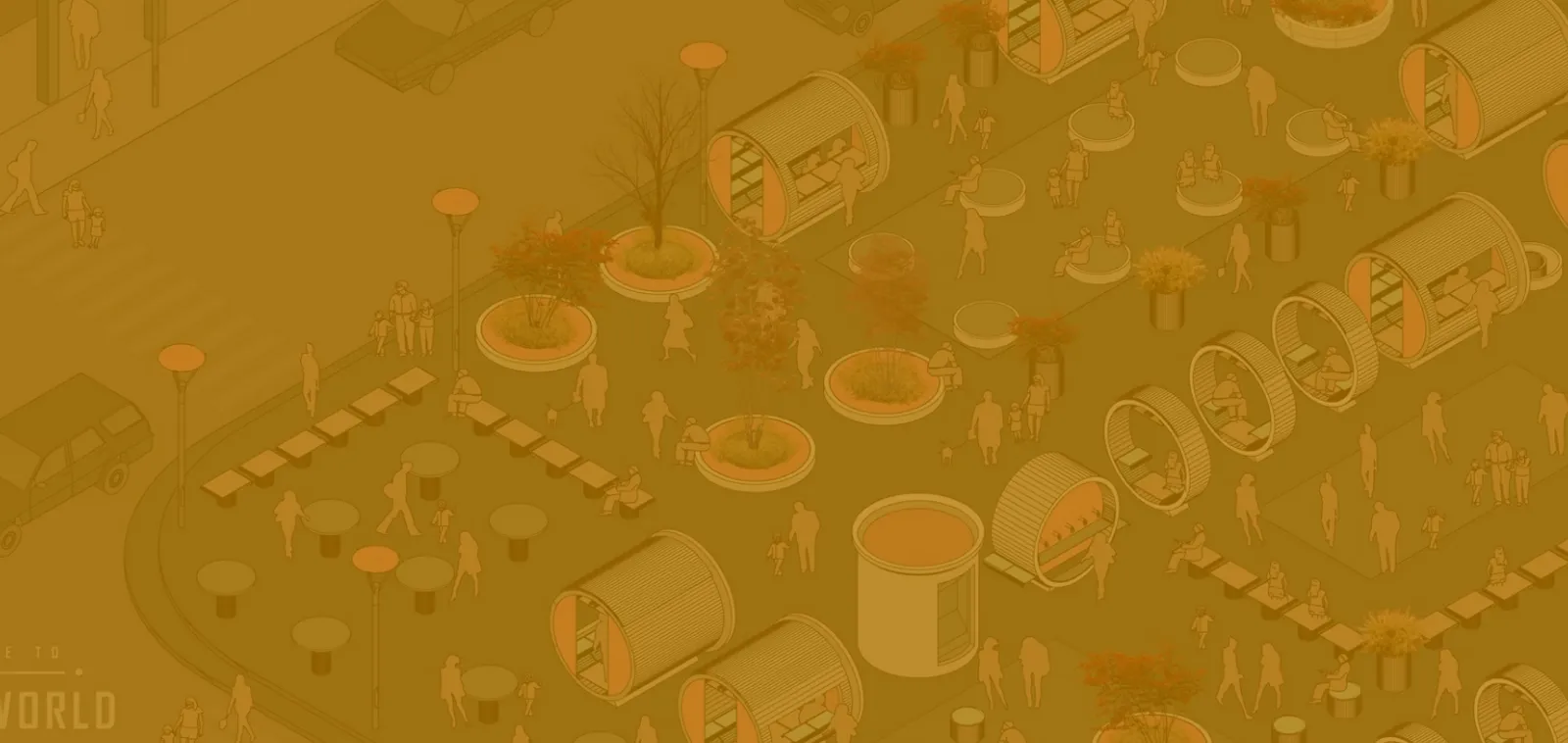
Play: Fragments of Their World
Familiar architecture becomes modular playground design, creating safe spaces where displaced children can learn, connect, imagine and play.
Similar Reads
You might also enjoy these articles
116 Rokeby Building, Collingwood
Sustainable Collingwood office building featuring double-skin façade, natural ventilation, rooftop amenities, and carbon-neutral design focused on wellbeing and longevity.
Contemporary Apartment Renovation in Spain: RV House by BIAN Opens Up to the Sea
A minimalist 1930s apartment in Santander is transformed into a flexible, sea-facing home through contemporary Spanish renovation.
3 Marías House: A Contemporary Mediterranean Courtyard Retreat by Bajet Giramé + Burckhardt
Mediterranean courtyard home blending traditional architecture with modern design, terracotta flooring, flexible interiors, sustainable climate strategies, and garden integration.
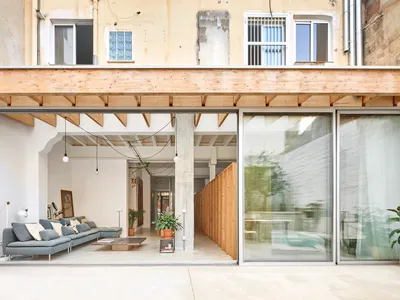
NZ10 Apartment by auba studio: Adaptive Reuse in Palma de Mallorca
Adaptive reuse apartment transforms bakery into light-filled home with patios, privacy layers, and wood interiors enhancing urban living experience.

Explore Cultural Architecture Competitions
Discover active competitions in this discipline




Challenge to reimagine the Iron Throne


Photograph architecture without architects


Illustrate the lost glory of Angkor Wat - Render Challenge

Bring back Drive In's
Comments (0)
Please login or sign up to add comments
No comments yet. Be the first to comment!