
Sustainable Architecture for Community Engagement
The Moselle and Madon Community Headquarters blends sustainable design, local resources, and community involvement for a modern, eco-friendly civic center.


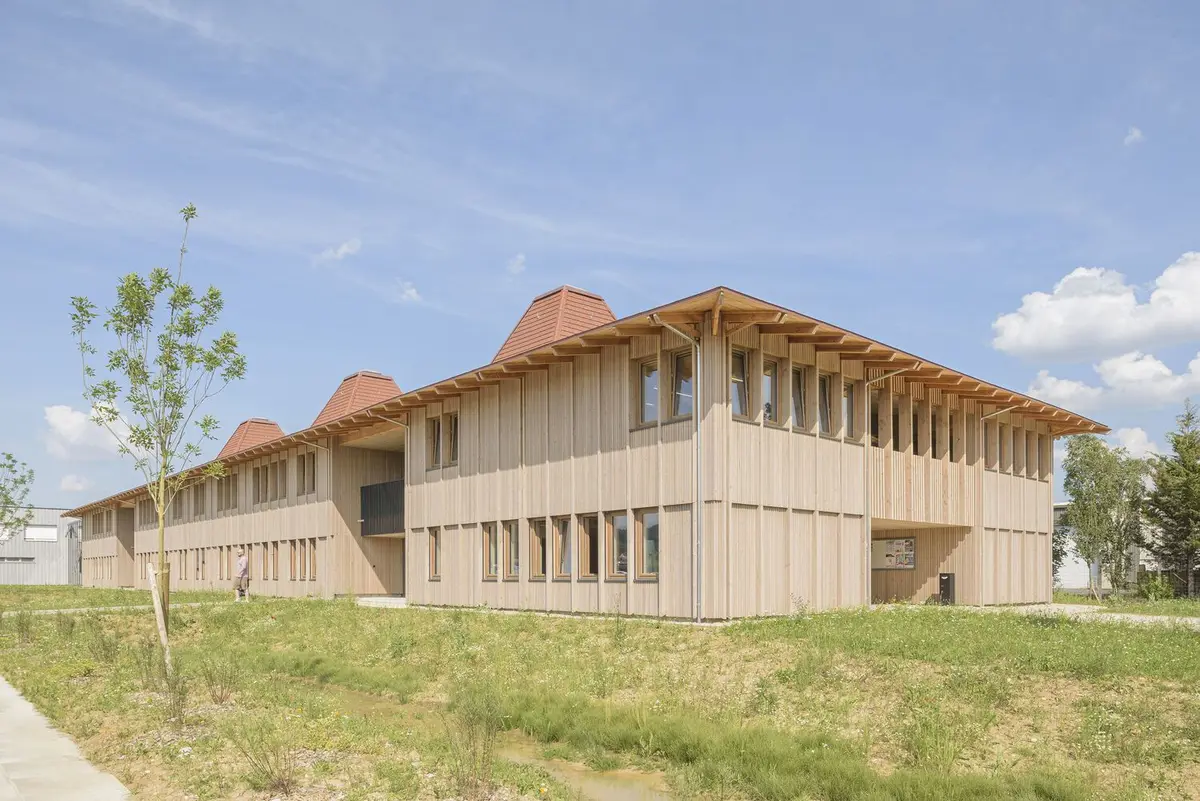
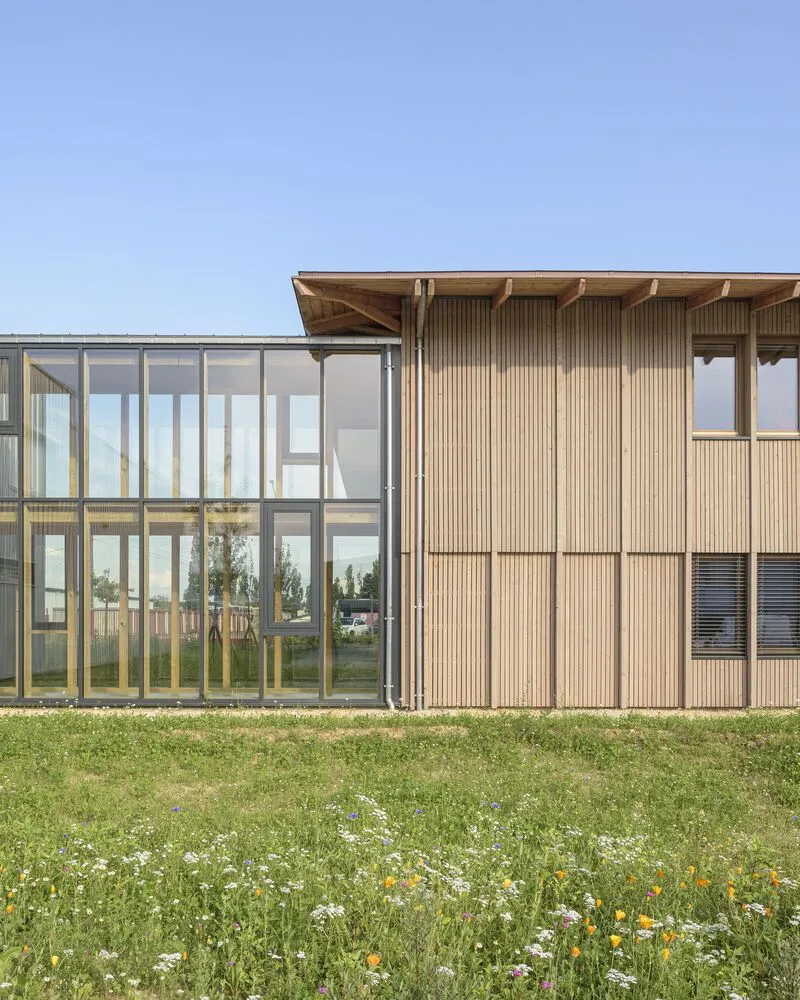
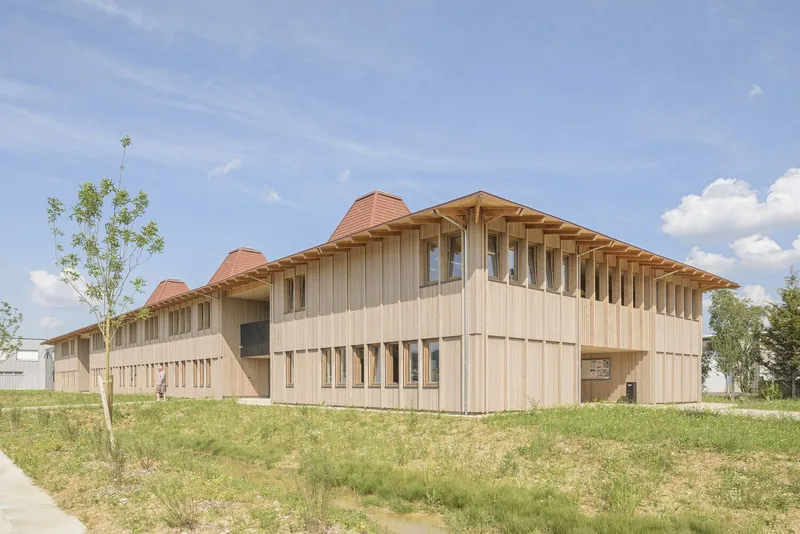
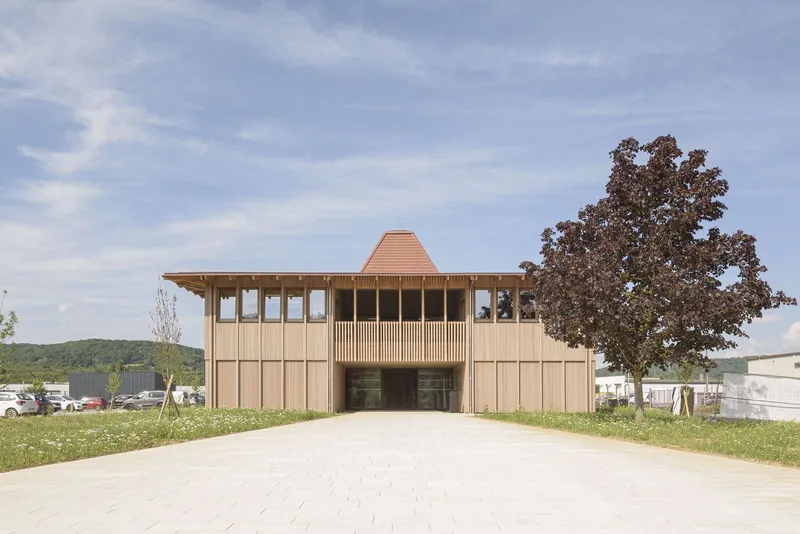
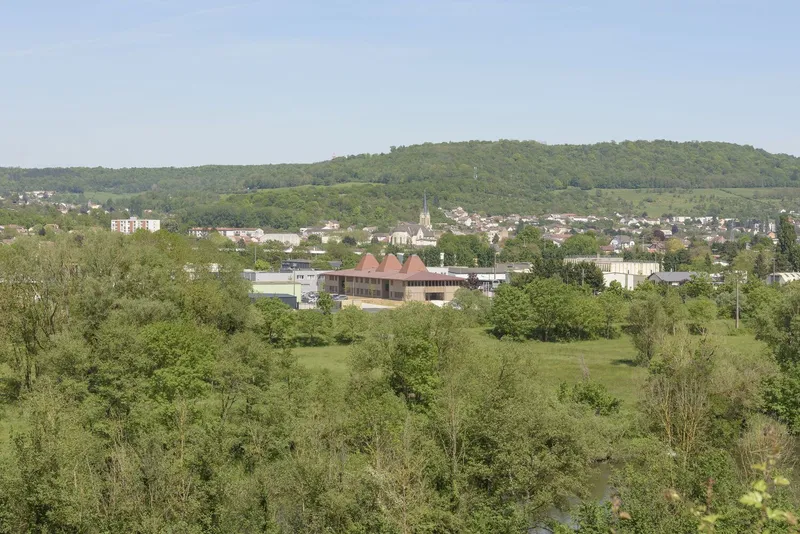
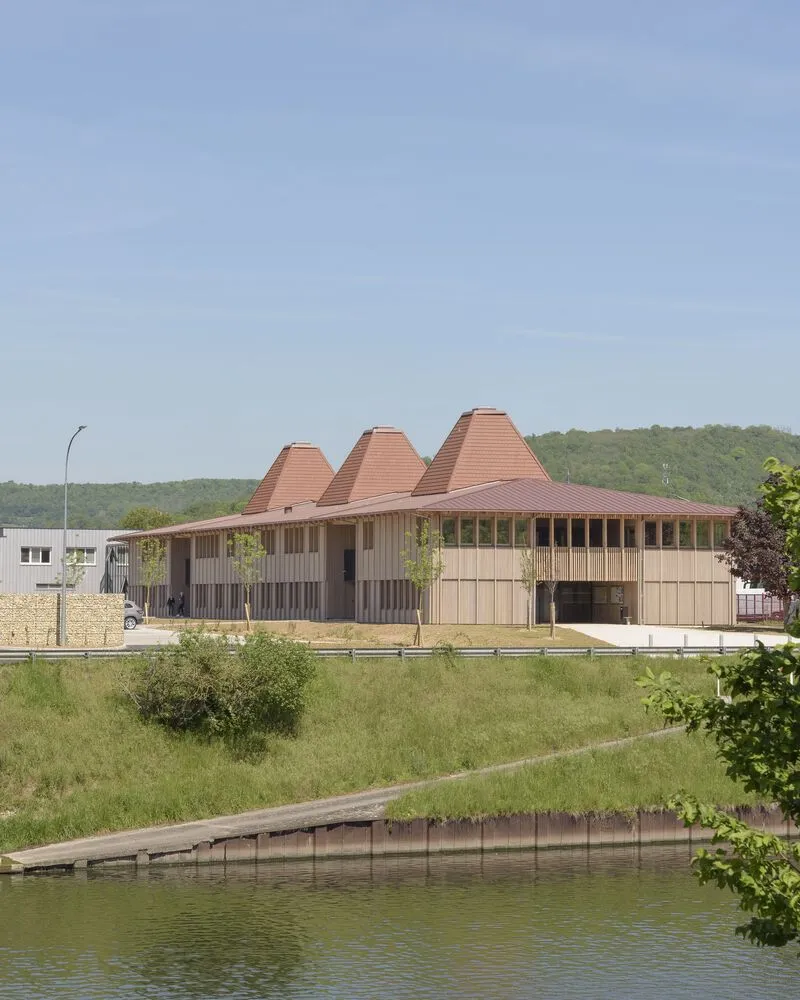
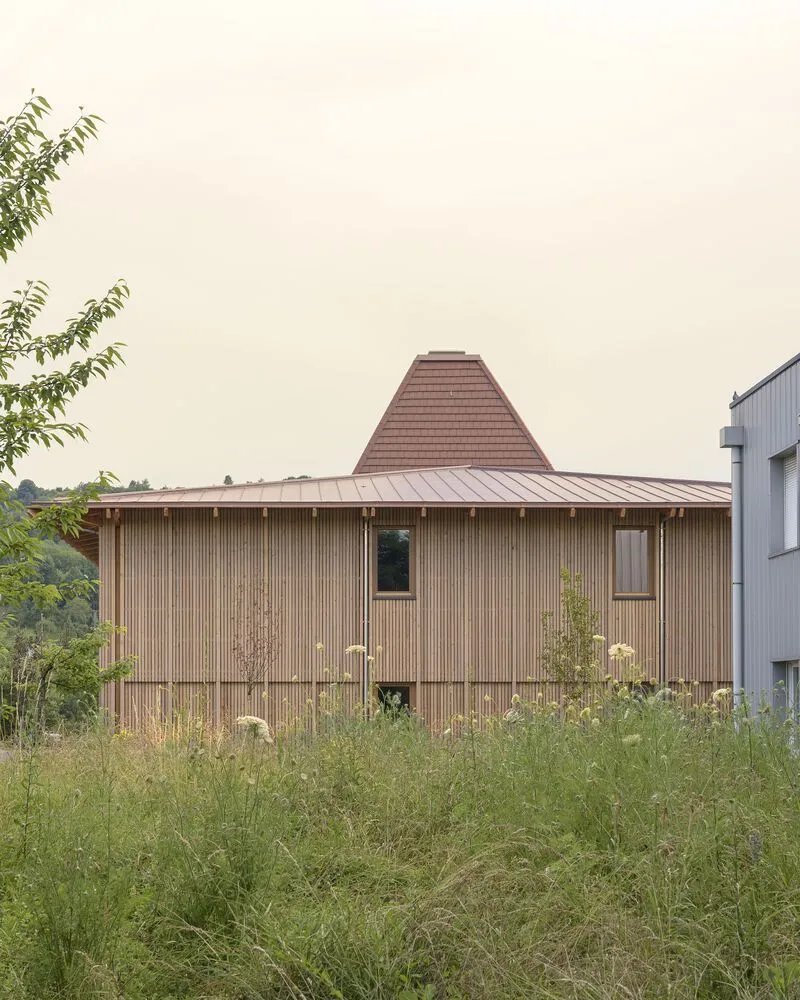
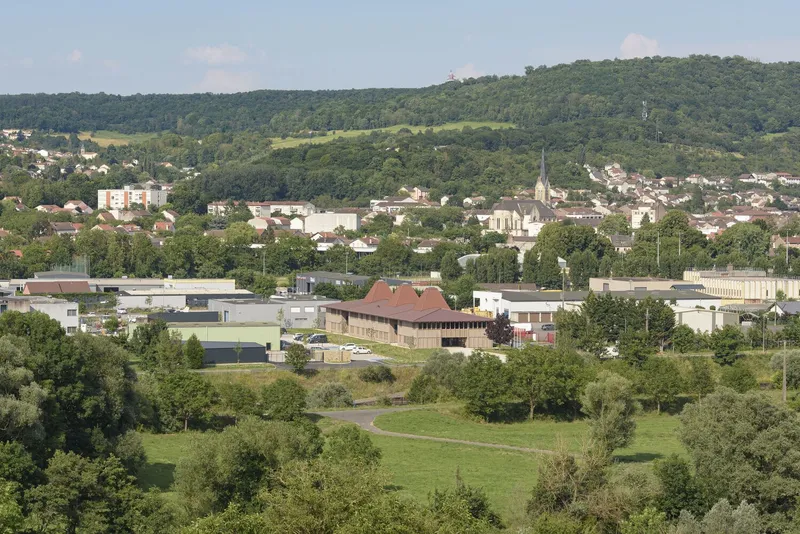
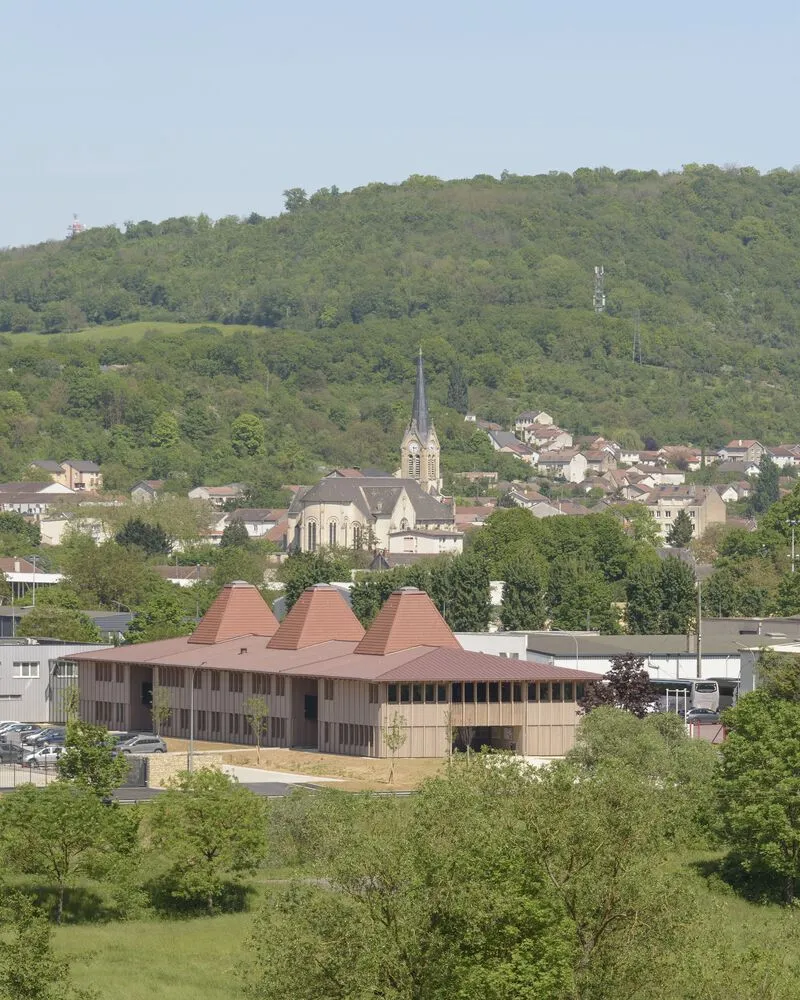
The Moselle and Madon Community Headquarters in Neuve-Maison, France, designed by Studiolada, stands as an example of sustainable architecture and community-driven development. With a focus on ecological adaptation and local resource utilization, this project transforms a former industrial site into a modern community hub that emphasizes environmental responsibility and civic participation.
Transforming an Industrial Site into a Sustainable Civic Center
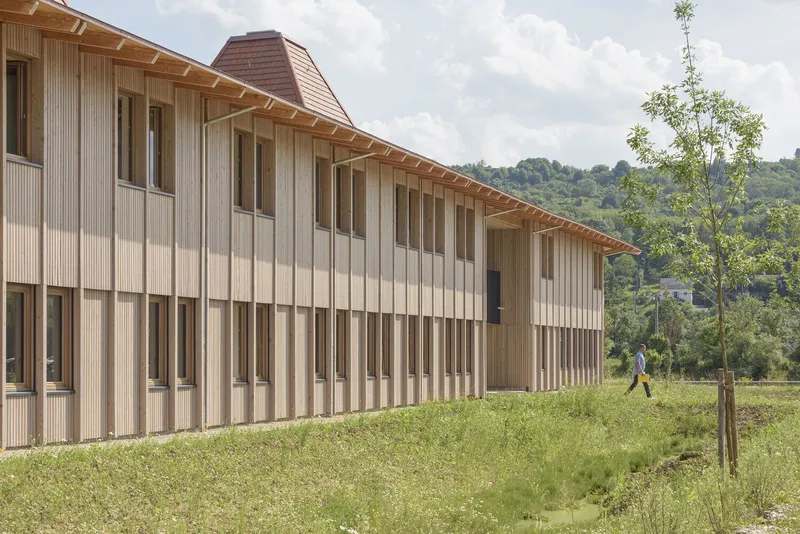
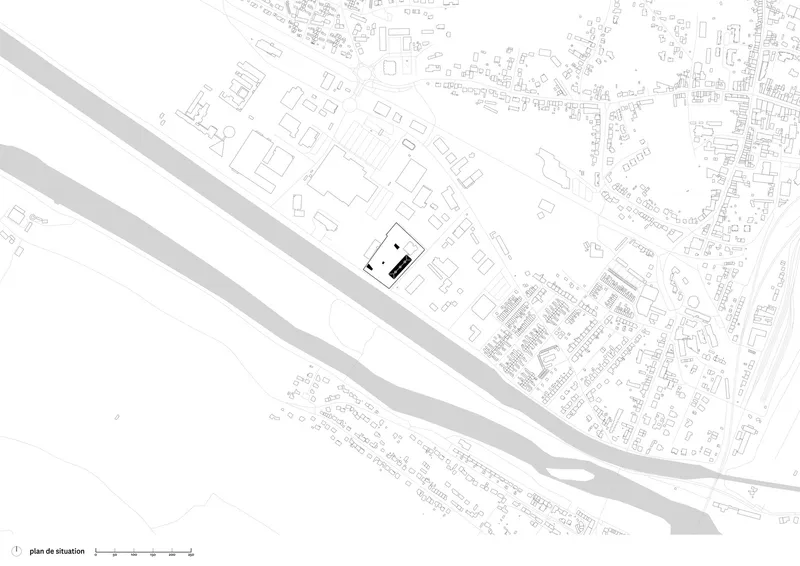
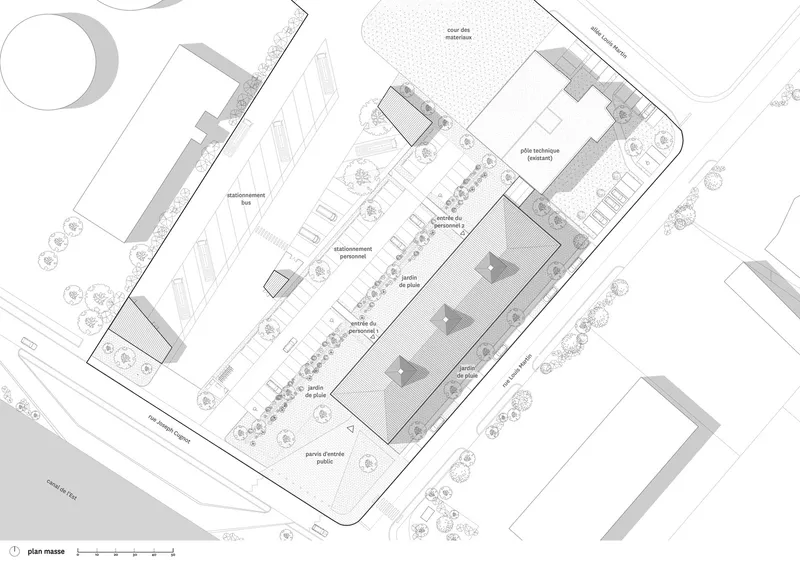
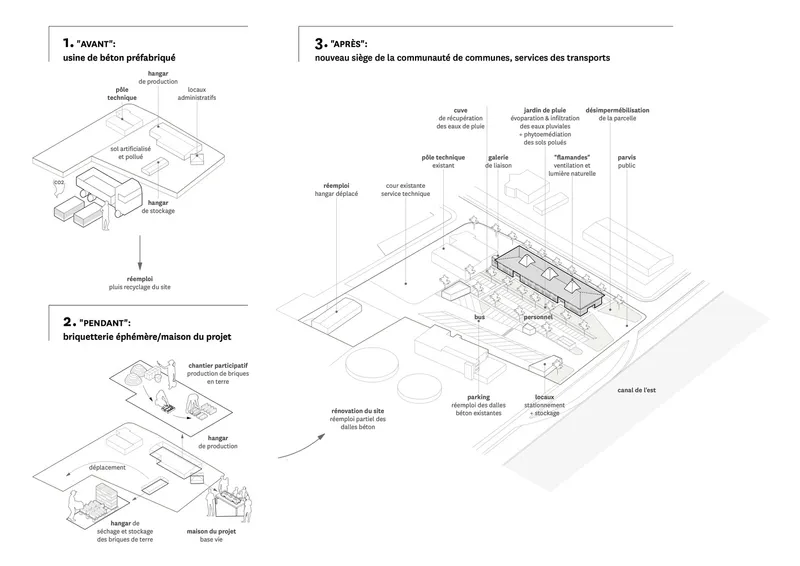
The project involved redeveloping an old industrial site along a canal, breathing new life into a region facing economic decline. The goal was to centralize municipal services and provide a bus terminal, while simultaneously revitalizing the area through the creation of new green spaces and soil decontamination. This intervention reflects a broader vision of urban renewal and ecological responsibility, aiming to create a positive, lasting impact on both the environment and the local community.
Eco-Friendly Features and Water Management Strategies
One of the standout features of the project is its commitment to sustainable water management. A rain garden collects runoff from the building’s roofs, ensuring that water is managed on-site. Tanks are used to store water, which is repurposed for bus washing and restroom facilities. Additionally, plant species are employed to remediate the polluted soils, fostering environmental recovery while promoting ecological diversity.
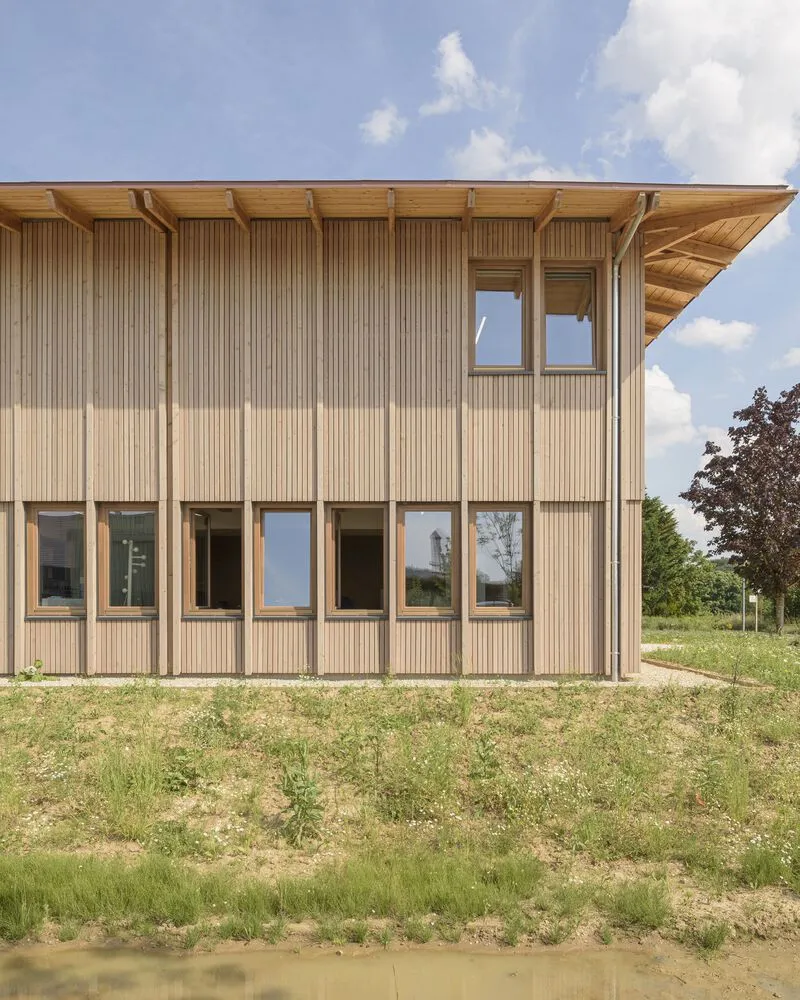
Architectural Design Inspired by Local Culture and Materials
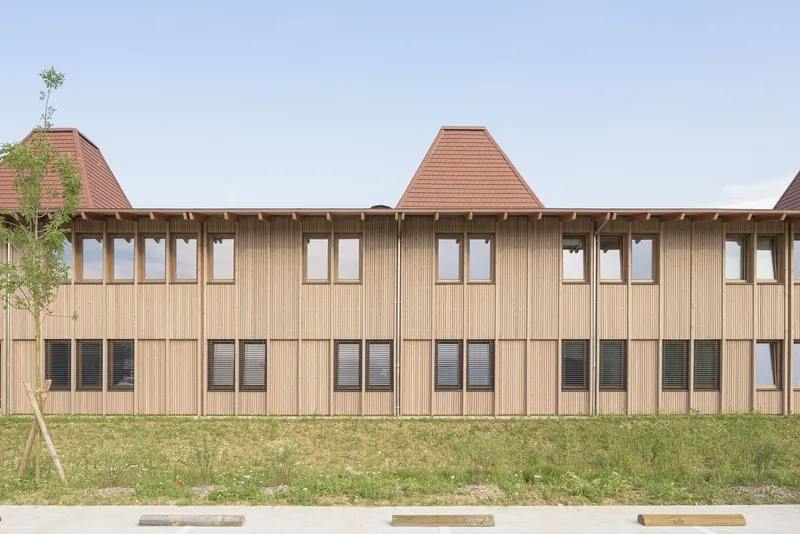
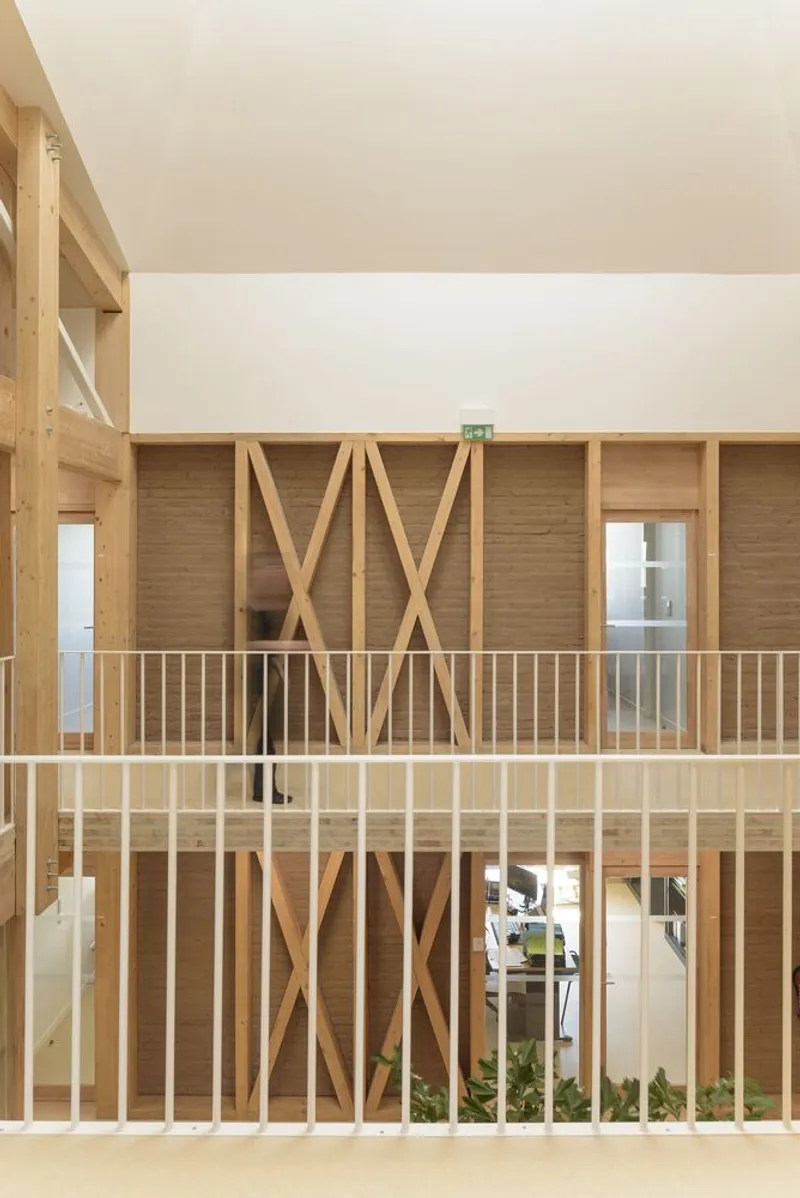
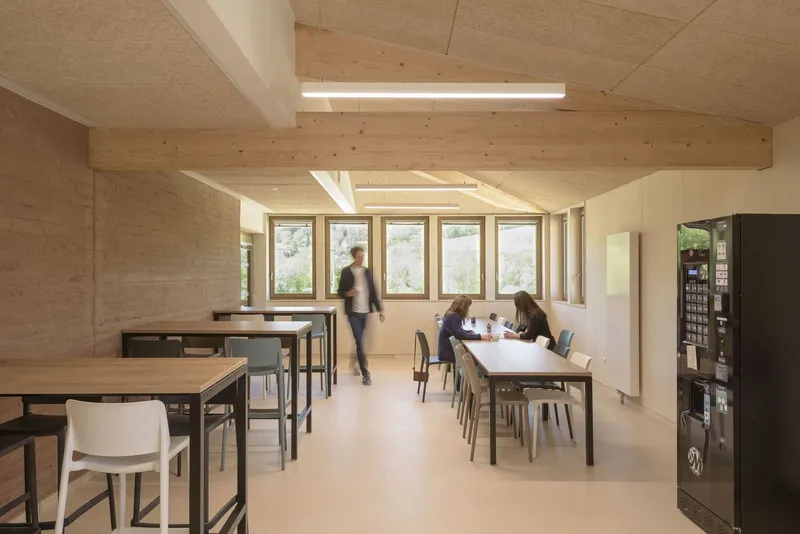
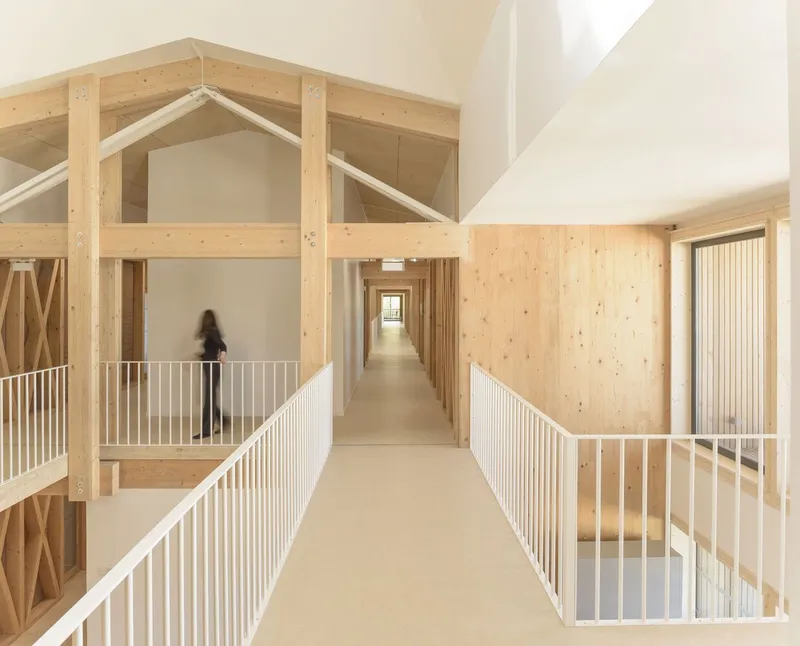
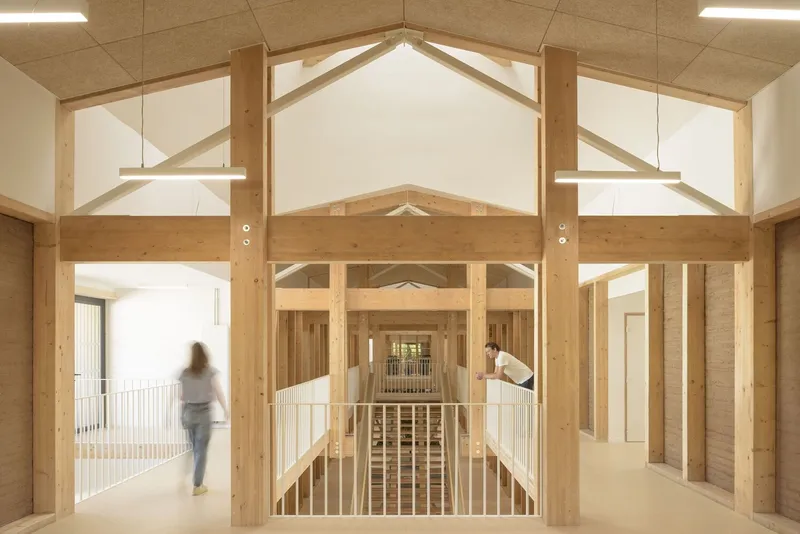
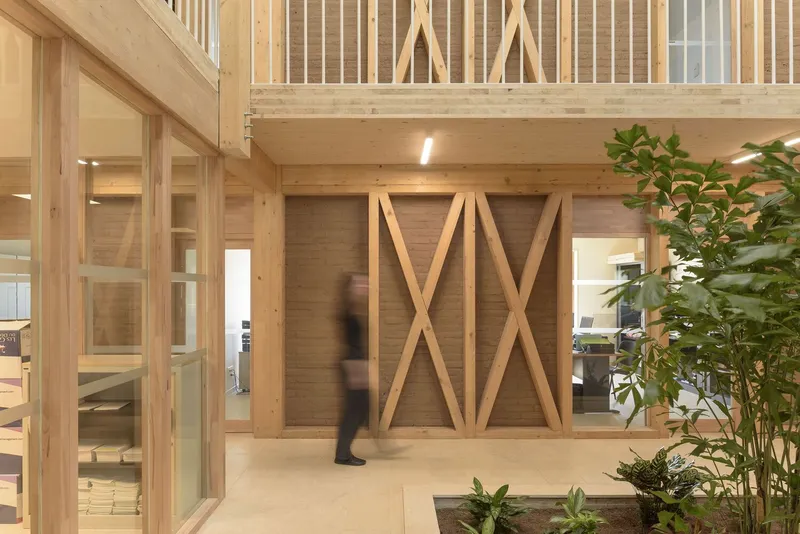
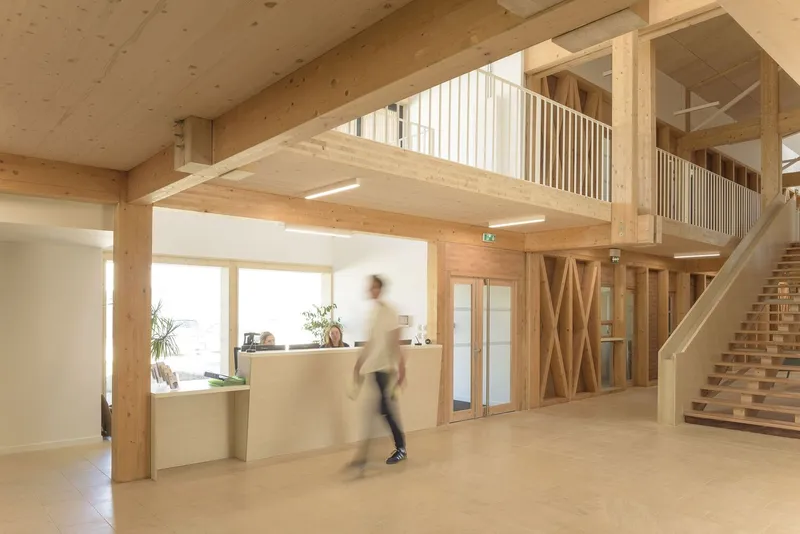
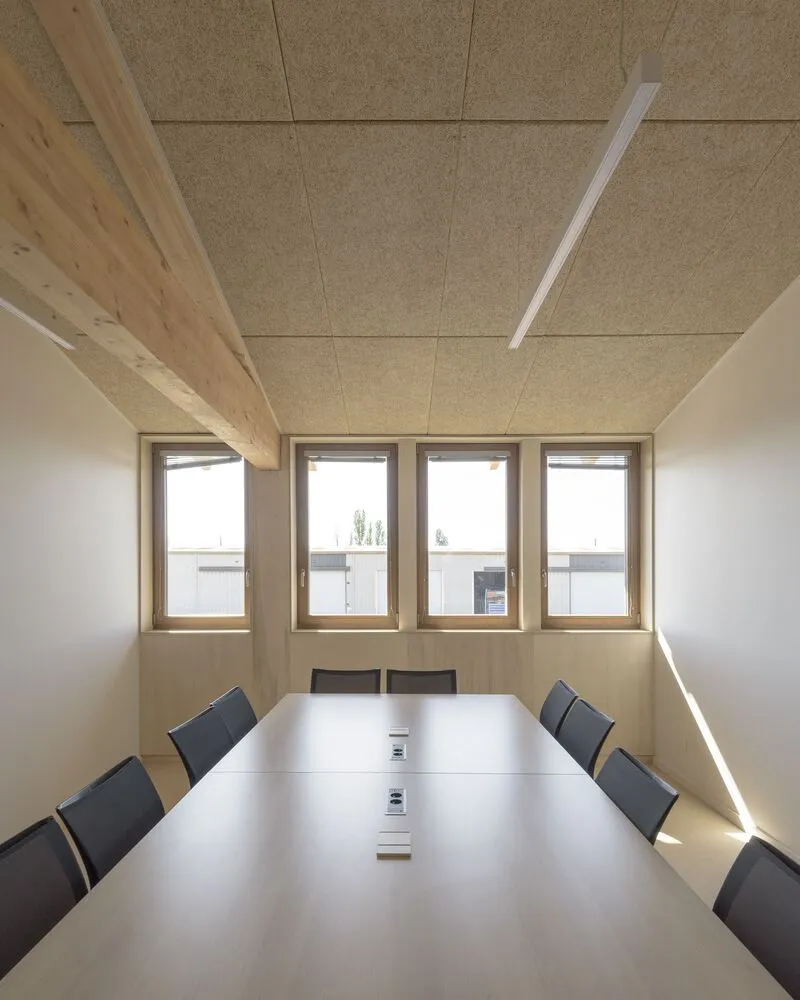
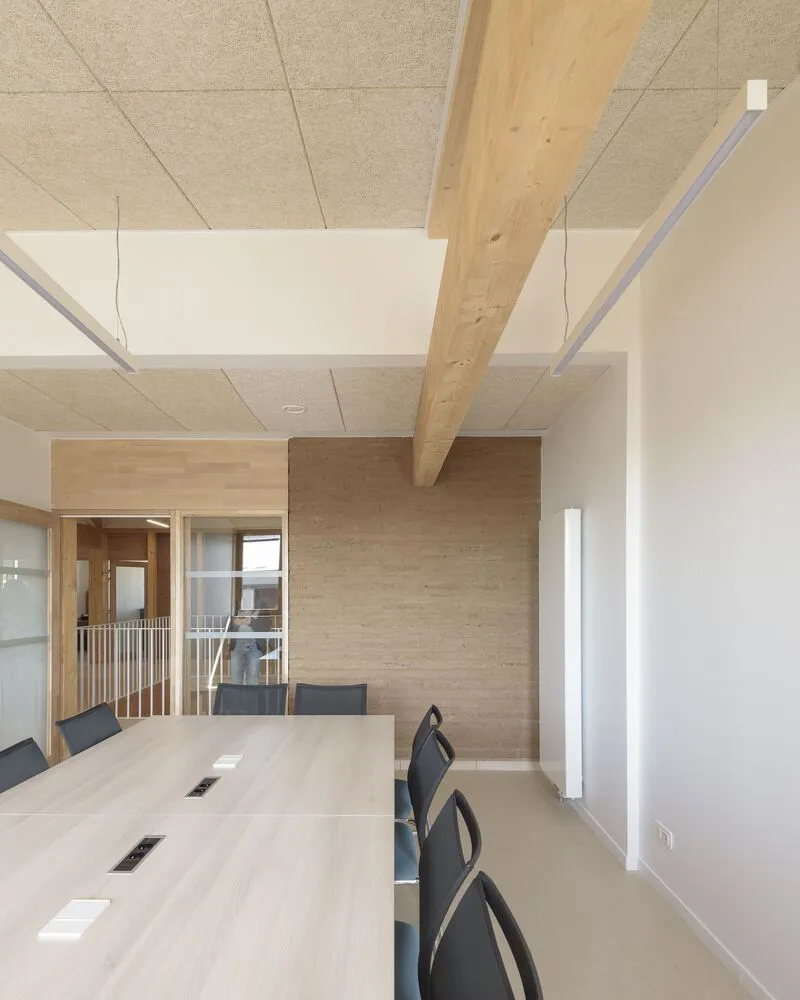
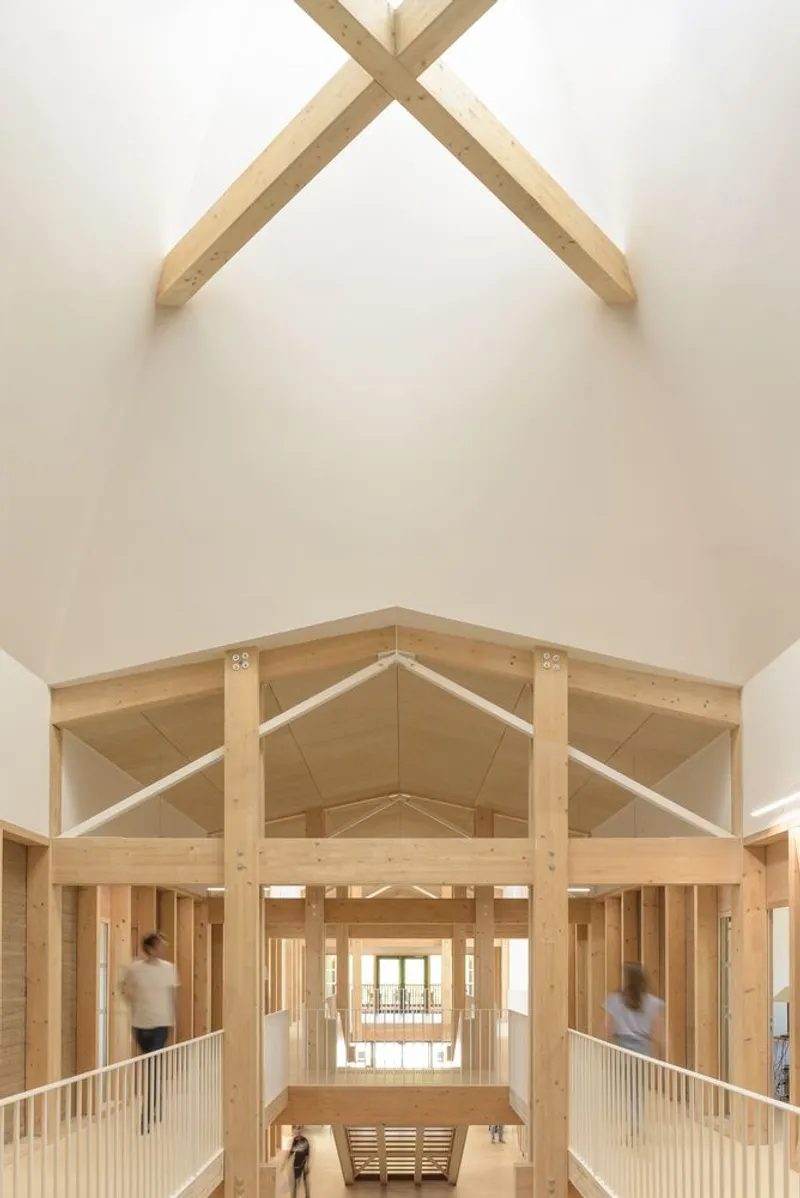
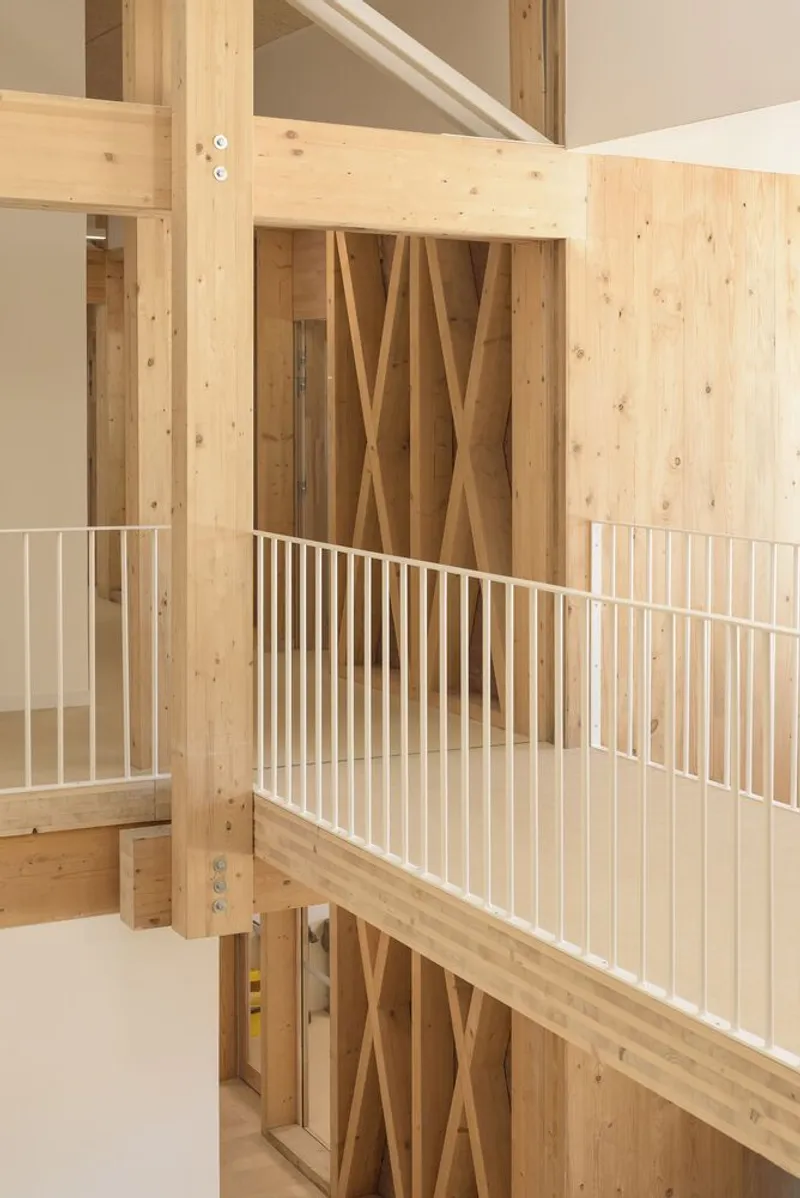
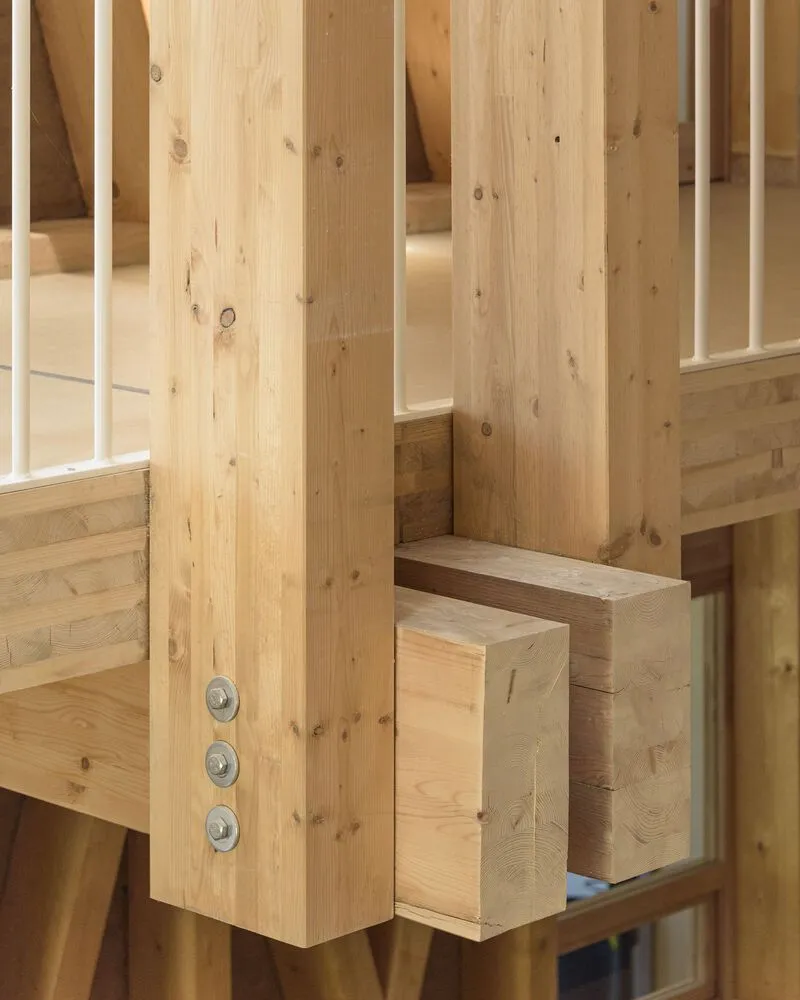
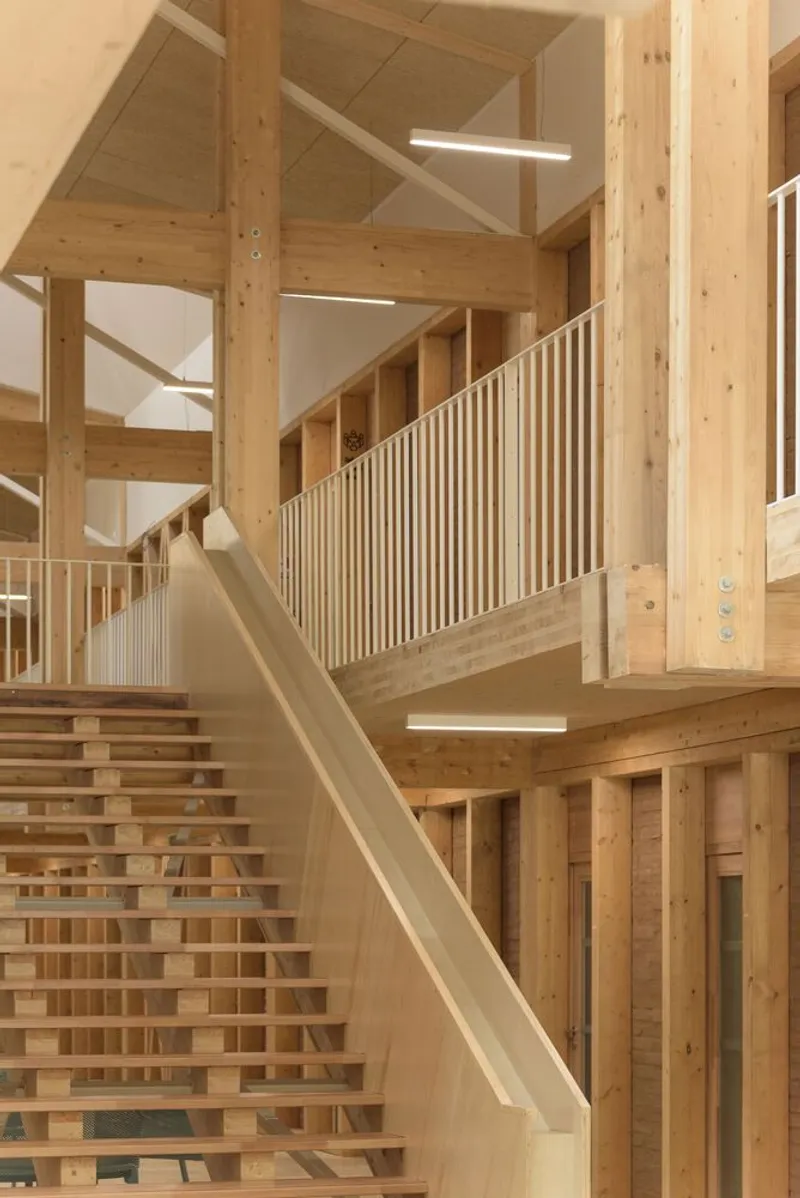
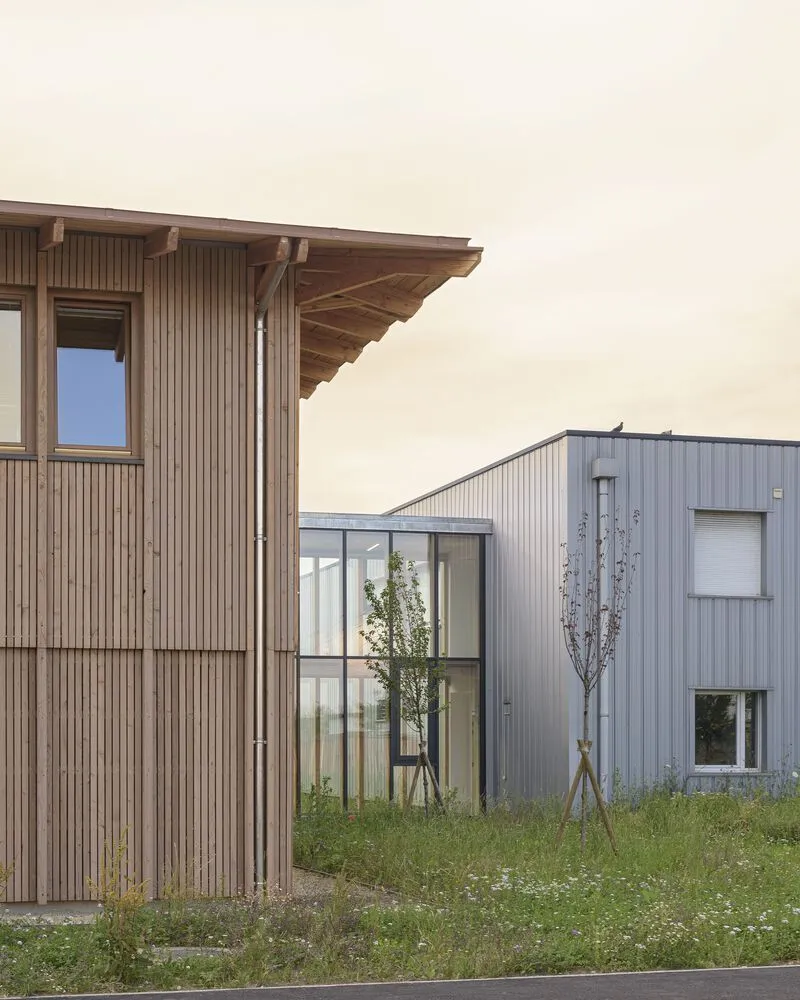
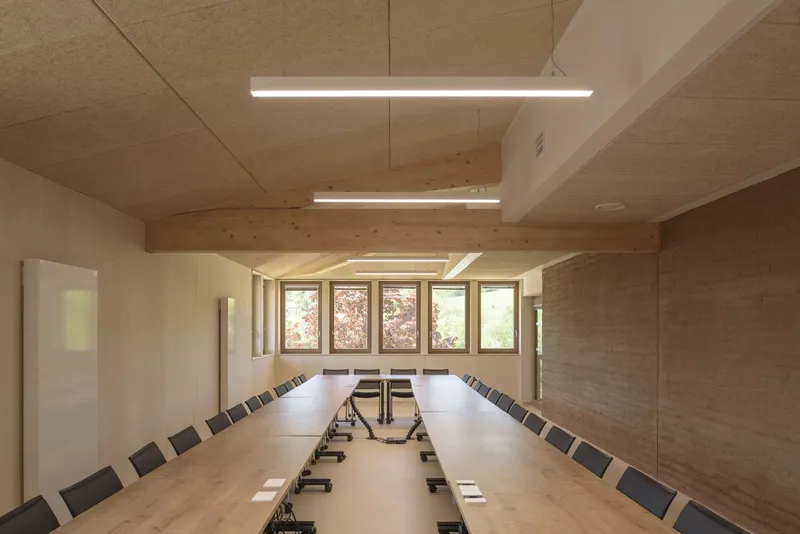
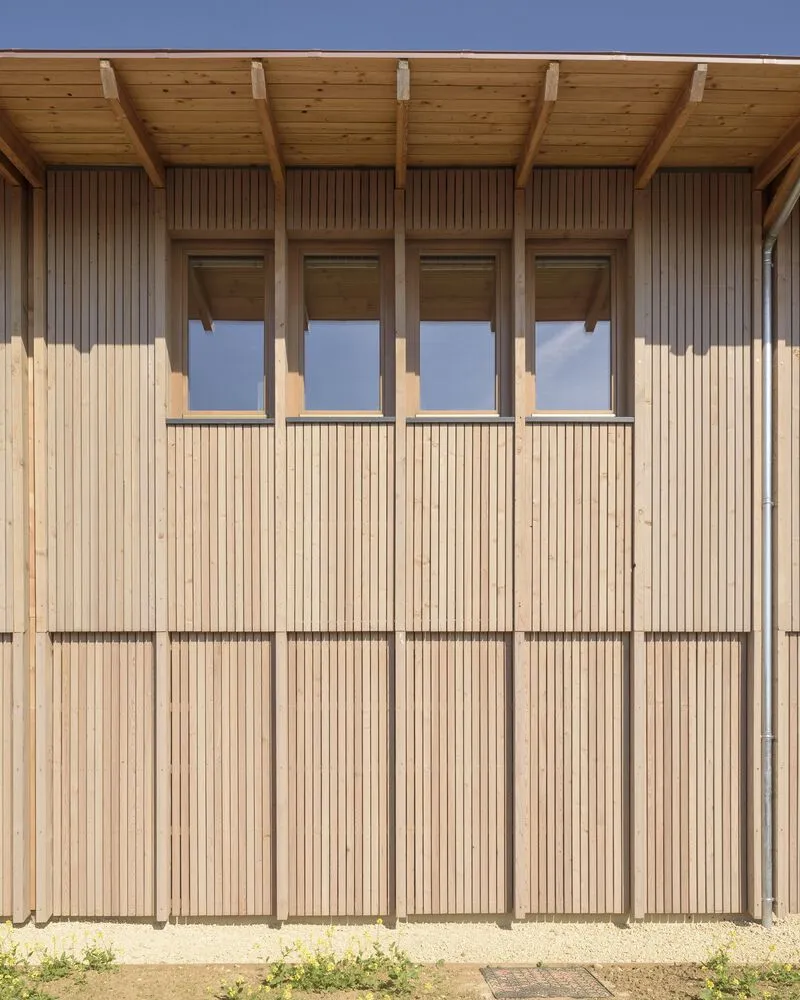
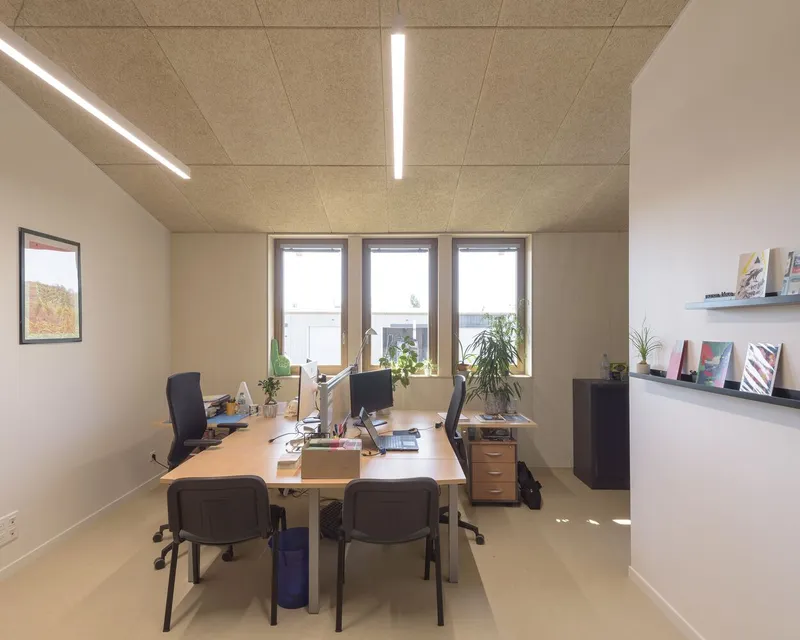
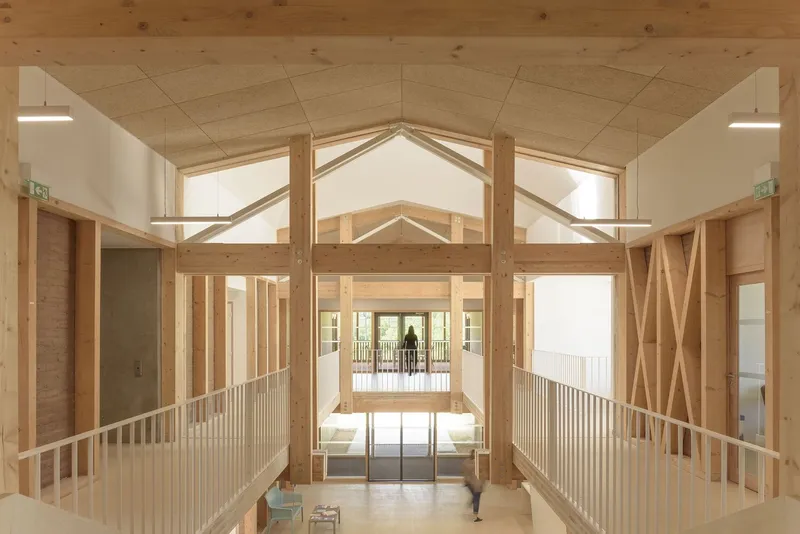
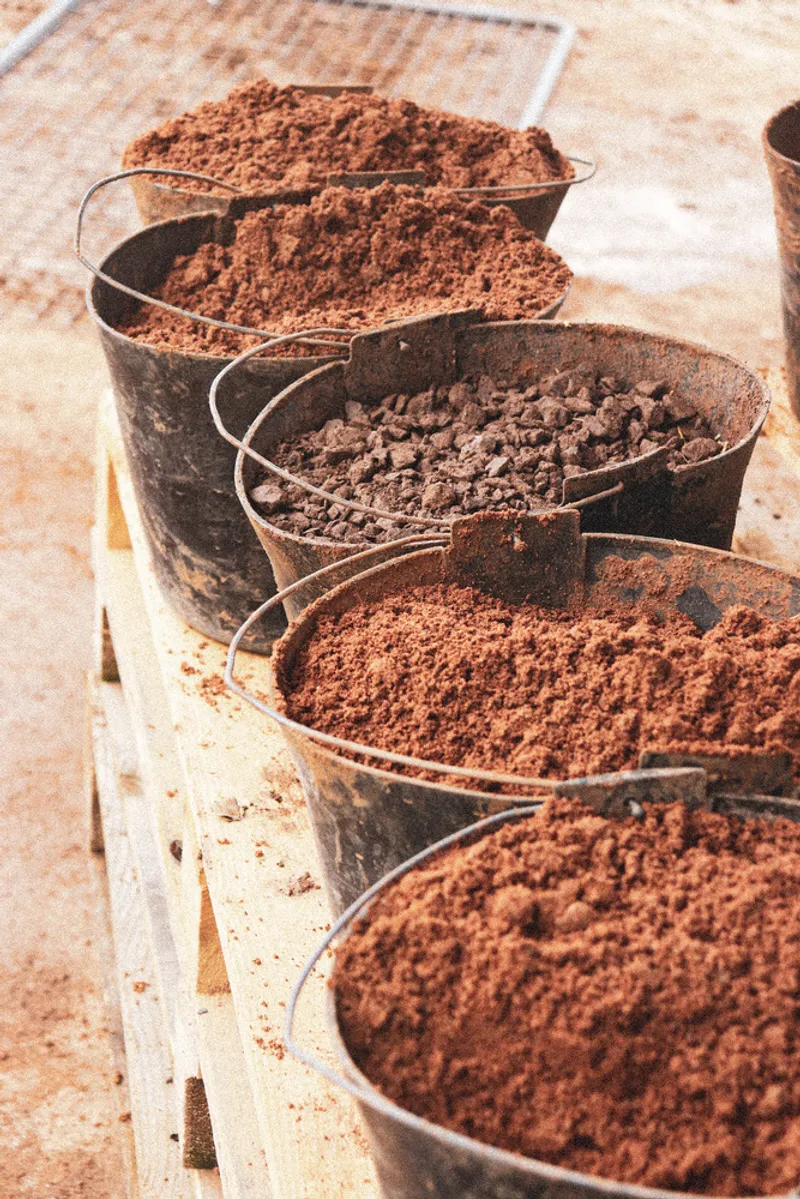
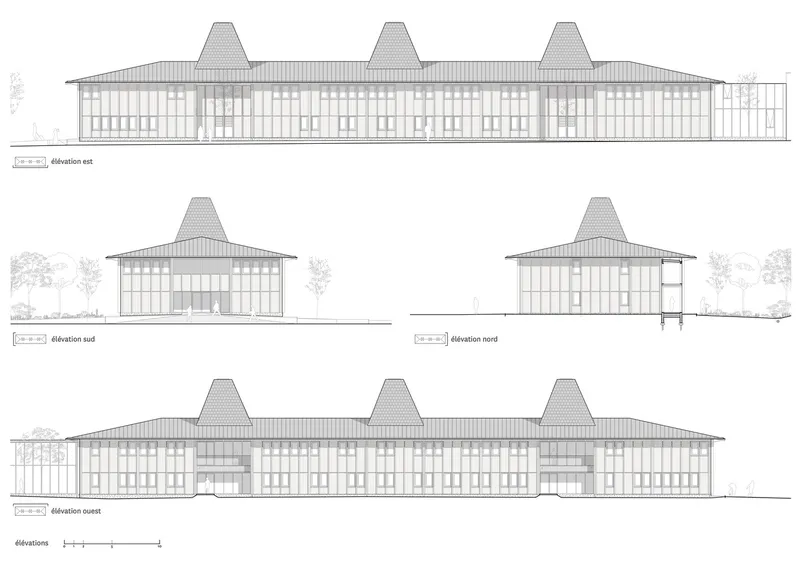
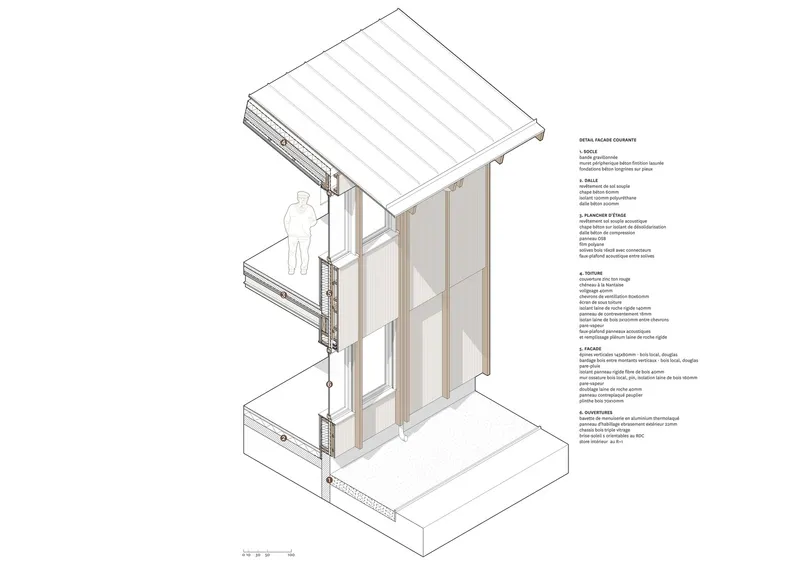
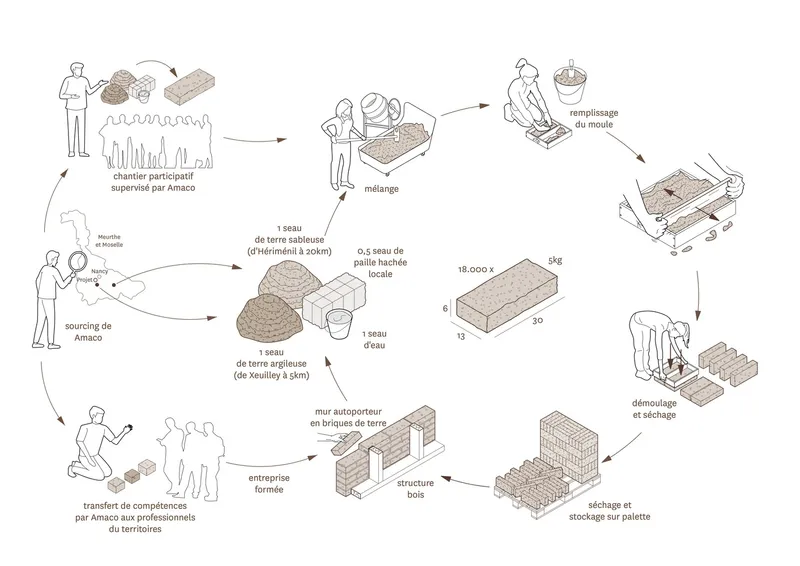
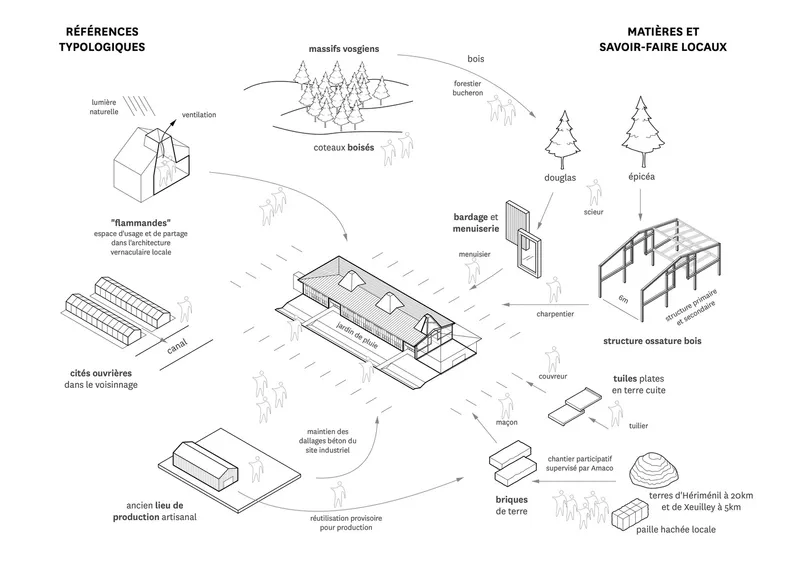
The building’s design emphasizes simplicity, aesthetics, and functionality while incorporating locally available materials. A vast terracotta and zinc roof creates a unified protective cover, while the structure itself showcases raw materials like wood and earth. The use of local earth for internal walls not only reduces the carbon footprint but also pays homage to regional craftsmanship. The building’s form and materials reflect a conscious effort to preserve local architectural traditions while adapting them for modern needs.
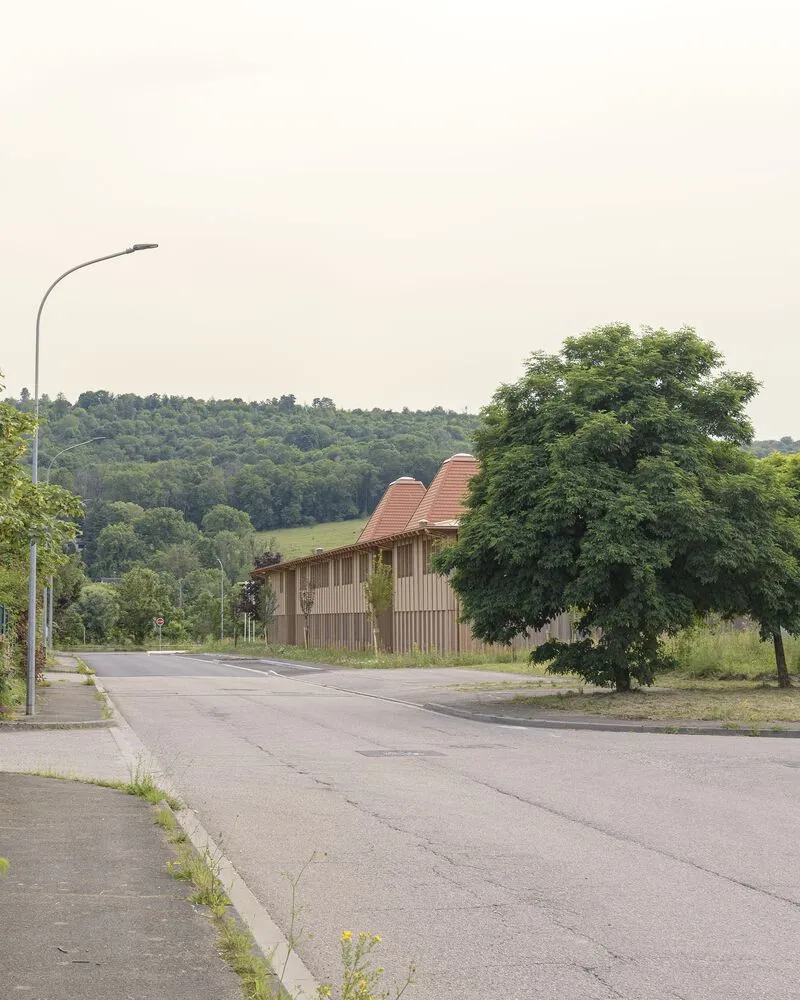
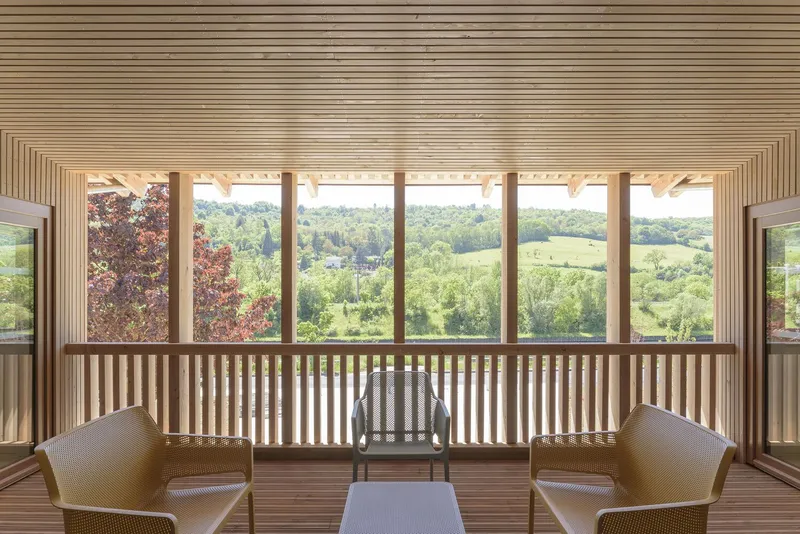
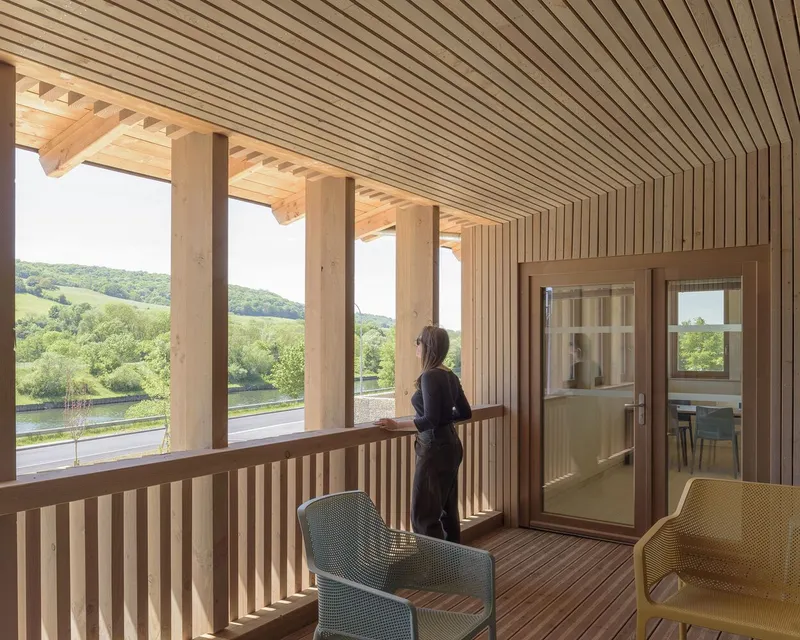
The Role of Local Resources and Community Involvement
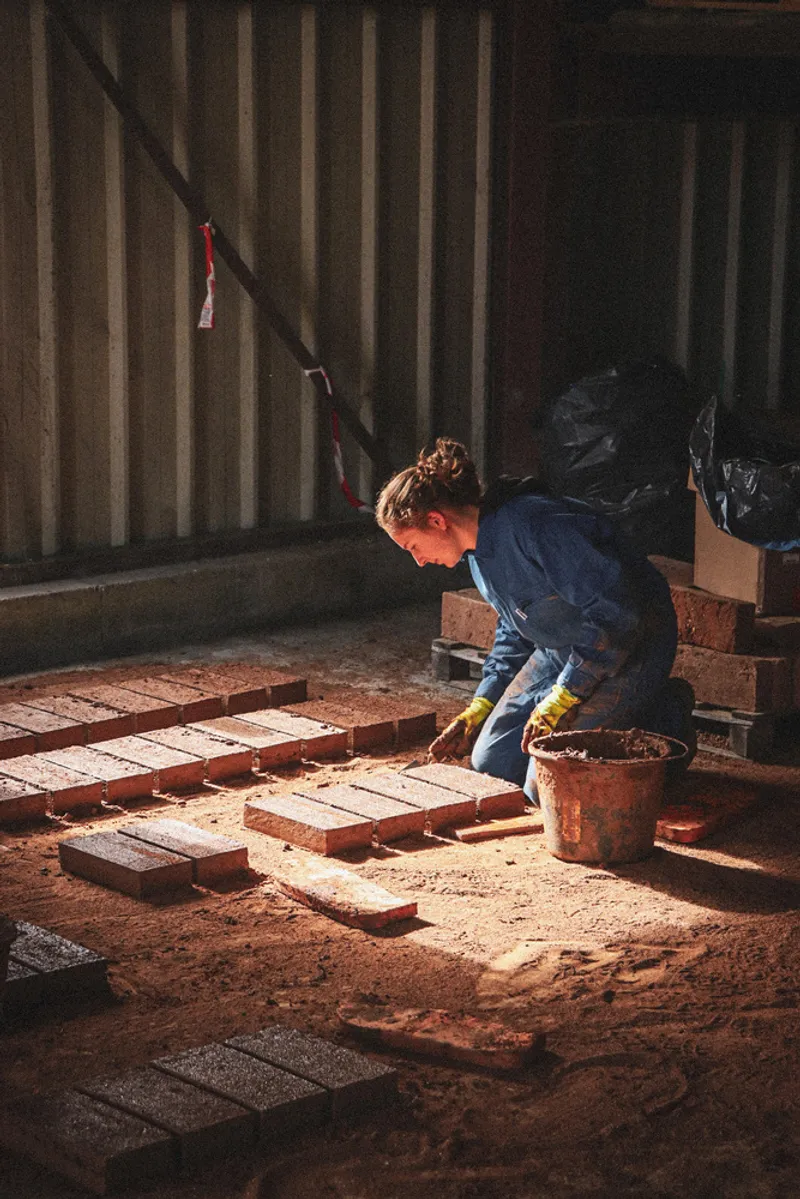
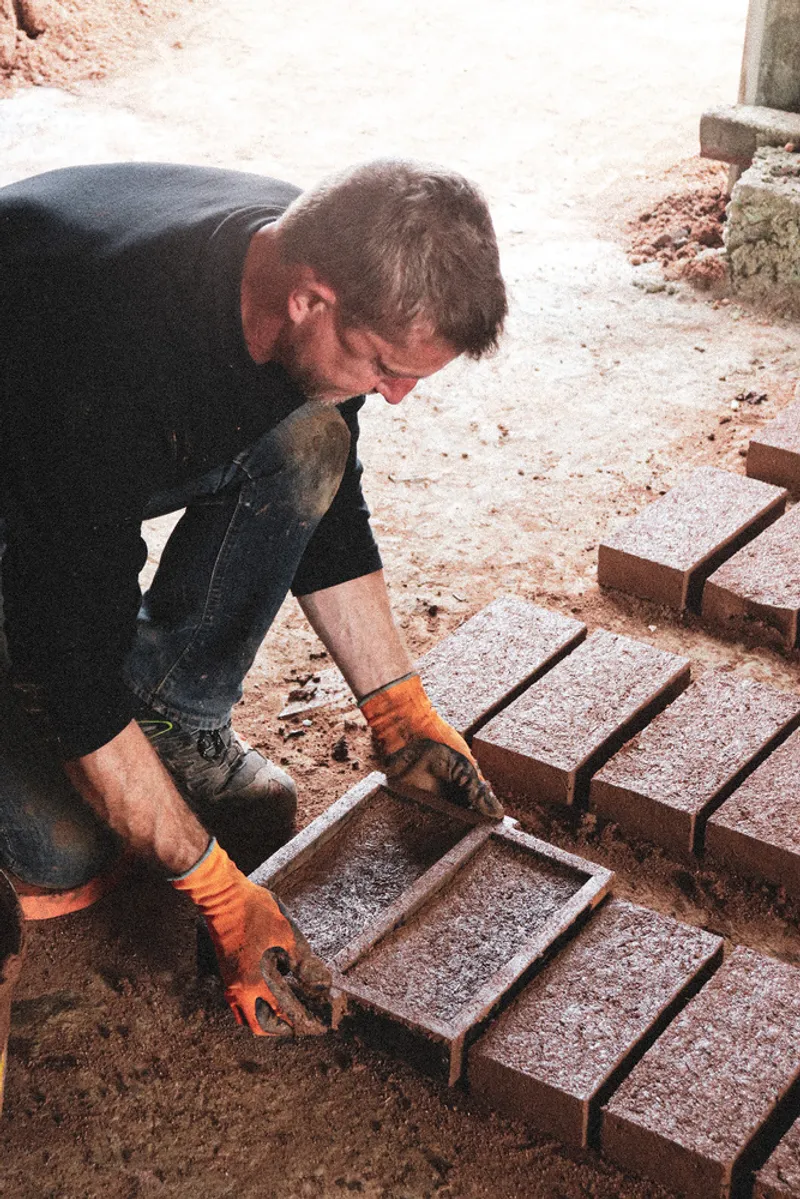
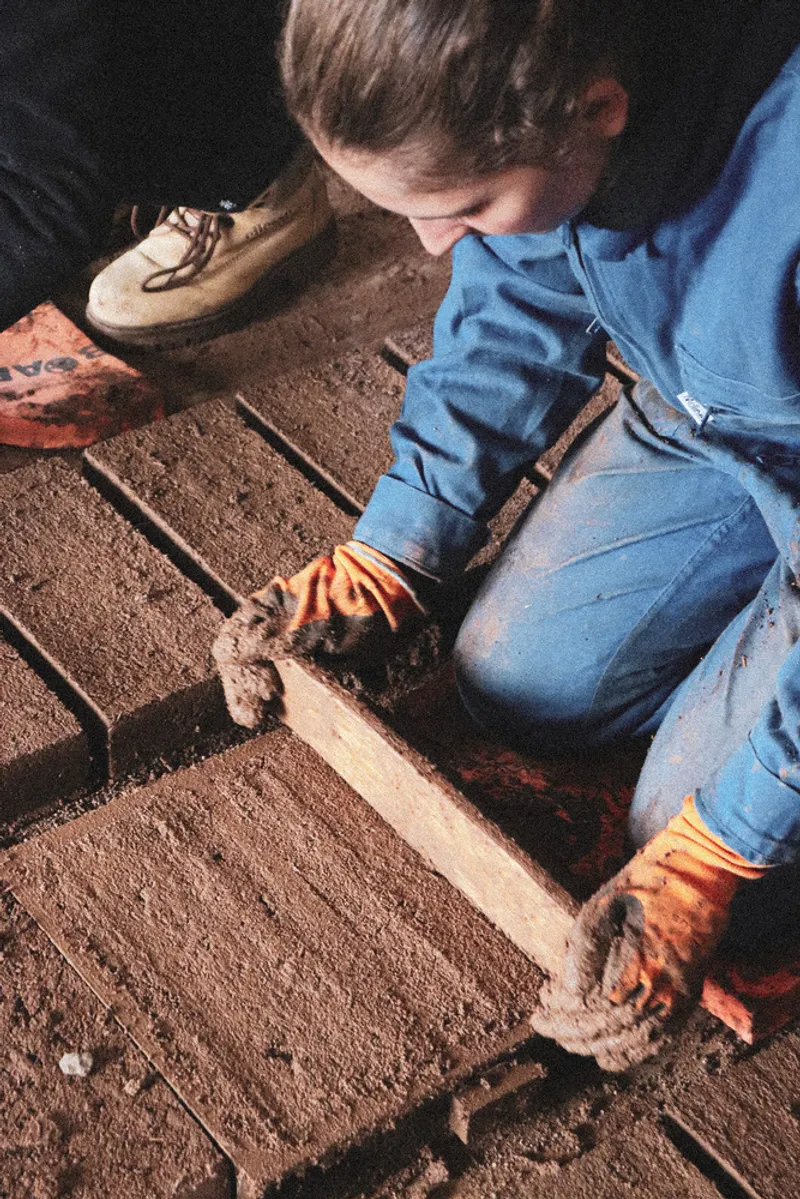
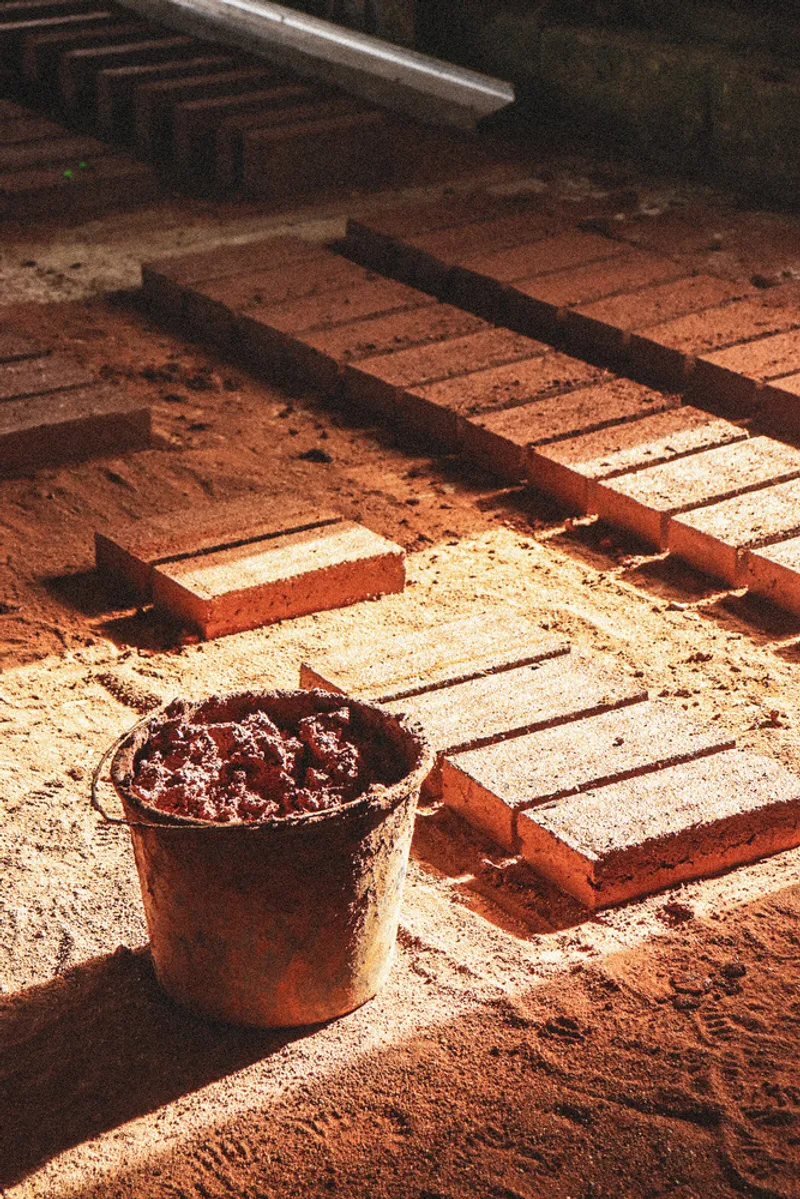
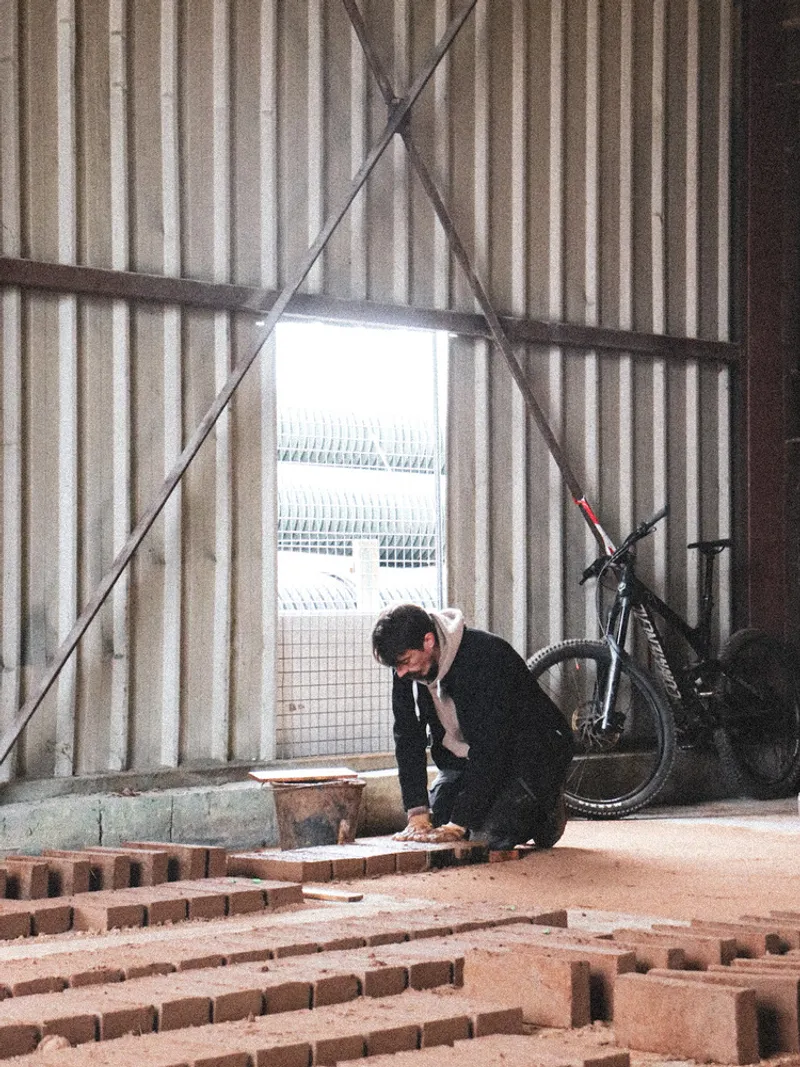
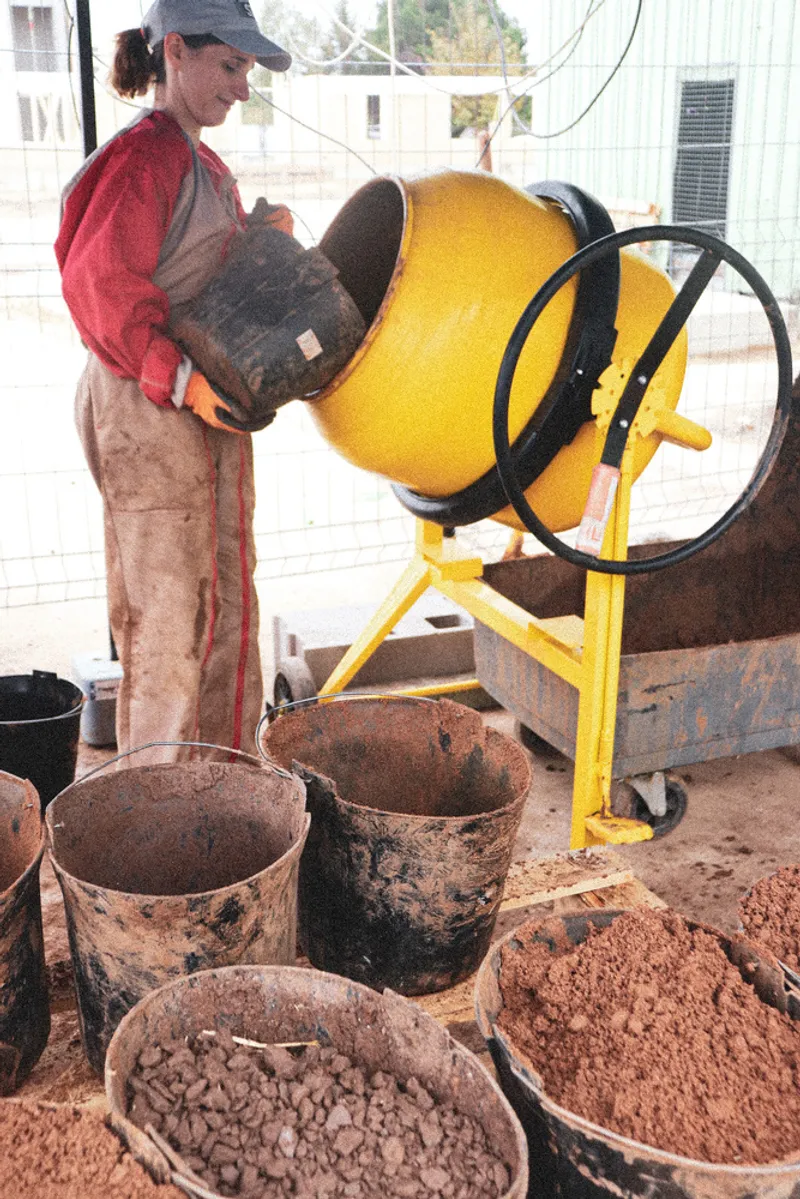
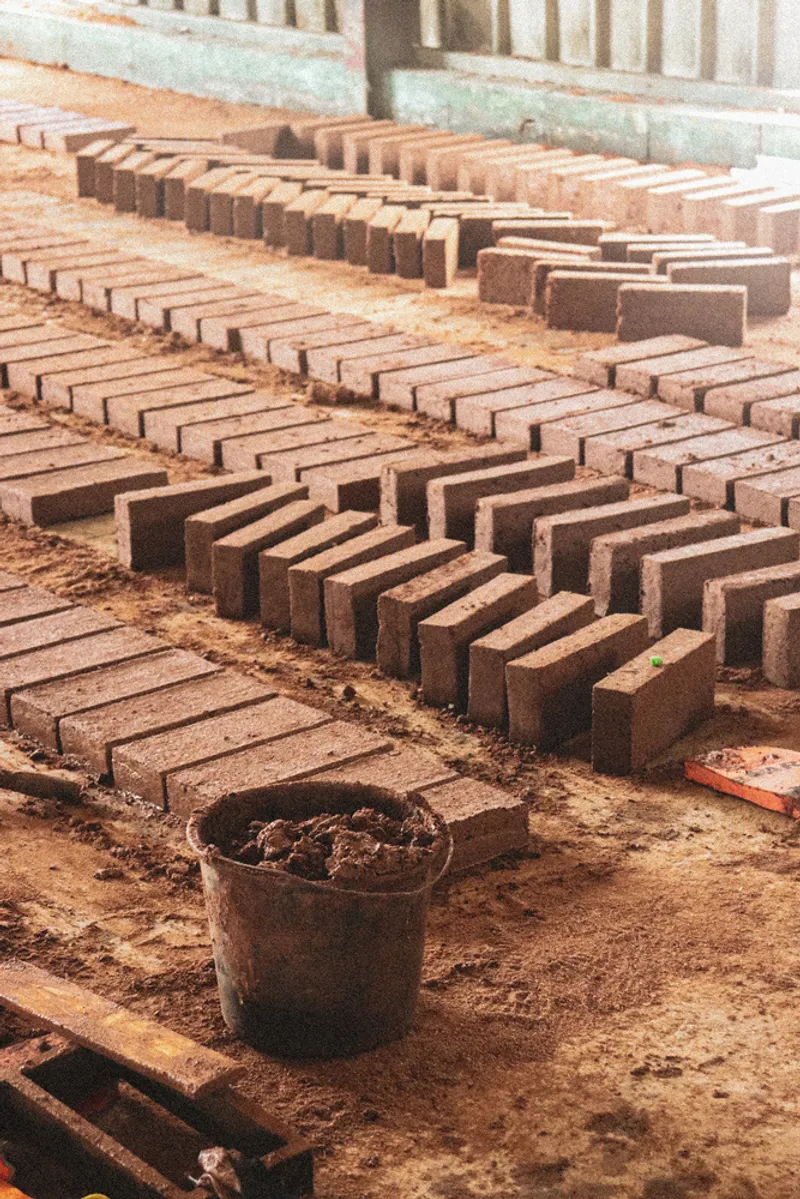
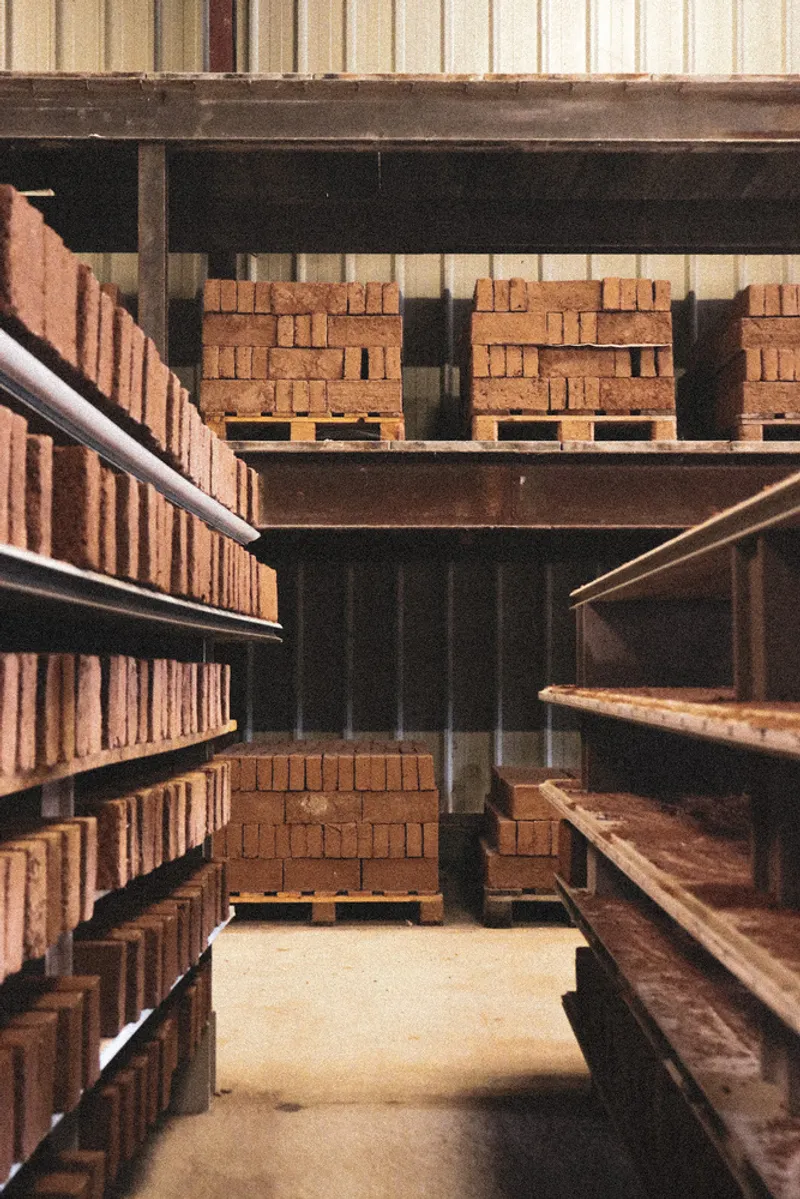
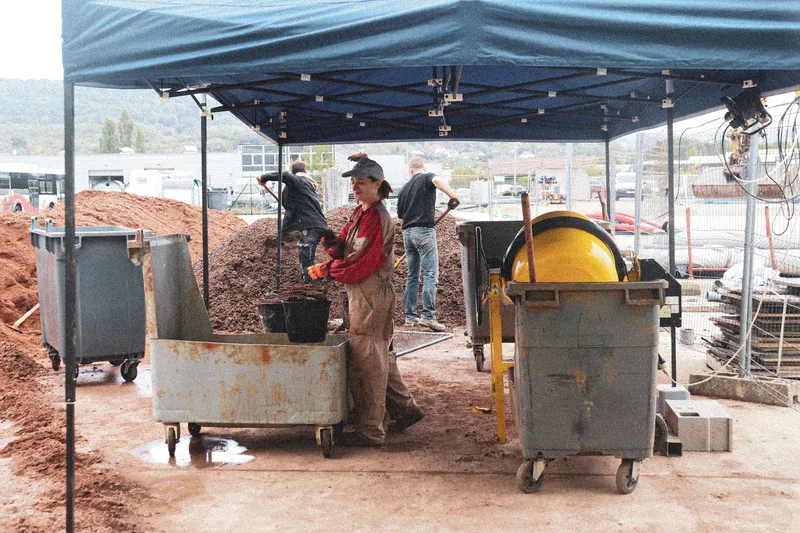
Incorporating local resources and involving the community were key elements of the design process. Through collaboration with local artisans, the project utilized local earth to construct partition walls, with a focus on sustainability and thermal performance. A participatory brick-making workshop was organized, allowing over 300 local residents, including schoolchildren and volunteers, to contribute to the construction of 18,000 bricks. This initiative supported local craftsmanship and created a sense of ownership among the community.
Energy-Efficient Building Features
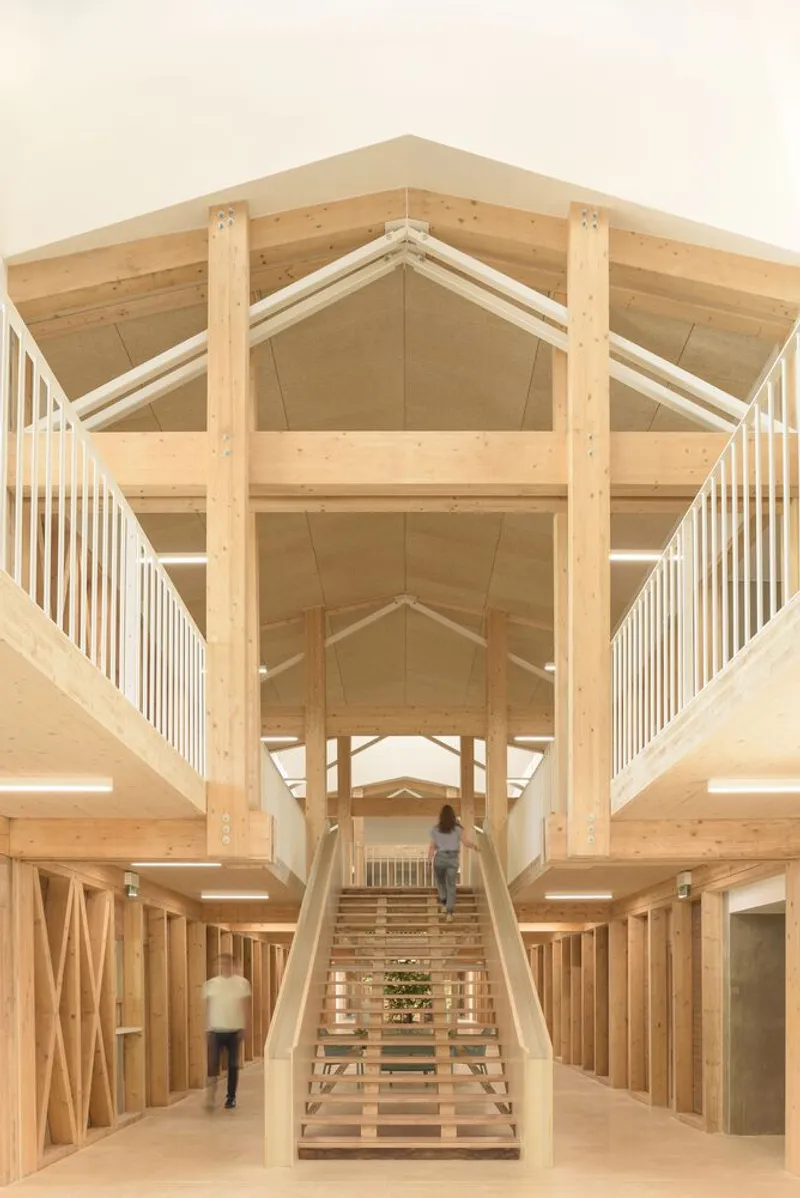
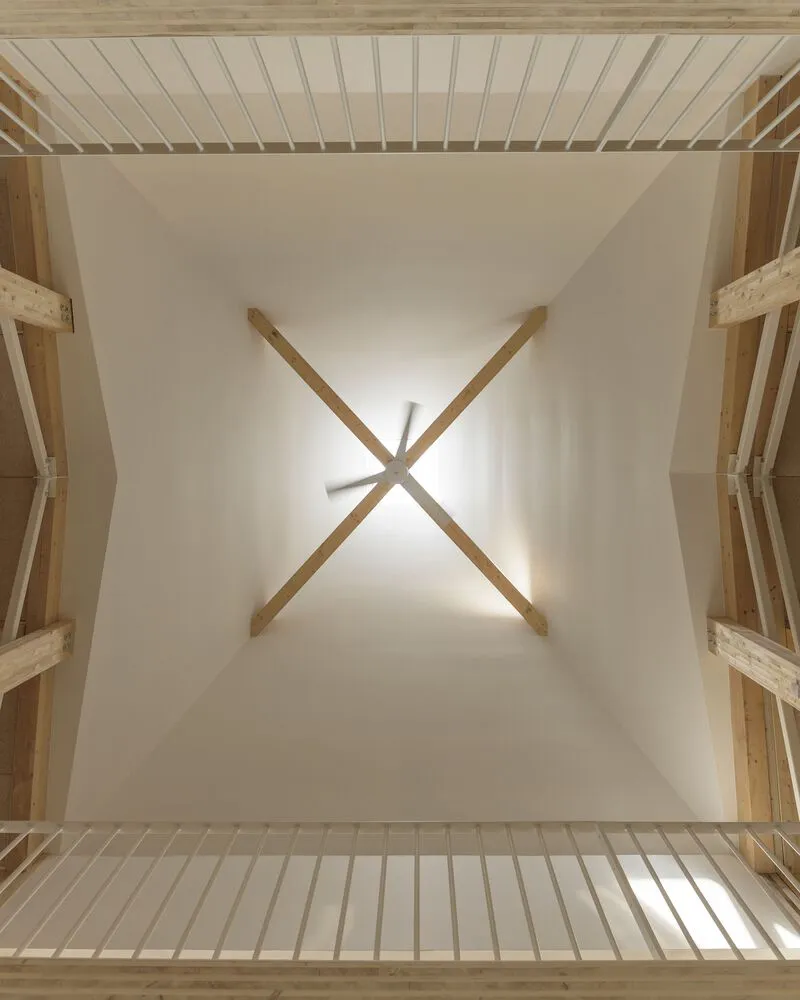
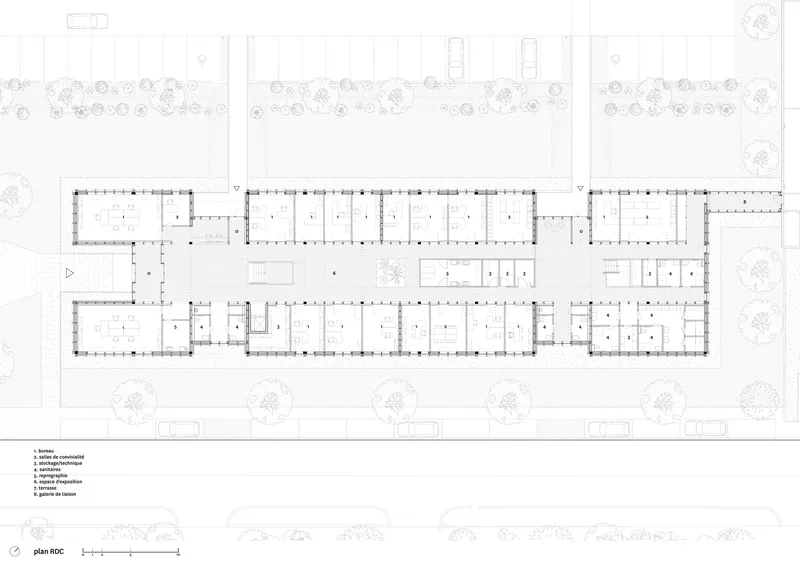
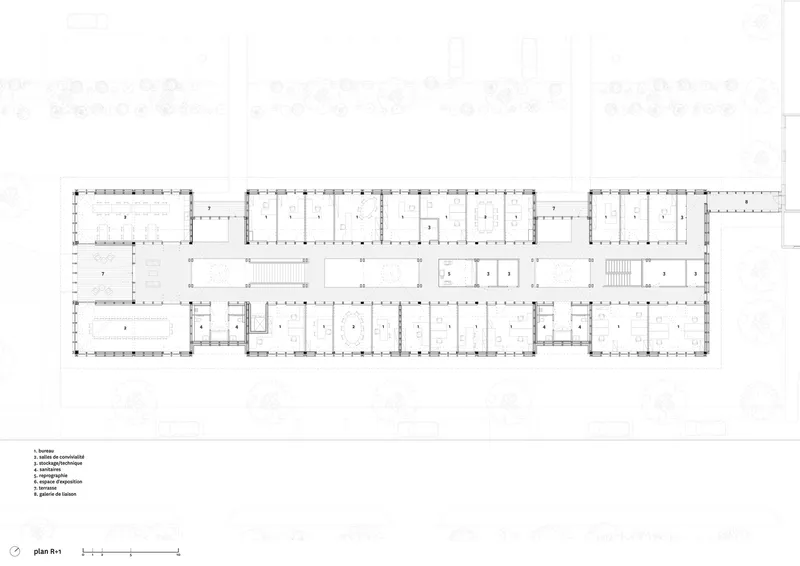
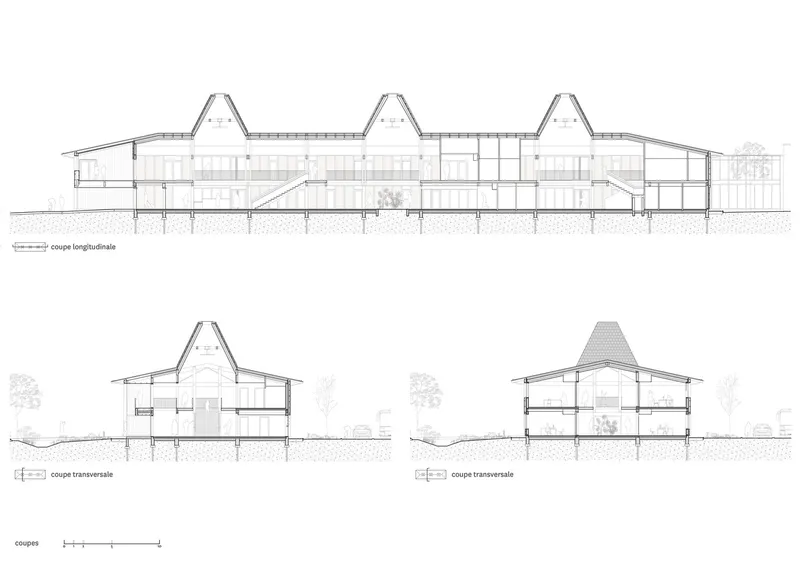
The Moselle and Madon Community Headquarters incorporates several energy-efficient features designed to reduce the building's environmental impact. The building’s wooden frame and mixed-earth walls provide thermal mass, maintaining comfortable indoor temperatures without the need for air conditioning. The central atrium, with its "flamandes," brings natural light into the heart of the building, promoting passive ventilation and reducing energy consumption.


Educational and Civic Engagement Initiatives
The project not only aims to serve as a functional community center but also as an educational resource. A "Project House" model is planned to help explain the different phases of the building's development to the public. Through school workshops, public talks, and exhibitions, the community is engaged in learning about the architecture, construction process, and the ecological values behind the project. This initiative underscores the importance of community involvement in shaping the built environment.
A Model for Sustainable Community Architecture
The Moselle and Madon Community Headquarters exemplifies how sustainable architecture can serve both environmental and social goals. By incorporating local resources, promoting ecological awareness, and fostering community engagement, this project sets a precedent for future public buildings. It demonstrates that with thoughtful design and collaboration, architecture can become a tool for positive environmental and social transformation.

All Photographs are work of Ludmilla Cerveny, Nathan Illy


Popular Articles
Popular articles from the community


Co-Life: Senior Housing Design That Reconnects Older Adults With the City
Co-Life reimagines senior housing design through healing gardens, shared streets, workshops, and a sustainable community across generations.

Play: Fragments of Their World
Familiar architecture becomes modular playground design, creating safe spaces where displaced children can learn, connect, imagine and play.

Little Red Riding Hood: Architectural Design as a Journey Through Fear, Light, and Storytelling
Little Red Riding Hood reimagines the fairy tale through architectural design shaped by fear, light, scale, memory, uncertainty, and choice.

ALGAL REALM: A Bio-Integrated Lunar Habitat Design for Life Beyond Earth
ALGAL REALM reimagines lunar habitat design with algae-powered life support, 3D-printed regolith, and vertical living for a lunar future.

Similar Reads
You might also enjoy these articles


Hodi-Mandai Geram
Project Function: Preservation and revitalization of the Intangible heritage and socio-spatial identity of the Hodi by Housing, Cultural Memory Center, Sacred Grove, landscape, local tourism economy


Olio Towers: A Mid-Rise for Performers That Fuses Housing, Rehearsal, and Stage
Located blocks from Houston's Theater District, this modular tower stacks living units around a central performance atrium.

Oasis: Modular Green Housing Carved into Dhaka's Urban Fabric
A shortlisted Plugin Housing entry reclaims unauthorized settlements in Dhaka with stepped concrete volumes, green roofs, and ventilation-driven design.

Black Hole: A Floating Megastructure for the Post-Physical Era
Emiliano Mazzarotto envisions a spherical, self-scaling arena where e-sports, digital hotels, and holographic stadiums replace traditional public space.

Explore Community-Driven Architecture Competitions
Discover active competitions in this discipline

Challenge to reimagine the Iron Throne

Photograph architecture without architects

Illustrate the lost glory of Angkor Wat - Render Challenge

Design challenge to reuse E-waste
Comments (0)
Please login or sign up to add comments
No comments yet. Be the first to comment!