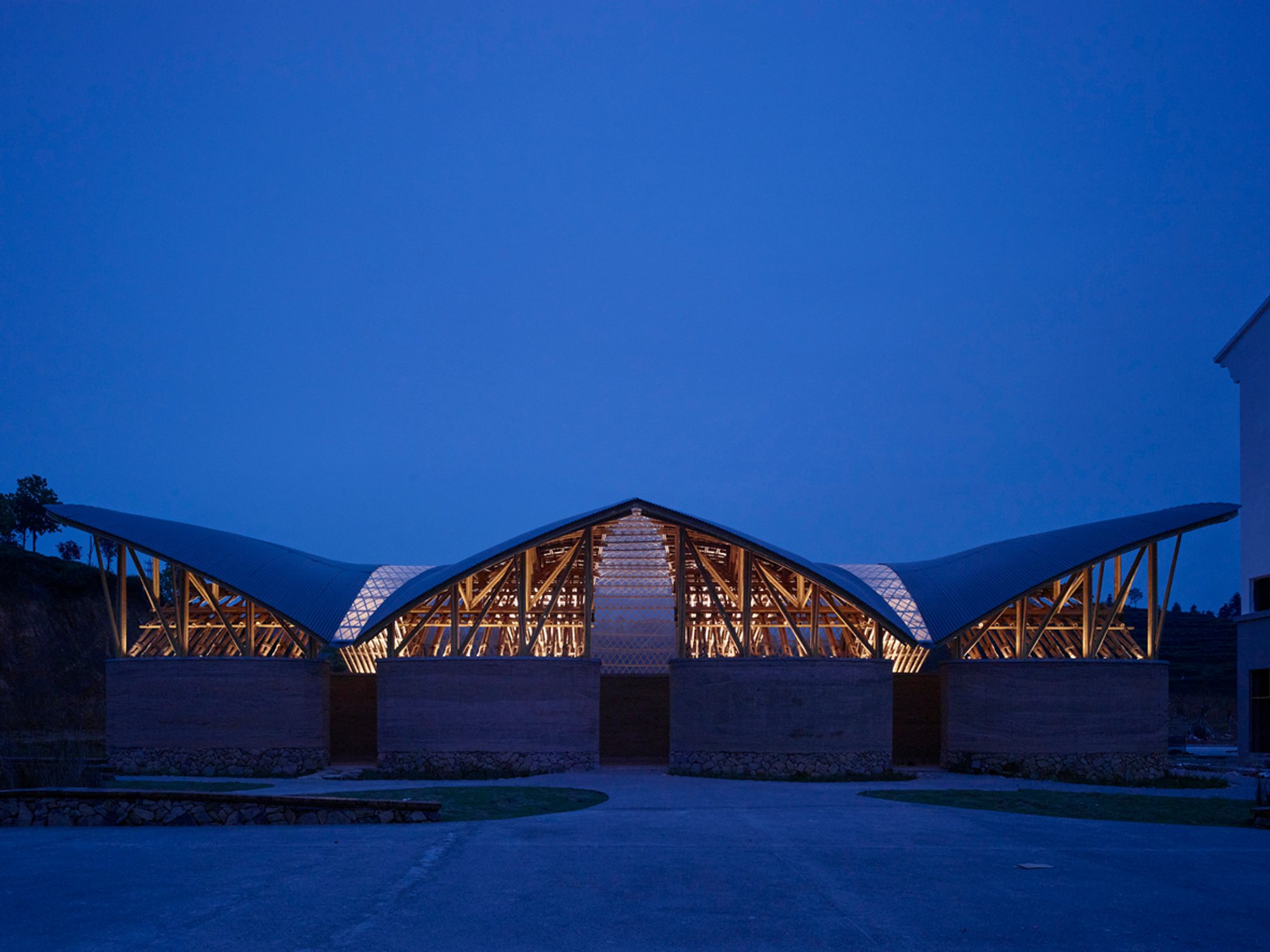
Sustainable Architecture in Rural China: The Zhuguanlong Tea Leaf Market
Exploring the Zhuguanlong Tea Leaf Market's integration of sustainable architecture with traditional techniques in rural China to boost community and economy.


In the heart of Fujian Province, China, lies the Zhuguanlong Tea Leaf Market, a testament to sustainable architecture and community engagement. This project, spearheaded by THAD SUP Atelier, embodies a profound respect for local materials, traditional techniques, and the environment, while revitalizing the local economy through architecture. The keyword that perfectly encapsulates the essence and success of this project is "sustainable architecture."

The Concept of Sustainable Architecture
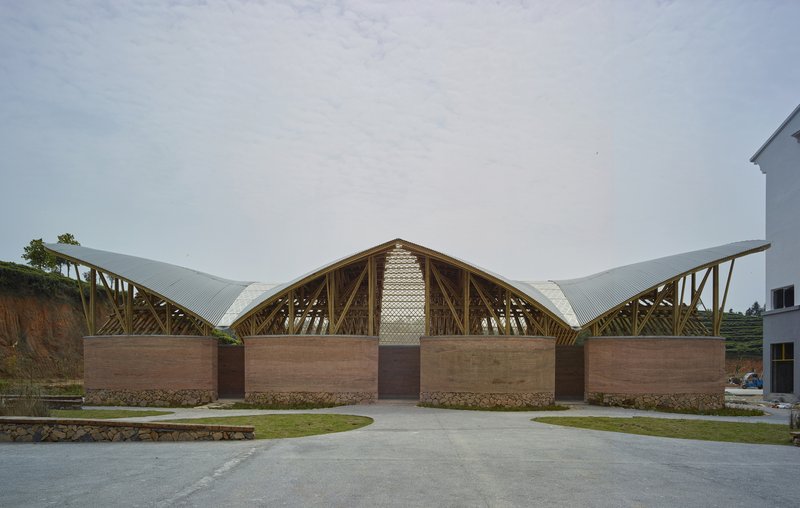
Sustainable architecture is a pivotal approach in the design and construction of buildings, focusing on minimizing environmental impact, utilizing local resources efficiently, and enhancing the quality of life for its inhabitants. The Zhuguanlong Tea Leaf Market stands as a remarkable example of this principle, integrating traditional building methods with modern design to create a multifunctional space that serves the community's needs and promotes economic growth.



Local Materials and Techniques
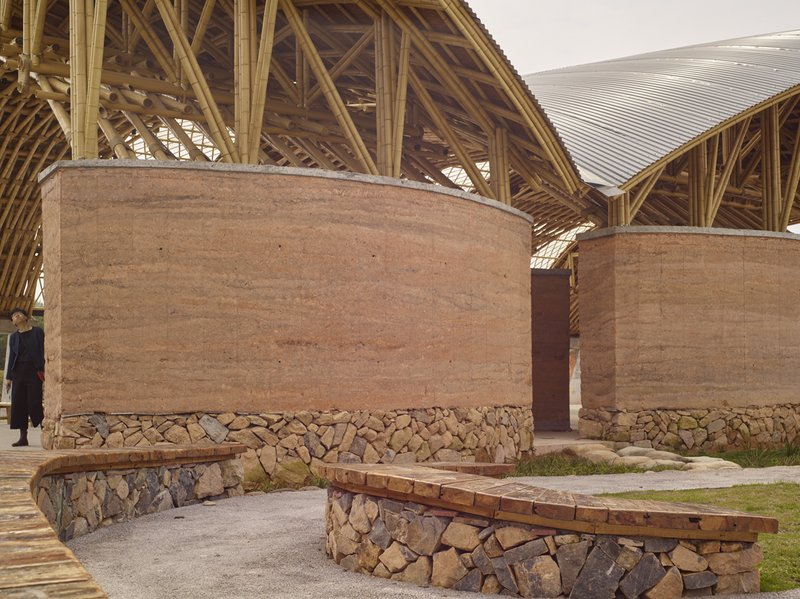
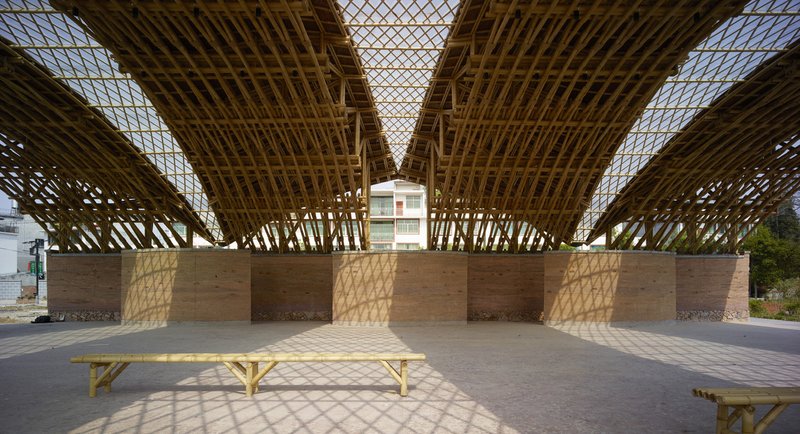
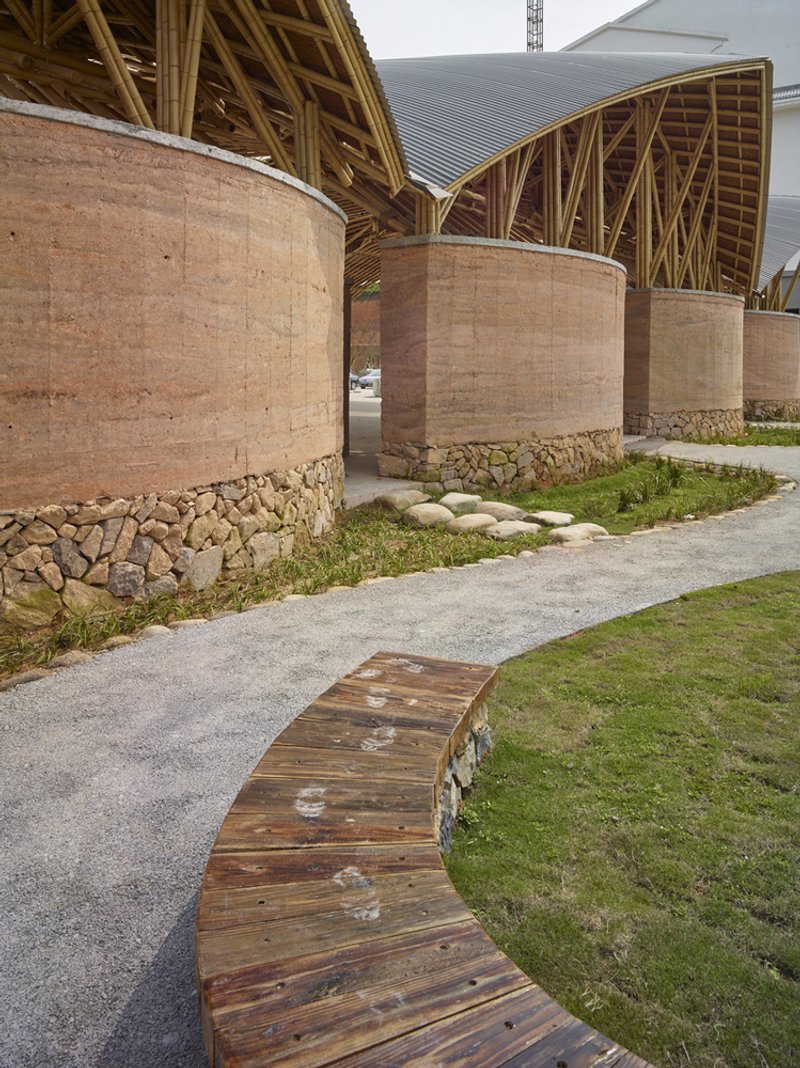
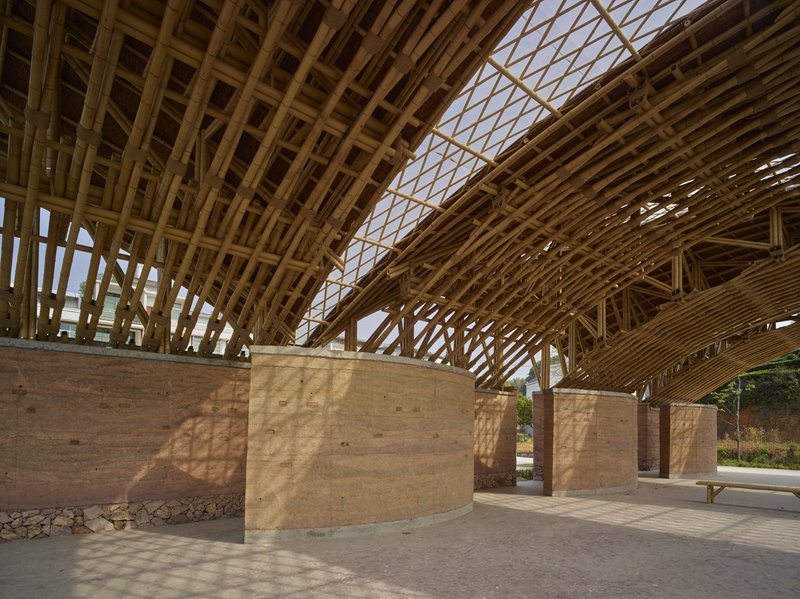
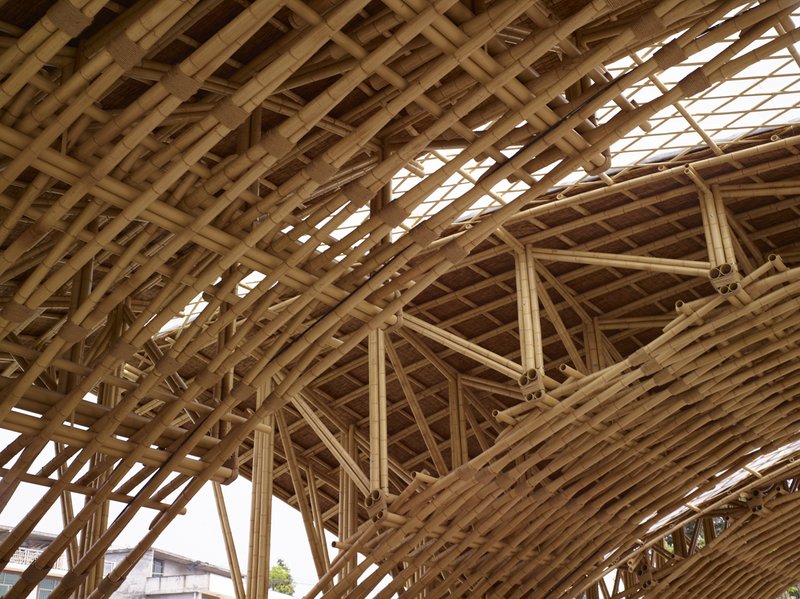
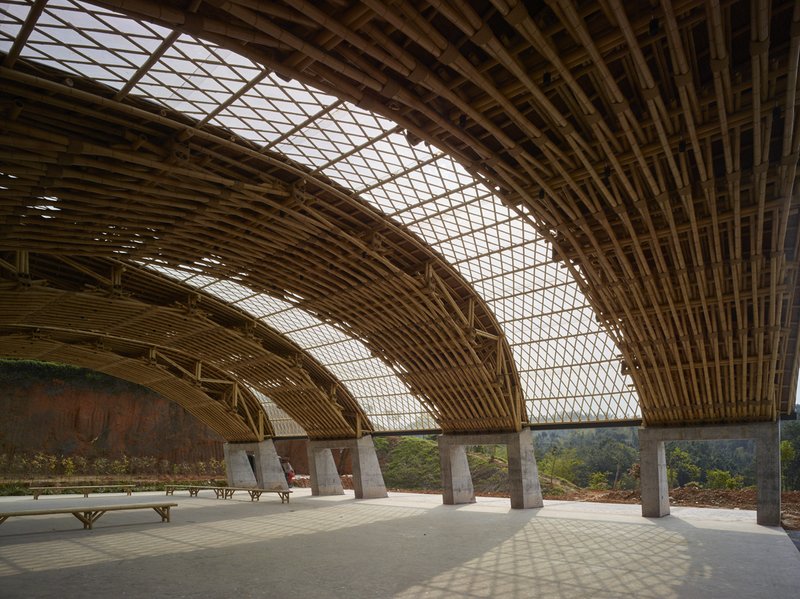
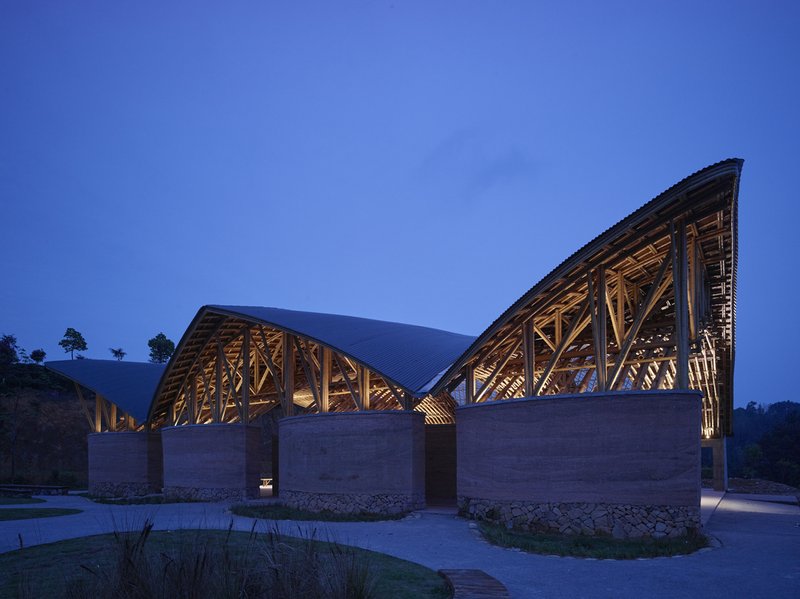
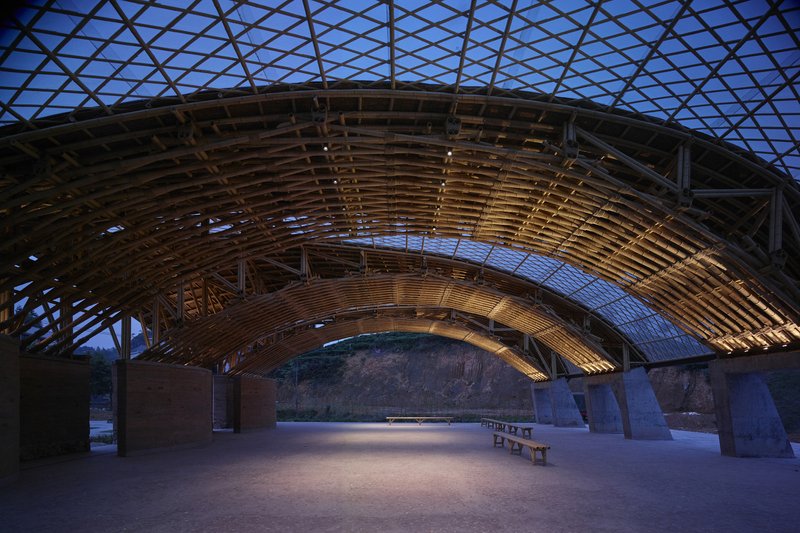
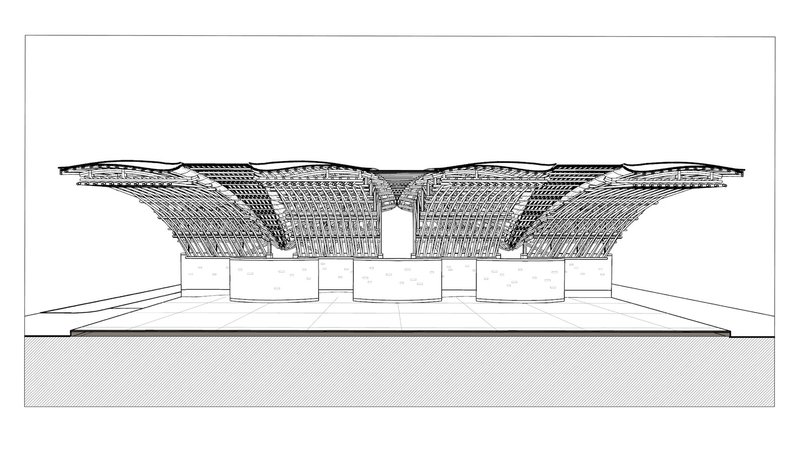
At the core of the project's design philosophy is the use of local materials and traditional construction techniques. The market's structure showcases a sophisticated bamboo roof system, inspired by the region's historical wooden arch bridges. This choice not only pays homage to the area's intangible cultural heritage but also demonstrates the strength and versatility of bamboo as a sustainable building material.



Community Engagement and Economic Revitalization
The project's success is deeply rooted in community engagement. By involving local craftsmen and utilizing materials sourced within a 20-kilometer radius, the market has become a symbol of local pride and a catalyst for economic revitalization. It serves not only as a trading hub for tea leaves but also as a versatile space for social gatherings, educational activities, and cultural events, fostering a sense of community and belonging.





Environmental Considerations
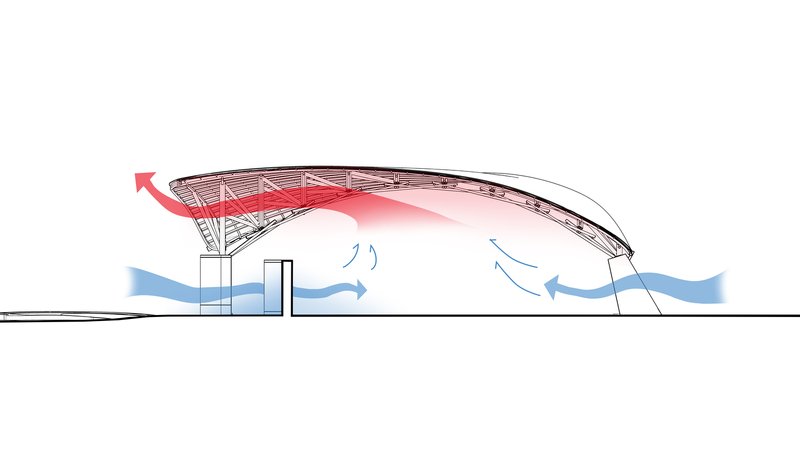
Environmental sustainability was a key consideration in the market's design. The open structure promotes natural ventilation and daylighting, reducing the need for artificial lighting and air conditioning. The incorporation of recycled materials and the emphasis on low-maintenance construction further exemplify the project's commitment to minimizing its environmental footprint.


The Zhuguanlong Tea Leaf Market is a shining example of how sustainable architecture can transform rural communities, blending traditional practices with modern design to create spaces that are environmentally responsible, economically viable, and socially inclusive. This project not only enhances the local landscape but also sets a benchmark for future developments, proving that sustainable architecture is crucial for building resilient and thriving communities.


In embracing sustainable architecture, the Zhuguanlong Tea Leaf Market not only addresses the immediate needs of the local community but also lays the foundation for a sustainable future, making it a model worth emulating worldwide. Its success underscores the importance of respecting local heritage and the environment in architectural design, ultimately contributing to the global pursuit of sustainability and resilience.





All photographs are work of Yingnan Chu