

Sustainable Community Architecture: The Vision Behind Libellules Community Center by Acau Architecture
Libellules Community Center by Acau Architecture redefines sustainable community architecture, integrating innovative environmental solutions with inclusive urban design.


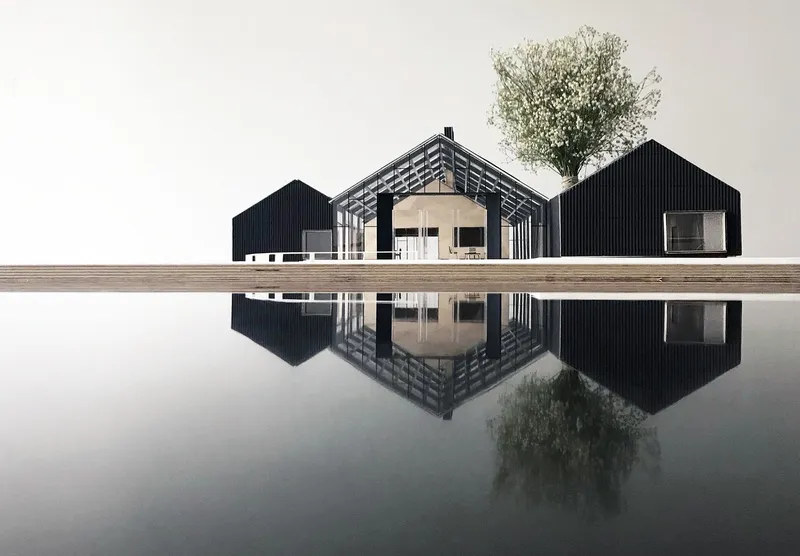
Sustainable community architecture is redefining urban spaces by fostering social interaction, environmental responsibility, and innovative design. The Libellules Community Center, designed by Acau Architecture in Vernier, Geneva, exemplifies this approach. Built on the former site of the Actaris water meter factory, the center serves as a dynamic hub for the surrounding neighborhoods. Through thoughtful spatial planning, a strong focus on sustainability, and an inclusive approach to community engagement, this project represents the future of community-centered architecture.
A New Identity for a Growing Neighborhood
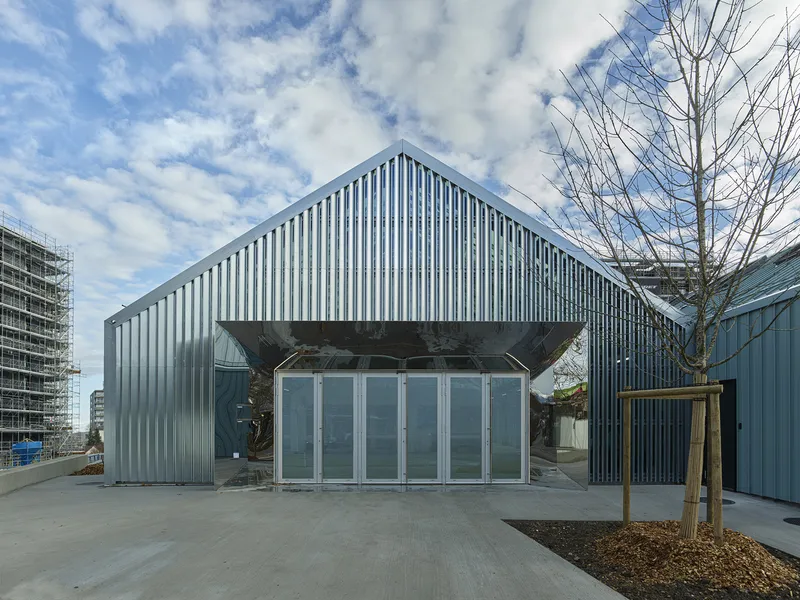
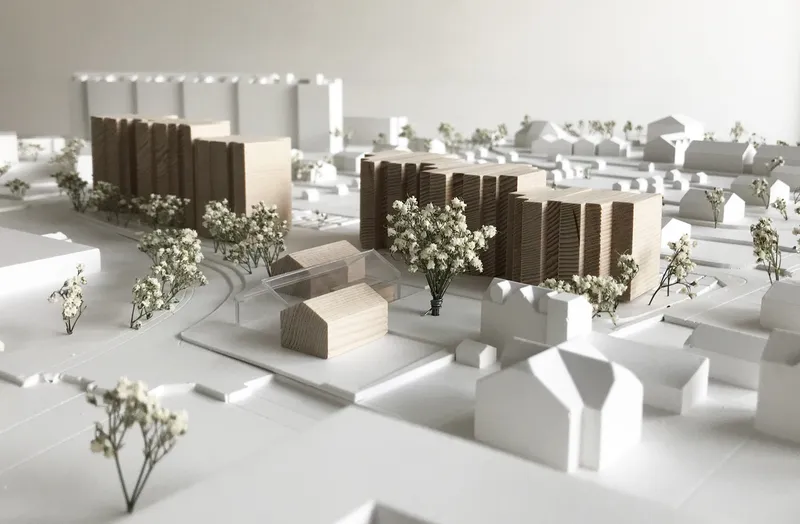
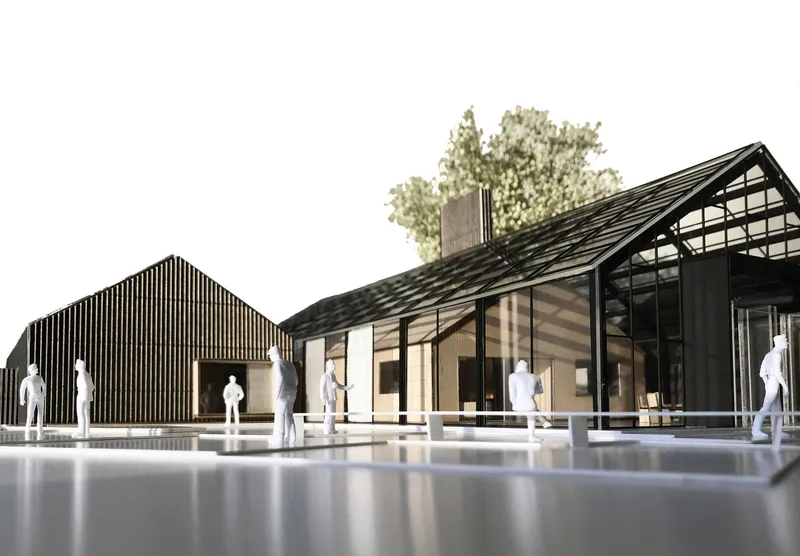
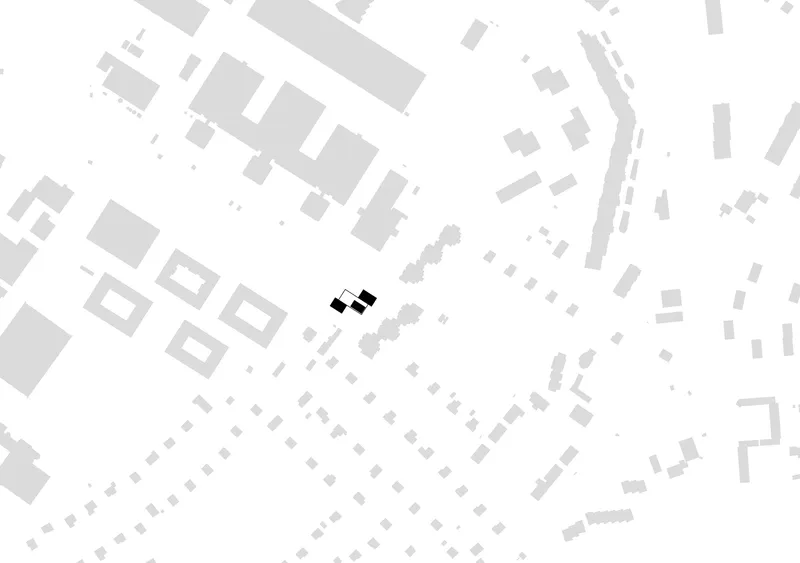
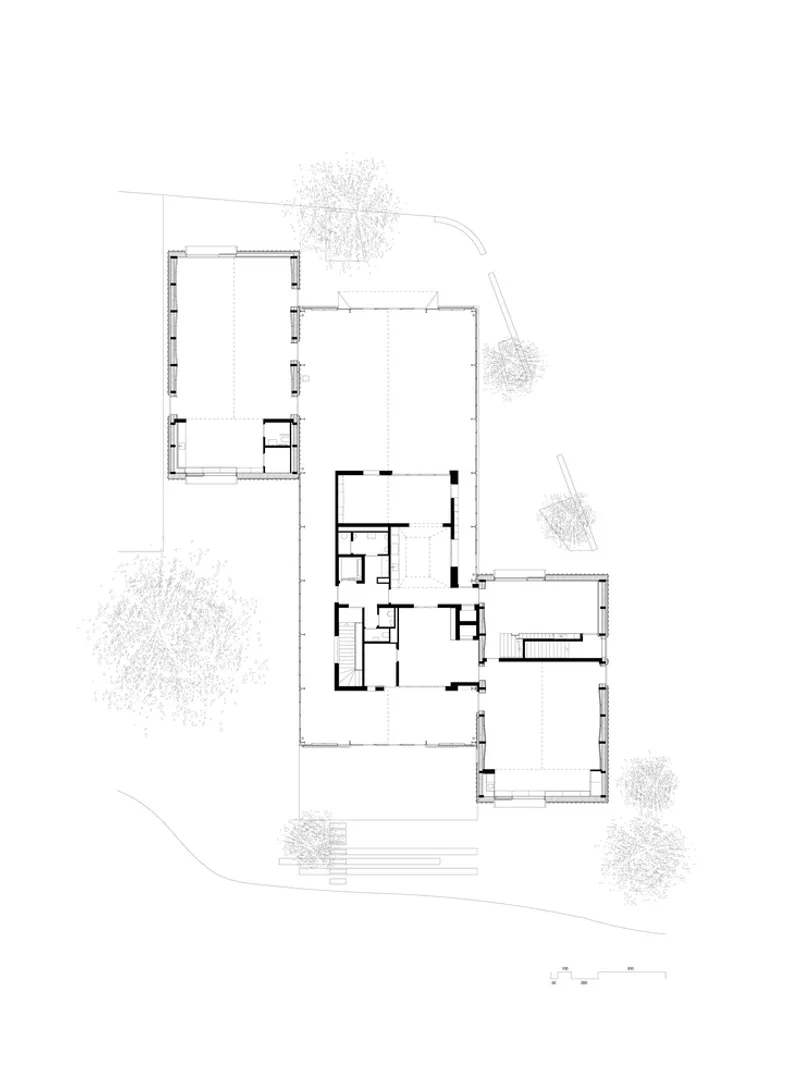
The Libellules Community Center is an integral part of an urban regeneration initiative that strengthens neighborhood ties. Standing amid large-scale residential complexes, the center’s simple yet striking design provides a welcoming contrast to its dense surroundings. The project was conceived as an interactive and adaptable space, serving as a bridge between the Lignon, Gordon-Bennett, and Libellules neighborhoods.
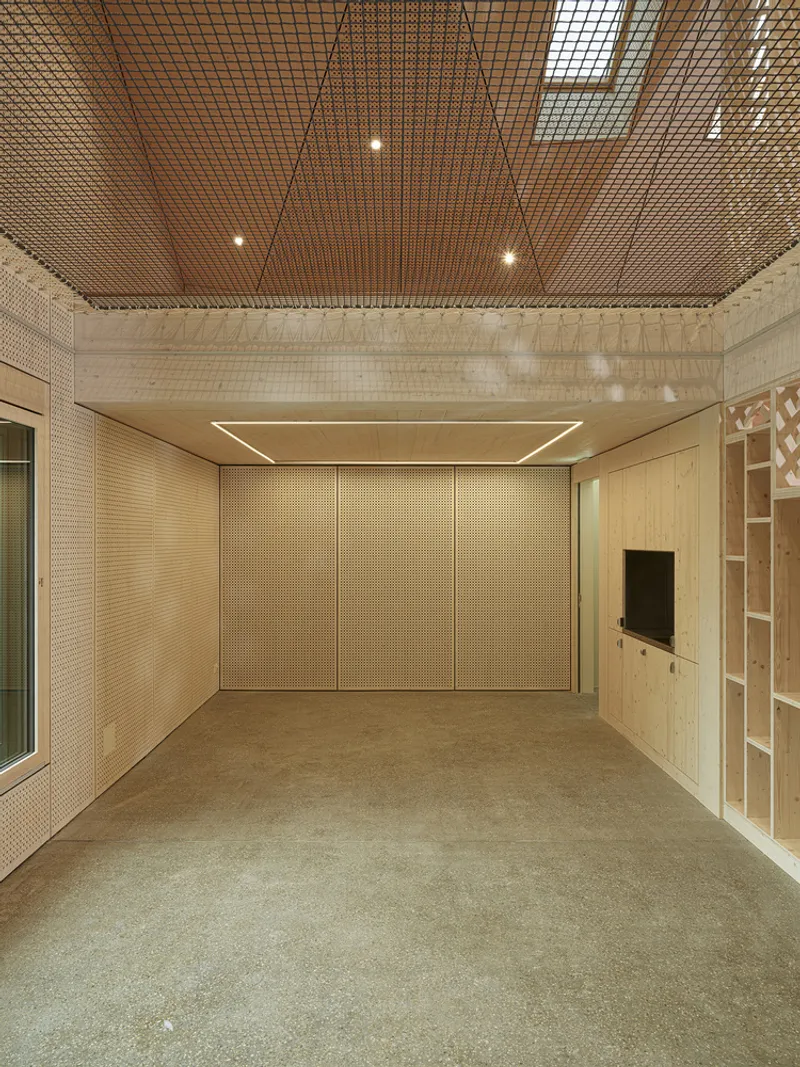
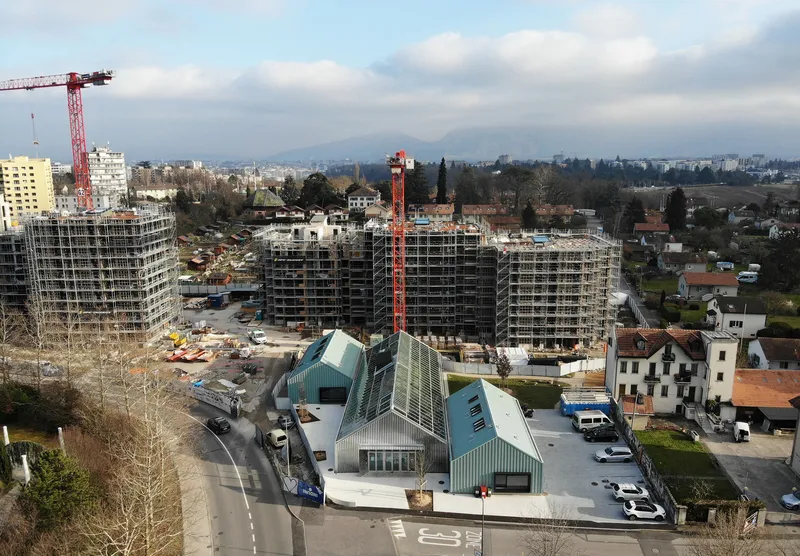
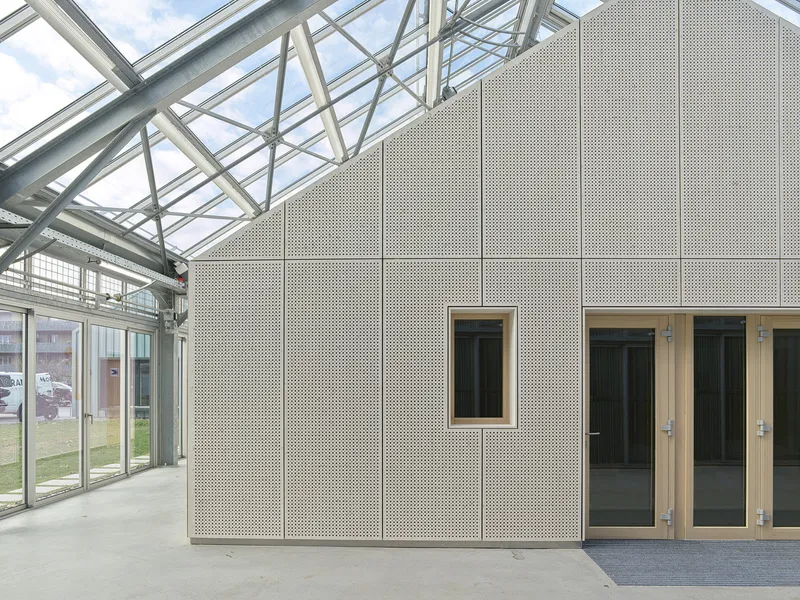
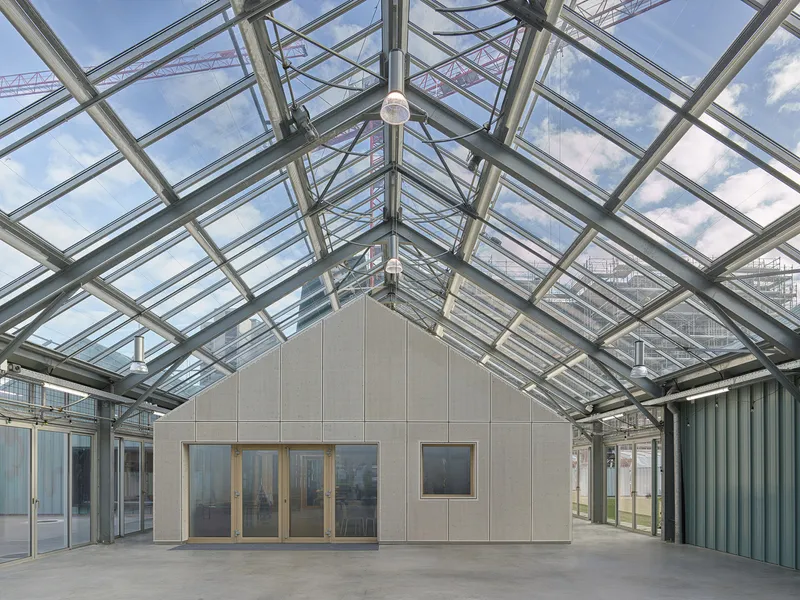
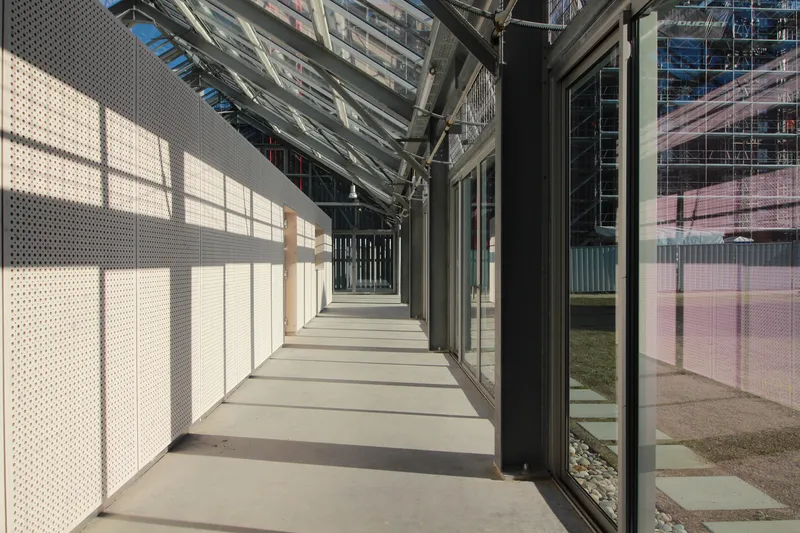
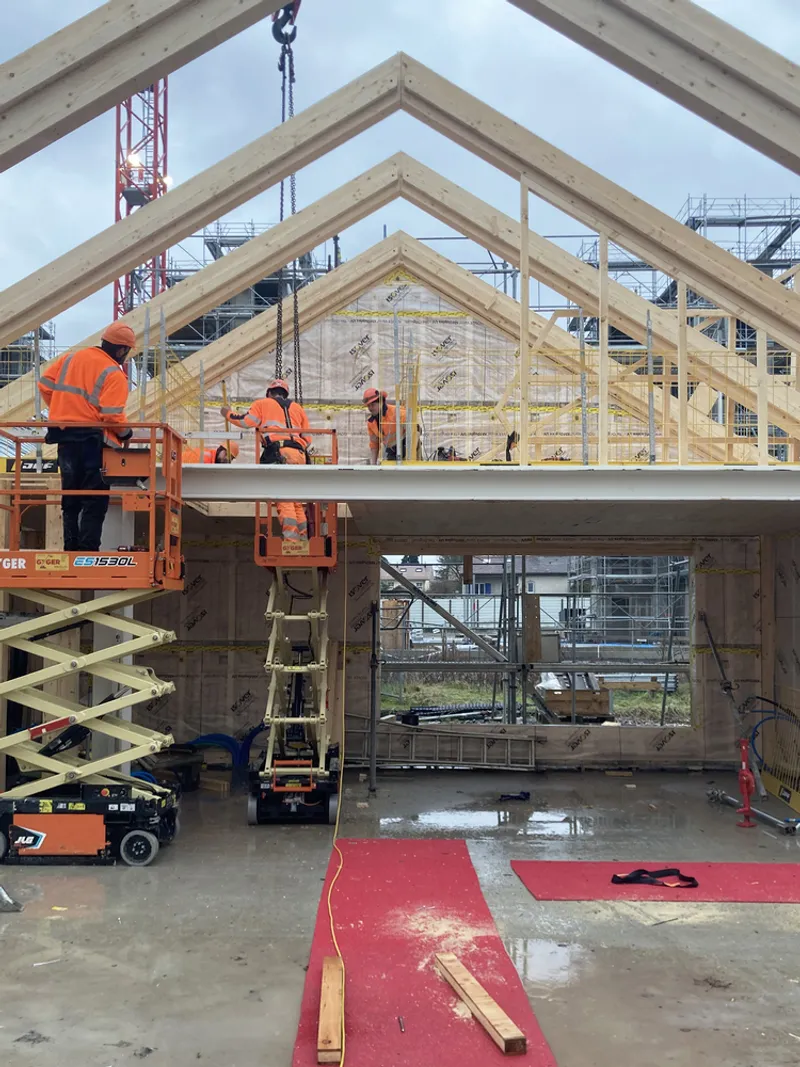
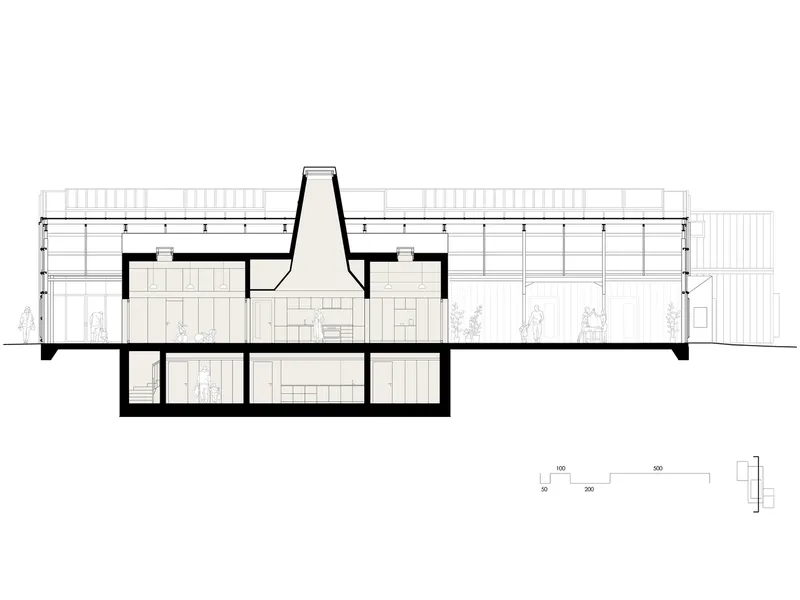
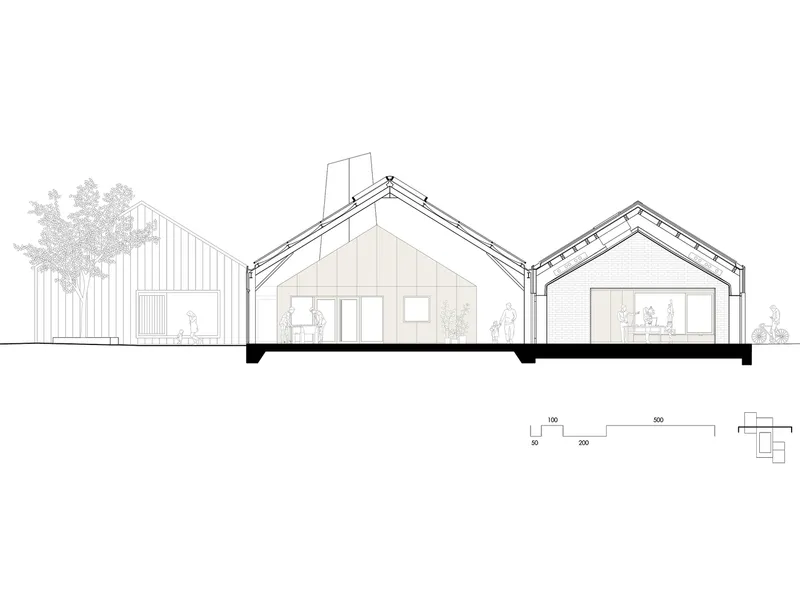
One of the defining features of the project is the central greenhouse, a covered public plaza that brings the community together. More than just a passageway, this space acts as a social catalyst, hosting activities such as markets, performances, and communal gatherings. By integrating indoor and outdoor elements, the greenhouse transforms the traditional concept of a community center, making it an open and adaptable public space.
Sustainability at the Core of Design
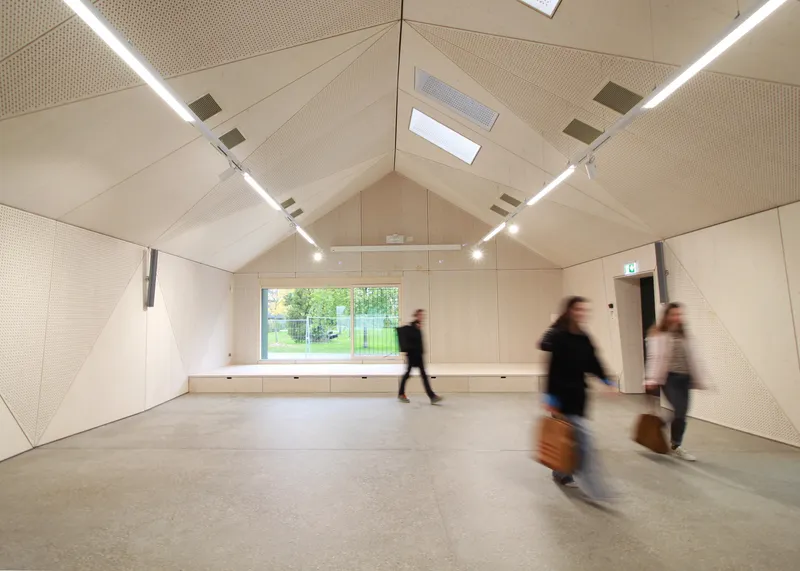
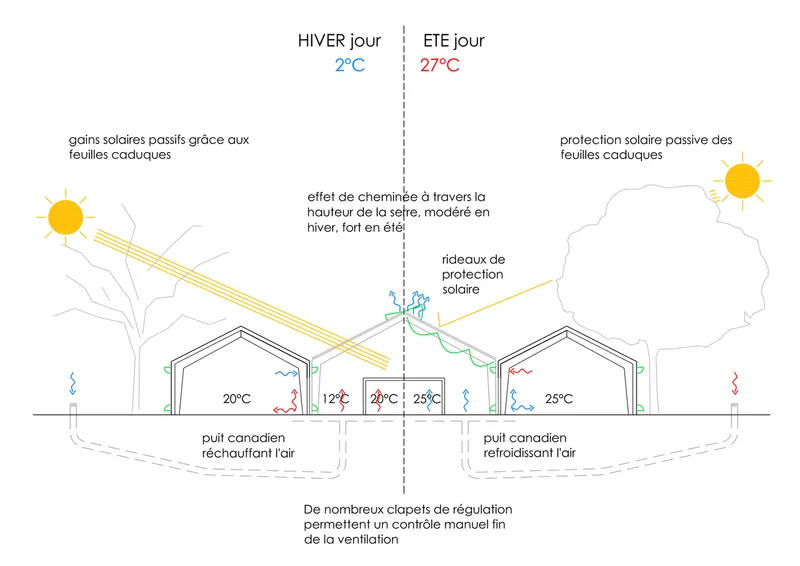
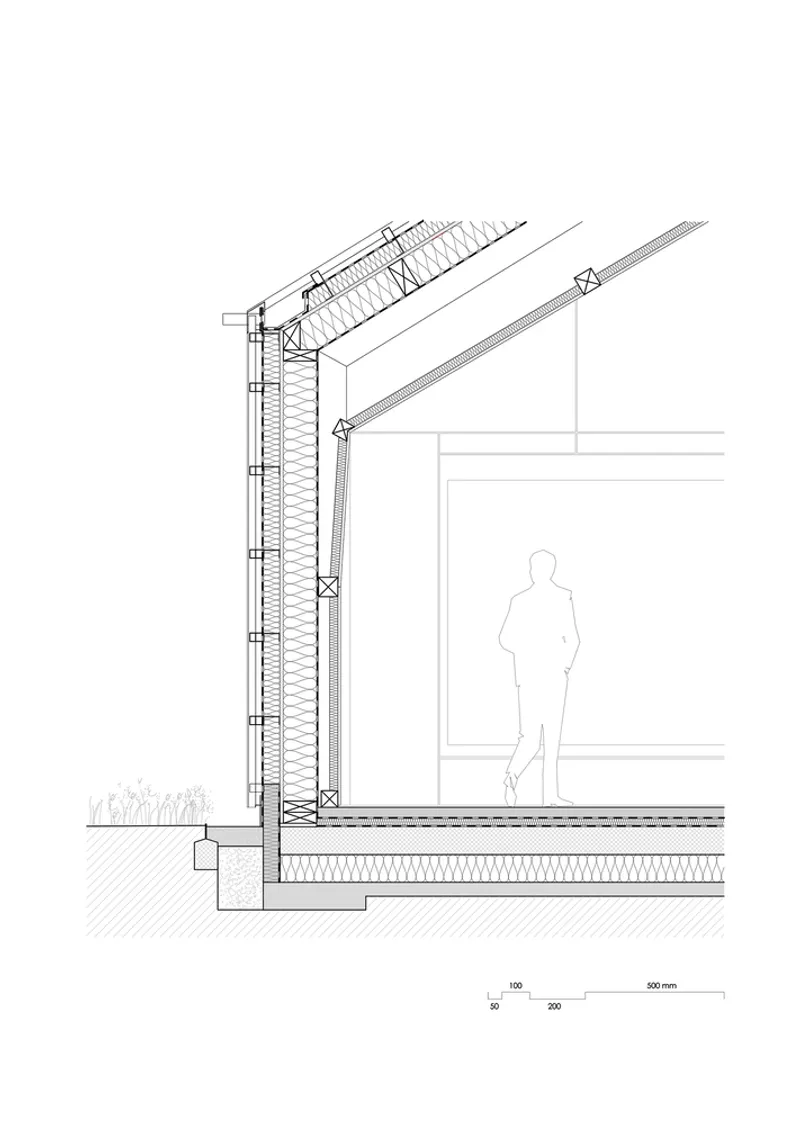
Libellules Community Center is a benchmark in sustainable community architecture, integrating innovative environmental solutions to minimize its ecological footprint. The building employs a sophisticated thermal regulation system powered by geothermal probes and photovoltaic panels. These features work together to provide warmth in the winter and cooling in the summer, reducing reliance on conventional energy sources.
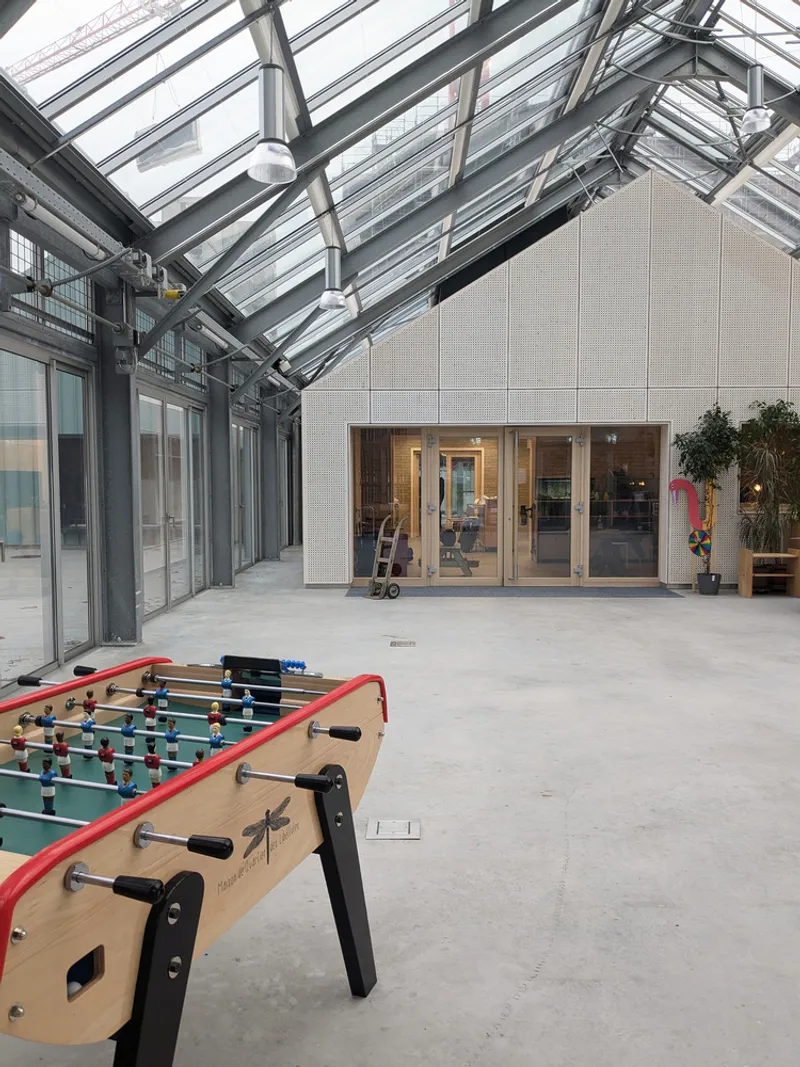
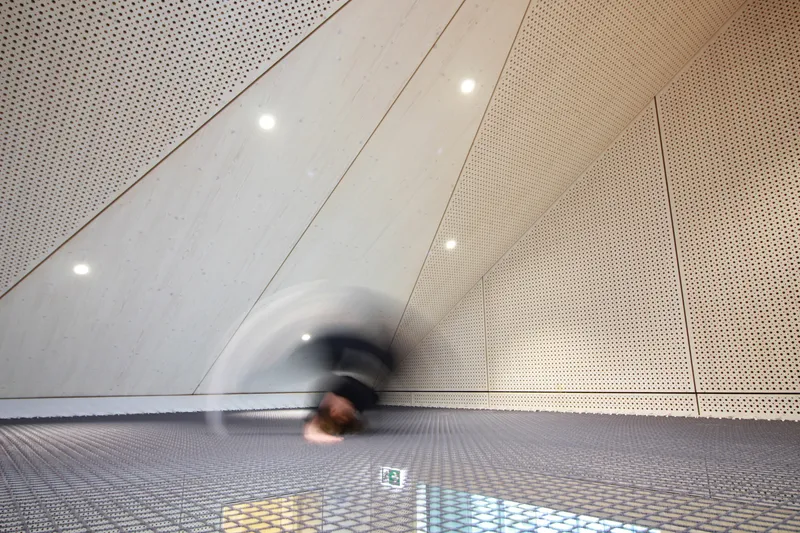
Natural ventilation further enhances the sustainability of the project. A Canadian well channels air through underground pipes, ensuring passive cooling during warm months. Shading sails, strategically deployed over the greenhouse, protect against excessive heat while maintaining airflow. During winter, the greenhouse serves as a heat reservoir, passively accumulating solar energy to warm the interior, thereby lowering energy consumption.
The Role of Inclusive Design
A fundamental principle behind the Libellules Community Center is its commitment to inclusivity. The architectural program was developed with a participatory approach, ensuring that future users had a voice in shaping the space. This collaborative process helped define the functions of both indoor and outdoor areas, allowing residents to influence the design in a way that reflects their needs.
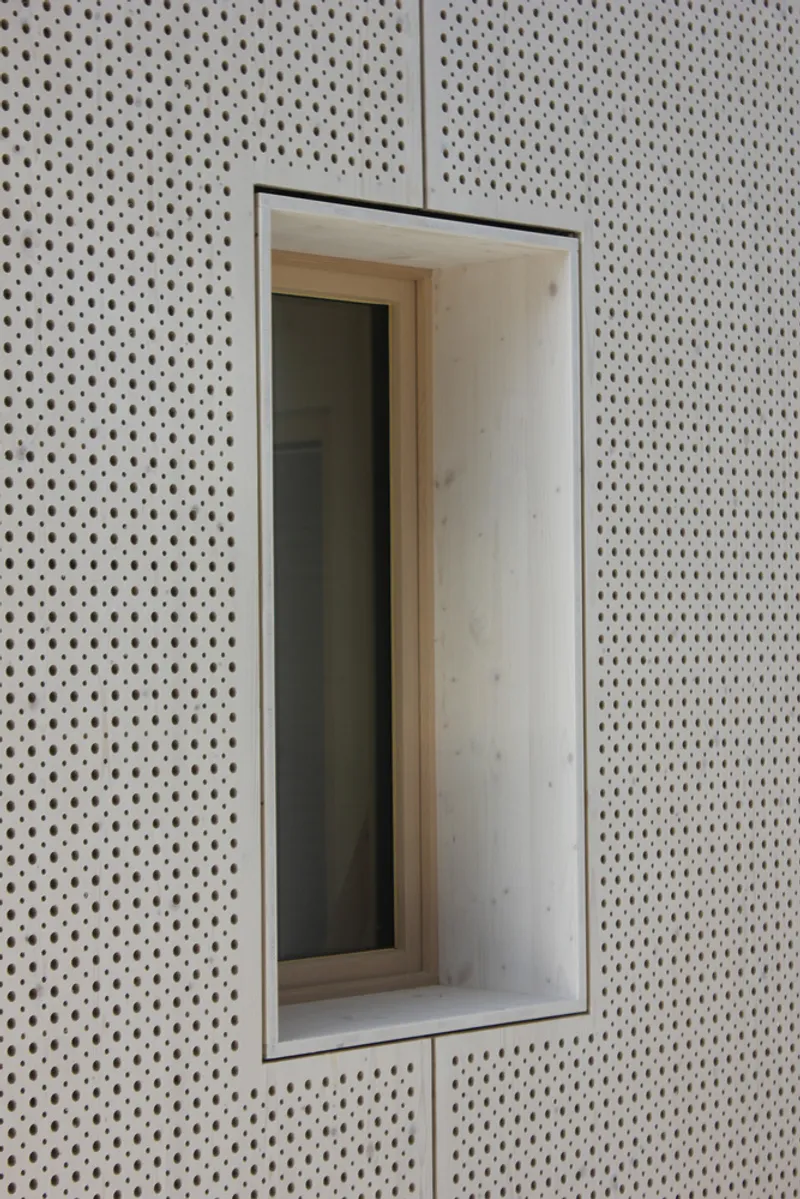
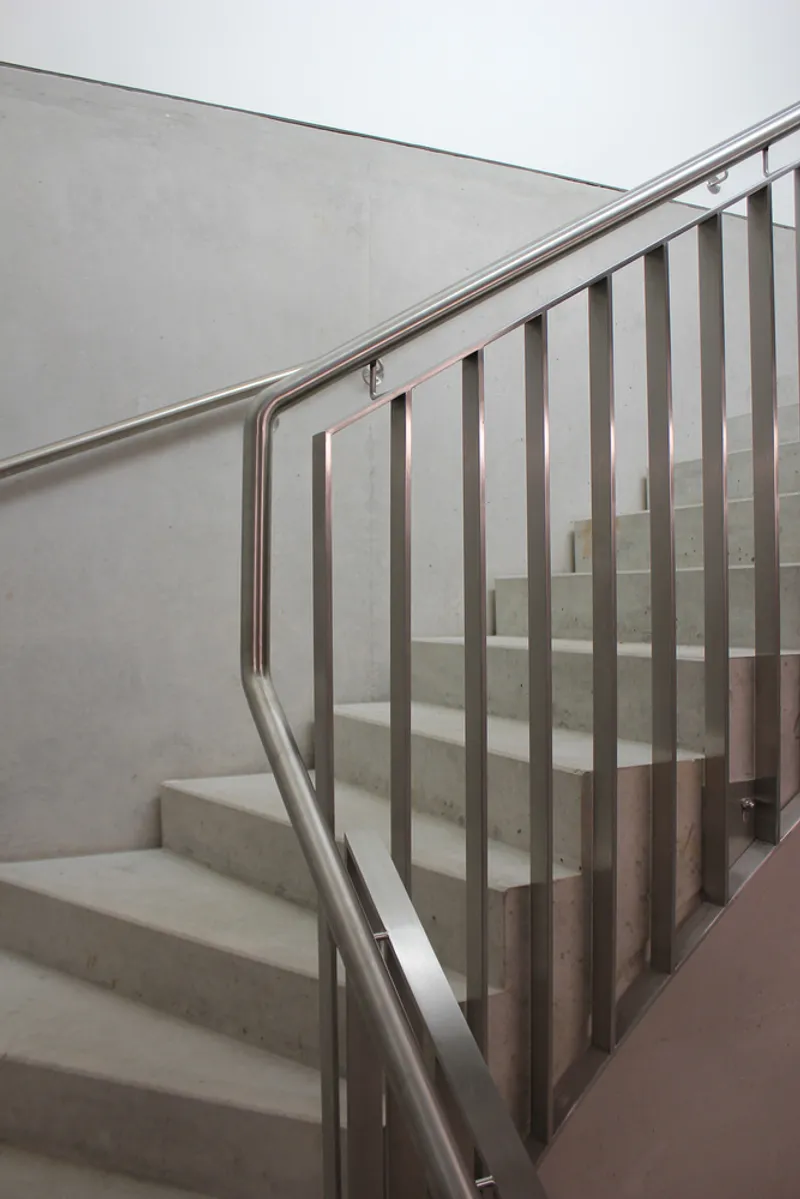
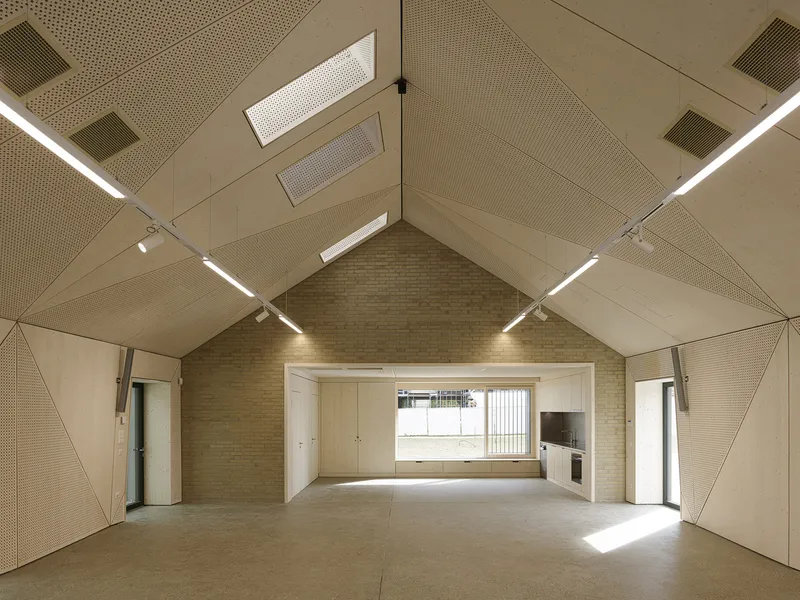
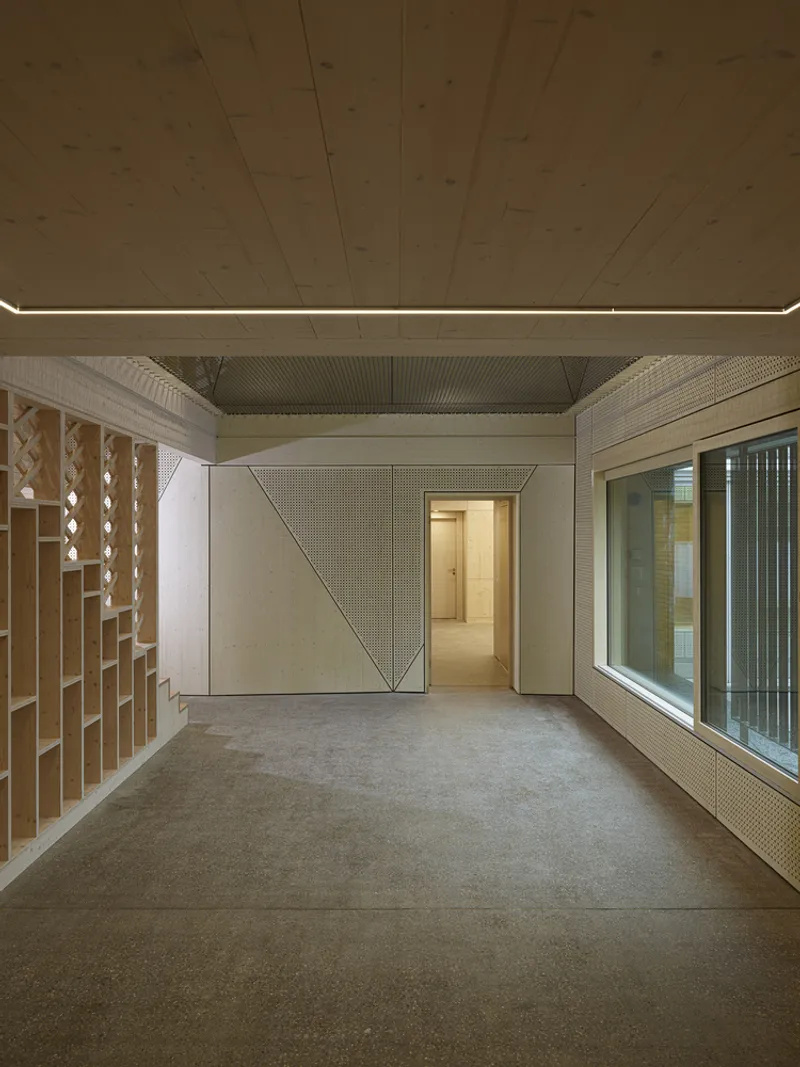
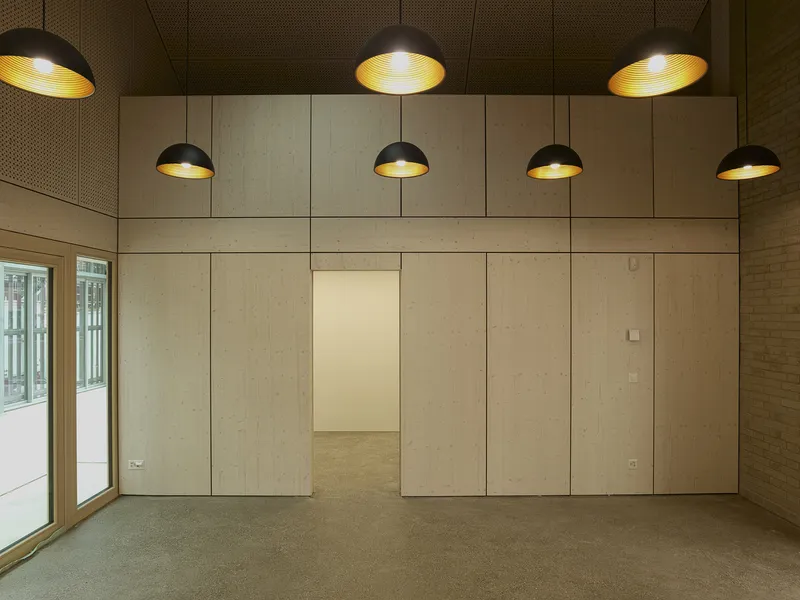
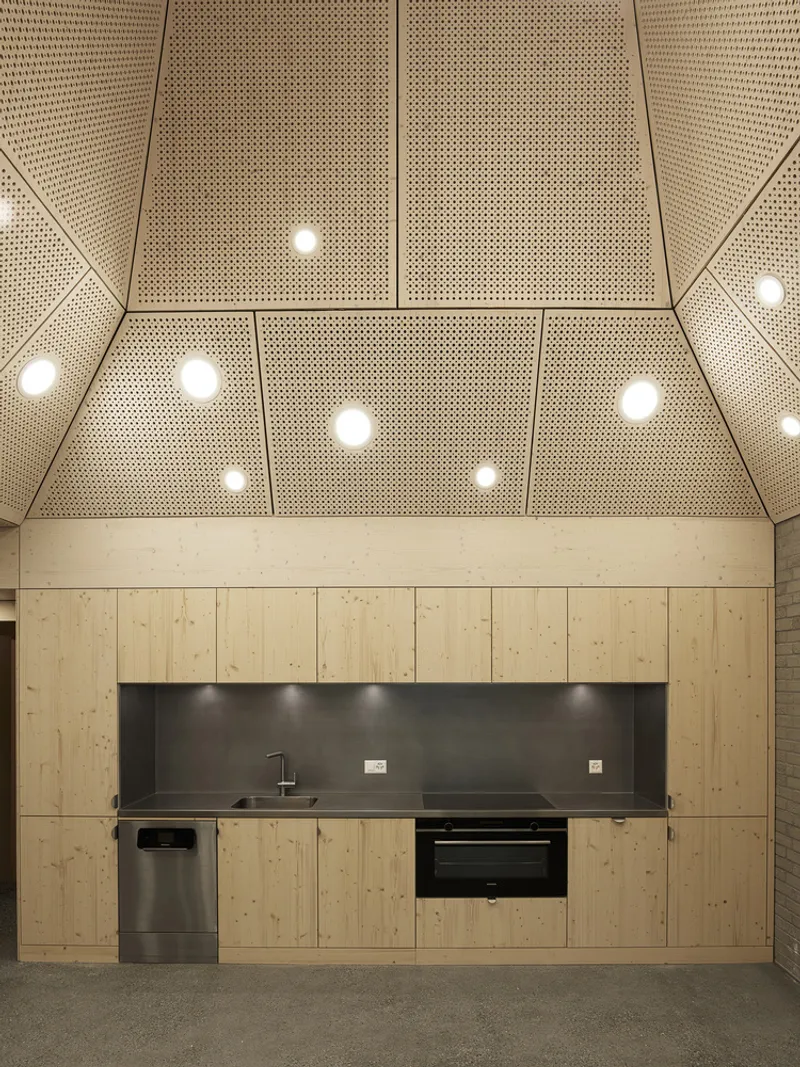
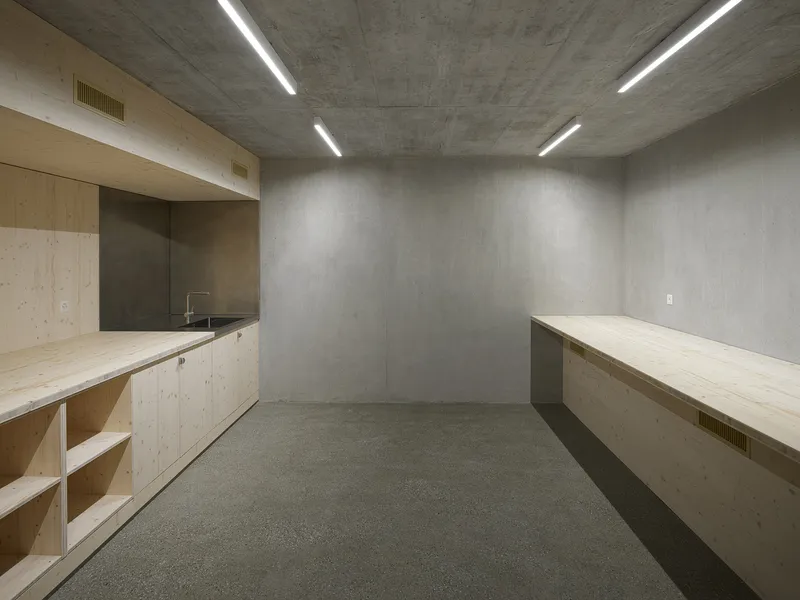
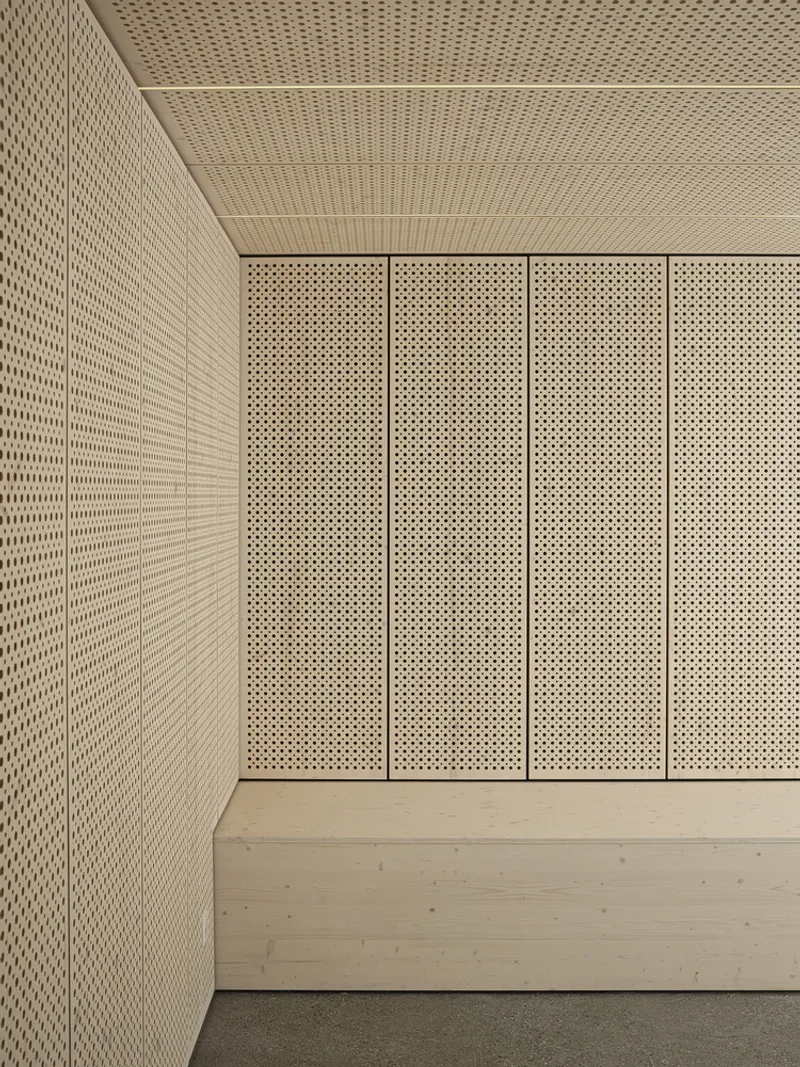
Inside, the center offers a range of multifunctional spaces that cater to different age groups and interests. A lounge with a kitchen encourages social gatherings, while a dedicated play area for children fosters early learning and engagement. Teenagers have access to a game room, and the basement provides spaces for workshops, rehearsals, and technical facilities. These thoughtful design elements ensure that the center remains a vibrant and adaptable space for generations to come.

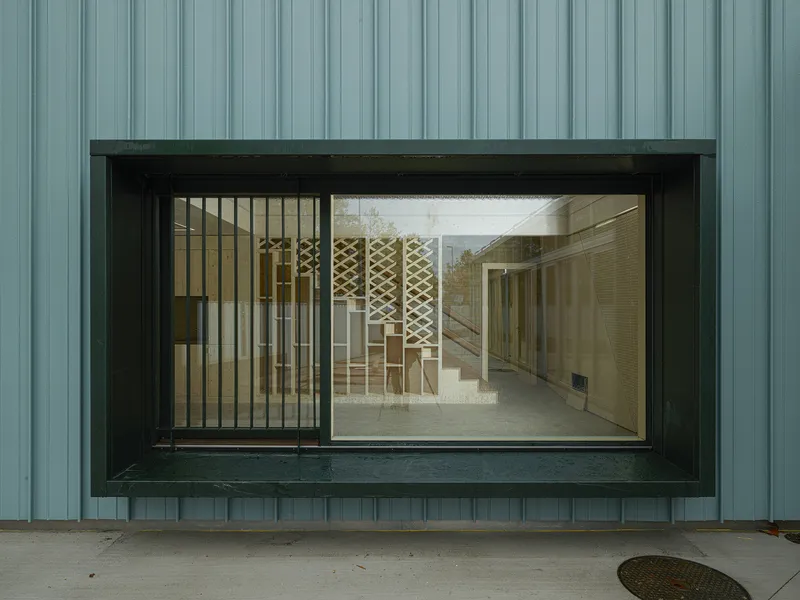
A Landscape Designed for Interaction
The community center extends beyond its walls, integrating a carefully designed outdoor environment that supports social interaction. A hierarchy of outdoor spaces ensures a seamless transition from public to private zones. Shared vegetable gardens on the southern façade encourage residents to engage in urban farming, fostering a sense of collective ownership and environmental stewardship.
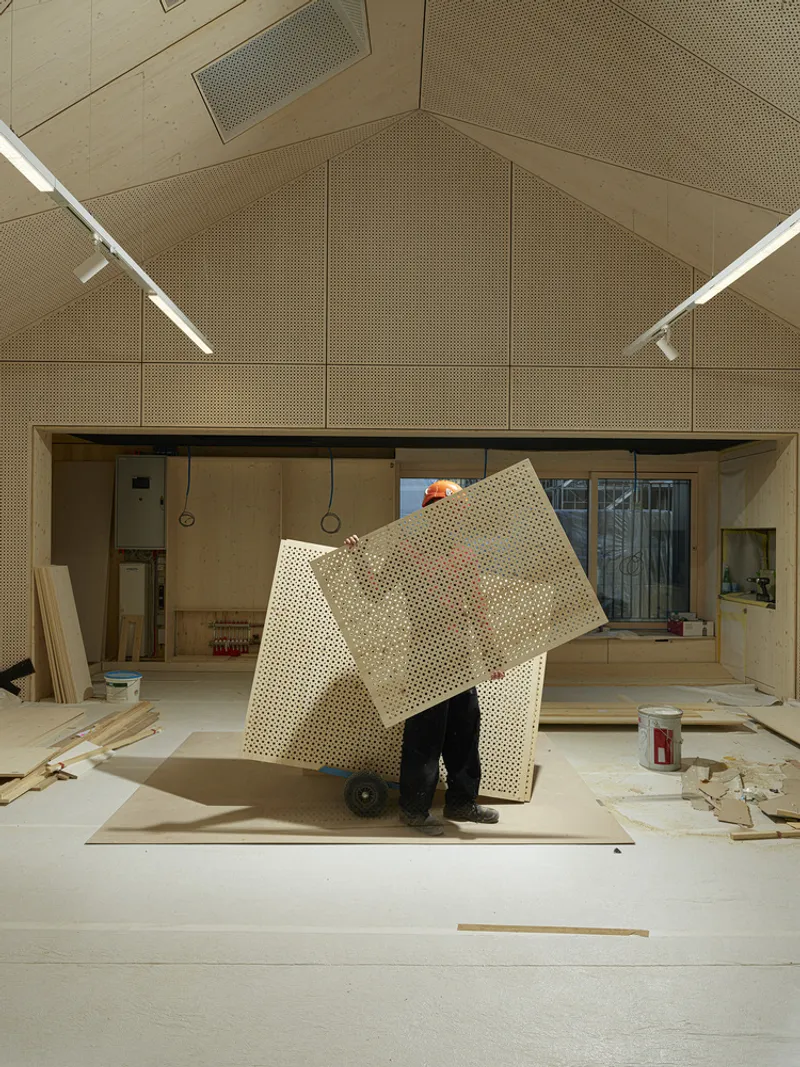
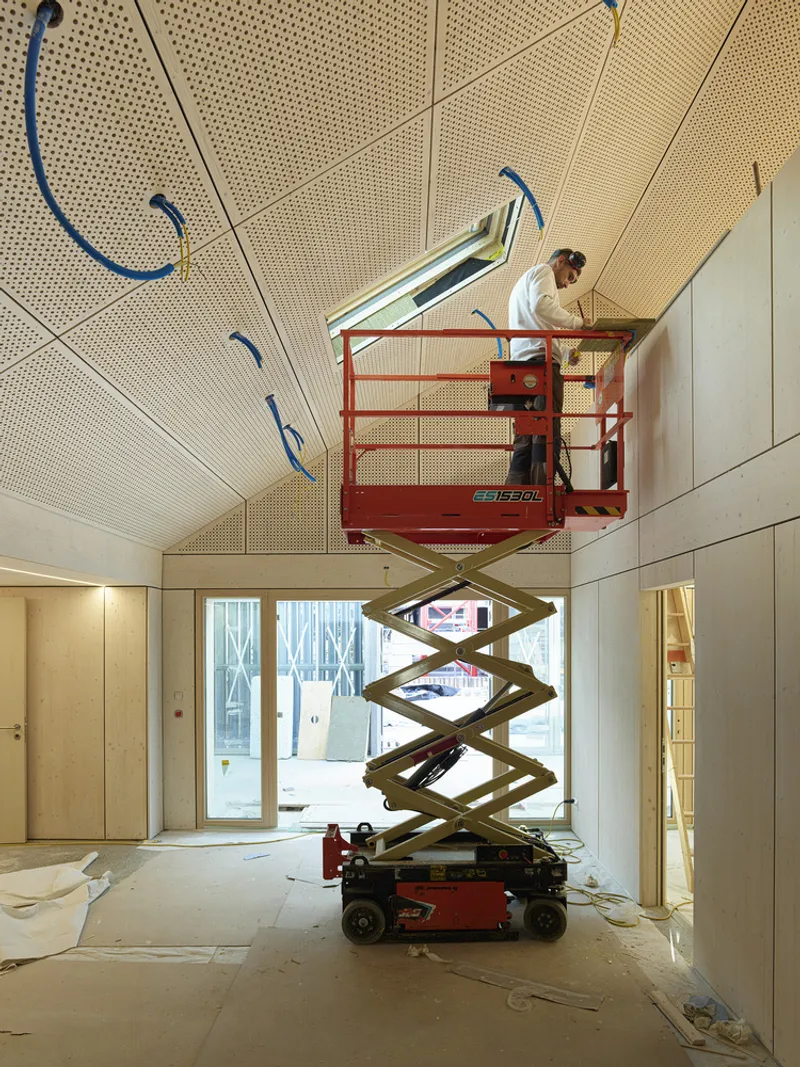
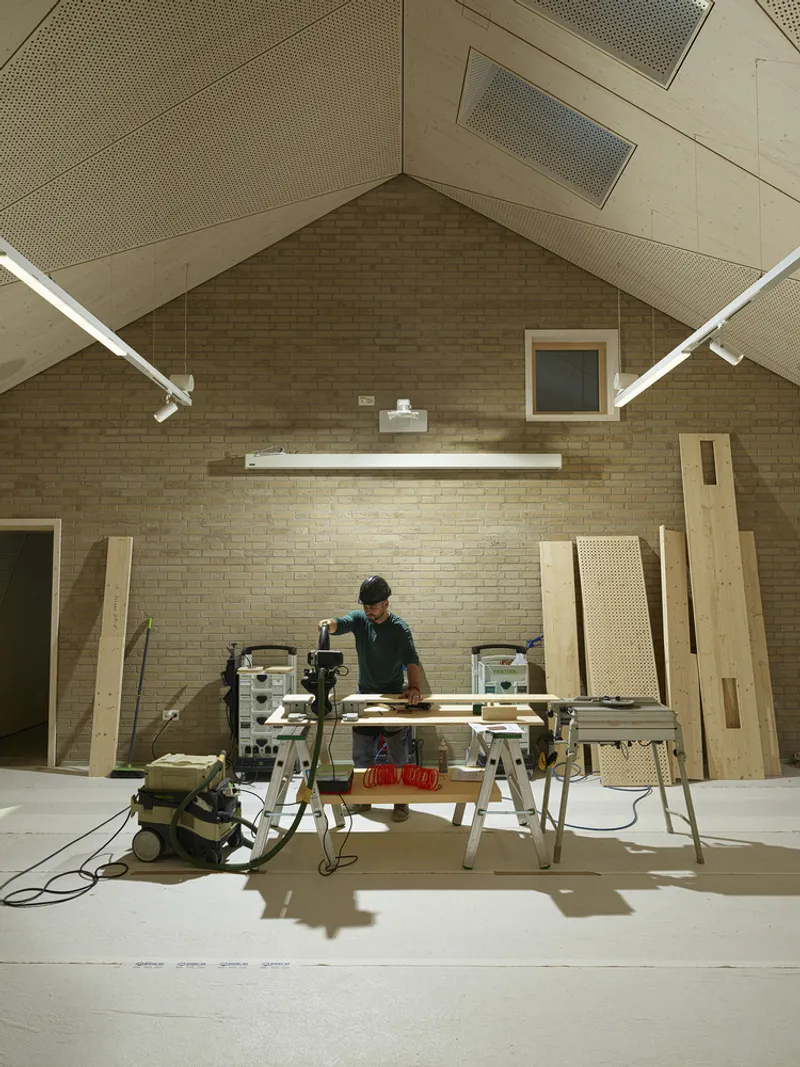
Ornamental gardens provide a buffer between the center and nearby residences, ensuring privacy while maintaining visual harmony. By creating opportunities for interaction and shared experiences, the landscape design enhances the social fabric of the neighborhood, making it more inclusive and connected.
A Blueprint for Future Community Architecture
Libellules Community Center exemplifies how architecture can shape stronger, more sustainable communities. Through its emphasis on environmental responsibility, social inclusivity, and adaptive public space, the project sets a precedent for future developments. By integrating natural systems with human-centered design, the center fosters a more resilient and connected urban environment.
All Photographs are works of Federal, acau architecture


Popular Articles
Popular articles from the community


ETEH Reworks the Shared Spaces of São Domingos School in Brazil Around Timber, Color and Hanging Plants
At São Domingos School in Brazil, 436 m² of hall, refectory and library are recast with timber joinery, a yellow and blue code and trailing greenery.

Juan García Correa, John González and Claudia Rueda Sink a Circular Amphitheater into a Manizales Engineering Building
On the La Nubia campus in Manizales, Colombia, the S1 Building folds labs and offices into a hillside of ramped lawns that double as a campus route.

LT2A and OPEN Architectes Thread a Brick and Glass High School Through a Wooded Belgian Campus
In Braine-l'Alleud, a 3,000 m² wing for Collège Cardinal Mercier pairs pale brick with a glazed colonnade, deferring to a small chapel and a dense wood.

FCC Arquitectura Expands a Portuguese Granite House with a Board-Marked Concrete Wing
In Portugal, JV House pairs a cleaned-up whitewashed and granite dwelling with a timber-shuttered concrete extension, courtyards and a garden pool.

Similar Reads
You might also enjoy these articles


Hodi-Mandai Geram
Project Function: Preservation and revitalization of the Intangible heritage and socio-spatial identity of the Hodi by Housing, Cultural Memory Center, Sacred Grove, landscape, local tourism economy


Olio Towers: A Mid-Rise for Performers That Fuses Housing, Rehearsal, and Stage
Located blocks from Houston's Theater District, this modular tower stacks living units around a central performance atrium.

Oasis: Modular Green Housing Carved into Dhaka's Urban Fabric
A shortlisted Plugin Housing entry reclaims unauthorized settlements in Dhaka with stepped concrete volumes, green roofs, and ventilation-driven design.

Black Hole: A Floating Megastructure for the Post-Physical Era
Emiliano Mazzarotto envisions a spherical, self-scaling arena where e-sports, digital hotels, and holographic stadiums replace traditional public space.

Explore Community Architecture Competitions
Discover active competitions in this discipline

Challenge to reimagine the Iron Throne

Photograph architecture without architects

Illustrate the lost glory of Angkor Wat - Render Challenge

Design challenge to reuse E-waste
Comments (0)
Please login or sign up to add comments
No comments yet. Be the first to comment!