Sustainable Community Center Design: Exploring the AAC / Demo Working Group Project
Explore the AAC / Demo Working Group's innovative project, a sustainable community center in Aachen designed for flexibility and community engagement.


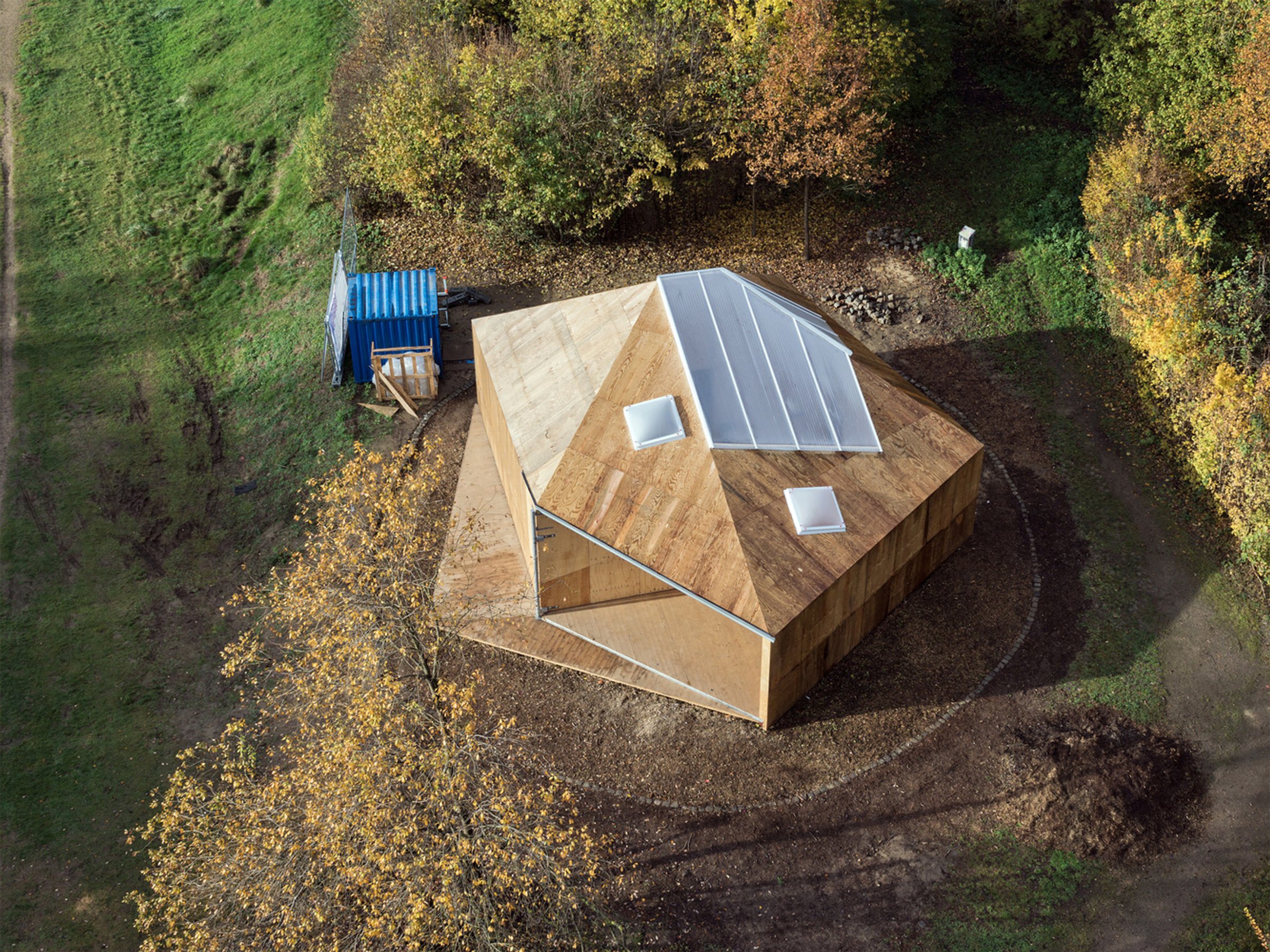
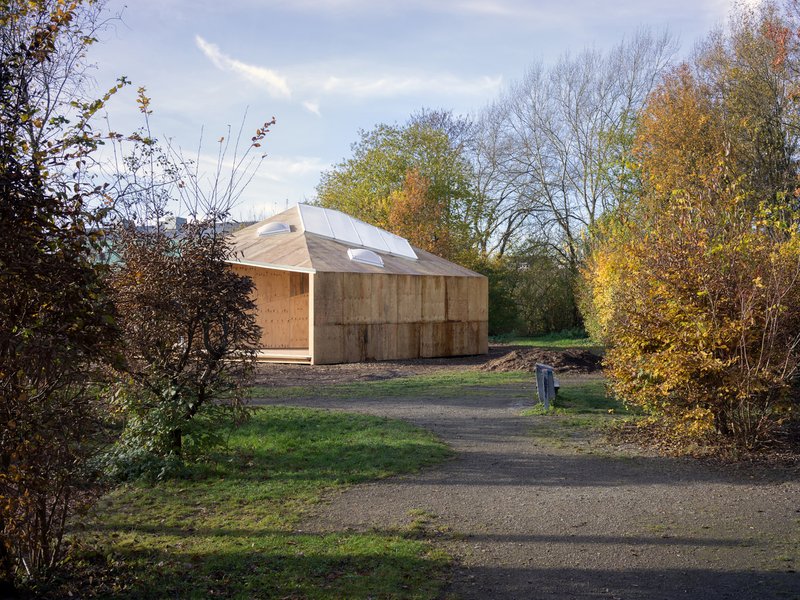
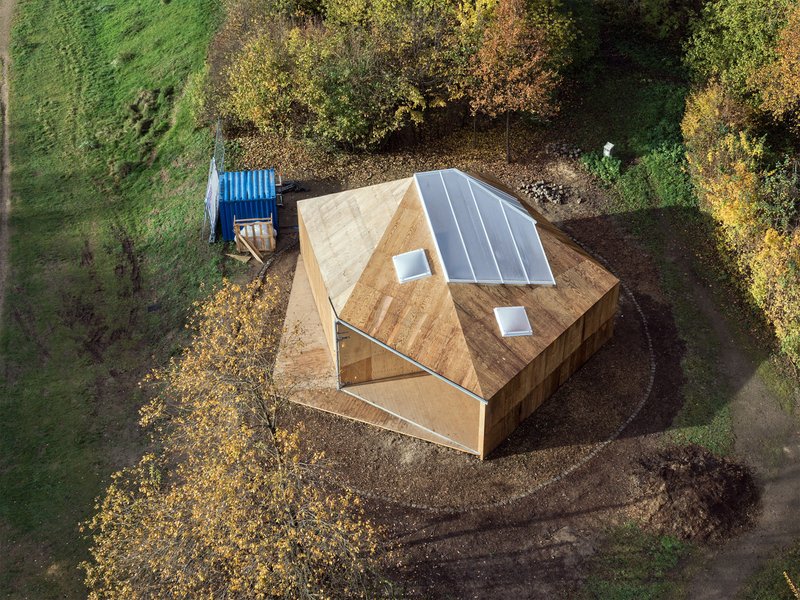
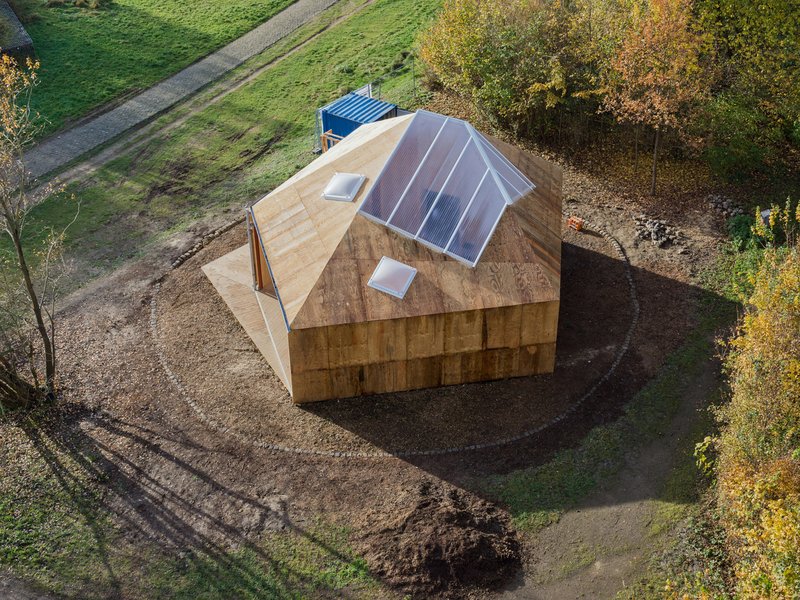
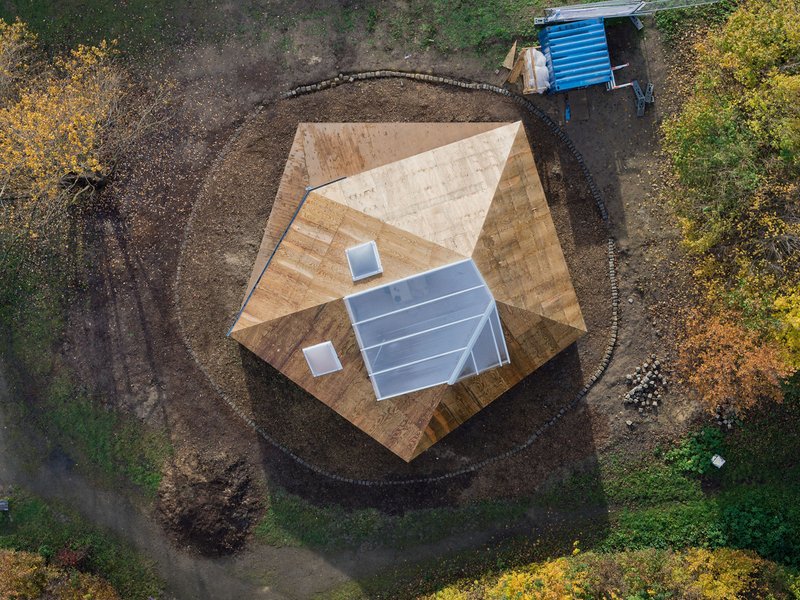
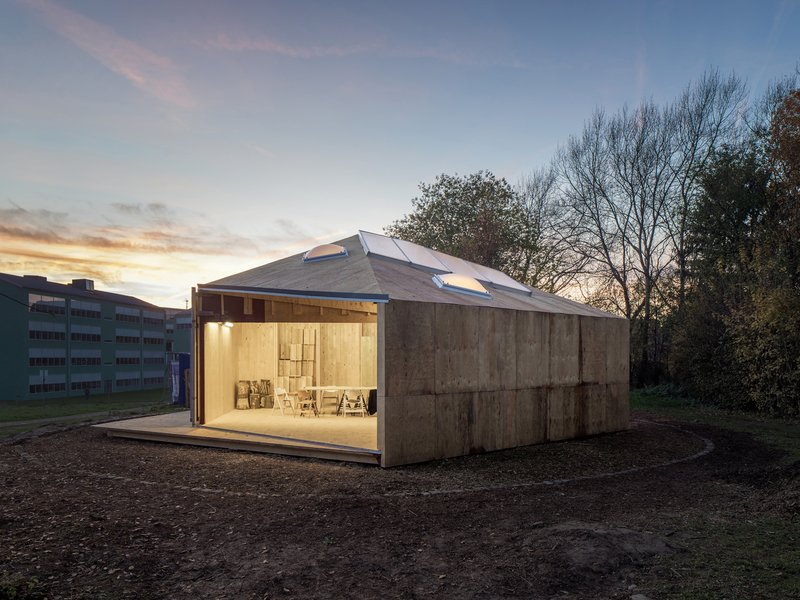
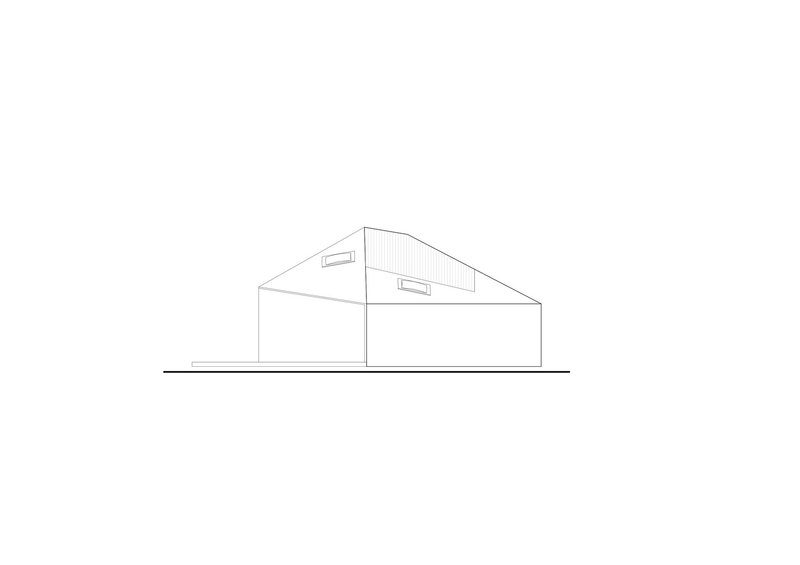
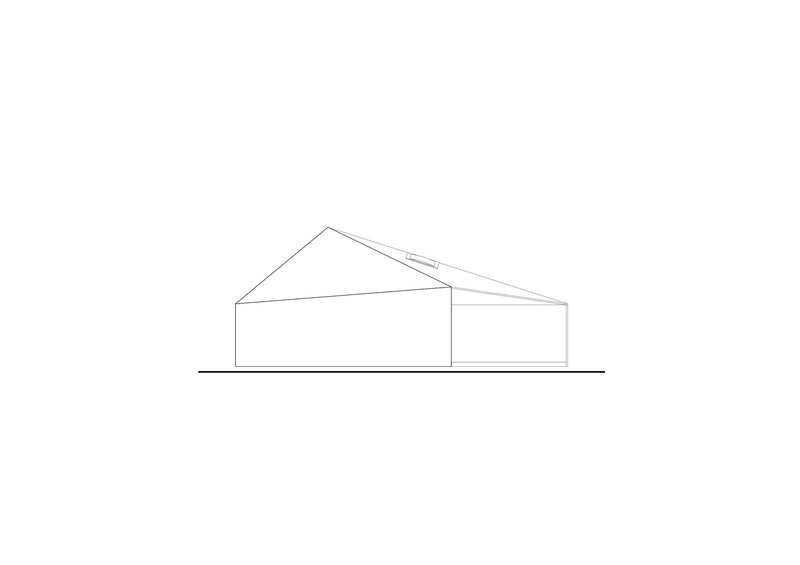
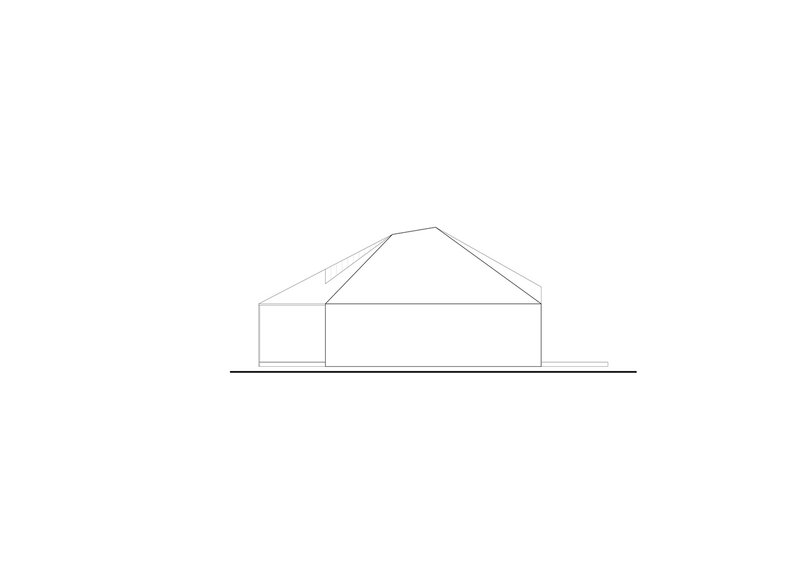
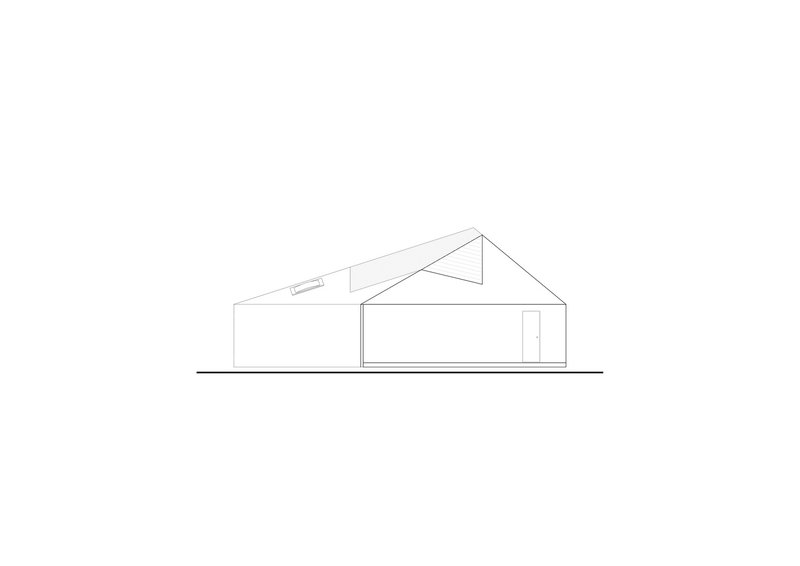
The AAC / Demo Working Group project, nestled in the heart of Aachen, Germany, serves as an exemplary model of sustainable community center design. Conceived as a low-cost teaching facility and community center, this structure is strategically located in a public park, enhancing the existing social and recreational infrastructure.
Architectural Concept and Design
Design Philosophy and Objectives
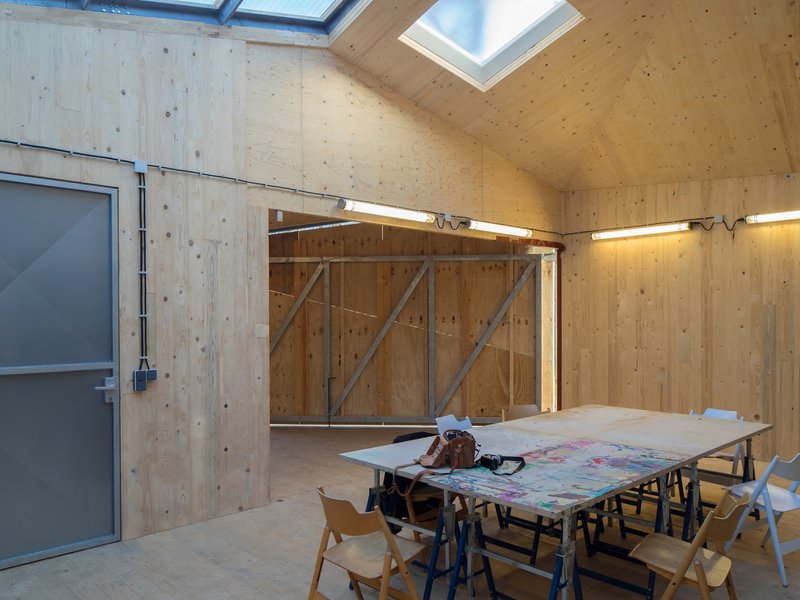
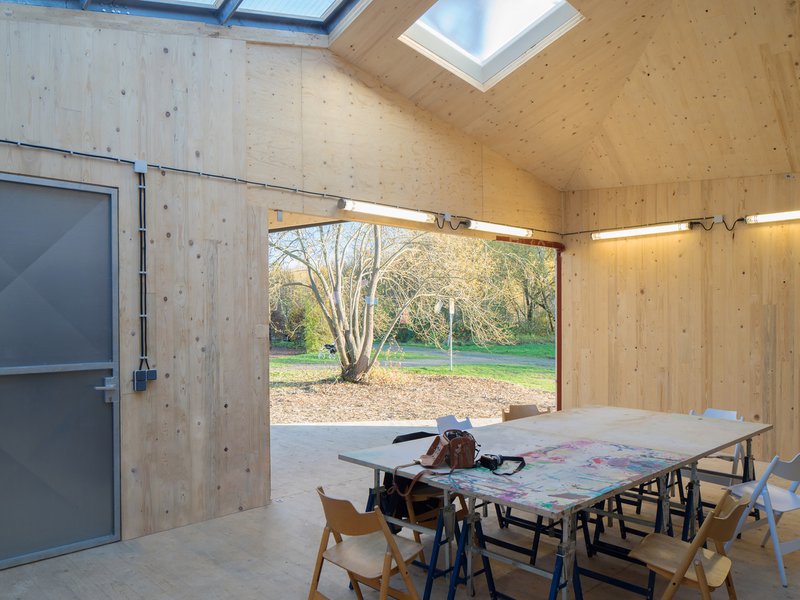
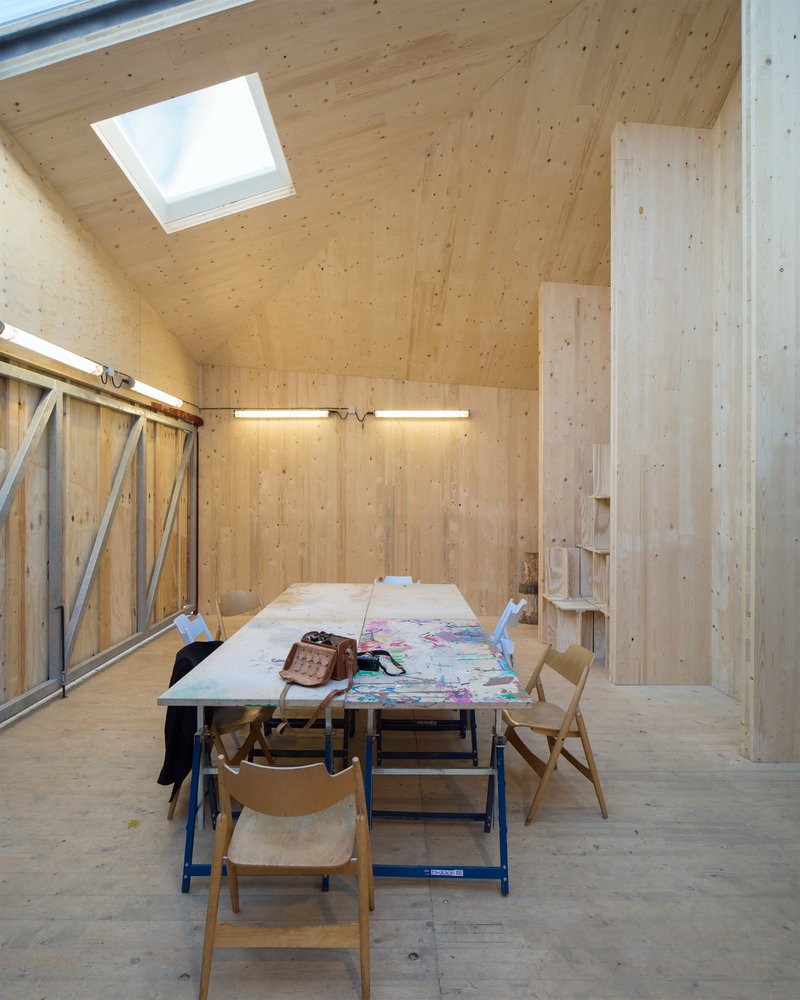
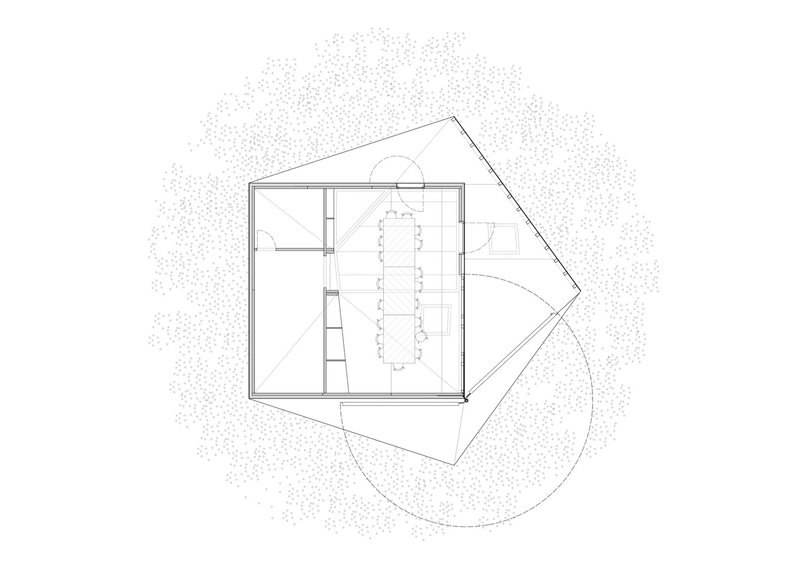
The primary objective of the AAC / Demo Working Group was to create a multifunctional space that complements a variety of public uses, including sports, gardens, and rehearsal rooms. With a keen focus on sustainability, the architects designed the building as a "usable shell," leaving room for future appropriation and modifications. This approach ensures that the center remains a versatile and evolving space within the community.
Innovative Use of Materials
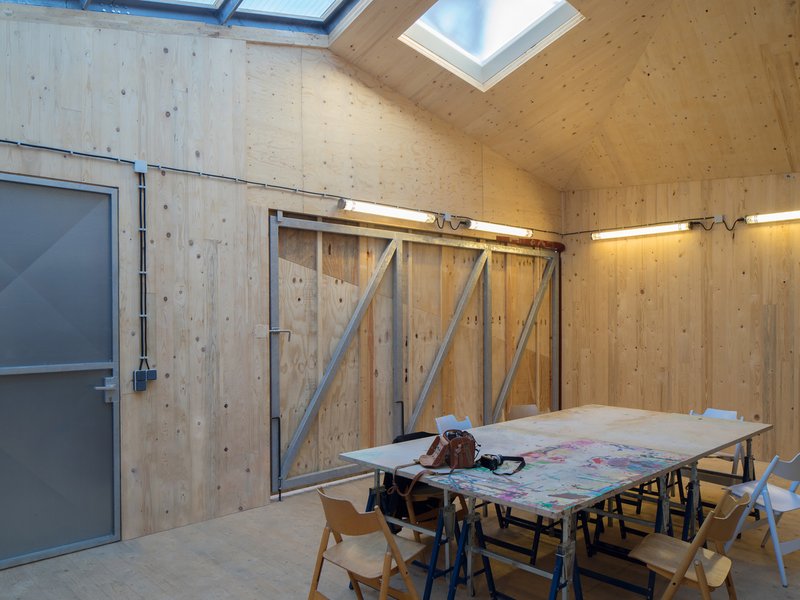
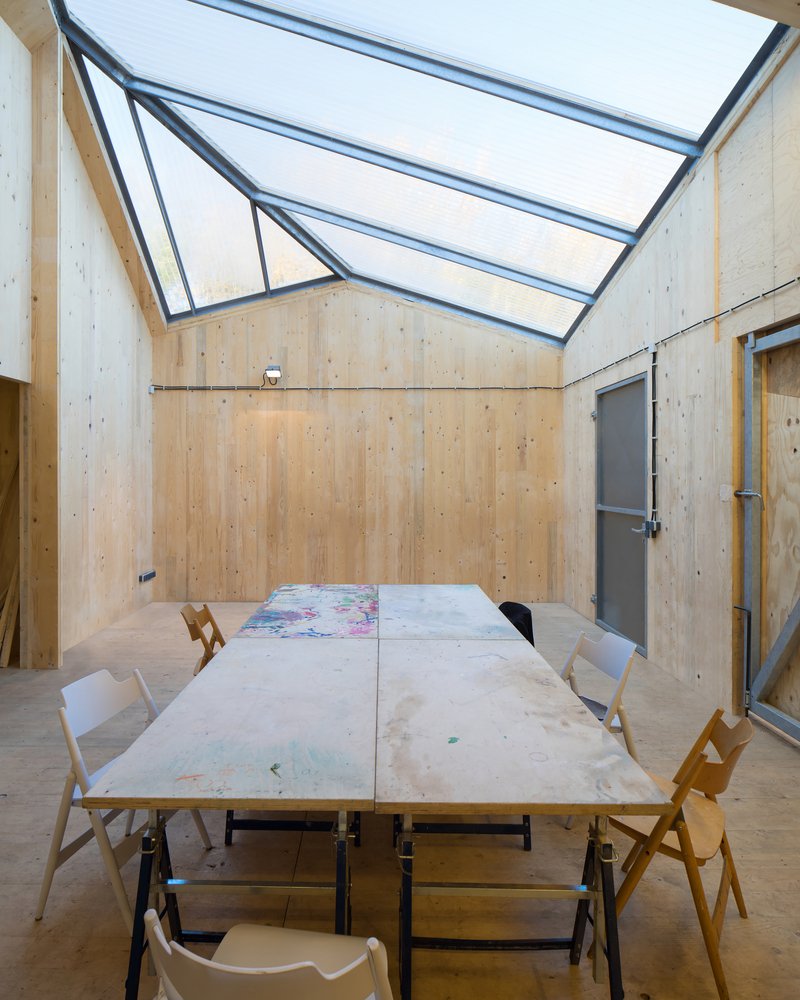
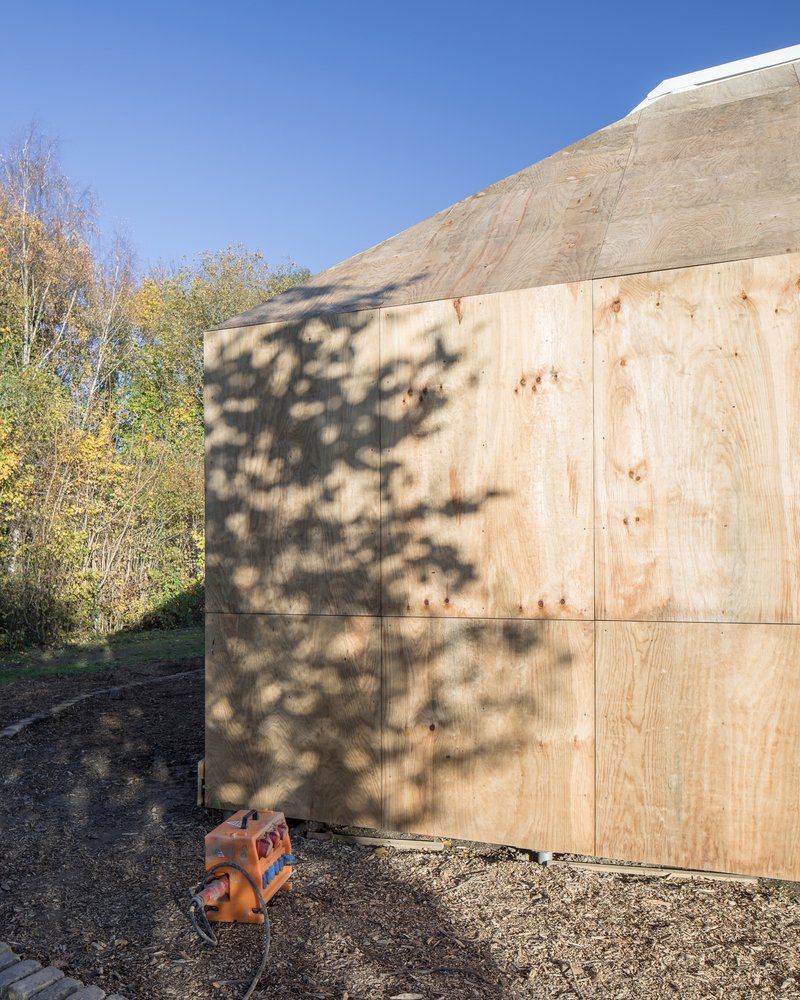
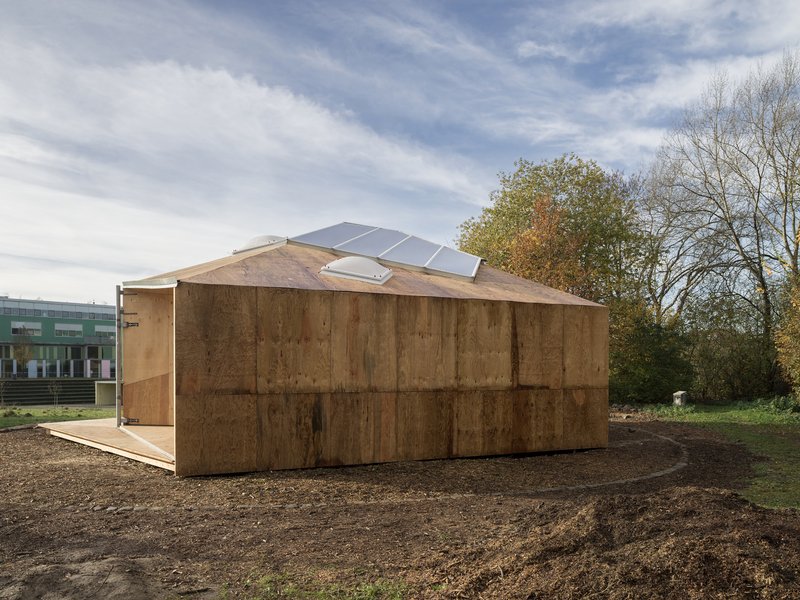
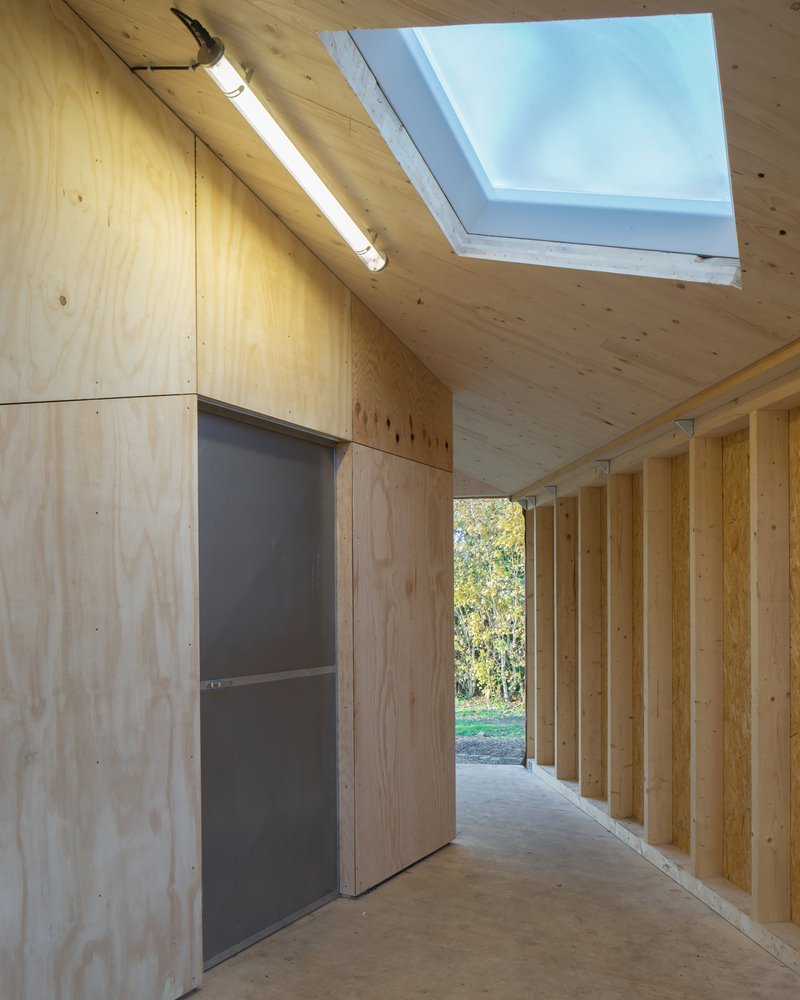
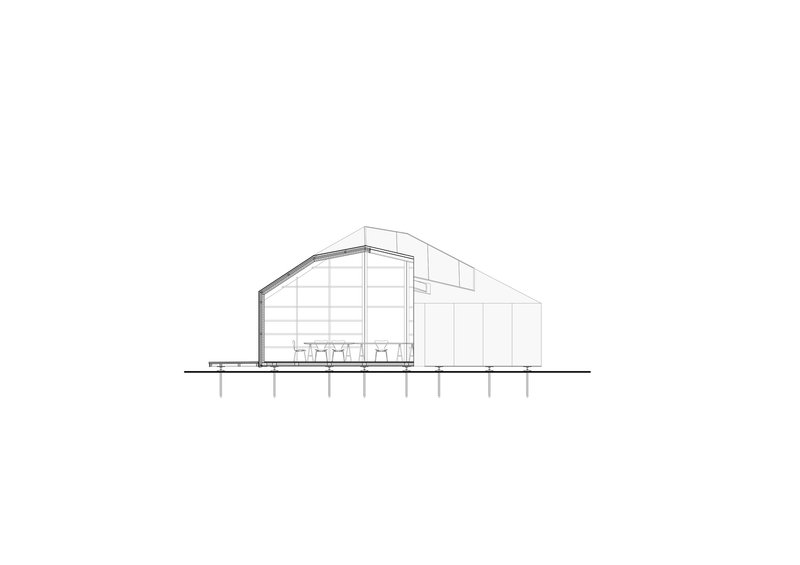
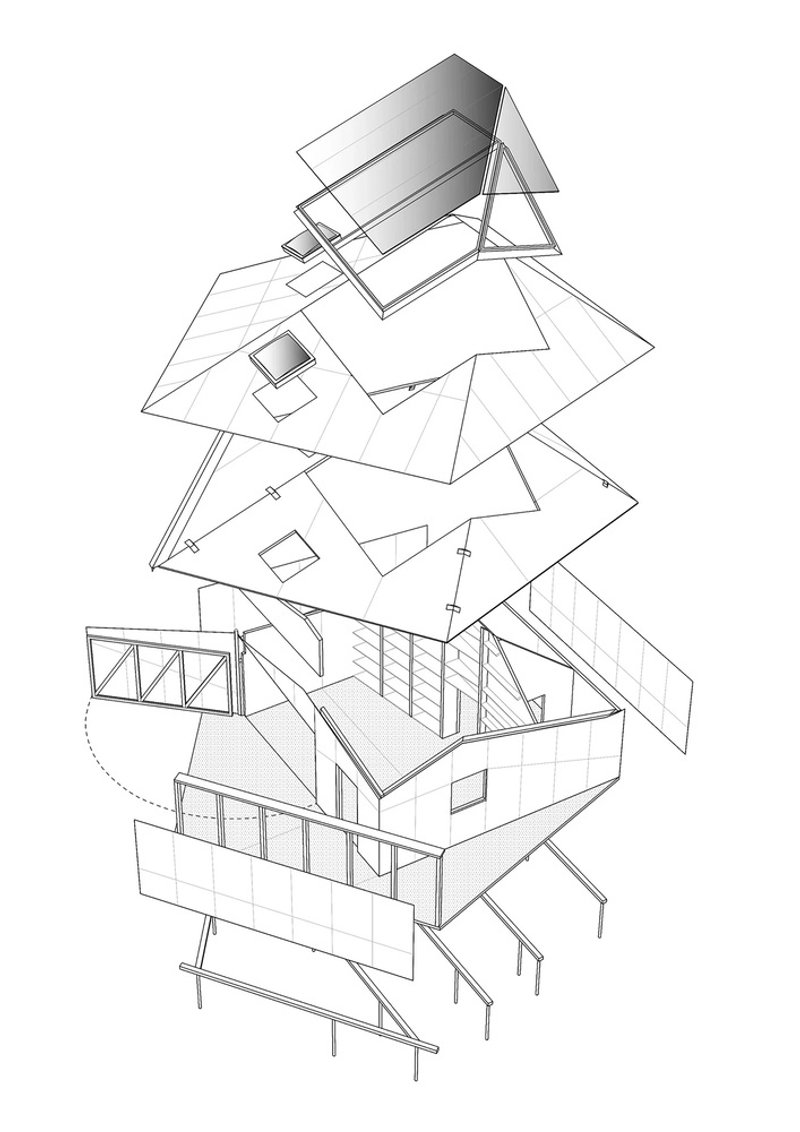
The construction of the AAC involves BSP boards, which not only form the structural elements but also define the interior aesthetic. Protected by a weather-resistant foil, these materials underline the building's temporary nature, with an expected lifespan of 5-10 years. This choice reflects a commitment to sustainability, emphasizing low-cost materials and potential for reuse.
Technical Aspects and Construction
Simplified Construction for Community Involvement
One of the unique aspects of this project is its community-driven construction process. The simplified design allowed local youths to participate in the building process under professional guidance, fostering a sense of ownership and engagement within the community. This hands-on approach not only reduced construction costs but also enhanced the educational aspect of the project.
Temporary Foundations and Infrastructure
Reflecting its temporary and flexible design philosophy, the AAC is built on screw foundations, which allows for easy dismantling and relocation. This feature is particularly important for maintaining the ecological footprint of the building, as it minimizes ground disturbance and facilitates future site restorations.
Impact on the Community and Environment
Community Reception and Usage
Since its inception, the AAC has been well-received by the community, serving as a hub for various social and educational activities. Its design as an open, adaptable space allows it to meet the changing needs of the community, ensuring long-term relevance and utility.
Environmental Considerations and Sustainability
The AAC / Demo Working Group project is a testament to sustainable architecture, utilizing minimal resources for maximum functionality. The absence of a permanent power connection and reliance on donated materials and equipment further emphasize its sustainable approach, reducing both cost and environmental impact.
A Model for Future Community Centers
The AAC / Demo Working Group project stands as a pioneering example of sustainable community center design, demonstrating how architecture can play a crucial role in fostering community spirit and environmental stewardship. As cities continue to evolve, projects like the AAC provide valuable insights into how community centers can adapt to and promote sustainable practices.
All photographs are work of Veit Landwehr