
Sustainable Ecocultural Center: The Sueli Pontes Eco-Museum by KAAN Architecten
The Sueli Pontes Ecocultural Center is a sustainable project by KAAN Architecten, integrating nature, architecture, and community education.


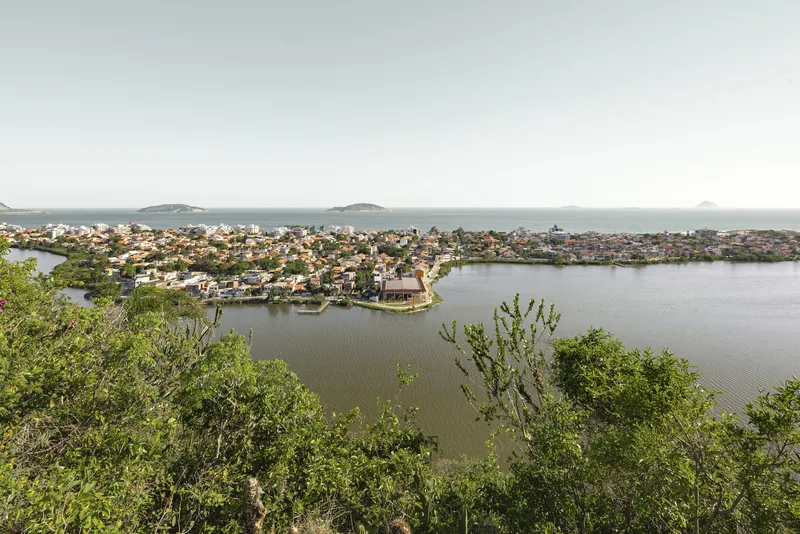
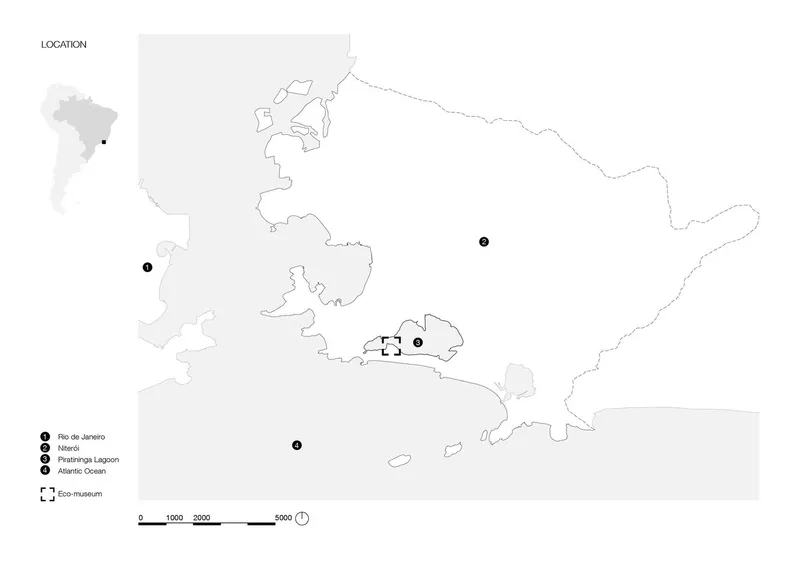
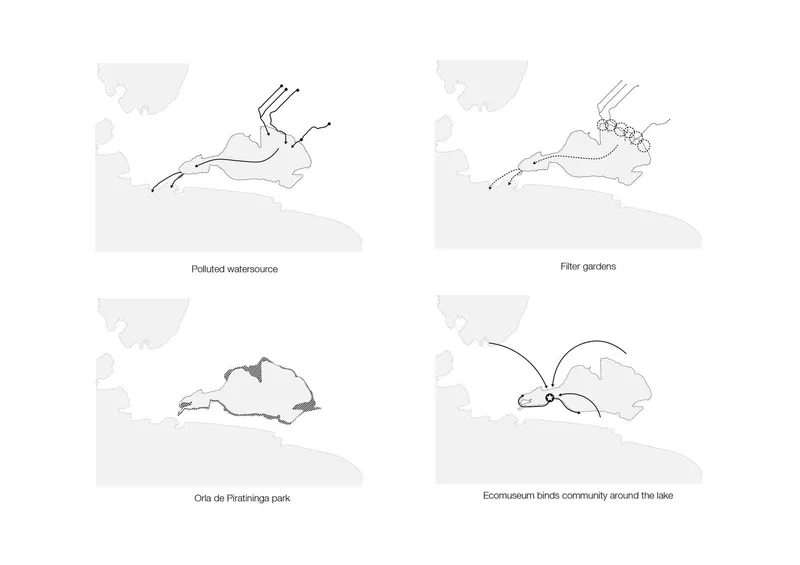
Located in Niterói, Brazil, the Sueli Pontes Ecocultural Center, also known as the Eco-Museum, is a landmark project by KAAN Architecten. As part of the Orla Piratininga Park redevelopment, it stands as a beacon of sustainability, offering a comprehensive approach to ecological restoration, biodiversity, and community engagement. The project contributes significantly to the largest phytoremediation initiative in Latin America, utilizing nature-based solutions to restore water quality and the natural ecosystem.
The Vision Behind the Sueli Pontes Ecocultural Center
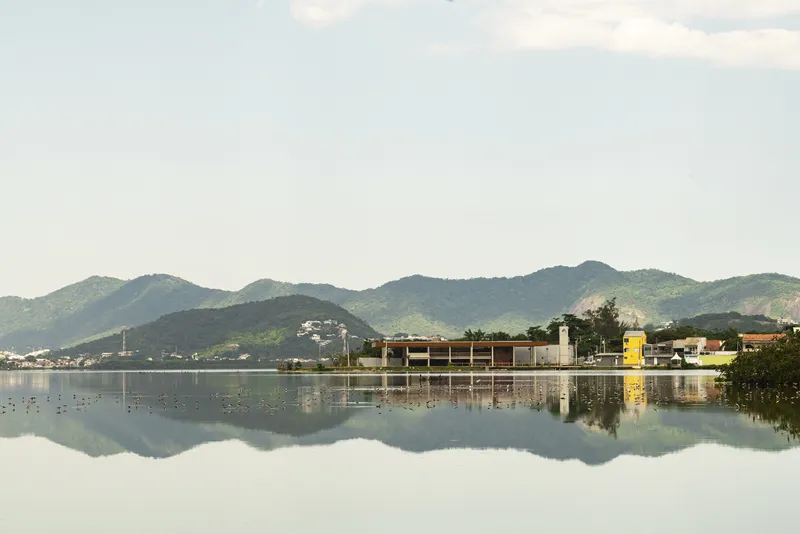
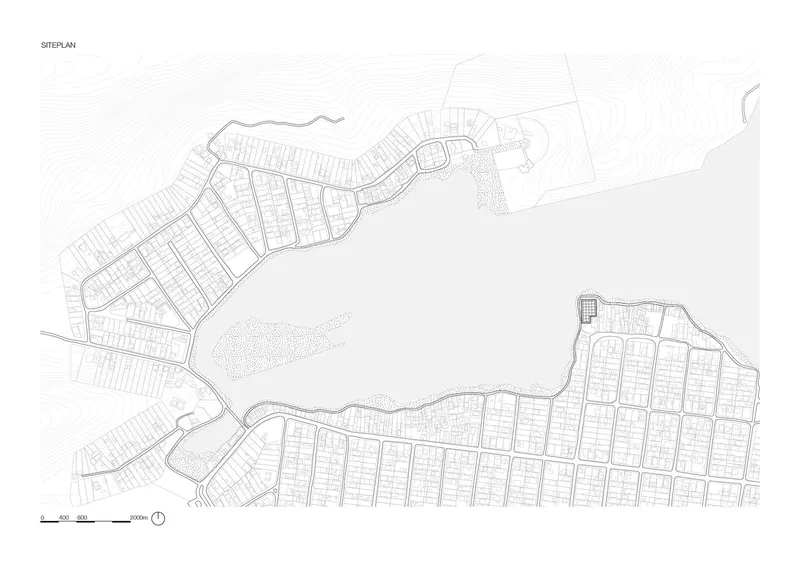
The Eco-Museum is strategically positioned within the Orla Piratininga Park to foster community participation in the long-term conservation of the Piratininga Lagoon. This initiative promotes both social inclusivity and environmental awareness, allowing residents, fishing communities, and environmental organizations to work together in preserving the lagoon’s natural habitats. With hiking trails, bike paths, and wildlife observatories, the Eco-Museum’s waterfront location enhances public interaction with nature, creating a bridge between the community and its ecological heritage.
The Ecological Masterplan and Water Management
One of the core aspects of the project is the introduction of 35,290m² of filtering gardens designed to intercept upstream pollution and restore the lagoon’s water cycles. These innovative wetlands use native plants to purify water while supporting local wildlife habitats. By carefully selecting species native to the Rio de Janeiro ecosystem, the project ensures an authentic ecological restoration that promotes biodiversity. The filtering gardens not only serve as a critical ecological function but also provide a space for visitors to experience the richness of wetlands, offering pathways that respect the sensitive environment.
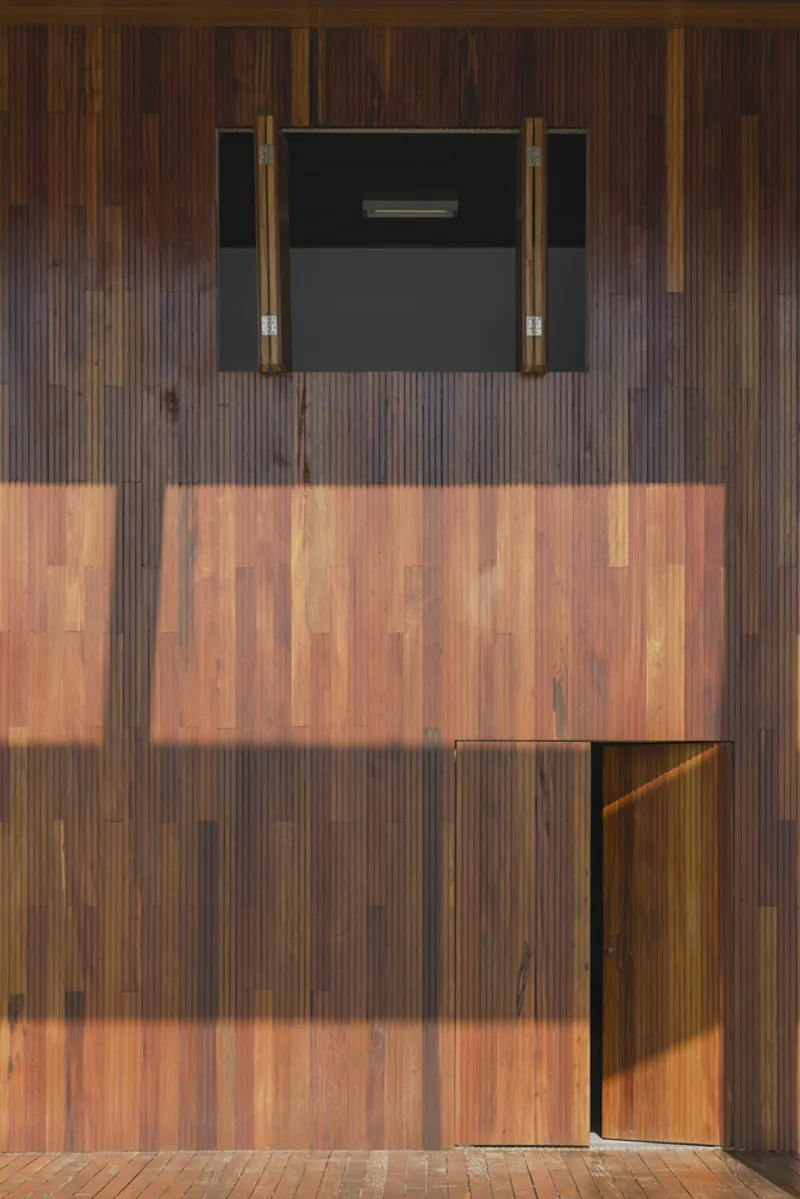
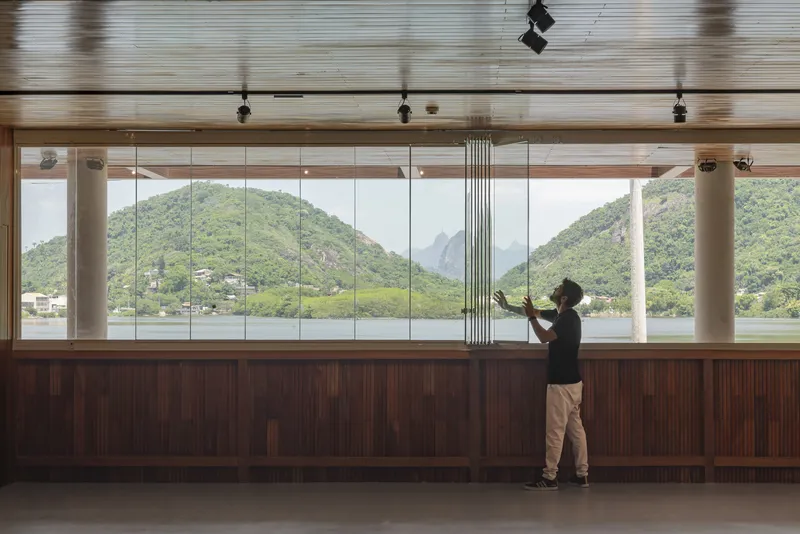
Design Features of the Eco-Museum
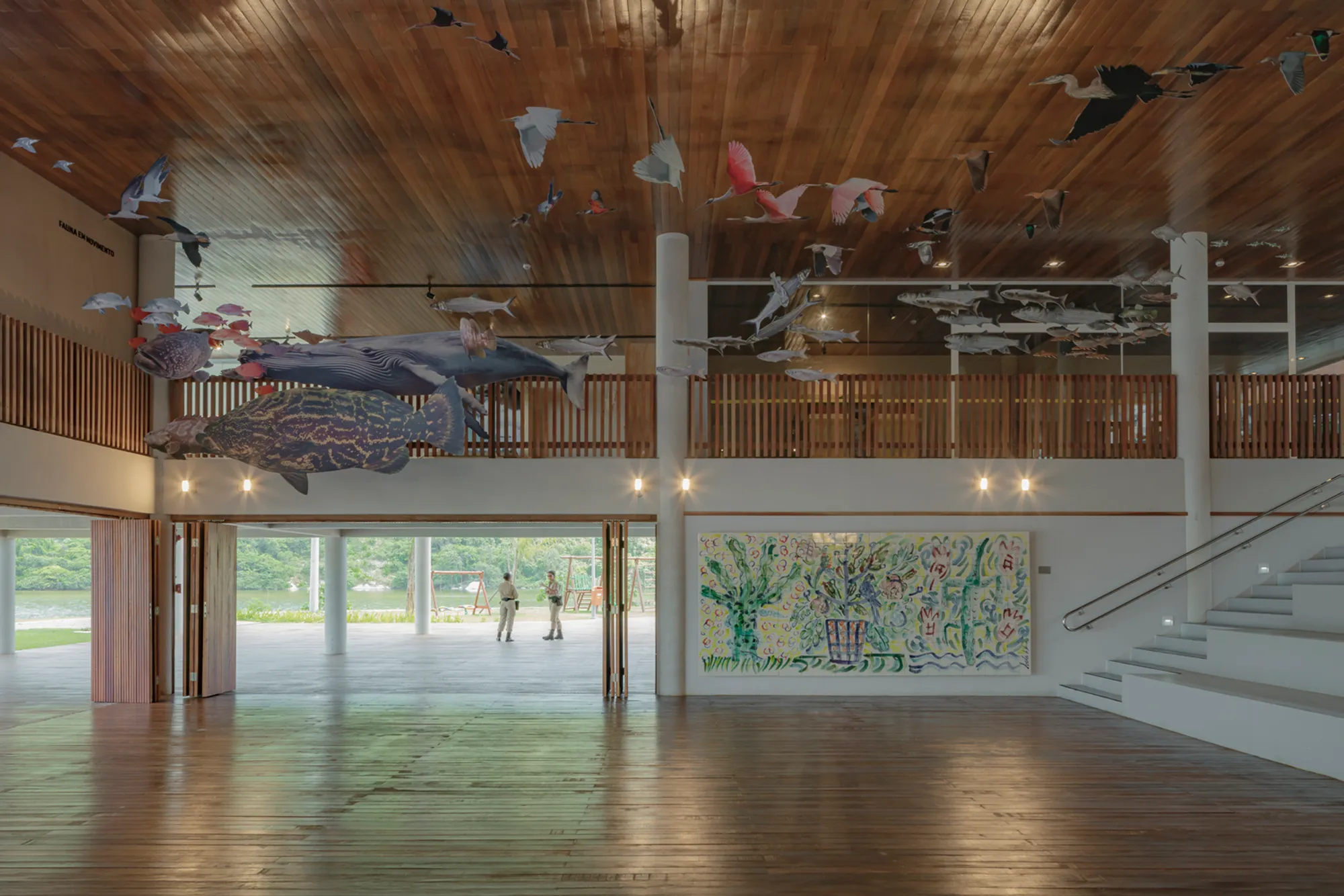
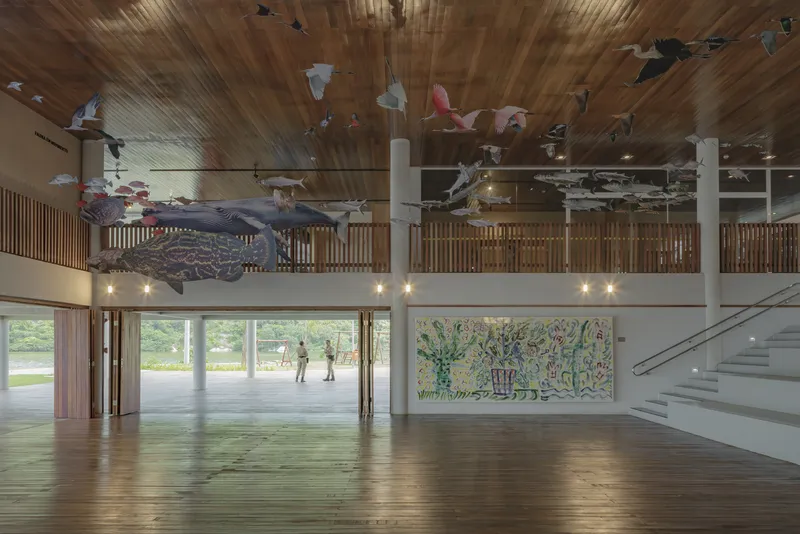
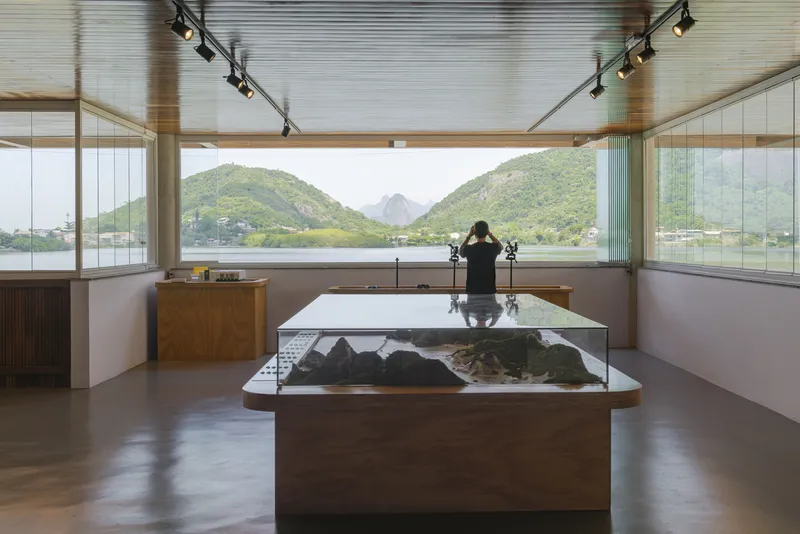
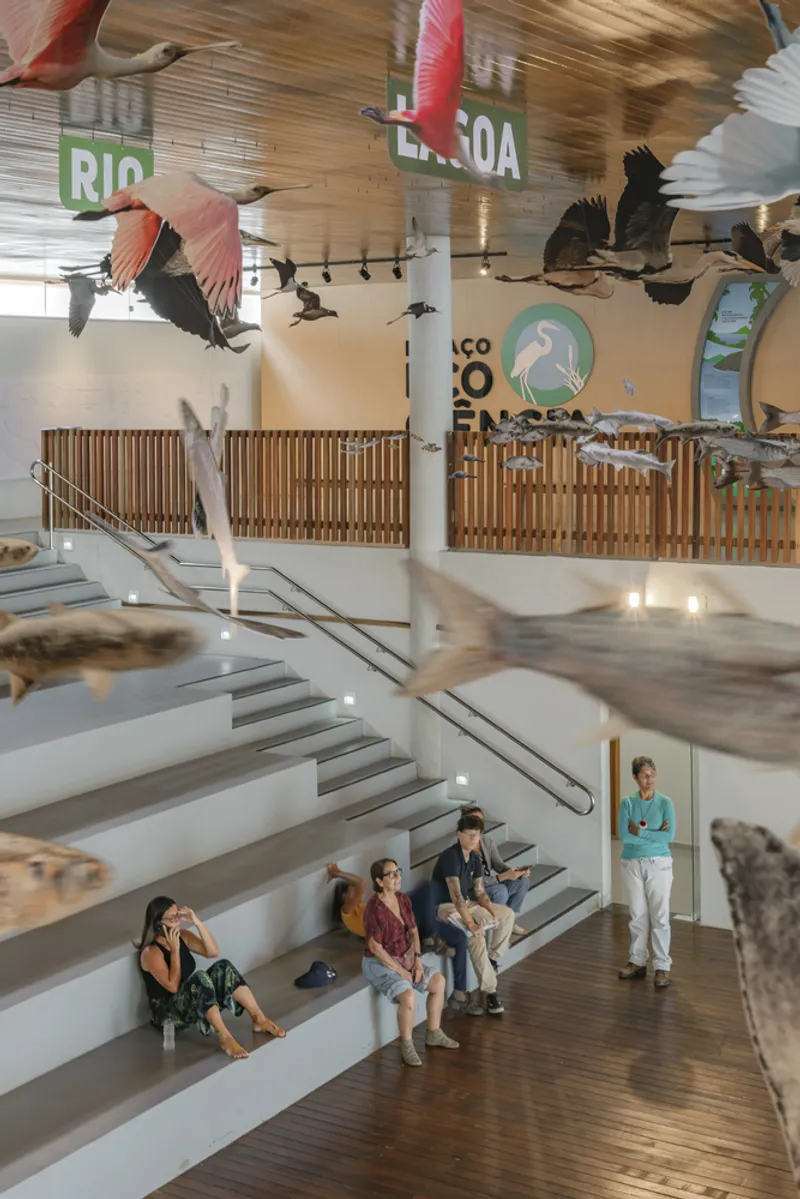
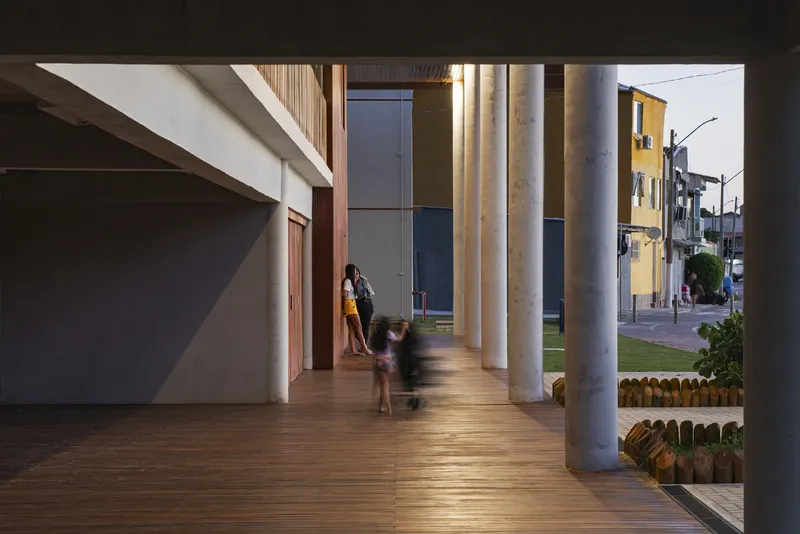
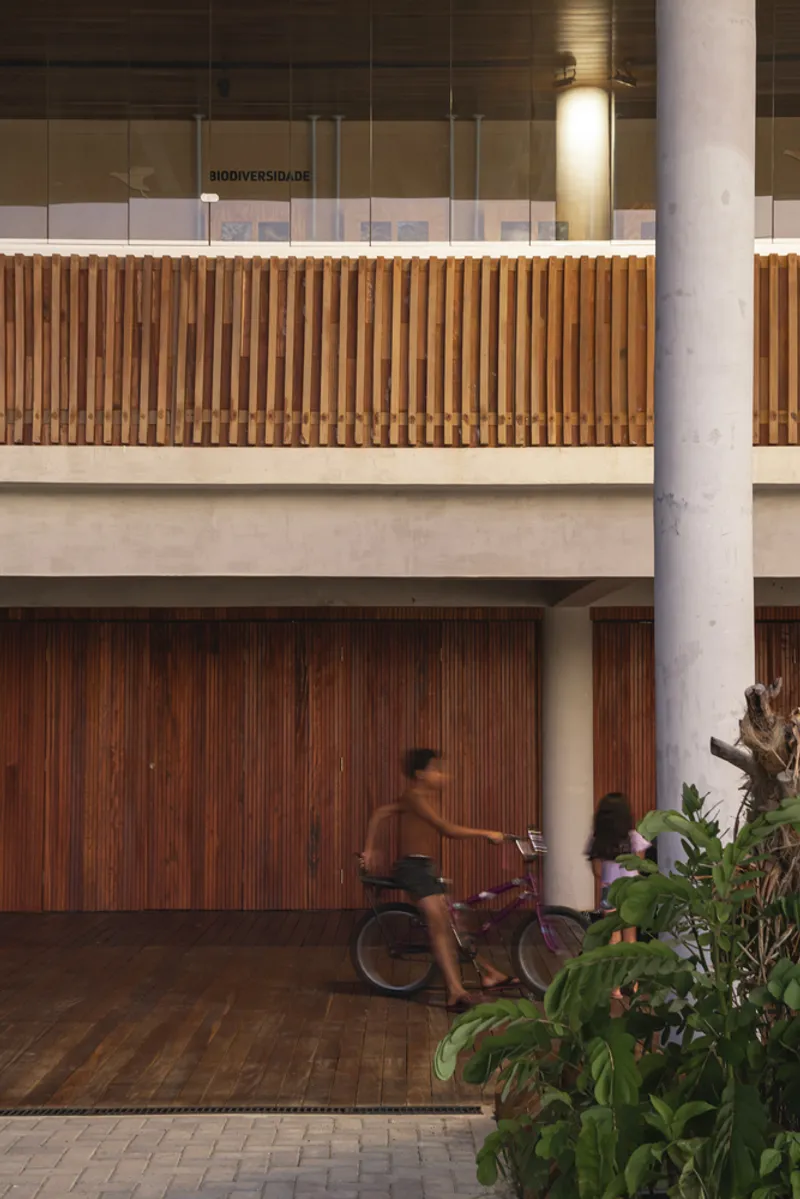
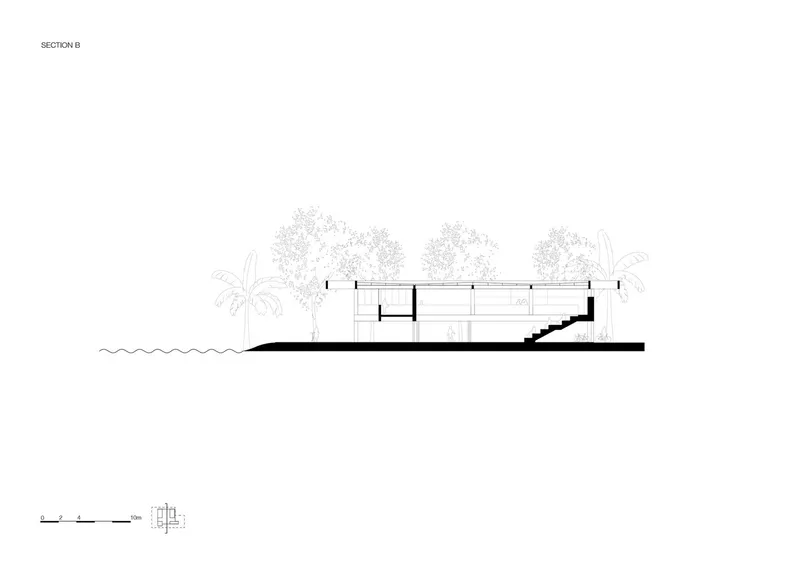
The Eco-Museum is more than just an exhibition space; it’s an immersive educational environment. Designed with functionality and flexibility in mind, the museum is a hub for both environmental learning and community activities. Constructed predominantly with cumaru wood, a durable hardwood native to South America, the museum's design emphasizes a strong connection with the natural surroundings. The wood and glass façade allows the space to adapt to various configurations, providing both enclosed settings for presentations and open spaces for communal gatherings.
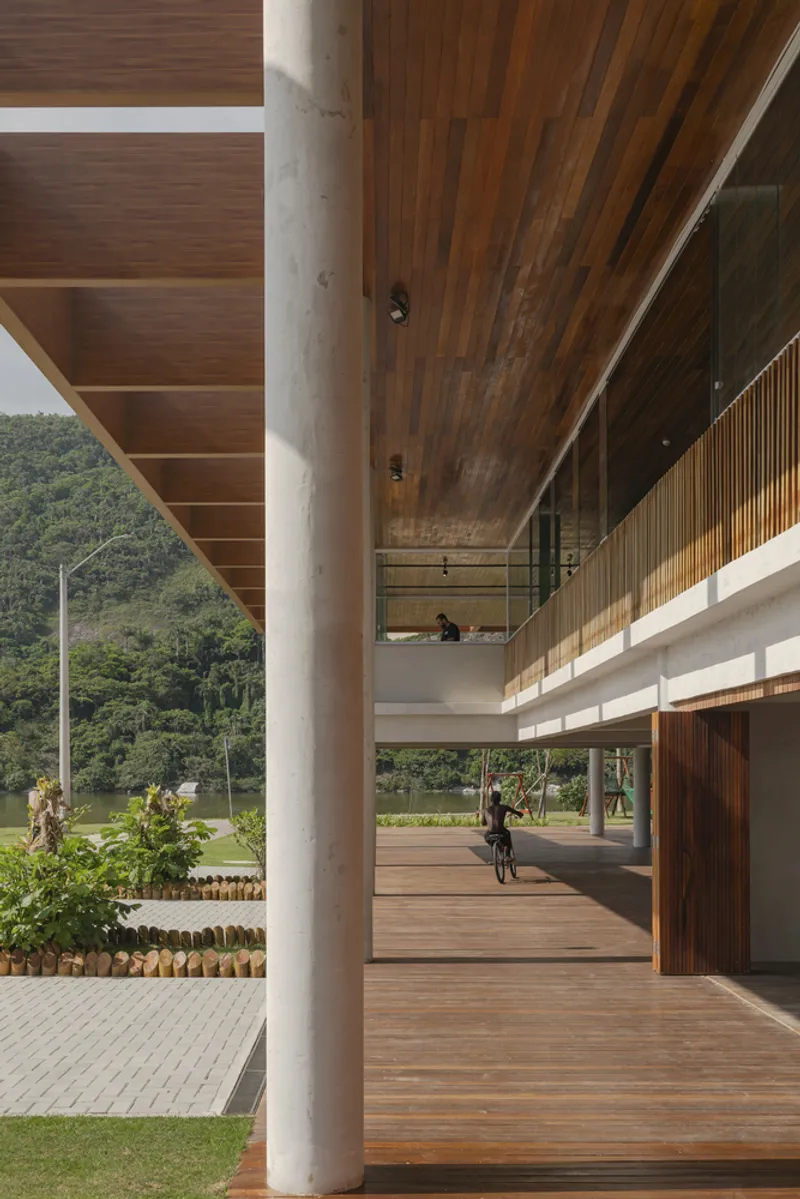
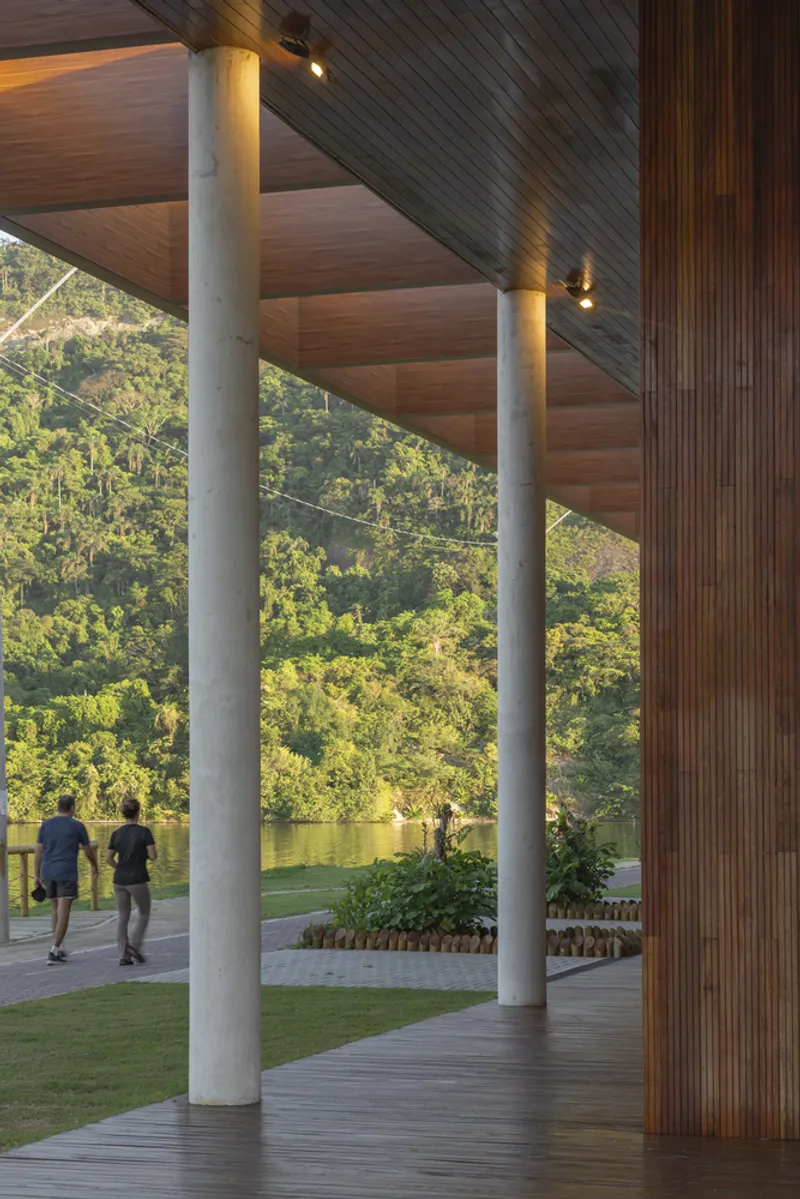
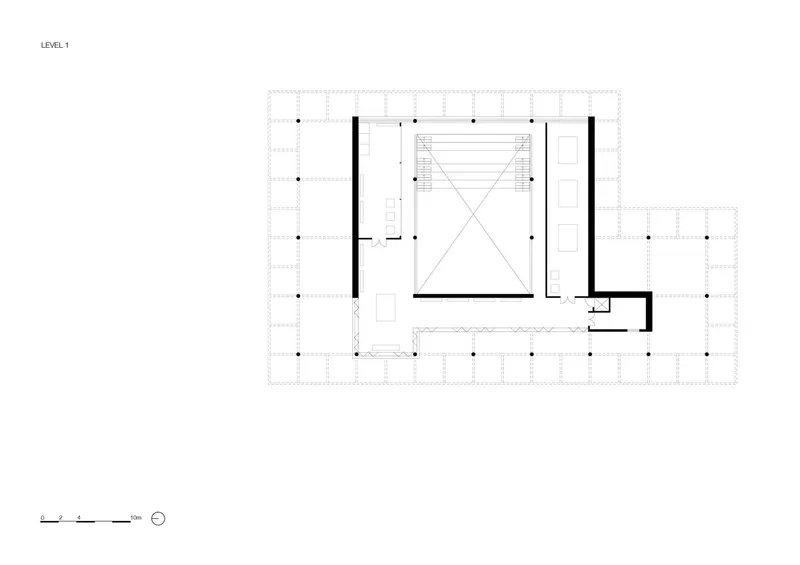
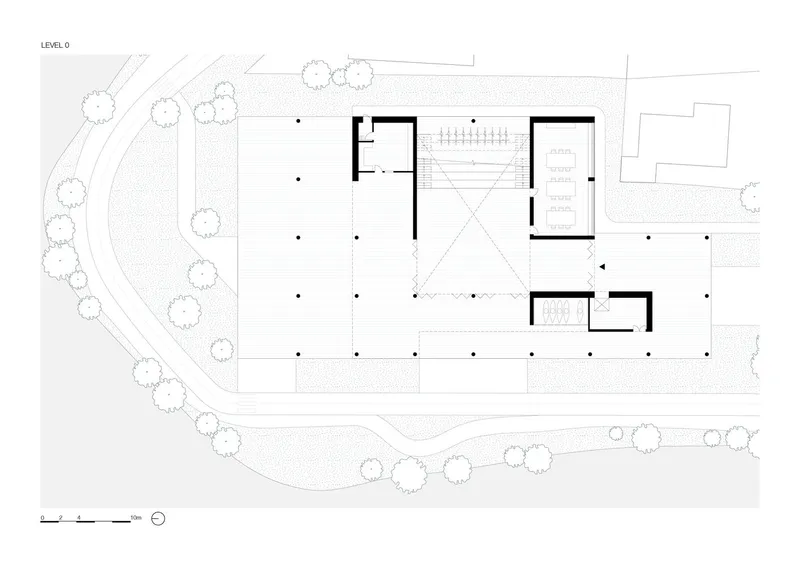
On the ground floor, visitors will find a restaurant, multifunctional spaces, kayak storage, and restrooms, while the mezzanine is dedicated to the main exhibition area. Interactive activities, a lagoon observatory, and a central office round out the museum's offerings. The open atrium at the center of the museum encourages public gatherings, presentations, and social interactions.
Sustainable Architecture and Environmental Integration
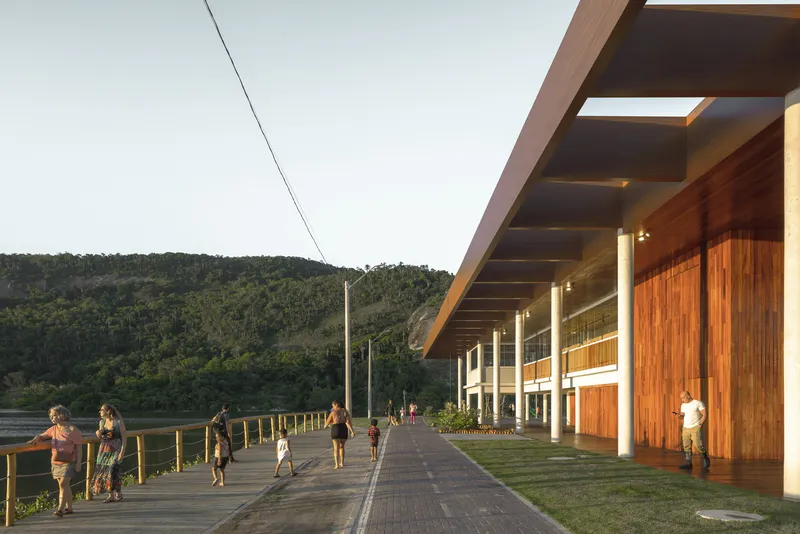
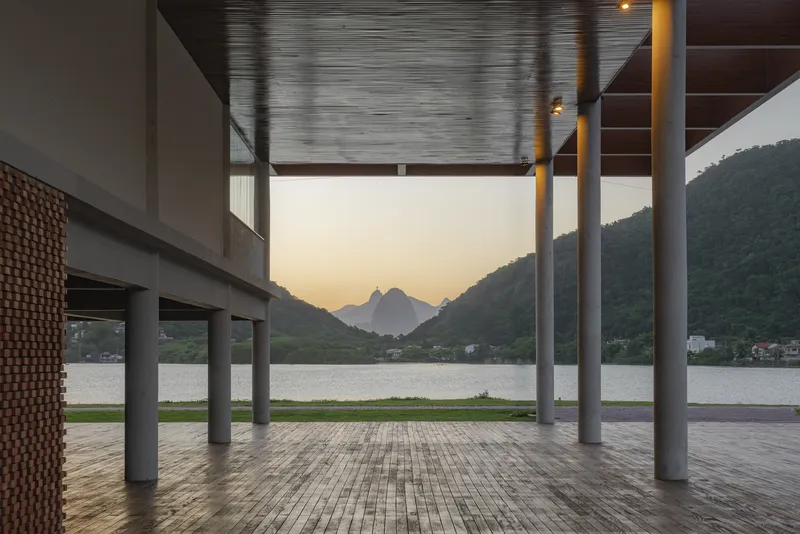
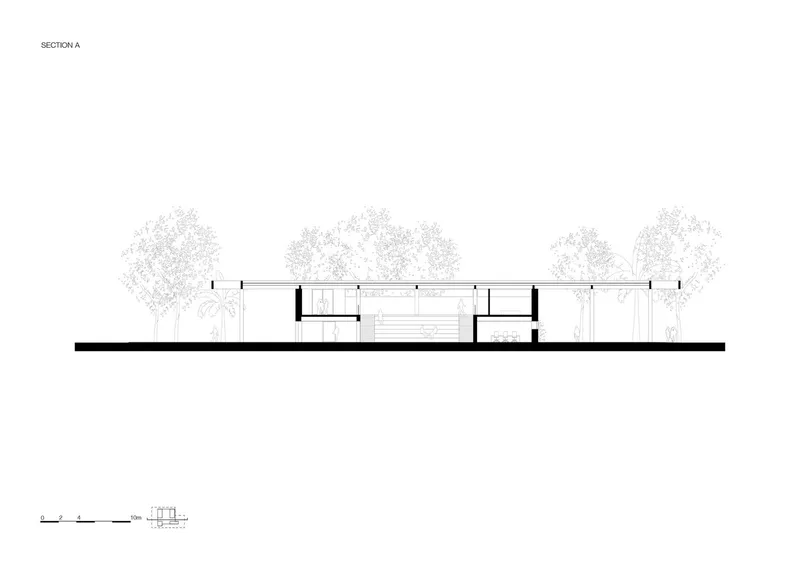
A key design feature of the Eco-Museum is its cantilevered roof, which not only creates a striking architectural presence but also helps modulate natural light within the building. The broad overhangs of the roof create an open, welcoming atmosphere, allowing the indoor spaces to merge seamlessly with the surrounding Atlantic Forest landscape. This design element strengthens the connection between architecture and nature, offering both shelter and comfort while reinforcing the museum’s role as a space for environmental education and community engagement.
The Role of the Eco-Museum in Social Inclusion
The Eco-Museum plays a critical role in the community beyond being an exhibition space. It serves as a platform for social inclusion and environmental education, particularly for local children. As Renata Gilio, architect and urban planner at KAAN Architecten, explains, the museum has become the heart of the neighborhood, ensuring the long-term sustainability of the ecological park. By educating young people about environmental awareness, the Eco-Museum helps foster a sense of responsibility toward the conservation of natural resources and the protection of biodiversity.
The Sueli Pontes Ecocultural Center, or Eco-Museum, is a forward-thinking sustainable project that combines architecture, environmental restoration, and community engagement. By integrating nature-based solutions and focusing on ecological education, KAAN Architecten has created a space that promotes sustainability, biodiversity, and social inclusivity. This project sets a new benchmark for how architecture can contribute to environmental restoration and community building, providing a model for future ecocultural centers around the world.
All Photographs are works of Sebastian van Damme



Popular Articles
Popular articles from the community


The Ocean Hive: Sustainable Architecture for a Self-Sufficient Civilization at Sea
The Ocean Hive imagines sustainable architecture at sea, where modular habitats, algae, wave power and ocean waste sustain a growing colony.

Co-Life: Senior Housing Design That Reconnects Older Adults With the City
Co-Life reimagines senior housing design through healing gardens, shared streets, workshops, and a sustainable community across generations.

The Earth Pod: 3D Printed Homes for Resilient Refugee Communities
The Earth Pod reimagines refugee housing through 3D printed homes made from clay, combining resilience, self-sufficiency, and rapid shelter.

The Musturak Paradise: Senior Living Architecture for a Connected Future in Temara, Morocco
The Musturak Paradise reimagines senior living architecture in Temara via private homes, social spaces, culture, community, and shared care.


Similar Reads
You might also enjoy these articles

Bamboo Housing Challenge 2026: Design Affordable, Sustainable Homes Using Bamboo
An international design competition by Bamboo U and IBUKU inviting architects and designers to reimagine affordable housing using bamboo — with the winning design built full-scale in Bali.
Computational Design & Education: Beegraphy Design Awards Introduces 7th Category (Featuring Jiyun's Innovative Approach)
Dive into Beegraphy’s 7th Design Awards category, where computational design meets education to create immersive, interactive learning tools, inspired by Jiyun’s work.
From Parametric Lighting to Urban Furniture: Join the 2nd Workshop in Beegraphy’s Computational Design Series
Dive into Cutting-Edge Design Techniques and Practical Applications with Industry Experts

Last Call: Unleash Your Architectural Genius in SHAK's Kindergarten Design Competition
Urgent call for architects to join SHAK's kindergarten design competition before the looming deadline

Explore Architecture Competitions
Discover active competitions in this discipline



Challenge to reimagine the Iron Throne


Photograph architecture without architects


Illustrate the lost glory of Angkor Wat - Render Challenge


Design challenge to reuse E-waste
Comments (0)
Please login or sign up to add comments
No comments yet. Be the first to comment!