Sustainable Funeral Home Architecture: Àltima Sant Andreu by Batlleiroig
The article explores Àltima Sant Andreu Funeral Home's sustainable design, blending historical integration, biophilic elements, and renewable energy solutions.


The Àltima Sant Andreu Funeral Home in Nou Barris, Barcelona, designed by the renowned architectural firm Batlleiroig, exemplifies the integration of sustainable design principles in a context-sensitive facility. Completed in 2022, this 1,064 m² building redefines funeral home architecture by embracing eco-friendly practices, biophilic design, and thoughtful materiality, all while respecting its historical surroundings.
Architectural Context and Integration
Enhancing the Urban Landscape
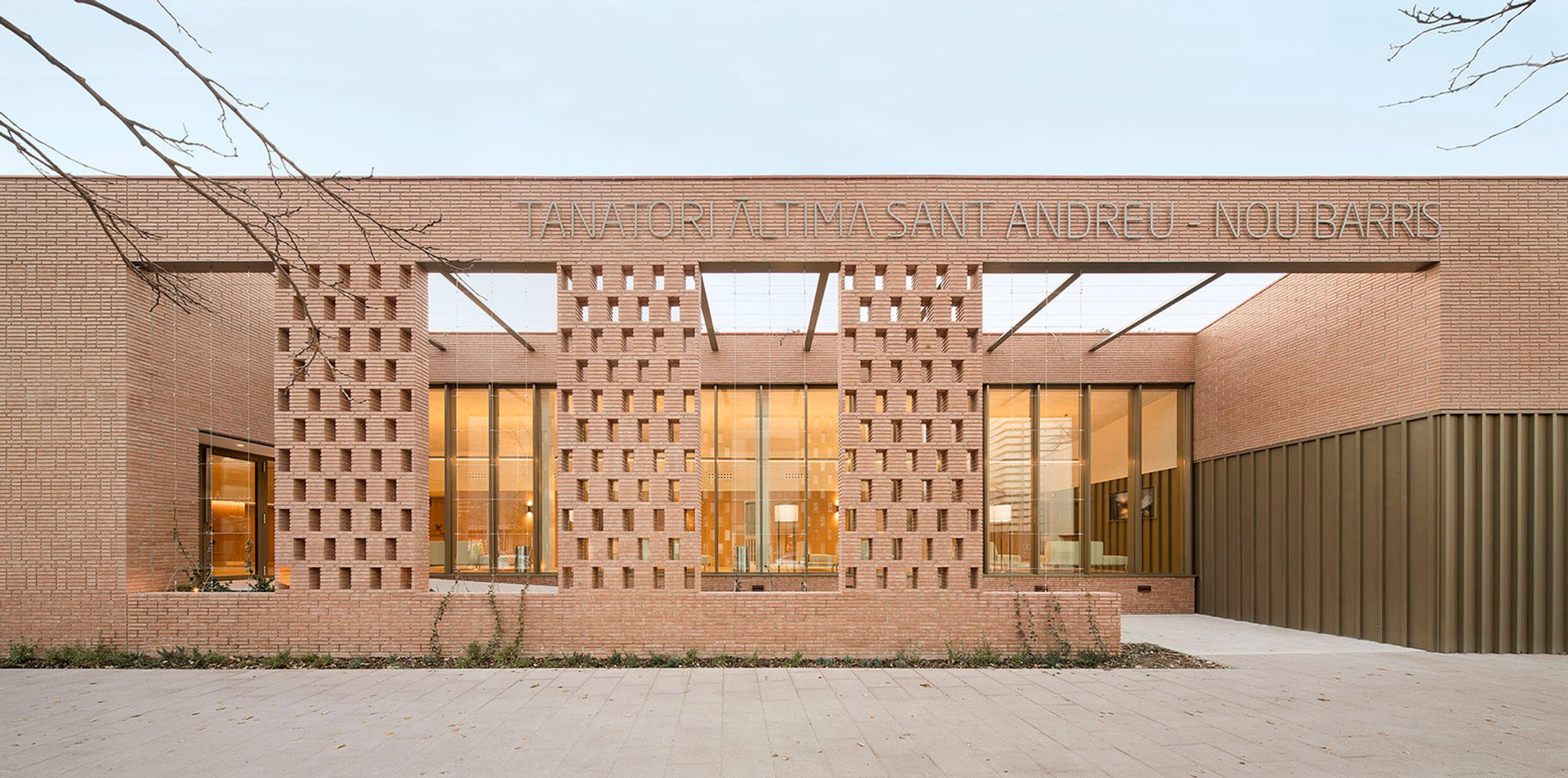
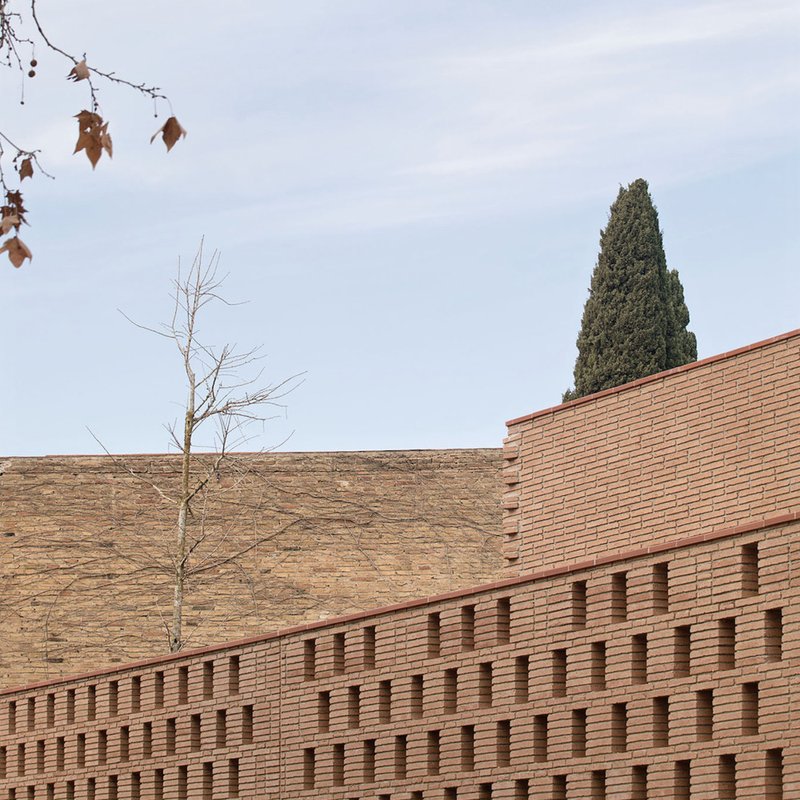
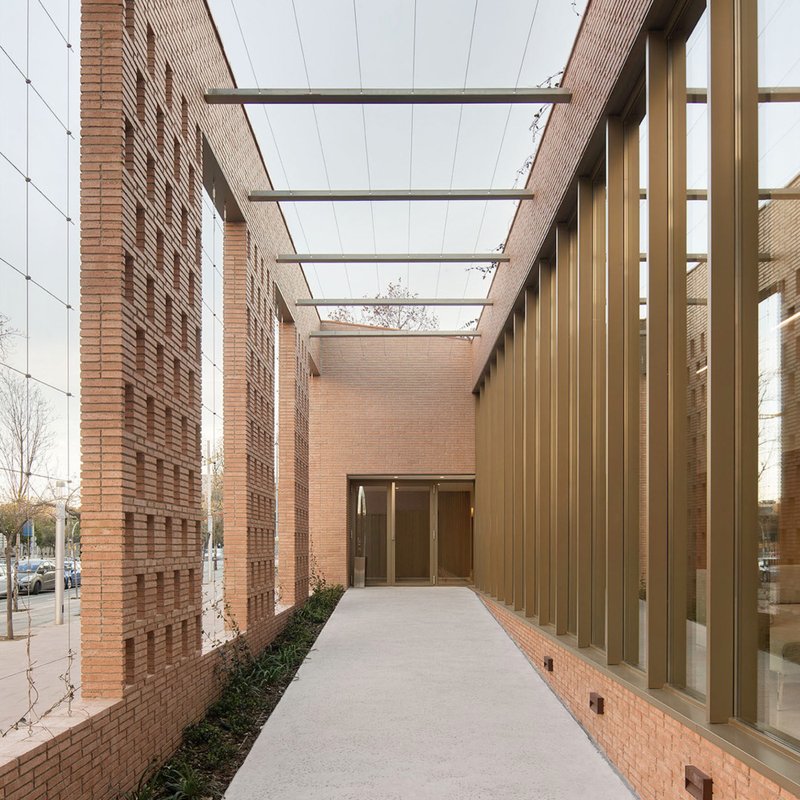
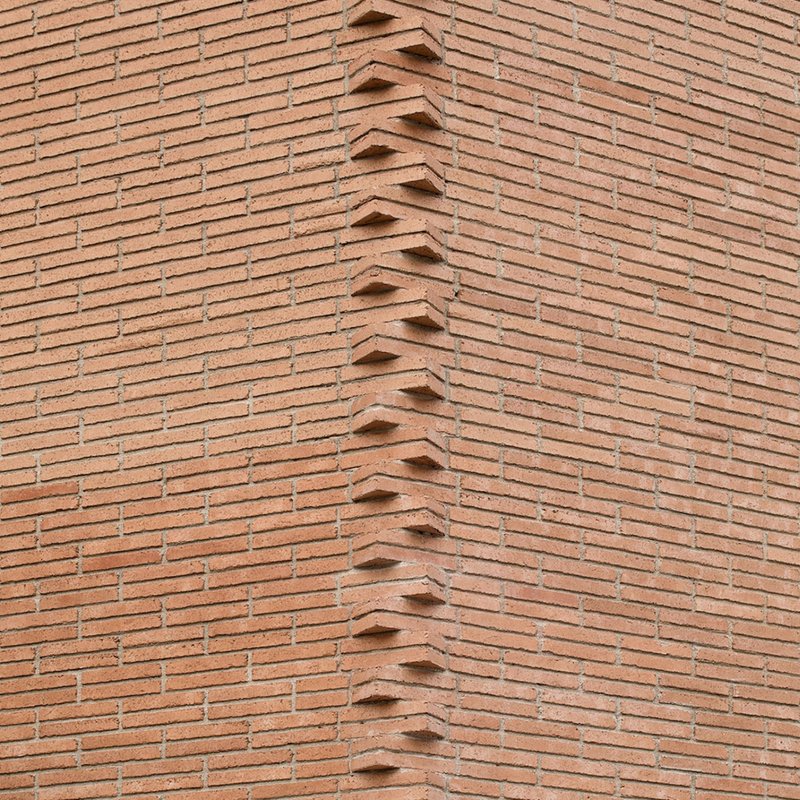
Situated next to the historic Sant Andreu Cemetery, the funeral home serves as a vital link between the past and the present. The design respects its historical context by incorporating materials and forms that harmonize with the cemetery’s perimeter wall, predominantly using exposed brickwork to create a cohesive visual language.
The facility enhances urban integration by promoting sustainable mobility through a network of green spaces and pedestrian-friendly routes. This approach aligns with Batlleiroig’s philosophy of designing for both present utility and future adaptability.
Design Highlights
Materiality and Facade Design
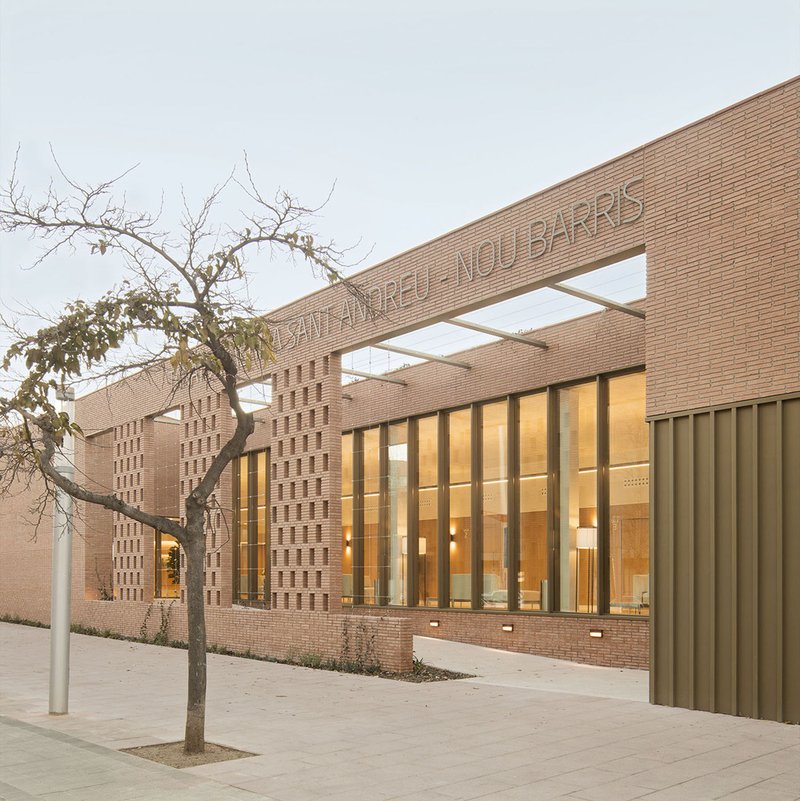
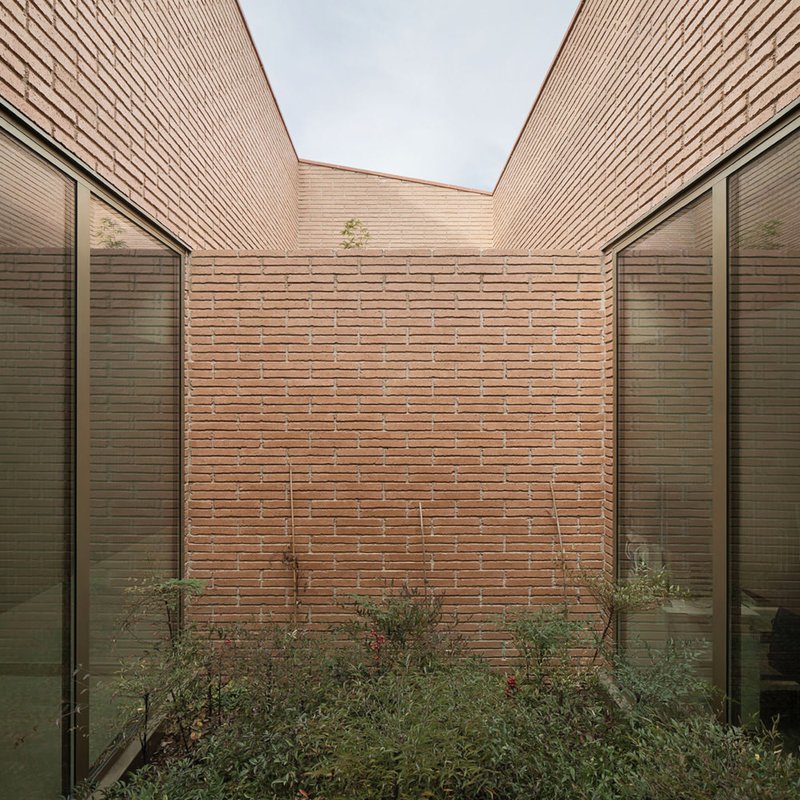
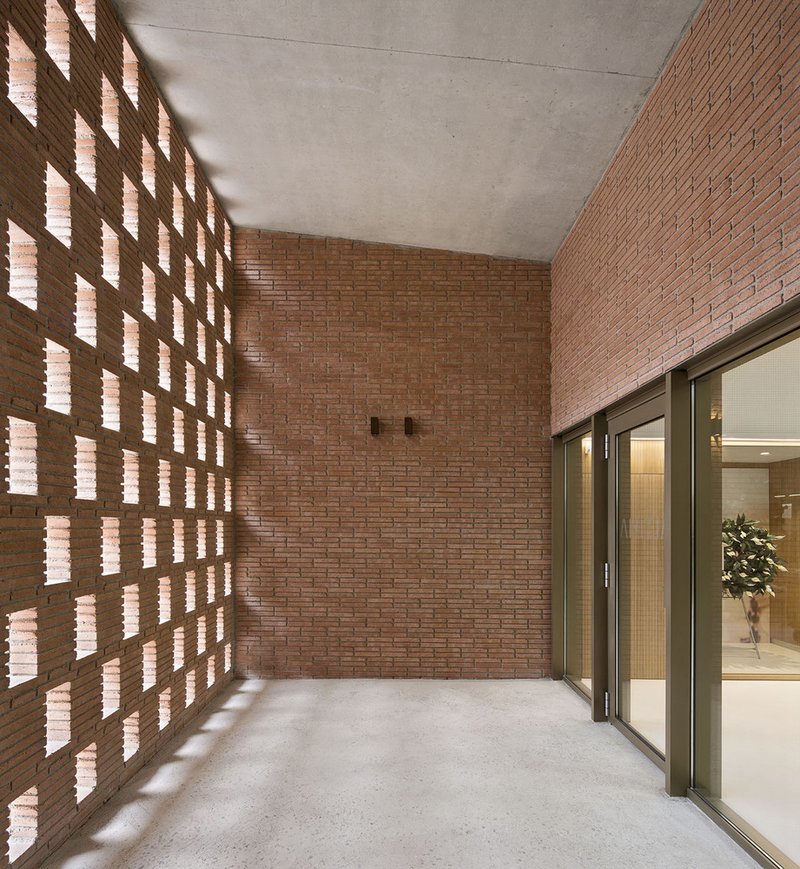
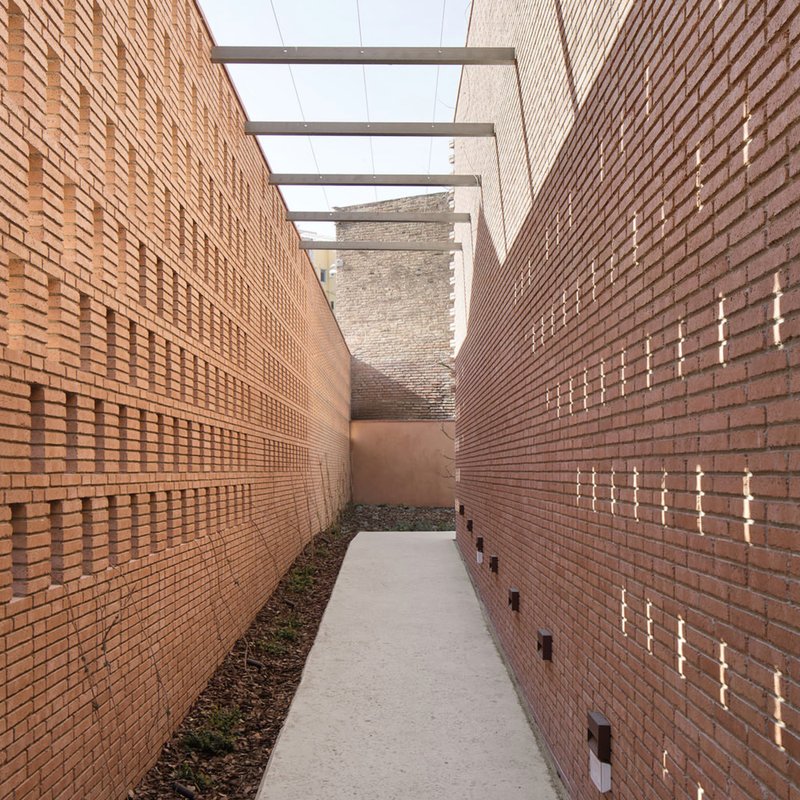
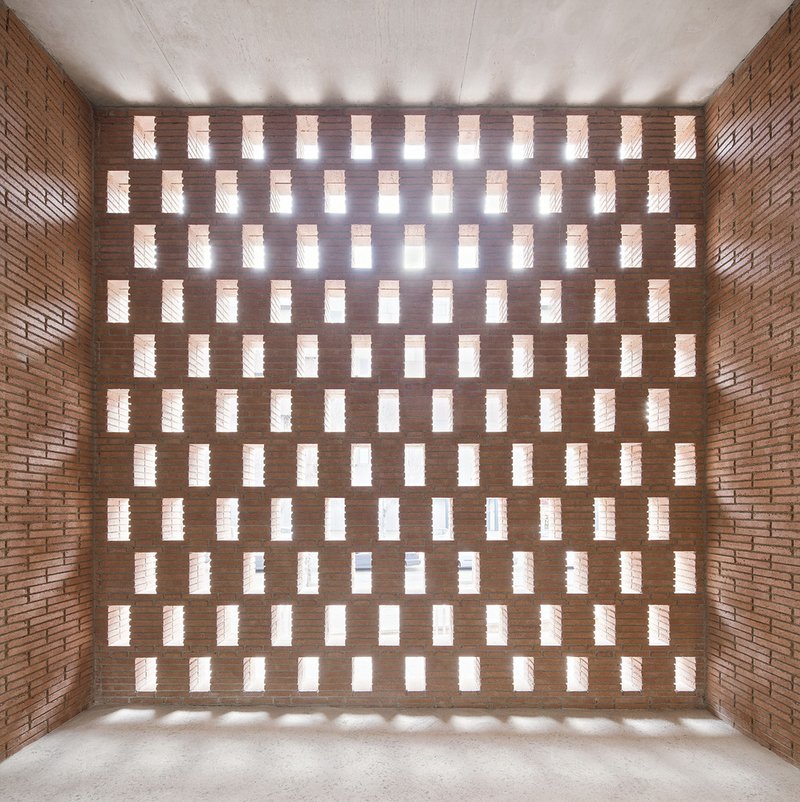
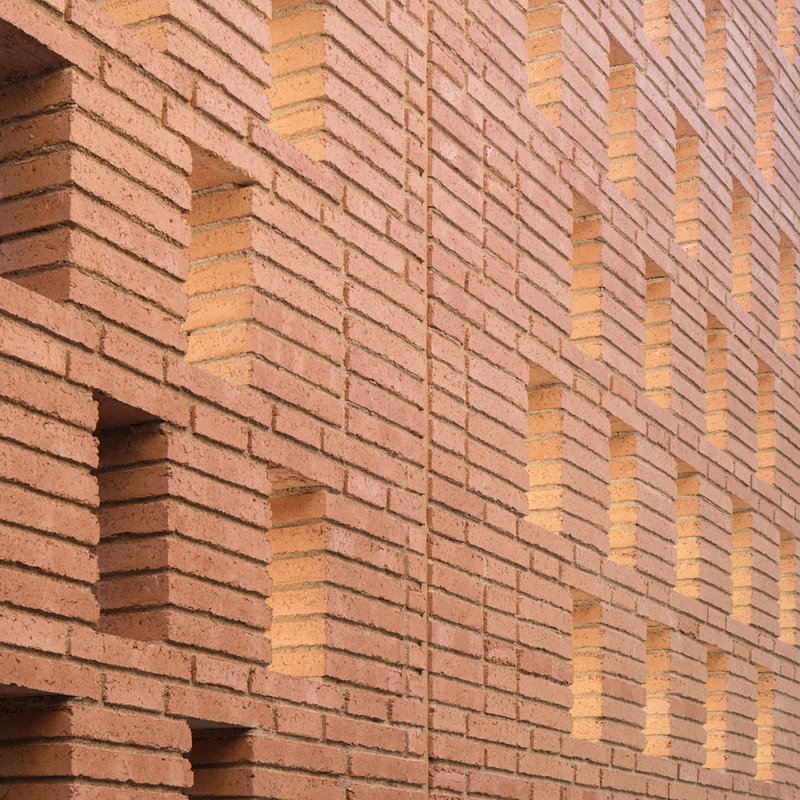
The building’s exposed brick facade is a testament to its environmentally conscious design. The eco-manual brickwork adapts to the functional needs of the building, with intricate bond patterns offering both aesthetic appeal and practical benefits. Public areas feature large lattice openings for ample natural light, while private zones are enclosed to maintain intimacy.
Integration of Green Elements
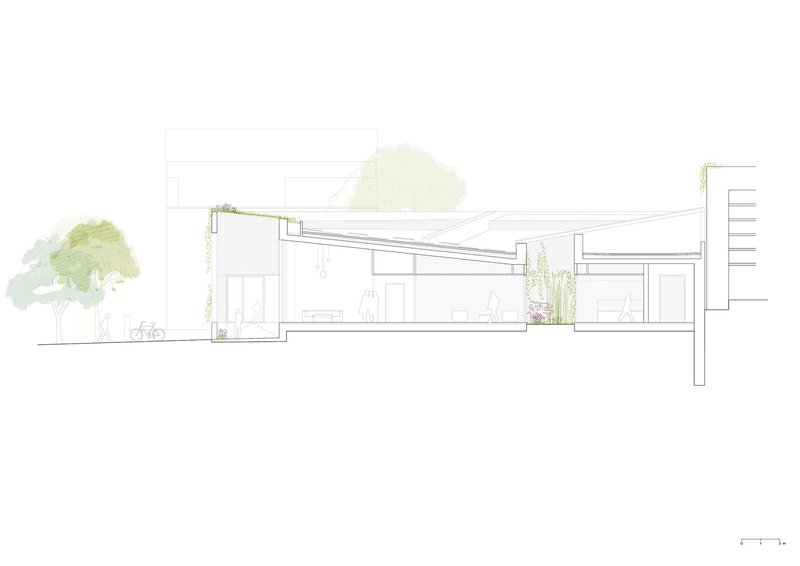
The building is crowned with a green roof and surrounded by vegetation, enhancing biodiversity and promoting biophilia. Interior courtyards filled with plants, including bamboo, provide natural light and a sense of calm, ensuring privacy and comfort for visitors.
Sustainable Features
The funeral home incorporates both passive and active systems for sustainability:
- Passive Systems: Vegetation and lattices filter solar radiation, while cross-ventilation ensures thermal comfort.
- Active Systems: Photovoltaic panels installed on the roof supply renewable energy, making the facility nearly self-sufficient.
Interior Design
Thoughtful Layout and Light Control
The single-story building is designed for efficiency and accessibility. A longitudinal hall provides access to four viewing rooms, each comprising a waiting area, a toilet, and a room for the catafalque, separated by courtyards to maximize natural light and ventilation.
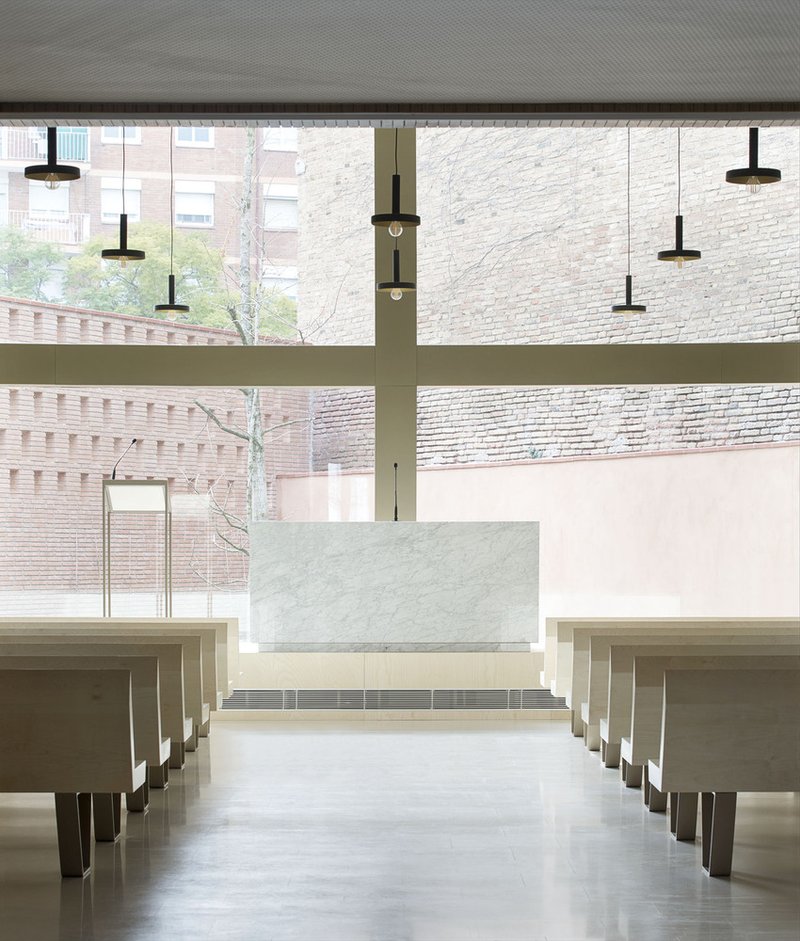
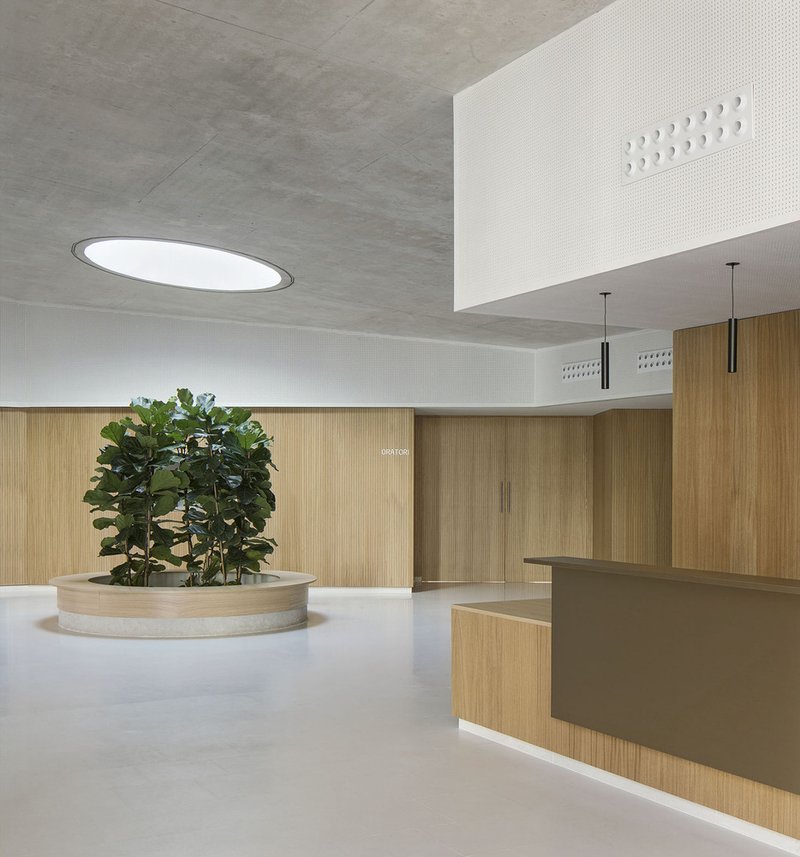
Materials such as exposed concrete, bronze, and oak wood create a warm and solemn atmosphere, offering both comfort and dignity.
The Chapel
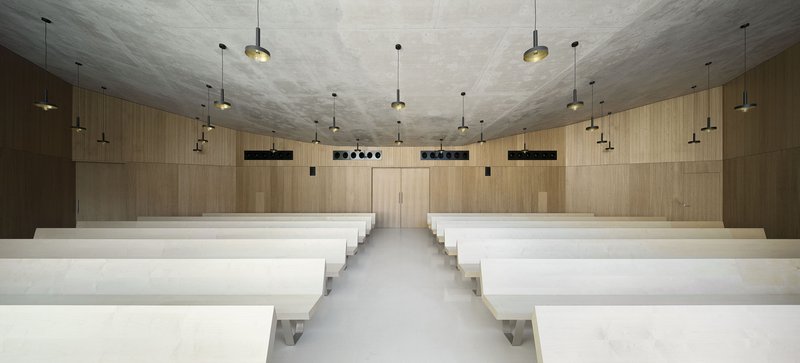
At the heart of the facility lies the chapel, a hexagonal space characterized by its grooved oak paneling, inclined concrete flooring, and suspended luminaires. A triangular courtyard featuring a Ginkgo Biloba tree, symbolizing life and renewal, connects the chapel to nature, reinforcing the spiritual ambiance.
Sustainability and Biophilia
Biodiversity as a Core Principle
Batlleiroig integrates vegetation throughout the facility to promote well-being and environmental harmony. This green approach not only enhances the aesthetic appeal but also improves air quality and user comfort.
Energy Efficiency
The funeral home is designed to minimize its carbon footprint. Features such as solar panels, a green roof, and cross-ventilation reduce energy consumption, aligning with Batlleiroig’s commitment to sustainable architecture.
The Àltima Sant Andreu Funeral Home by Batlleiroig is a shining example of sustainable funeral home architecture. Its seamless blend of sustainability, historical sensitivity, and innovative design sets a new standard for facilities of this nature. Through thoughtful materiality, integration with green spaces, and a focus on renewable energy, this project demonstrates how architecture can be both functional and environmentally conscious, paving the way for a more sustainable future.
All photographs are work of DEL RIO BANI