Sustainable Kindergarten Architecture: A Case Study of Campus-Kindergarten Merseburg
The article showcases the sustainable transformation of the Campus-Kindergarten Merseburg by Aline Hielscher Architektur, focusing on innovative design and eco-friendly practices.


Sustainable kindergarten architecture is becoming increasingly important as educators and architects alike recognize the impact of physical environments on children's learning and development. A prime example of this approach is the Campus-Kindergarten Merseburg, designed by Aline Hielscher Architektur. This project stands out for its innovative use of space, light, and materials to create a nurturing, eco-friendly educational environment.
The Transformation of Campus-Kindergarten Merseburg
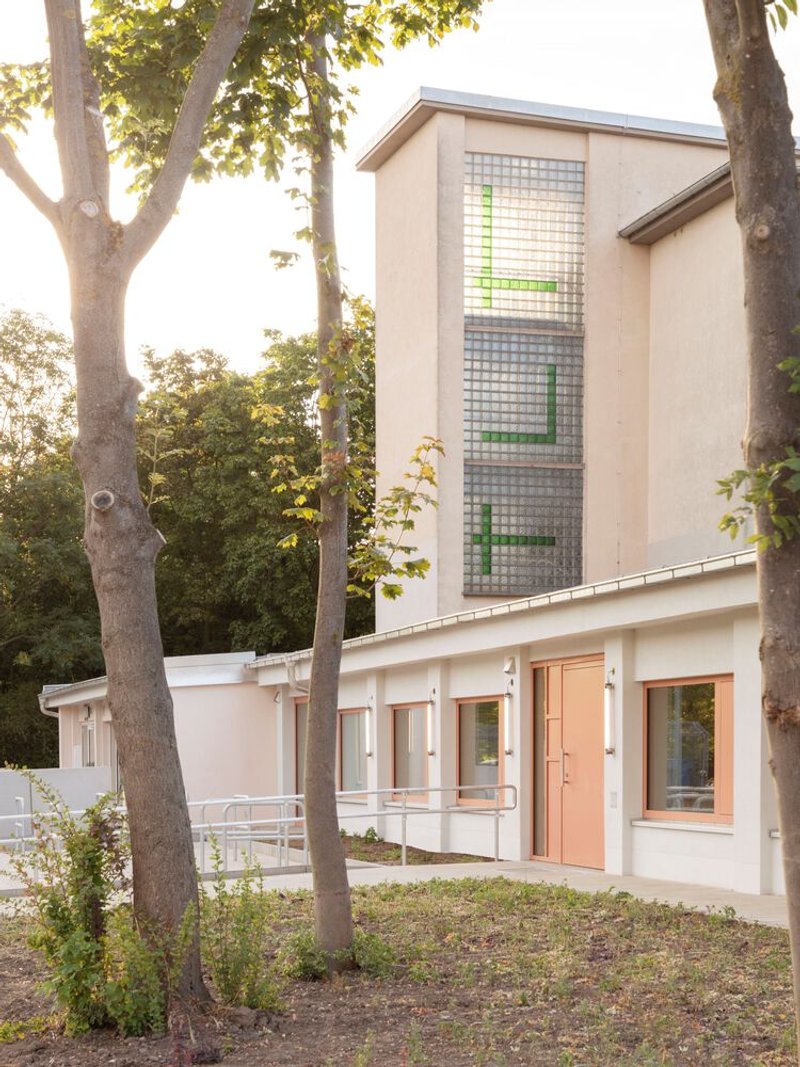
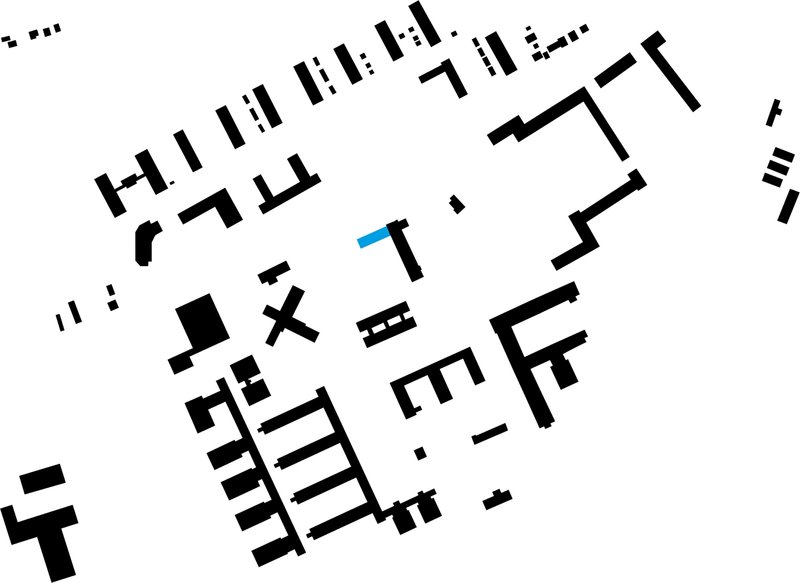
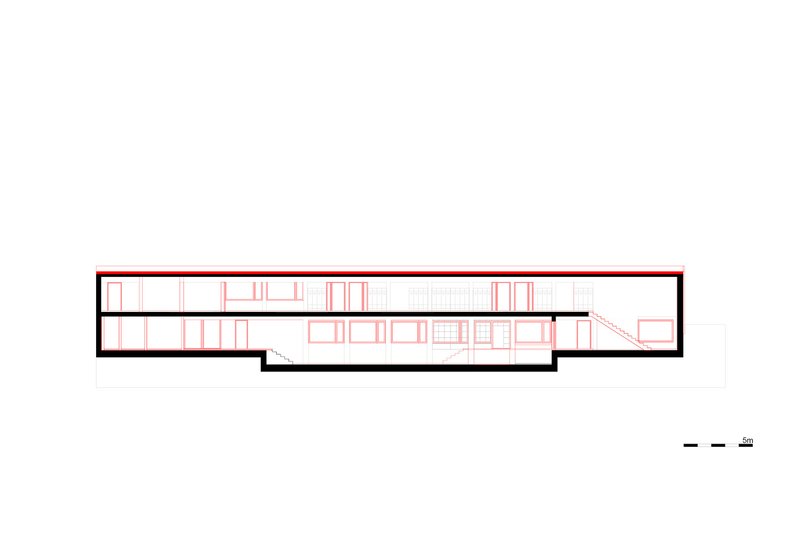
The University of Applied Sciences in Merseburg, Germany, faced the challenge of integrating a new nursery school into its campus. The solution came in the form of repurposing a former telephone station, which was transformed into the Campus-Kindergarten Merseburg. This project exemplifies sustainable kindergarten architecture by maintaining the structural integrity of the existing building while adapting it to meet the needs of a modern educational facility.
Architectural Design and Flexibility
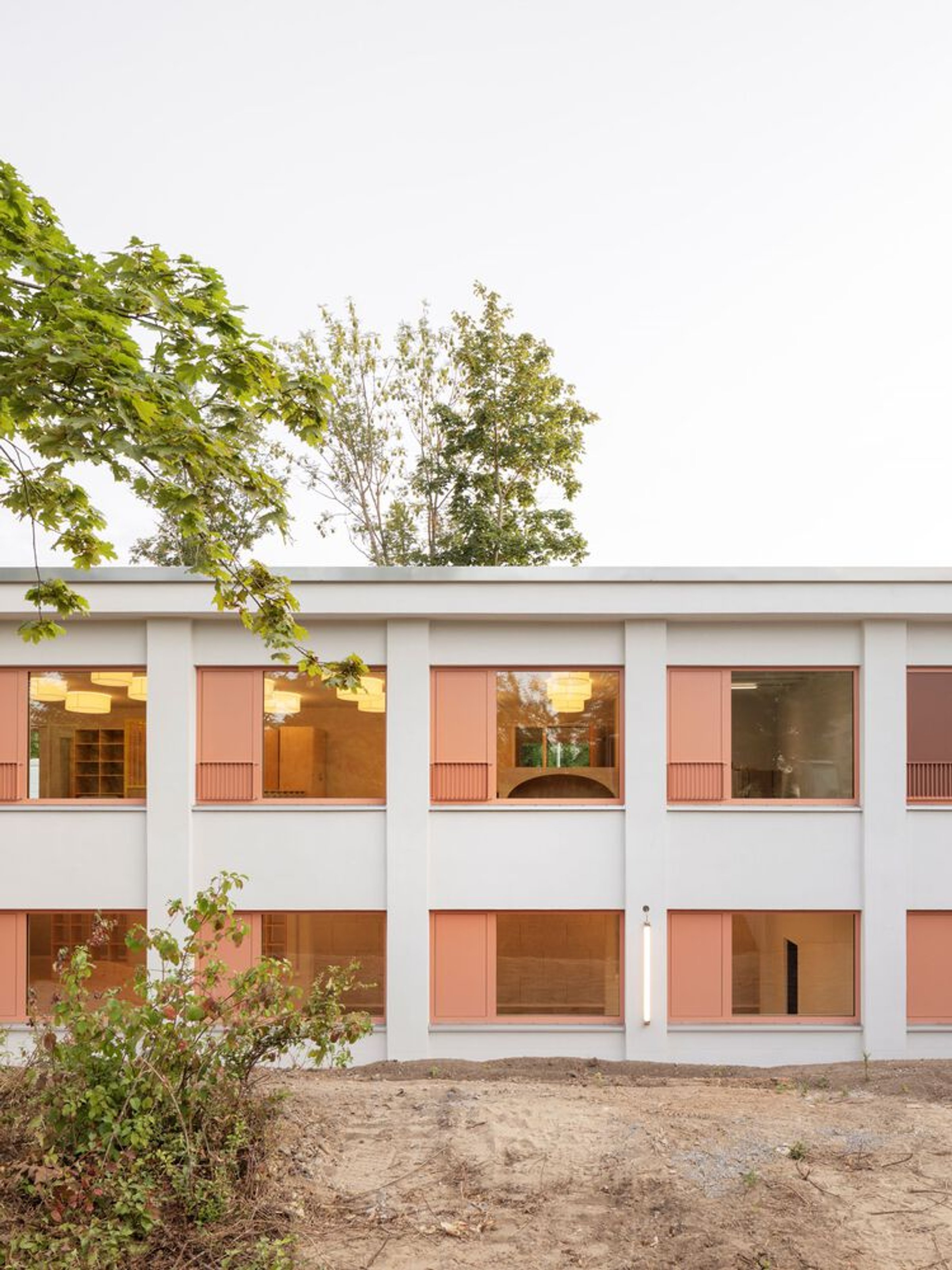
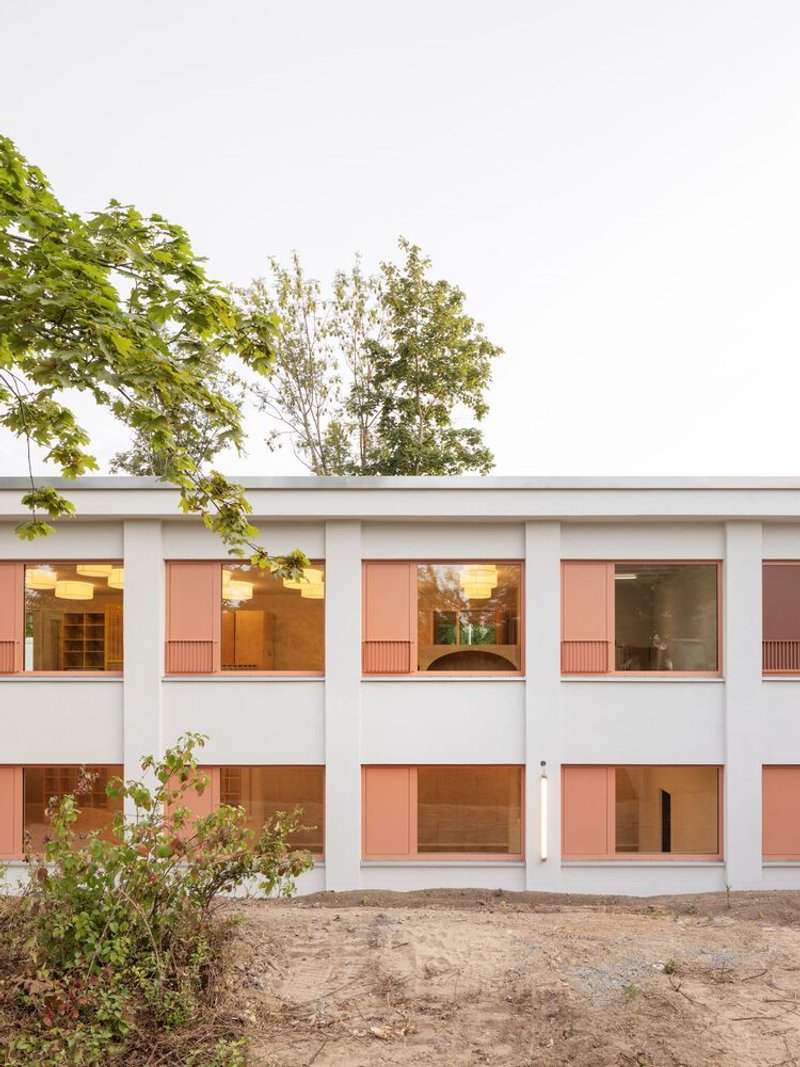
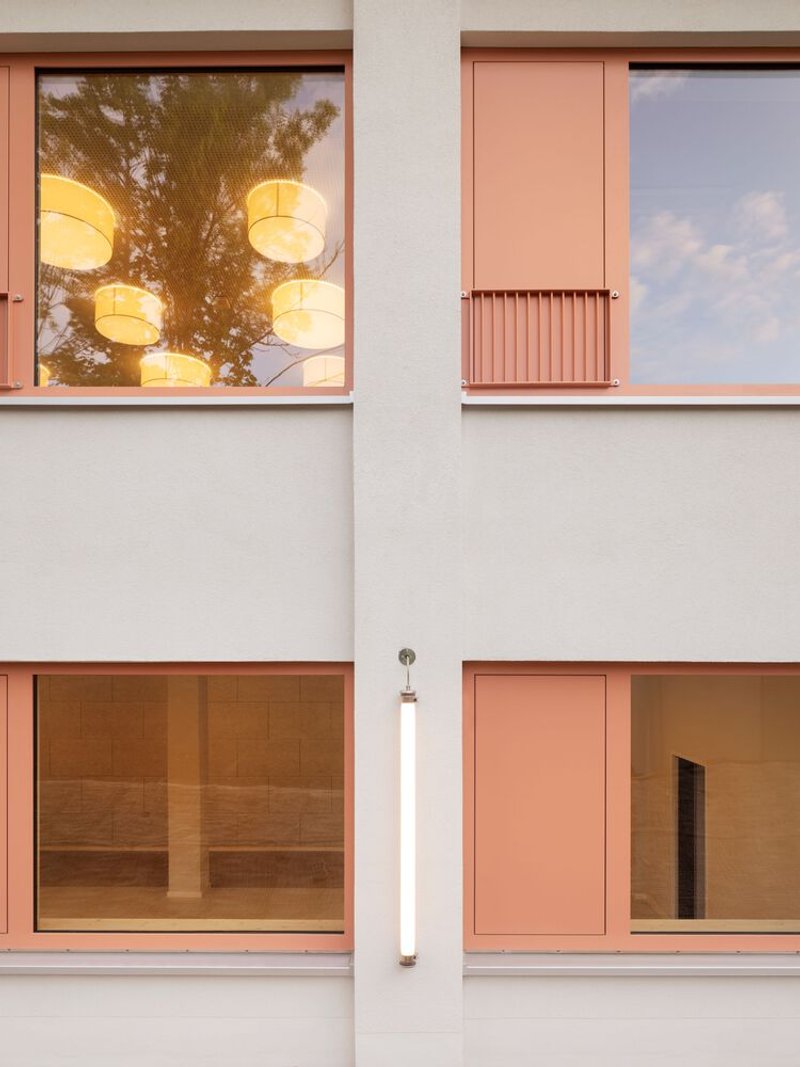
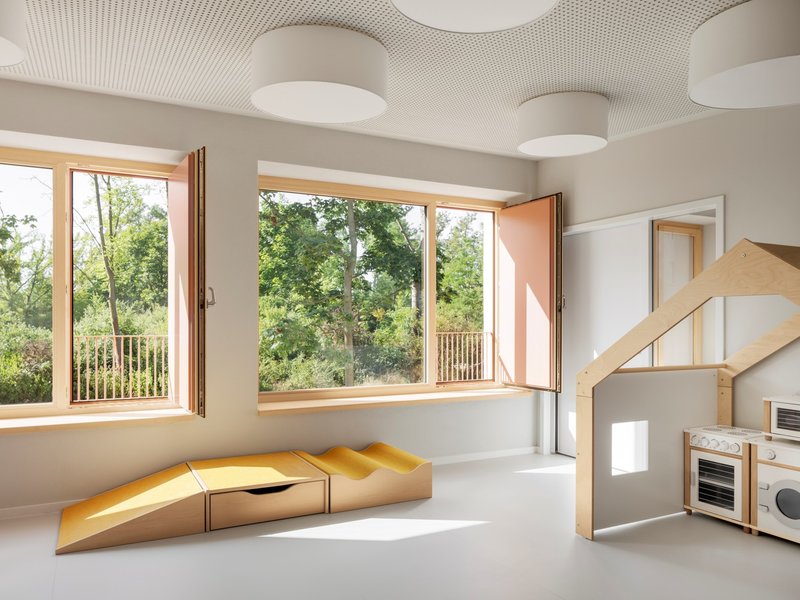
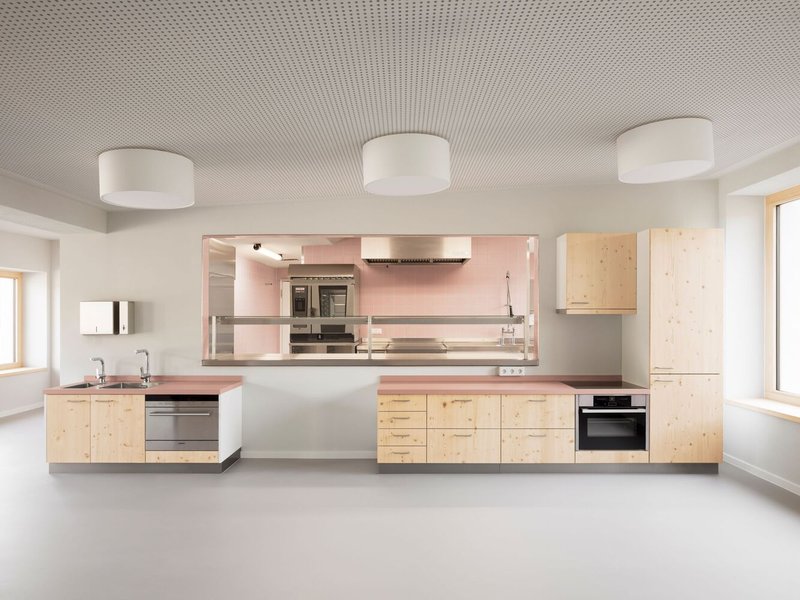
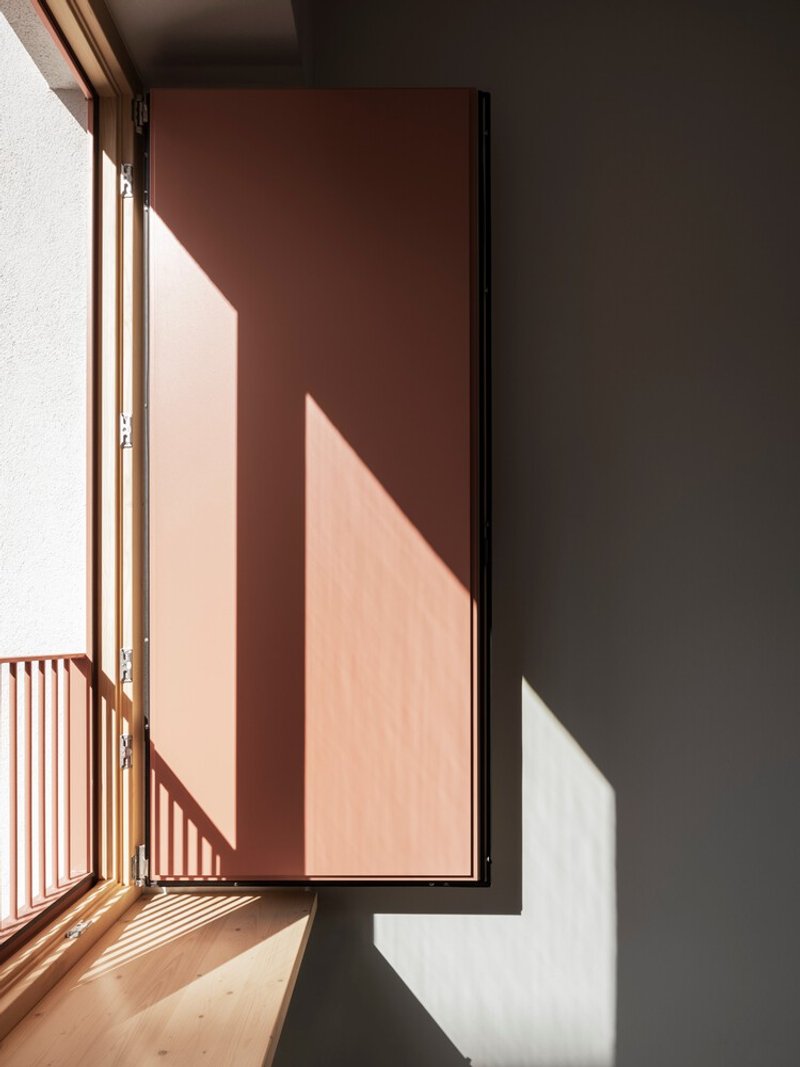
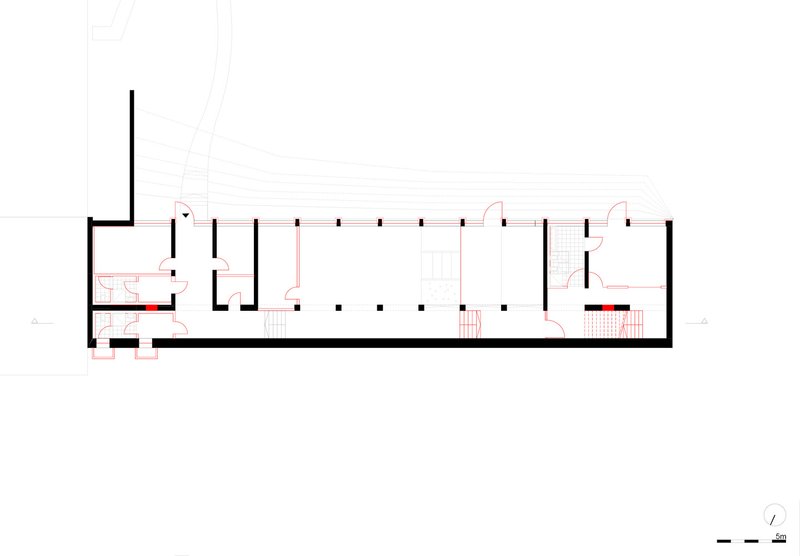
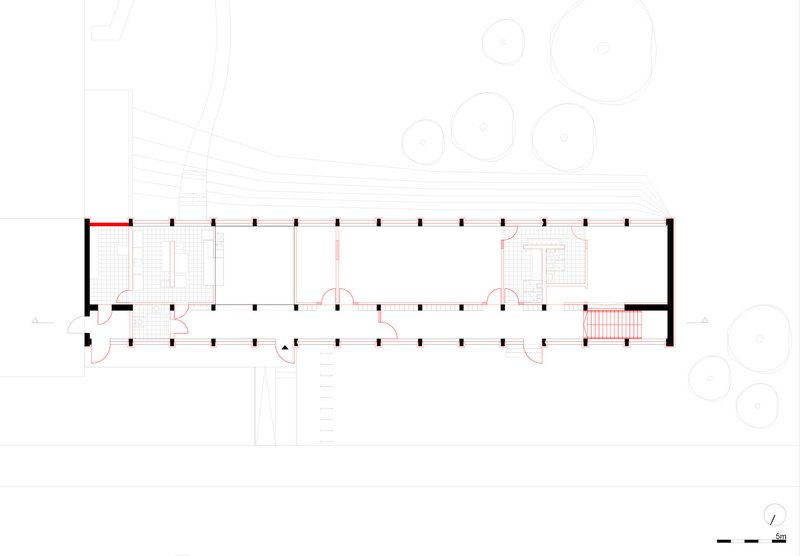
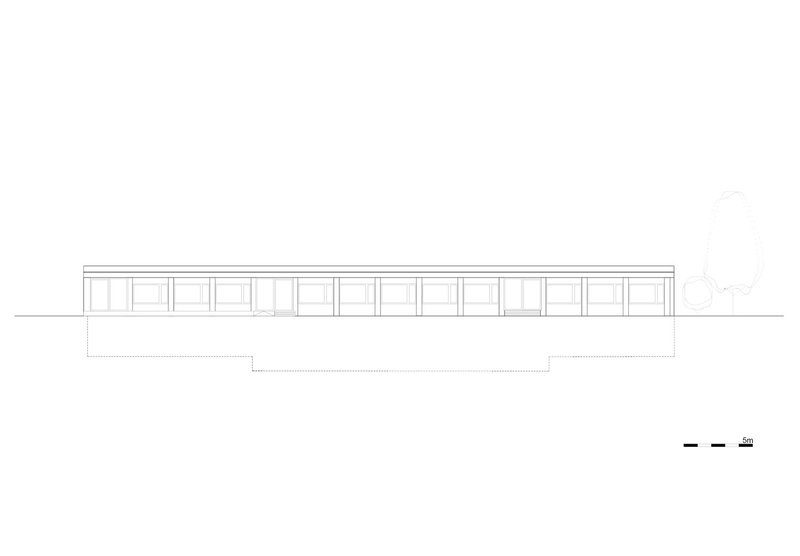
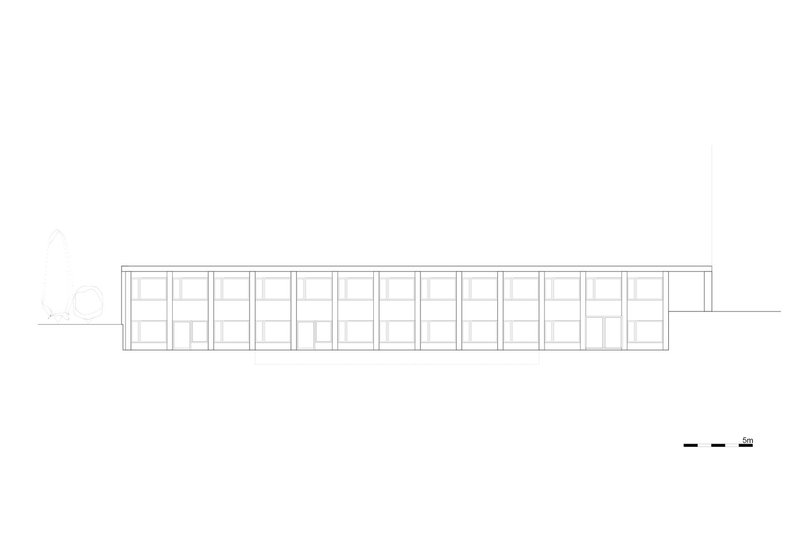
The architects employed a flexible 3-meter grid to arrange the interior spaces, accommodating group rooms, a kitchen, and ancillary facilities efficiently. The introduction of large, wood-aluminum windows on the building's south and north facades ensures ample natural light, reducing the need for artificial lighting and emphasizing the kindergarten's commitment to sustainability.
Interior Design and Sustainable Materials
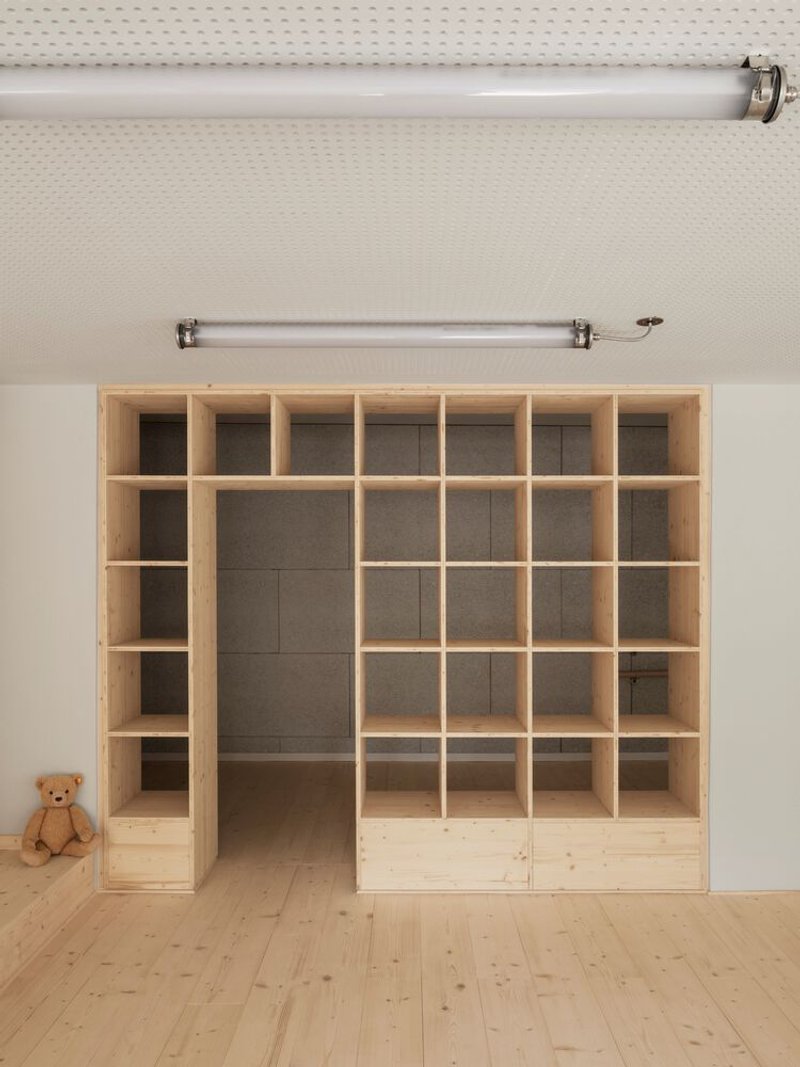
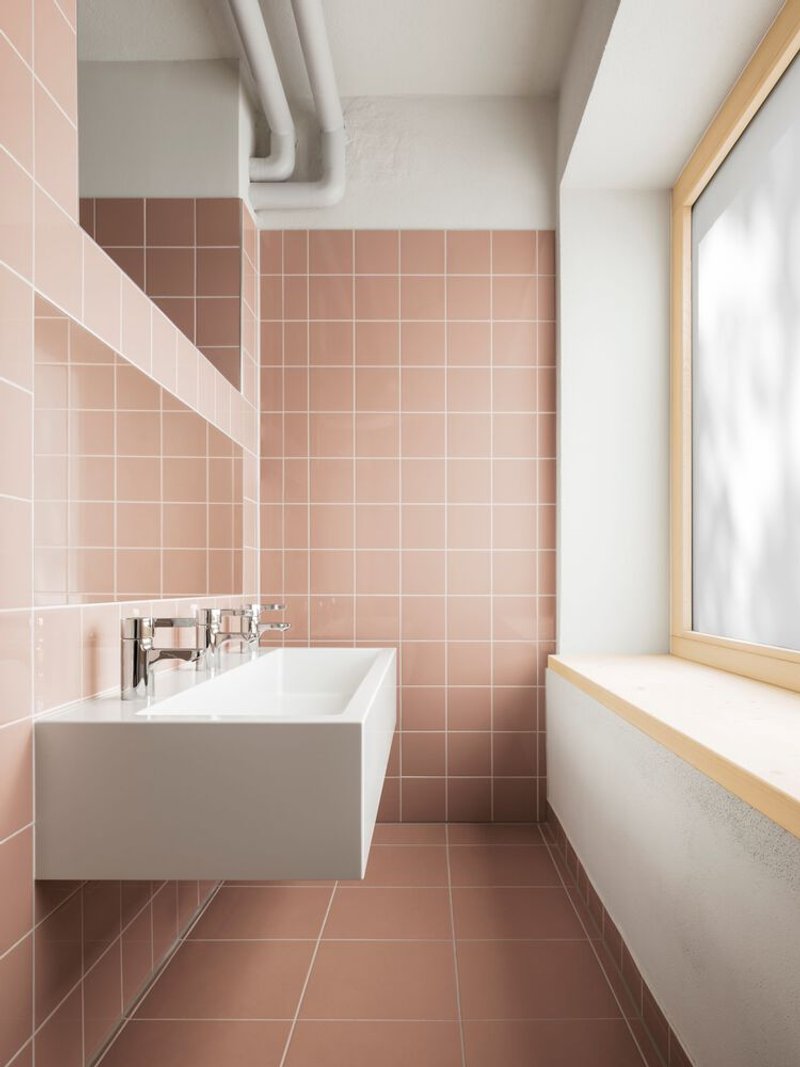
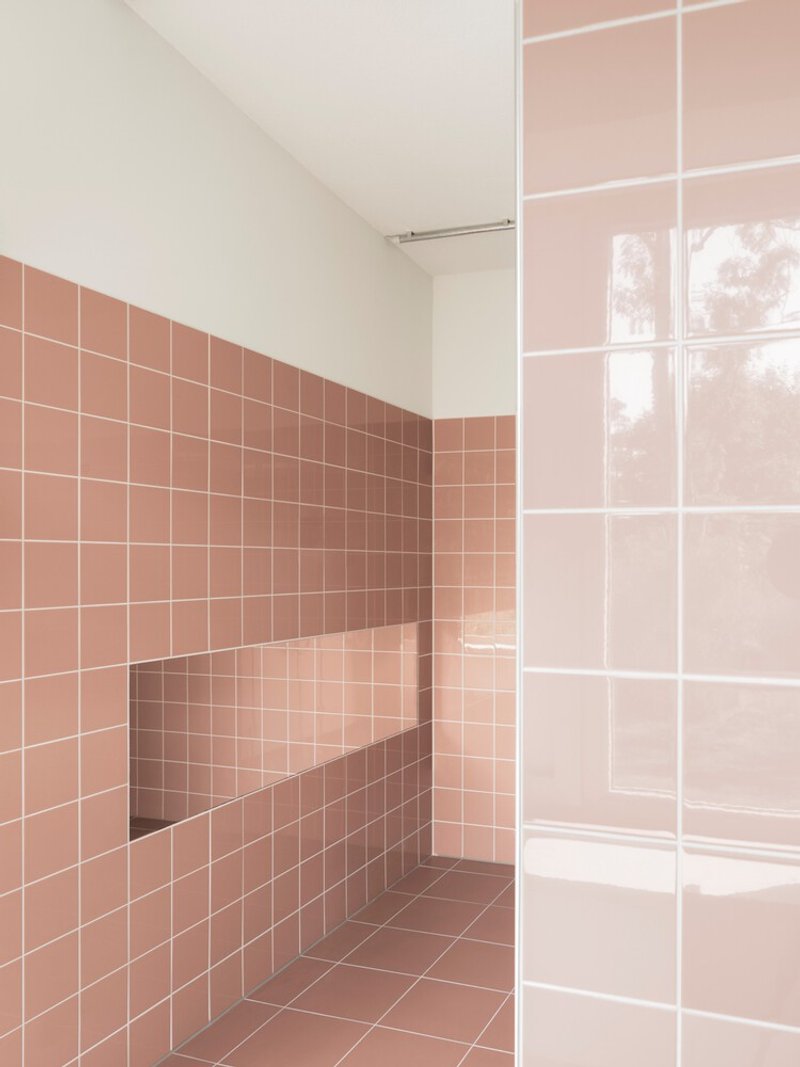
The interior design of Campus-Kindergarten Merseburg emphasizes open, multifunctional spaces that encourage active learning and play. The basement features an expansive play area, designed with spruce wood furniture and climbing structures, promoting physical activity and interaction. The use of light spruce wood, combined with vibrant colors like English red and turquoise, creates a warm and stimulating environment for children.
Integration with Nature and Sustainability
A key feature of the Campus-Kindergarten Merseburg is its direct access to the garden from the kitchen area. This connection not only facilitates outdoor activities but also supports the kindergarten's program of providing freshly cooked meals, teaching children about healthy eating habits and the importance of sustainability from a young age.
The Role of Architecture in Shaping Sustainable Education
The Campus-Kindergarten Merseburg by Aline Hielscher Architektur serves as a benchmark for sustainable kindergarten architecture. Through its thoughtful design and integration with the surrounding campus, it provides a holistic educational environment that nurtures the well-being and development of its young inhabitants. Projects like these demonstrate how architecture can play a crucial role in promoting sustainability and positive learning experiences in early childhood education.
All photographs are work of Célia Uhalde