Sustainable Pavilion Architecture: Nikken Sekkei’s Japan Pavilion at Expo 2025 Osaka
An in-depth look at Japan’s Expo 2025 Pavilion by Nikken Sekkei, redefining sustainable pavilion architecture through circular design.


A Pavilion Shaped by Life and Circularity
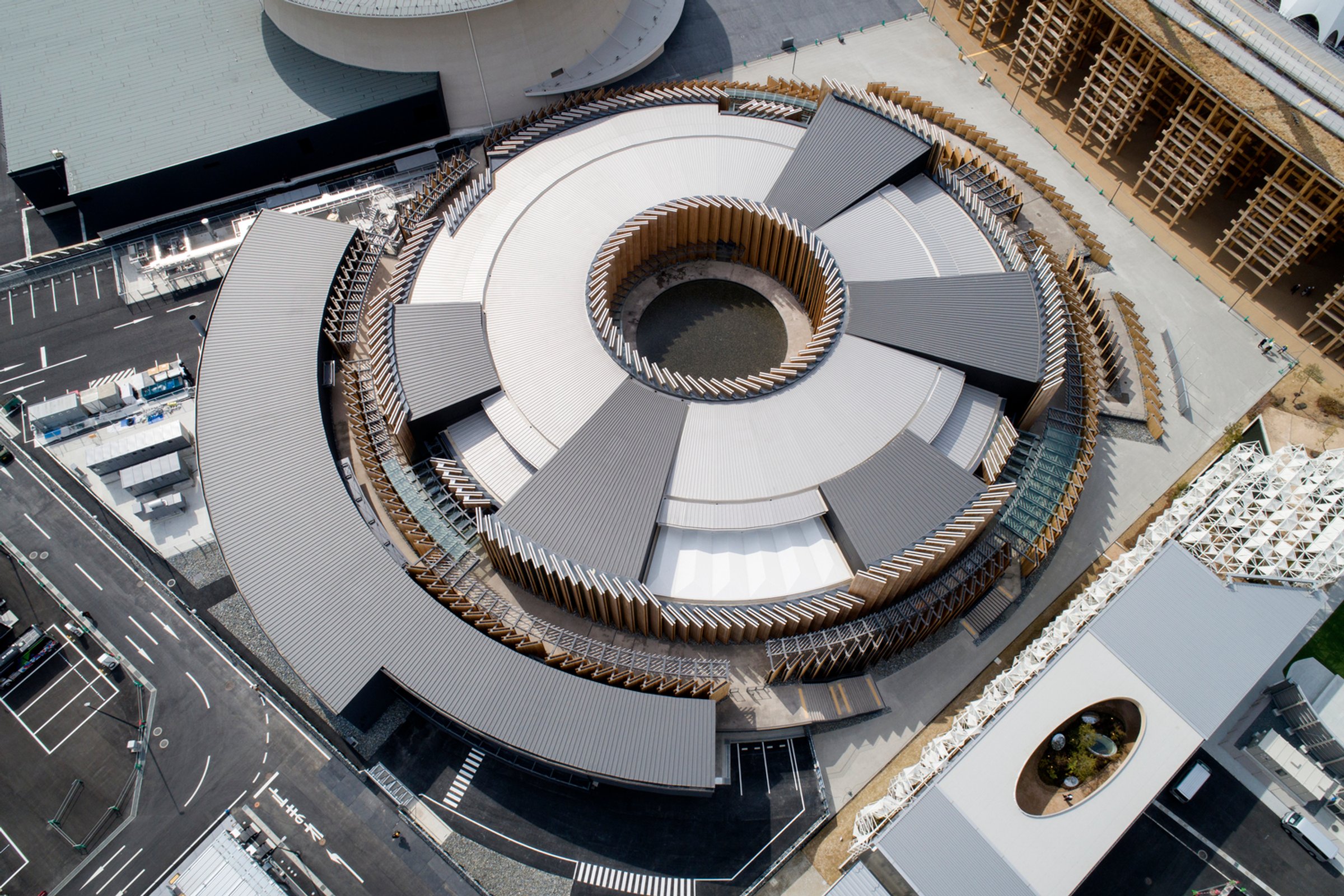
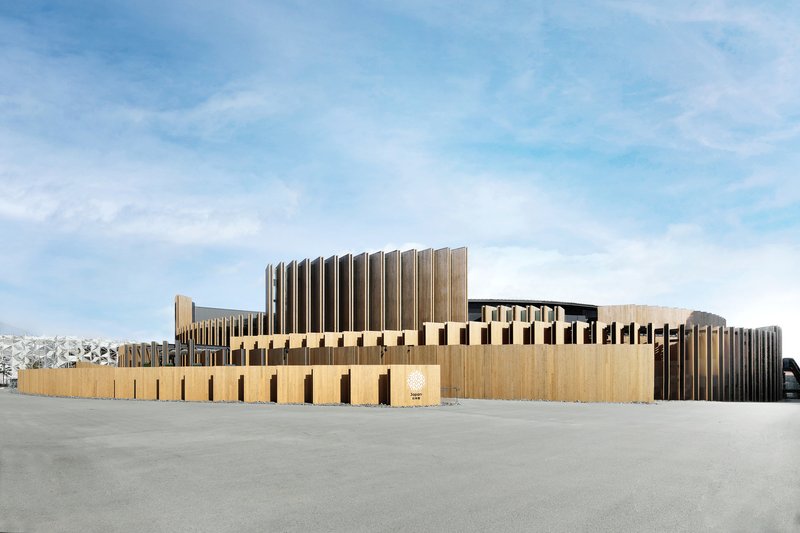
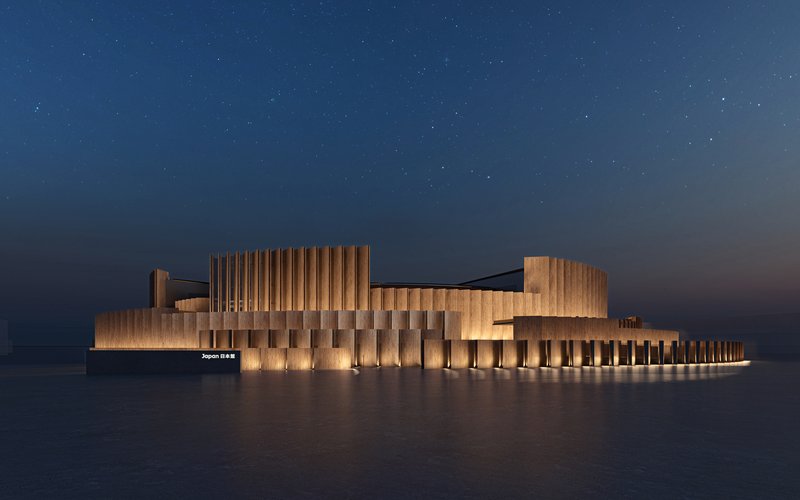
Designed by renowned Japanese architecture firm Nikken Sekkei, the Japan Pavilion at Expo 2025 Osaka embodies the theme “Between Lives”, bringing together concepts of regeneration, sustainability, and architectural innovation. This 11,000-square-meter structure serves as Japan’s official national pavilion and redefines sustainable pavilion architecture through its material choices, spatial design, and circular lifecycle strategy.
Embodying the Cycle of Life with CLT
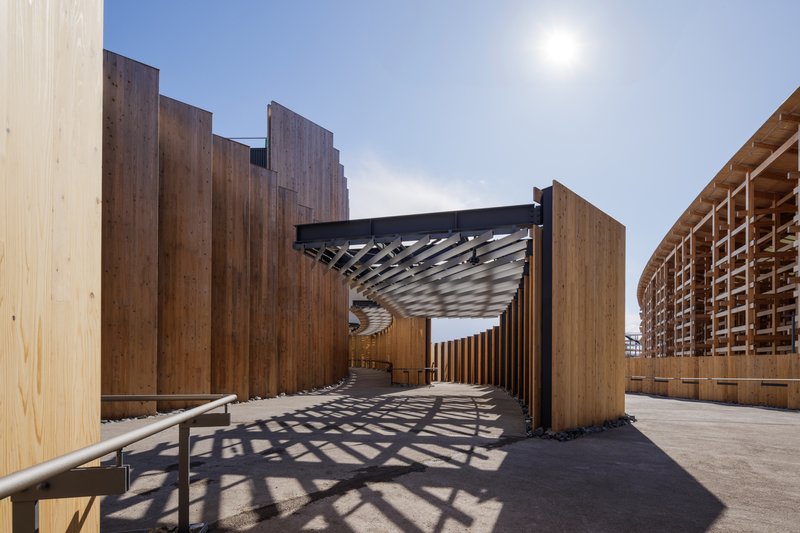
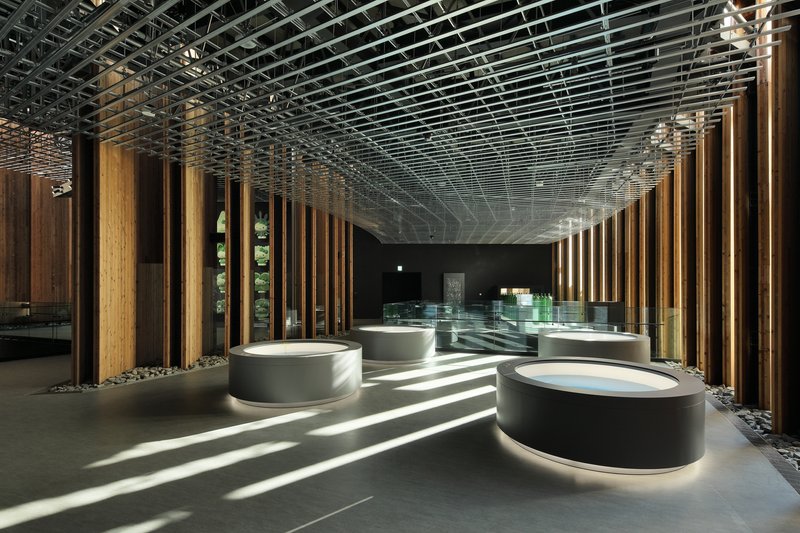
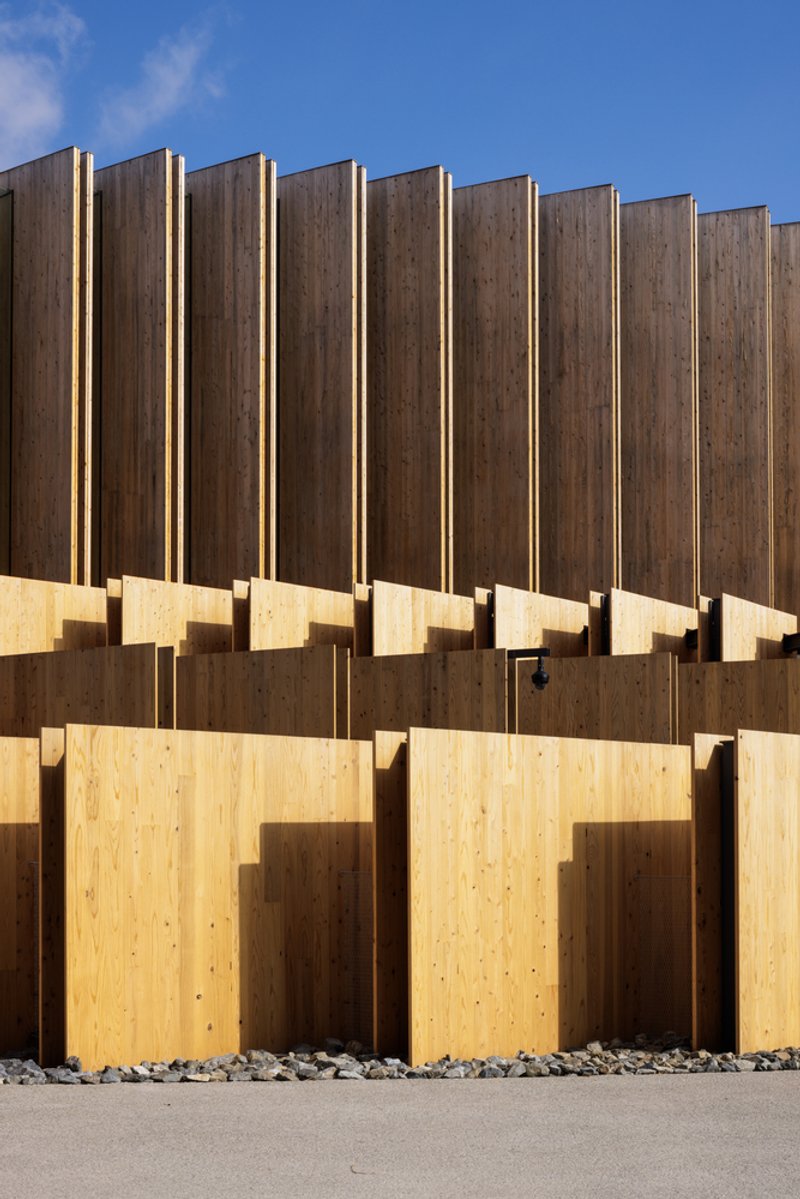
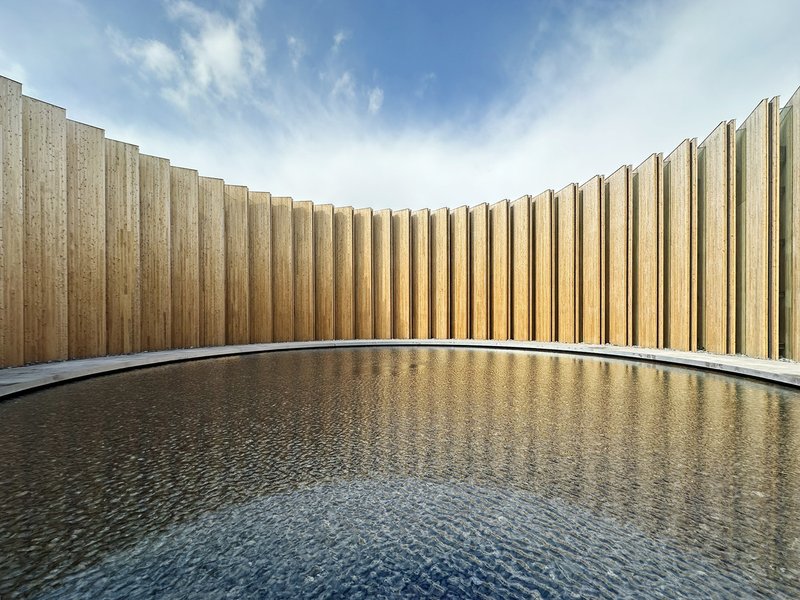
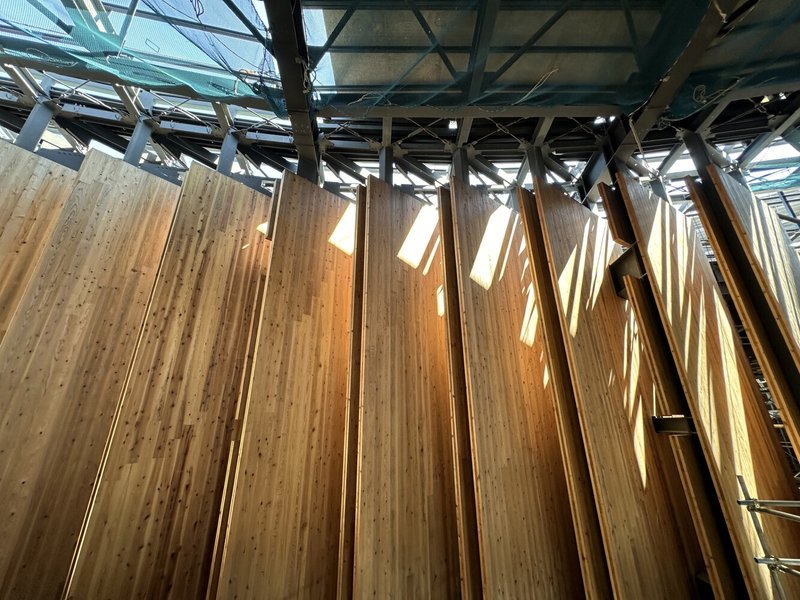
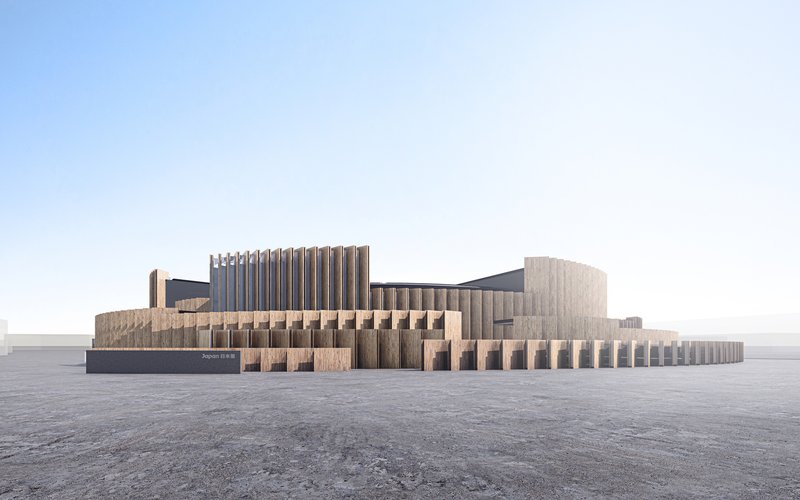
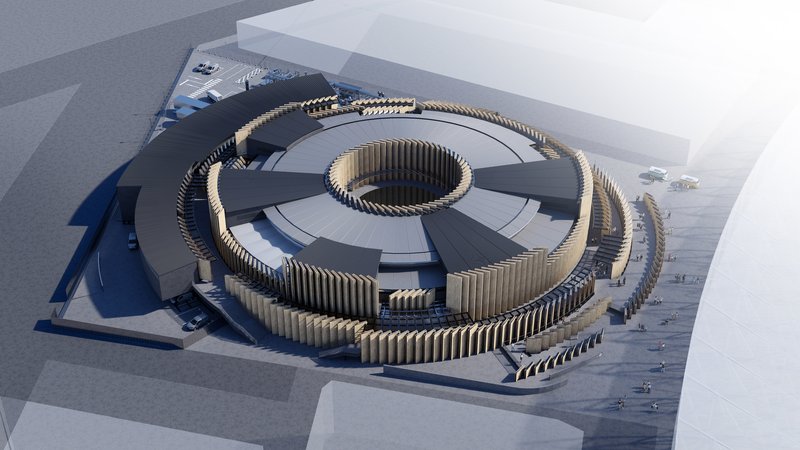
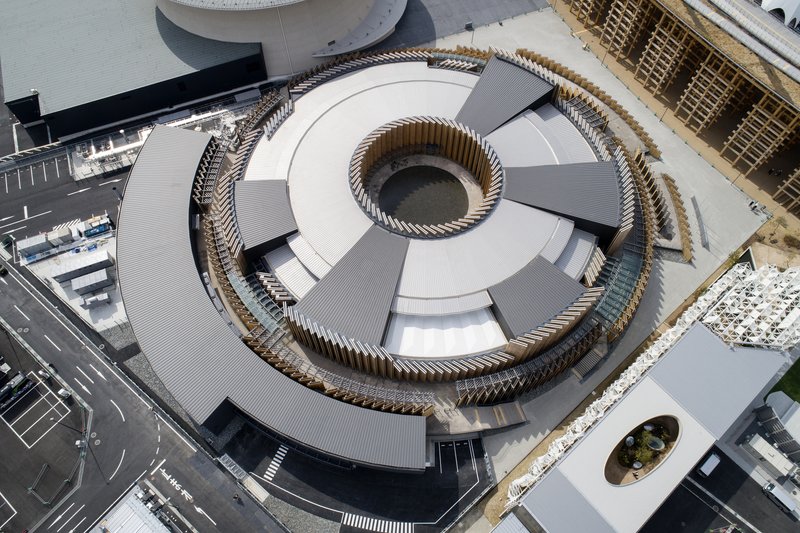
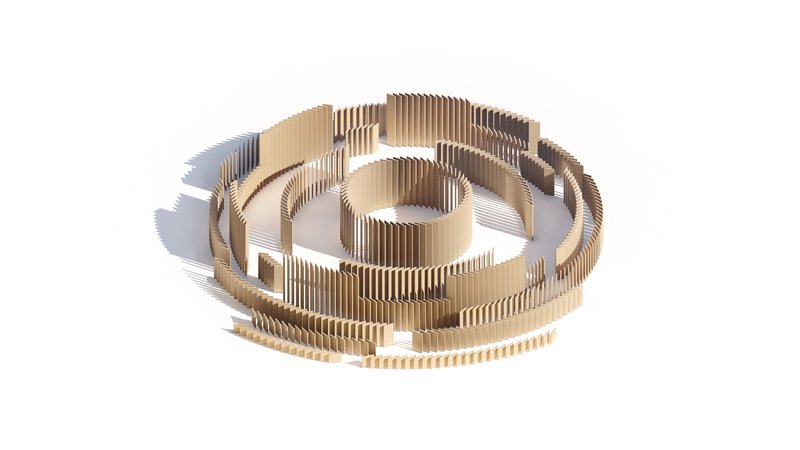
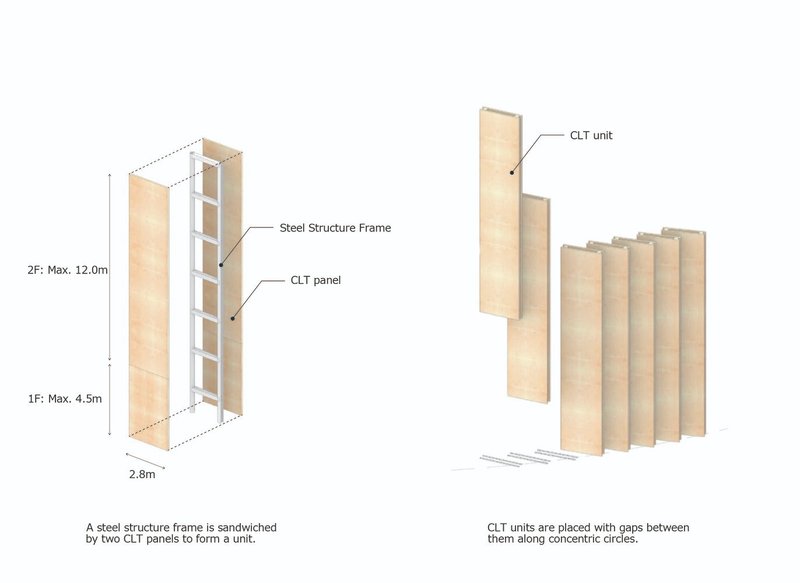
At the heart of the pavilion's design is its distinctive use of cross-laminated timber (CLT), assembled in a radial, concentric formation. This wood-based structure reflects the idea of the cycle of life, creating a forest-like ambiance that resonates with Japan’s rich cultural symbolism and commitment to sustainability. The modular CLT panels, fabricated from small-diameter domestic logs, are engineered for disassembly and reuse after the Expo, aligning the architectural concept with circular economy principles.
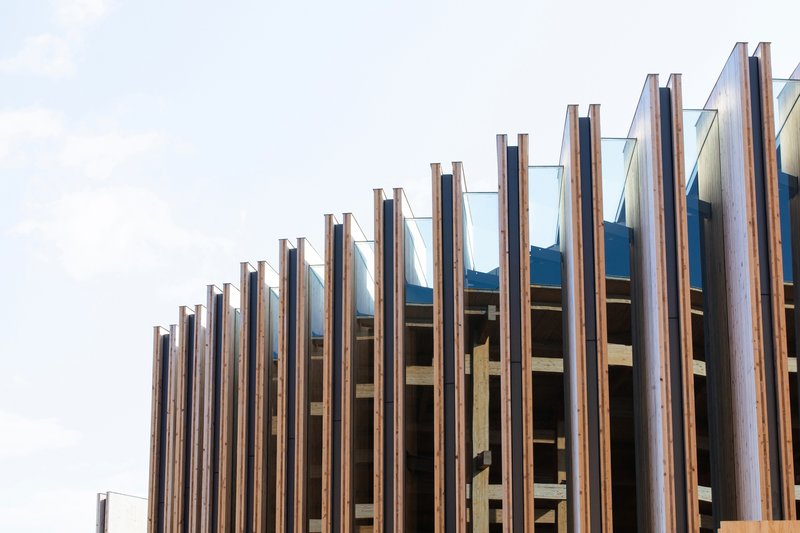
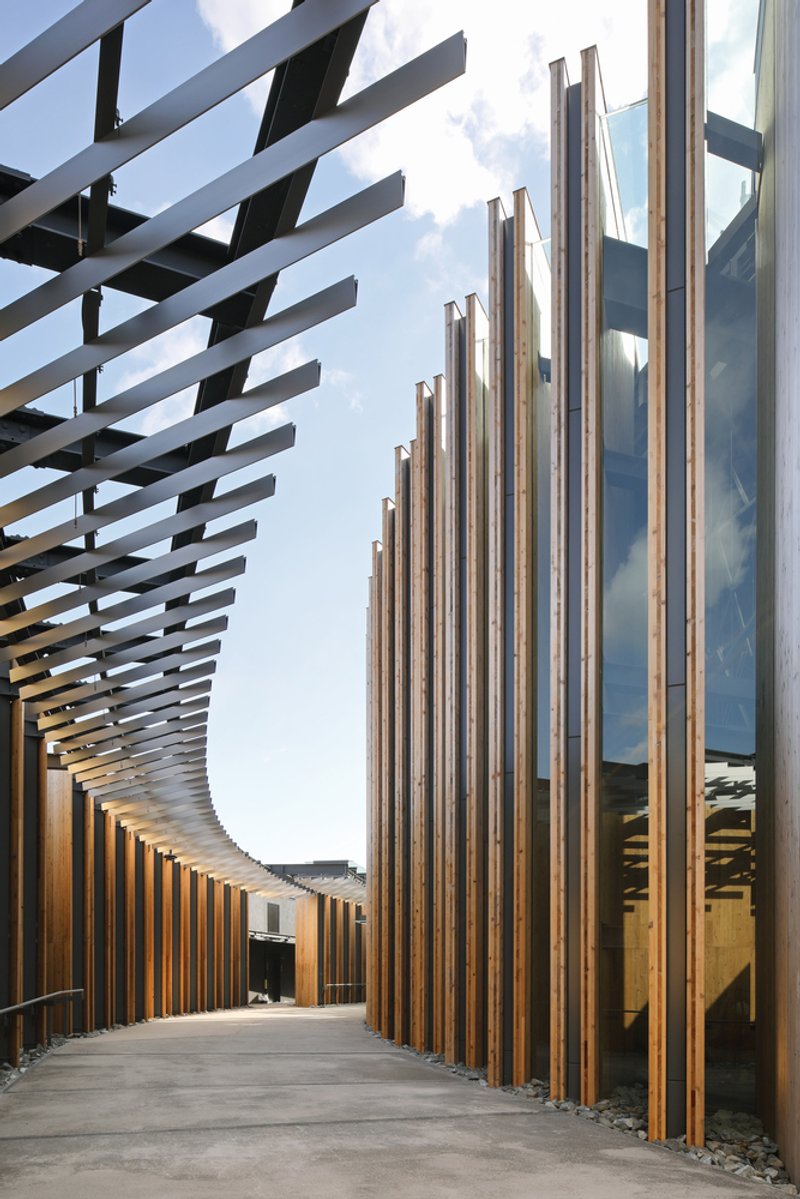
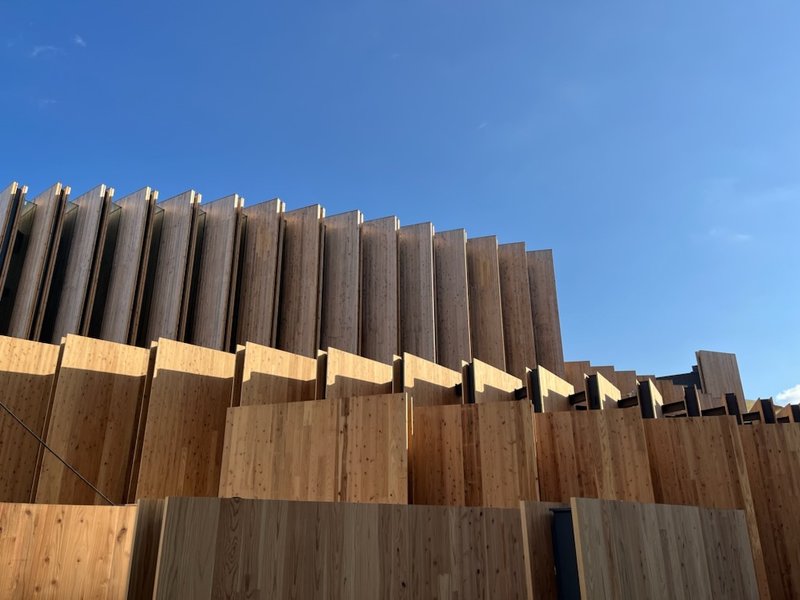
The architecture strategically integrates gaps between panels to enhance visual permeability and maintain a seamless flow between the built environment and exhibition spaces. This intentional transparency not only facilitates airflow and natural light but also reinforces the narrative of “in-betweenness”, emphasizing a harmony between structure, environment, and visitor experience.
Reusable Construction and Circular Design Strategy
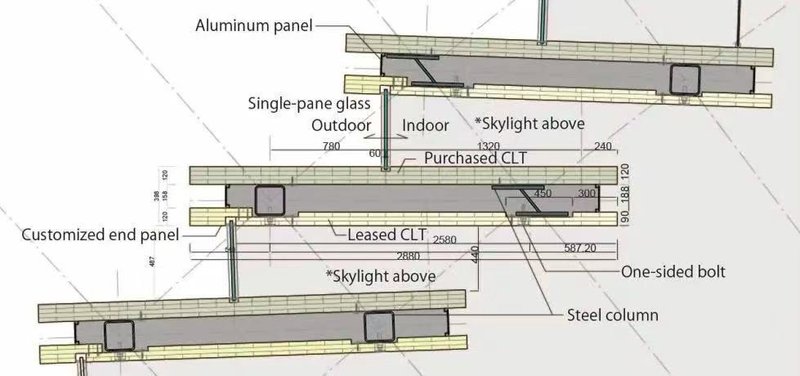
This pavilion pioneers a regenerative approach to temporary construction. Approximately 1,600 cubic meters of CLT is used in total, with panels engineered for future reuse. By avoiding adhesives and relying on dry construction methods—using structural screws and blind bolts—the design ensures that components can be easily disassembled and returned to the Japan CLT Association for reapplication in other projects. The simplicity of detailing belies the structural sophistication involved, with testing undertaken to verify strength, durability, and modular compatibility.
Structural Innovation with Steel and Timber Hybrid System
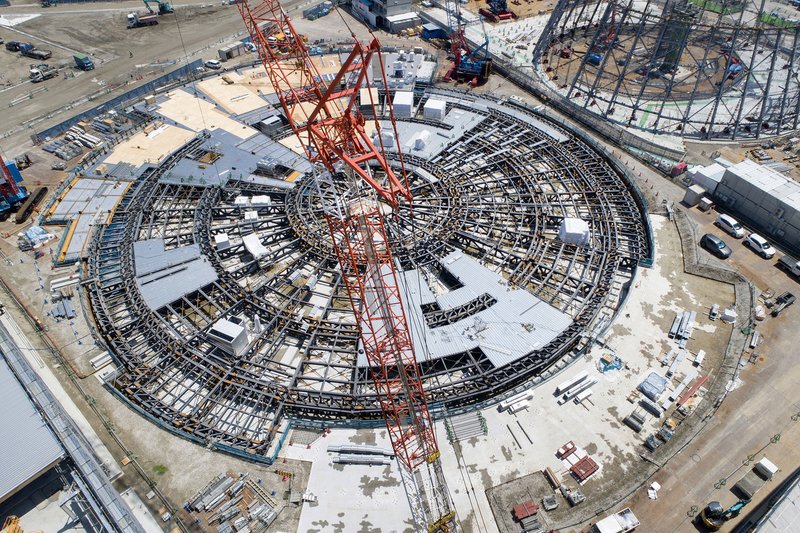
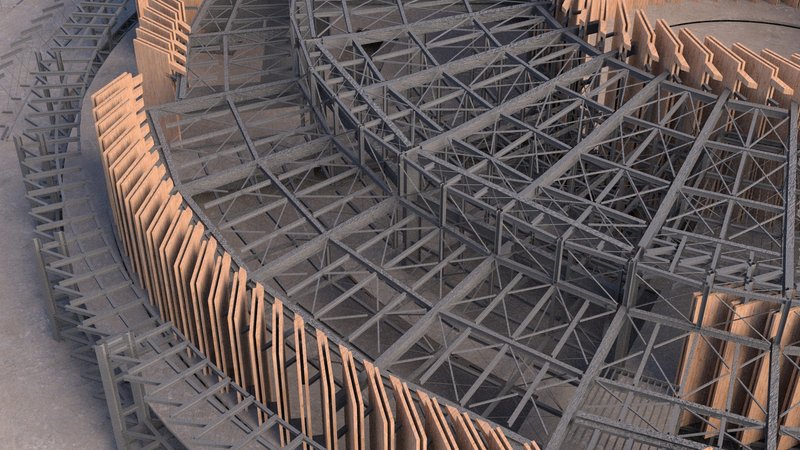
To achieve both seismic resistance and architectural expression, the Japan Pavilion employs a circular steel frame sandwiched by CLT panels. The steel provides core structural support, while the CLT components serve both aesthetic and functional purposes—acting as interior and exterior walls, space dividers, and seismic-resistant elements. Arranged in staggered formations across concentric rings, these structural walls distribute torsional forces evenly, accommodating discontinuities in the floor plates and maintaining overall stability.
Advanced Curtain Wall and Glazing Solutions
The glass curtain wall system integrated into the pavilion exemplifies innovation in sustainable pavilion architecture. By directly glazing glass onto CLT panels without metal framing, Nikken Sekkei introduces a groundbreaking approach to façade construction. This technique required rigorous FEM analysis to manage warping and stress, and compatibility testing between sealants and timber was performed to ensure performance and longevity. The result is an elegant façade with fewer components, reduced costs, and minimal environmental impact.
Seamless Integration of Architecture and Exhibition Design
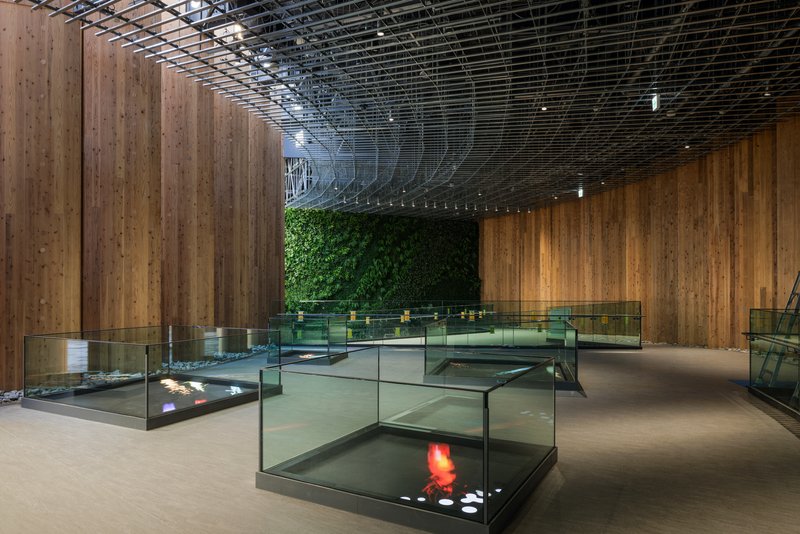
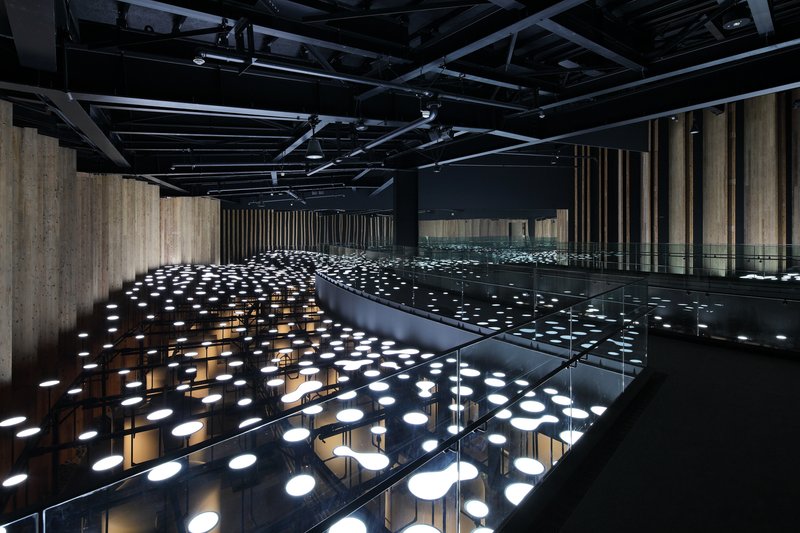
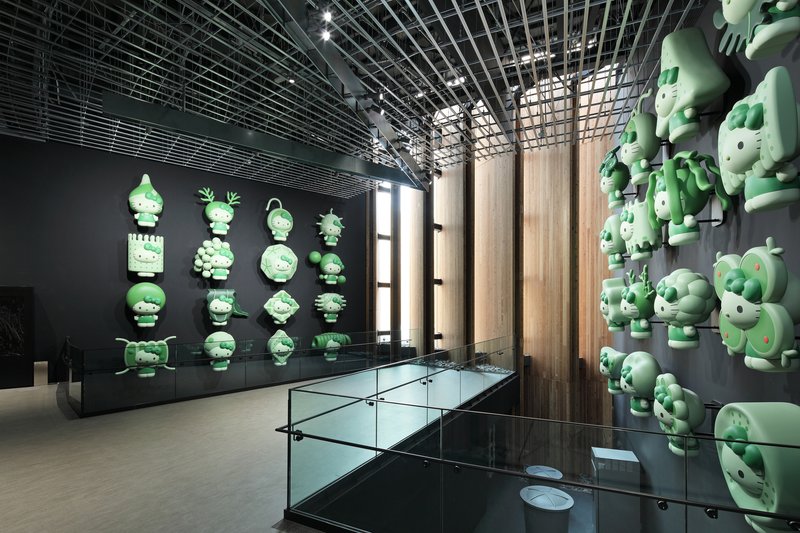
Departing from the conventional “white box” approach often seen in Expo pavilions, the Japan Pavilion weaves the architectural and exhibition elements into a unified spatial narrative. Exhibition areas are thoughtfully curated across a range of spatial experiences—from bright atriums illuminated by a translucent membrane roof to darkened, immersive zones that heighten sensory focus. The architectural team led the entire design process, using BIM integration to collaborate closely with exhibition curators and contractors, ensuring coherence from concept to completion.
Energy Innovation: A Pavilion That Eats Waste
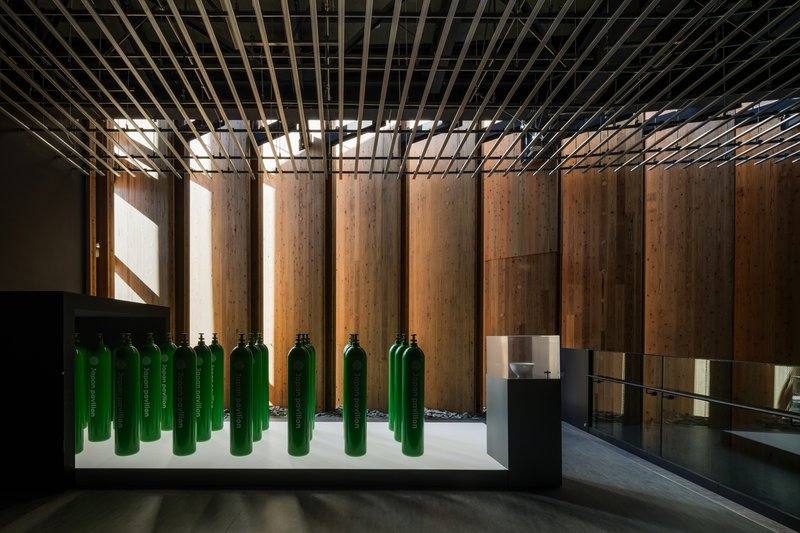
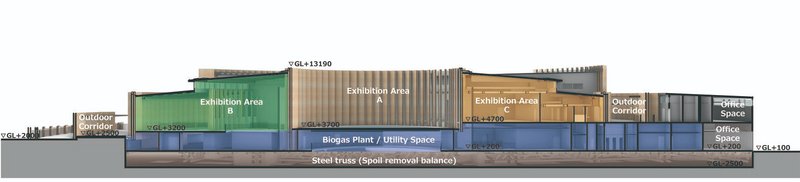
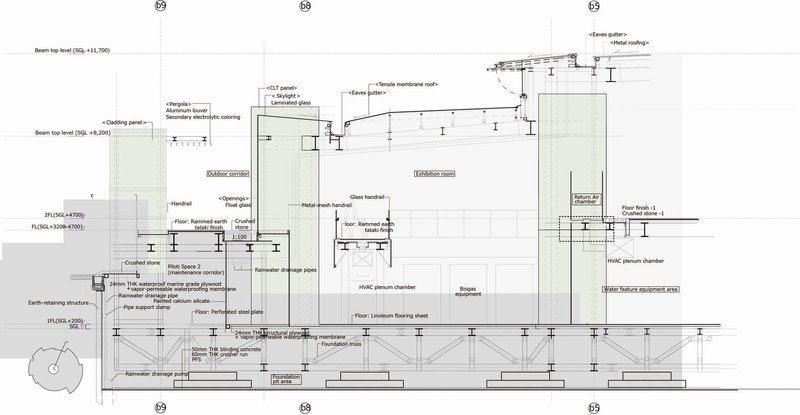
Amplifying its sustainability ethos, the Japan Pavilion incorporates a biogas plant that transforms food waste from the Expo into usable electricity. Located on the ground floor and visible through an open atrium, the biogas facility becomes an integral part of the exhibition. This initiative reinforces the pavilion's theme of life cycles and environmental symbiosis, presenting architecture not just as shelter, but as a system in dialogue with its surroundings.
Universal Design and Barrier-Free Accessibility
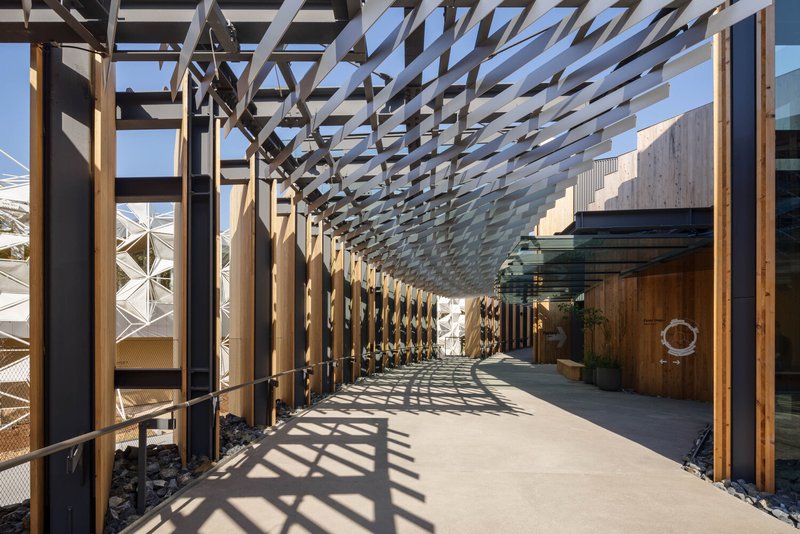
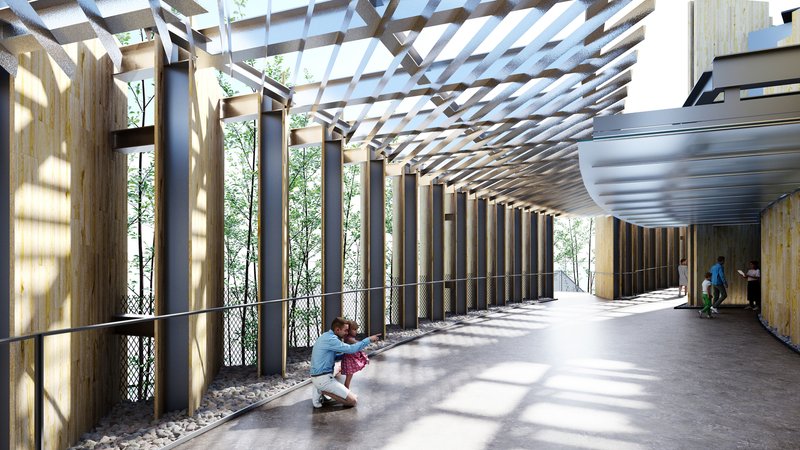
In keeping with inclusive design principles, the pavilion features a gently sloping outdoor corridor that provides universal access to all exhibition zones. Covered by a timber pergola, the walkway offers shade and openness, encouraging connection between the interior exhibits and the natural surroundings. This thoughtful approach reflects Japan’s deep respect for engawa—the transitional space between inside and outside—offering a tranquil and accessible visitor experience shaped by light, wind, and nature.
Engineering for Temporary Yet Durable Construction
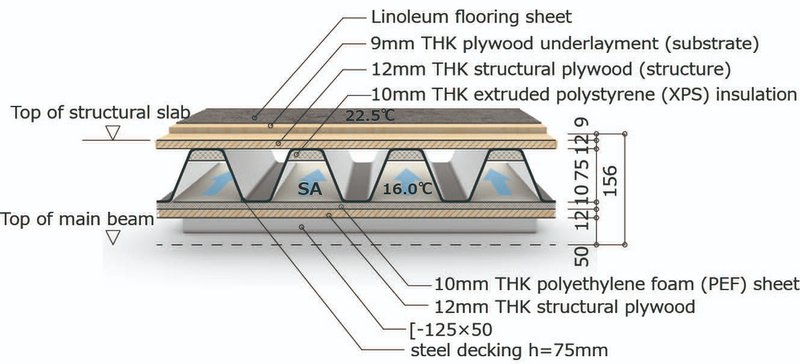
As a temporary structure on reclaimed land, the pavilion required adaptive engineering strategies. A floating foundation system balances the building's weight with removed soil, while rigid steel truss beams ensure uniform settlement across different zones. Floors are constructed using a dry composite system combining plywood and corrugated decking, optimized for walking comfort and air circulation. This flooring system reduces concrete use by 70%, integrating mechanical design for enhanced climate control while supporting quick disassembly post-Expo.
Showcasing the Invisible Backbone of Architecture
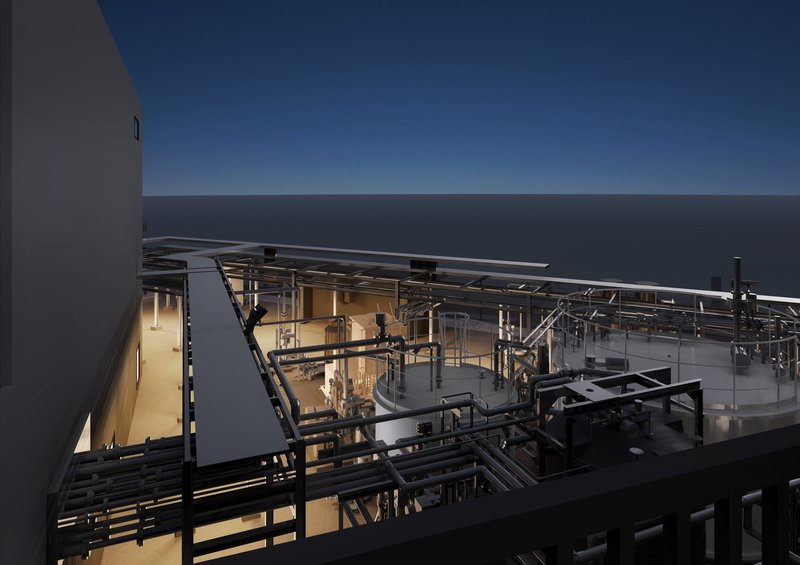
In a nod to Expo 2025's theme, “Designing Future Society for Our Lives,” the Japan Pavilion exposes its mechanical systems and structural components to the public eye. Instead of concealing infrastructure, the design invites visitors to observe how the building is supported and sustained. This transparency, combined with tactile wooden surfaces, fluctuating light, and ambient scents, creates an immersive, sensory-rich environment that counters the often superficial digital realm.
A Lasting Architectural Impression
The Japan Pavilion at Expo 2025 Osaka is more than a temporary structure—it is a living narrative of material lifecycle, community inclusivity, and environmental innovation. By harmonizing sustainable materials with forward-thinking design strategies, Nikken Sekkei has created a pavilion that not only represents Japan’s technological and cultural identity but also pushes the boundaries of what sustainable pavilion architecture can achieve.