Sustainable Vernacular Architecture Colombia: A Closer Look at Spring House by MA-SA
This article explores Spring House by MA-SA, a project in Colombia blending sustainable practices with vernacular architecture for modern living.


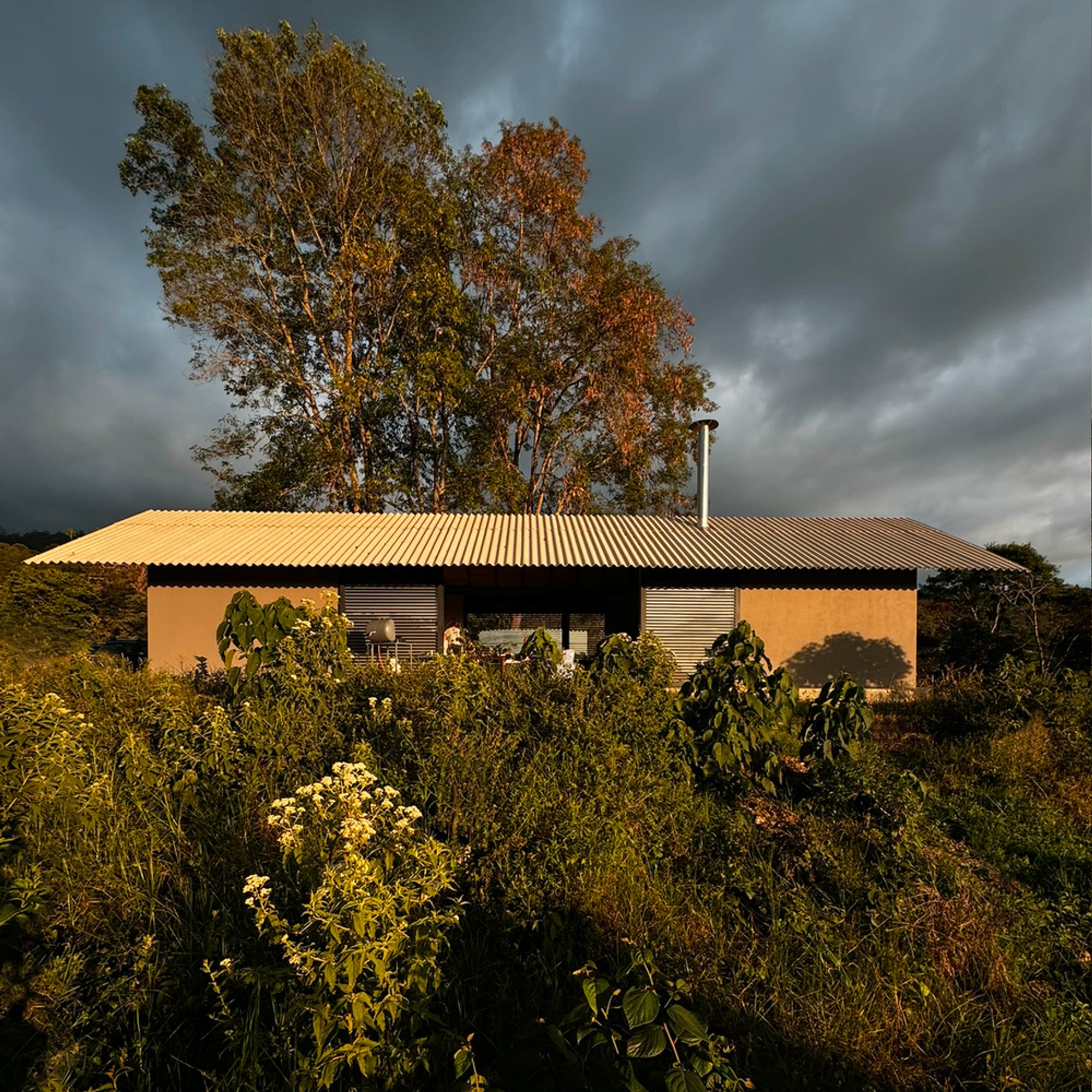
In the heart of Anolaima, Colombia, the Spring House by MA-SA emerges as a beacon of Sustainable Vernacular Architecture Colombia, redefining the essence of rural living through the lens of sustainable design and vernacular traditions. This project, curated by Clara Ott and beautifully captured by photographer Diego Soto Madriñan, showcases how architecture can harmonize with the environment and culture.
The Essence of Vernacular Architecture
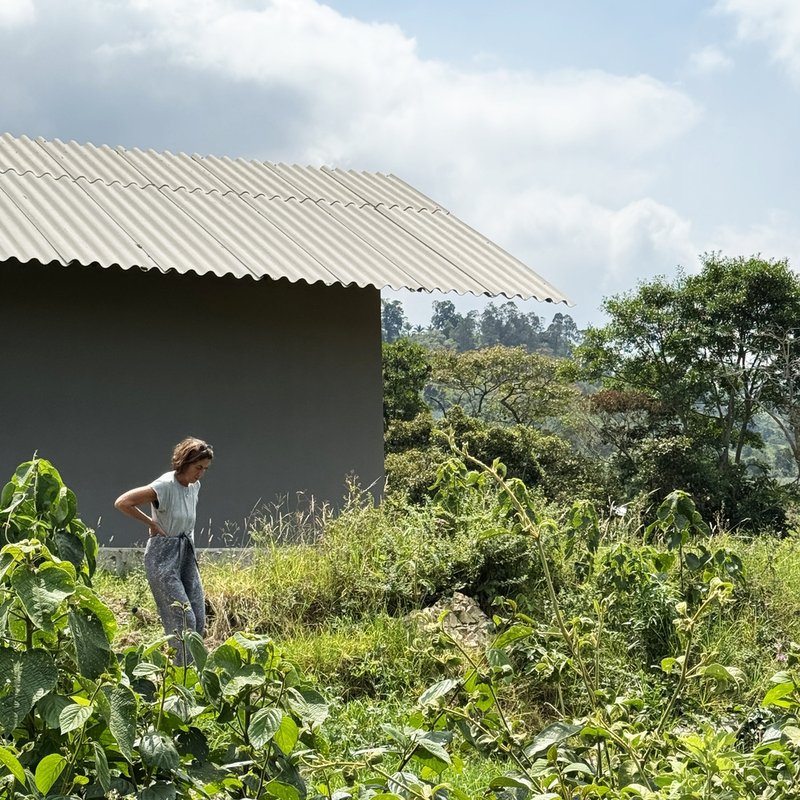
Vernacular architecture in Colombia, especially in regions like Anolaima, Cundinamarca, is more than a building practice. It is a narrative of the community's identity, deeply rooted in the cultural and environmental context of its locale. The Spring House stands as a testament to these practices, integrating the community's aspirations and the land's rich heritage in every aspect of its design.
Design Philosophy of Spring House
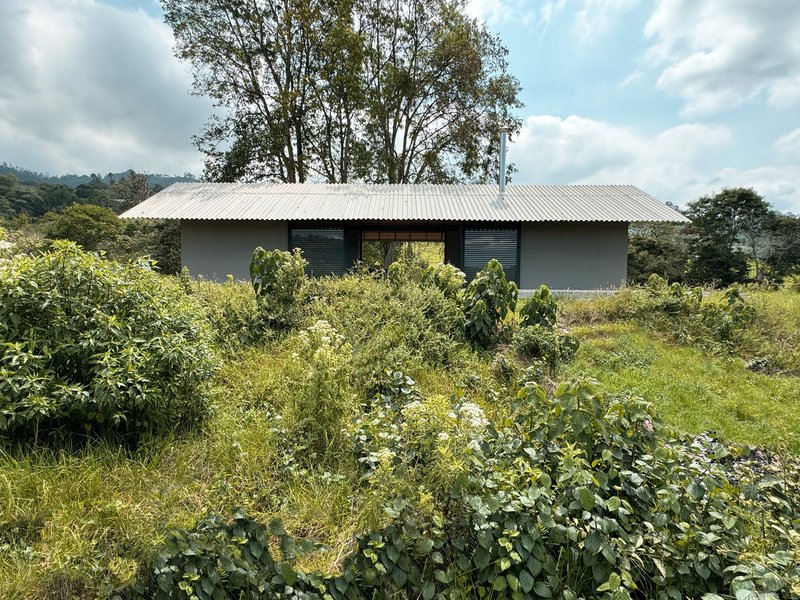
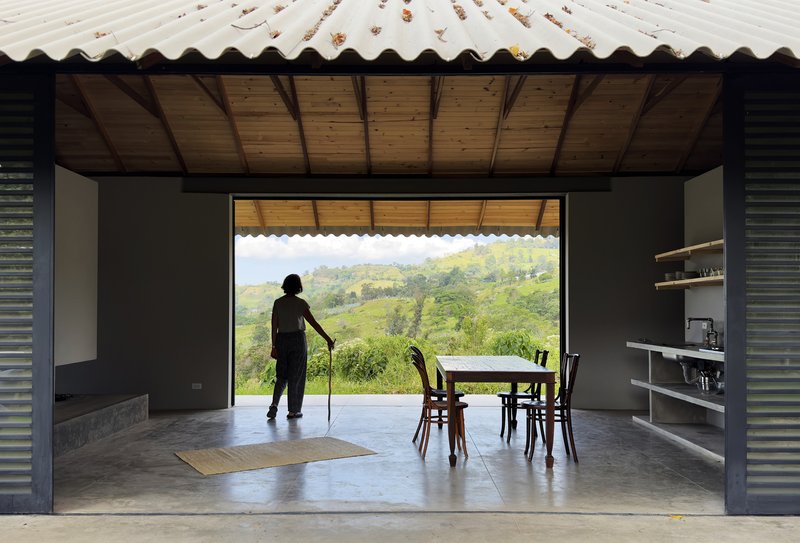
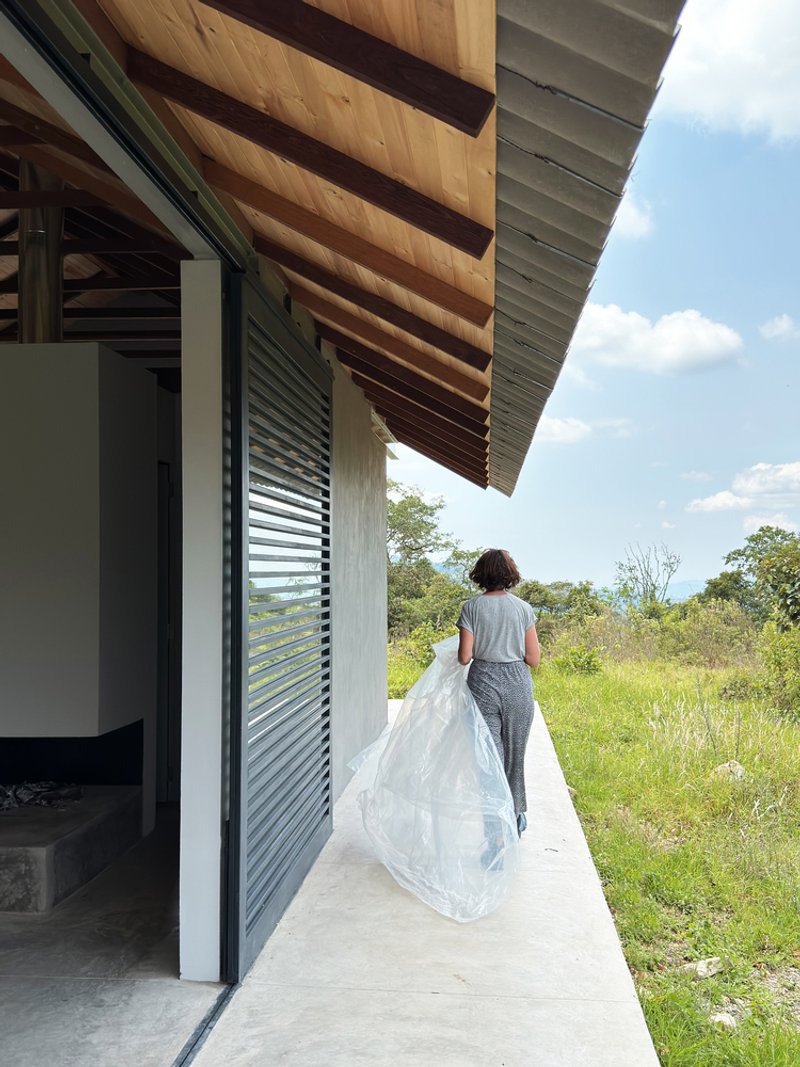
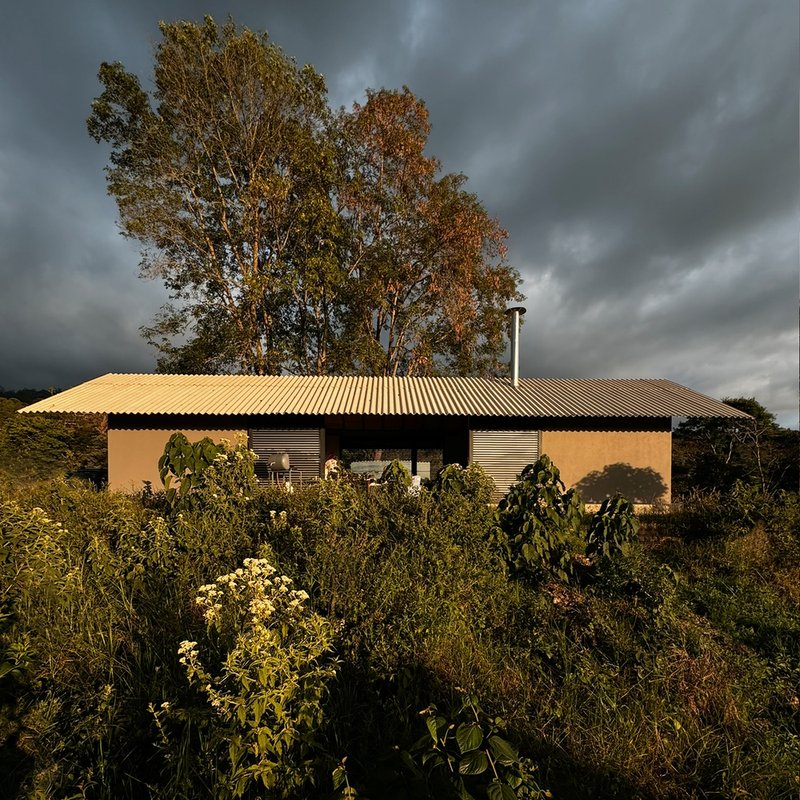
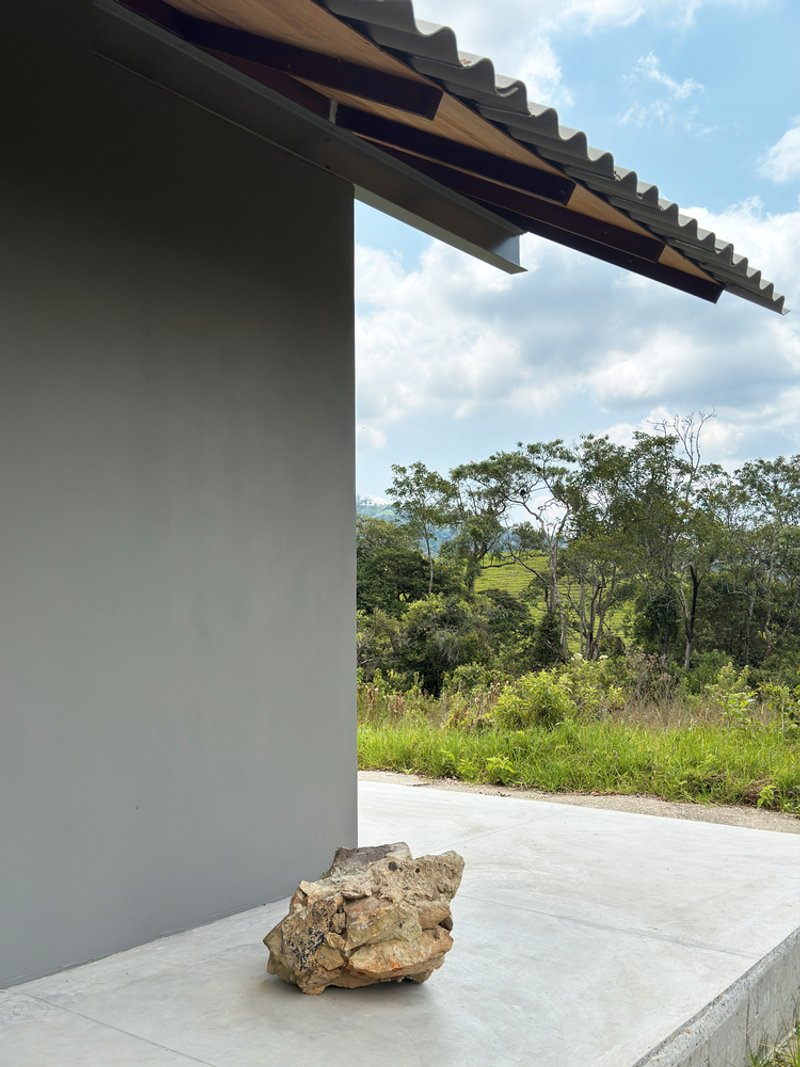
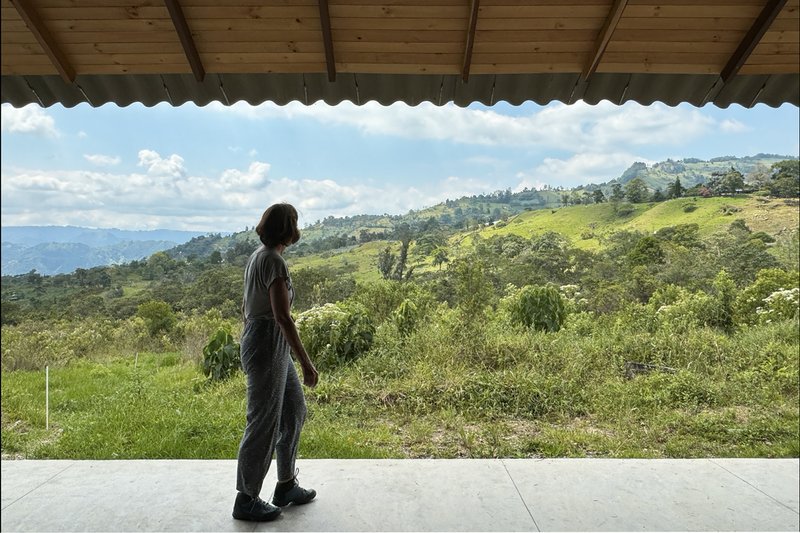
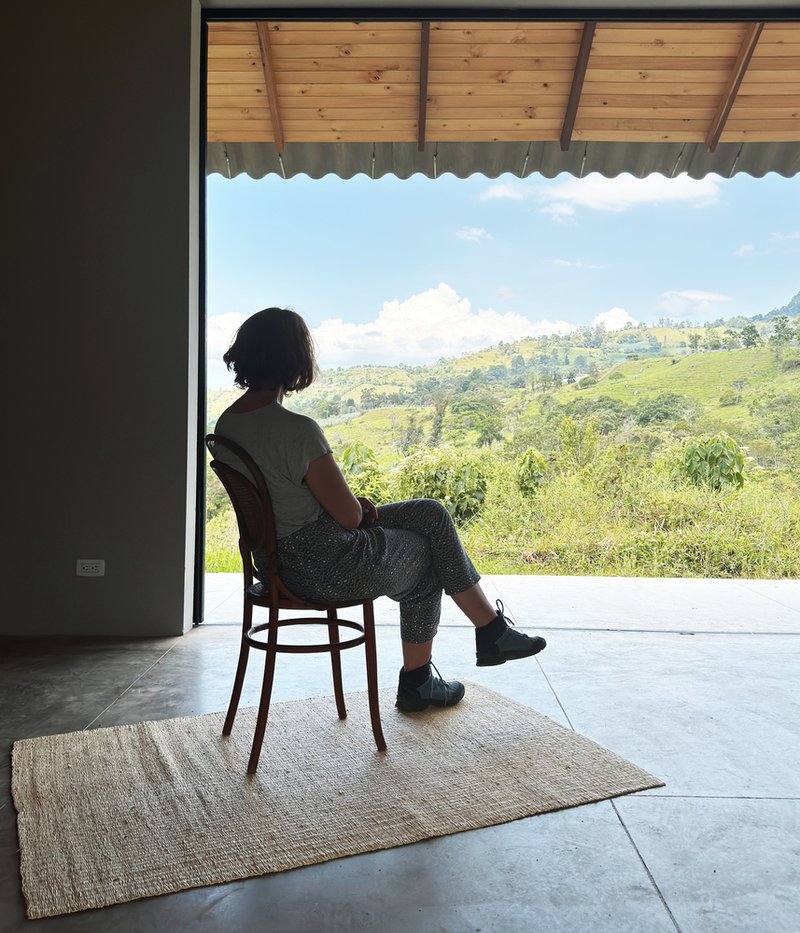
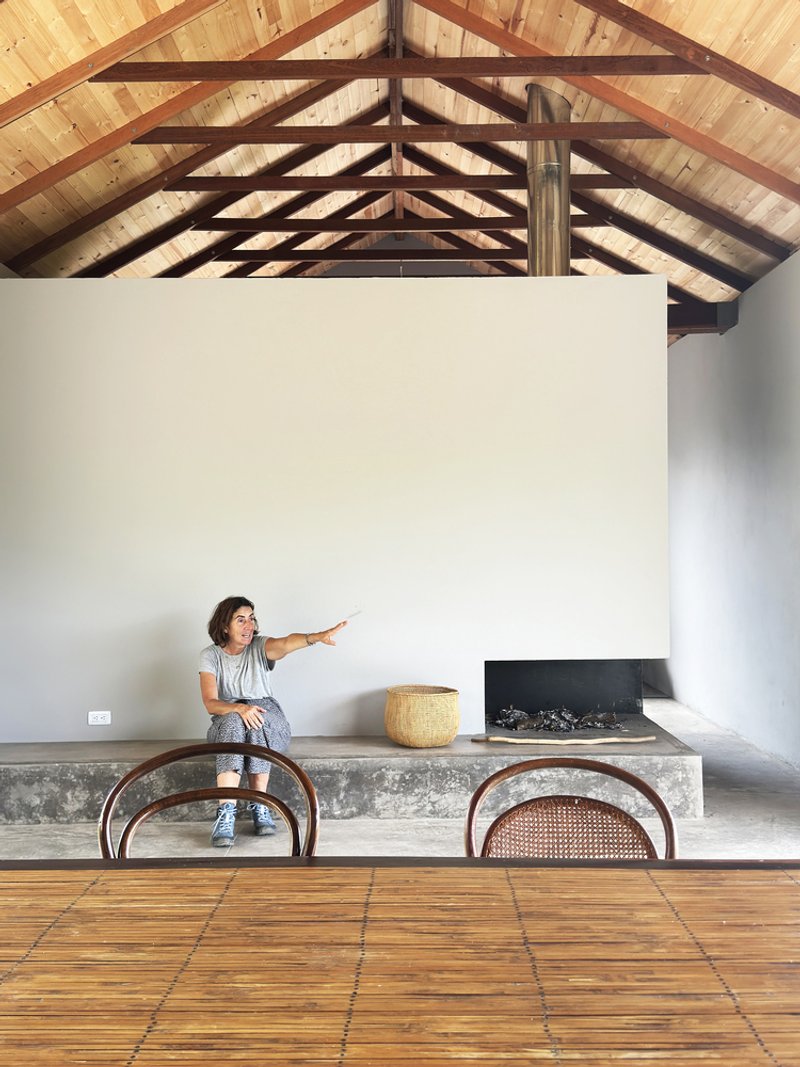
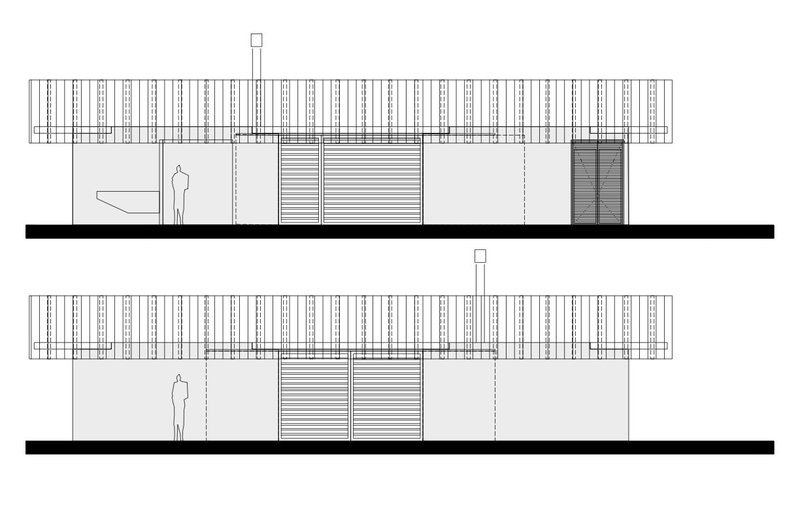
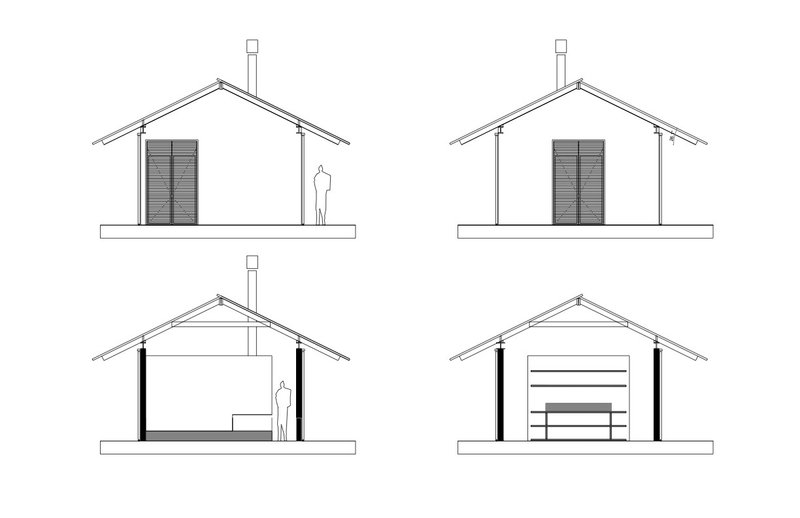
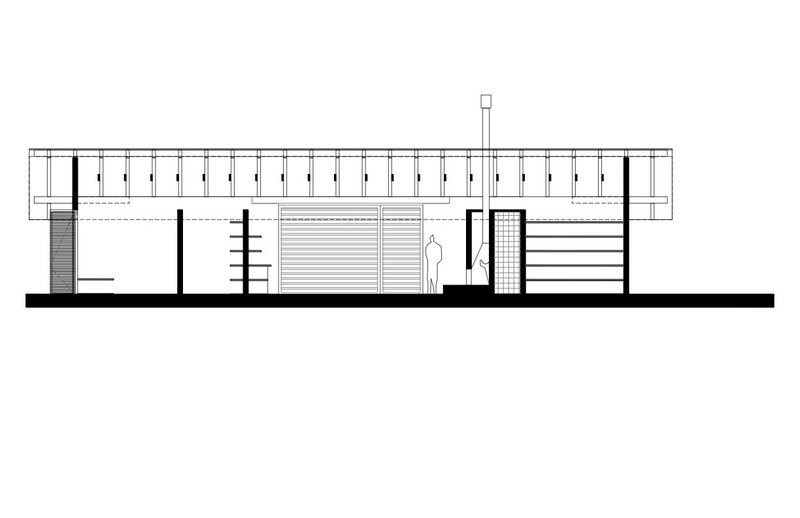
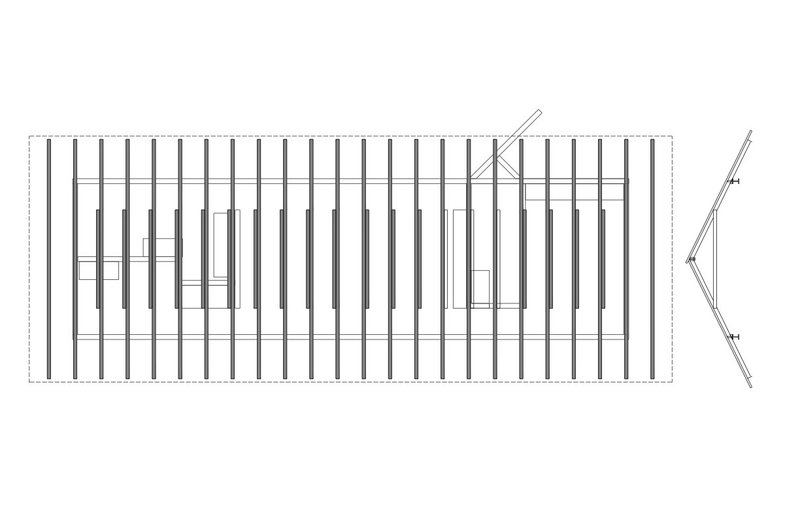
Under the single-pitched roof, the Spring House by MA-SA unfolds a story of spatial harmony and environmental consciousness. The design blurs the lines between indoors and outdoors, inviting the natural world into the living space. This approach not only enhances the quality of life for its inhabitants but also pays homage to the traditional Colombian countryside dwelling.
Embracing Local Materials and Craftsmanship
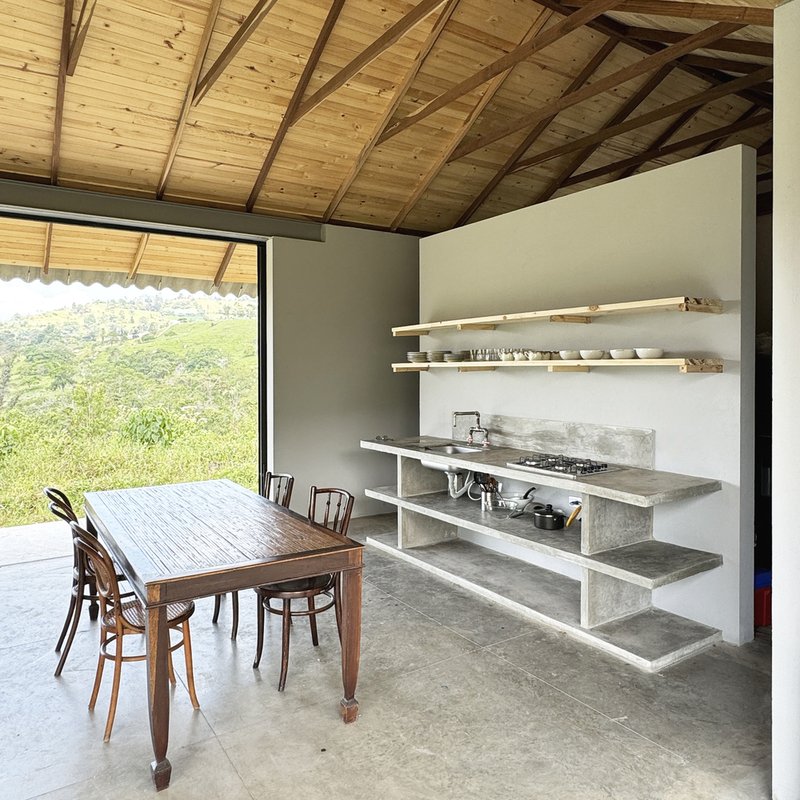
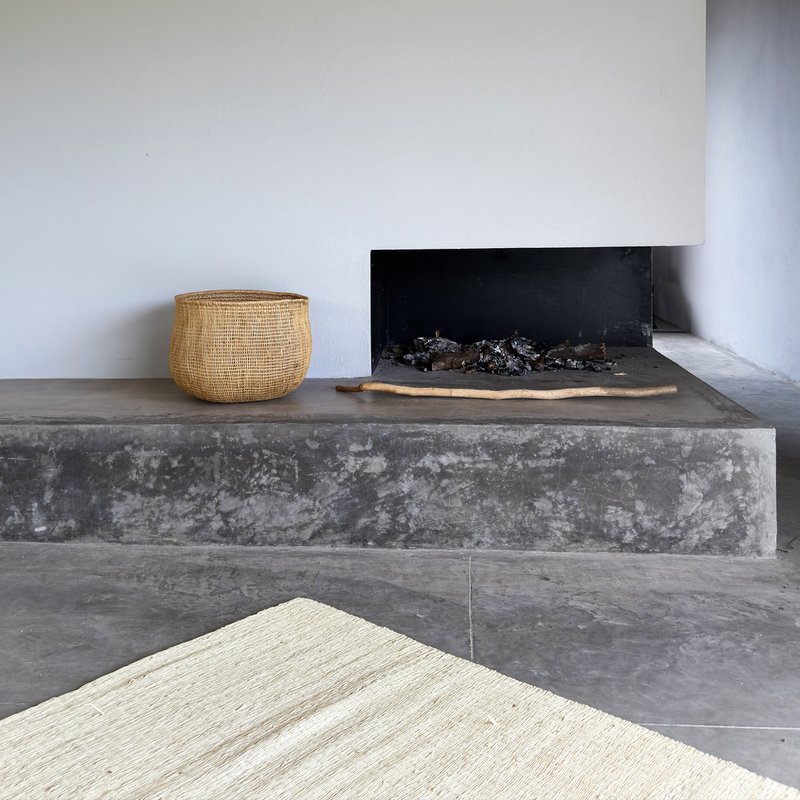
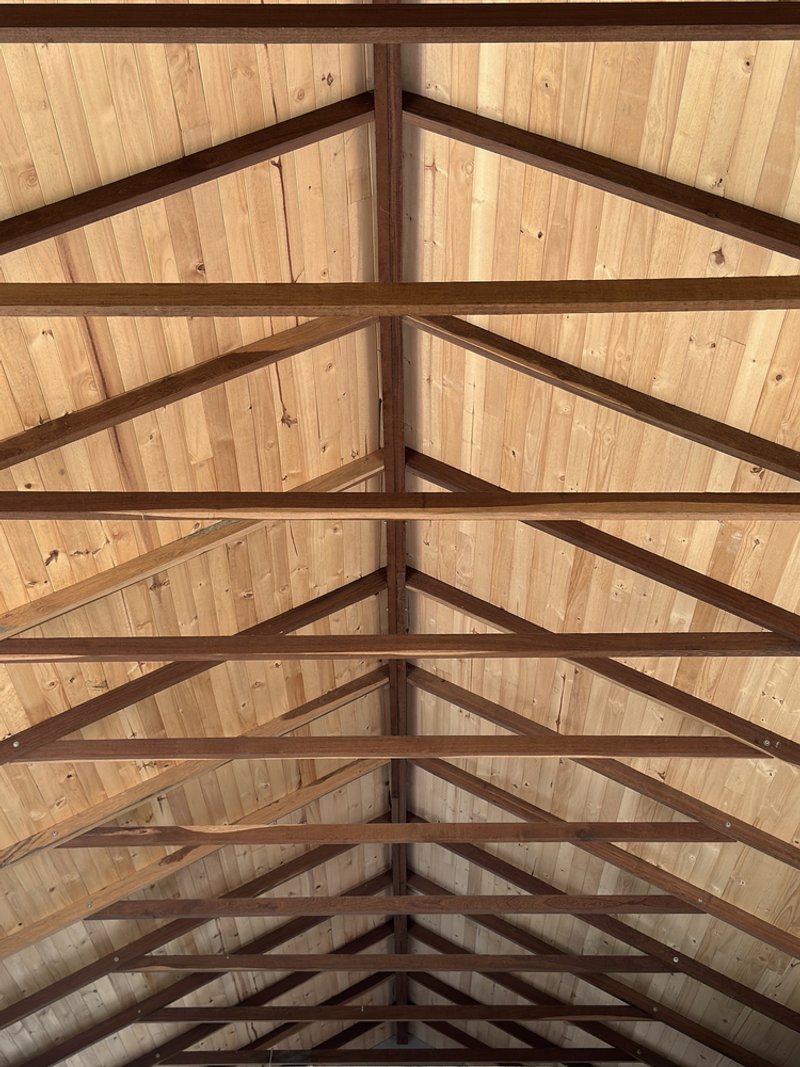
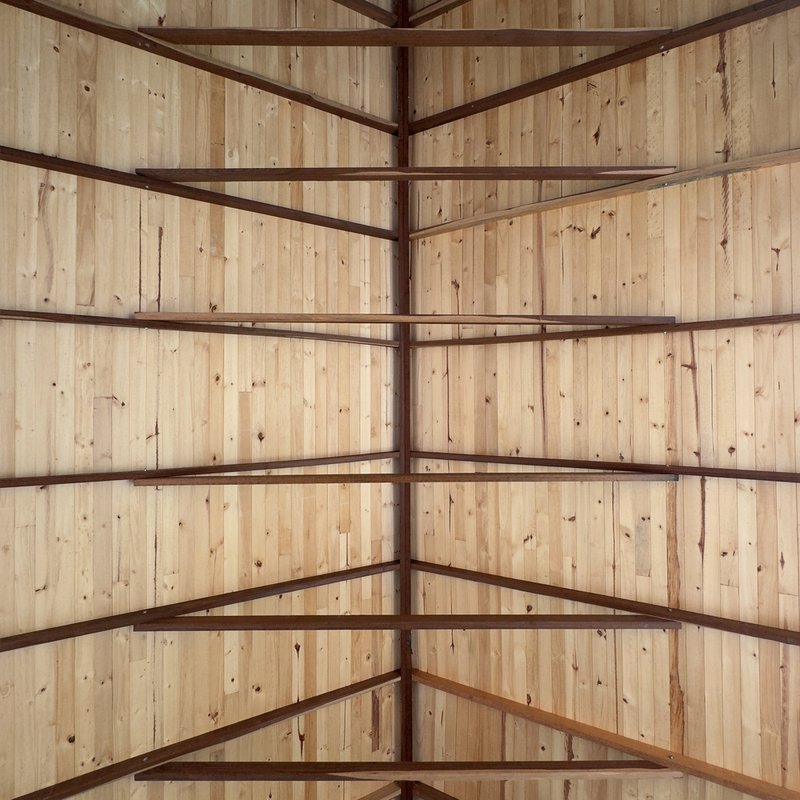
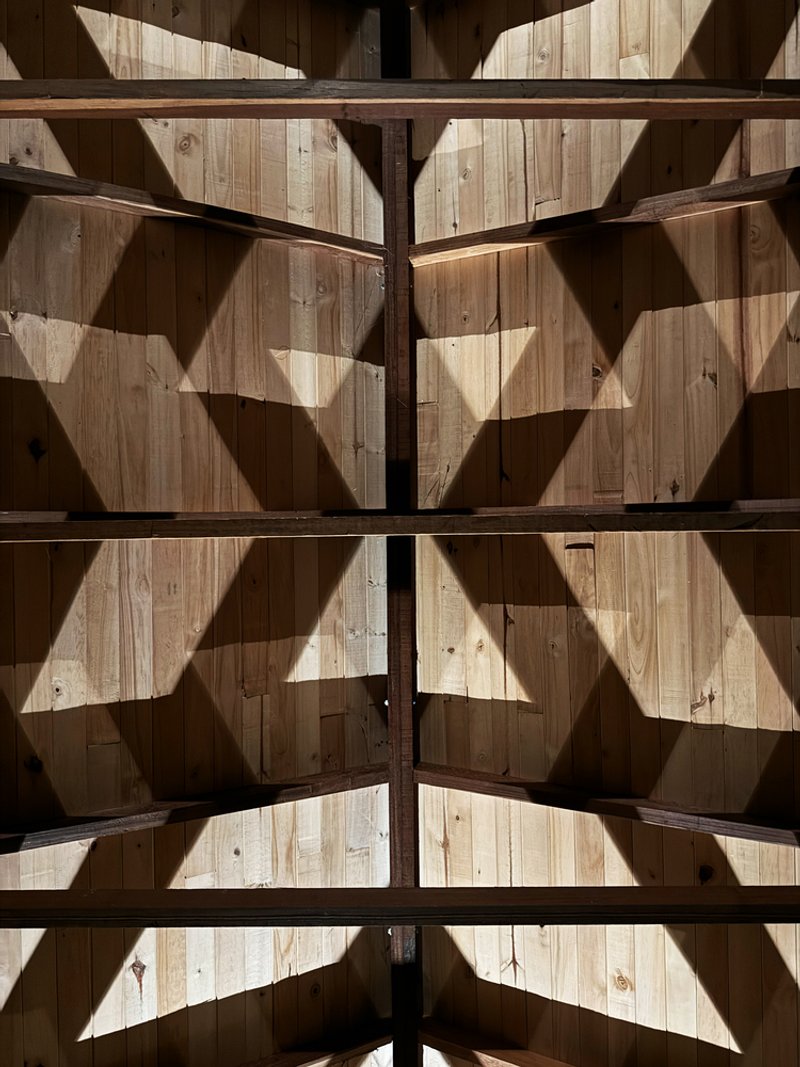
At the core of Sustainable Vernacular Architecture Colombia is the commitment to local materials and craftsmanship. Spring House exemplifies this by upcycling and recycling materials, such as old pine floors and zapan wood A-frames. This not only pays tribute to traditional craftsmanship but also promotes environmental sustainability and resourcefulness.
A Foundation Rooted in History
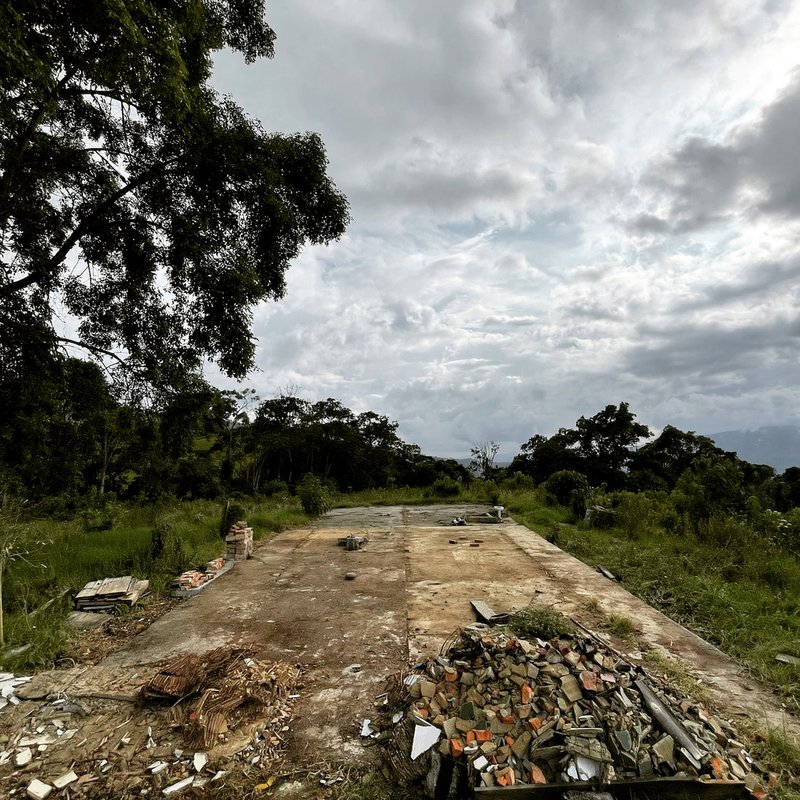
Resting on the foundations of an old mill, Spring House connects its present to the past. This choice minimizes the ecological footprint and construction costs, showcasing how sustainable practices can also be economically viable.
Architectural Features and Sustainability
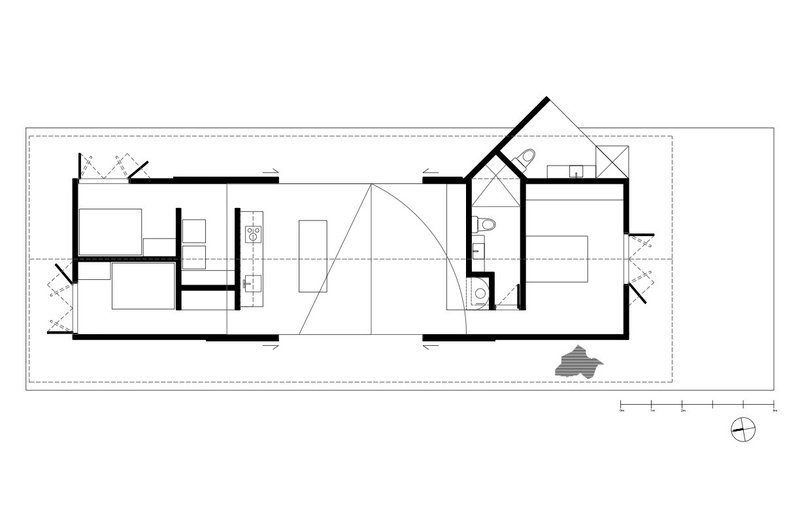
The architectural layout of Spring House prioritizes natural lighting and cross ventilation, ensuring energy efficiency and comfort. This design choice reflects a deeper understanding of Sustainable Vernacular Architecture Colombia, where the climate and local environment dictate the principles of sustainable living.
Bridging Past and Present
Spring House stands as a bridge between traditional and contemporary living, merging local architectural traditions with modern necessities. This project not only ensures the relevance of vernacular architecture today but also secures its adaptability for future generations.
The Future of Vernacular Architecture in Colombia
The Spring House by MA-SA is a pioneering example of Sustainable Vernacular Architecture Colombia. It embodies the principles of "architecture without architects," where cultural heritage, sustainable practices, and a deep connection to the land create spaces that resonate with past, present, and future generations. As we look towards the future of architecture in Colombia, projects like Spring House set a precedent for integrating sustainability with cultural identity, offering a pathway to environmentally conscious and culturally rich architectural practices.
All photographs are work of Diego Soto Madriñan