
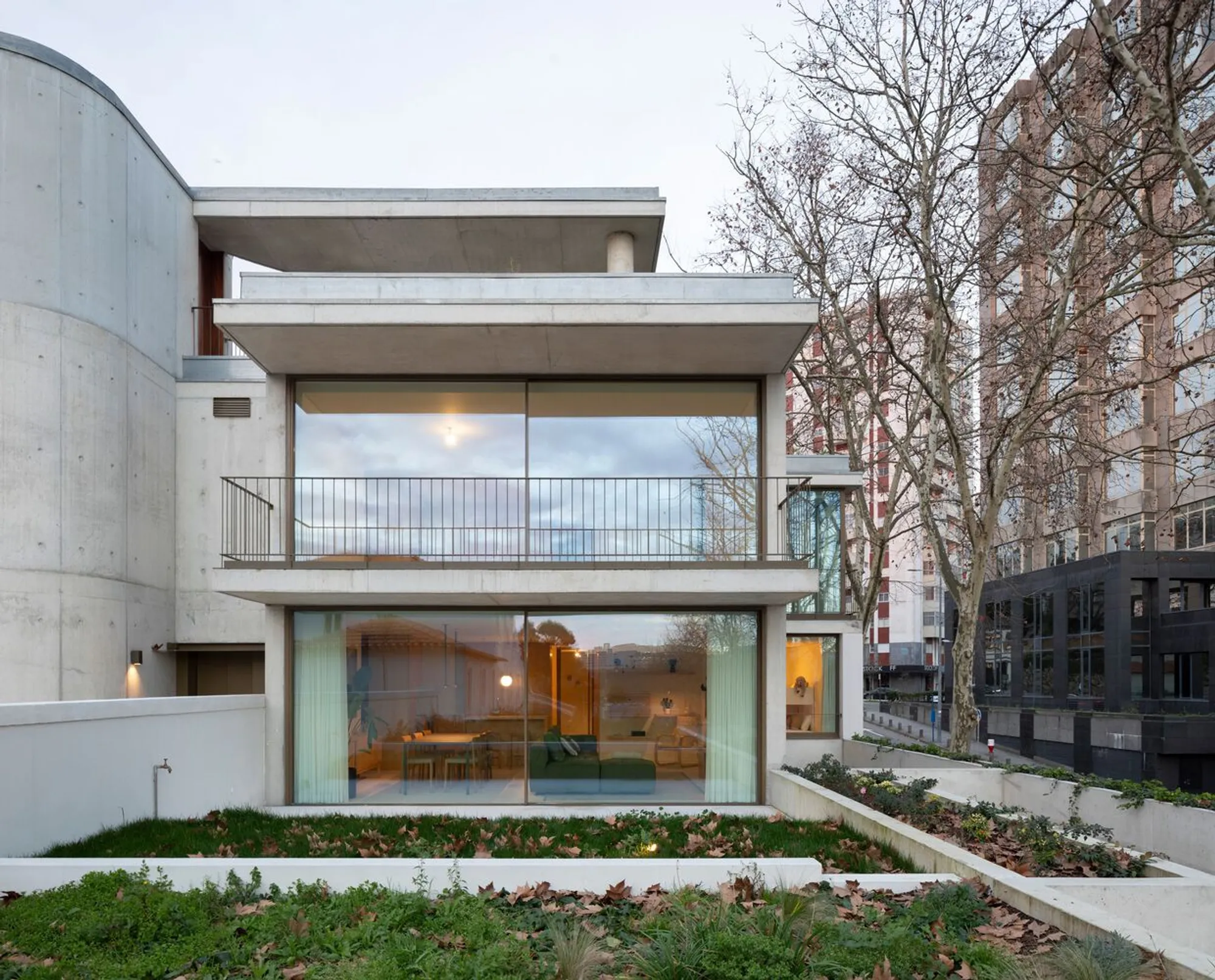
Terraced Housing Architecture: The DPV Residential Building by Adriano Pimenta
Exploring the DPV Residential Building by Adriano Pimenta, showcasing innovative terraced housing architecture blending historical elements with modern living in Porto, Portugal.


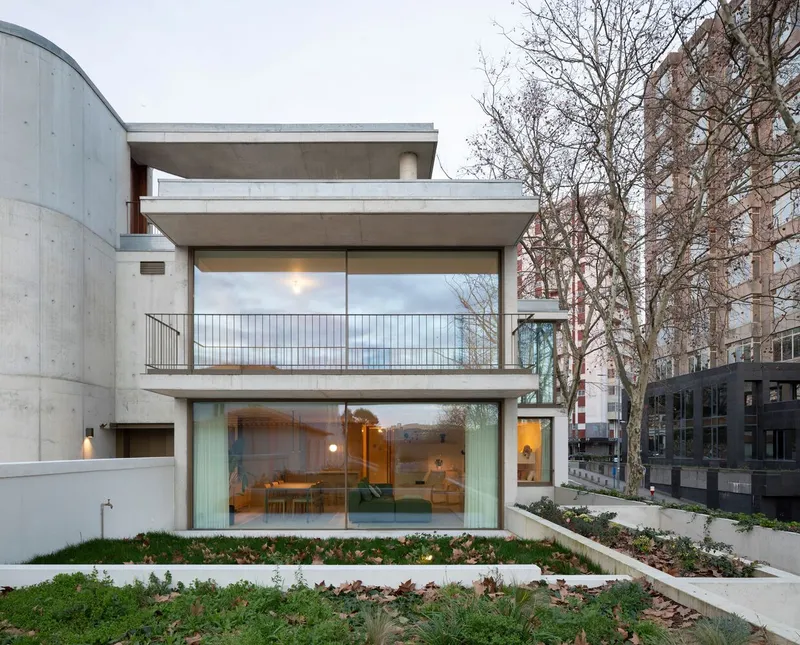
Terraced housing architecture is increasingly recognized for its ability to integrate residential spaces into challenging topographies. The DPV Residential Building in Porto, Portugal, by Adriano Pimenta, is a prime example, showcasing innovative design on terraced land.
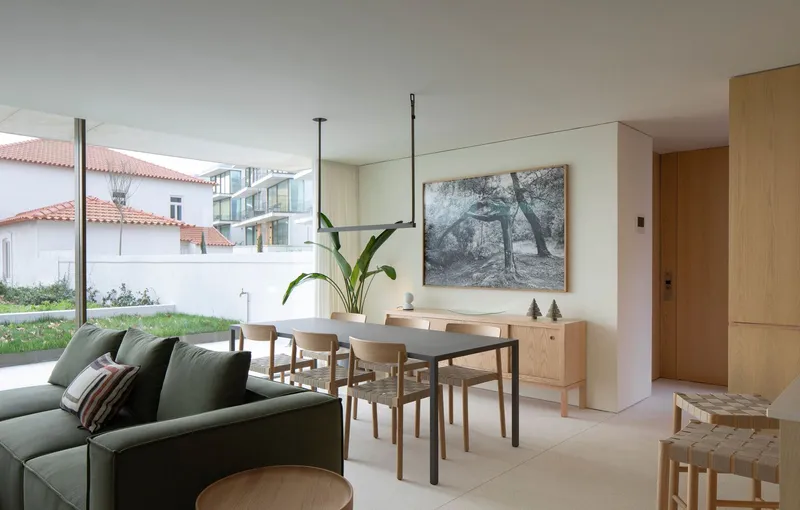
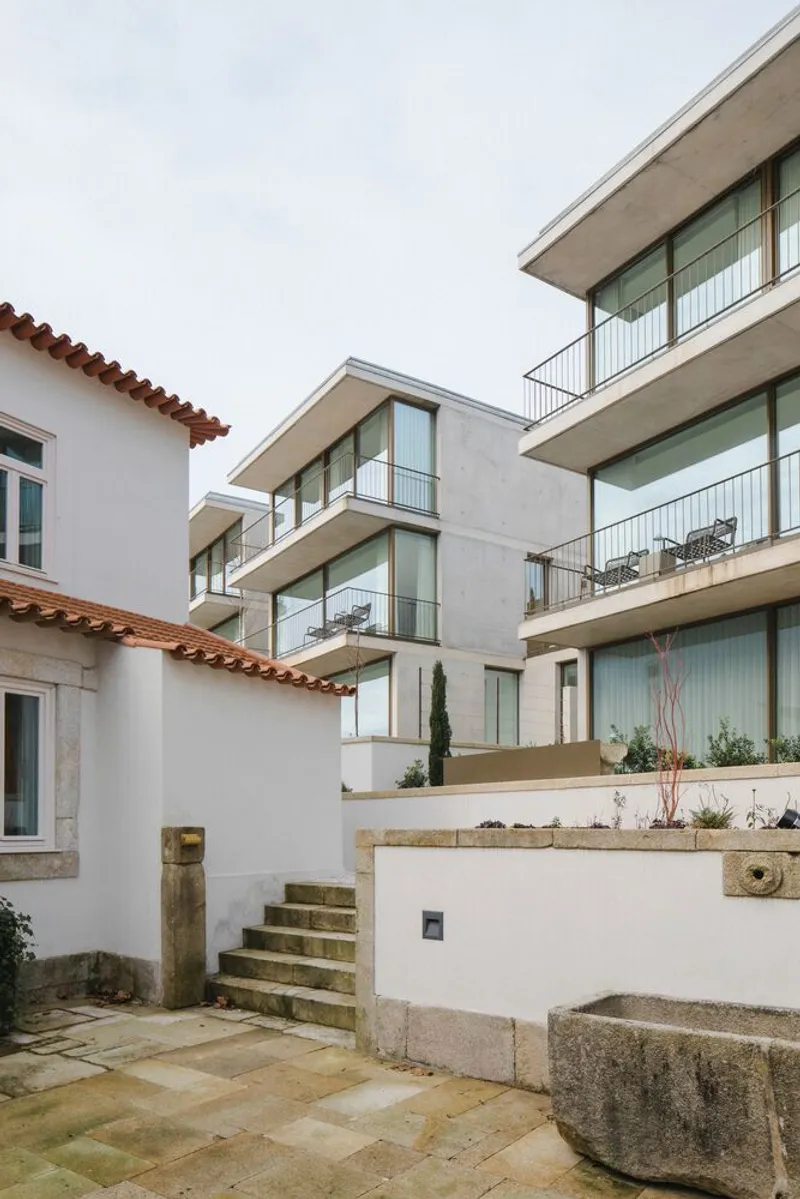
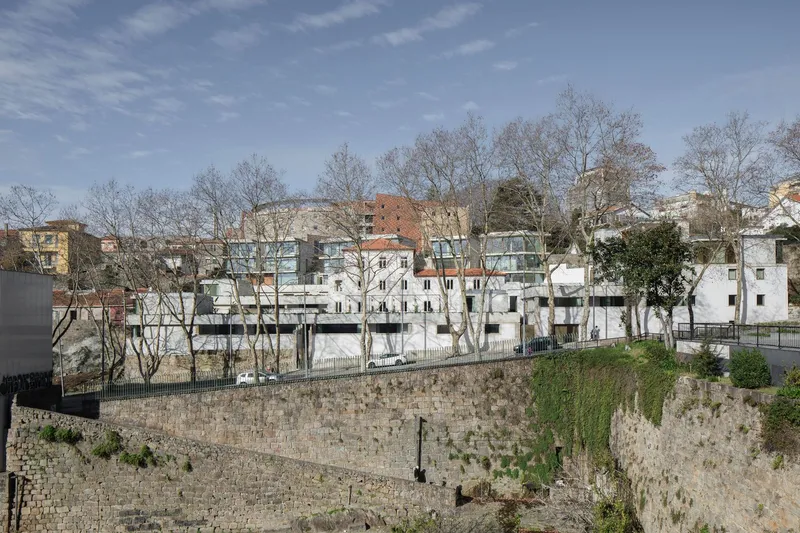
Design Philosophy of the DPV Residential Building
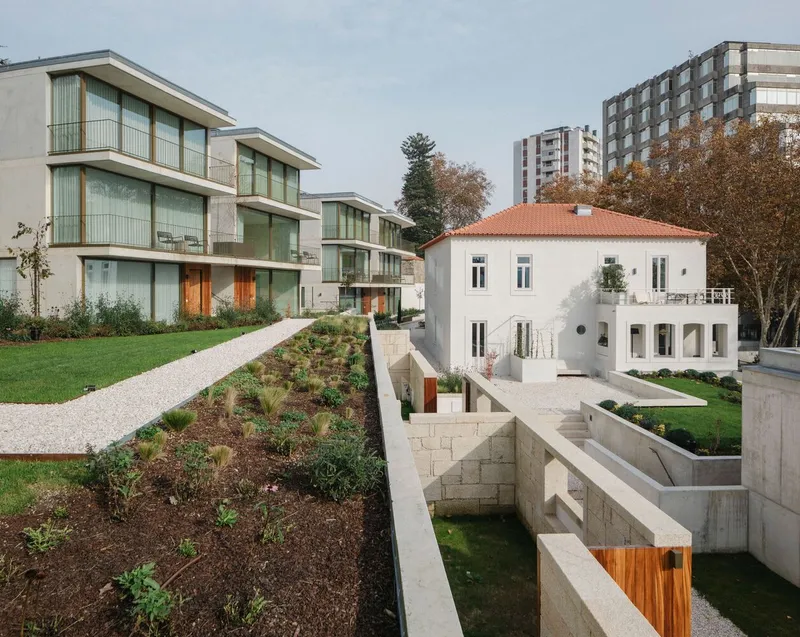
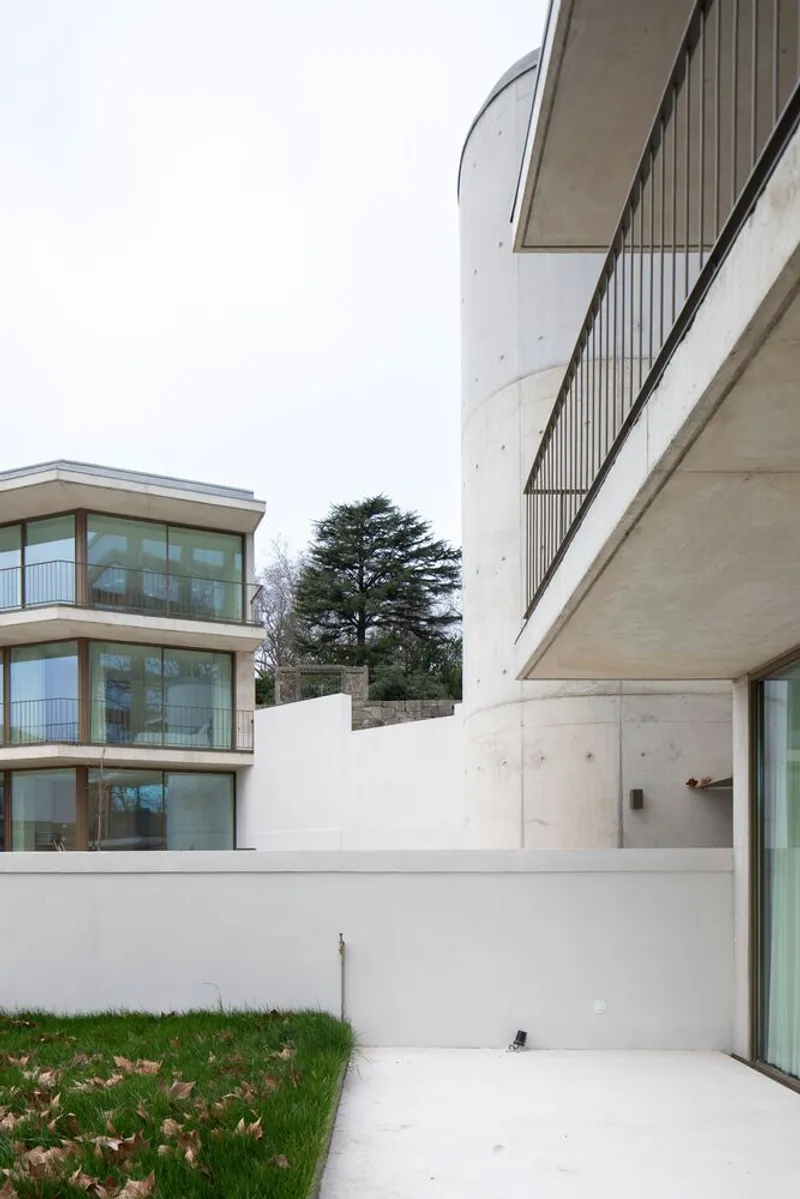
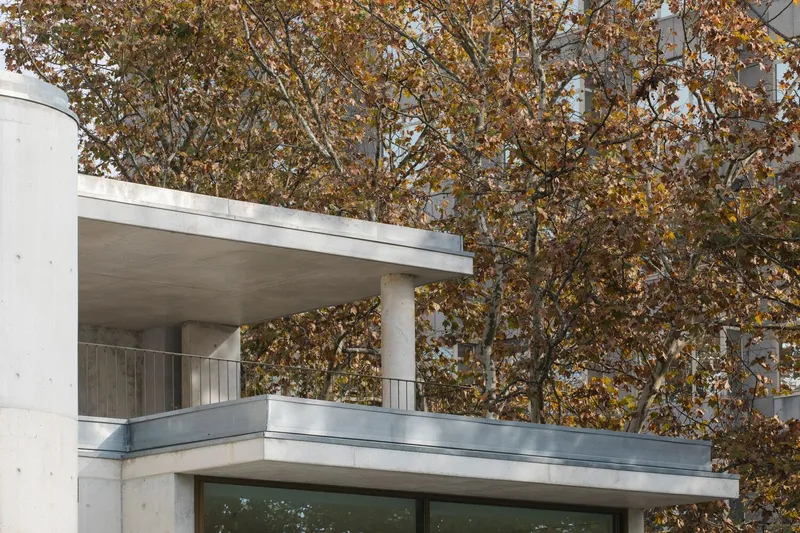
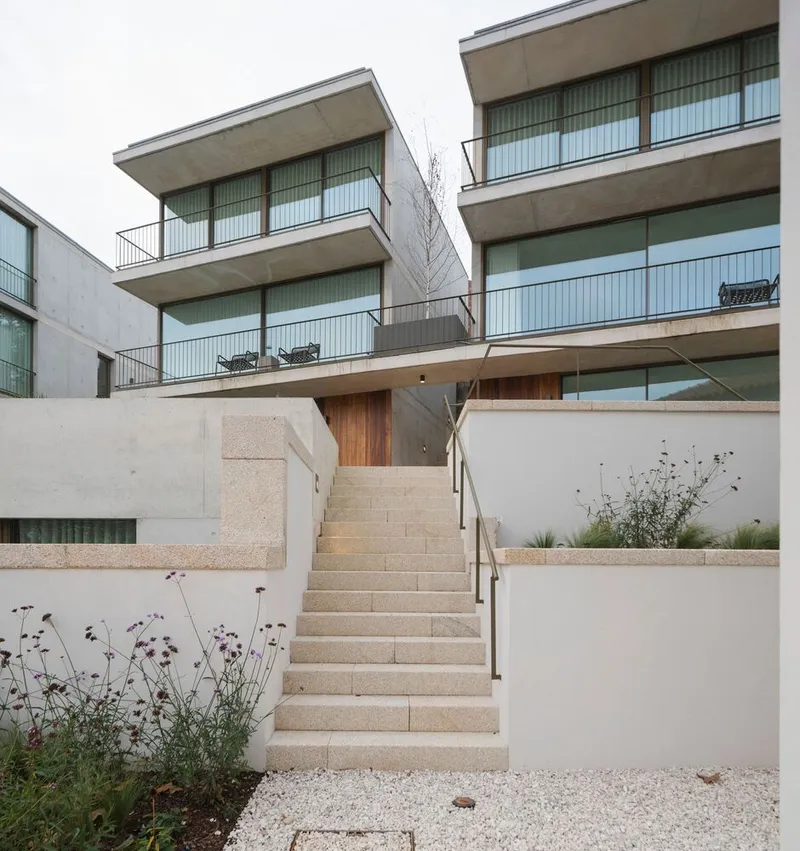
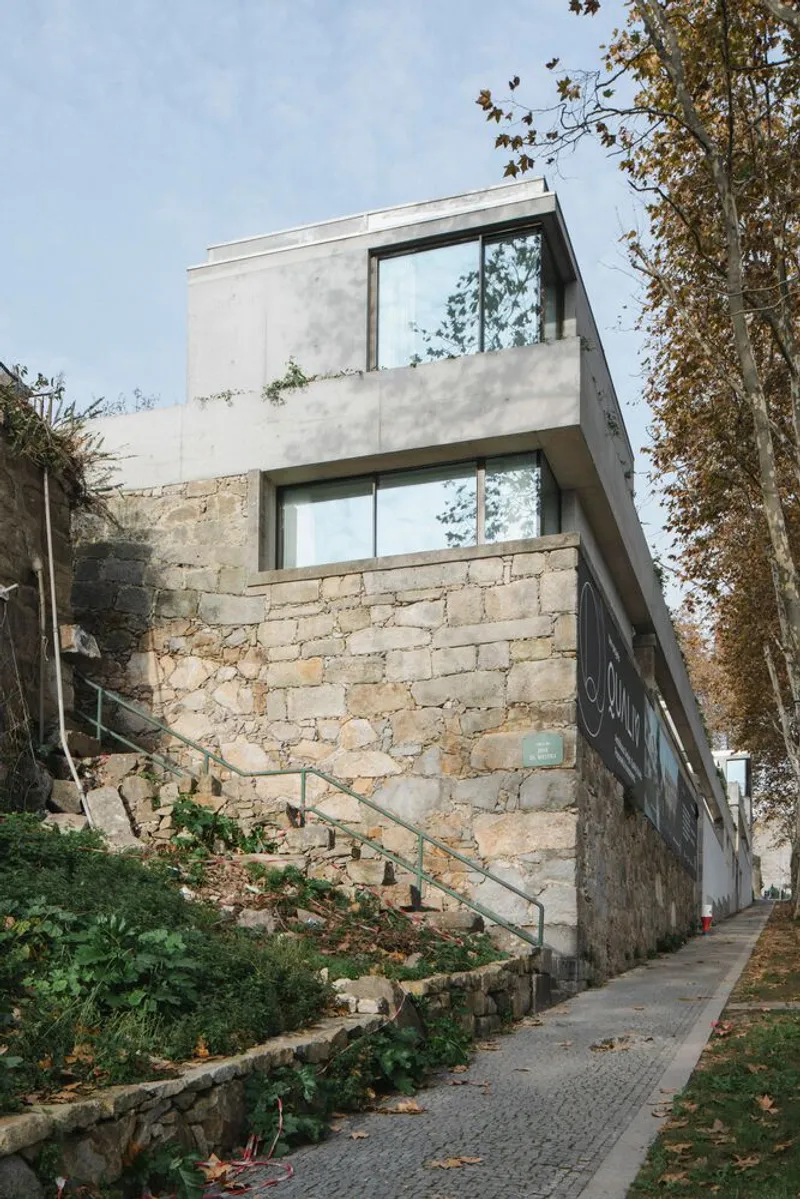
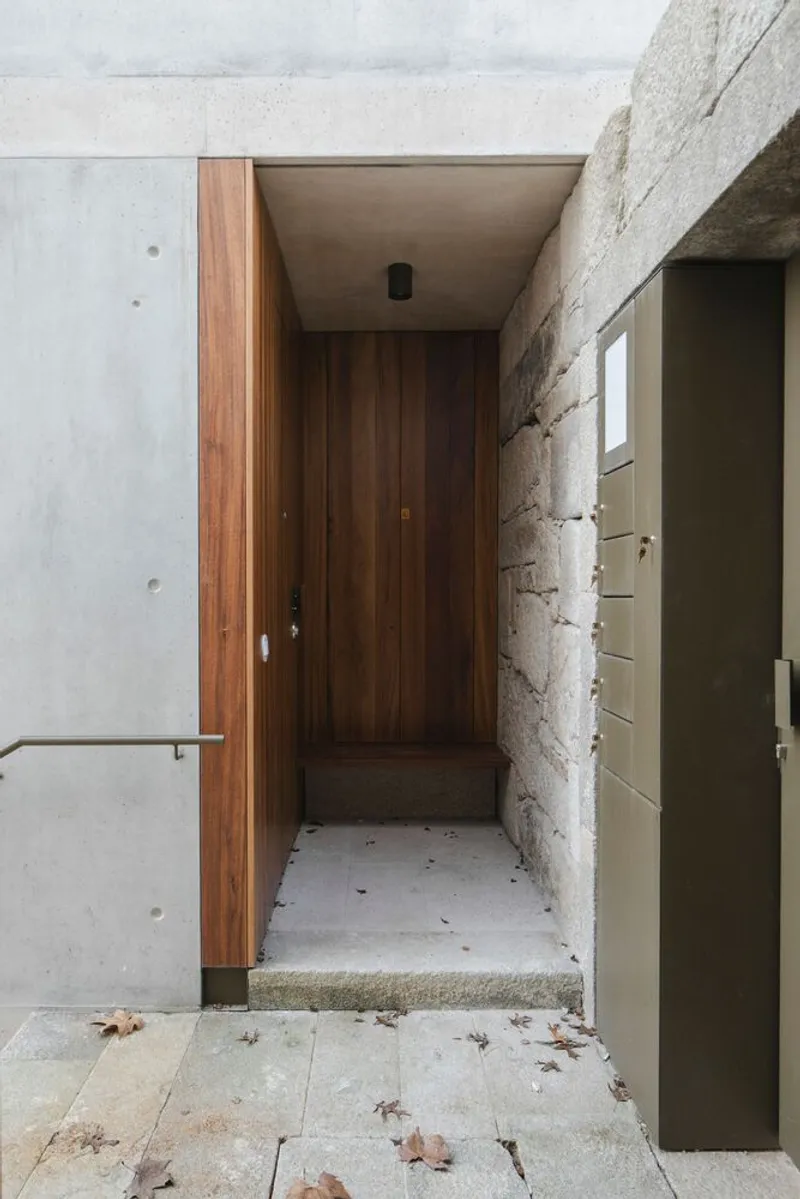
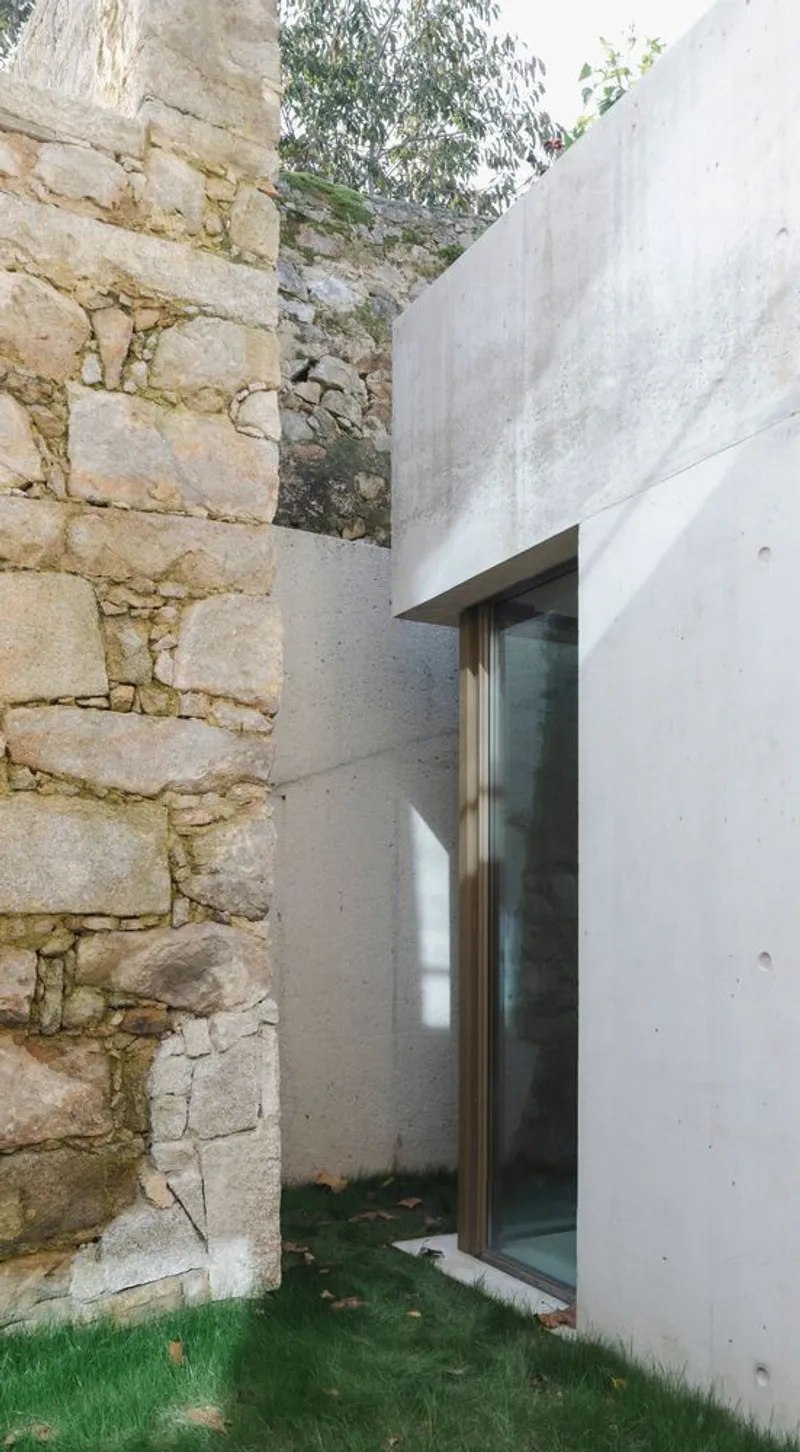
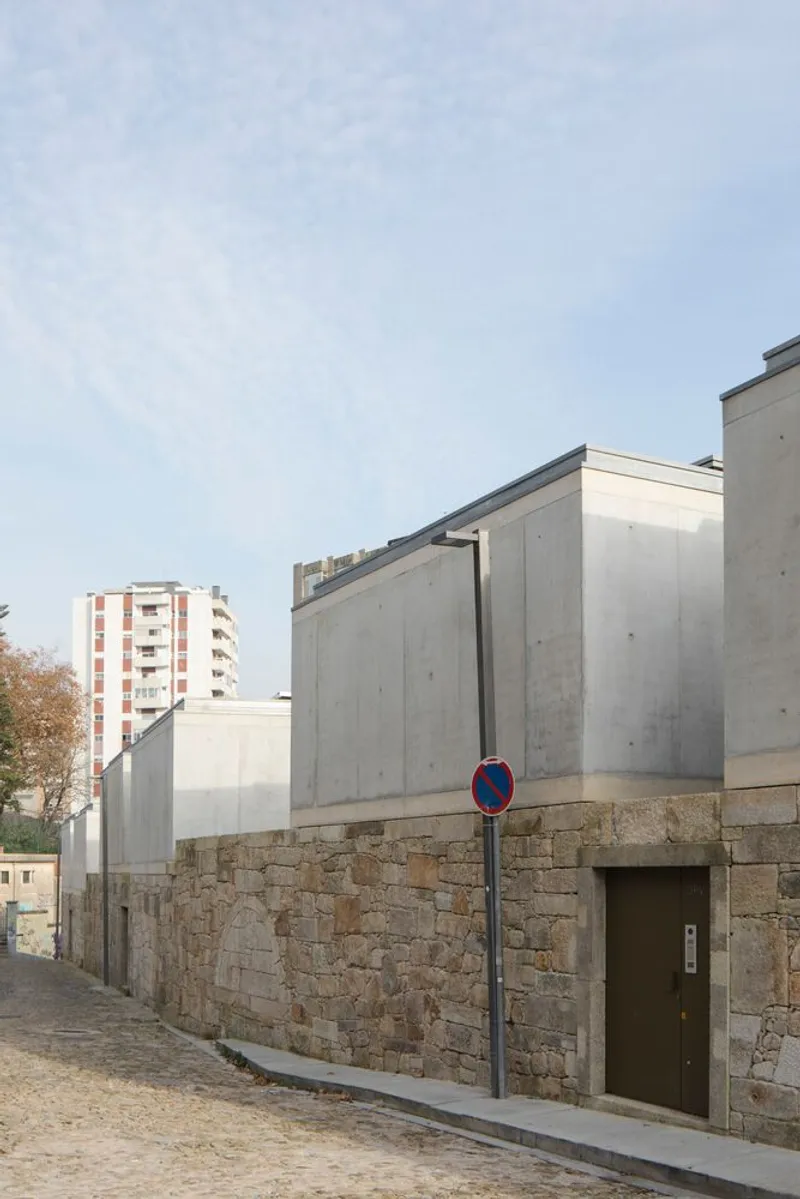
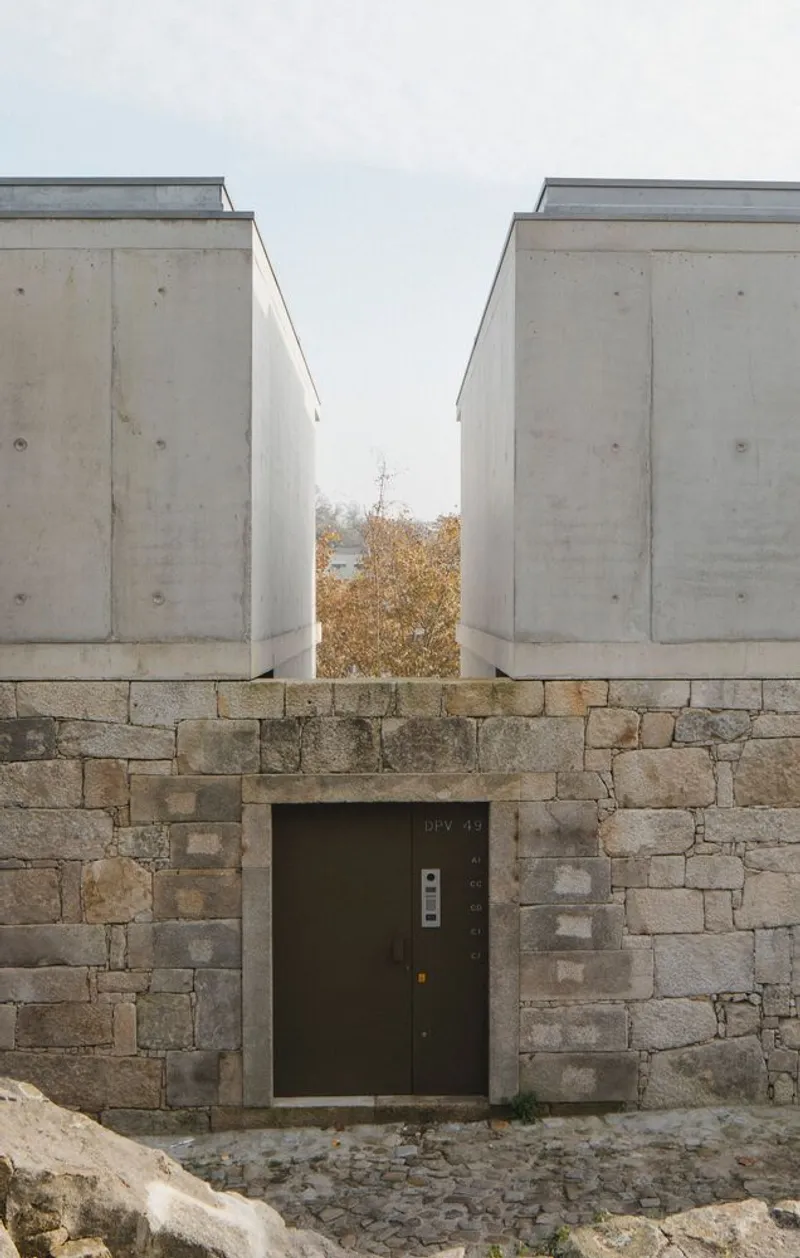
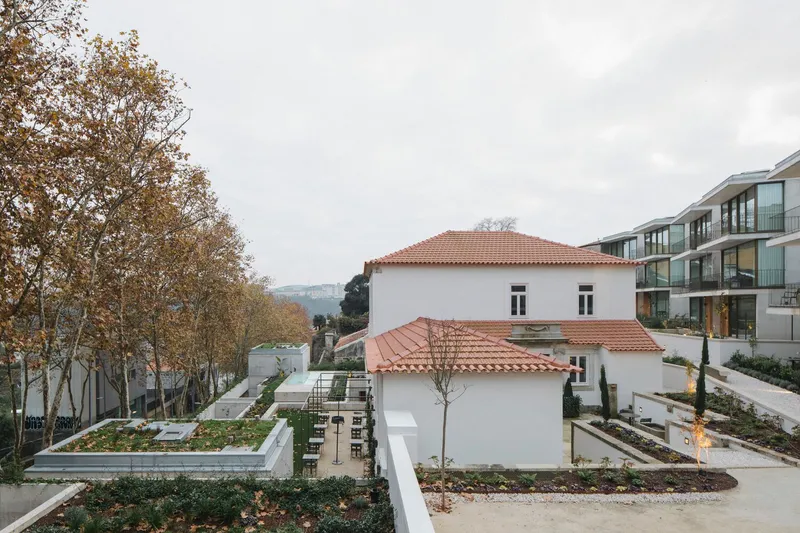
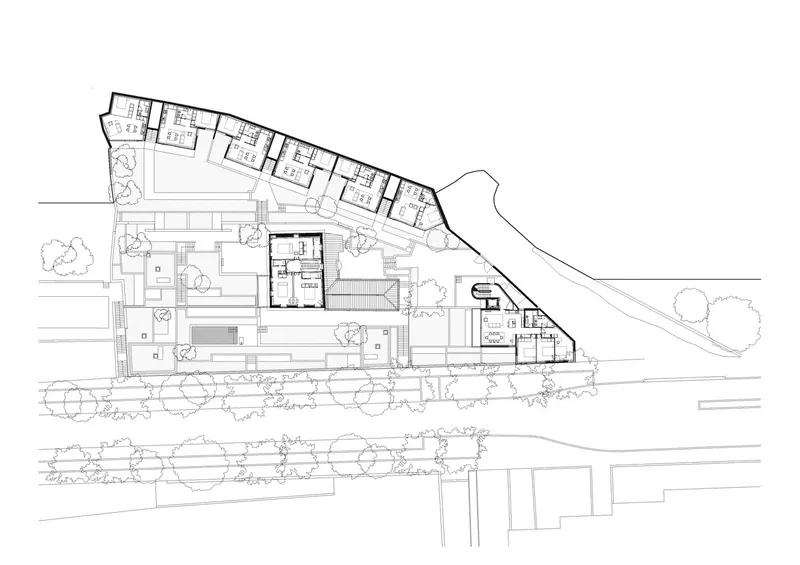
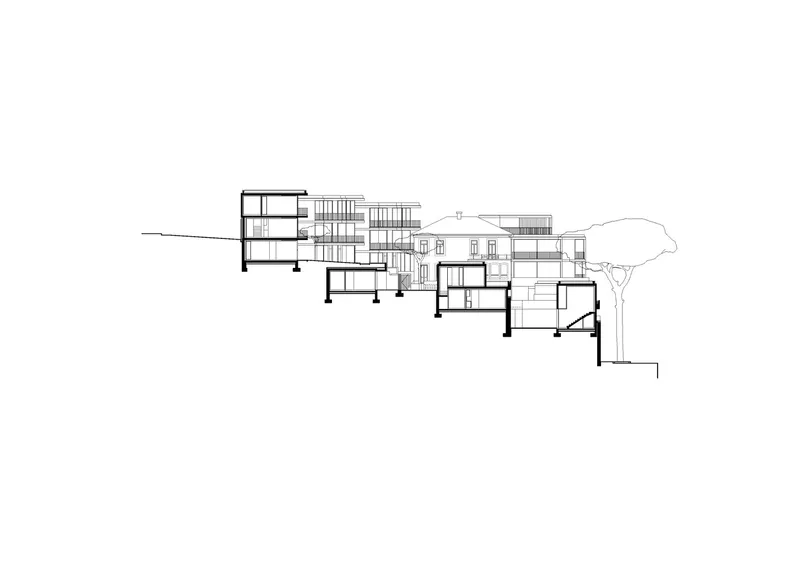
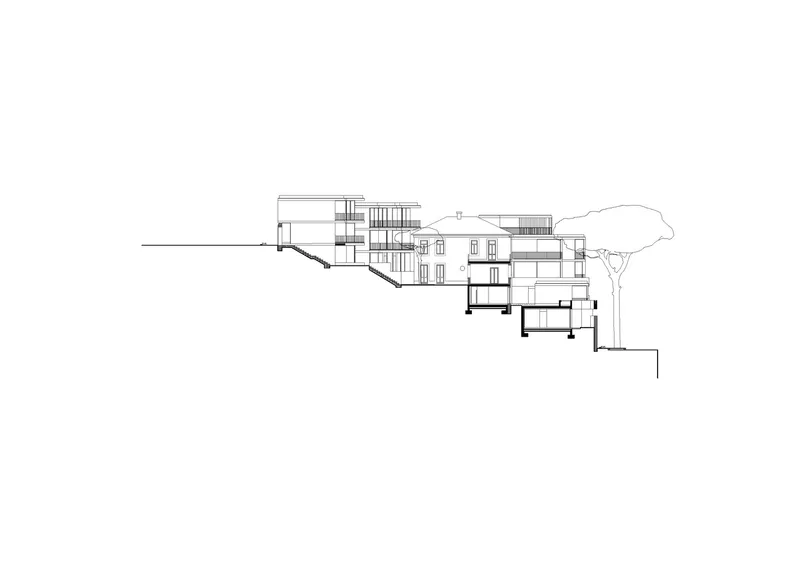
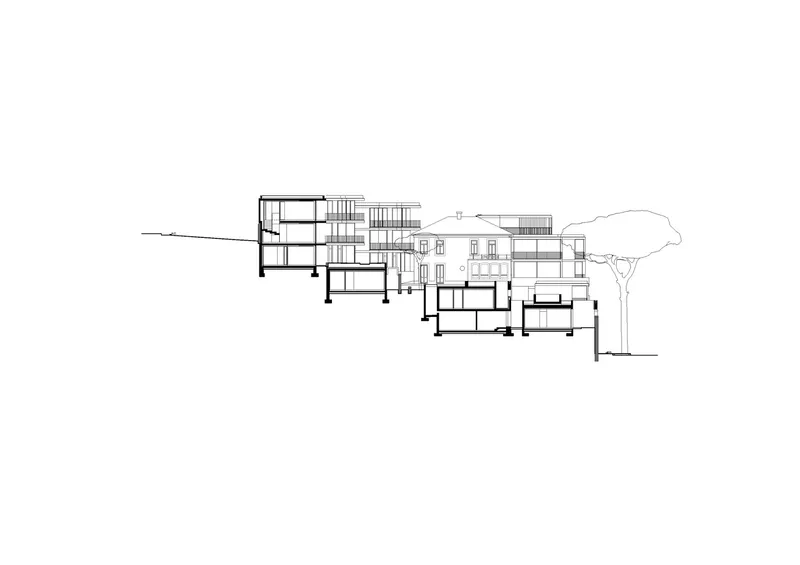
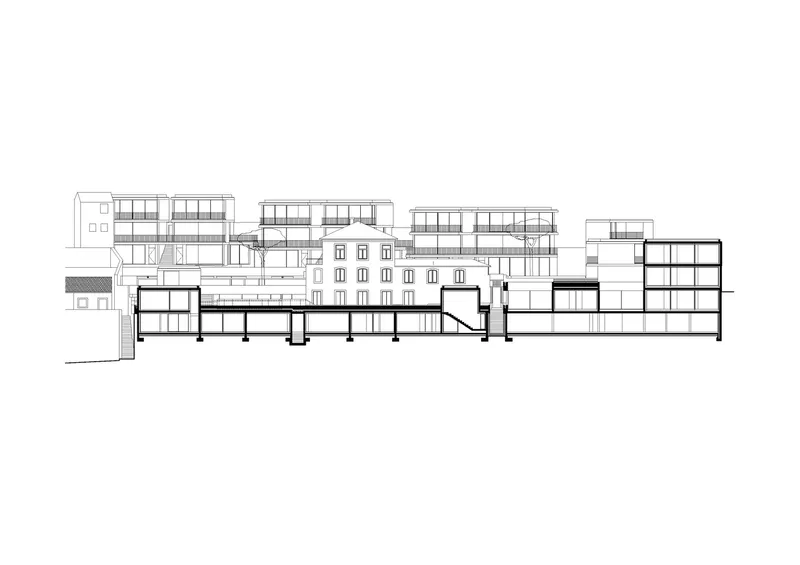
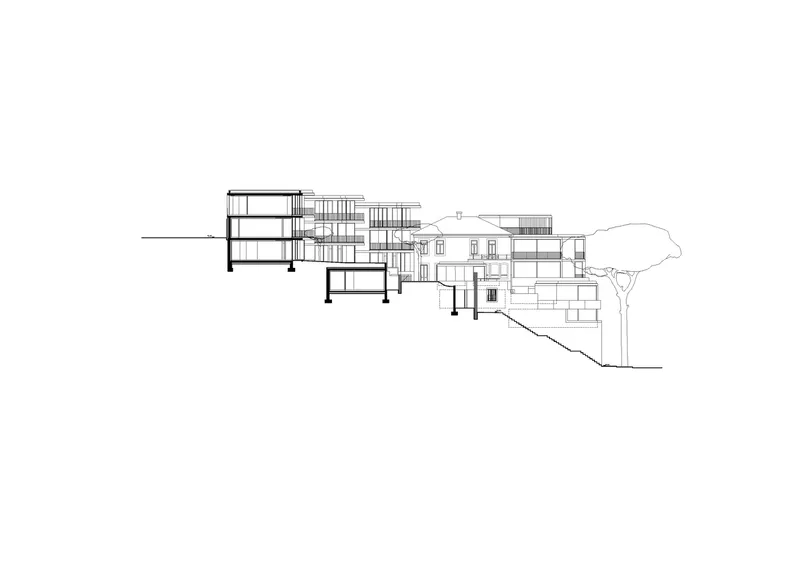
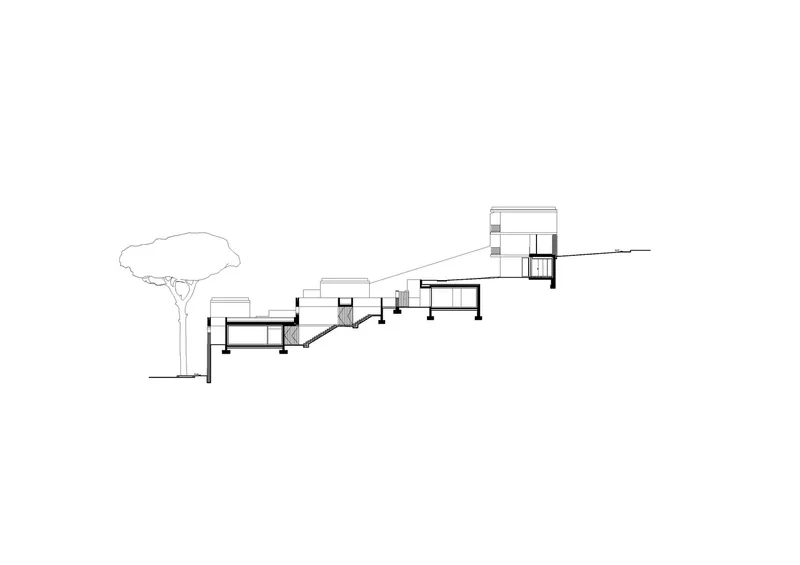
The project combines the restoration of a historic manor with the creation of new, modern homes. This development epitomizes terraced housing architecture, respecting the urban fabric and enhancing the living quality on sloped land.
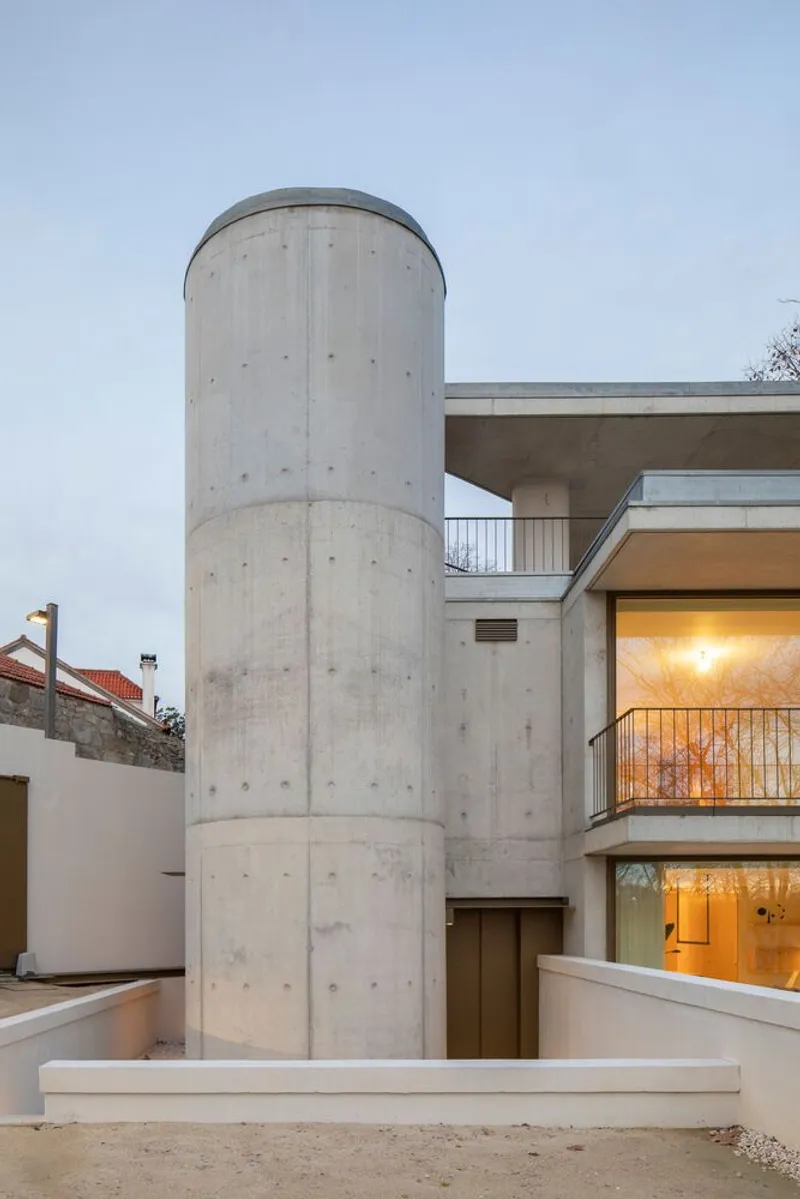
Historical Integration and Modern Living
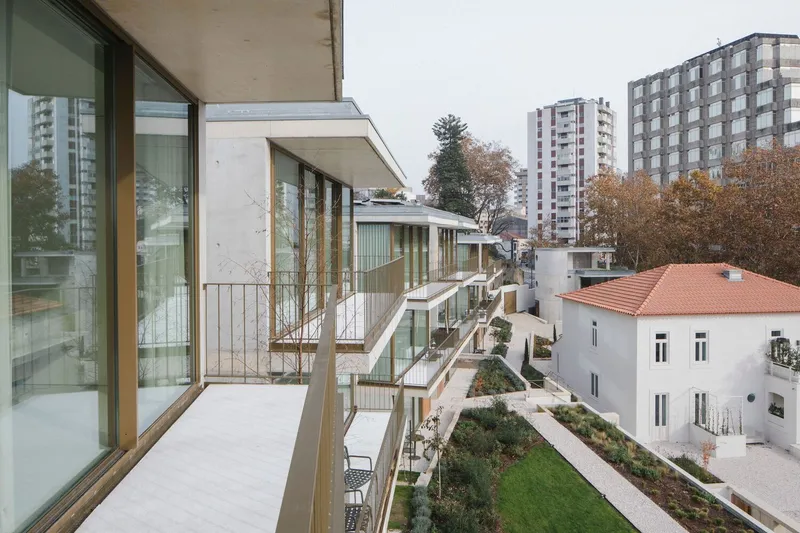
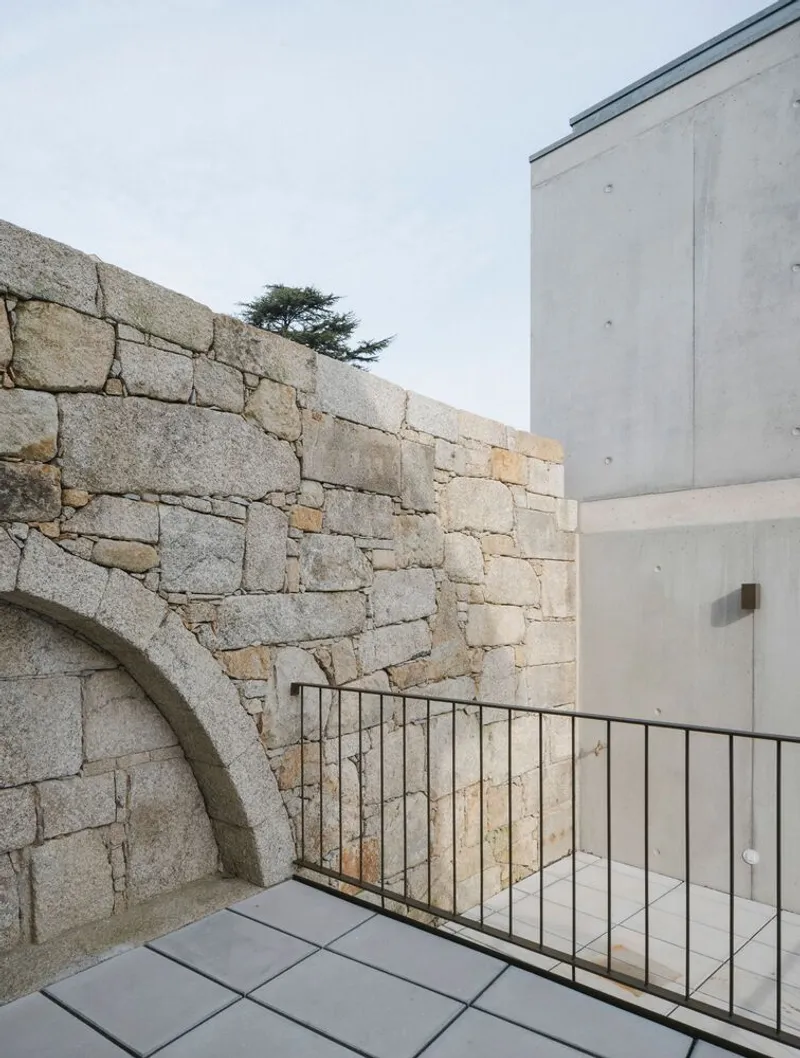
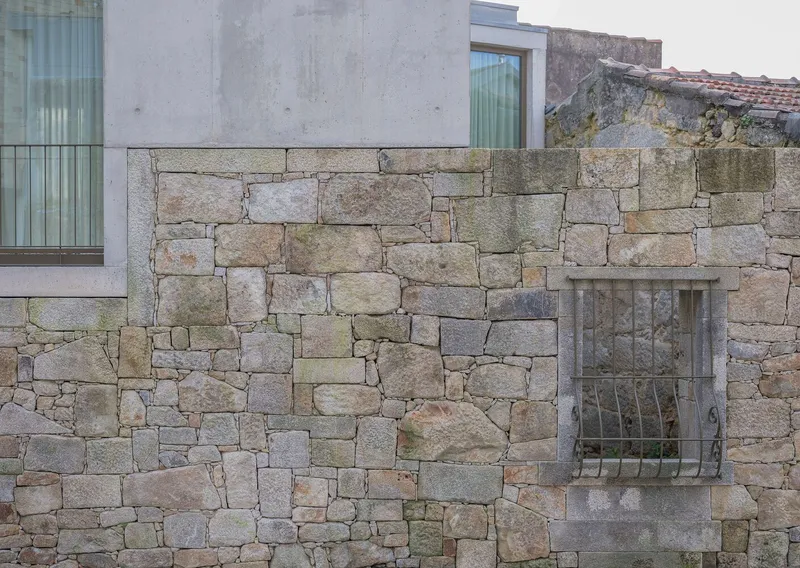
The DPV Residential Building pays homage to Porto's urban landscape while offering contemporary living solutions. Through careful design, Adriano Pimenta maintains the integrity of the site's history and integrates new structures seamlessly.
Utilizing Terraced Land
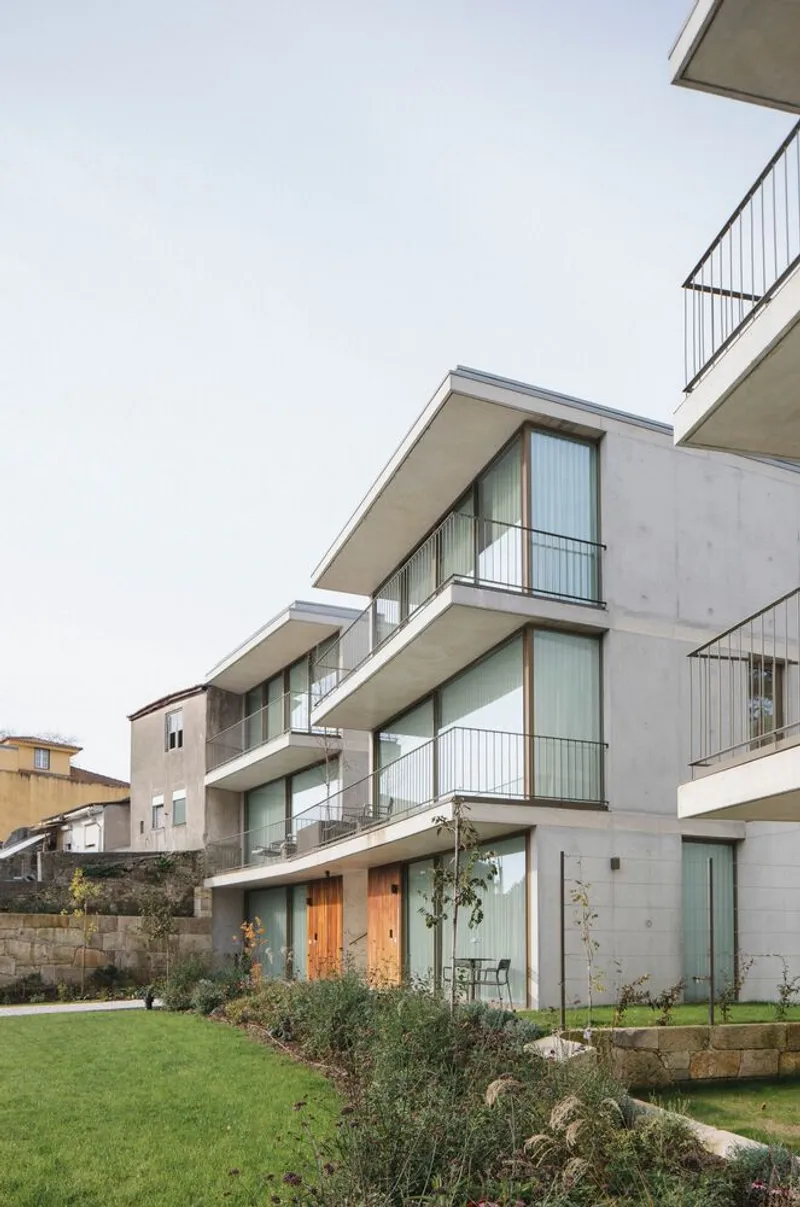
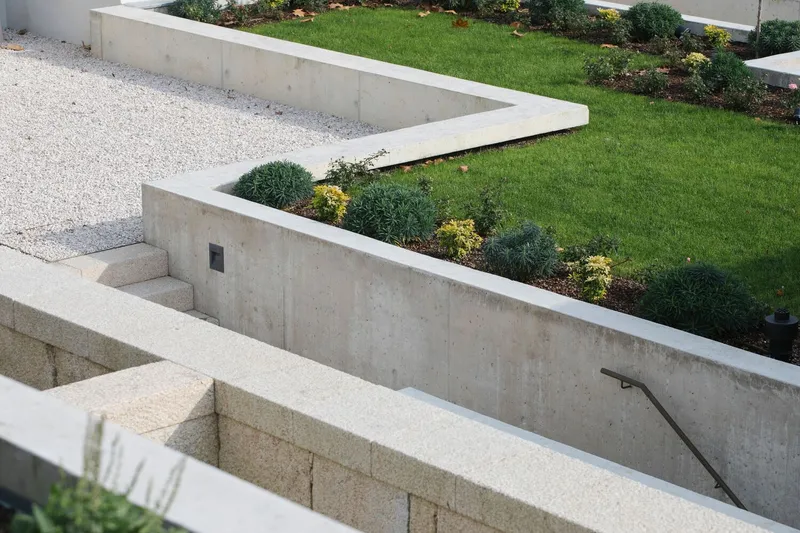
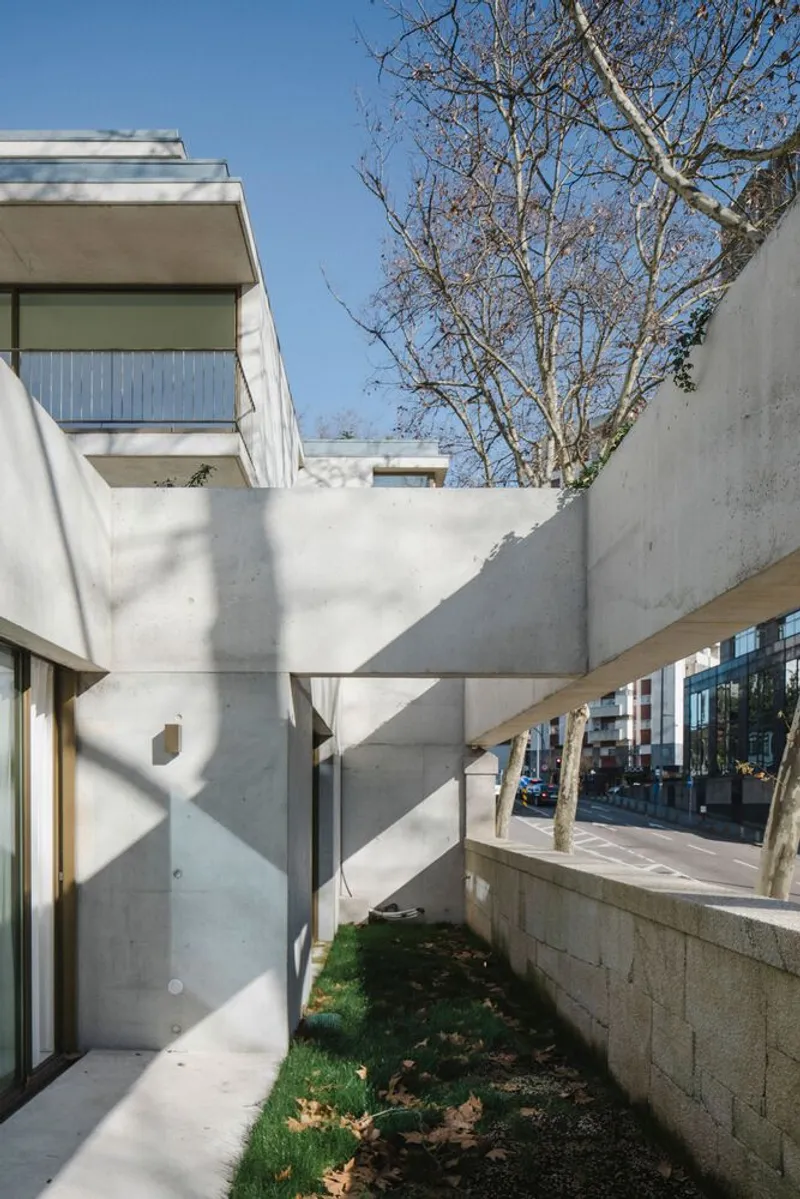
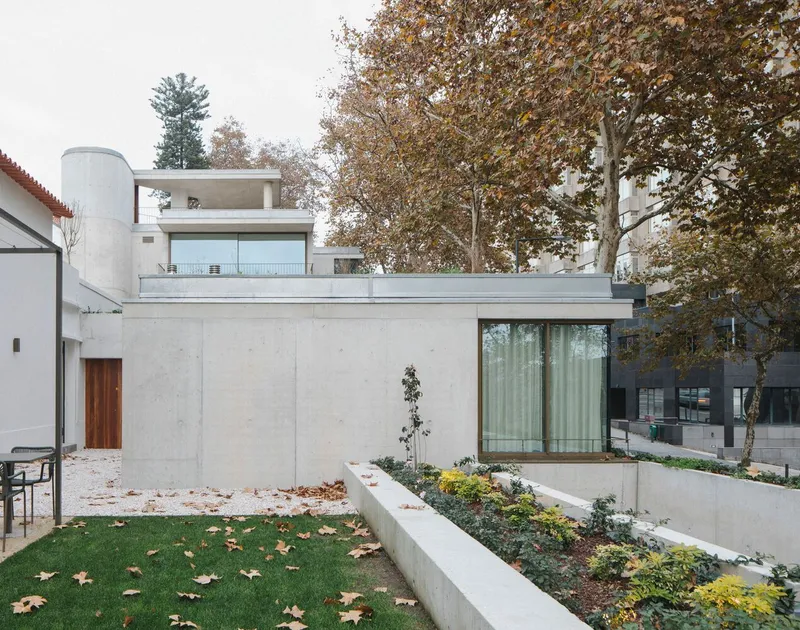
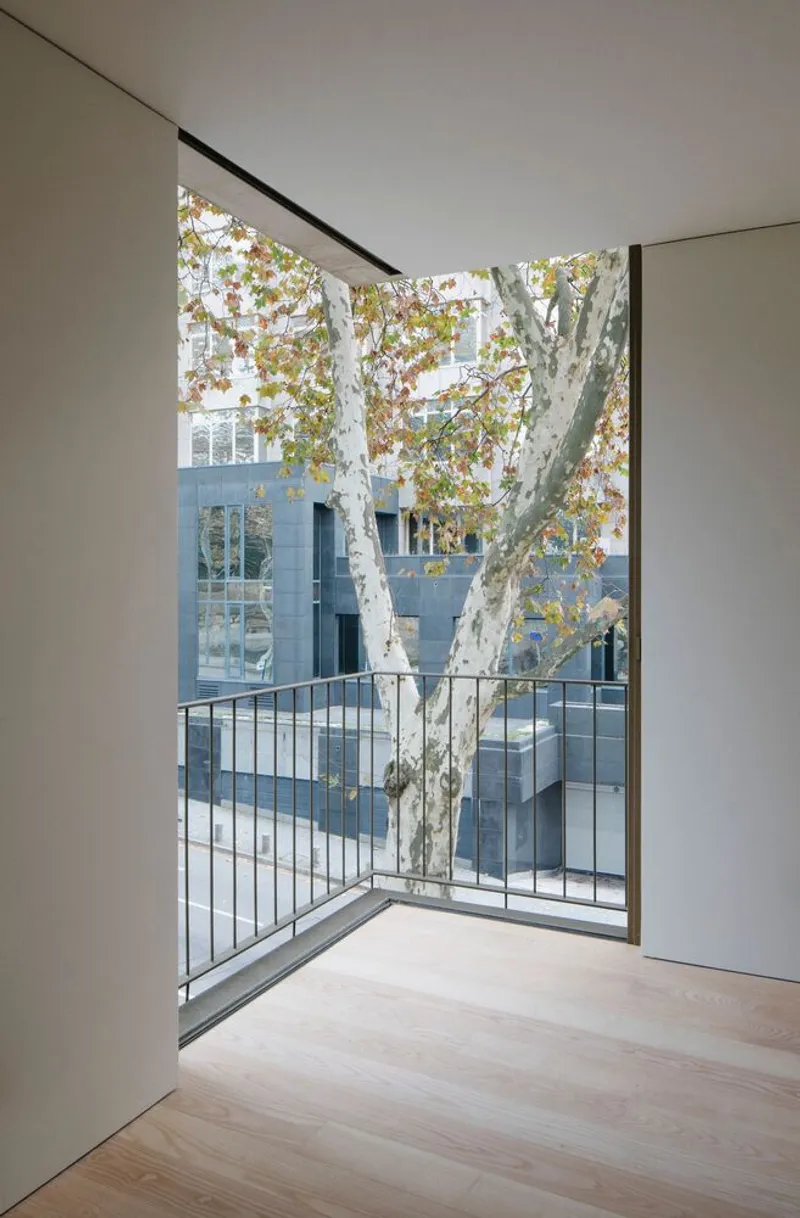
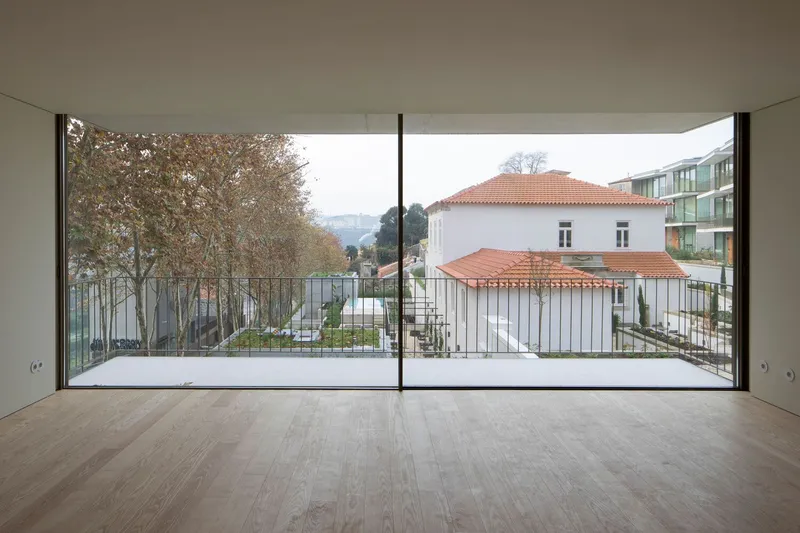
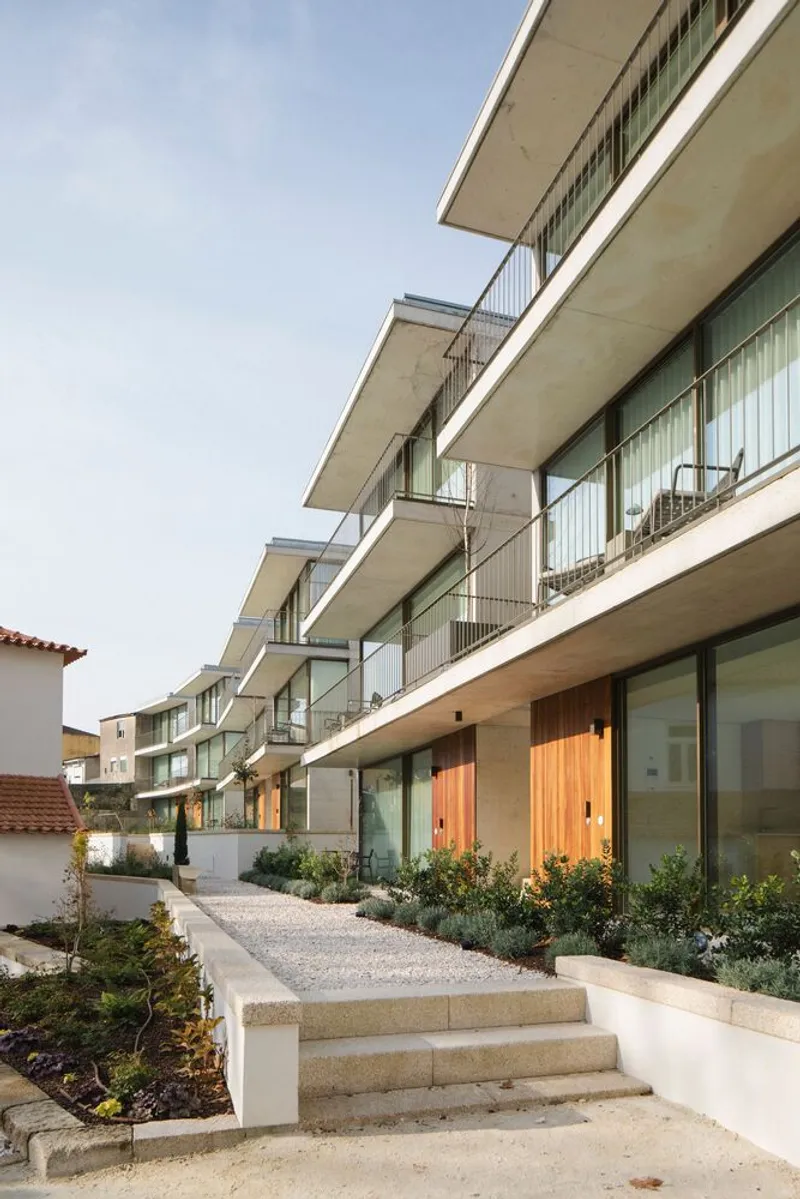
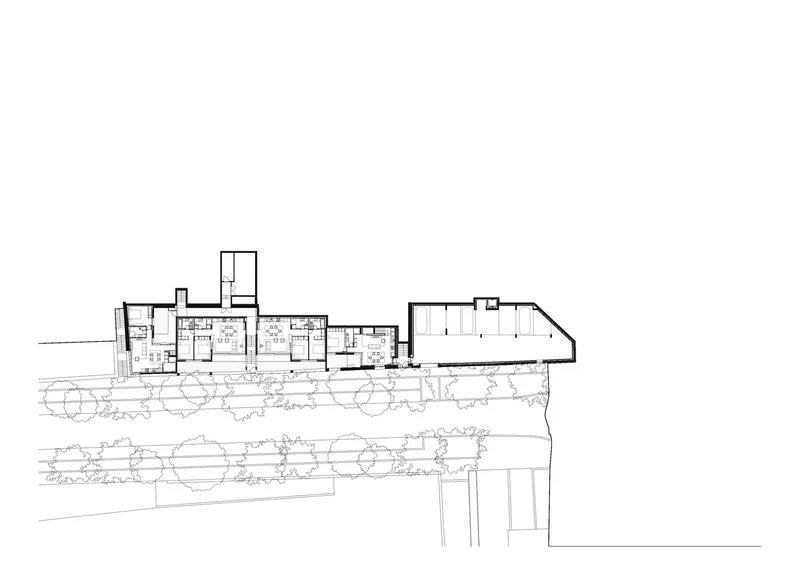
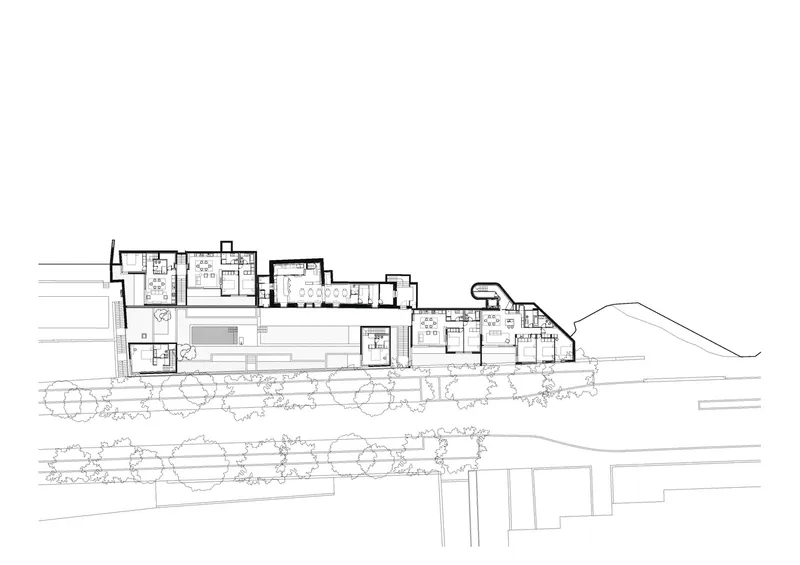
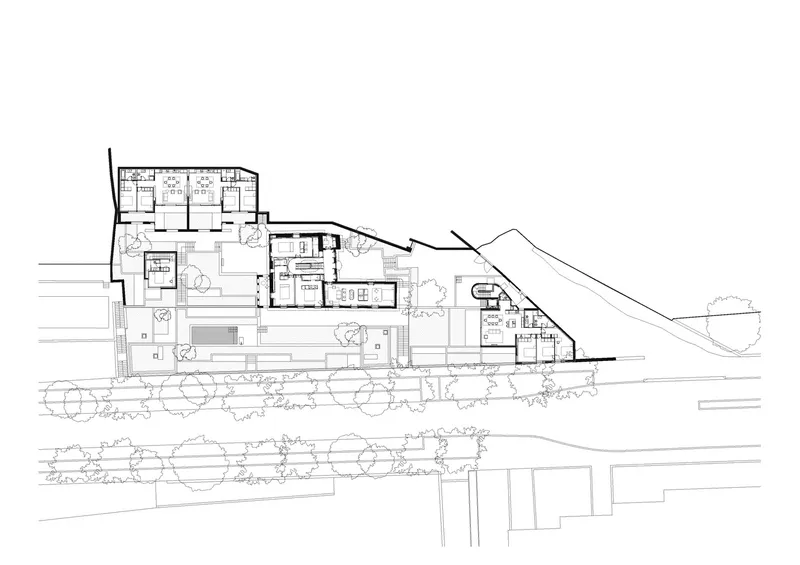
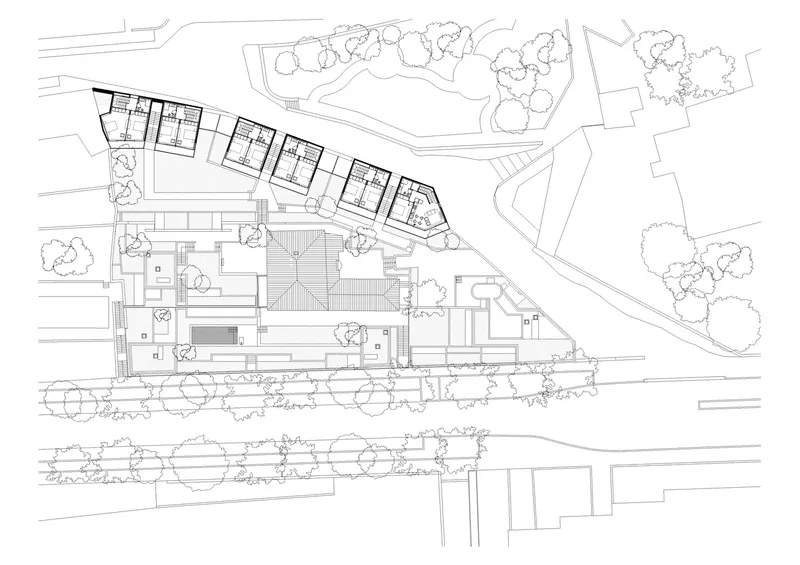
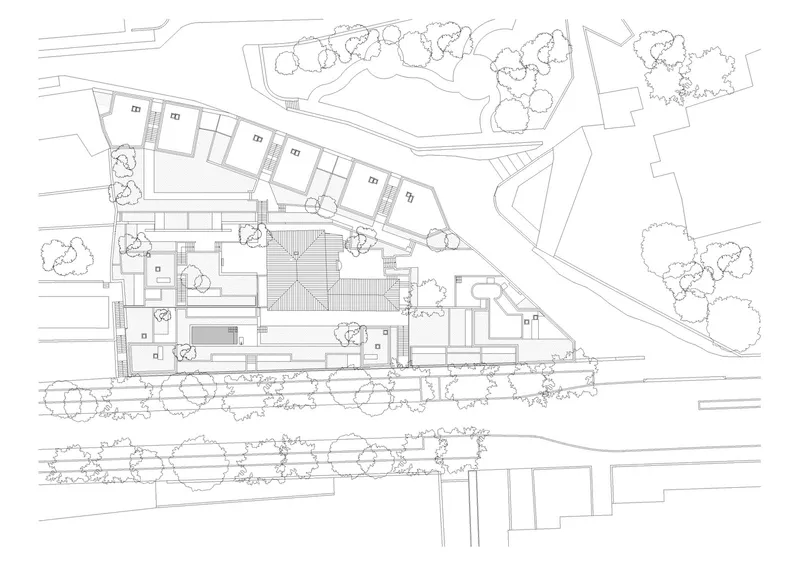
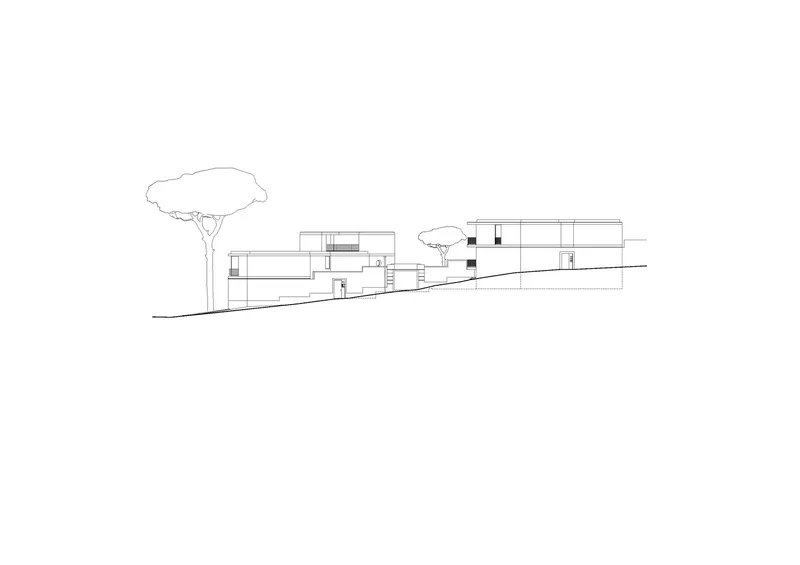
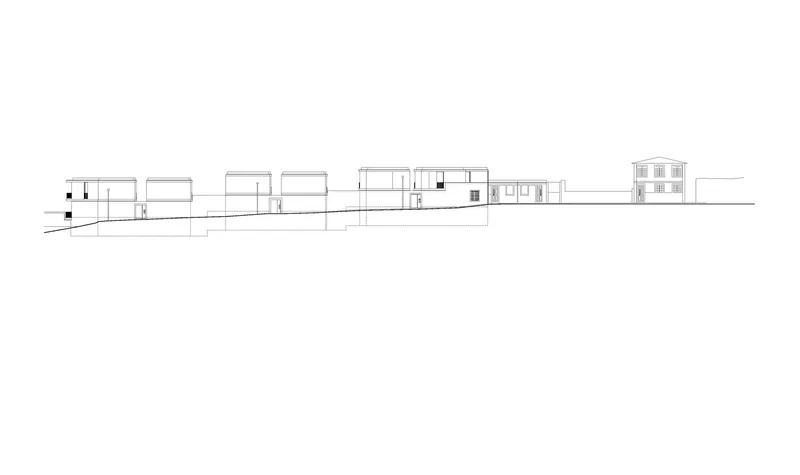
The development utilizes the terraced nature of the site, with homes designed to follow the existing topography. This approach is emblematic of terraced housing architecture, providing each unit with unique views and private outdoor spaces.
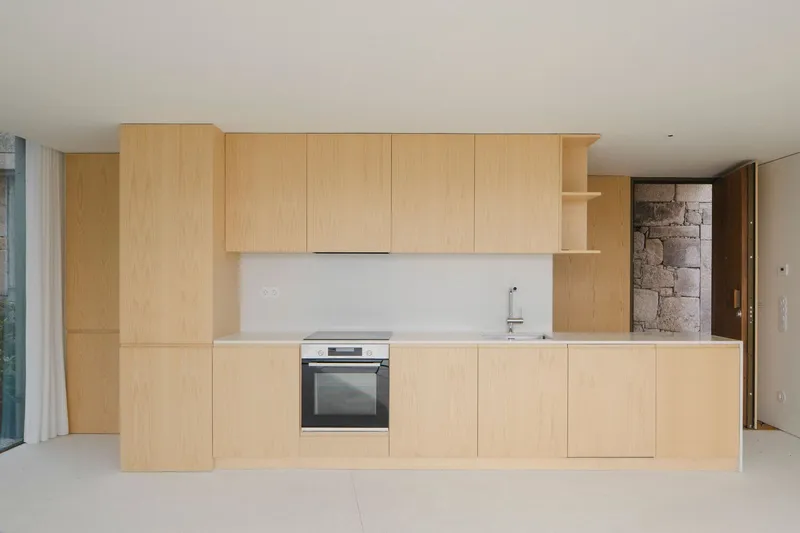
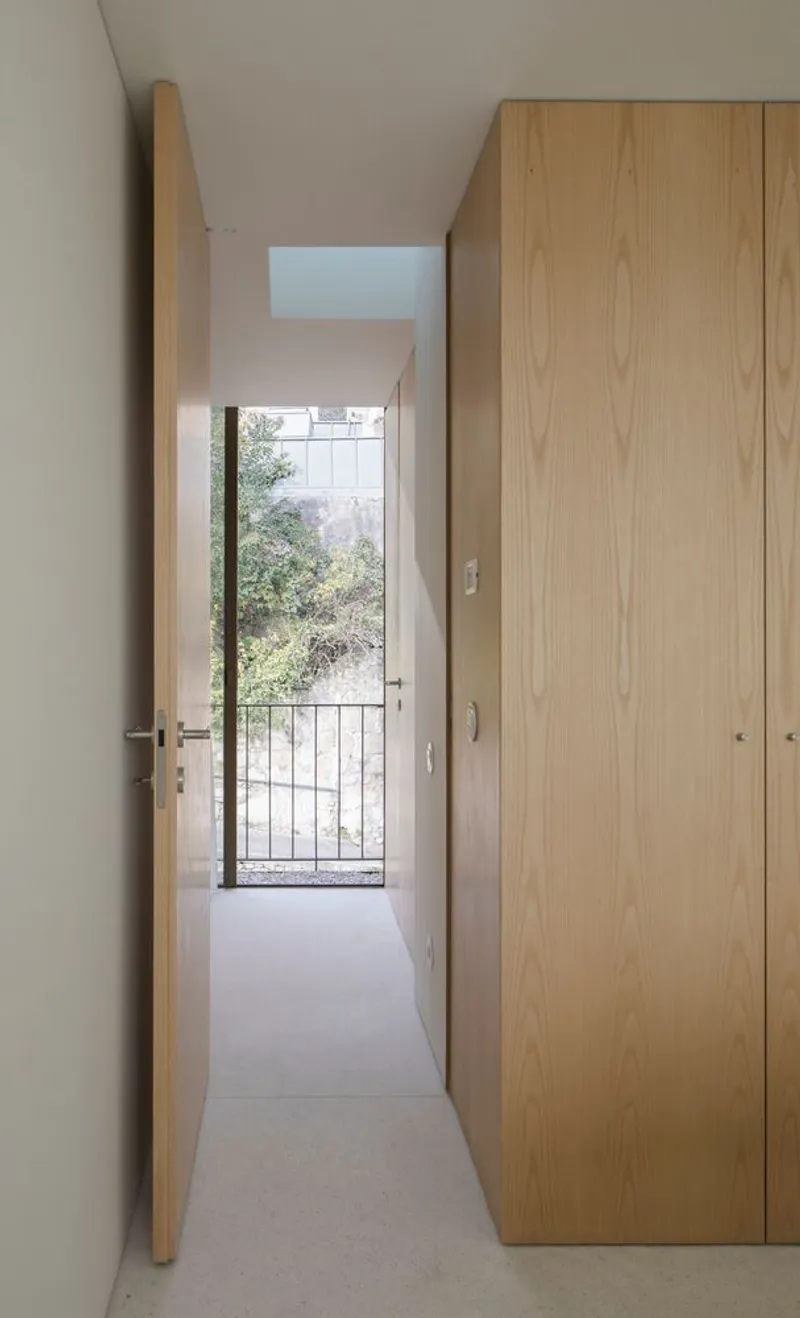
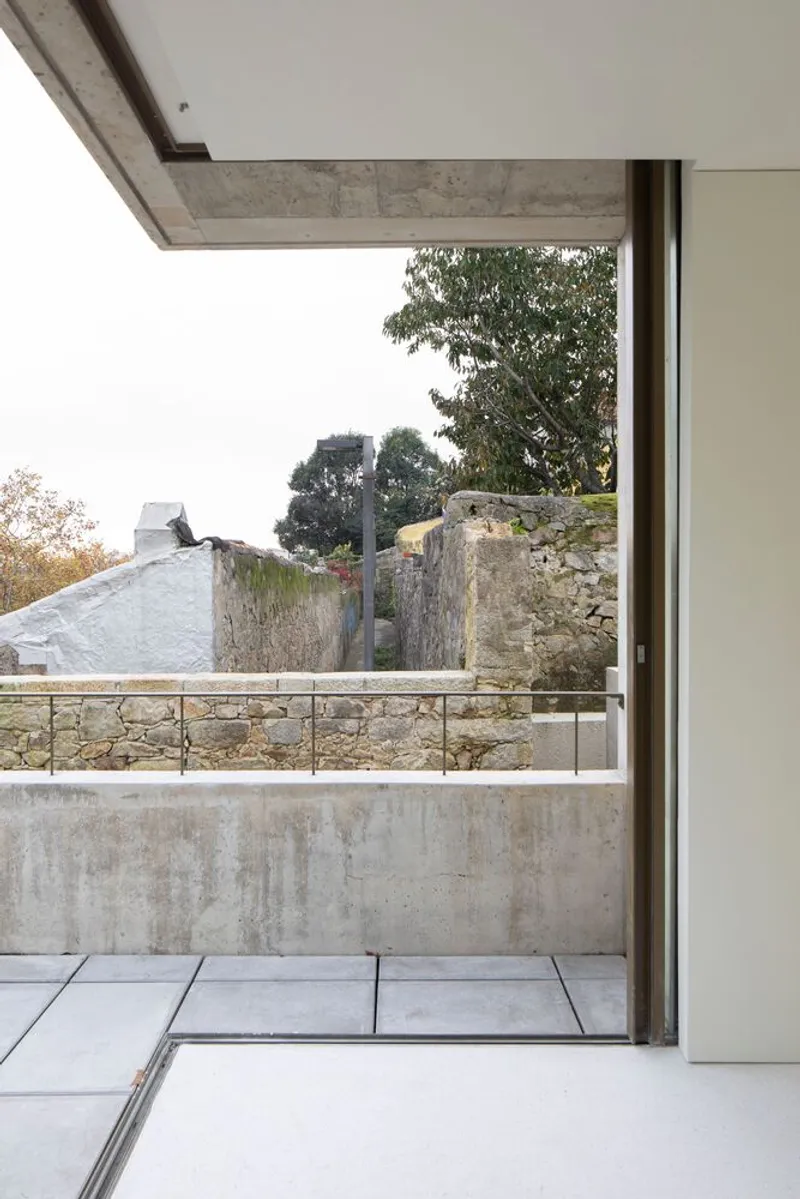
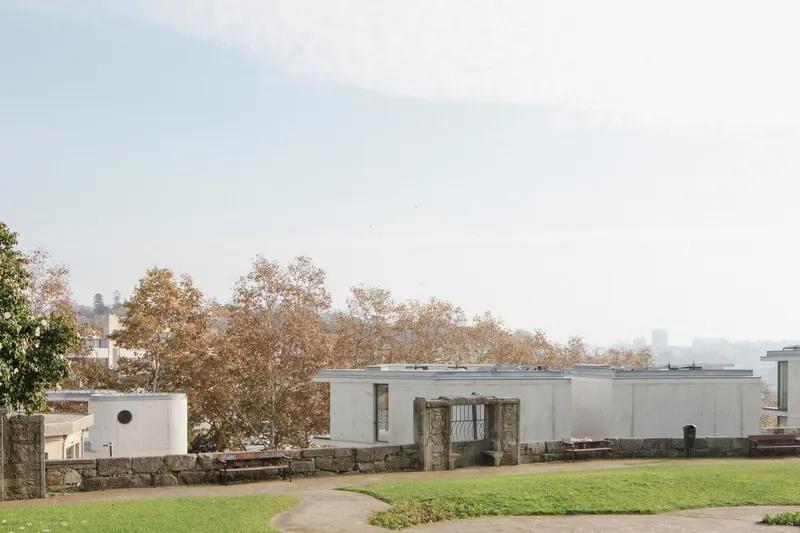
Key Features of the DPV Residential Building
Integration with Nature
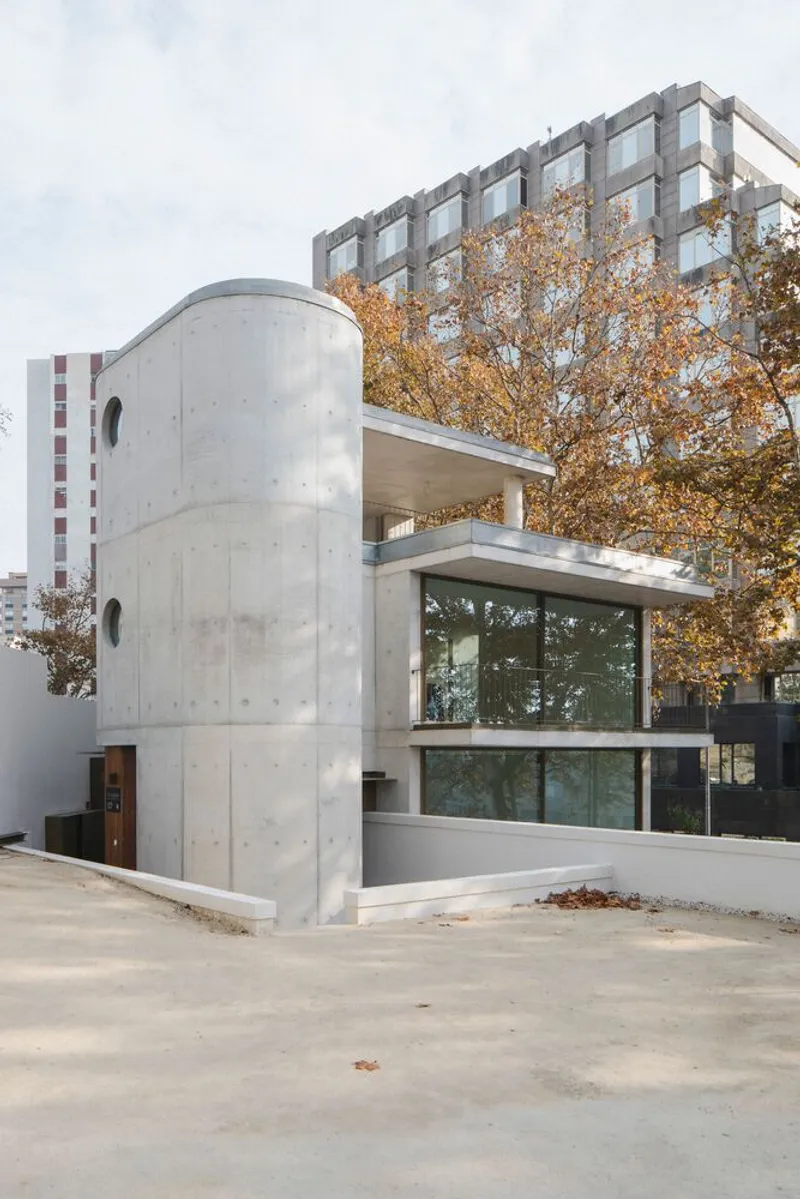
The project stands out for its integration with nature. Large outdoor areas and gardens complement the terraced structure, offering residents serene living spaces amidst the bustling city.
Privacy and Community Balance
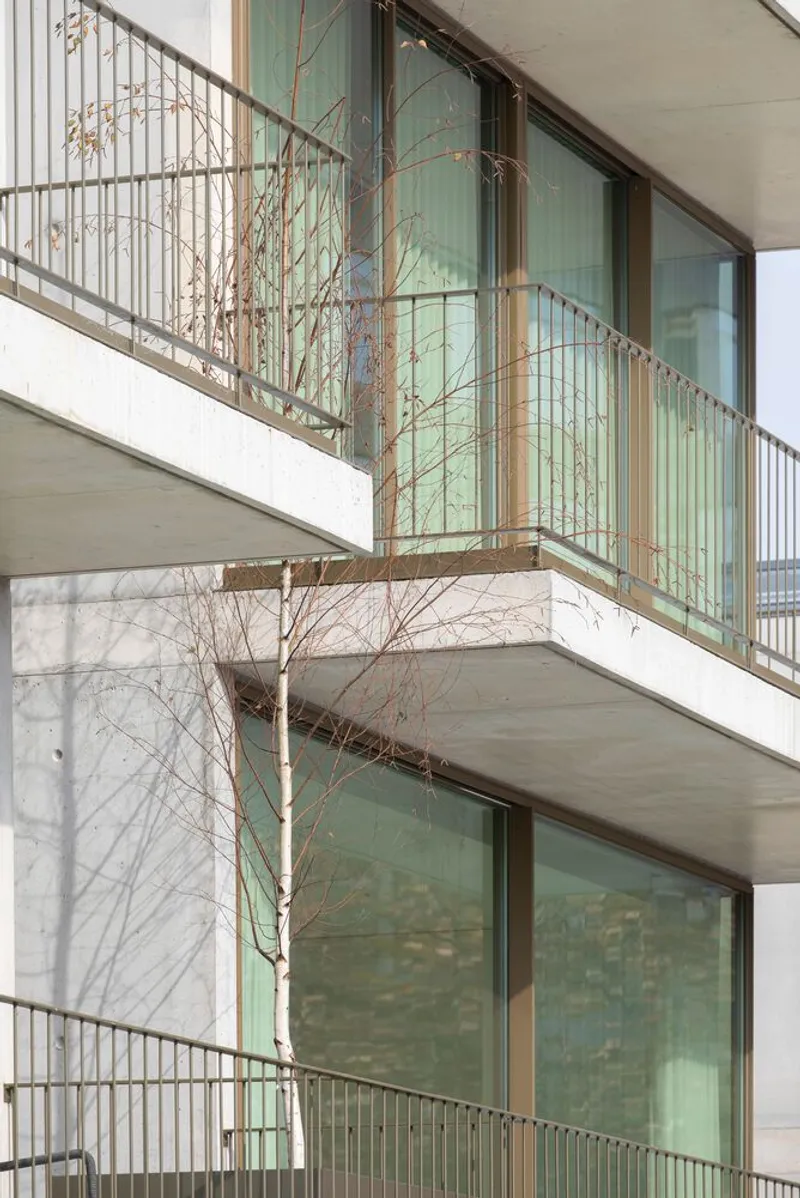
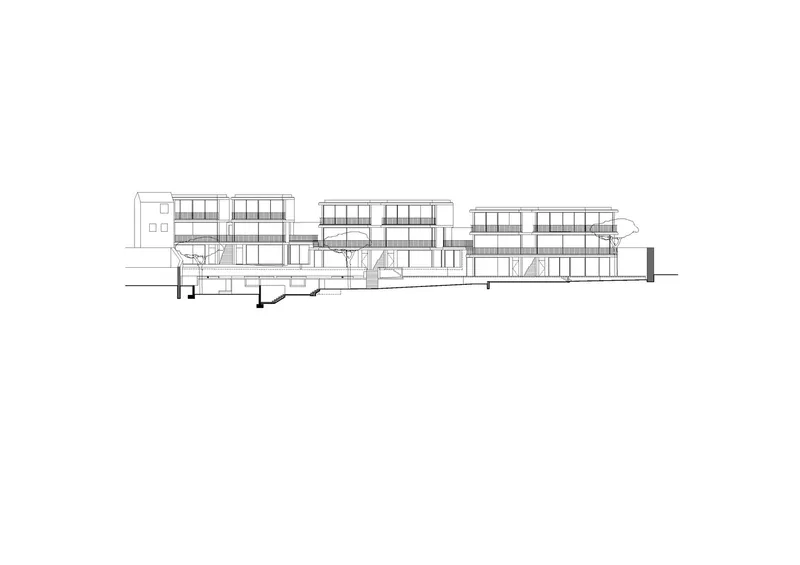
The design ensures privacy while fostering a sense of community. Each unit has independent access and is thoughtfully positioned to maximize privacy and views, a hallmark of terraced housing architecture.
The Future of Terraced Housing Architecture
The DPV Residential Building by Adriano Pimenta represents a forward-thinking approach to terraced housing architecture. Its careful blend of historical respect, modern living, and environmental integration offers a blueprint for future terraced residential projects.
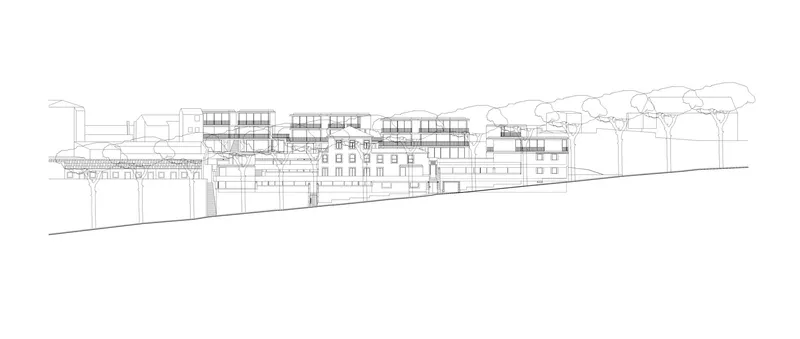
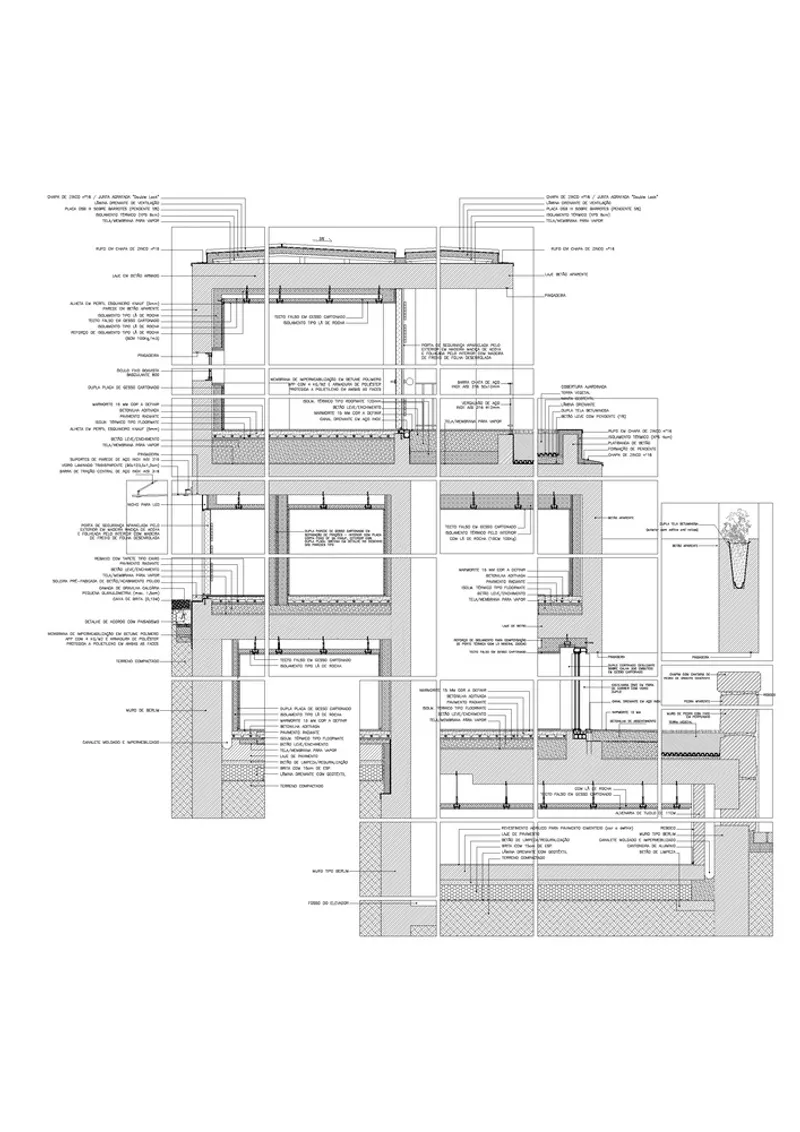
All photographs are work of José Campos




Popular Articles
Popular articles from the community


Hill & Cross Opera: Sculptural Opera House Architecture Shaped by Tallinn’s Landscape and Identity
Hill & Cross Opera reimagines opera house architecture in Tallinn through its sculptural hill, civic plaza, glass wave and a luminous cross.

Co-life: Sustainable Architecture for Age-Friendly Community Living
Co-life reimagines sustainable architecture for seniors through courtyards, rammed earth, shared gardens, and spaces designed for belonging.

The Ocean Hive: Sustainable Architecture for a Self-Sufficient Civilization at Sea
The Ocean Hive imagines sustainable architecture at sea, where modular habitats, algae, wave power and ocean waste sustain a growing colony.

The Musturak Paradise: Senior Living Architecture for a Connected Future in Temara, Morocco
The Musturak Paradise reimagines senior living architecture in Temara via private homes, social spaces, culture, community, and shared care.

Similar Reads
You might also enjoy these articles


Hodi-Mandai Geram
Project Function: Preservation and revitalization of the Intangible heritage and socio-spatial identity of the Hodi by Housing, Cultural Memory Center, Sacred Grove, landscape, local tourism economy


Olio Towers: A Mid-Rise for Performers That Fuses Housing, Rehearsal, and Stage
Located blocks from Houston's Theater District, this modular tower stacks living units around a central performance atrium.

Oasis: Modular Green Housing Carved into Dhaka's Urban Fabric
A shortlisted Plugin Housing entry reclaims unauthorized settlements in Dhaka with stepped concrete volumes, green roofs, and ventilation-driven design.

Black Hole: A Floating Megastructure for the Post-Physical Era
Emiliano Mazzarotto envisions a spherical, self-scaling arena where e-sports, digital hotels, and holographic stadiums replace traditional public space.

Explore Adp Architects Competitions
Discover active competitions in this discipline



Challenge to reimagine the Iron Throne


Photograph architecture without architects


Illustrate the lost glory of Angkor Wat - Render Challenge


Design challenge to reuse E-waste
Comments (0)
Please login or sign up to add comments
No comments yet. Be the first to comment!