The Future of Sustainable Community Center Architecture: Xikou Future Community Center
Discover how the Xikou Future Community Center redefines sustainable architecture, fostering connectivity, inclusivity, and revitalizing rural communities.


Sustainable Community Architecture
Community architecture has evolved to address the pressing needs of sustainability, inclusivity, and functionality. One remarkable example is the Xikou Future Community Center, a flagship project by y.ad studio located in Quzhou, China. This innovative building reimagines what a community center can achieve by revitalizing a historical residential area into a vibrant hub for connection and engagement.
Project Overview
Location and Historical Context
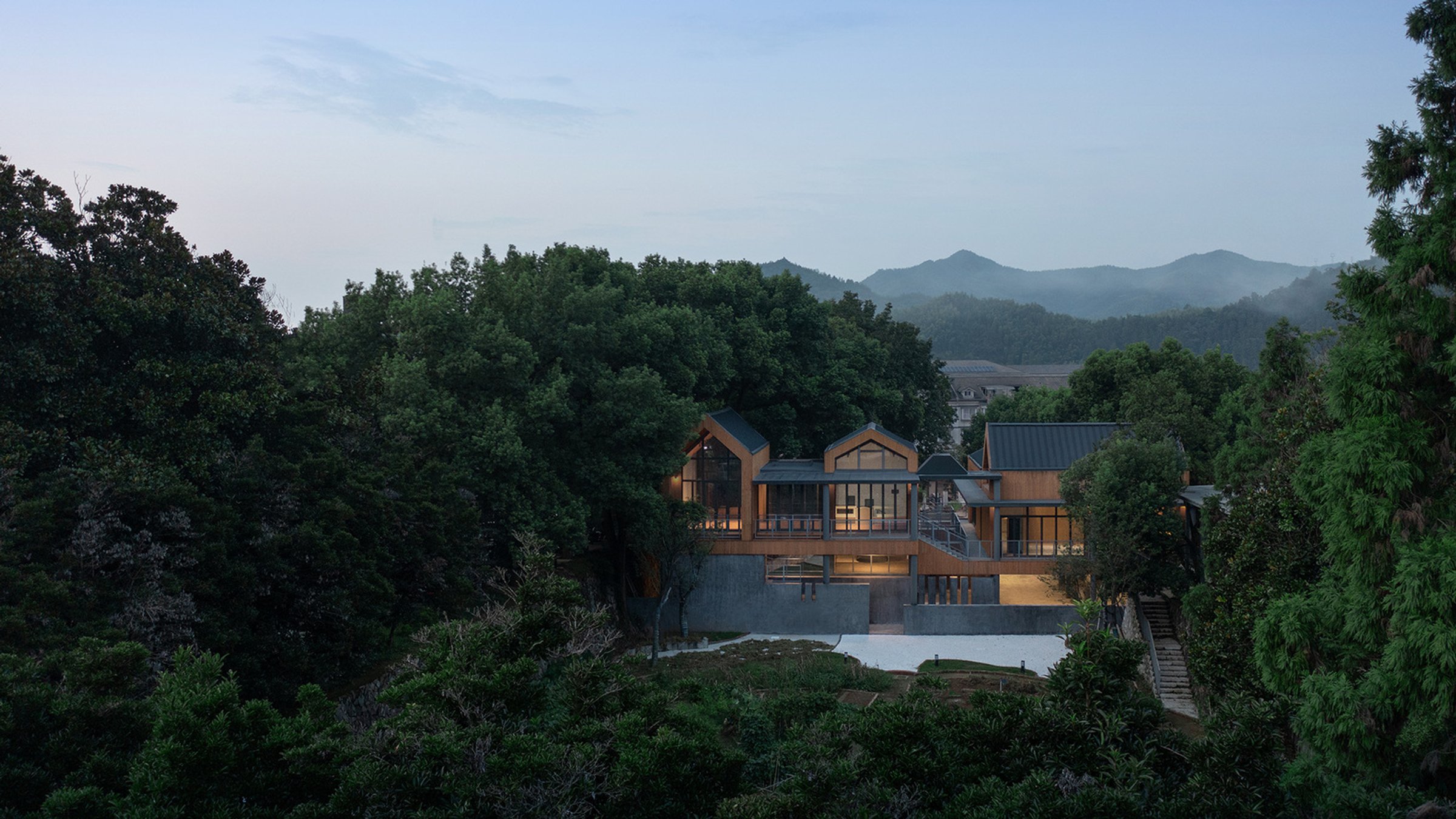
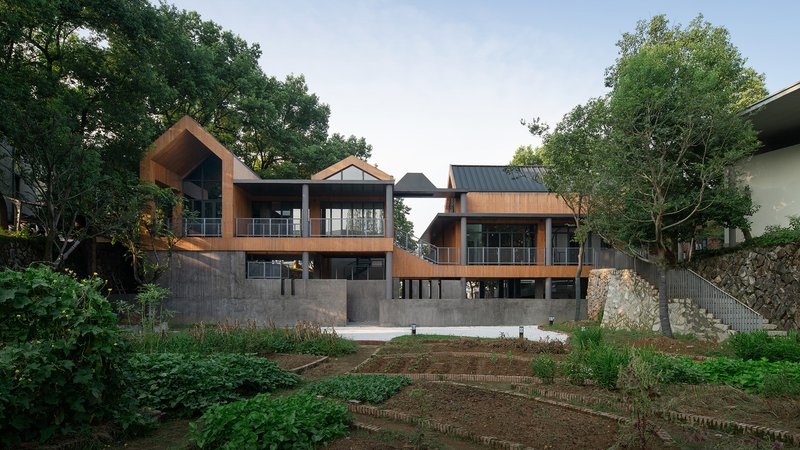
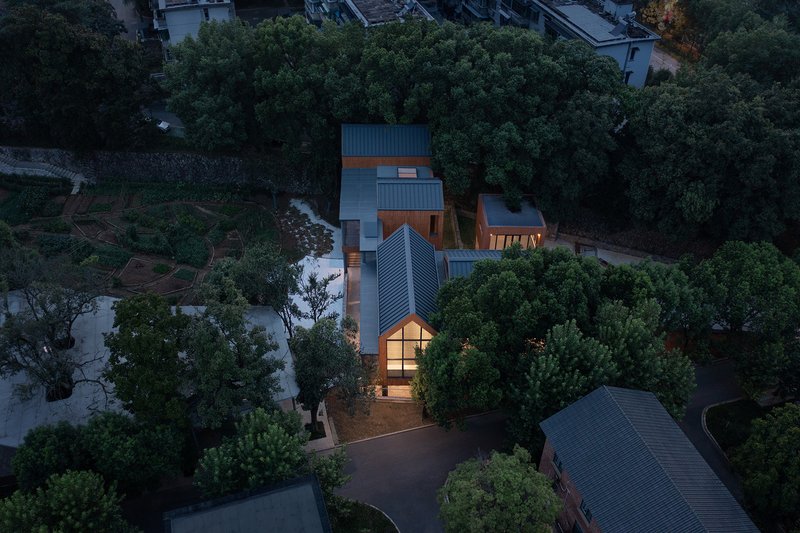
The Xikou Future Community Center is nestled in Xikou Town, within a residential area originally built for pyrite workers over 60 years ago. As the only newly constructed building in this rural renewal initiative, the center marks the culmination of an ambitious project to transform the area into a model community for future generations.
Design Vision
The primary vision of this project is to create a sustainable community center that blends smart technology, sustainability, and versatile public spaces to serve people of all ages. The design reflects a modern interpretation of rural living while addressing challenges such as elevation differences, limited space, and a need for connectivity.
Key Features of the Xikou Future Community Center
Site Integration and Elevation
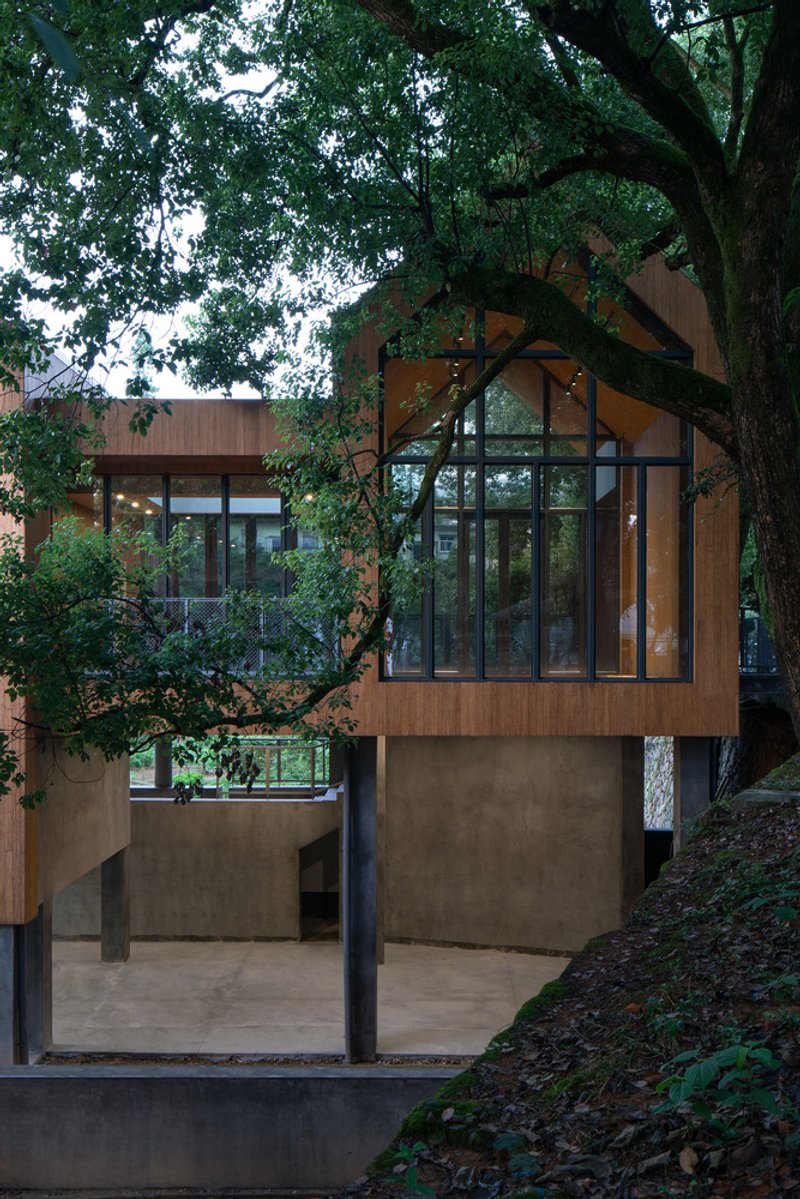
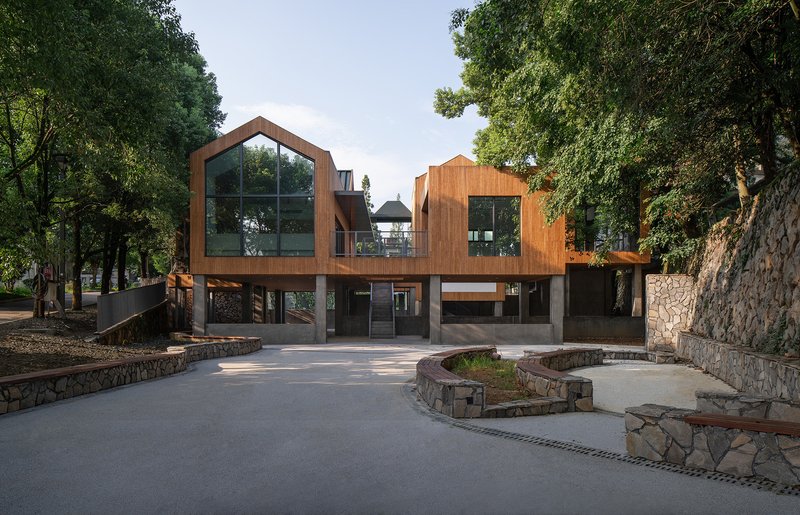
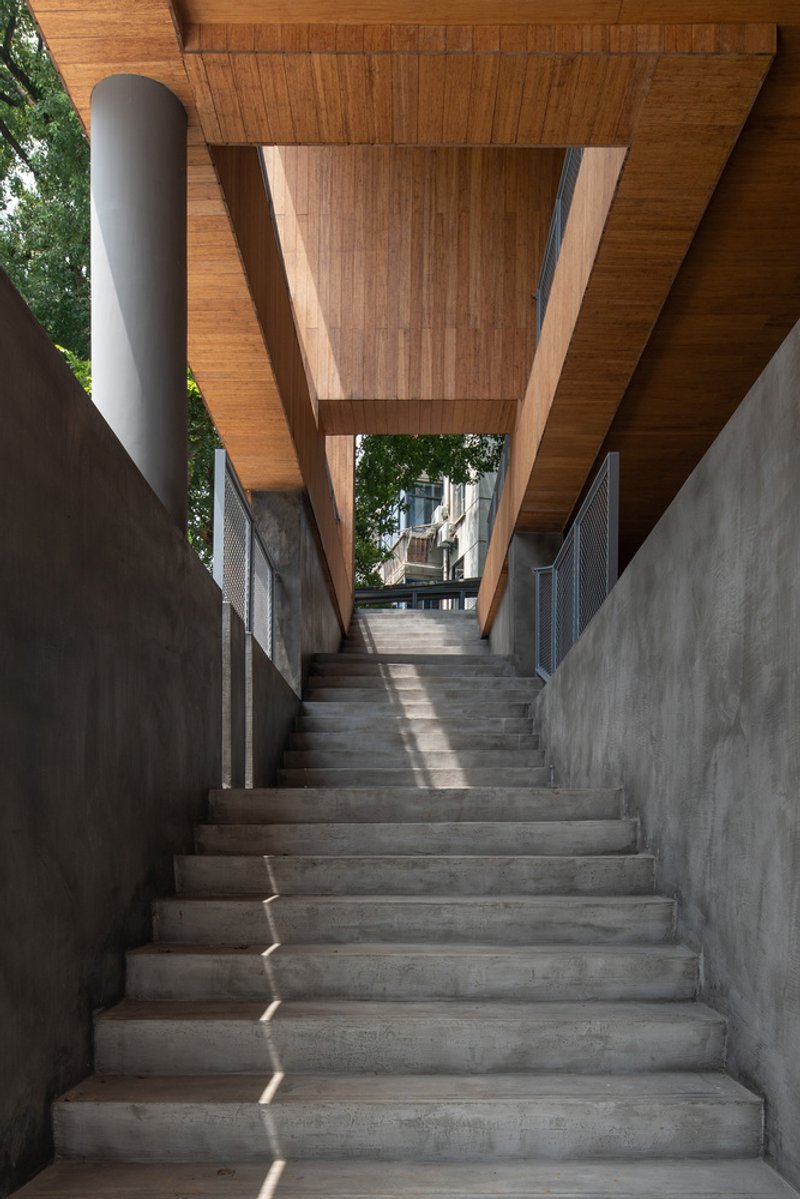
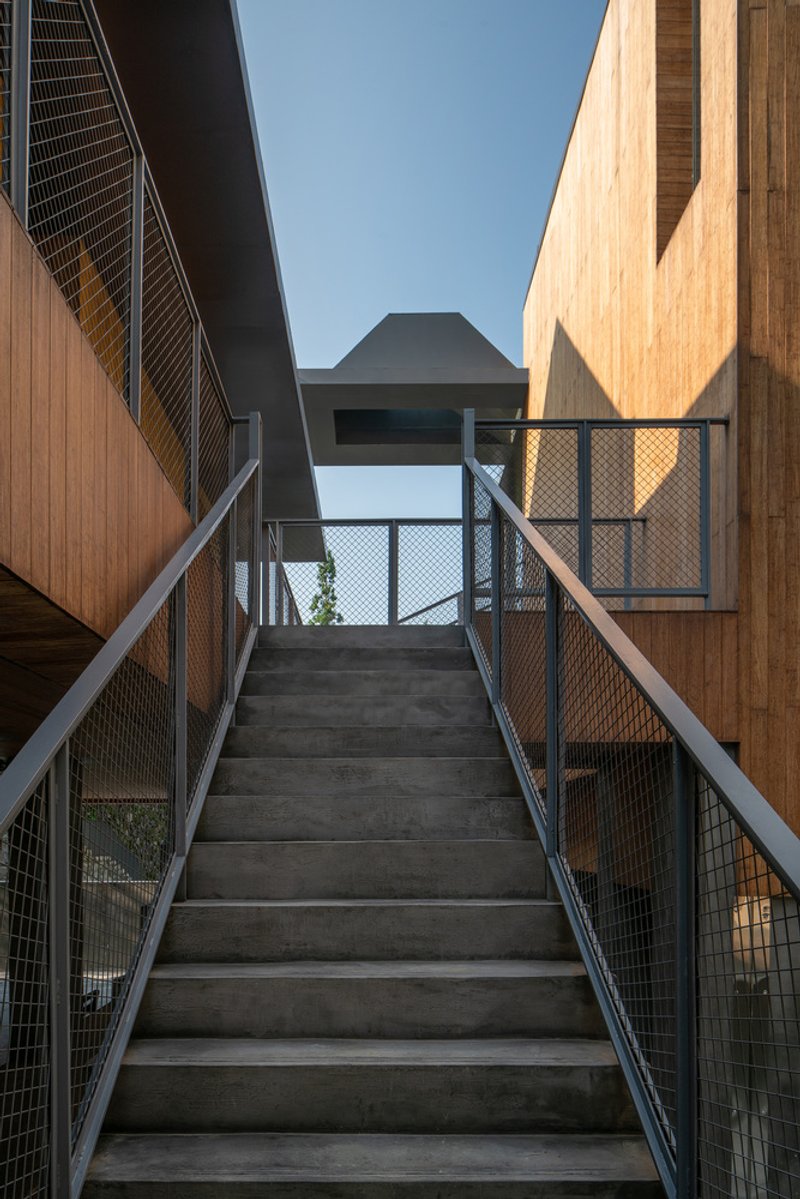
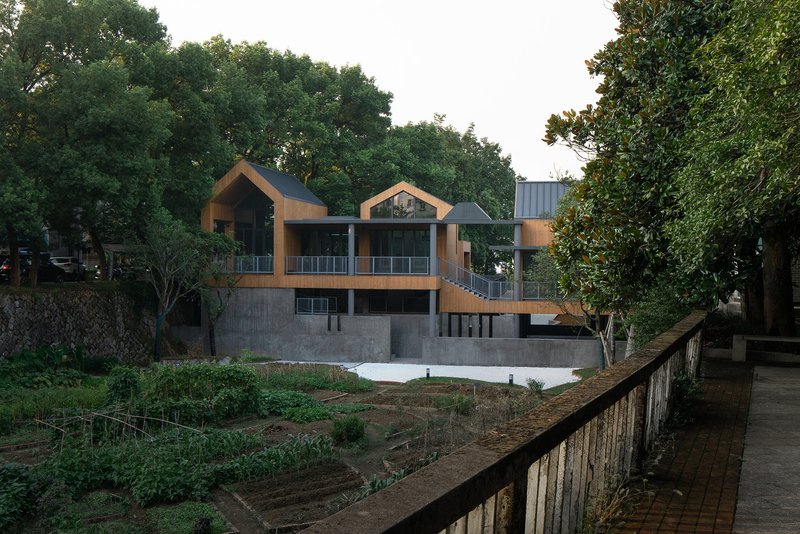
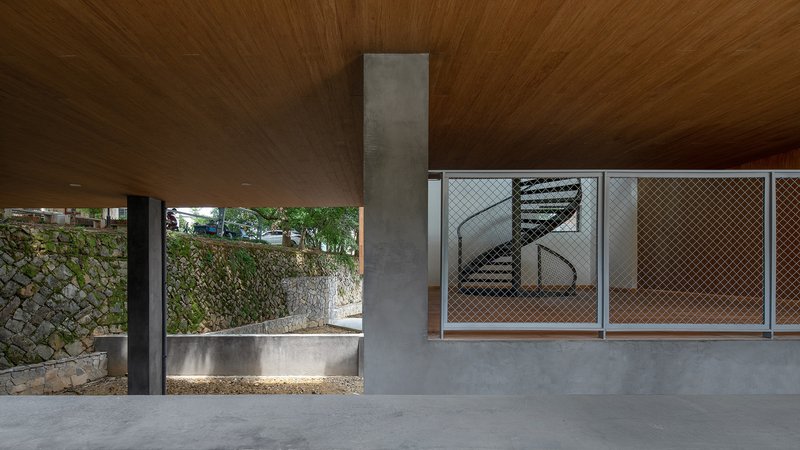
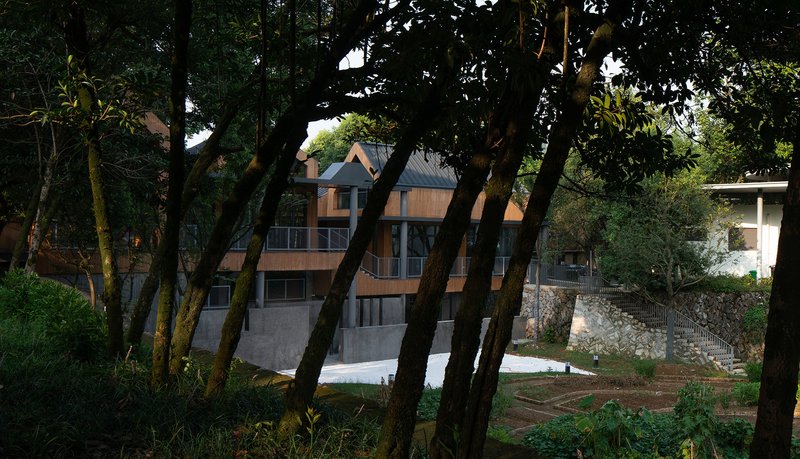
The site is unique, located within a sunken vegetable field and bordered by lush stone retaining walls. Its position, lower than the surrounding roads, required innovative elevation strategies. By raising the ground floor to align with the surrounding roads, the architects created a "bridge" that physically and symbolically connects previously isolated community areas.
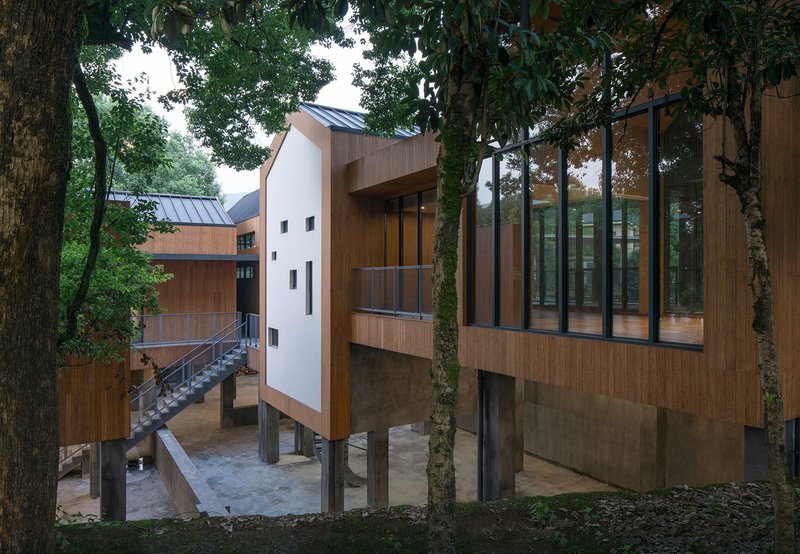
Architectural Design
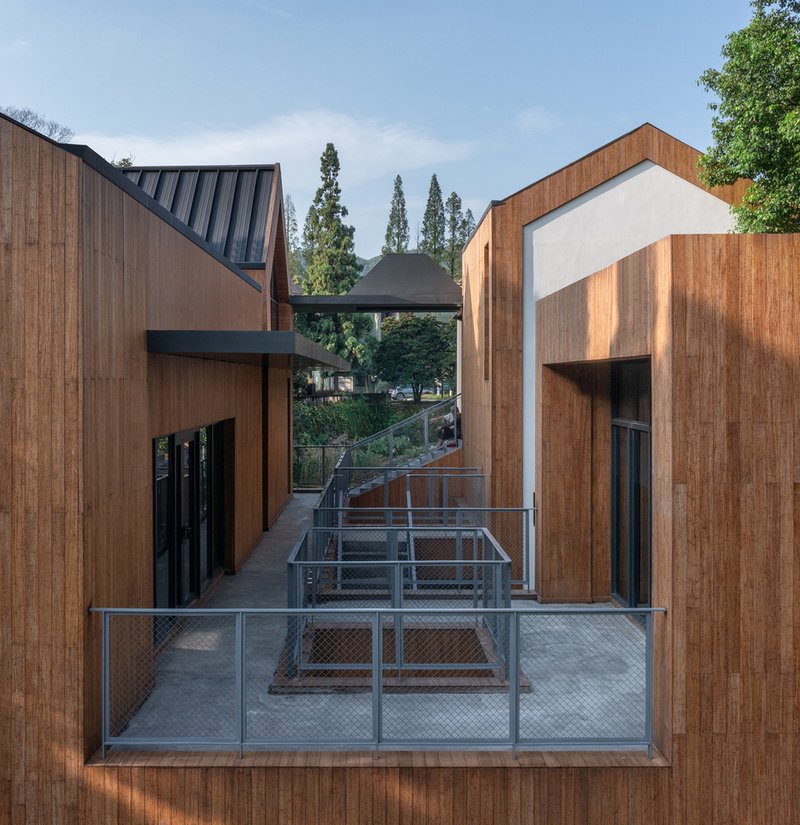
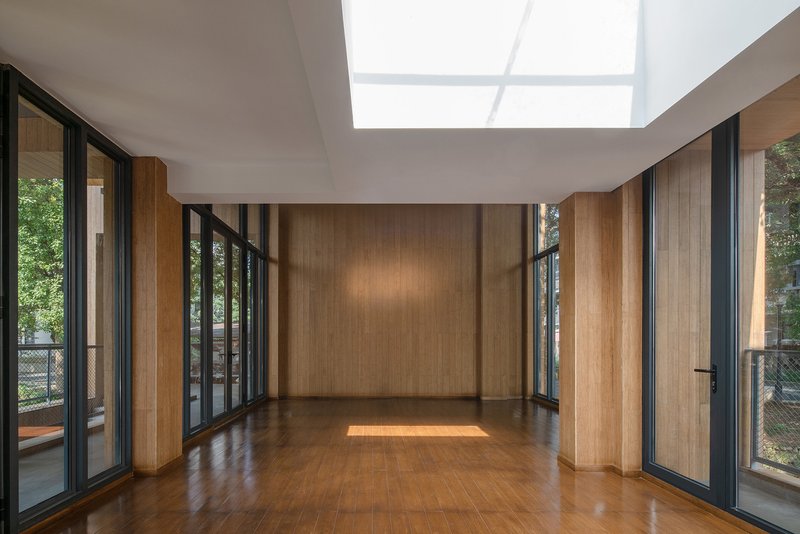
The building is composed of interconnected blocks that feature:
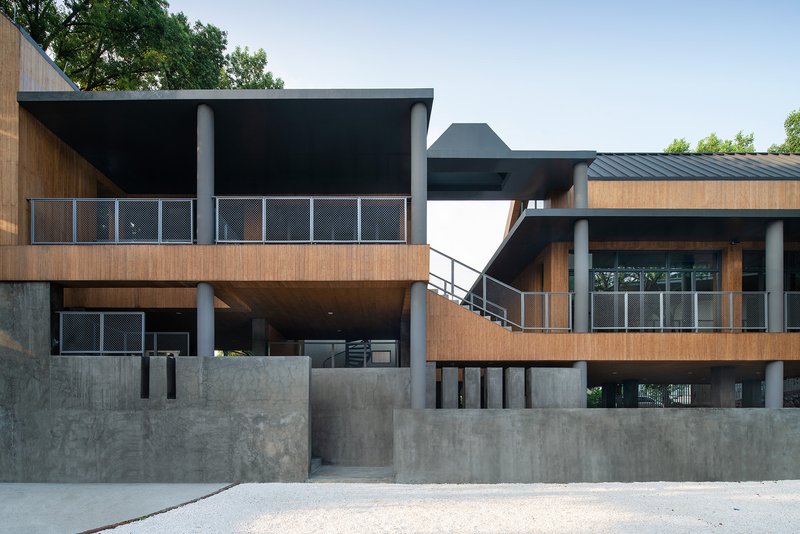
- Elevated structures supported by stilts to maximize usable ground-level space.
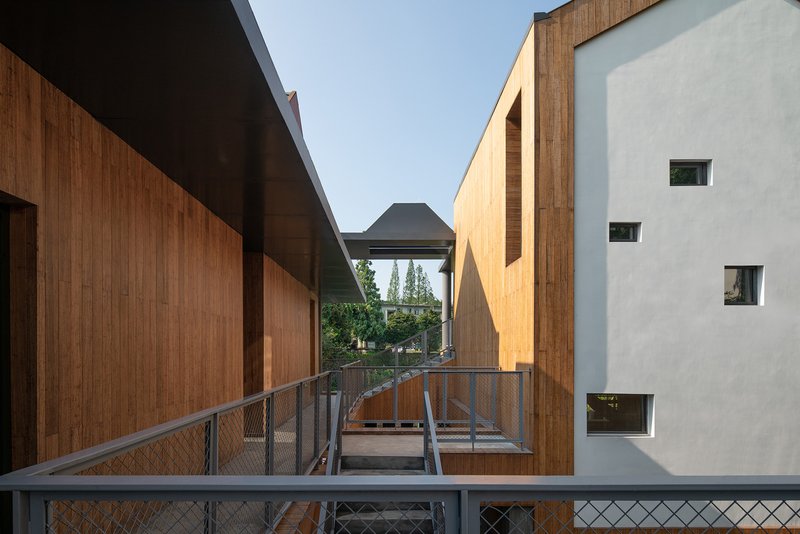
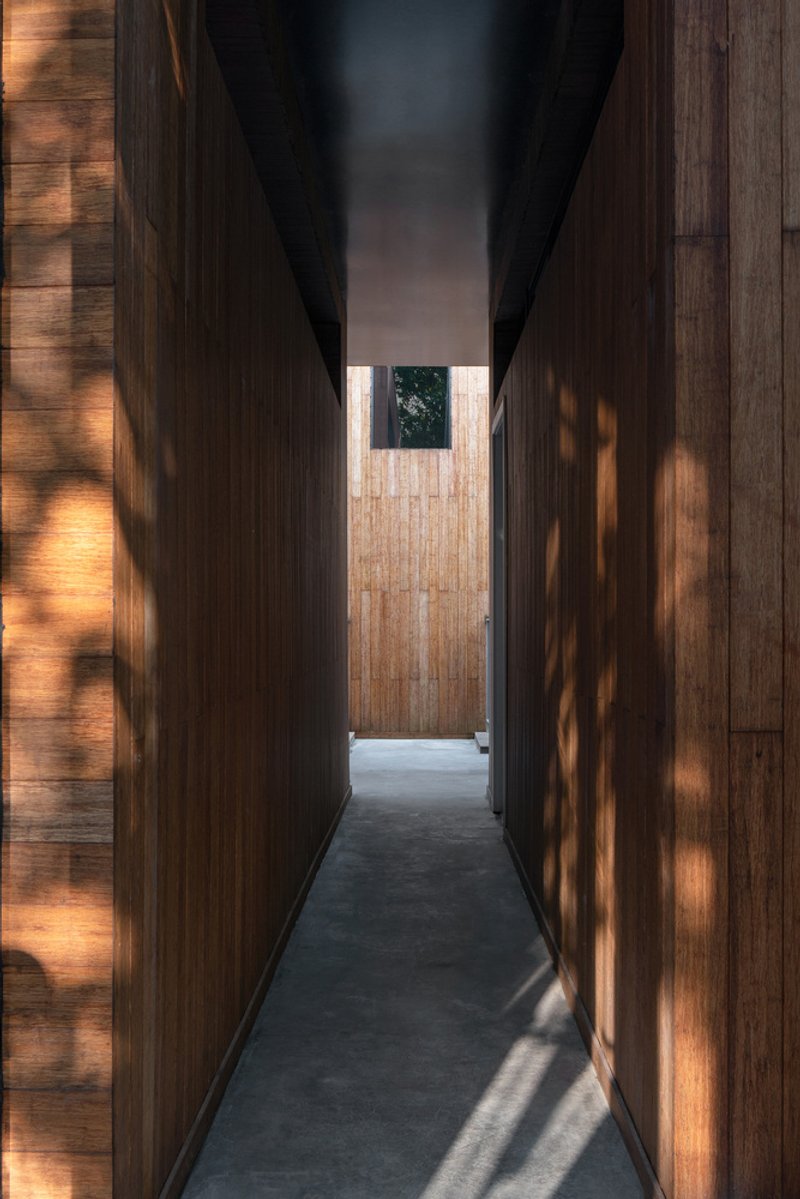
- Outdoor and semi-outdoor corridors facilitating movement and engagement.
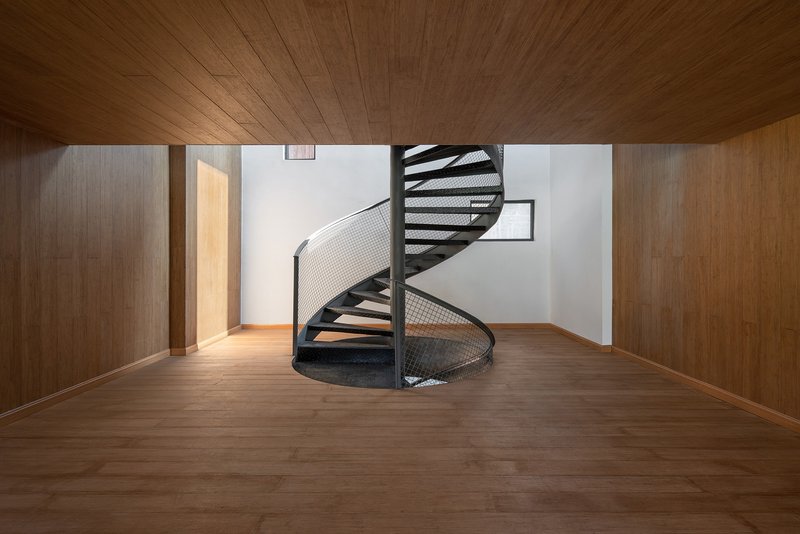
- A combination of vertical stairways and steps to overcome the elevation gap seamlessly.
Sustainability and Functionality
Sustainability is central to the design, achieved through:
- Energy-efficient building practices.
- Shared spaces that reduce the need for extensive individual facilities.
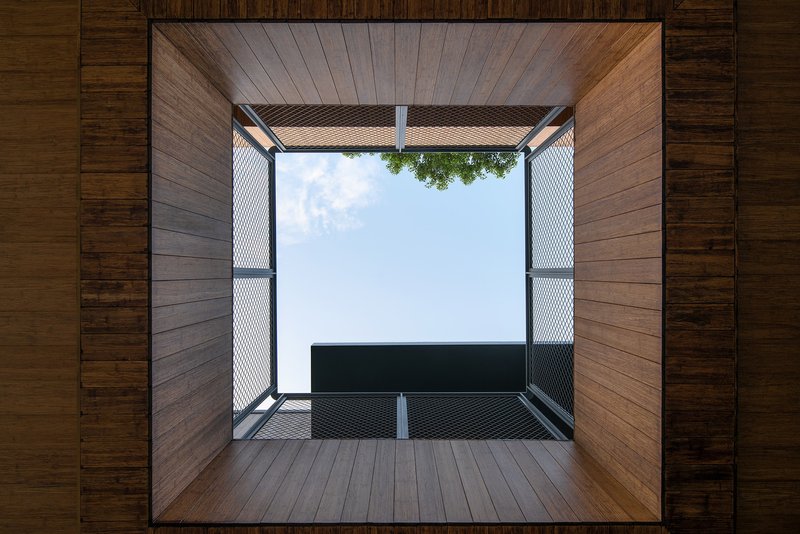
- The incorporation of natural ventilation and shading from surrounding trees.
Versatile Spaces for Diverse Community Needs
The Xikou Future Community Center caters to a wide range of needs, including:
- Children's Areas: Play zones, a sand pool, and climbing walls.
- Educational Spaces: Dedicated learning areas for senior citizens and workshops for skills development.
- Health and Wellness: Yoga rooms, healthcare facilities, and multipurpose halls for fitness activities.
- Public Areas: Outdoor gathering spaces, entertainment zones, and a lecture hall for events and discussions.
Addressing Community Connectivity
One of the project’s greatest successes lies in reconnecting previously segregated areas. By bridging the elevation gap with its innovative design, the community center enhances accessibility and fosters a strong sense of belonging among residents.
Impact on Rural Renewal
The Xikou Future Community Center sets a benchmark for rural renewal projects by blending traditional elements with contemporary architectural practices. Its success lies in:
- Revitalizing an aging residential area.
- Encouraging communal activities and interactions.
- Promoting a sustainable lifestyle that harmonizes with the local environment.
The Xikou Future Community Center is a testament to the transformative power of sustainable community center architecture. By prioritizing inclusivity, functionality, and sustainability, the project not only addresses the immediate needs of the Xikou community but also serves as an inspiring model for future developments worldwide.
Through thoughtful design and strategic planning, this project has redefined what a community space can be, proving that architecture plays a pivotal role in shaping a sustainable and connected future.