
The modular cabin
Connection between architecture and nature

The Modular Cabin
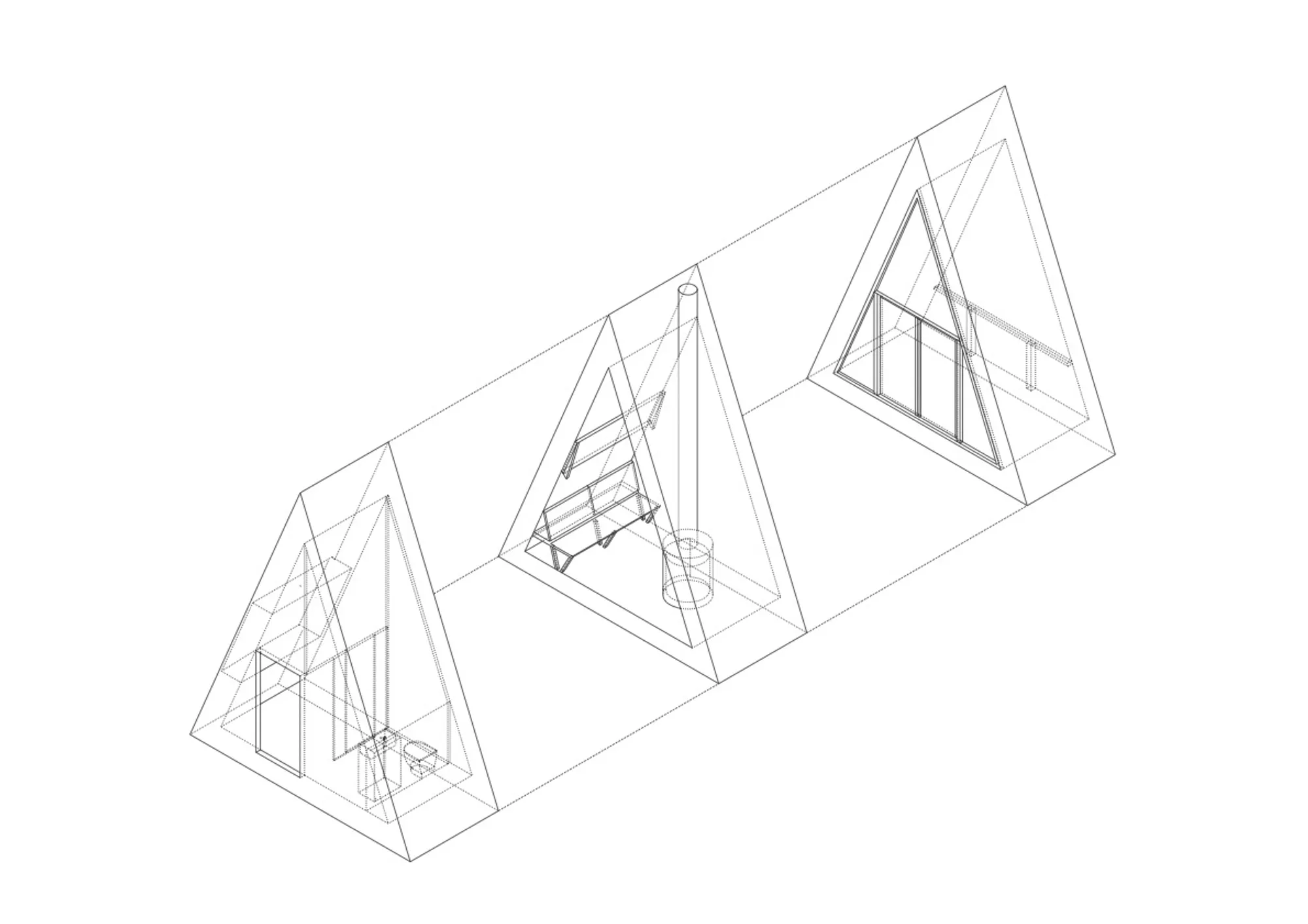
Norway, with its mountainous and natural landscape, is considered a unique experience for every traveller, explorer and nature lover. The excitating closeness to nature makes Norway attractive for a symbiotic coexistence between people and nature. At this time the connection between the concepts of circular building and climate change is gaining increasing importance. So-called trekking cabins are therefore increasingly coming into focus, providing protective accommodation for hikers and travellers in the most remote places in the middle of nature. Over time, the design and way of life has evolved, but the function of a compact retreat in the most remote places close to nature has remained. With exceptional functionality, the huts can act as a link between people and nature. This symbiosis comes to the fore in the design "The Modular Cabin". The A-Frame modular construction serves as a new solution with regard to the variability of the visitors' demands, the flowing integration into the environment, as well as the minimal intervention in the ecosystem, by means of natural building materials and stilted construction. In addition, the cubature is reminiscent of the former camping tents and in this way represents a contemporary developed construction.
The five differently structured modules can be put together individually as needed to form a larger unit. Thus, smaller as well as larger groups of hikers can stay in the trekking huts and decide whether they want to live in a minimised or extended version. The modules are two meters deep, five meters wide and six meters high. They have a wooden framework that forms the supporting structure. The flowing integration into nature is created by the use of natural building materials and allows for a harmonious interplay between nature and architecture. The regional construction method was taken as a model. For example, the frames between the construction beams are filled with sheep's wool, a regional insulating material with very good insulating properties. But the interior boarding of untreated pine wood is also widespread in Norway and gives a warm feeling of space, especially on cold days. The exterior facade made of impregnated pine impresses with the regional timber construction and blends in perfectly with the natural landscape. The building material is weather-resistant, environmentally friendly and functional. Due to the screw foundations, the wood does not come close to the ground and is thus constructively protected from any damage. Furthermore, the screw foundations only interfere with the existing ecosystem as little as possible, as the foundations are arranged at specific points. This deliberate elevation of the trekking huts ensures protection against bad weather and snow over a large area.
The typologies of different sizes are accessed from the north side on the road via a wide common path. Small bridges, arranged as footbridges, form the access routes to the individual huts. This access is on the front side in the north, which faces the slope. Each hut consists of an individually sized module complex up to six modules of the same size with different uses. The uses range from simple sleeping modules to a bathroom and a functioning kitchen with lounges. The room sequences are compact and functionally structured and offer accommodation for two to ten people in the respective module constellations. Each hut has a centrally located fireplace that heats the room and, together with the waste heat from the guests, keeps the cabin warm. The fully equipped kitchen houses a larger water tank that can be refilled regularly at the nearby river, as well as a gas cooker with additional gas bottles under the worktop. The beds can be converted into benches by unfolding and also offer storage space in the lower area and a ladder for the upper beds. Two modules have openings on the east and west facades. Therefore sufficient lighting is also guaranteed in the rear area of the module. On the south side of each cabin is a large triangular glazed area that provides access to the terrace. The terrace allows guests to relax and enjoy a view of the beautiful Norwegian river and mountain landscape.
The trekking cabins are the ideal place to sleep for people who are looking for an environmentally conscious, nature-loving alternative for their trip to Norway. The deliberate selective construction of different sized typologies is intended to pick up on the randomness of nature, while still offering a unique experience for every visitor. Whether large or small groups, connoisseurs or adventurers, hikers or mountaineers, everyone will find a suitable retreat in nature. With the functional floor plan and many folding and collapsible pieces of furniture, a quality living situation can be created in the smallest of spaces, giving every arrival a unique experience in nature.



Popular Articles
Popular articles from the community


The Ocean Hive: Sustainable Architecture for a Self-Sufficient Civilization at Sea
The Ocean Hive imagines sustainable architecture at sea, where modular habitats, algae, wave power and ocean waste sustain a growing colony.

Co-life: Sustainable Architecture for Age-Friendly Community Living
Co-life reimagines sustainable architecture for seniors through courtyards, rammed earth, shared gardens, and spaces designed for belonging.

Conexión: Biophilic Design Reimagines High-Rise Living in Hong Kong
Conexión reimagines high-rise living in Hong Kong through biophilic design, green facades, shared spaces, daylight, water and nature within.

Hill & Cross Opera: Sculptural Opera House Architecture Shaped by Tallinn’s Landscape and Identity
Hill & Cross Opera reimagines opera house architecture in Tallinn through its sculptural hill, civic plaza, glass wave and a luminous cross.
Similar Reads
You might also enjoy these articles
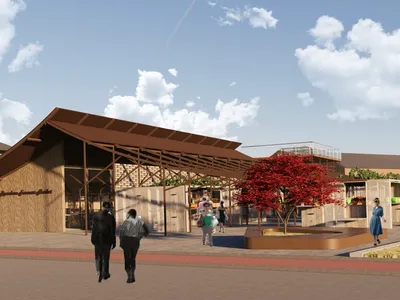
The Rhythm of Seasons
A Farmers' Market Connecting Nature and the City
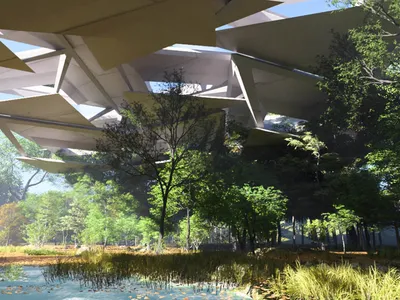

More Than a Building-Designing a Living System
More Than a Building-Designing a Living System
Base Beyond
DESERT COMPOUND ARID: TOURISM OF ABSENCE AND ABUNDANCE

Comments (0)
Please login or sign up to add comments
No comments yet. Be the first to comment!