The School as a Social Catalyst
Empowering Communities through Temporary Education Spaces


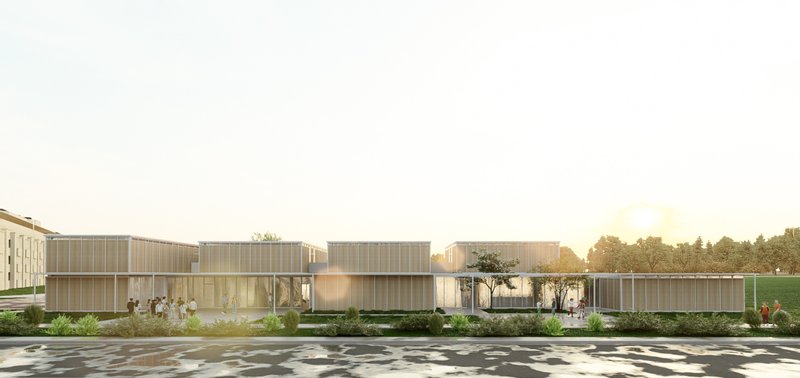
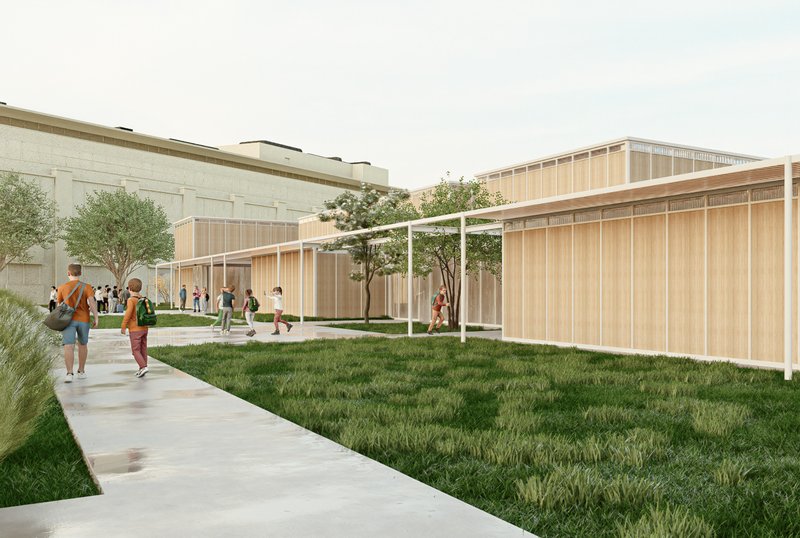
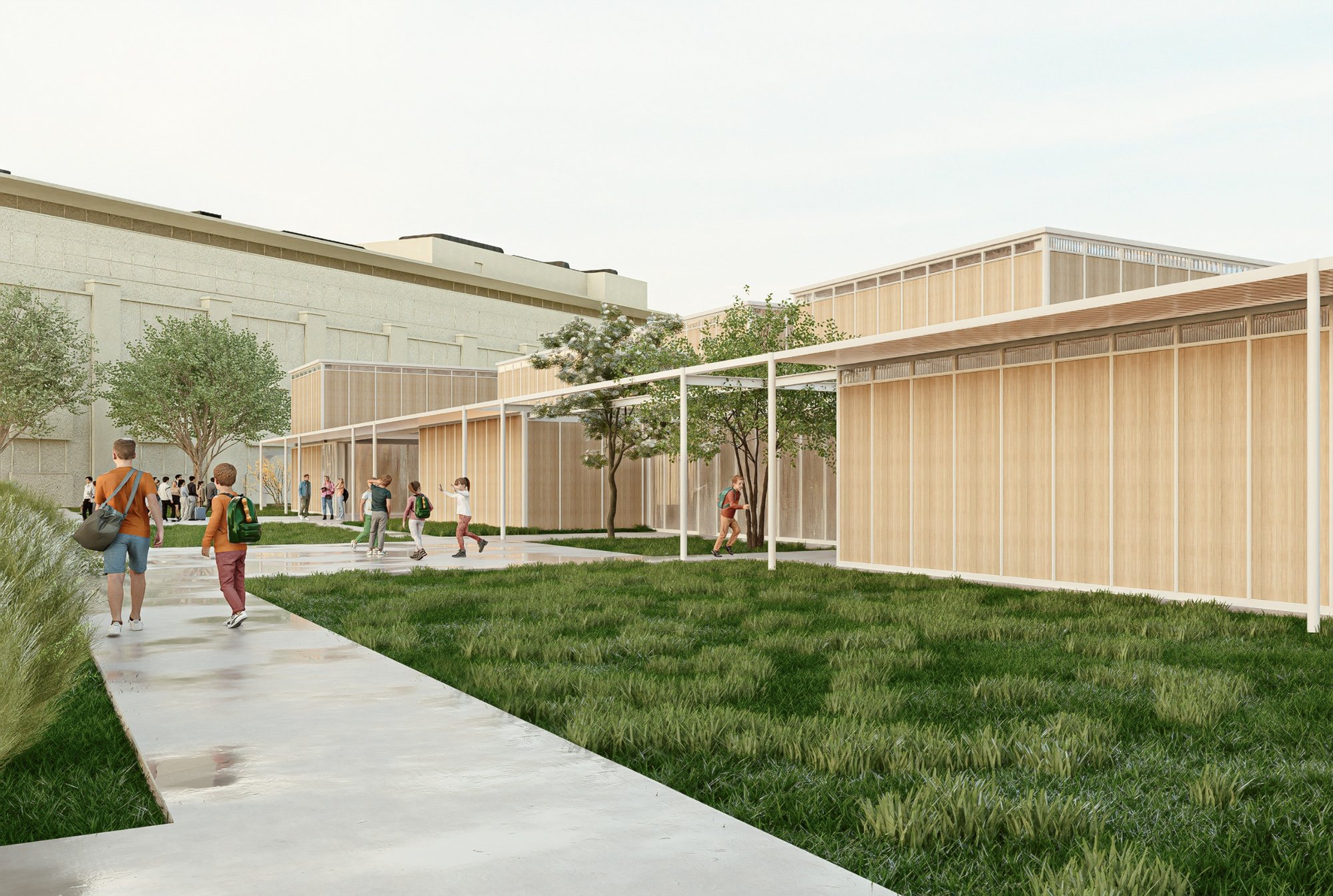
Throughout history, schools have been recognized as centers of academic and knowledge creation, reflecting the social, economic, and cultural aspects of society. However, in recent decades, a new perspective has emerged regarding the role of schools and social catalysts. Instead of merely shaping behavior, schools are seen as fostering social relations within communities. Schools offer much more than education, providing children with life skills that can help them survive and prevent poverty, disease and other problems common in contexts such as Colombia.
The school we propose has the potential to positively influence not only its students but also the community itself by providing services to it, so it inherently brings about the possibility of creating new dynamics between the community and the school itself. This includes involving the community in various aspects of school life, from participation in the planning and design of school buildings to organizing social activities in shared school spaces like the library and the auditorium. For all these reasons, this architectural project uses the school as a social catalyst, bringing the community closer and encouraging its active participation in the different facets of school life.
Design concept and participatory process

In the processes of community participation, the roots that the community can generate from the beginning of the project are fundamental. We propose a concept of project composition that is based on the understanding of the school as a social catalyst, and, in this sense, the participatory aspect is fundamental in the process of the project, in the project itself, and in its future life. The project is seen and understood as a promoter of new relationships between community members and as a place to interact, regardless of social, economic or cultural roles. In this sense, beyond being an architectural project, our school functions as a link and articulator with the community at various levels, not only in its conception and the possibility of shared uses but also in its appropriation, care and subsequent maintenance. The process of community participation consolidates and strengthens the school's concept of composition, which guarantees greater durability and resilience.
Materials and Construction System
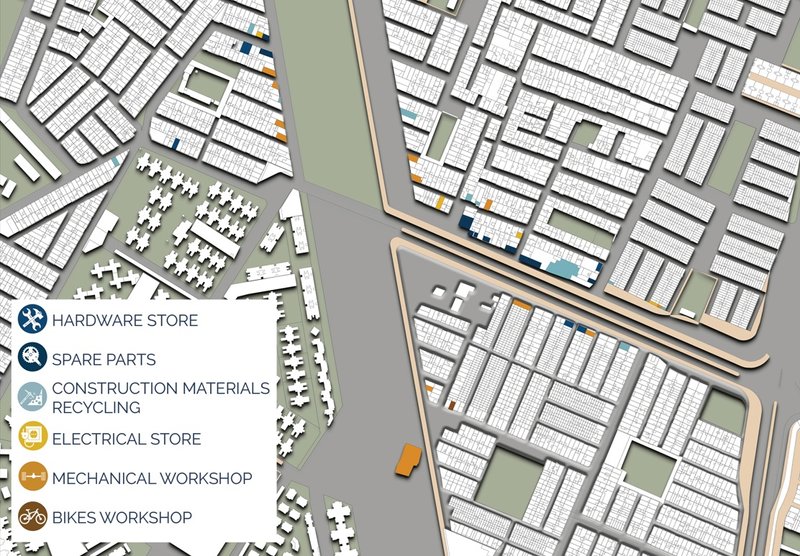
Through an exhaustive evaluation that included mapping potential materials in the work area, analyzing the standards for schools in Colombia and local standards for schools in areas such as this case in Bogotá, and based on an analysis of the site and location, it was observed that the area has a significant presence of trade related to hardware, mechanical parts and spare parts for automobiles. Taking advantage of this existing industry, in the first stage of composition, materials such as tyres and metal parts were considered, thinking that they could be reused in various components of the school project so that aspects of sustainability and affordability of the project could also be improved, as the existing materials or elements, in addition to being reusable, can be obtained through participatory dynamics within the community.
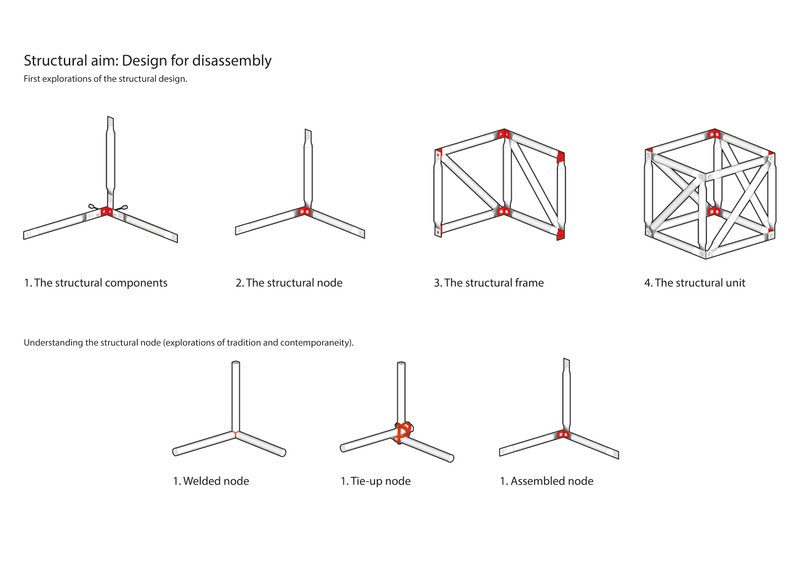
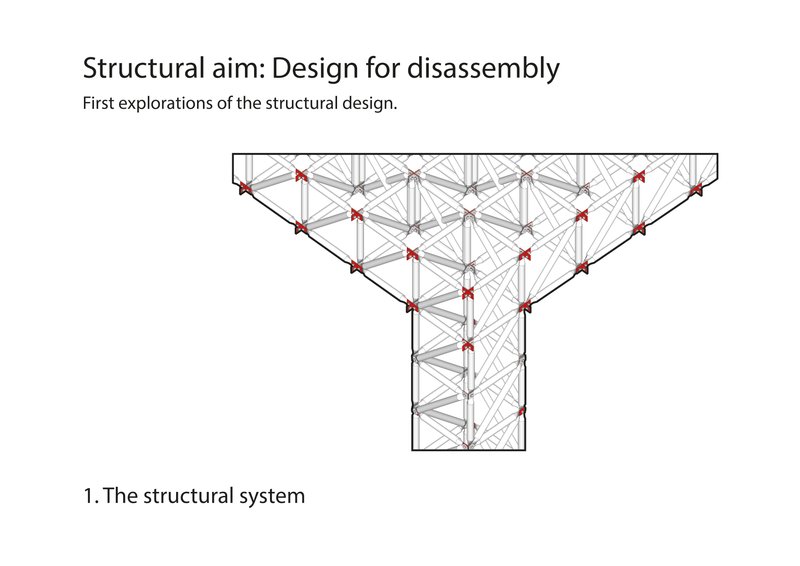
Along with the study of materials, the project explores building systems aligned with four key concepts: assemblable, recyclable, linkable and modular. These basic objectives for the design of the construction system are aimed at developing a system that can be replicable, but more importantly, for the life of the project, in case of damage to the structure due to different factors, that can be easily replaced and exchanged by the community itself, as well as being a possibility for the project to be extended in case of need or reinterpreted elsewhere.
In line with the project's compositional concept of encouraging community participation and the challenge of creating a school that is self-sustainable and modular yet ephemeral, itinerant, demountable and regenerative, the choice of materials considers contextual, social, economic and environmental factors specific to the site, but variable where necessary.
Additionally, as part of the structural design concept, an analysis of traditional Colombian self-build construction systems was carried out, which could serve as inspiration to add an extra layer of cultural identity to the project.
Effective Geometry, Temporal Nature, and Adaptability
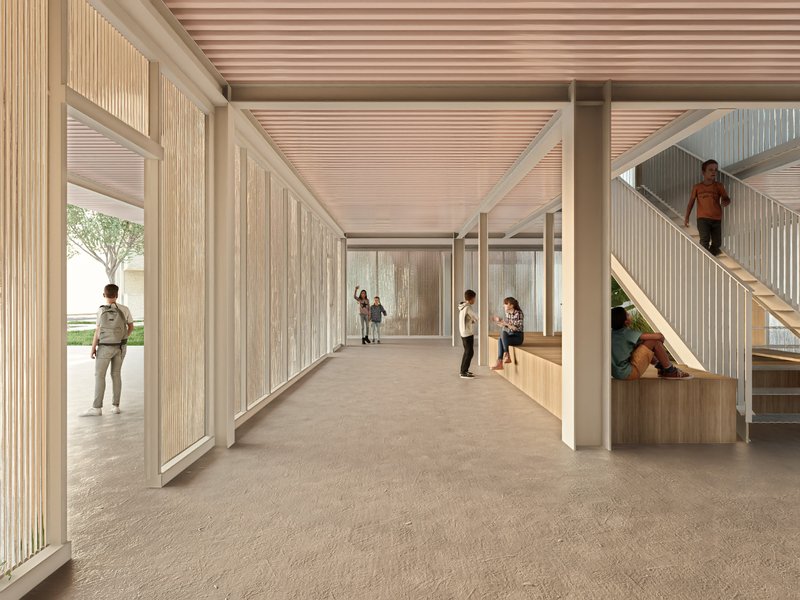
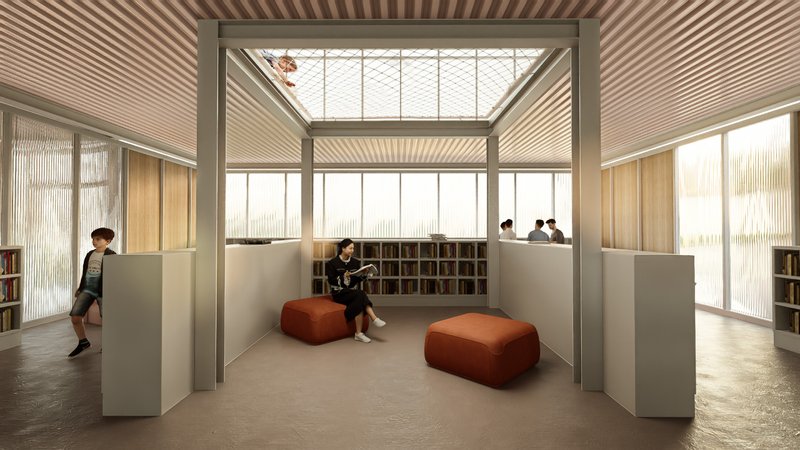
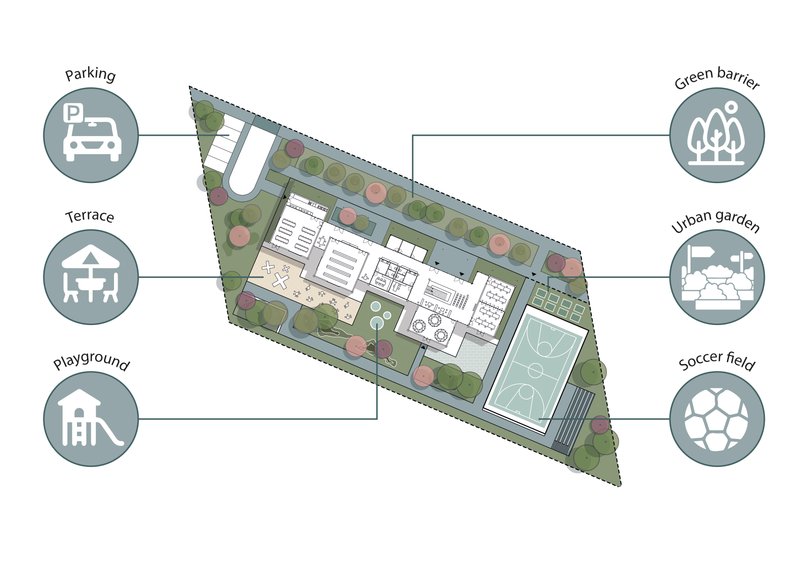
The compositional principles prioritise the strategic adaptability of the project to meet the specific needs of the site while allowing for replication and adaptation to diverse environments with varying social, economic and cultural characteristics. The project distinguishes between two types of spaces: those adaptable for public activities involving the community and more private areas restricted to students, school staff and parents. The compositional approach follows the principles of modular design, integrating materials from the site and conforming to the typology of spaces identified. The design also considers legal aspects, cultural identity, global trends in school construction and the evolving role of schools as social catalysts, ensuring a comprehensive and responsive proposal.
- Adaptable “public spaces” within the building: Cafeteria, auditorium, library, and laboratories.
- Private spaces within the building: Classrooms, staff offices, toilets.
Design Process
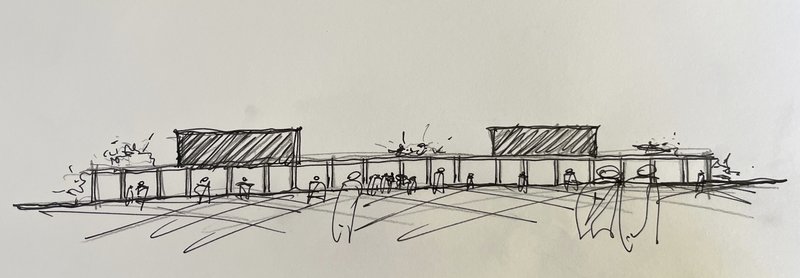
The composition process was meticulously developed to meet the legal requirements for school construction in Colombia, preserve cultural and social identities, incorporate global trends in schools and recognize schools as agents of social change. Through the study of relevant laws and regulations governing public schools in Colombia and in particular areas such as the project site, typologies of spaces and essential compositional characteristics were identified and integrated into the design process of the proposal.
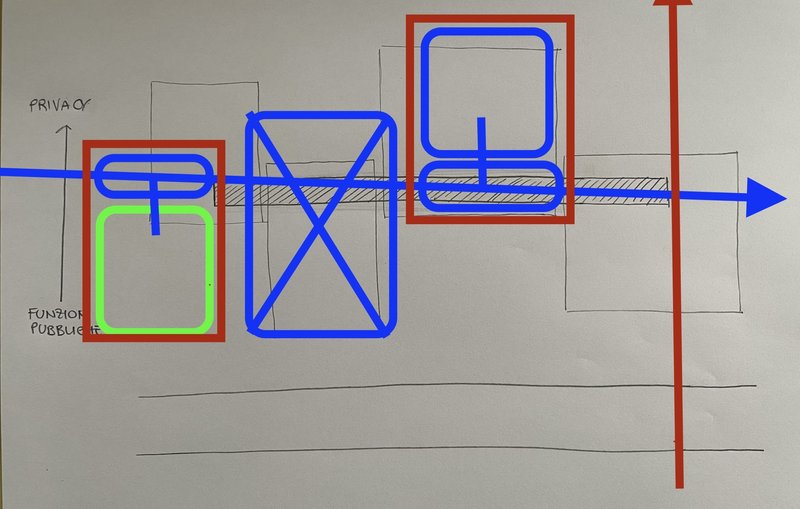
Following the understanding of the legal requirements for spaces mandated by Colombian law and the identification of specific space typologies, a compositional grid was made in order to allow the project to function as a modular, adaptable building which can respond to different situations and contexts, or which can be subsequently dismantled if necessary.
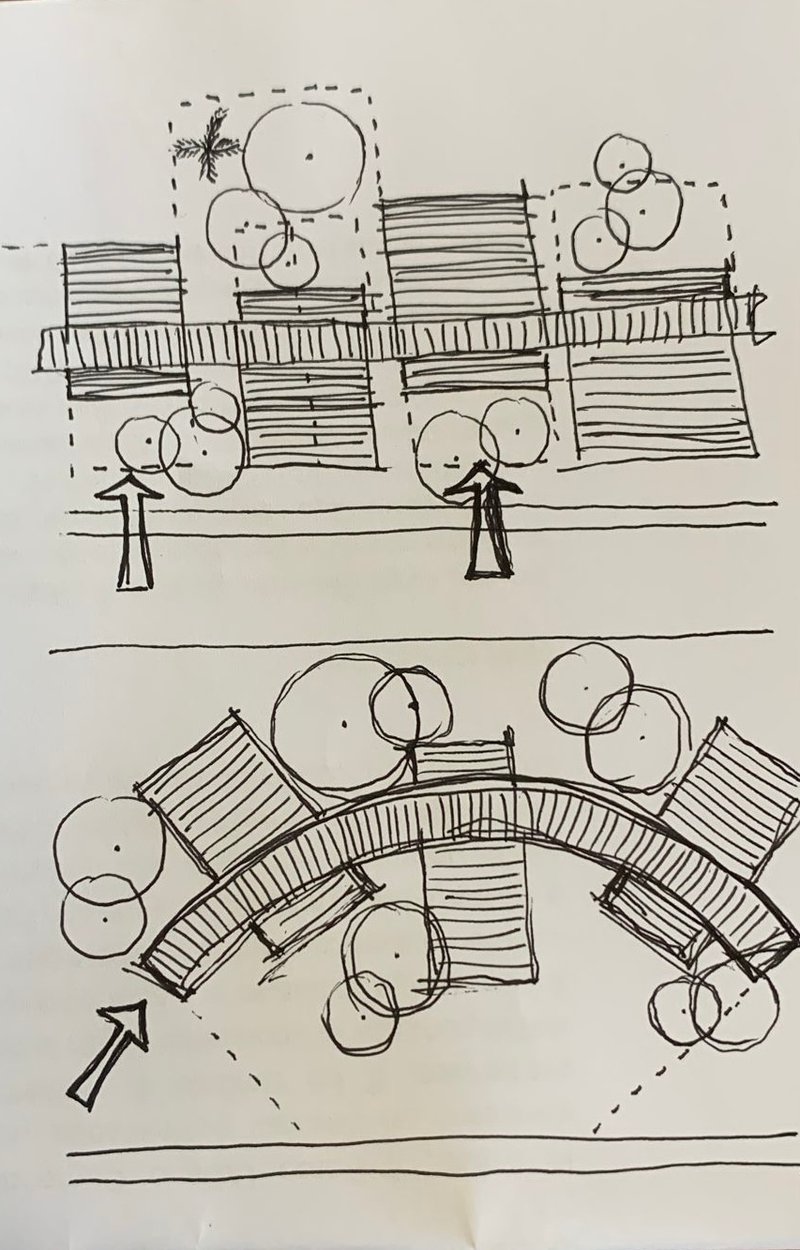
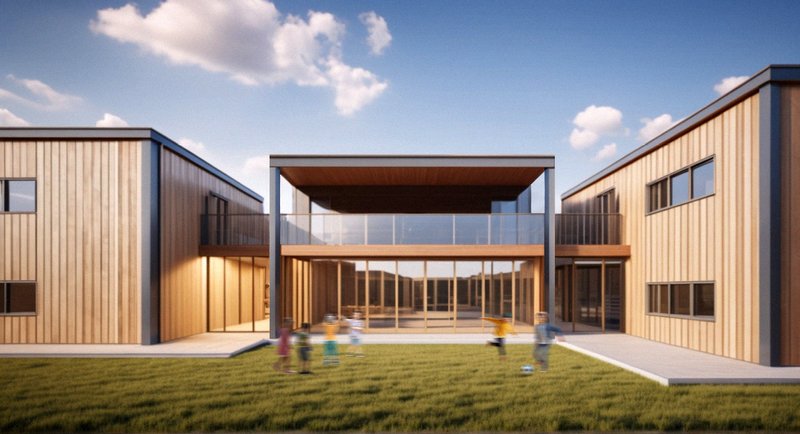
The module: For the development of the project, a 3x3 module is proposed so that the project functions as a replicable system, which not only adapts in size and shape but also in terms of material since the structural parts of the modular system do not affect the adaptability of the building envelope, thus allowing the building to have the possibility of "mutating" its "skin" with respect to its location (warmer or colder climates as is the case in Colombia).
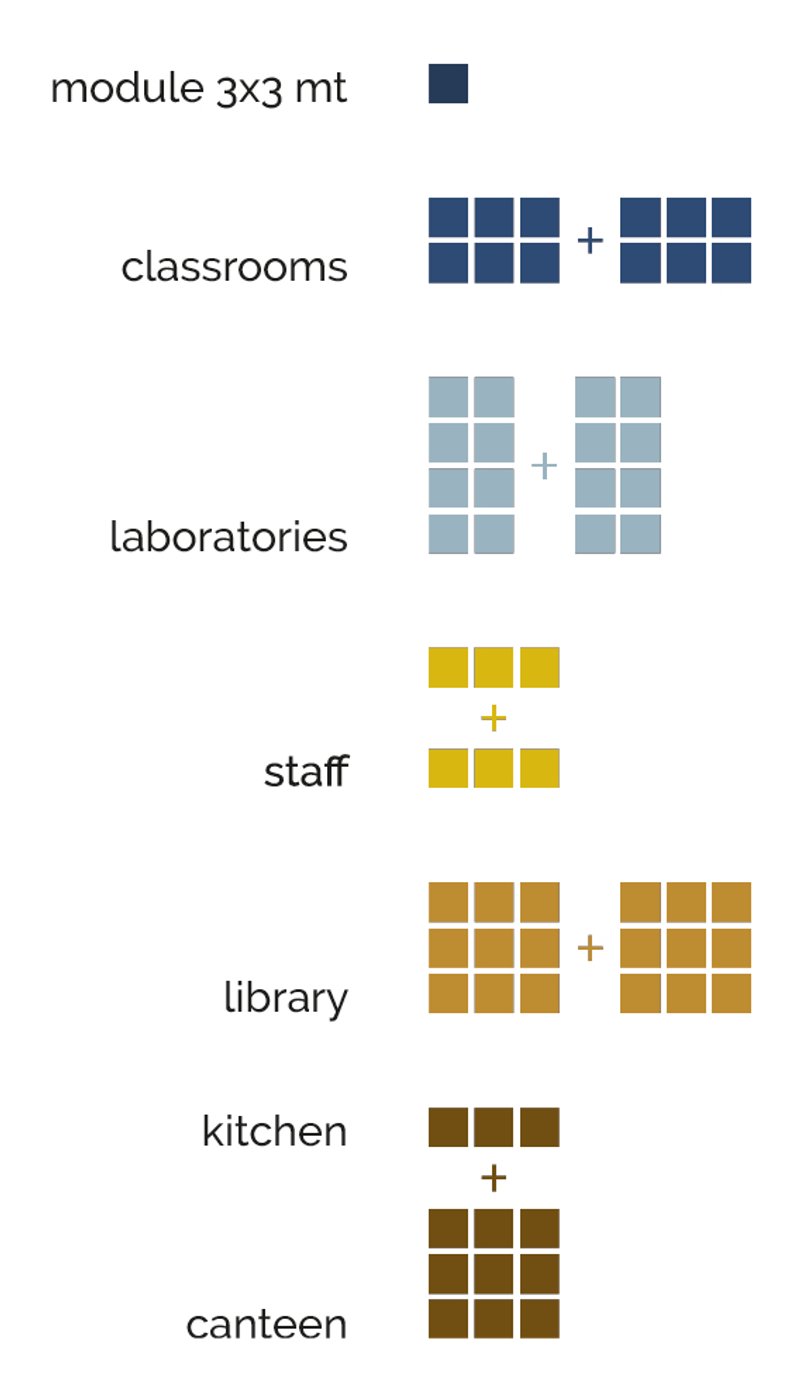
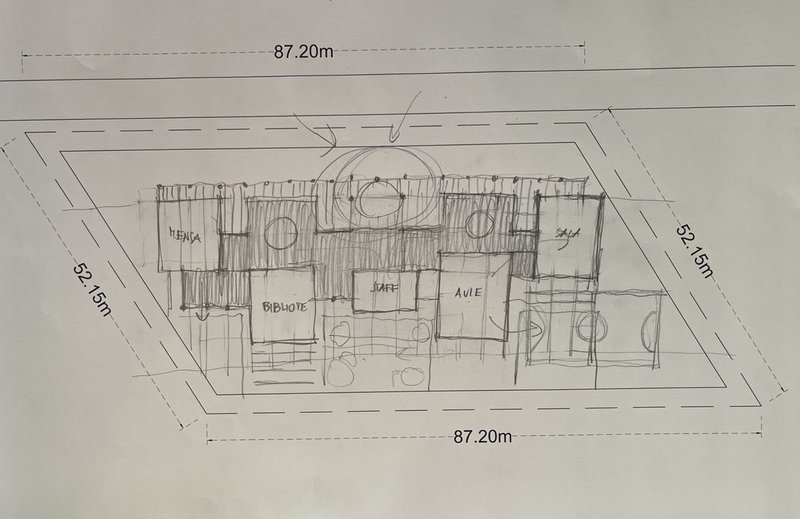
After initial identification of the spaces required for schools with similar areas and school populations, a comparison was made with the required areas proposed by the competition in order to better address the areas and functions required on the site. From this approach, it was possible to establish a list of spaces in which the proposed features contribute to the social dynamics within the area:
- Library: Proposed as an open-public space, contributing to the services that can be found within the area and for the academic community.
- Canteen: Proposed as a public service for the area, which can form part of the municipality's plan.
- Auditorium: Proposed as an adaptable space, open to be used by the community for cultural or social events.
- Laboratories: These areas are proposed as adaptable spaces, which can be implemented for different activities carried out by the community, in which an auditorium type layout is not needed, these spaces could additionally function as classrooms for yoga, dance, painting.
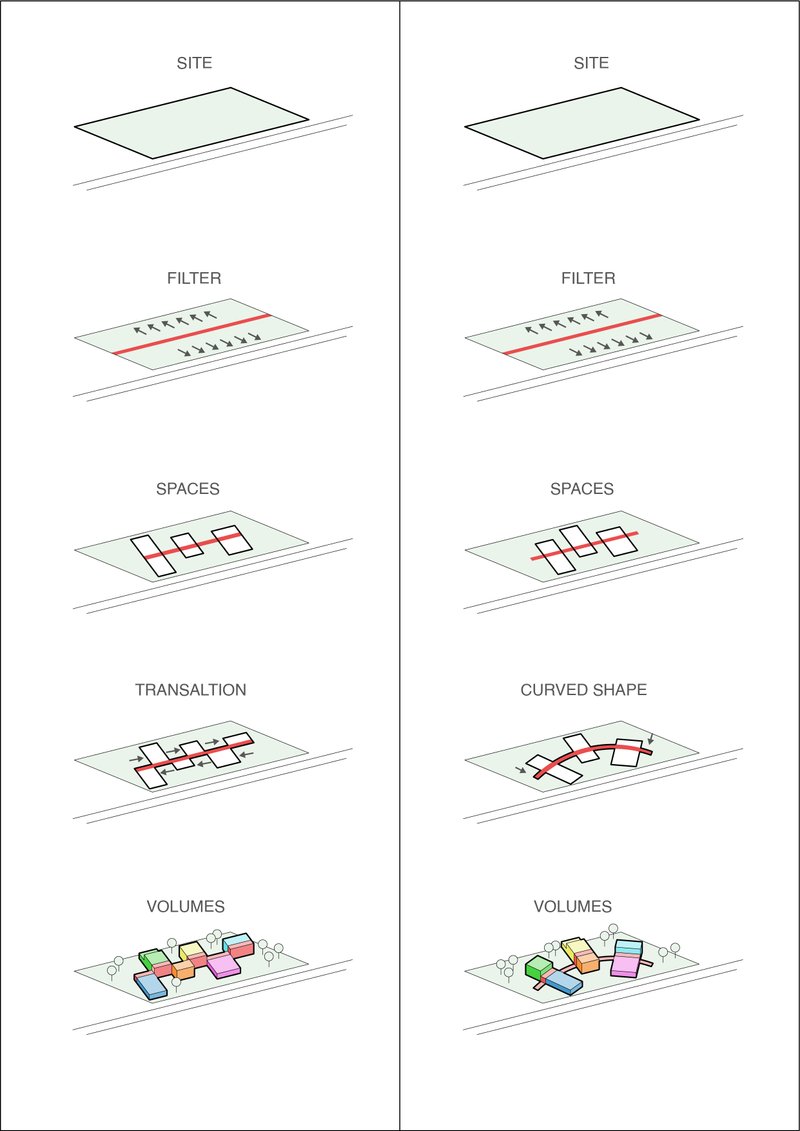
Once the basic spaces required were listed and their characteristics highlighted, a referent analysis was carried out to understand the different solutions in terms of composition, implementation, materiality, construction system and community participation processes. This led to the proposal being characterized by a hierarchy of spaces, which can be described as the most public, the most private and the connecting spaces, which respond to the behavior and relationship of the community with the school, as well as the adaptability and identity of the building.
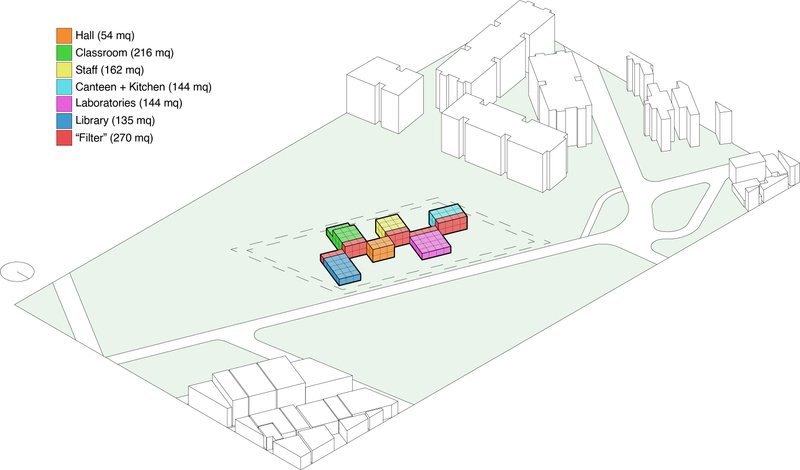

Finally, the project combines and integrates a modular, versatile, adaptable and easily transportable and replaceable structural system that allows variations according to the different climates in Colombia, ranging from cold dry to hot humid. At the same time, the structure itself serves as a support for multiple varieties of skins for the enclosure and composition of its facades, which will be determined by both the climate and the possibilities of each place where the project is to be carried out.
Our school aims to be an educational fortress to build a resilient and resistant school for the future.