The Transformation of Old Rectory Farm: A Study in Adaptive Reuse and Accessibility
Exploring the transformation of Old Rectory Farm into an accessible home through adaptive reuse architecture.


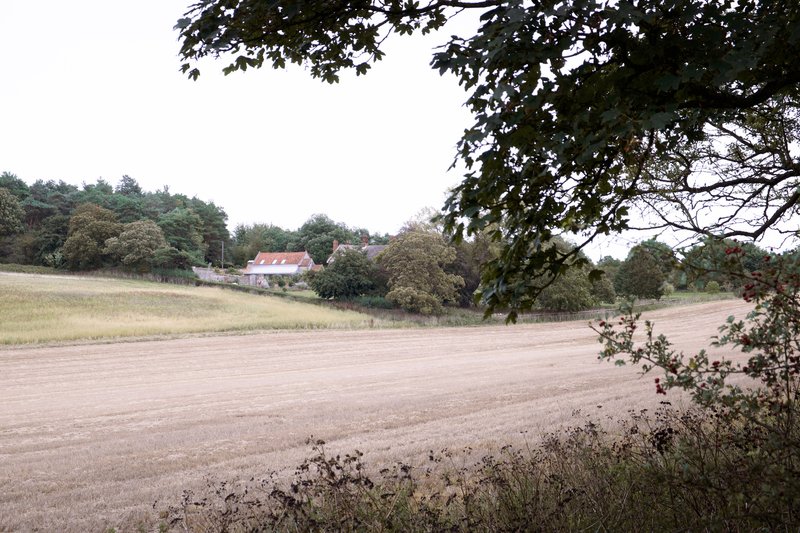
In the heart of North Norfolk District, United Kingdom, Old Rectory Farm stands as a testament to the innovative approach of Alexander Hills Architects in the field of adaptive reuse architecture. Initially tasked with converting stables into accessible accommodation, the project evolved into a comprehensive reimagining of the farmhouse, merging historical charm with modern accessibility.
The Challenge of Accessibility and Integration
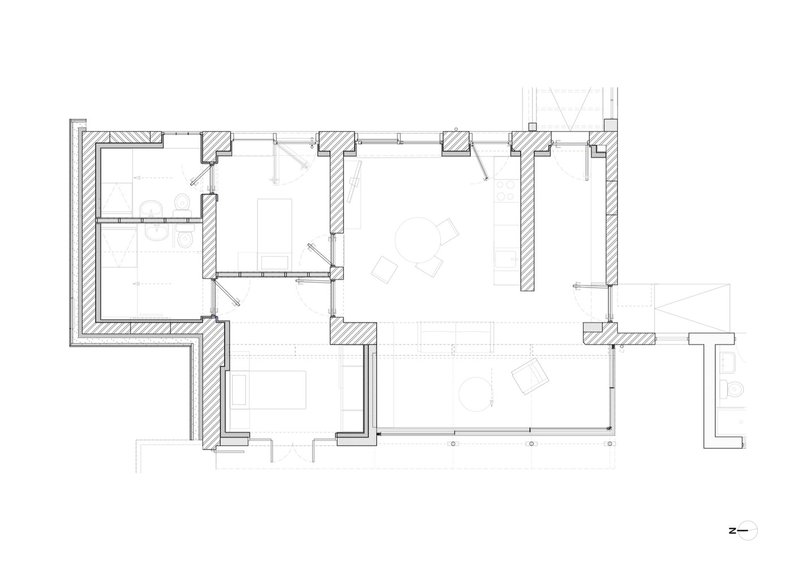
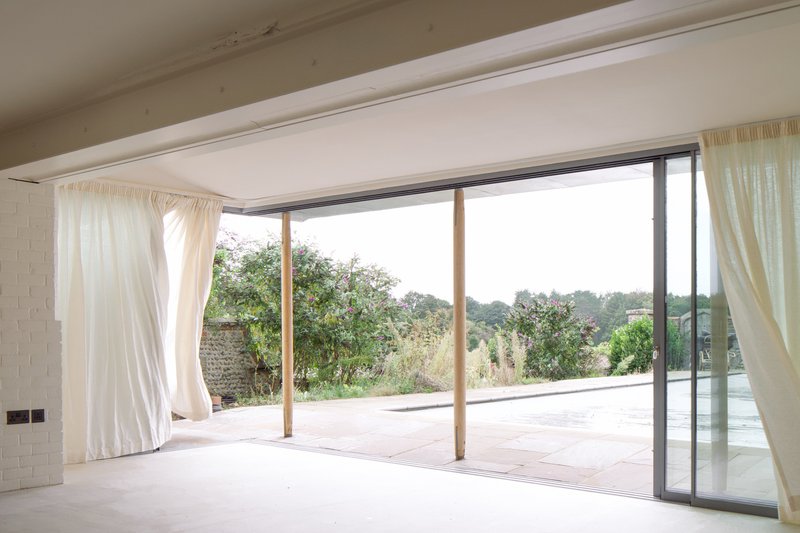
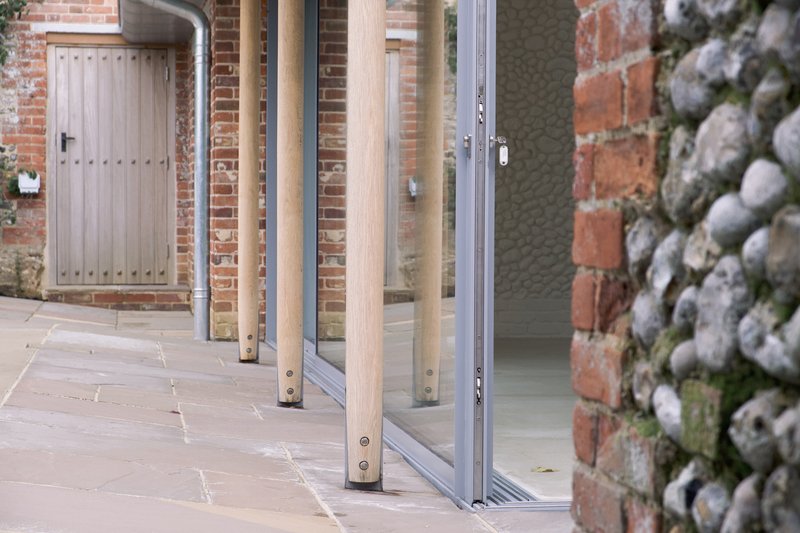
The architects were confronted with the challenge of not only providing accessible living spaces for a wheelchair-bound individual but also ensuring these spaces were integrated seamlessly with the farm's existing structures. The solution was a new access 'backbone', optimizing movement through the property and enhancing the connection between interior spaces and the surrounding landscape.
A Harmonious Blend of Old and New
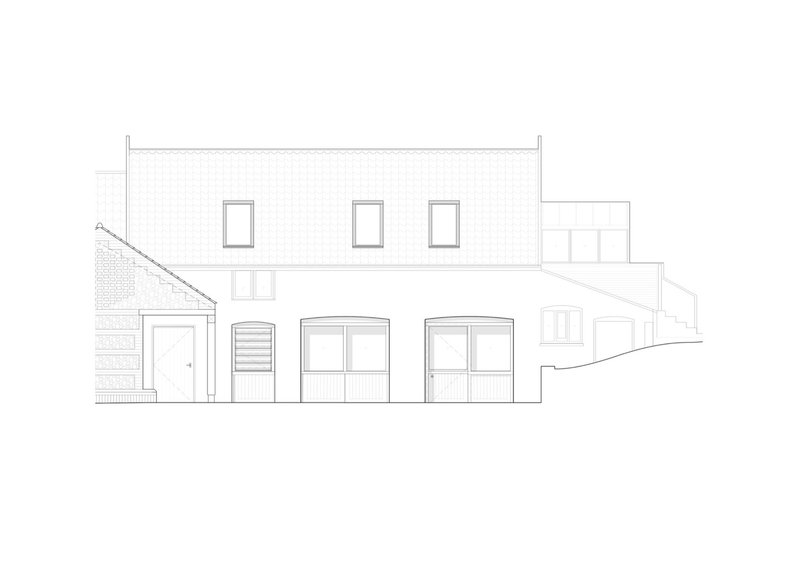
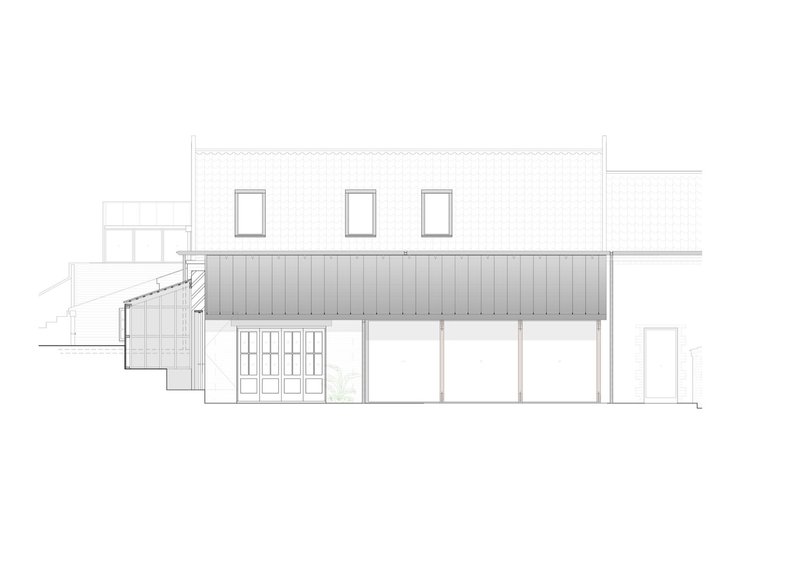
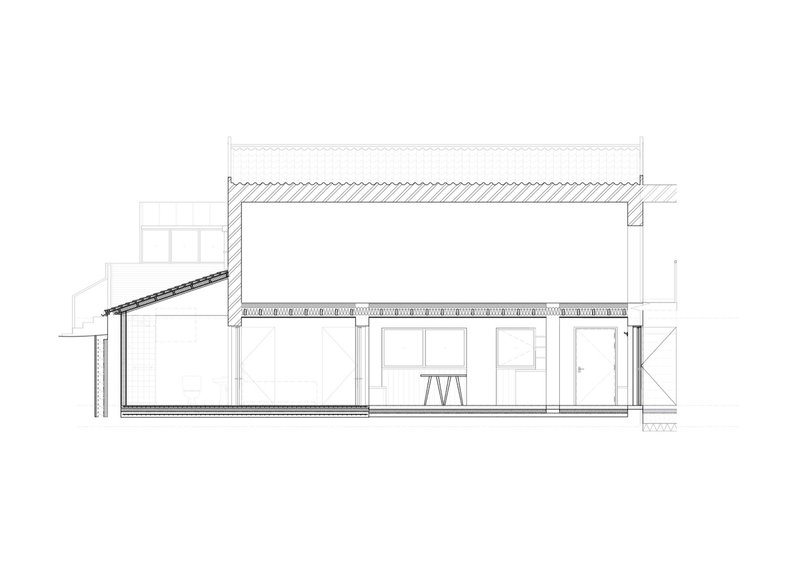
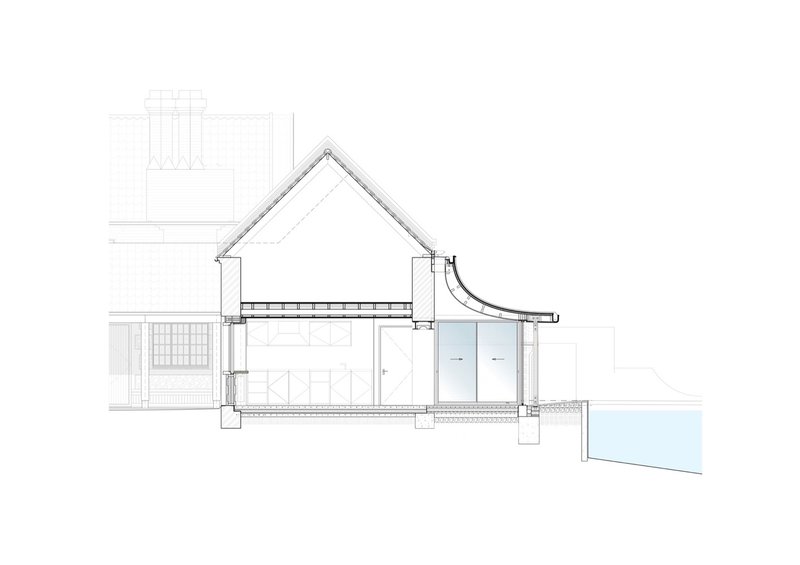
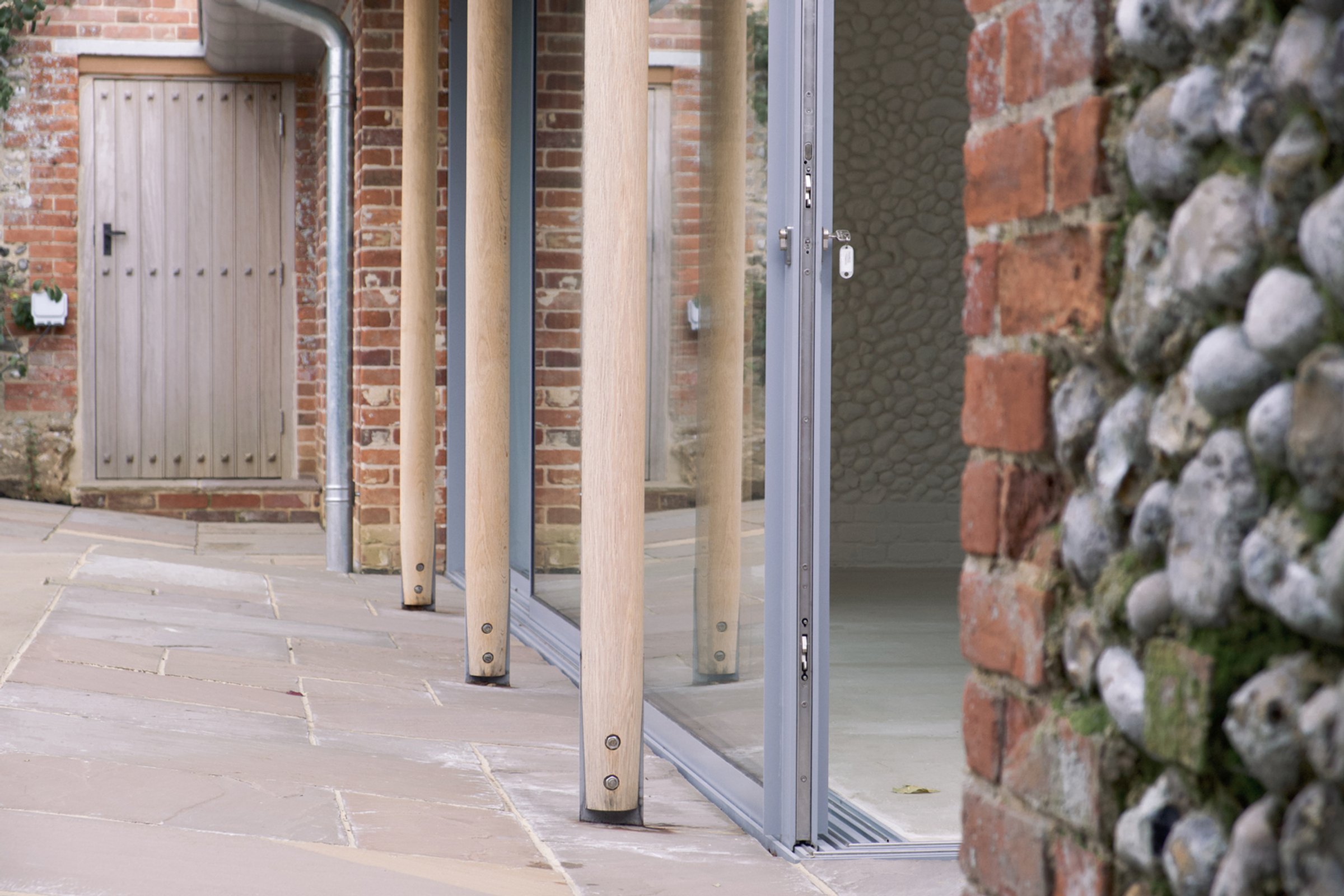
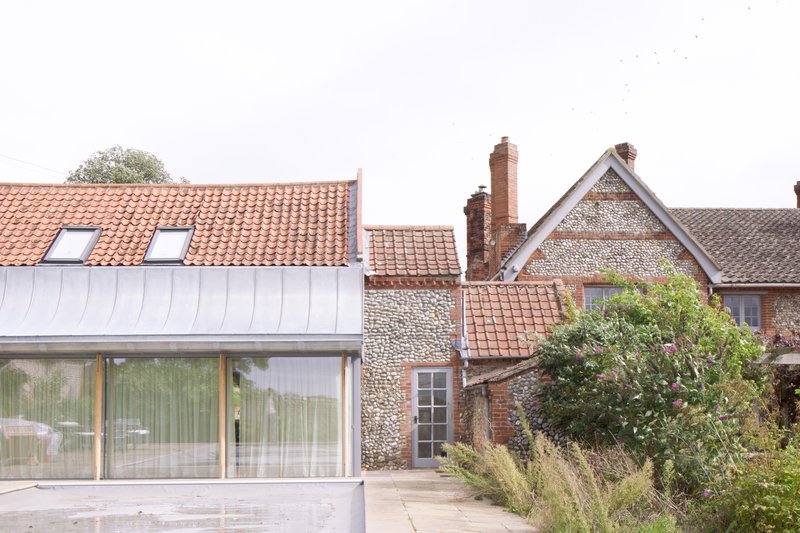
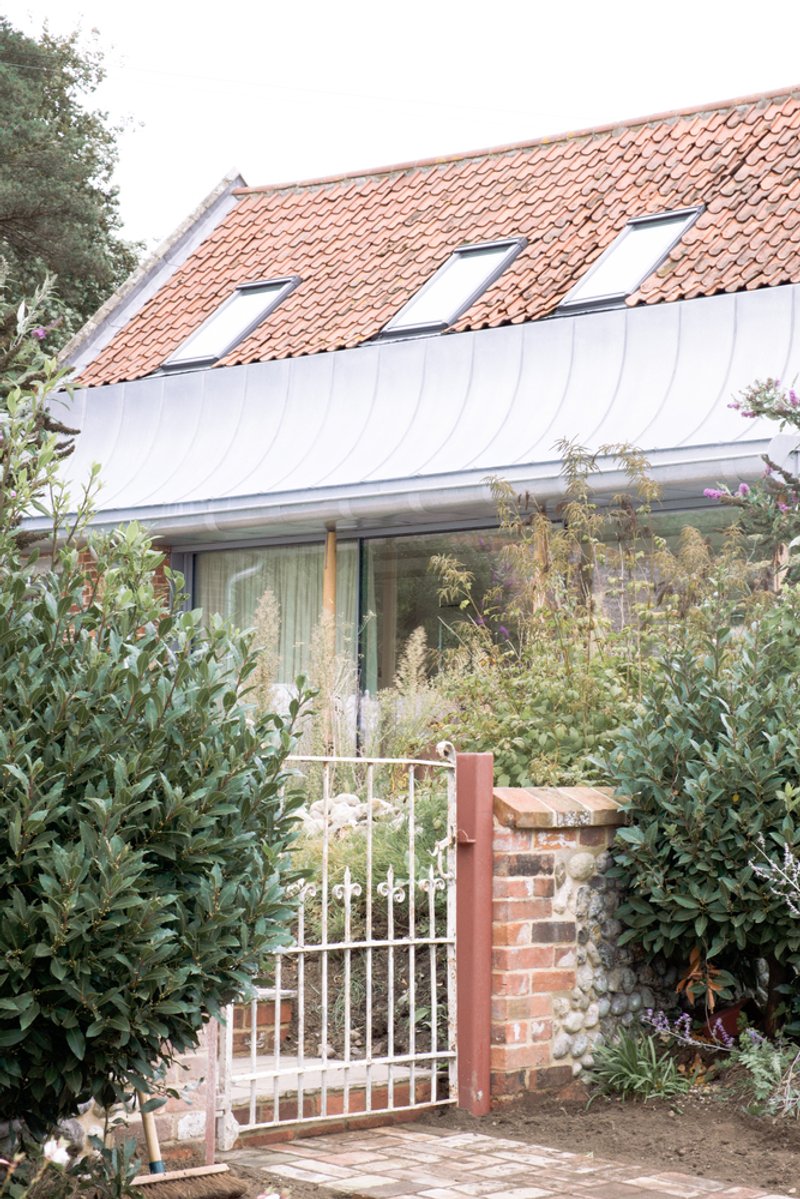
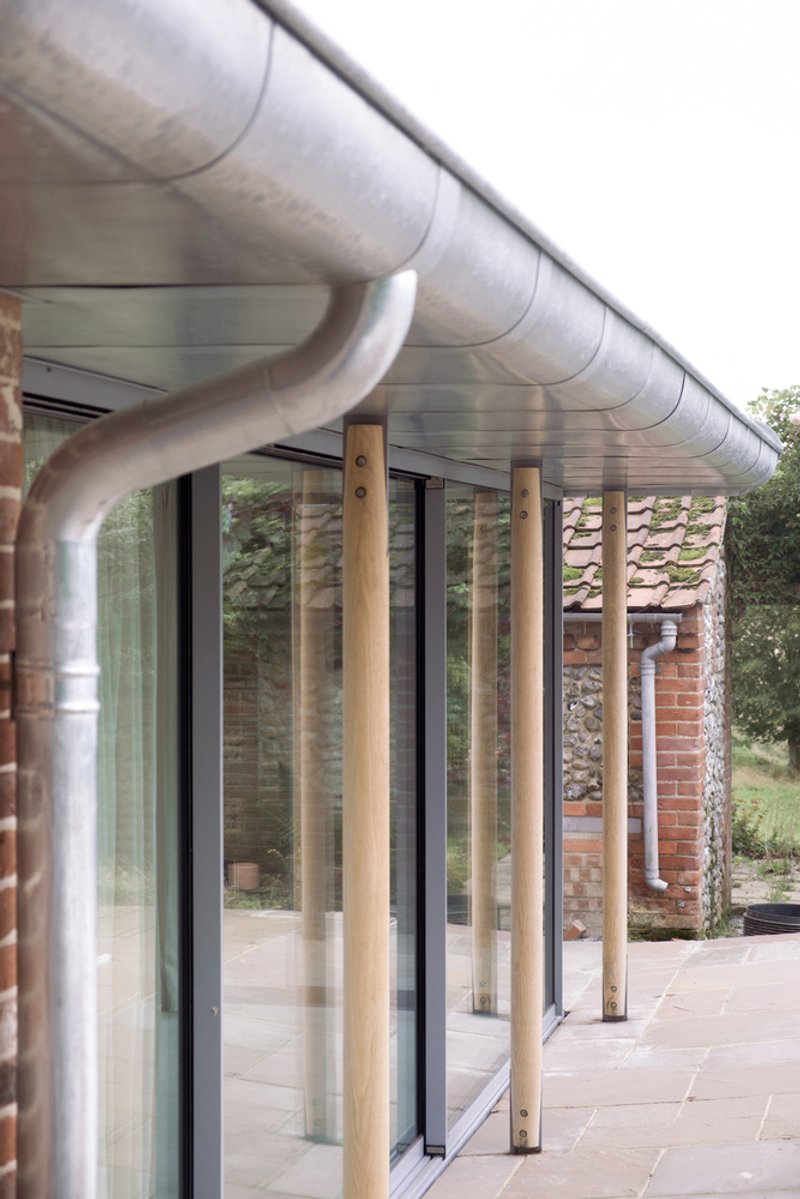
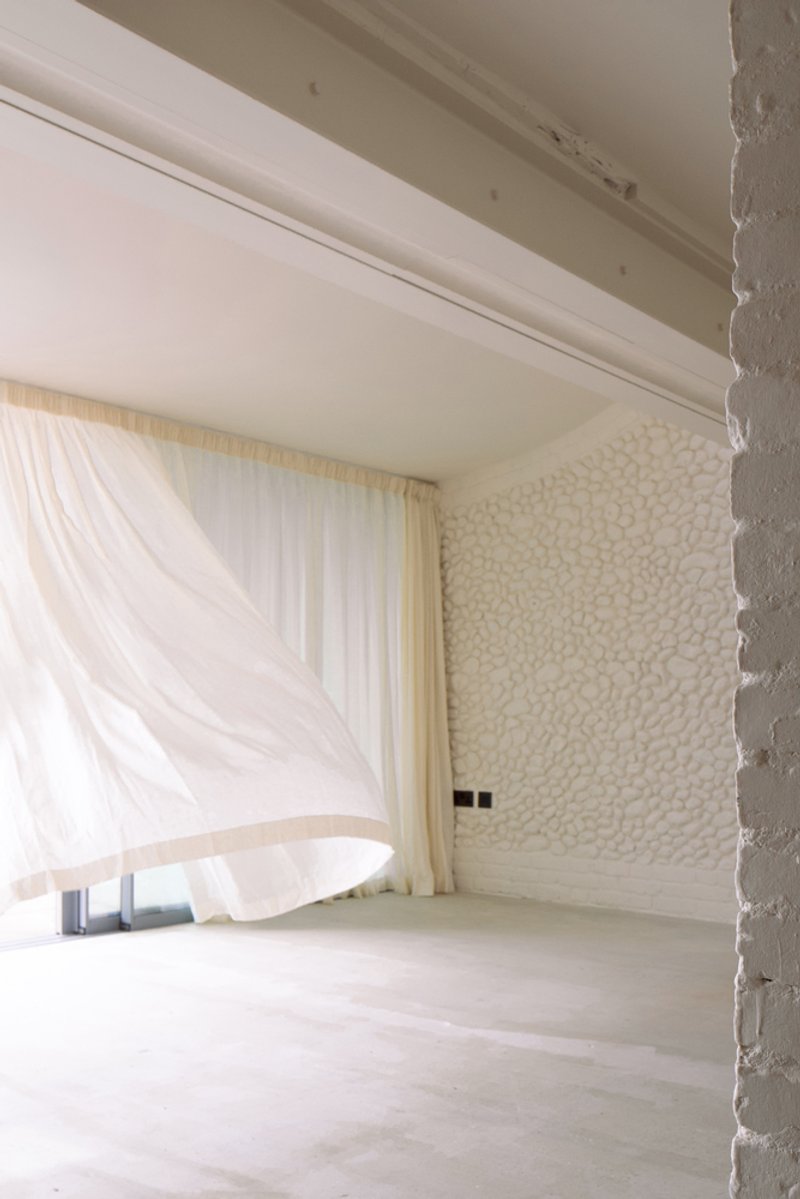
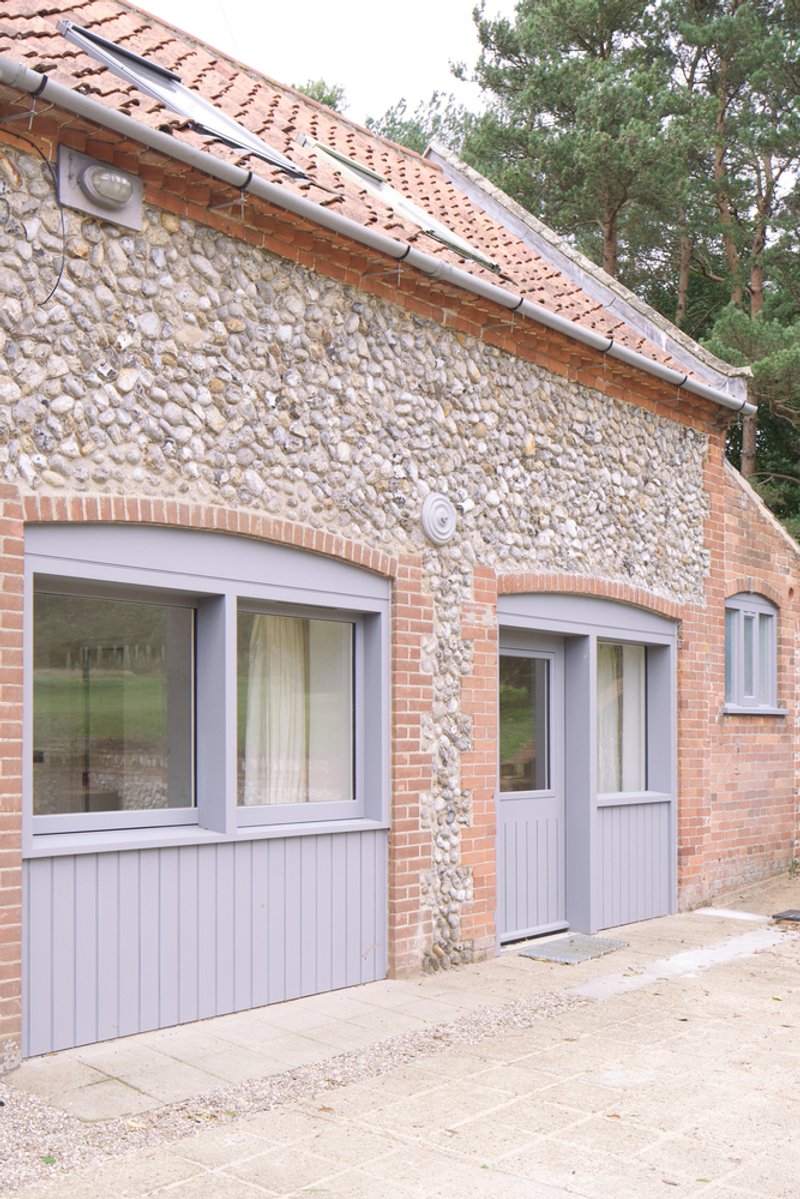
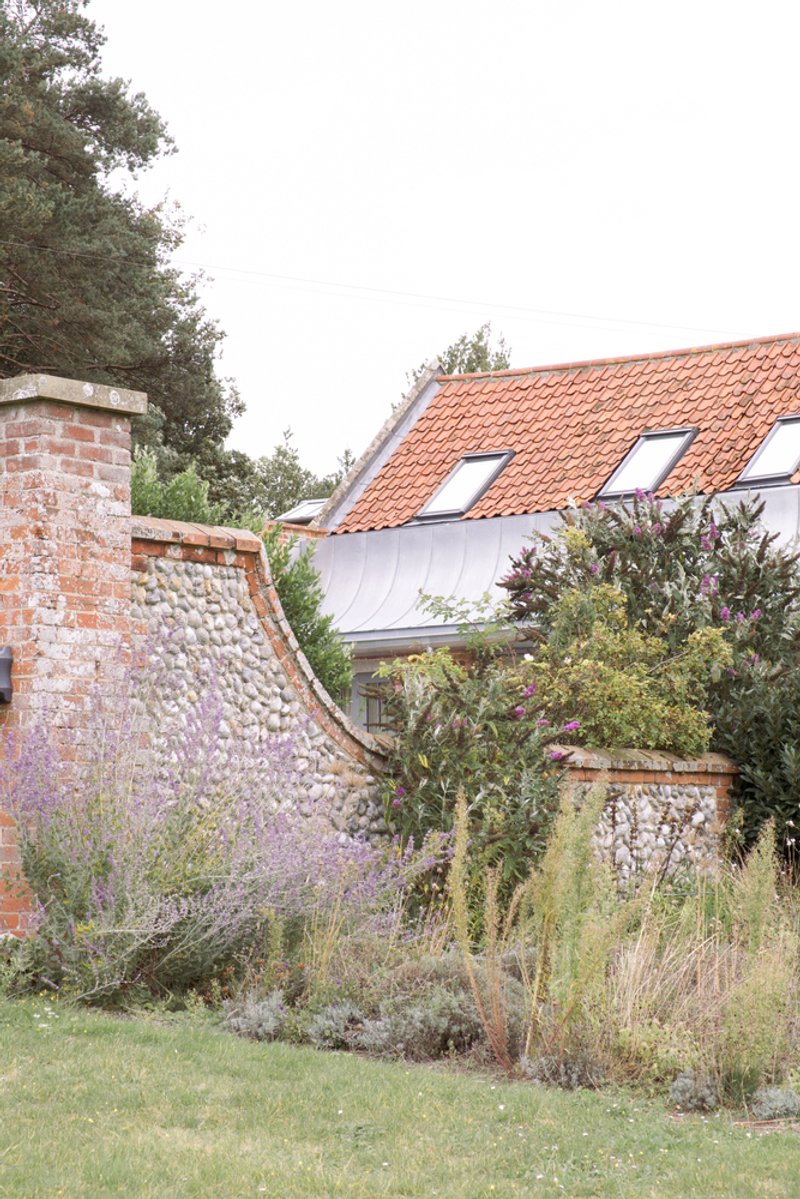
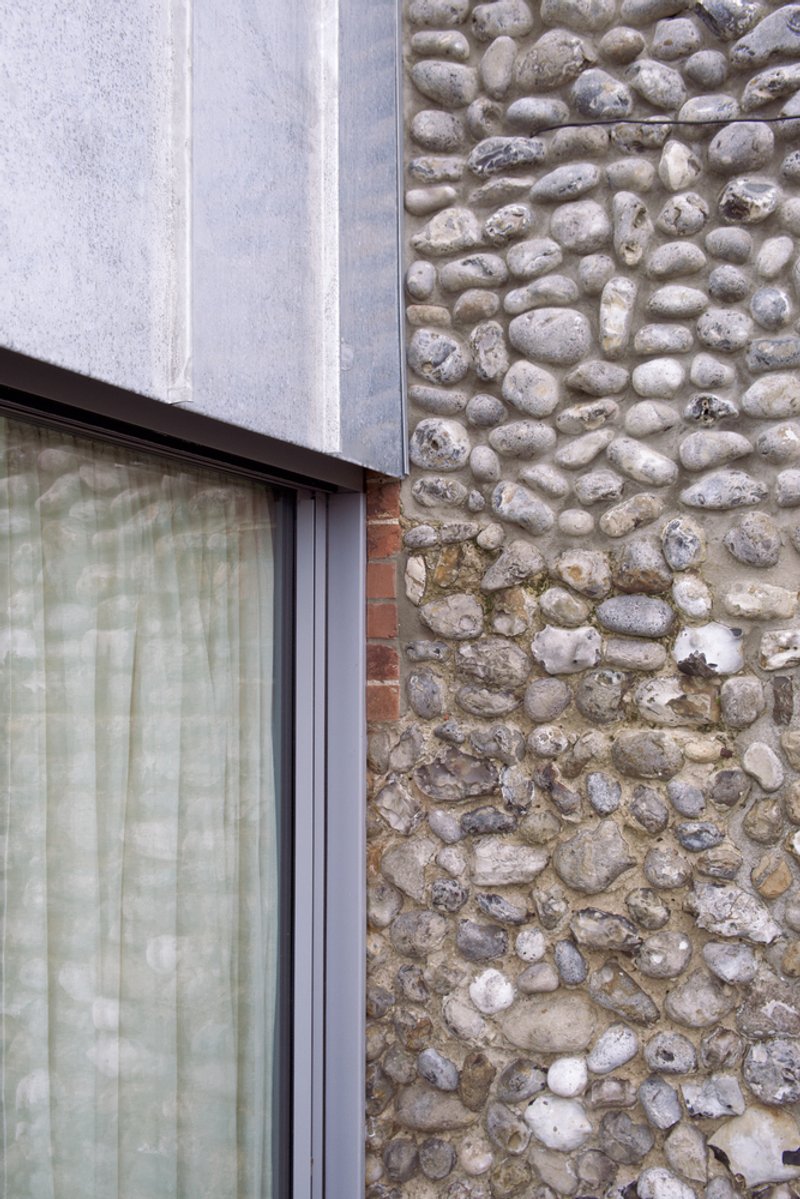
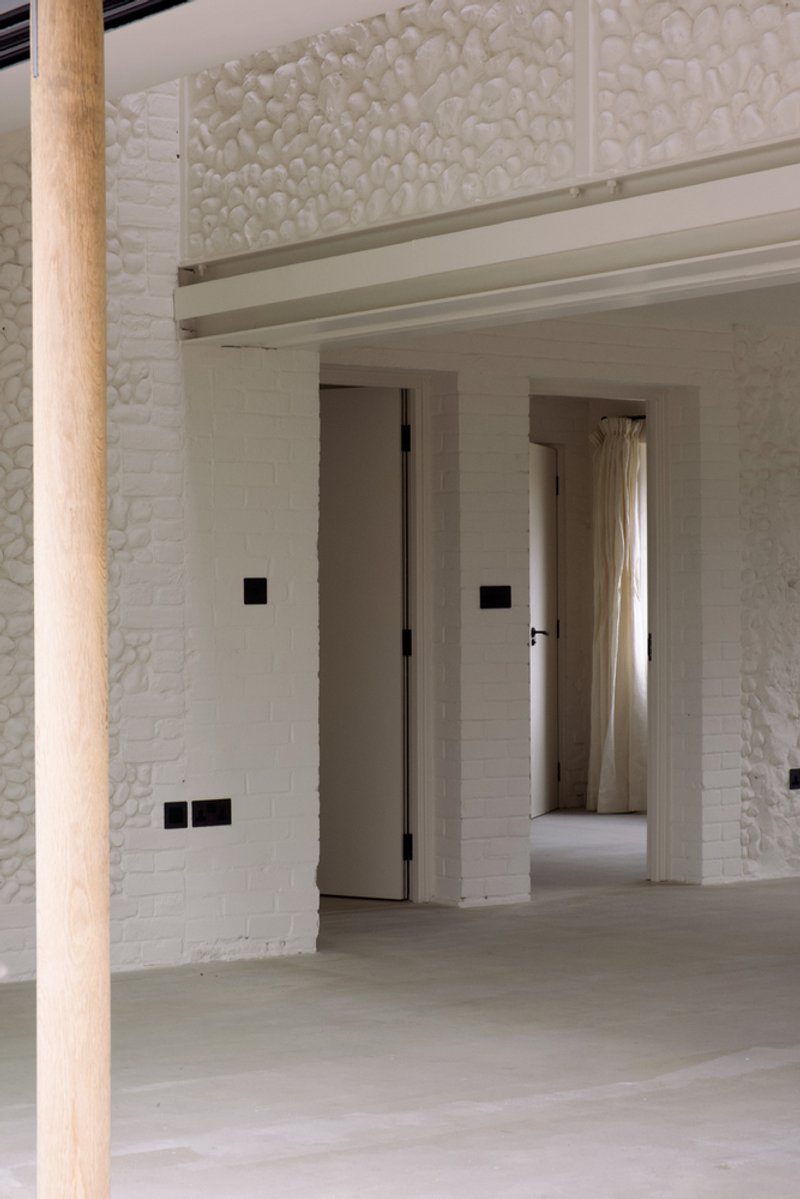
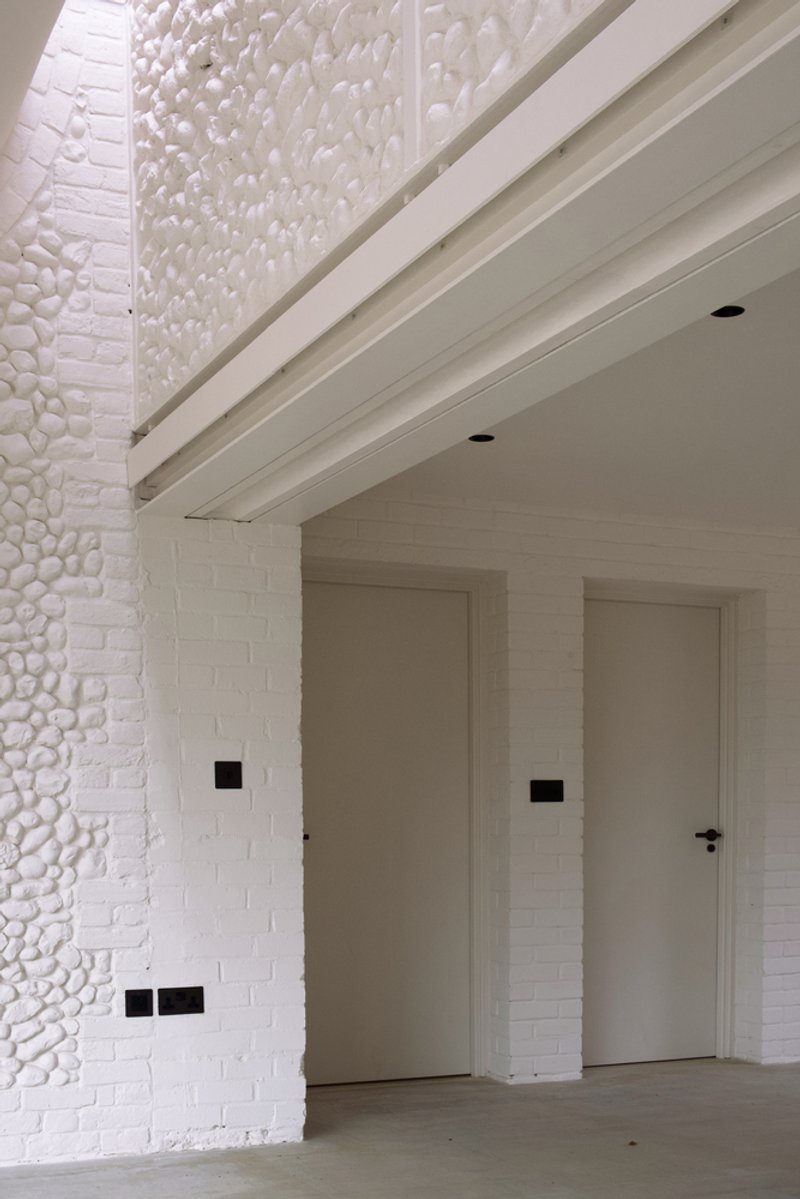
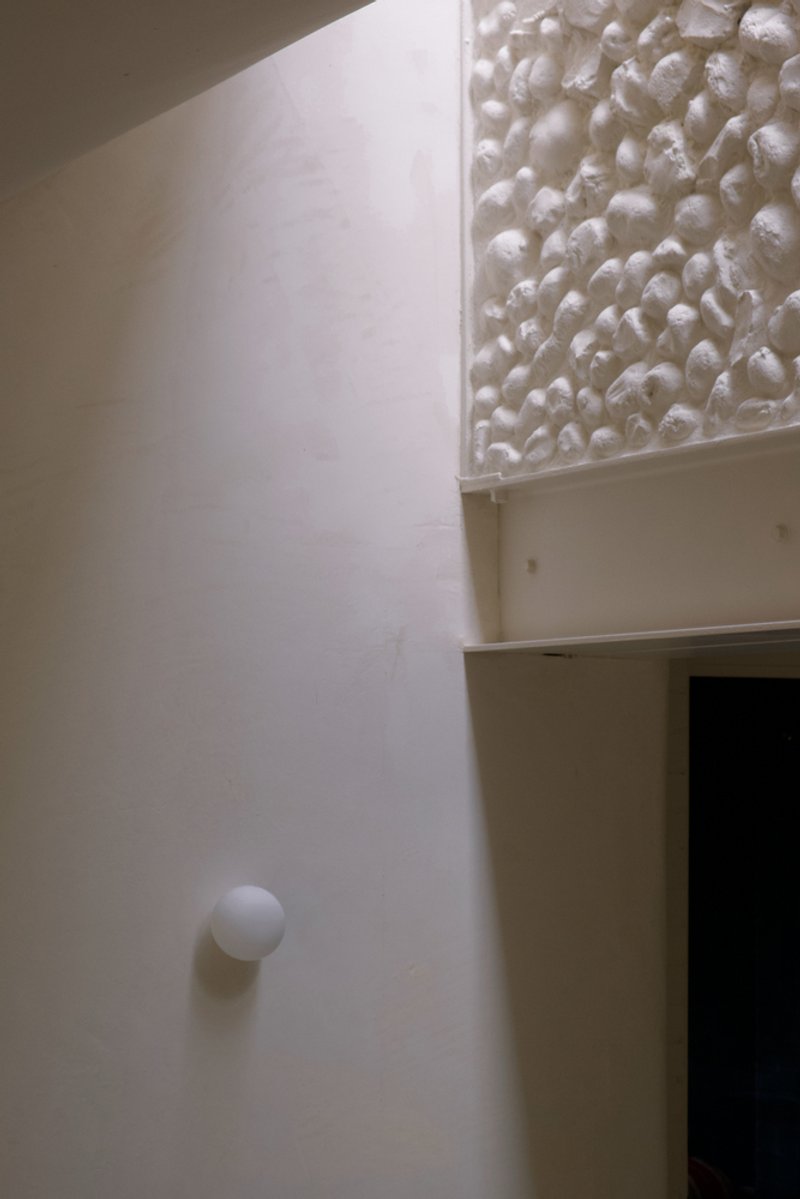
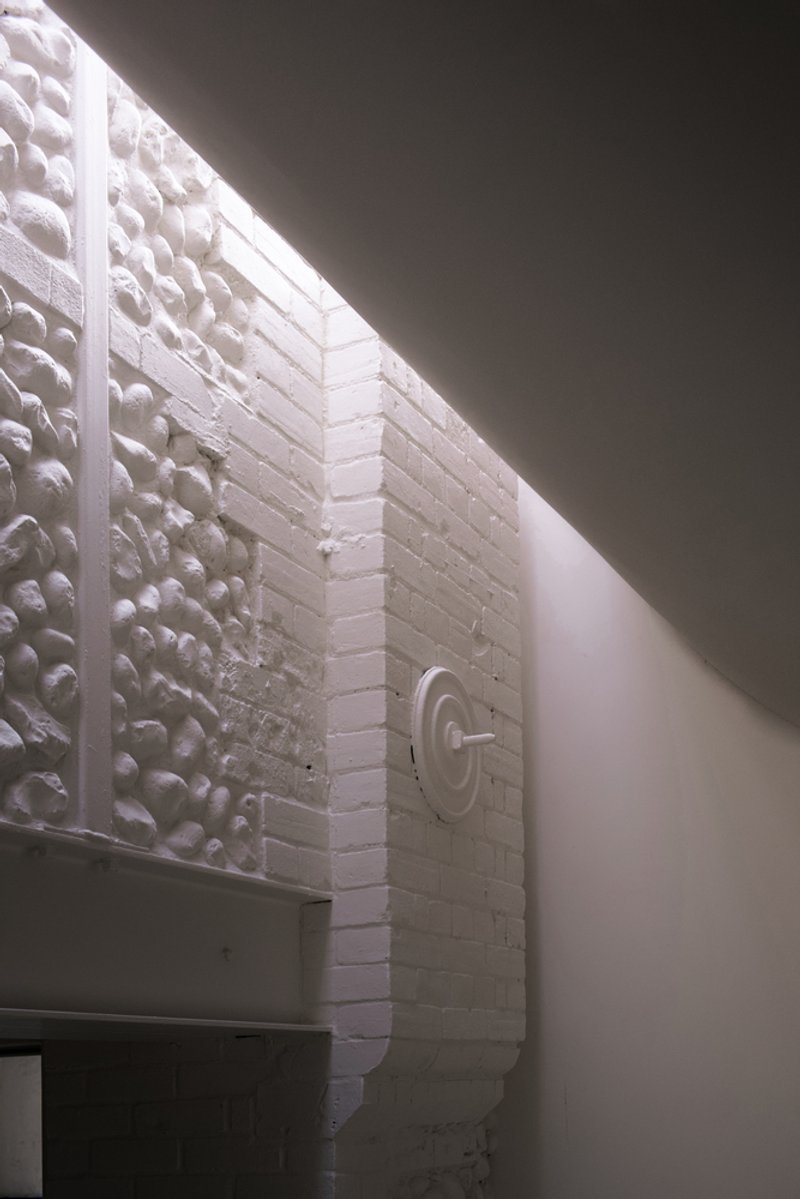
The architectural interventions included demolitions, extensions, and a reorganization of the ground plan, all aimed at improving spatial arrangement and accessibility. Two distinct extensions were added: one in line with the farm's 19th-century vernacular, utilizing timber, brick, and flint, and another featuring a contemporary zinc-clad roof, designed to be both functional and aesthetically pleasing.
Enhancing Family Life Through Design
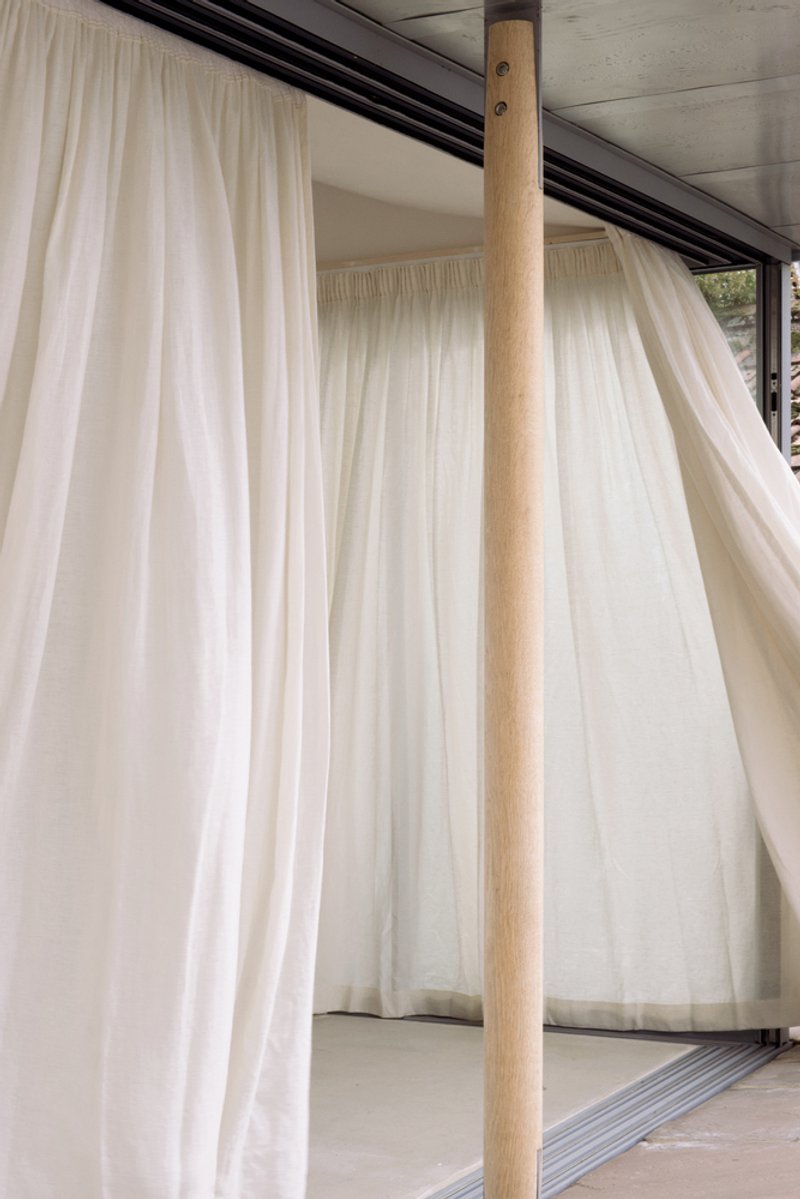
Central to the project's success was the emphasis on creating spaces that enable the wheelchair user to participate fully in family life. By reconfiguring the layout and introducing accessible pathways, the architects ensured that every member of the family could enjoy the home and its surroundings to the fullest.


Architectural Innovation Meets Practicality
Old Rectory Farm's transformation is a prime example of how adaptive reuse architecture can address modern needs while respecting historical contexts. Alexander Hills Architects' approach demonstrates a thoughtful balance between innovation and practicality, ultimately enhancing the quality of life for its inhabitants.
The Old Rectory Farm project by Alexander Hills Architects exemplifies the potential of adaptive reuse architecture to create spaces that are both beautiful and functional. Through careful planning and design, the team has ensured that this historic property will continue to be a cherished family home for years to come, setting a benchmark for similar projects worldwide.