The White Modules
Prefabricated structures with cross ventilation
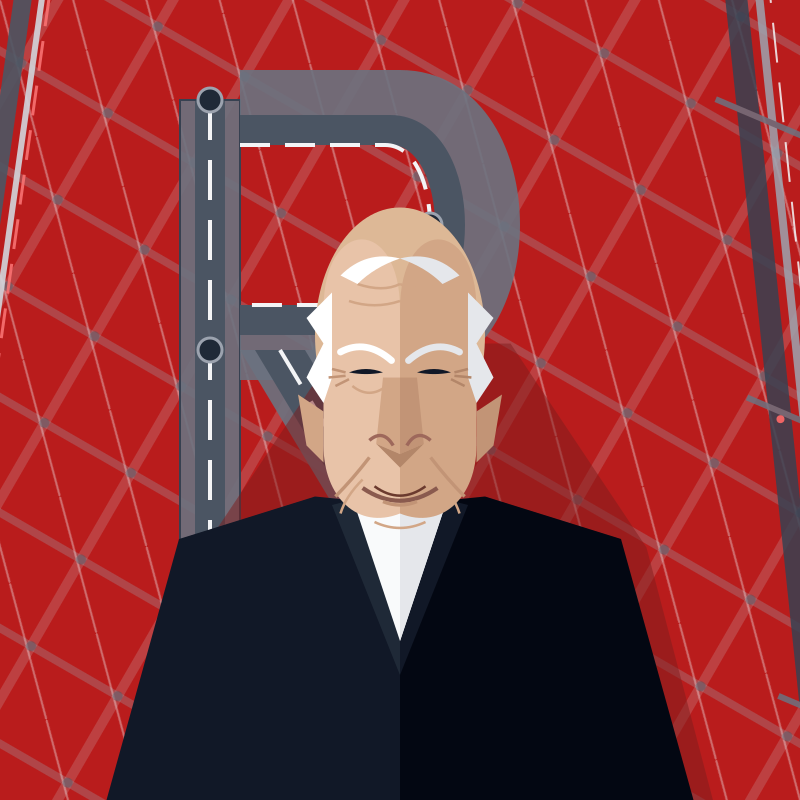
The design challenge is to conceive a modular solution to host Hajj pilgrims in the city of Mina.
The modular structure allows you to optimize spaces and, in this case, with the creation of two-storey buildings, it gives the possibility to accommodate a greater number of users, offering them greater comfort.
Then, design a structure that can meet the growth goals.
We must consider that: Hajj is the pilgrimage to Mecca, in which every believer should participate at least once in their life. Hence a large number of believers, coming from the Arab world, destined to grow over time.
This is why we decided to intervene with a prefabrication system that would allow us to optimize construction times.
Let's assume a very realistic proposal that can actually be built.
Creating a supply chain to produce prefabricated structures, given the ambition for growth, would be a sustainable investment, given the repeatability of production.
Therefore a design aimed at obtaining a significant containment of costs and at the same time an important increase in quality.
We started from cultural references typical of the Arab world.
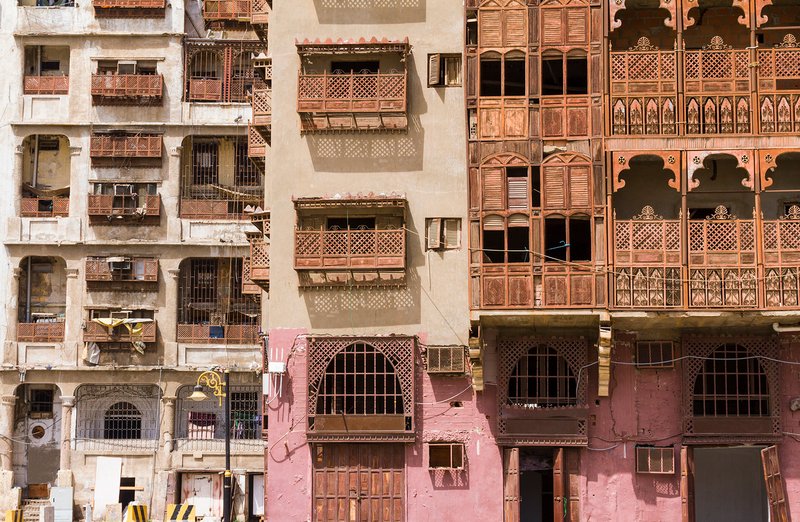
The architectural typologies: the buildings refer to forms and typological characters of Arab architecture. The arch shape was chosen from the countless forms that can be found in the Islamic landscape.
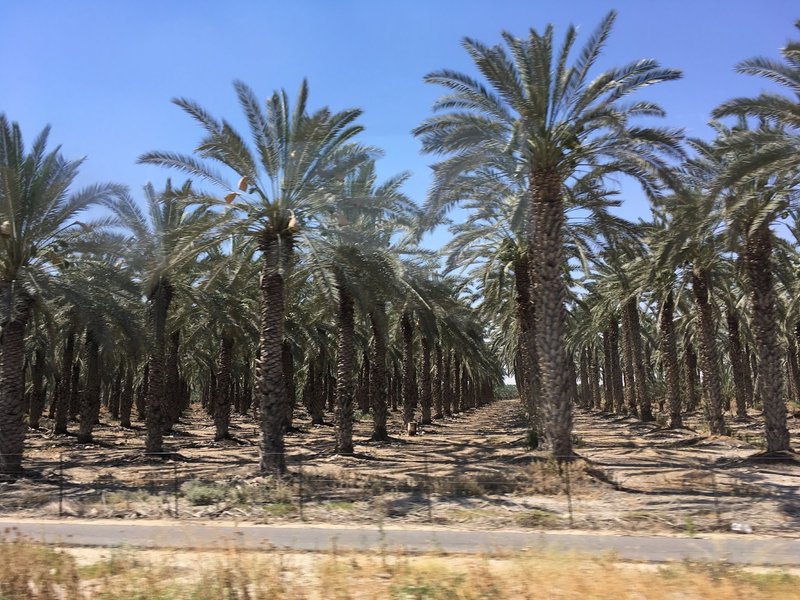
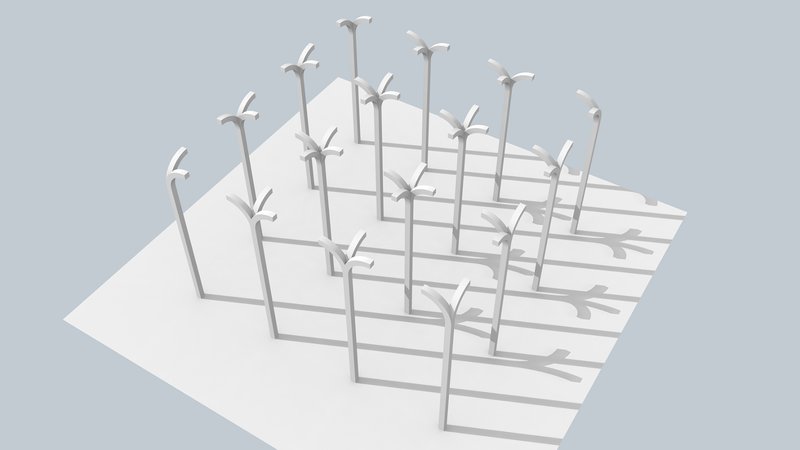
A pre-embraced structure that, ideally, in organic form, takes its cue from date palms, plants that have a relationship with Islam and the Prophet.
The structure is made up of plinths, pillars and beams that are produced in the factory, transported on site and assembled, significantly reducing construction time. Same procedure for the roof structure which is hooked to the underlying concrete structure by means of metal profiles. The roof structure, which is also metal, is made up of galvanized steel beams and an overlying aluminum roof.
We therefore chose a solid construction to meet the required requirements for the large influx of pilgrims and we sought a dignity of living.
As for the cooling of buildings, we have sought a more ecological solution than air conditioning. We were inspired by the city of Nashtifan in Iran and the blades moved by the wind to run the mills below and grind the grain.
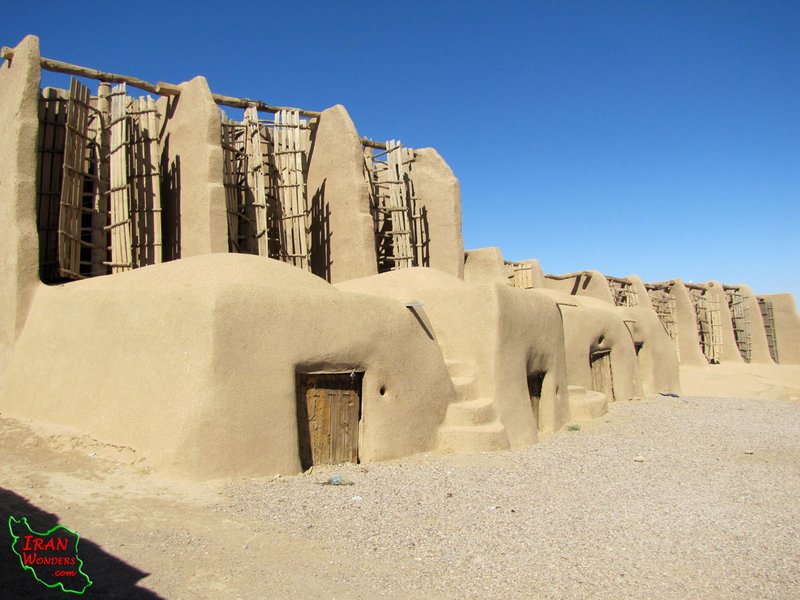
Horizontal windmills were built in small numbers and had blades that turned in a horizontal plane.
So we recreated the same principle to cool the rooms, obviously using modern tools: a VAWT wind turbine, connected to a tangential fan.
We have created a modular mesh on the lot. Following the requests of the brief we have defined the three different modules: the dormitories, the bathrooms and the multifunctional buildings, which lend themselves to a possible internal reformulation.
The spaces between the buildings, orthogonal, have a homogeneous measure, with the exception of the central axis generated by the multifunctional buildings that face each other as if to create a sort of souk.
The dormitory buildings have a ground floor where common functions are located such as: luggage storage, waste disposal, packed food storage and space for worshipping. A small part of the ground floor and the entire first floor are dedicated to dormitories. The central part is expected to be open, like a kind of internal courtyard, where the ventilation mechanism is placed and the rainwater from low rainfall is collected.
The bathrooms are planned on one floor, complete with the necessary services and spaces for ablutions
The multifunctional buildings, with two floors like the dormitories, have a U-shaped plan. On the ground floor they contain the commercial activities. On the first floor offices that can be divided internally with temporary or mobile structures. Their location is planned along the main road and, inside the block in a mirror image, so that users have a commercial path available, which allows them to obtain a space for relationships.
As anticipated, the buildings refer to forms and typological characters of Arab architecture. All buildings have an external finish with the use of musharabieh, which allows cross ventilation. Inside the musharabieh there are waterproof curtains for protection in case of rain.