Setting the 'scene'
Using design as a tool for making spaces into 'places'

As our world grows more and more diverse, these changes make it much harder to incorporate all of the differing needs that different communities come with. The needs and wants of our citizens are growing faster than governments can adapt them to which is why participatory design has become increasingly important for the purpose of effecting change in cities that focus on the happiness of their citizenry, whether through social services or urban development.
Planners of urban settings work with challenges every day. They know that uncertainty is one of the biggest challenges they must face, but generally failure occurs when a project does not get enough time or funds to remain successful. Place makers and designers frequently craft spaces that are more than just a collection of buildings, and they establish the kind of connection and interaction between people that allows for these places to resonate with meaning. We draw on the past and present to inform our goals for the future in developing policies, programs, events, communications, and products intended to enhance this value.
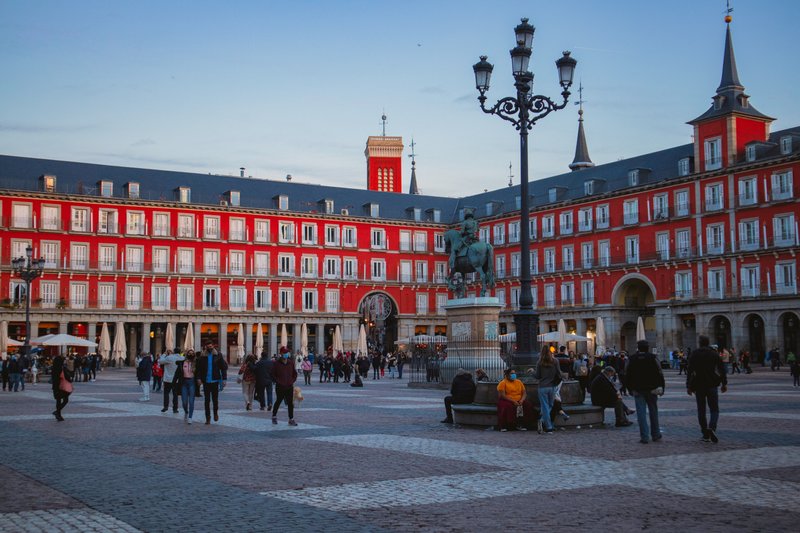
In order to create a sufficient ‘enabling environment’ to facilitate the needs of an individual, there must be an active collaboration among urban-based specialists and end-users when making planning decisions. Establishing some form of collective participation in the decision-making process definitively helps reduce uncertainties as far as possible. In doing so, a practical approach will enable planners and specialists to synthesize the knowledge and views being represented on all fronts by keeping them in balance with each other. The roots of design are as deep and diverse as the art world itself underground. Participatory design relies on engaging all stakeholders and role players within a community before designing a place that’ll accommodate everyone’s needs. Failure to do so could result in an environment prone to misuses by untrustworthy individuals such as criminals or terrorists who could use uninhibited public spaces for their own ill-conceived goals, thereby restricting individual freedom and making urban living risky enough so as to deter people from pursuing a potentially rewarding life in these developed areas!
Place making is an overarching method of planning, designing, and managing public space that seeks to change the way people engage with their urban environment while building a positive identity that highlights what makes the place unique from others. Place making is political because it's about recognizing and helping to define place identity. Making smart use of underutilized space is essentially good place making at its core which helps people break old habits by introducing them to their new surroundings through appealing design principles. Doing so enhances pedestrian experience for visitors as well as locals; this ultimately builds positively on city image.
Place making is more than just promoting design that includes greenery and appealing aesthetics. Effective place making creates spaces which celebrate a community's identity and the past while looking forward to an intriguing future. The creation of attractive city areas shouldn't ever be spearheaded by a government body. Rather, they should be tailored to local rules and requirements, with passionate people from the community taking the reins when it comes to putting place making plans into action!
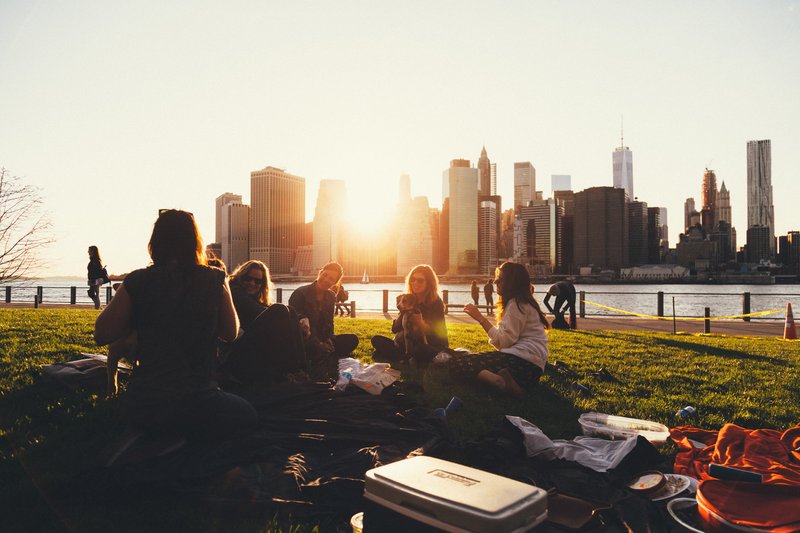
The most common form of place making occurs incrementally, in bits and pieces over time through many small projects or activities. However, larger-scale place making may involve implementing a line of succession of large-scale projects and activities that have the ability to convert a location into a citywide destination full of amenities and culture that draws business, people and tourists alike. Place making is a practice that shows the power of your collective vision. It helps people to re-imagine everyday spaces and see their see the potential of parks, downtowns, waterfronts, plazas, neighborhoods, streets, markets, campuses and public buildings. The principles of place making will help you grow together as a community by incorporate diverse opinions into a cohesive vision through the use of guidelines to create a plan for your space. Step one is translating that vision into a plan and program of uses which will be revisited in small steps before being fully implemented. Place making is about creating great places by listening to what works best in given contexts!
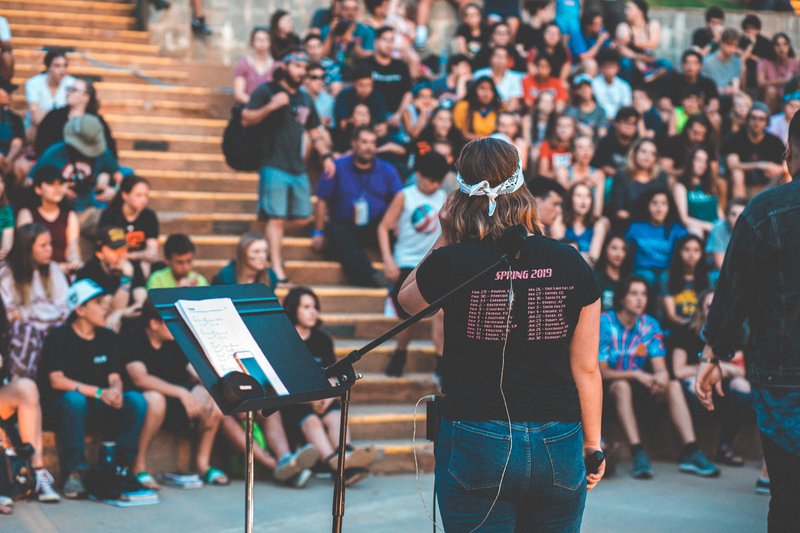 Public spaces that are too prescriptive end up doing more harm than good in most cases as they encourage people not to engage with one another and limit their abilities to create for themselves instead of focusing on making the most out of what's at hand because there is little incentive for them to do so otherwise. Instead, urban environments should be structured with the end-users in mind from the outset so that they can foster collective ownership and exploration of public spaces by designating them as shared domains where users can meaningfully engage with each other over time.
Taking the time to participate in the place making process is essential, as it often leads to great results and even more strengthening community ties. Now when we talk about place making, you might start thinking that it's just like any other manual labor job out there –but this couldn't be more wrong. When people take part in place making projects, it's not about simply building something for the sake of beauty or functionality. Taking part in this process helps promote collective action, strengthen community relations, and establish a conversation with the surrounding area; all of which can go to make for a very successful project.
As more communities engage in place making and more professionals come to call their work “place making,” it is important to preserve the meaning and integrity of the process. A great public space cannot be measured by its aesthetic attributes alone; it must also serve people as a vital cog in a city’s urban machine with which function always trumps form. When people from all skill levels, ages, social groups, and sectors can not only access and enjoy a place but also help shape its identity, preservation and maintenance through collaboration with partners who are invested in place-making initiatives – that is true place making at play!
References (4)