Traditional Mediterranean way of living gets a makeover by Christiana Karagiorgi Architects.
The firm's projects are characterized by their use of natural materials, clean lines, and a focus on functionality.

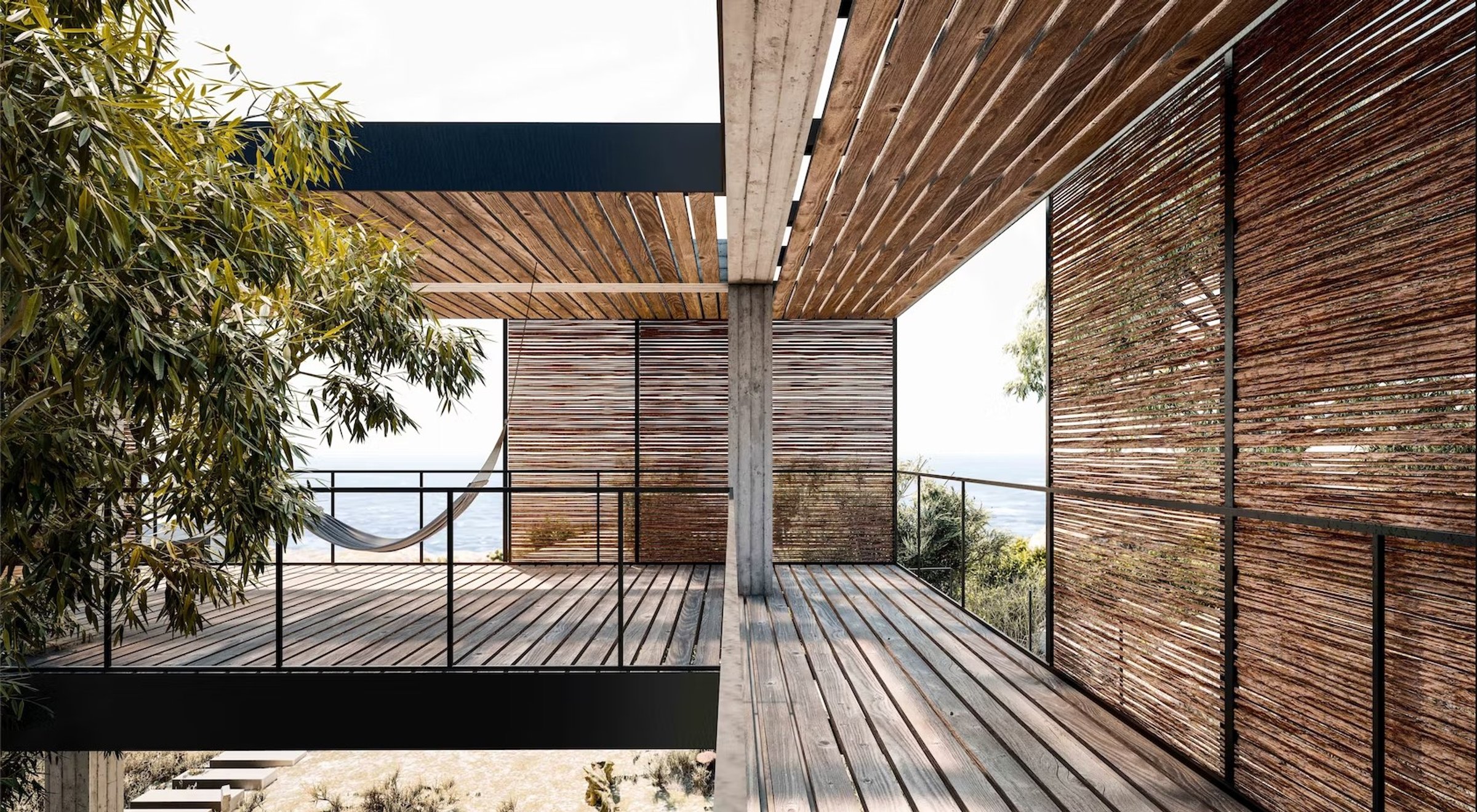
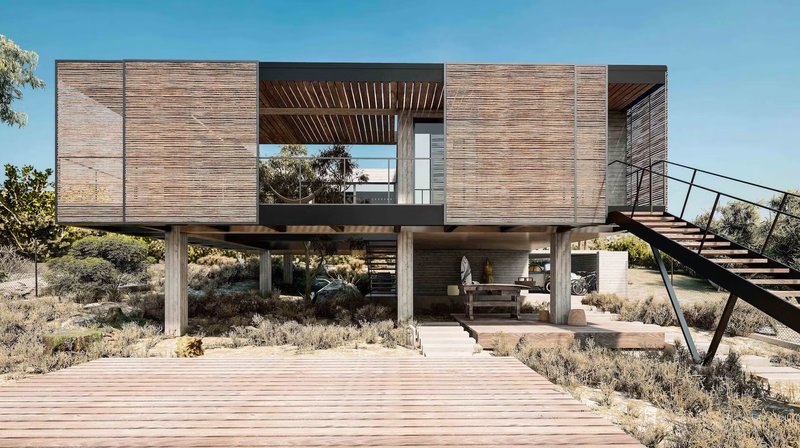
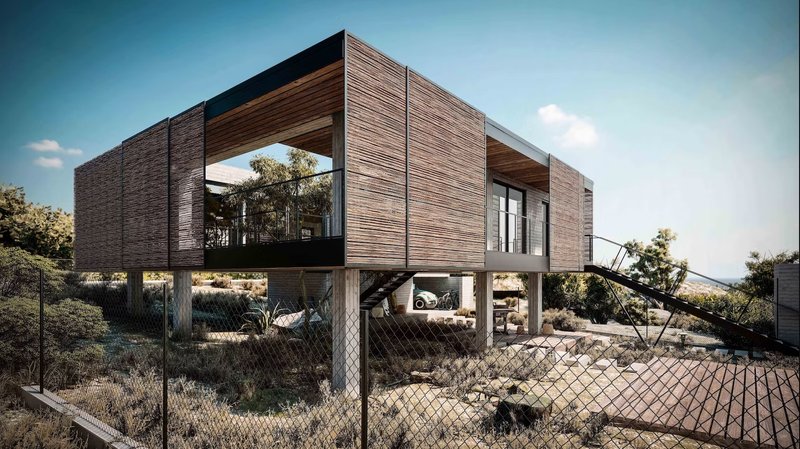
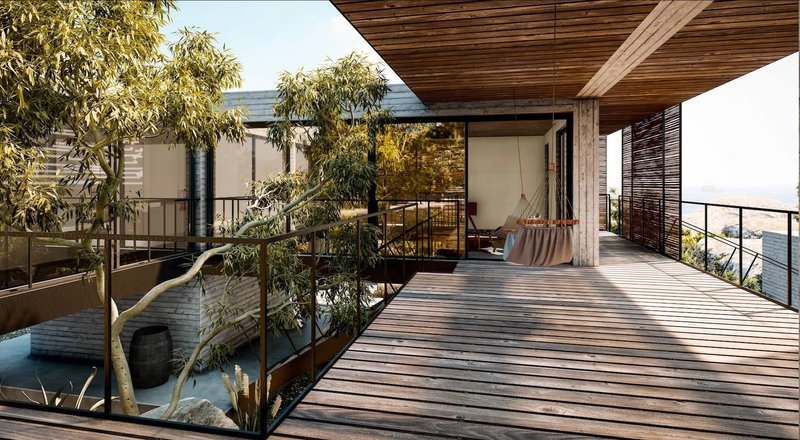
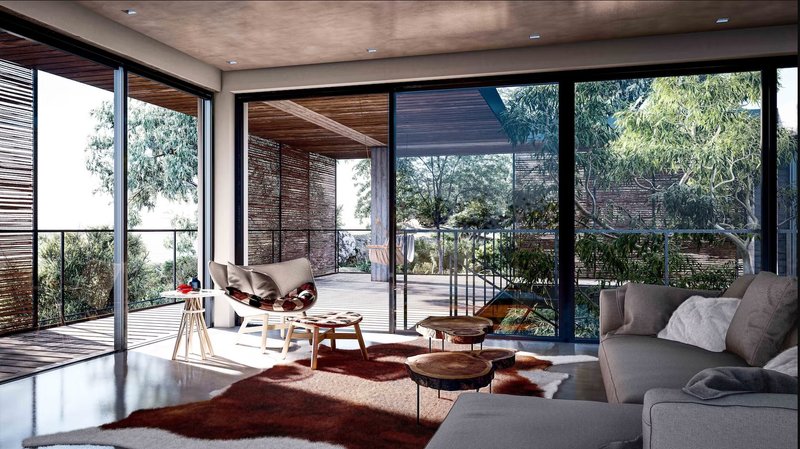
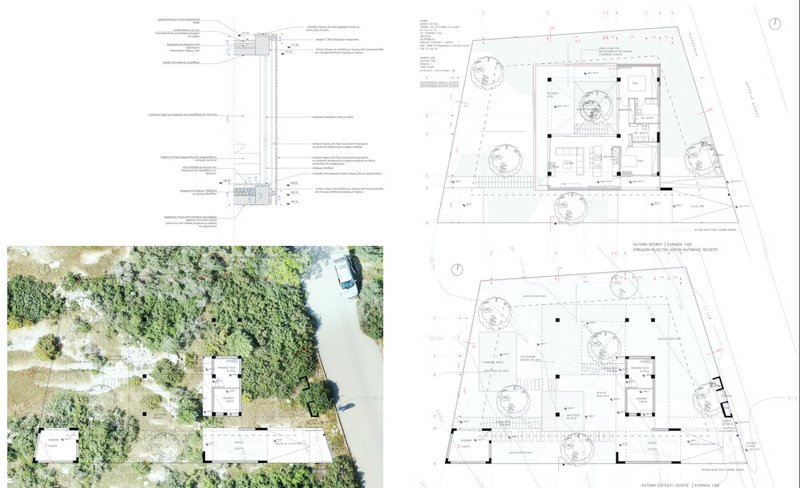
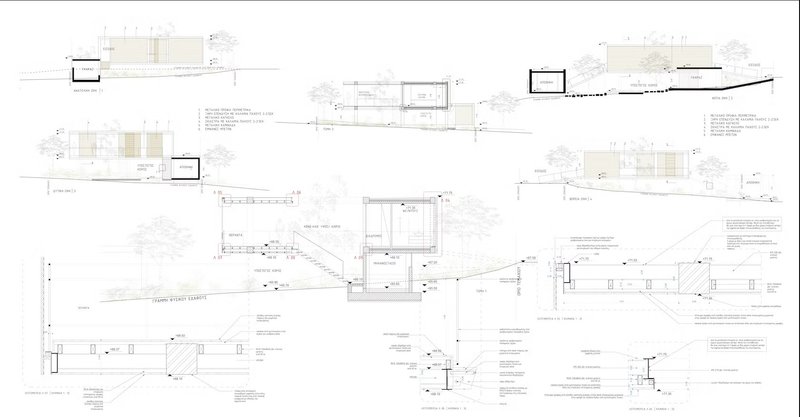
The Surfer's house is designed to be a space between the inside and outside, where you can enjoy the best of both worlds. The house captures the beauty of plants and rocky fields and brings them inside so you can enjoy them in your living room. The construction is minimized to preserve the local microclimate and natural flora. The design is about what is the minimum necessary for living. Ecological awareness and narrativity are combined with the local tradition of house life to create a unique and wonderful space. The house is situated in a small plot in Paphos Suburbs, and it encloses outdoor spaces into a functional circuit of semi-covered and covered areas. This exposes the Akamas peninsula plants and rocky grounds. Natural materials and claddings combined with movable screens made of reeds suggest light and almost transparent cubical volume facing the sea view. On the natural ground of the "pilotis" underneath, the Surfer spends his time in an outdoor workshop.
We had the chance to speak with Christiana Karagiorgi, an architect and founder of Christiana Karagiorgi Architects, about this project in particular.
The main inspirations for this project were simplicity, minimalism, and a focus on local values. The goal was to create a space where people could appreciate the simple things in life and find peace and regeneration. In a way, this project was meant to be a reinterpretation of the traditional Mediterranean lifestyle.
 © Christiana Karagiorgi Architects
 © Christiana Karagiorgi Architects
What do you believe are the standout components that made your project win the 10th Annual A+Awards?
In an era of crises and economical and ethical downfall, the project stands out as a necessity in terms of design and function. It enhances the vision of returning to the roots of being – the tradition and identity of living, the relation to surroundings and nature and the creation of new materiality based on what is affordable and simple to be constructed. In these terms it transforms the residential concept into a retreat, providing a place of refuge and healing. it returns to the roots that form the essential essence of living in a home.
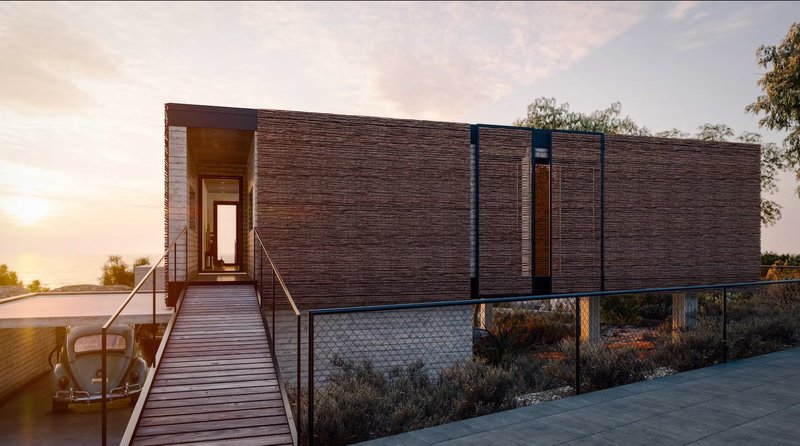 © Christiana Karagiorgi Architects
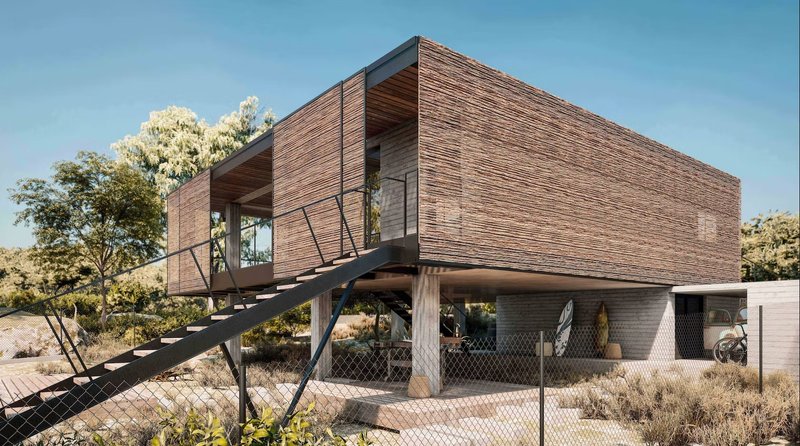 © Christiana Karagiorgi Architects
What was the greatest design challenge you faced during the project, and how did you overcome it?
The greatest design challenge we faced during the project was maintaining the budget. We had to be creative with how we used our resources and ended up coming up with an L-shaped design that created additional living spaces with a view of the sea. We're proud of how we were able to navigate this challenge and come up with a beautiful end result. We did our best to stick to the budget in order to preserve the natural ground of the plot - no paved spaces, no unified concrete foundations. This was our initial concept and the client adopted these decisions very easily. The economic restraints complemented the ecological but also aesthetic visions of the project - which was wonderful.
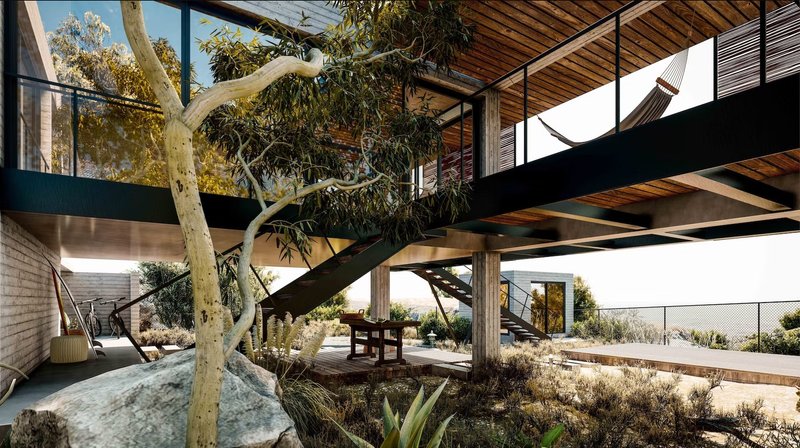 © Christiana Karagiorgi Architects
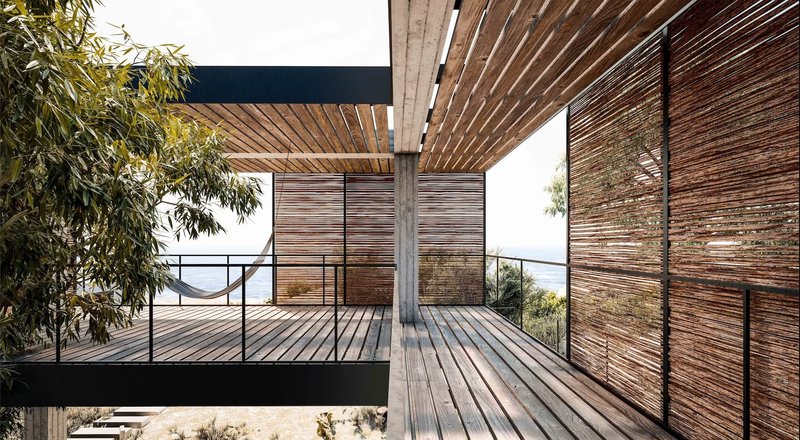 © Christiana Karagiorgi Architects
How did the context of your project — environmental, social or cultural — influence your design?
As architects, we sometimes have to face several design needs and aesthetic requests from less-educated clients that can be fatal to a project if we lose sight of our vision during the process. More often than not, an architect's initial idea is discarded because the client wants something different... This project was lucky to survive because the client very much liked and approved the final design. I hope that all future projects will have the same success as this one – is adjusted to the user but also maintains a unique quality that makes it stand out in a fine, architectural manner. The design has to take into account the E(environmental), S(social) and C(cultural) context that contemporary architecture suggests. I hope that the way we currently think about living is already moving towards these values so that, as architects, we can produce work that challenges the norms a little bit.
 © Christiana Karagiorgi Architects
What was your role in the project, and were there any other team members or skills that were essential in bringing this Award-winning project to life?
Of course, design is not a one-person show. Consultants on structural design, electrical and mechanical were involved from the beginning. Perhaps for the Award win, the most important collaborator was the 3d creator, as the project is now under construction. Together we managed to bring it to life virtually and be able to submit it to the Jury. My only concern is to achieve a construction result that can be even better than representation.
 © Christiana Karagiorgi Architects
Have any aspects of the project been significantly changed from the original plan to the current state of construction, and if so, why?
No, not at all. Up until the completion of the concrete structure, no alterations have been made.
What has been the response of your clients to the progress of the project?
They have been very cooperative and understanding during every phase of the project - from concept and design to construction. Of course, they are eager to see the finished product, but they are also enjoying seeing it come to life day by day.
 © Christiana Karagiorgi Architects
What key lesson did you learn in the process of conceiving the project?
I learned that it's always important to keep the user's needs in mind and to let yourself create within restraints. Less freedom can actually lead to better design because you're forced to think outside the box. The key is to then promote the result as a necessity and make it acceptable to the client. Alterations might happen during this process, but they should always advance the result, not degrade it.
How do you believe this project represents you or your firm as a whole?
I believe this project is representative enough of me or my firm. It has made us well-known locally. It's great that the local community responded so positively to my work - I never expected it to be so well-received! I don't think I would ever design something like that again though, because each project should be unique and have its own character. I just hope that in the future, I'll have the opportunity to create different designs that will be equally as successful in standing out.
 © Christiana Karagiorgi Architects
What positive responses have you gotten from others since receiving an A+Award?
It's been extremely important for our small firm to receive such an Award. We're grateful that this project has been appreciated globally. The A+Award has elicited very warm responses not only from the local industry and colleagues here in Cyprus but also from colleagues in other countries. This is very encouraging and wonderful. It's always creative to exchange views and comments about architectural production. It makes you feel that you are part of the progress, in your own – locally solicited way.
How do you think this project will influence your work in the future?
I think this project will act as a sort of pilot for me in terms of how I make decisions and get them implemented in the right way. It's been a great learning experience in terms of timing, adopting the right tactics, and so on.
Is there anything else you'd like to share about this project that you think is important?
I just want to say thank you again for awarding me this opportunity. It's been an incredible experience.
Consultants
Nice Engineering (Structural Consultants), Konsulto Engineering (Mechanical Consultants), Aristos Sofokleous (Electrical Consultant), A Squared Studio (3d Rendering Collaborator)
Products / Materials
Reeds of “lygaria” a greek plant that produces solid reeds in a dark colour
For. more on A Surfer’s House, please visit the in-depth project page on Architizer.
References (1)