
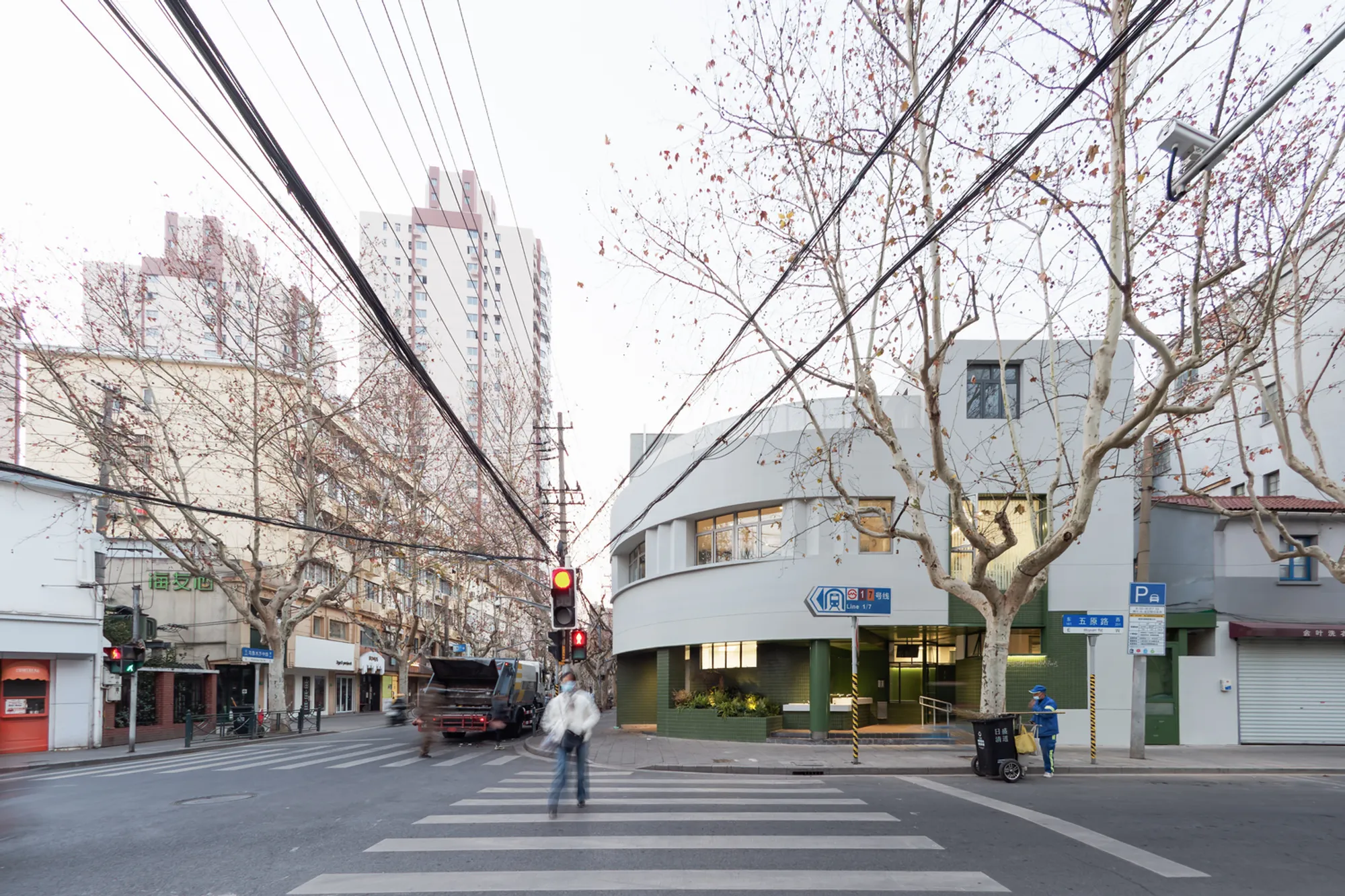
Urban Renovation Architecture: Revitalizing the Hunan Street Public Service Station
The article explores the urban renovation of the Hunan Street Public Service Station in Shanghai, focusing on design and functionality.


Urban renovation architecture plays a vital role in reshaping cities, enhancing their functionality, and preserving historical structures while adapting to modern needs. One notable example of this trend is the renovation of the Hunan Street Public Service Station in Shanghai. The project, carried out by Steamarch, demonstrates how careful planning and innovative design can transform an outdated public facility into a dynamic urban space. This article will explore the architectural challenges, design concepts, and the impact of the renovation, all within the context of urban regeneration.
Background of the Hunan Street Public Service Station Renovation
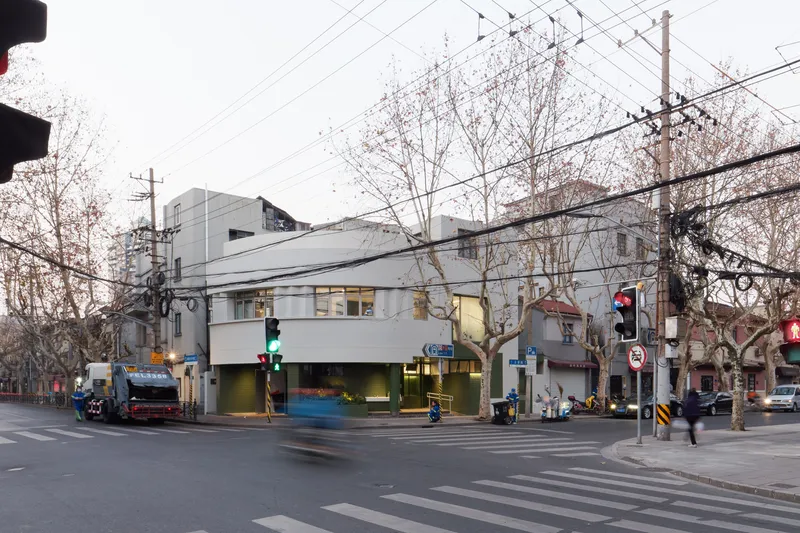
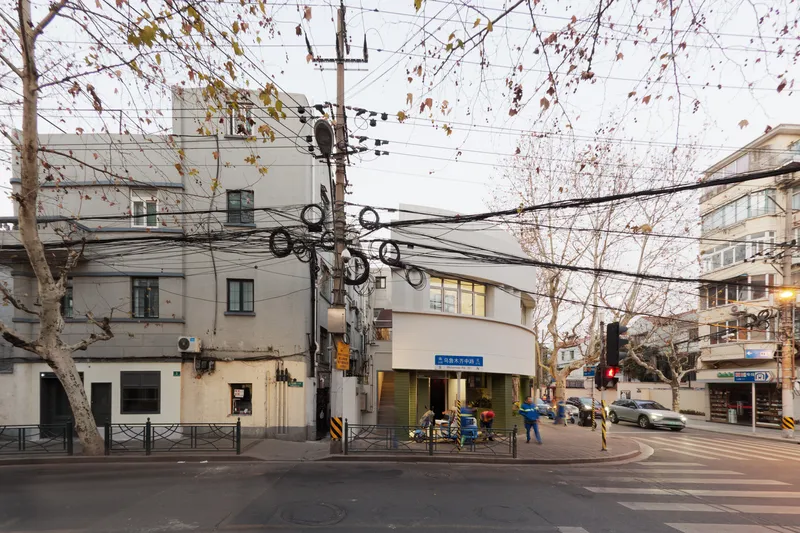
The Hunan Street Public Service Station, situated in the heart of Shanghai’s bustling urban landscape, was initially built as a facility for public toilets, a garbage transfer station, and a janitor’s lounge. Over time, as the surrounding areas saw significant urban growth, the building's original design no longer met the evolving needs of the public or the city’s aspirations for urban regeneration.
In response to this, a public proposal call led to a competition, which was ultimately won by the architectural firm Steamarch. The project focused on revitalizing the building to better serve the community while enhancing the urban environment.
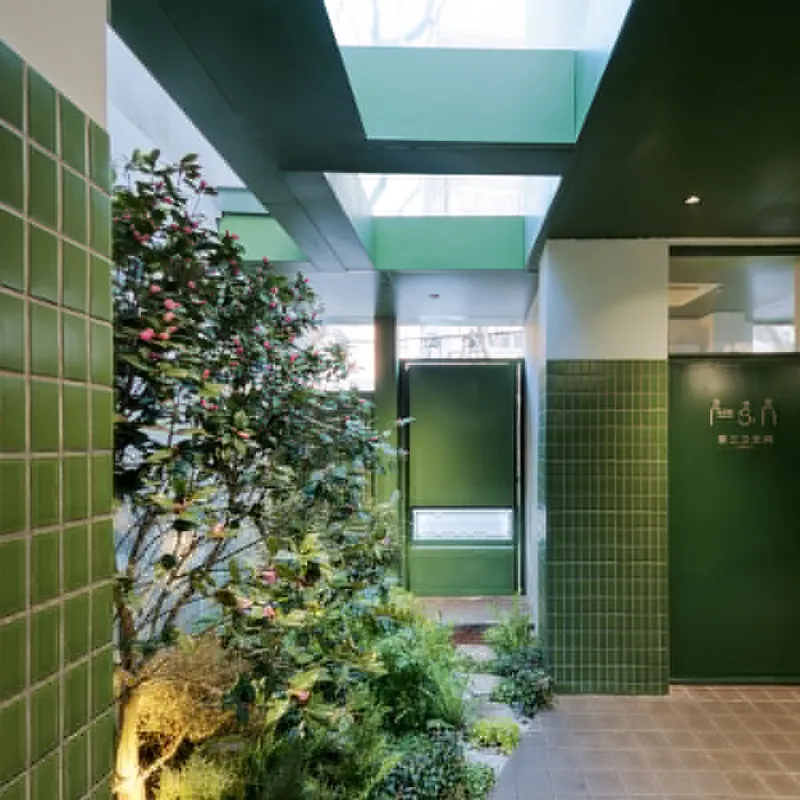
The Role of Urban Renovation Architecture in Enhancing Public Spaces
Urban renovation architecture involves adapting existing structures to meet new functional and aesthetic requirements without losing the original character of the building. In the case of the Hunan Street Public Service Station, the renovation aimed to elevate both the visual appeal and the functionality of the space.
Key Renovation Objectives
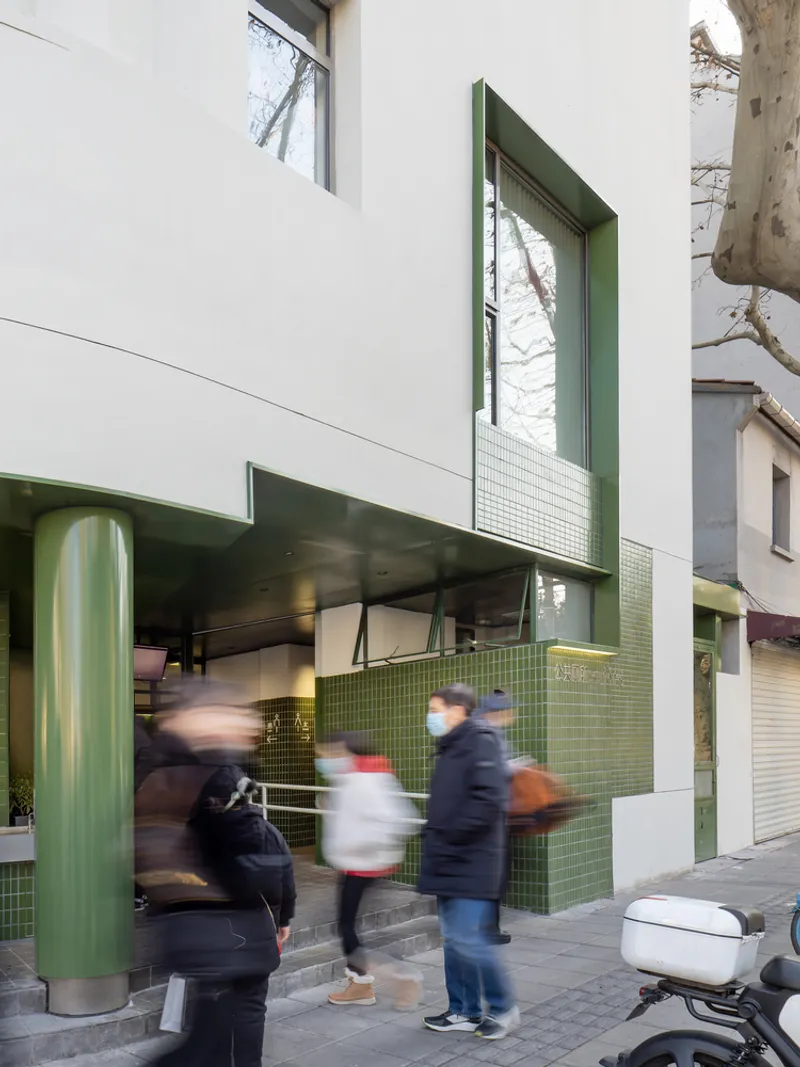
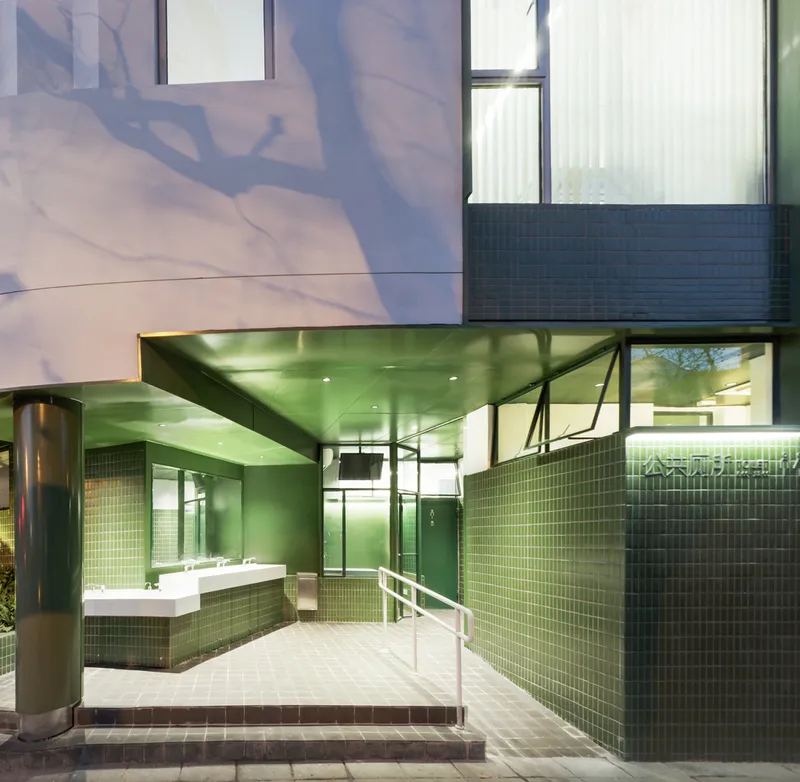
- Improved Aesthetic Appeal: The original building lacked a cohesive, welcoming appearance. Through the renovation, Steamarch redesigned the facade to create an eye-catching and modern structure that aligns with the city’s growing tourism and urban regeneration goals.
- Functionality Upgrade: The public service station needed to accommodate not just waste management and janitorial functions but also serve as a community space. By restructuring the internal layout and relocating various functions, the building was adapted to meet contemporary needs.
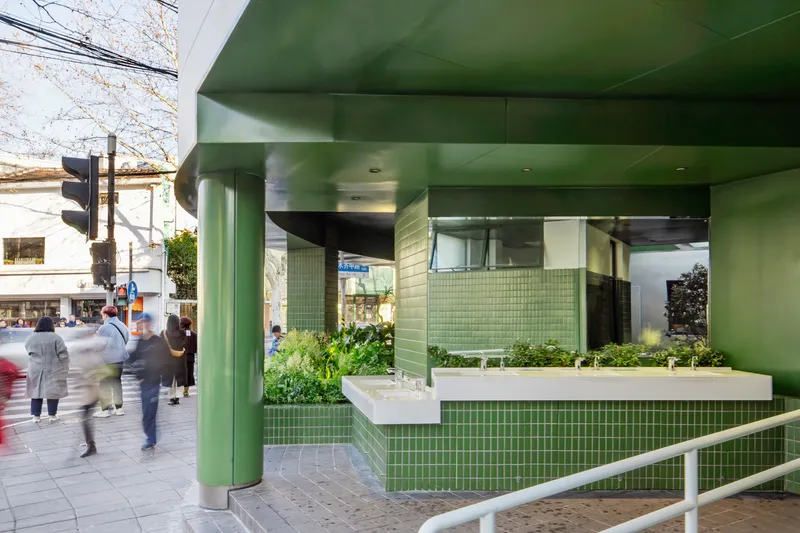
- Public Interaction: A major element of the renovation was integrating the public experience into the design. The building now features large, open areas that encourage interaction and create a smooth transition between public and private spaces.
The Design Process: Harmonizing Function and Form
Steamarch’s design for the Hunan Street Public Service Station reflects a delicate balance between functionality, user comfort, and aesthetic value. Here are some critical elements of the architectural approach:
1. Dynamic Entry and Urban Integration
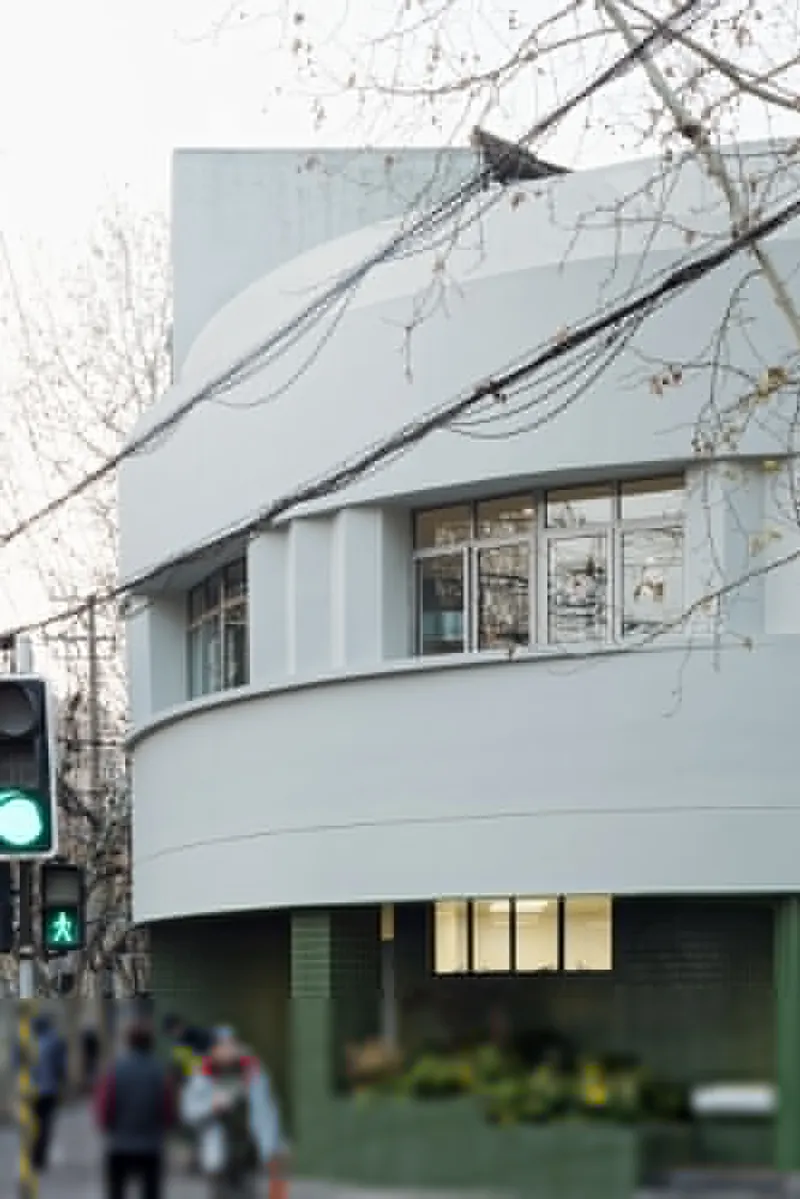
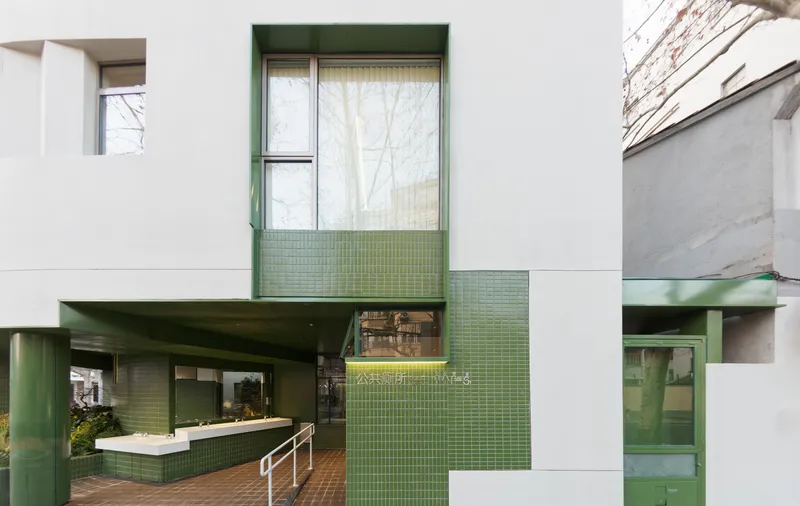
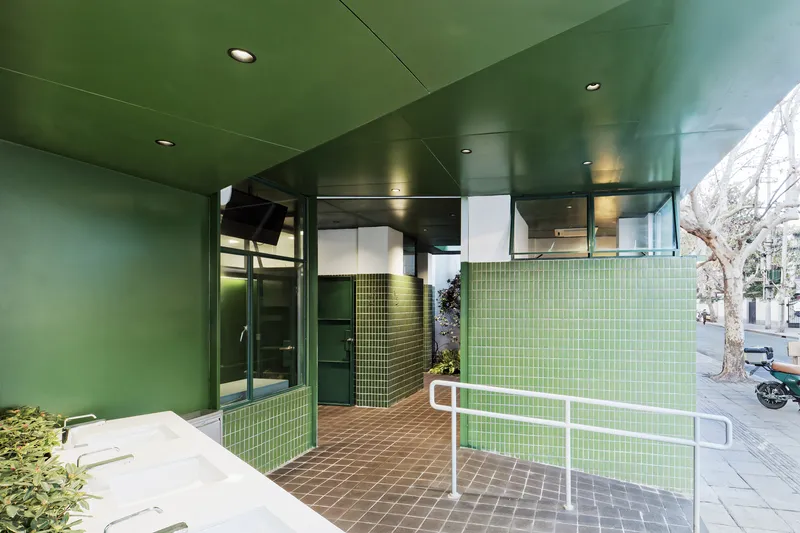
The design introduces a dynamic line that leads from the city streets into the building. This not only visually connects the building to its surroundings but also encourages public engagement. The entry is characterized by expansive openings and flower beds that make the transition from the urban environment to the public service station more seamless and inviting.
2. Public-to-Private Transition
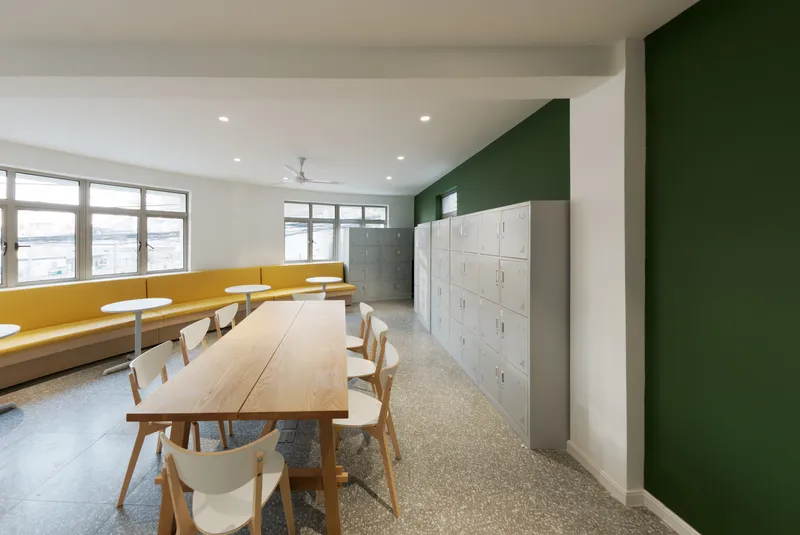
The renovation prioritizes user comfort, especially for janitors and facility managers. A spacious second floor has been designated for office and rest spaces. This area is designed with pet-friendly features, which reflects the increasing demand for inclusive, comfortable spaces that cater to diverse needs.
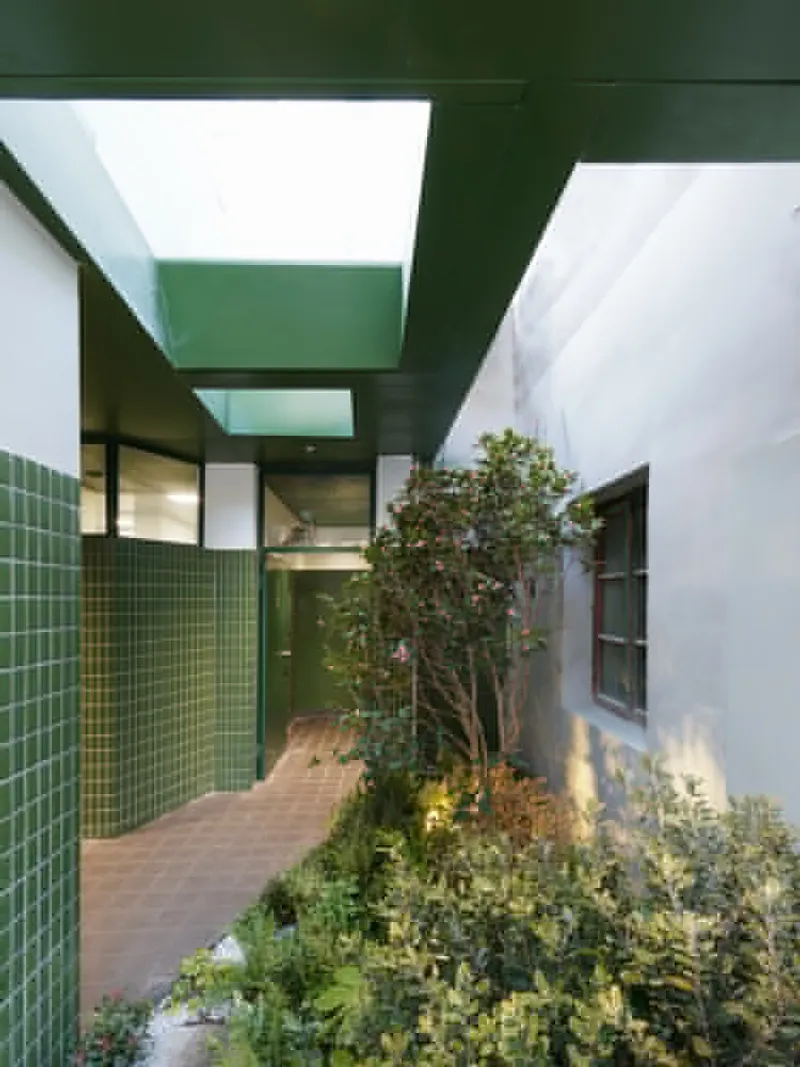
Furthermore, the creation of an interior courtyard or patio allows the public to experience a peaceful, transitional space before entering more private or service-oriented areas. This design decision helps mitigate the sharp divide between the public and private zones of the building, making the experience smoother and more intuitive for visitors.
3. Sustainable and User-Centric Design
Sustainability is a core component of the renovation. By reusing the building’s original structure and integrating modern, energy-efficient features, Steamarch’s design minimizes environmental impact. The facility now supports efficient waste management, and the overall aesthetic is more in tune with contemporary architectural standards.
The Impact of the Hunan Street Renovation on Urban Regeneration
The renovation of the Hunan Street Public Service Station is a prime example of how urban renovation architecture can contribute to the revitalization of public spaces in cities. Shanghai’s rapid urban development over the past few decades has led to a need for innovative solutions to integrate older structures with new urban plans. The renovated station now serves as a vital part of the urban fabric, offering not only practical services but also acting as a symbol of modernity and progress in an ever-evolving city.
Social and Environmental Benefits
- Enhanced Public Engagement: The open design invites public interaction, fostering a sense of community and making the space more accessible to all.
- Environmental Sensitivity: Through the careful use of sustainable materials and energy-efficient systems, the renovation reduces the facility’s environmental footprint, aligning with broader urban sustainability goals.
Urban Renovation Architecture as a Tool for City Transformation
The Hunan Street Public Service Station renovation demonstrates the power of urban renovation architecture in transforming underutilized public buildings into functional, community-centered spaces. This project not only addressed the immediate needs of the public service station but also created a lasting impact on the cityscape, offering an example of how architecture can blend practicality with aesthetic enhancement. As cities continue to grow and evolve, the importance of such renovations cannot be overstated—they serve as a blueprint for future urban regeneration projects worldwide.
By embracing the potential of urban renovation architecture, cities can revitalize their historic structures and create spaces that serve the needs of both the public and the environment, ensuring a more sustainable and engaging urban future.
All photographs are work of XIAO Xiao




Popular Articles
Popular articles from the community


The Musturak Paradise: Senior Living Architecture for a Connected Future in Temara, Morocco
The Musturak Paradise reimagines senior living architecture in Temara via private homes, social spaces, culture, community, and shared care.

The Ocean Hive: Sustainable Architecture for a Self-Sufficient Civilization at Sea
The Ocean Hive imagines sustainable architecture at sea, where modular habitats, algae, wave power and ocean waste sustain a growing colony.

Play: Fragments of Their World
Familiar architecture becomes modular playground design, creating safe spaces where displaced children can learn, connect, imagine and play.

Lunar Spiral: Space Architecture Shaped by the Mathematics of the Universe
Lunar Spiral reimagines space architecture through Fibonacci geometry, lunar regolith, levitating habitats, and self-sustaining Moon living.

Similar Reads
You might also enjoy these articles


Hodi-Mandai Geram
Project Function: Preservation and revitalization of the Intangible heritage and socio-spatial identity of the Hodi by Housing, Cultural Memory Center, Sacred Grove, landscape, local tourism economy


Olio Towers: A Mid-Rise for Performers That Fuses Housing, Rehearsal, and Stage
Located blocks from Houston's Theater District, this modular tower stacks living units around a central performance atrium.

Oasis: Modular Green Housing Carved into Dhaka's Urban Fabric
A shortlisted Plugin Housing entry reclaims unauthorized settlements in Dhaka with stepped concrete volumes, green roofs, and ventilation-driven design.

Black Hole: A Floating Megastructure for the Post-Physical Era
Emiliano Mazzarotto envisions a spherical, self-scaling arena where e-sports, digital hotels, and holographic stadiums replace traditional public space.
Explore Urban Renewal Competitions
Discover active competitions in this discipline



Challenge to reimagine the Iron Throne


Photograph architecture without architects


Illustrate the lost glory of Angkor Wat - Render Challenge


Design challenge to reuse E-waste
Comments (0)
Please login or sign up to add comments
No comments yet. Be the first to comment!