
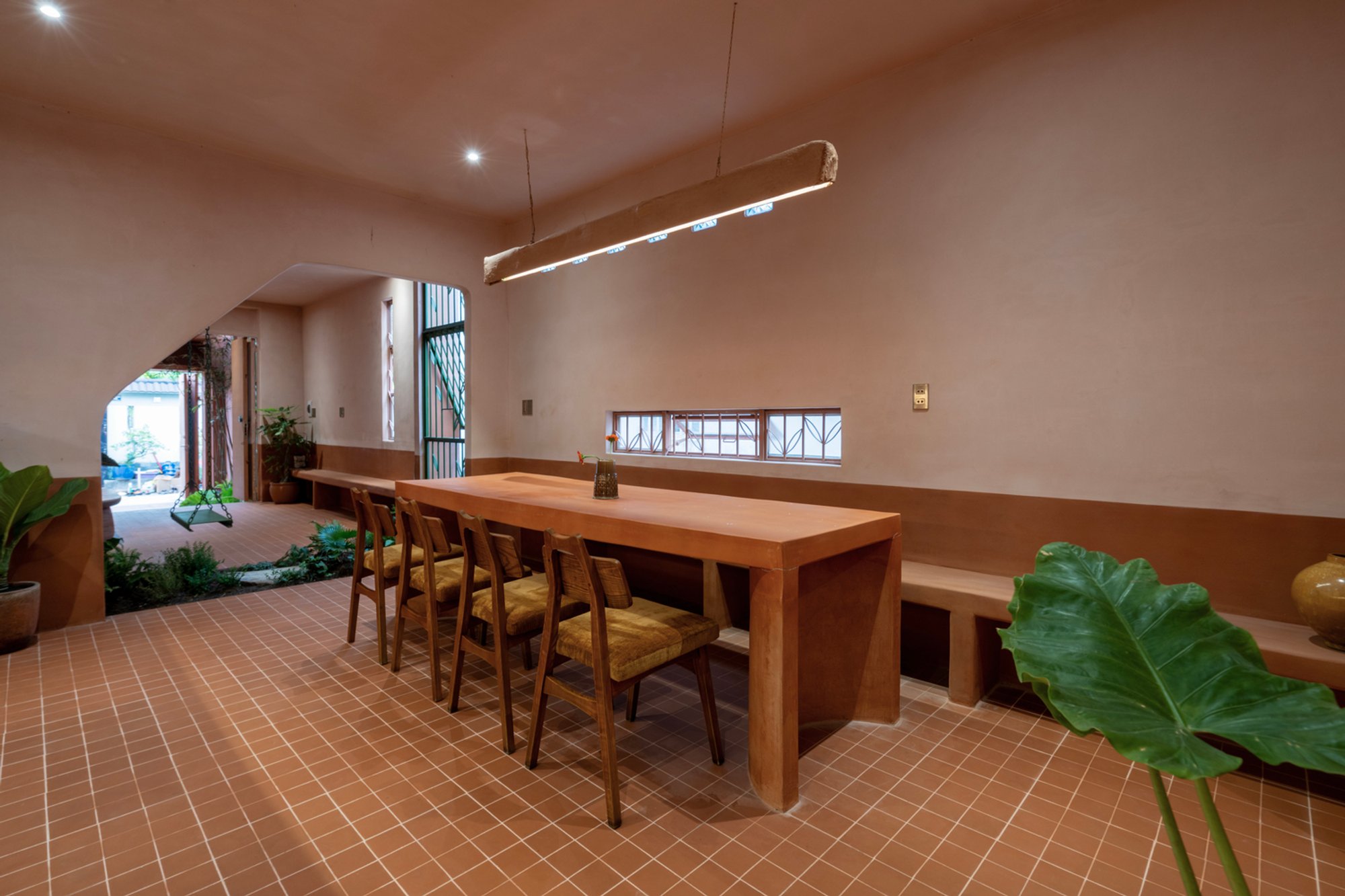
Vietnam Earthenware House Architecture: Blending Tradition and Contemporary Design by NAQI & Partners
A handcrafted Vietnamese house blending local earthenware, bamboo, and personal details, honoring Southern Vietnam’s culture and contemporary living.

Introduction to Earthenware House by NAQI & Partners
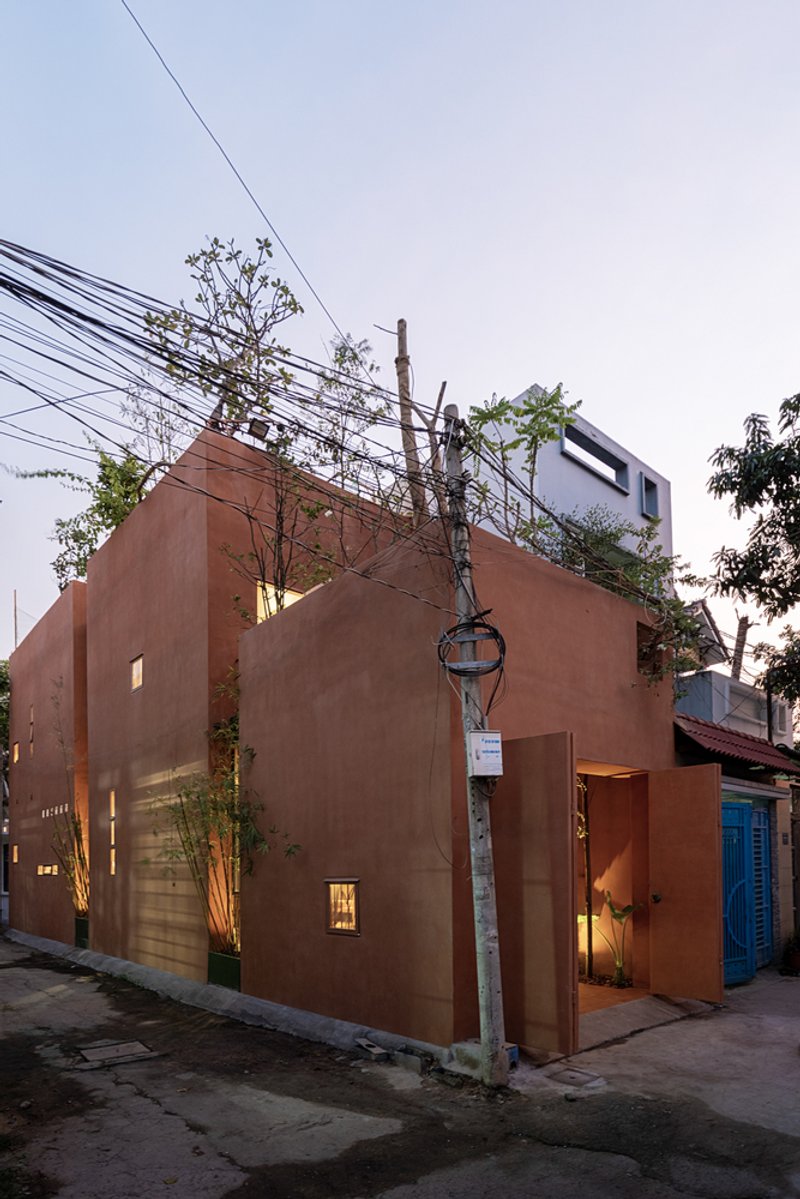
The Vietnam earthenware house architecture showcased in the Earthenware House by NAQI & Partners is a striking example of how architecture can honor local heritage while providing a modern, comfortable living space. Located in Southern Vietnam, this 70-square-meter residence seamlessly blends handcrafted details, local materials, and cultural storytelling into a cohesive design that speaks deeply to the soul of the Mekong Delta.
Celebrating Lái Thiêu Ceramics in Modern Living
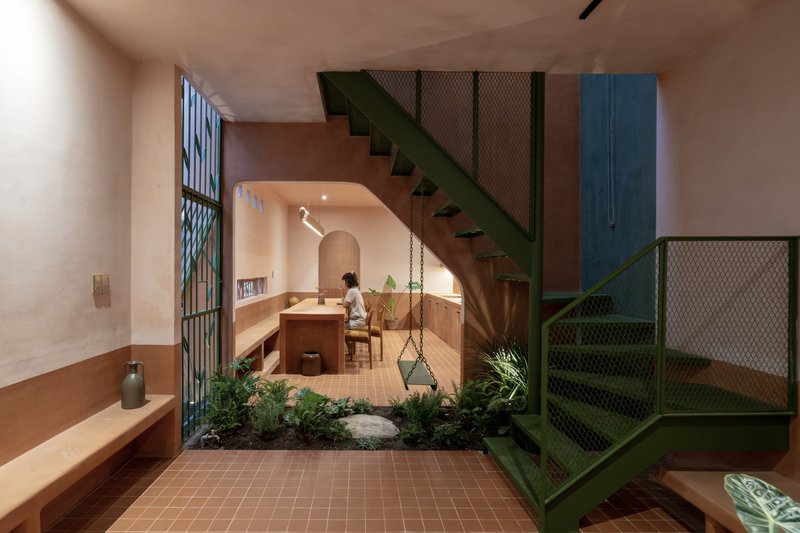
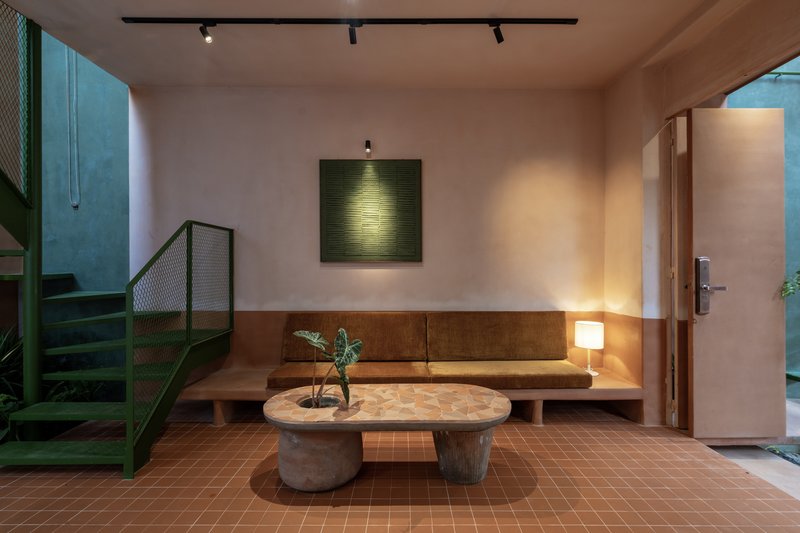
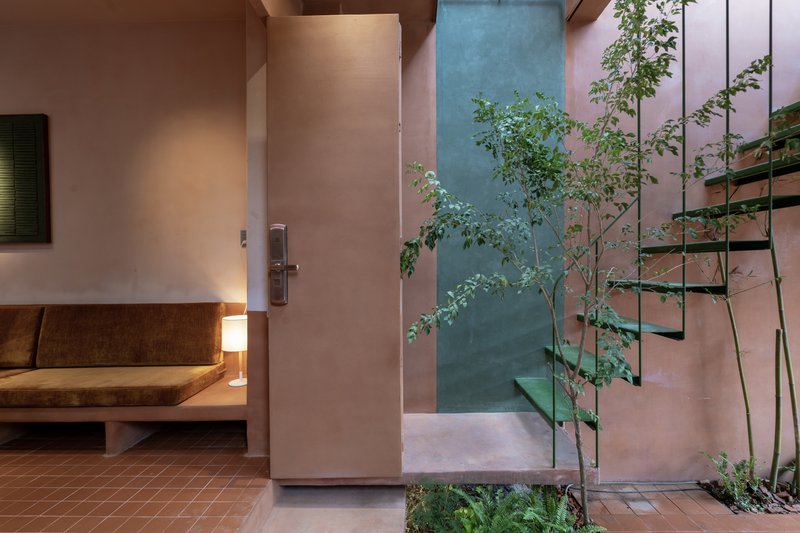
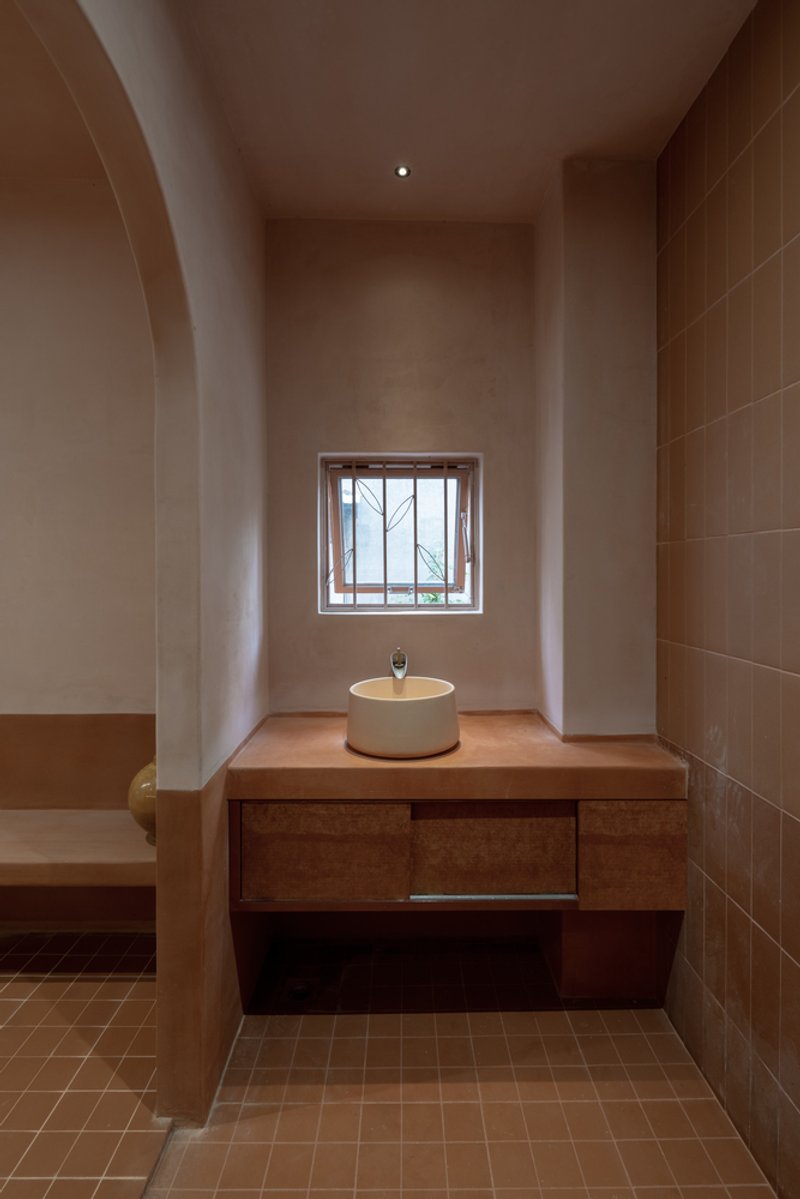
Lái Thiêu ceramics, known for their transmutation glaze and centuries-old history, are central to the narrative of the Earthenware House. These ceramics, once traded by river merchants and woven into the everyday life of the region, now serve as a tactile connection to the land. Every step inside the home, from grasping a doorknob to walking across ceramic-adorned surfaces, evokes the authenticity and exuberance of Southern Vietnam. NAQI & Partners integrate these elements not merely as decoration but as living, functional components of the architecture.
Spatial Composition: Inspired by Terracotta Pots
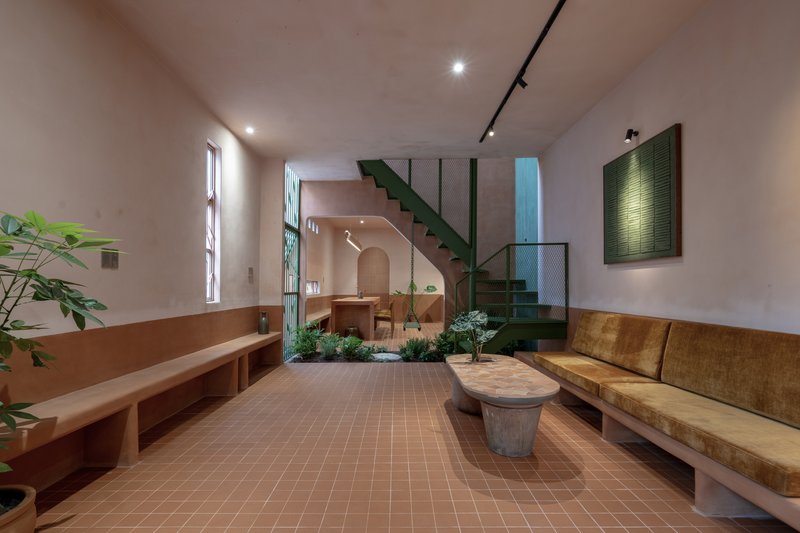
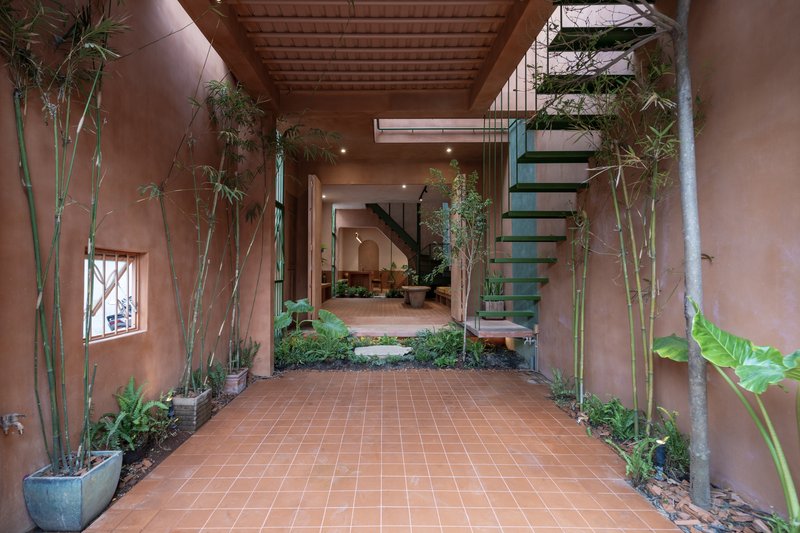
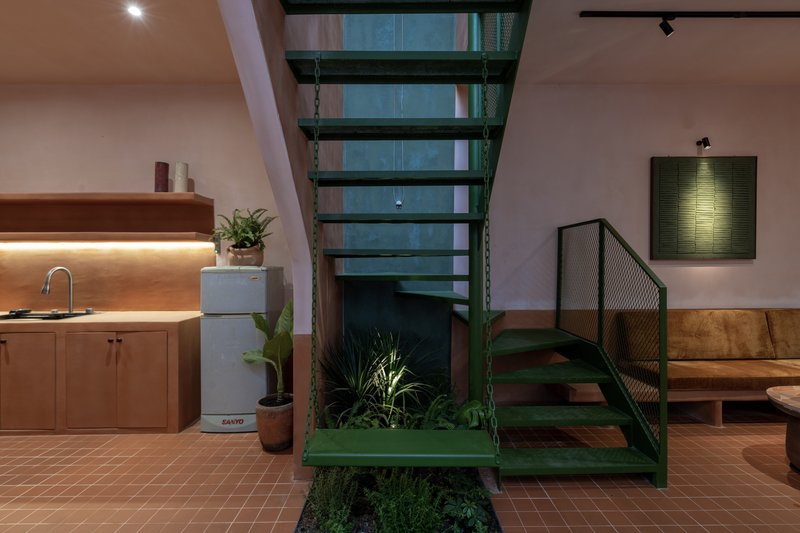
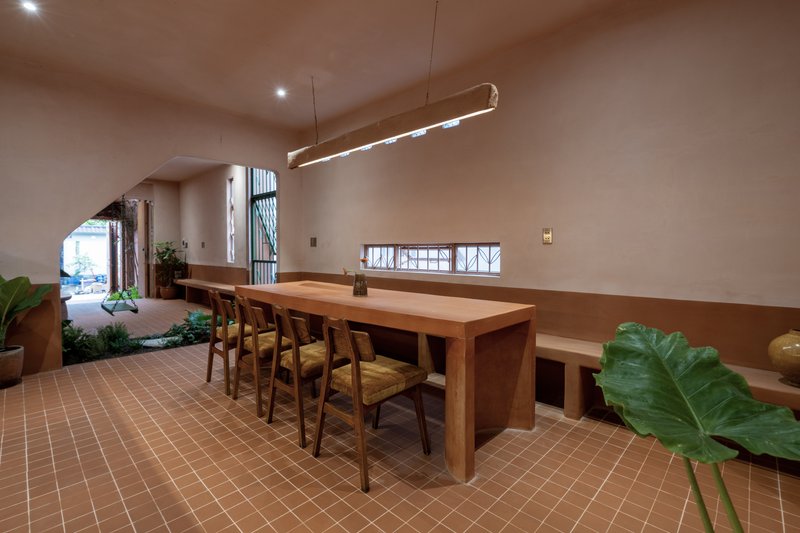
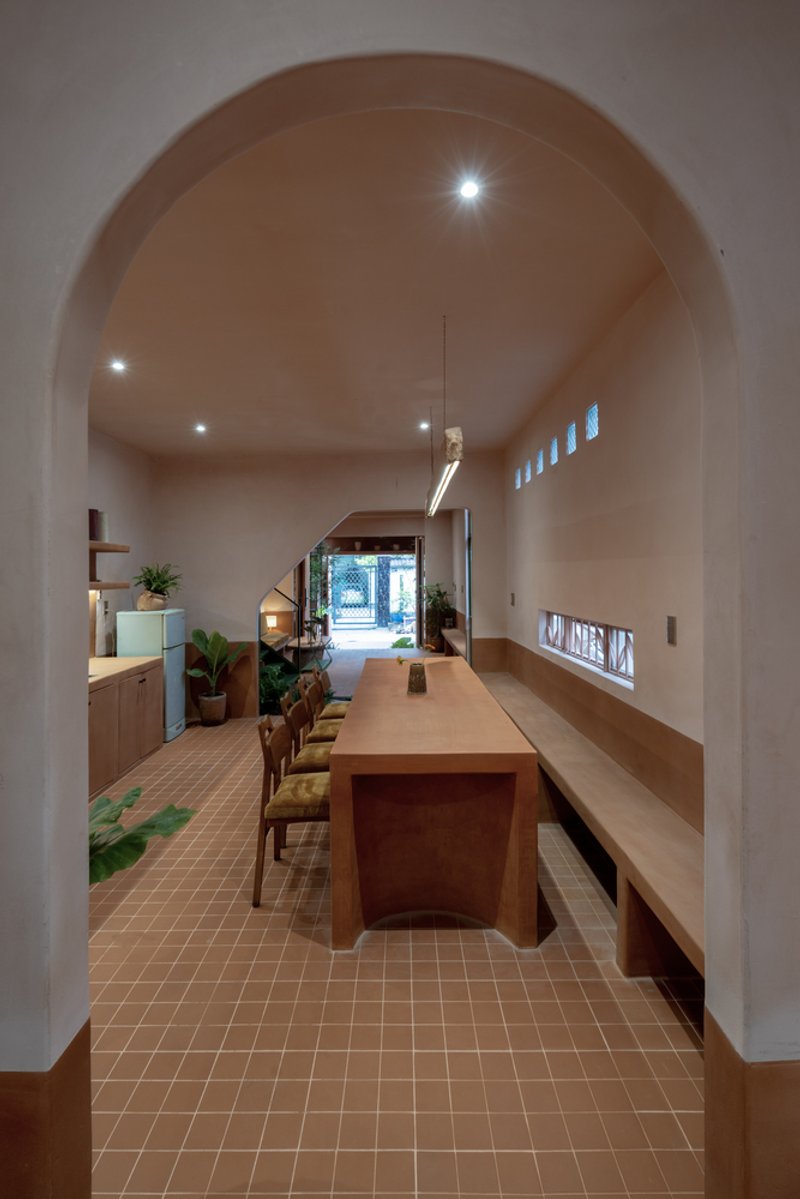
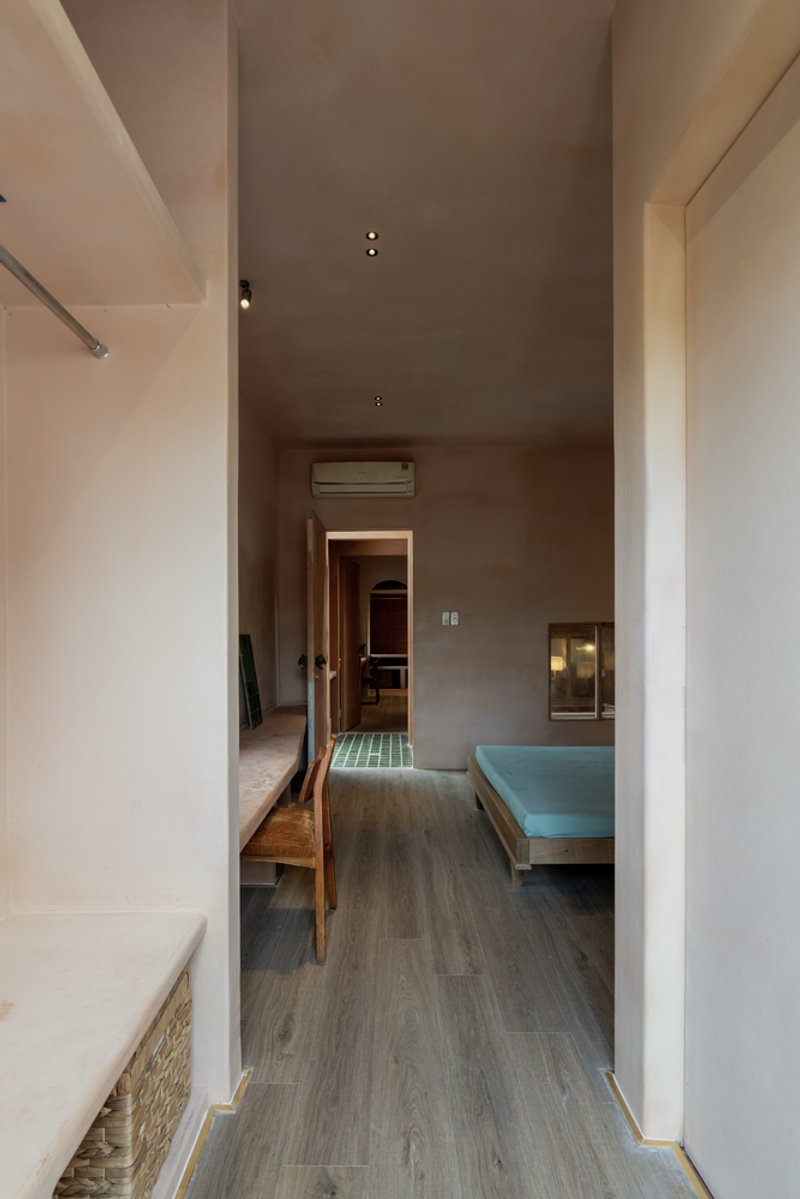
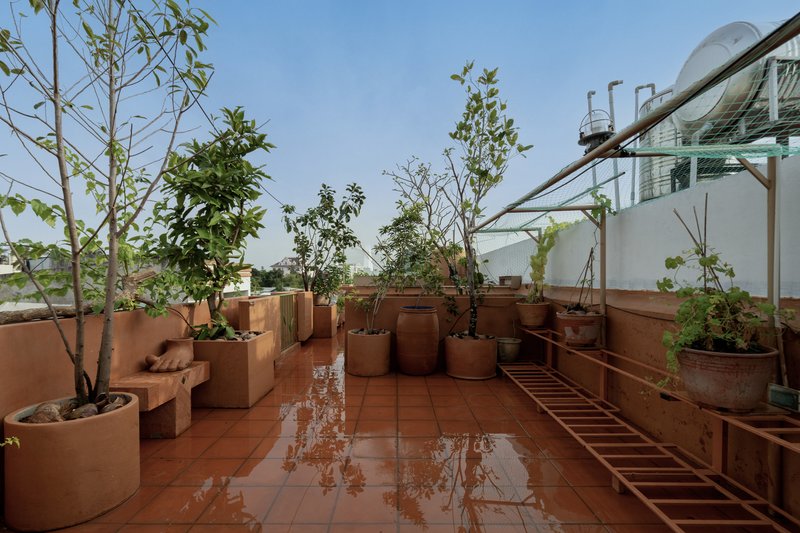
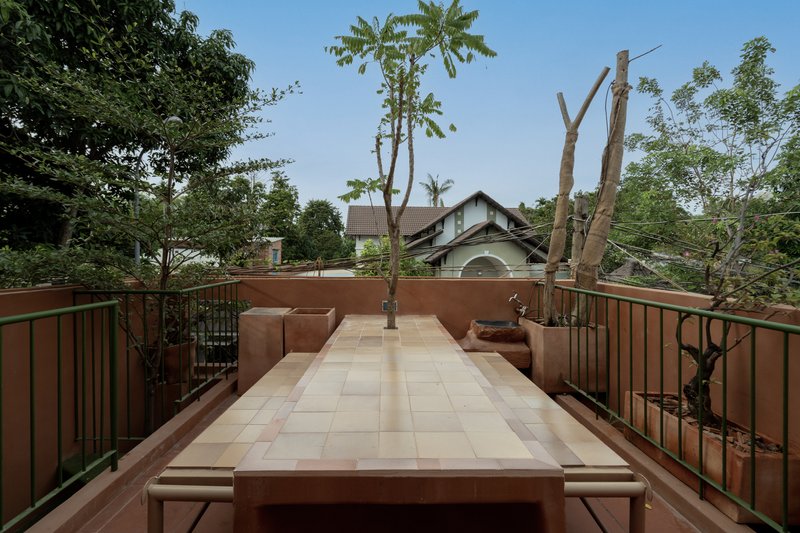
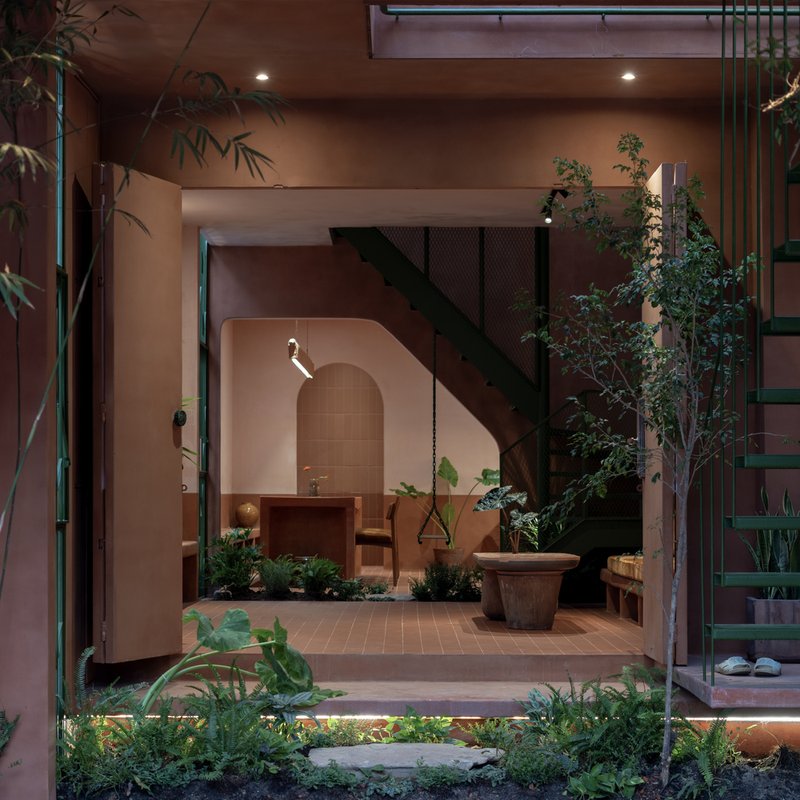
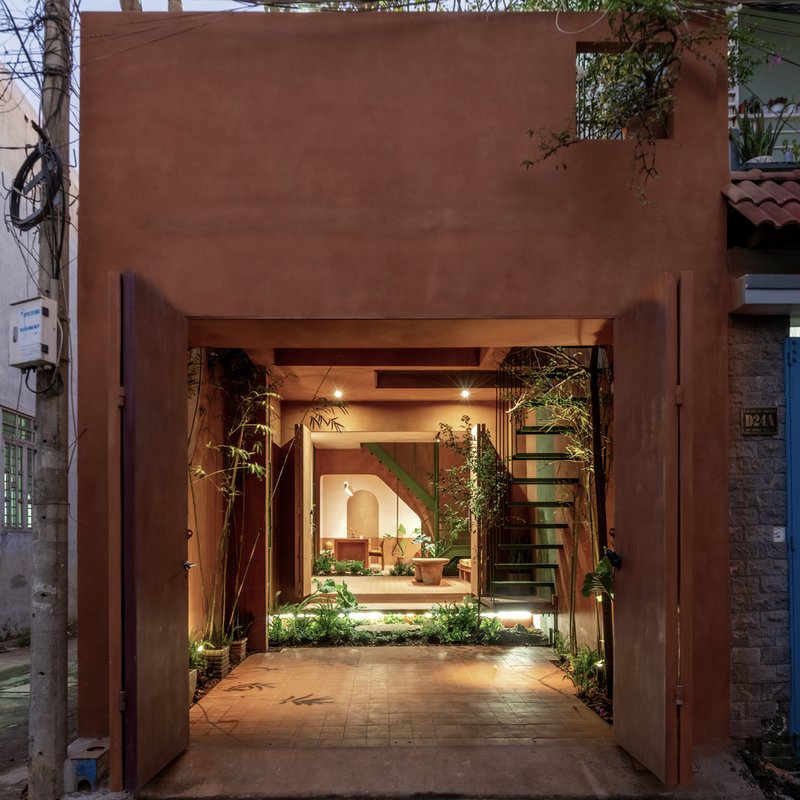
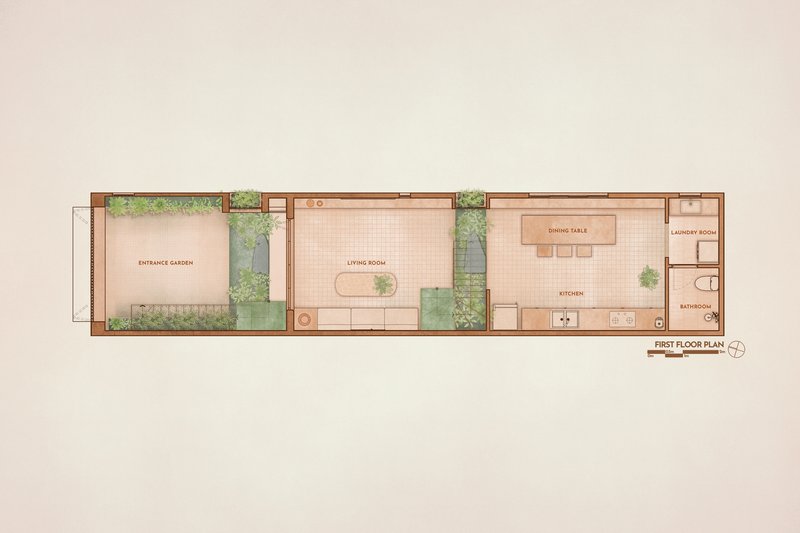
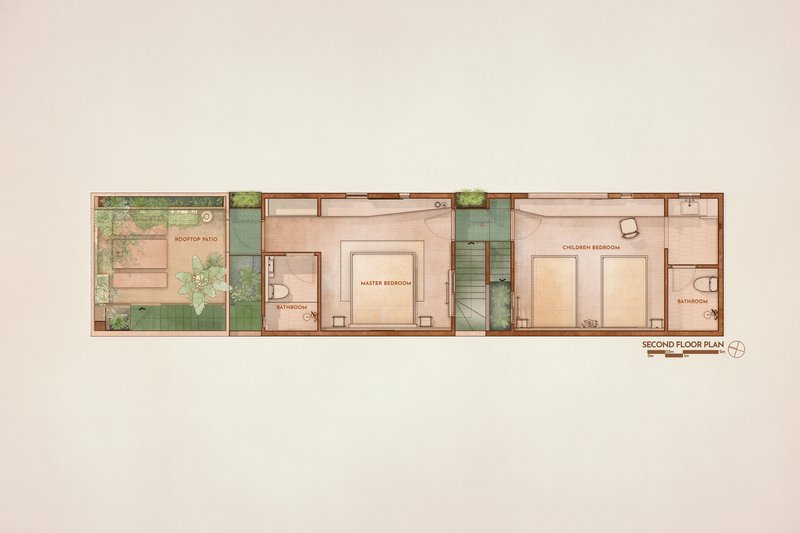
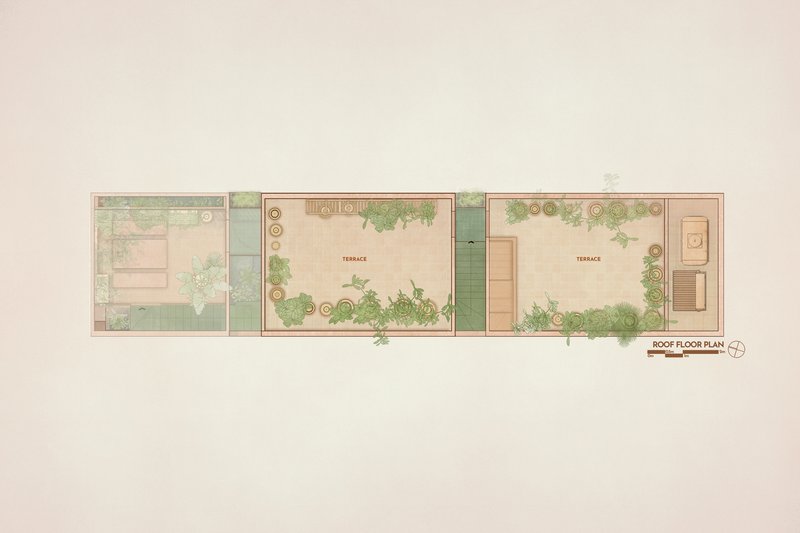
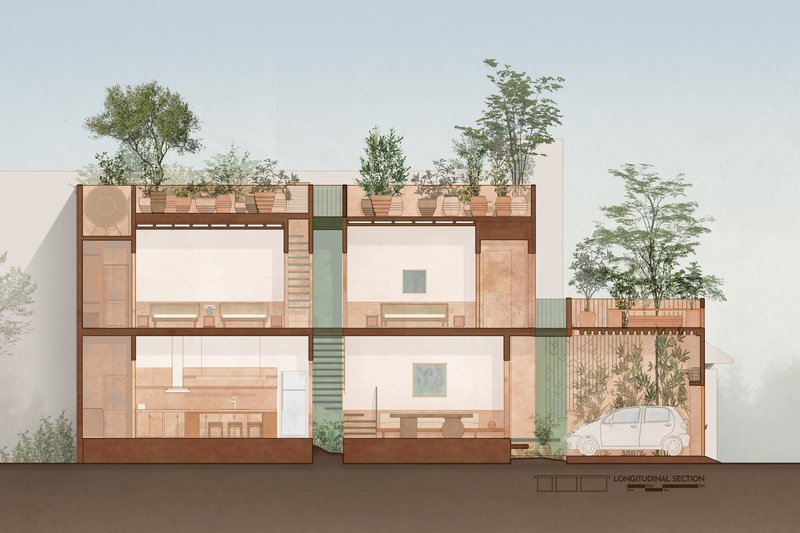
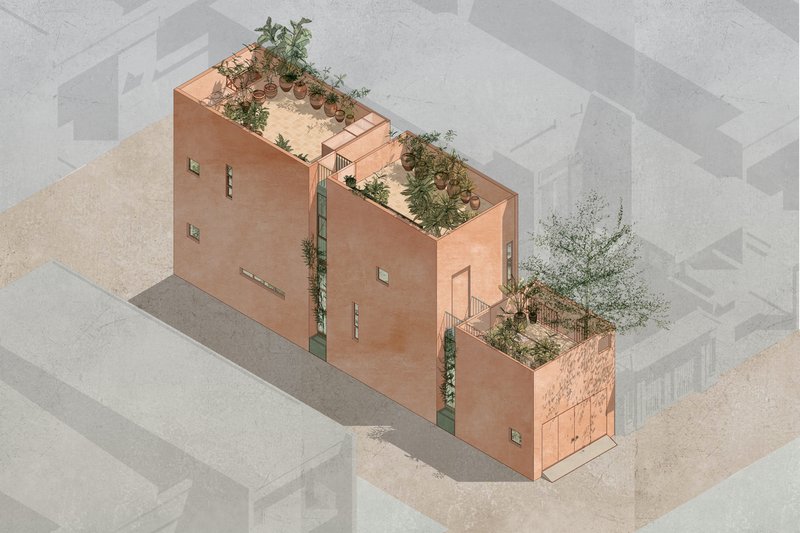
The spatial layout of this Vietnam earthenware house architecture unfolds through three distinct volumes, much like interconnected terracotta pots. The first volume functions as a welcoming open veranda, acting as a transitional space that cools the house and invites breezes. Moving inward, the second and third volumes hold the main living areas including the living room, bedrooms, and kitchen. Above the first volume, an open terrace with an outdoor kitchen provides a communal space where the homeowners can share meals under the sky, reinforcing the connection between people and nature.
Architectural Materials and Details Reflecting Vietnamese Heritage
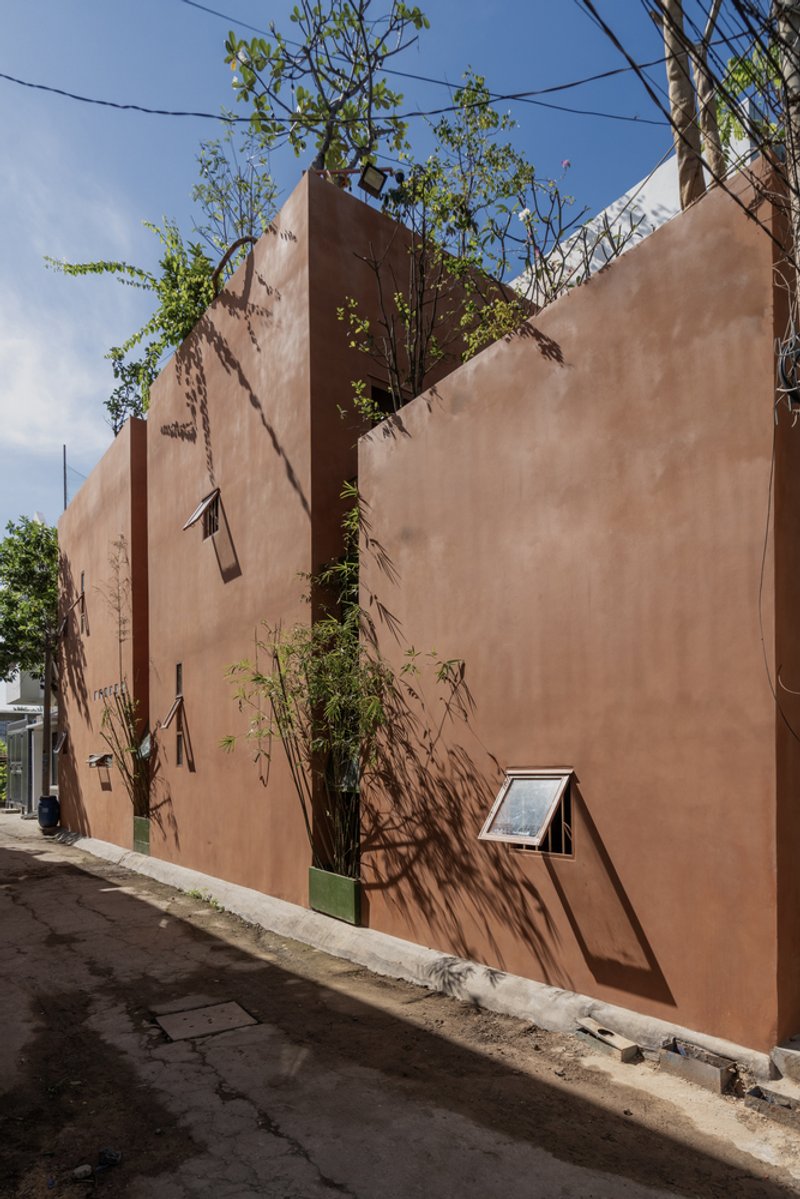
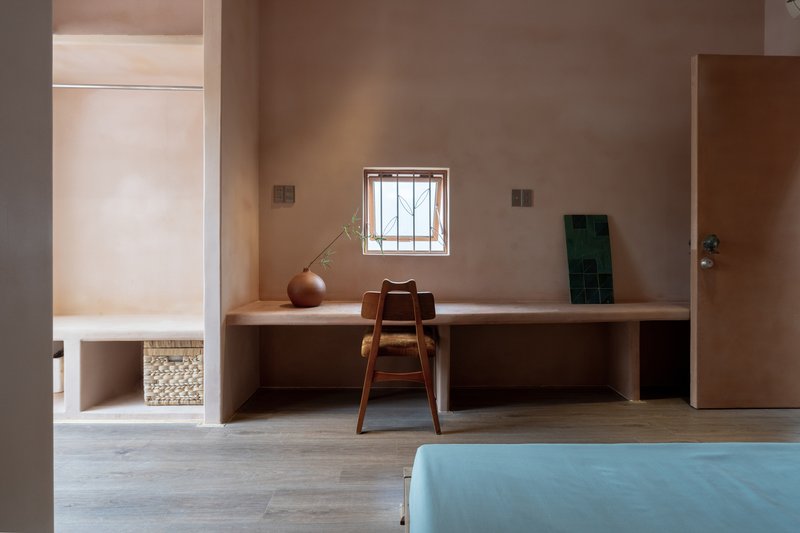
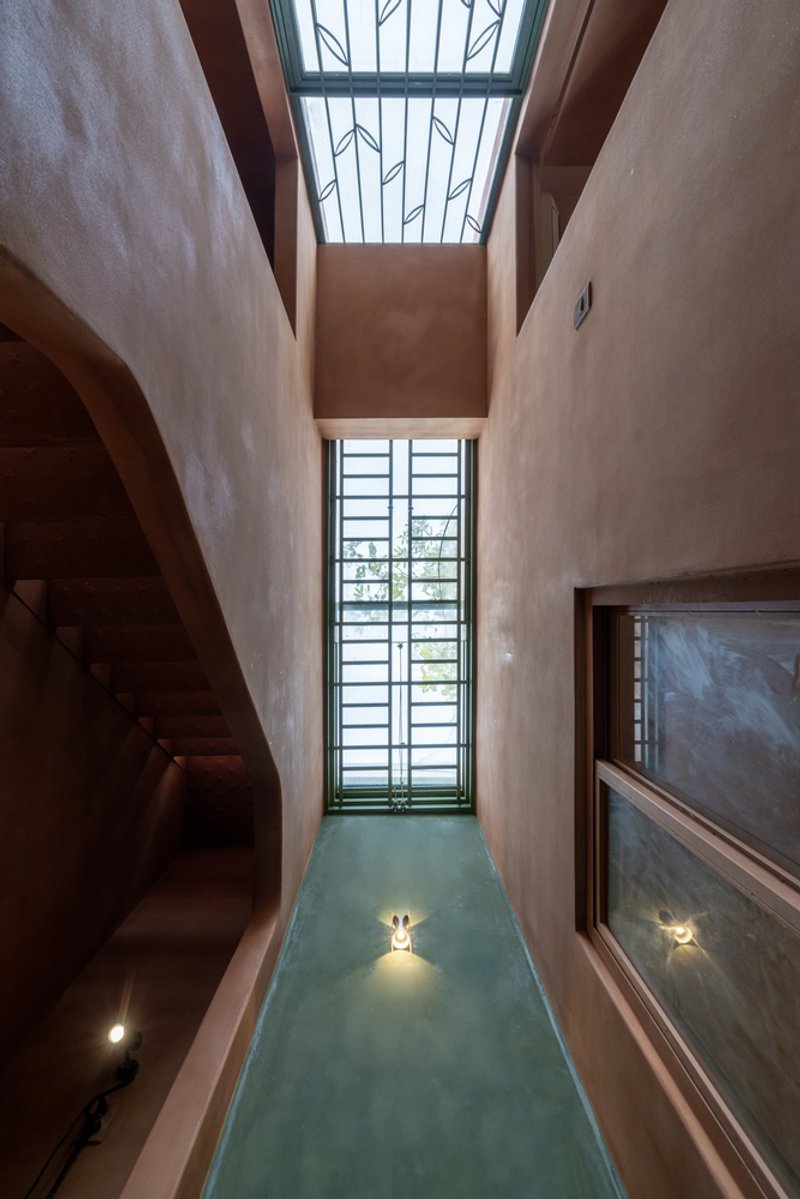
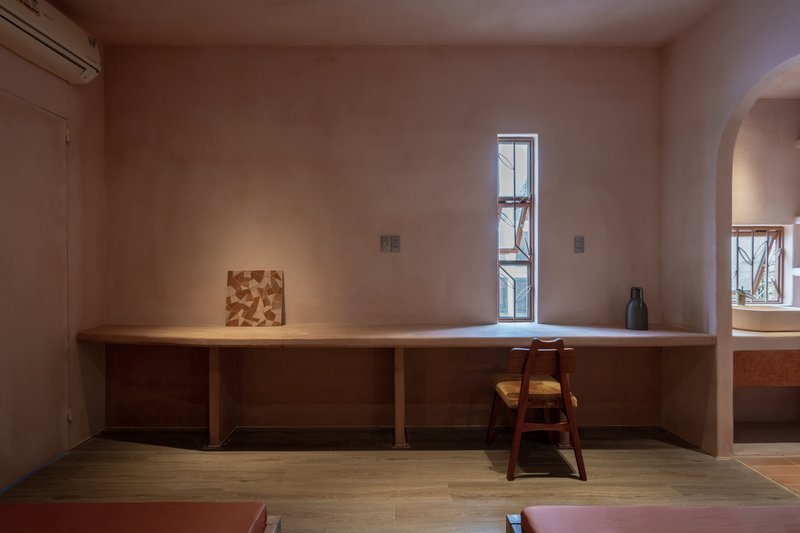
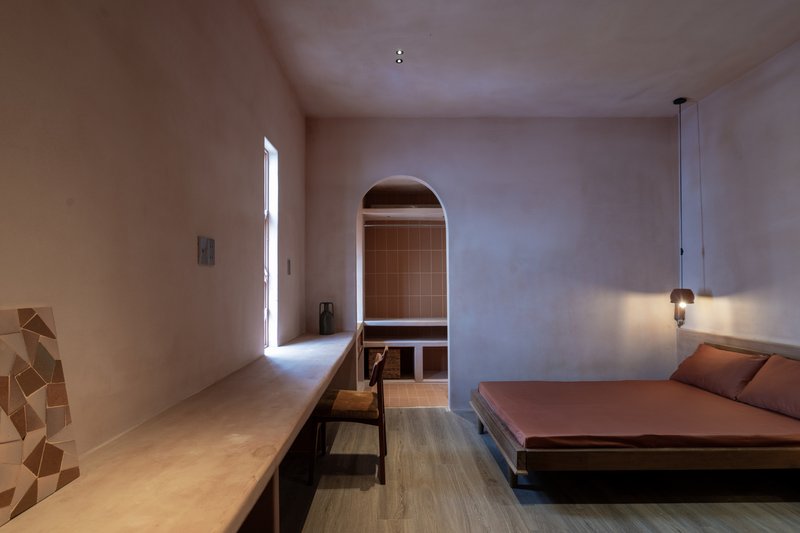
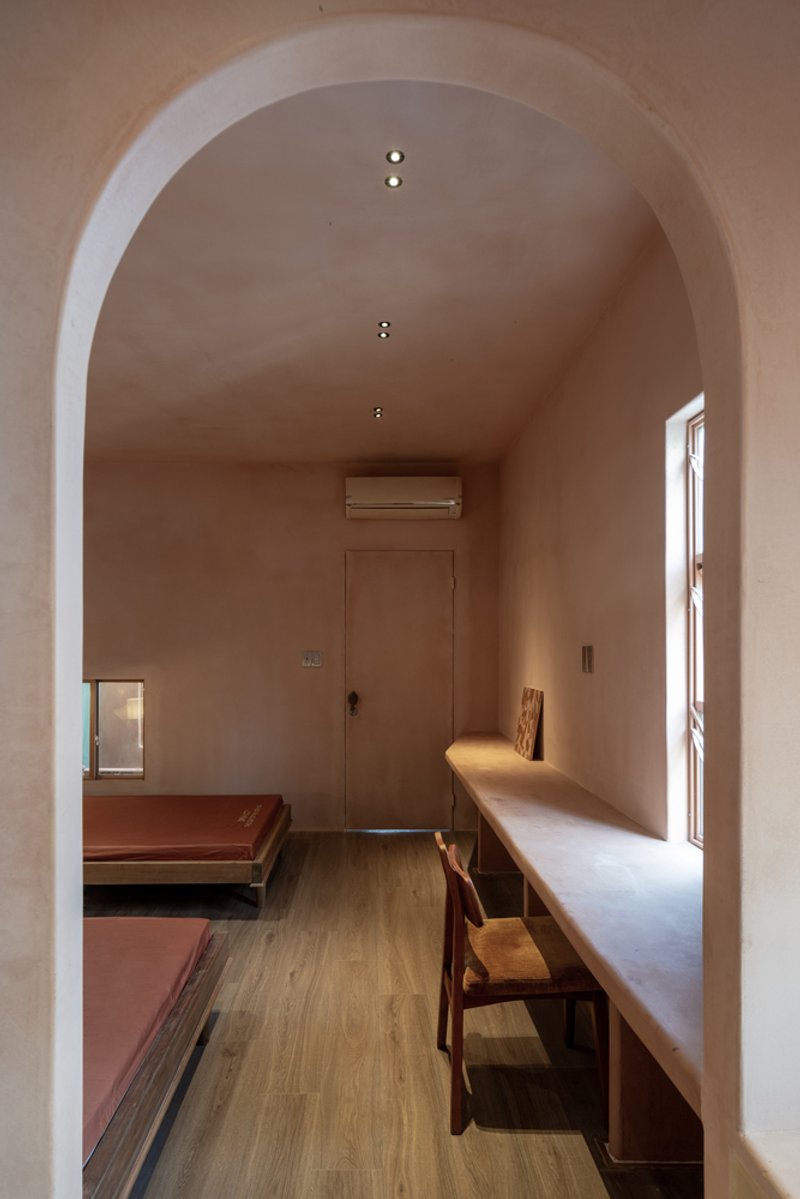
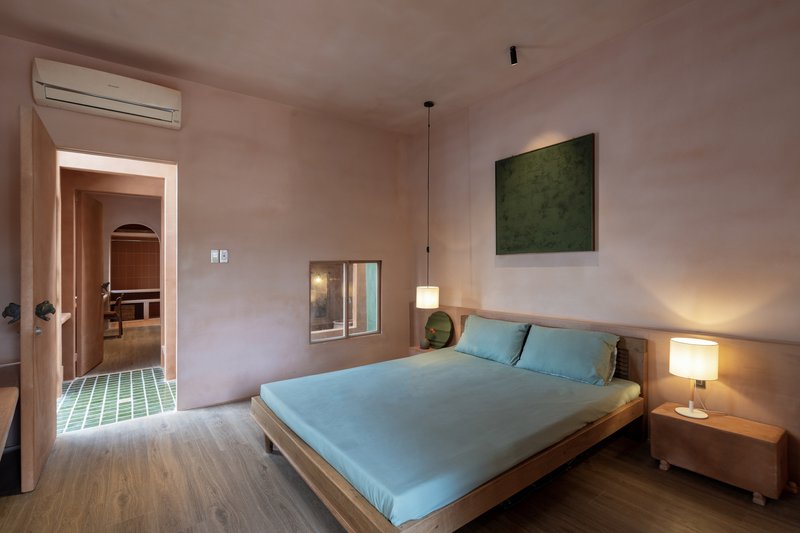
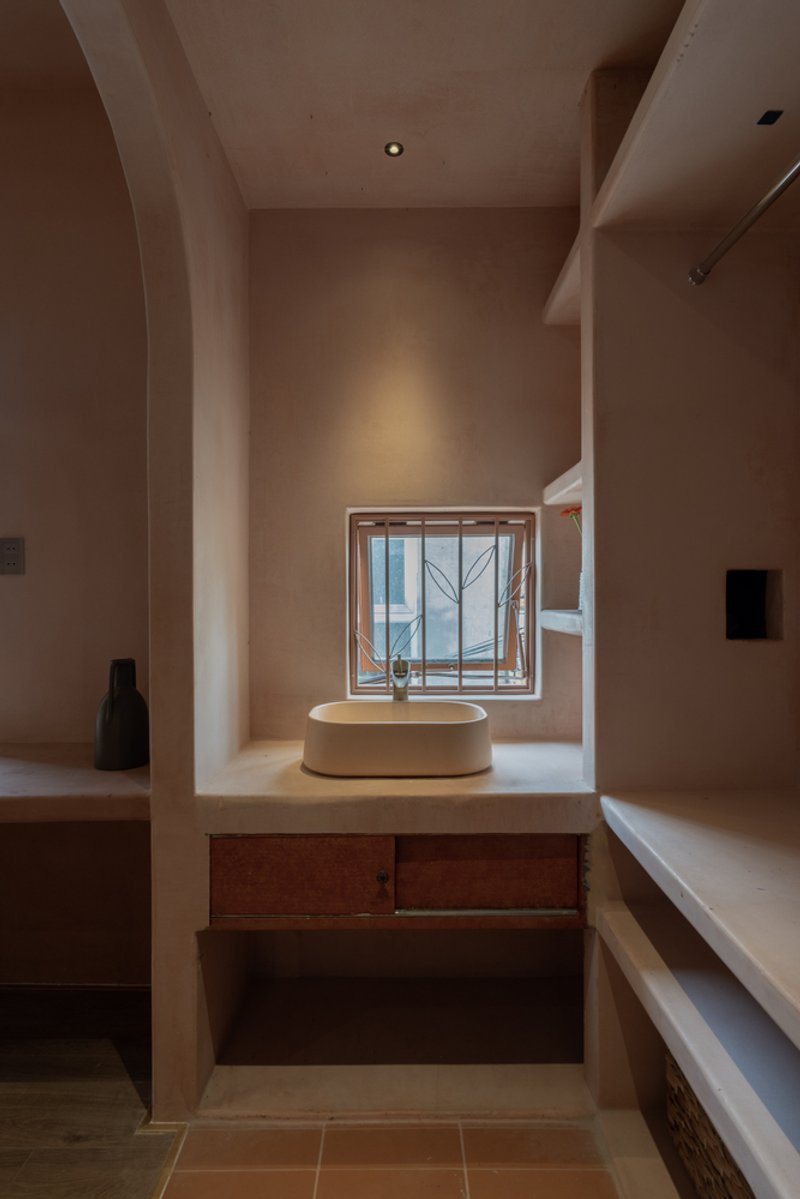
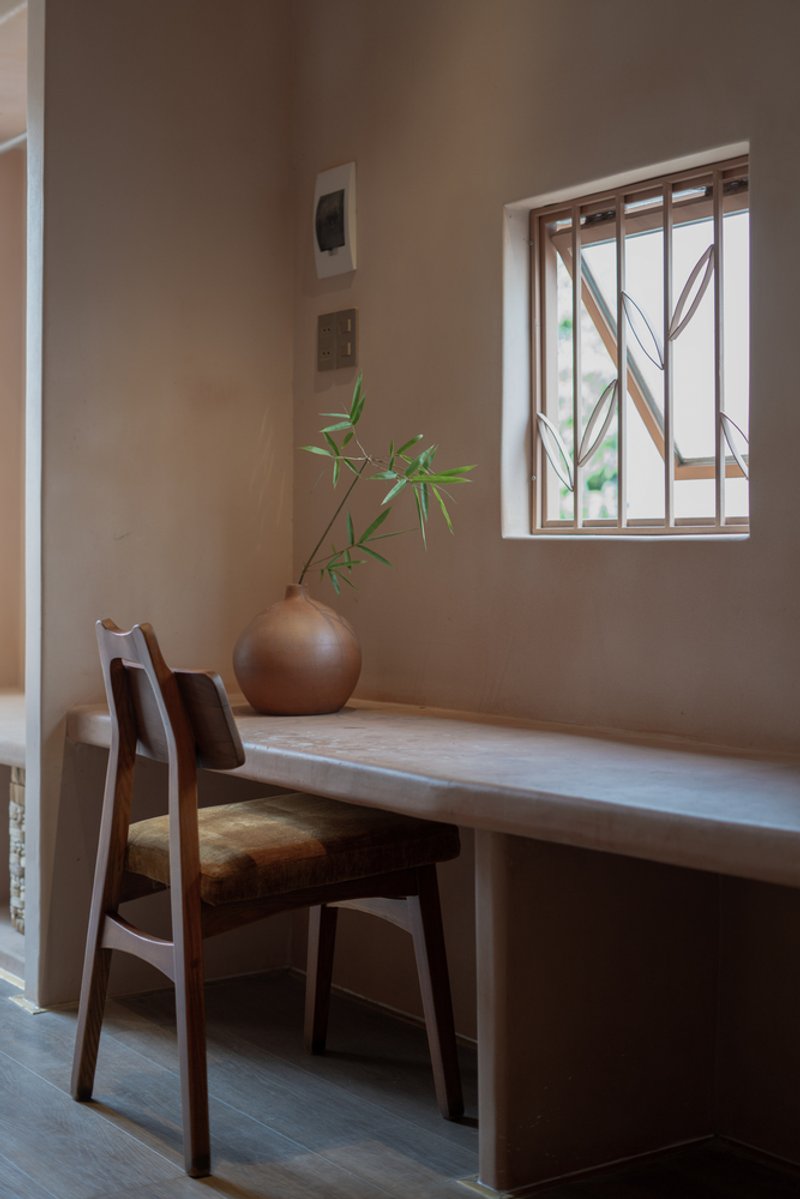
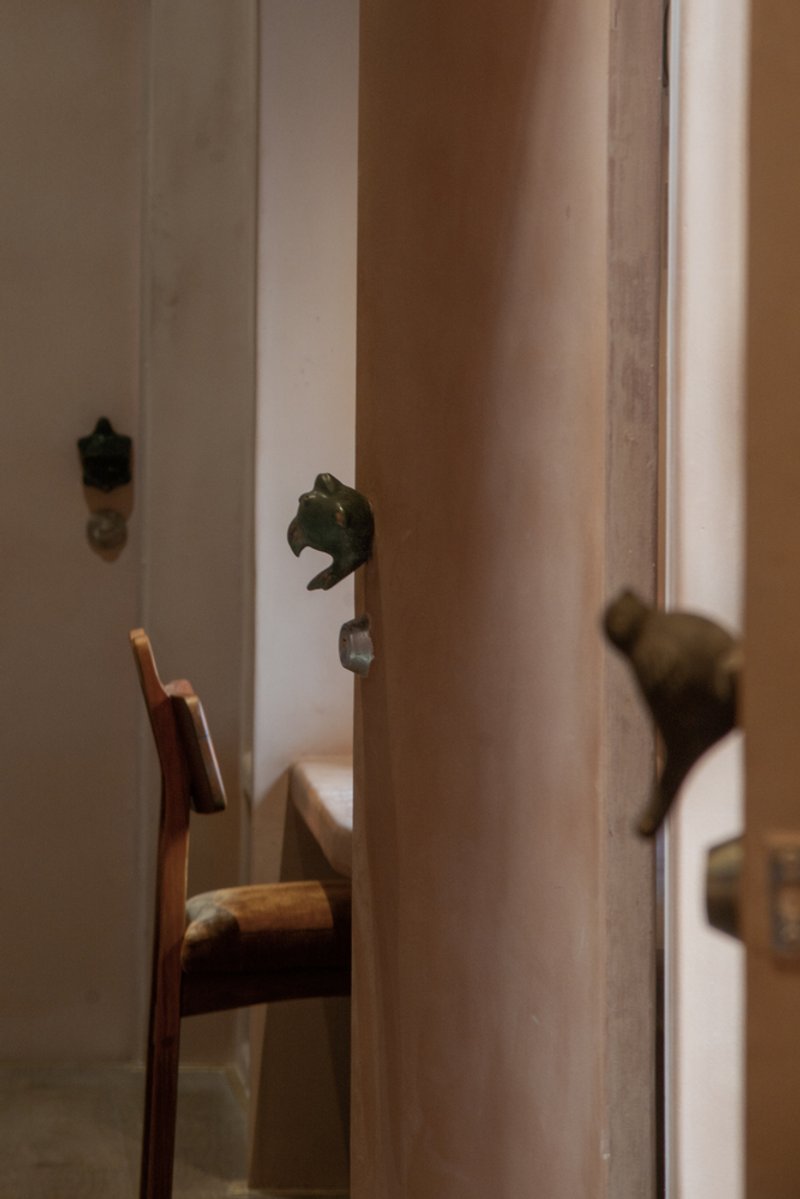
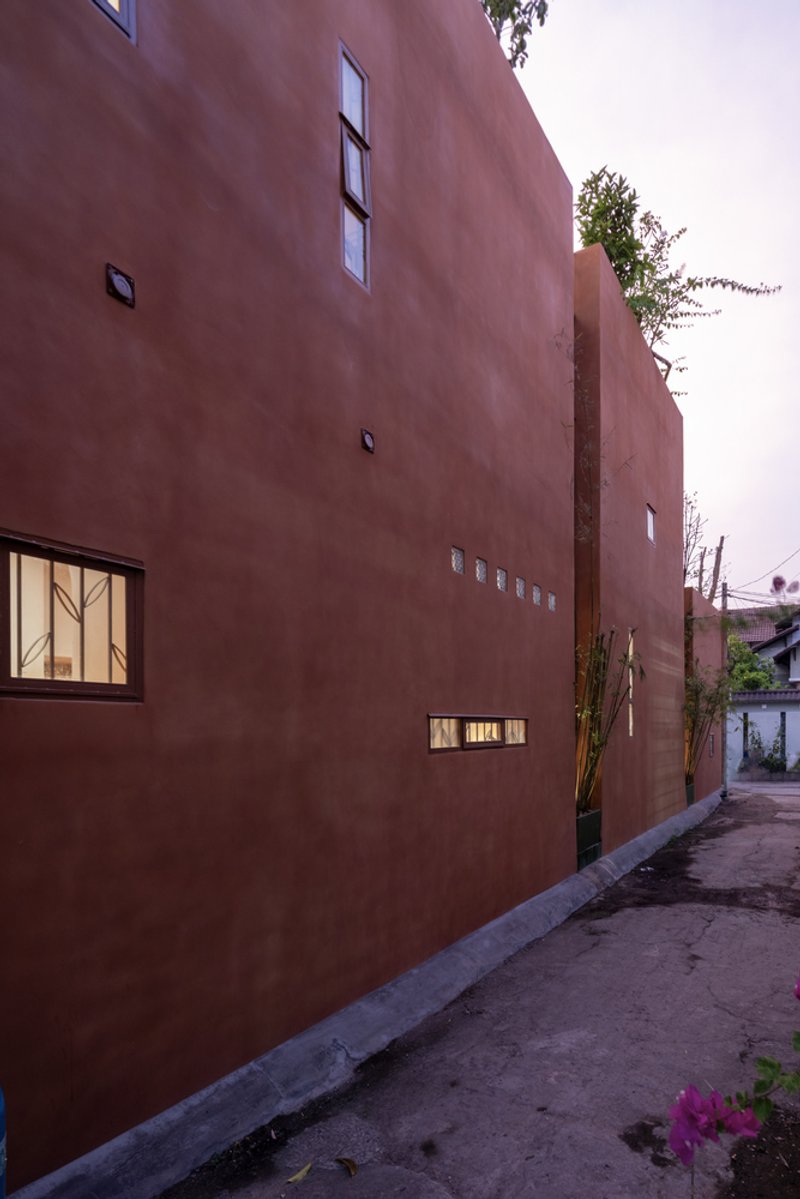
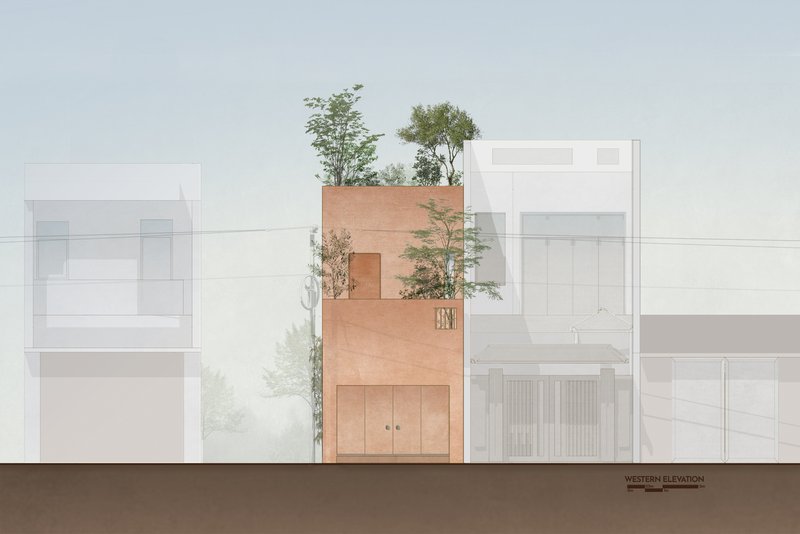
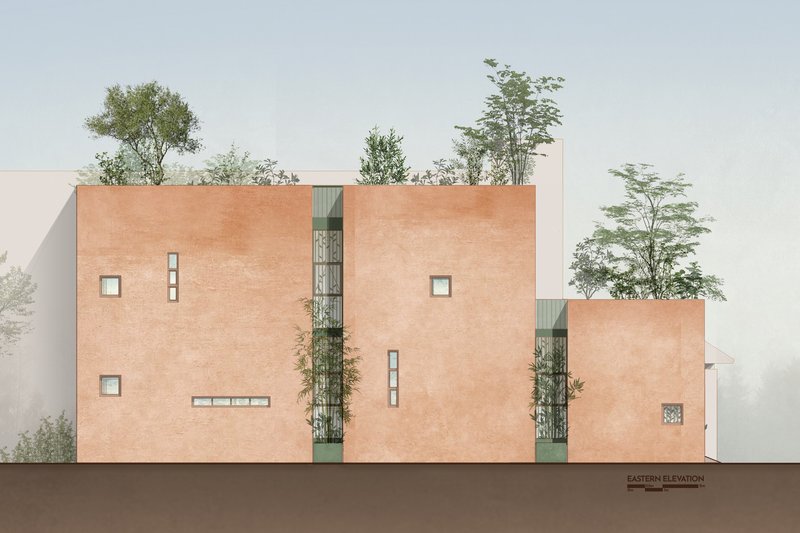
One of the most enchanting aspects of the Earthenware House is its thoughtful use of materials and architectural details. Handcrafted ceramic door knobs shaped like local animals—fish, turtles, frogs, and birds—become playful yet meaningful touchpoints that tell stories of the surrounding rivers and fields. Bamboo appears throughout the house, not just in the window grilles that mimic bamboo groves, but also as a thematic element tying the façade and interior spaces together. This use of bamboo evokes the visual memory of traditional Vietnamese villages, enriching the architectural experience with a layer of cultural nostalgia.
Handcrafted Interiors: A Personal Dialogue with Space
The interiors of the Earthenware House are deeply personal, reflecting the homeowner's hands-on creativity. Several elements, including a textured wall artwork, a ceramic-tiled tea table, sculptural pendant lighting, and dining table legs fashioned from split sewer pipes, were crafted directly by the homeowner. This approach highlights a philosophy of slow living, where each object is more than just furniture—it’s a meaningful expression of personal history and artistic playfulness.
Living Experience: Merging Nostalgia and Modern Comfort
The experience of living in the Earthenware House is one of immersion in the sensory and cultural echoes of the Mekong Delta. It is not simply a house; it is a narrative space where local traditions meet contemporary needs. The home’s design prioritizes not just aesthetics or convenience but a respectful dialogue with the environment, materials, and cultural memory. By blending nostalgic elements with modern comforts, NAQI & Partners craft a dwelling that is both timeless and innovative, embodying the essence of Vietnam earthenware house architecture.
Honoring Cultural Heritage Through Architecture
Earthenware House stands as a testament to how architecture can honor the land it inhabits. Through local materials, handcrafted details, and a deep-seated connection to nature, the project creates a living space that is not only beautiful but also rich with cultural resonance. It offers a model for sustainable and meaningful design that elevates local craftsmanship and reaffirms the importance of regional identity in contemporary architecture.
All Photographs are works of Nguyễn Nhật Anh Chương




Popular Articles
Popular articles from the community

Kerry Kounnapis Packs 800 Daily Coffees into a 43-Square-Metre Melbourne Laneway Bar
Palace Coffee channels Pellegrini's and European standing bars through oxide-red steel and spotted gum timber in a Ridgway Place sliver.

Milan Crossover: Sustainable Architecture for a New Fashion Culture in Milan
Milan Crossover transforms fashion culture through sustainable architecture, linking material libraries, remake studios, and public runways.
IKC de Geluksvogel: Sustainable School Architecture Designed for Free Movement and Digital Learning
IKC de Geluksvogel turns sustainable school architecture into a flexible Maastricht campus for digital learning, nature, and free movement.
The Faith: Modular Architecture for Play, Learning, and Hope in Kutupalong Refugee Camp
A modular playground architecture project in Bangladesh where play, learning, safety, and hope rebuild childhood inside a refugee camp anew.


Similar Reads
You might also enjoy these articles

Bamboo Housing Challenge 2026: Design Affordable, Sustainable Homes Using Bamboo
An international design competition by Bamboo U and IBUKU inviting architects and designers to reimagine affordable housing using bamboo — with the winning design built full-scale in Bali.

Computational Design & Education: Beegraphy Design Awards Introduces 7th Category (Featuring Jiyun's Innovative Approach)
Dive into Beegraphy’s 7th Design Awards category, where computational design meets education to create immersive, interactive learning tools, inspired by Jiyun’s work.
From Parametric Lighting to Urban Furniture: Join the 2nd Workshop in Beegraphy’s Computational Design Series
Dive into Cutting-Edge Design Techniques and Practical Applications with Industry Experts

Introducing Sphere by UNI: Pioneering a New Era in AEC Industry
Unlocking Global Potential with BIM and Agile Management


Explore Architecture Competitions
Discover active competitions in this discipline




The International Standard for Design Portfolios


The Global Benchmark for Architecture Dissertation Awards


The Global Benchmark for Graduation Excellence


Challenge to reimagine the Iron Throne
Comments (0)
Please login or sign up to add comments
No comments yet. Be the first to comment!