
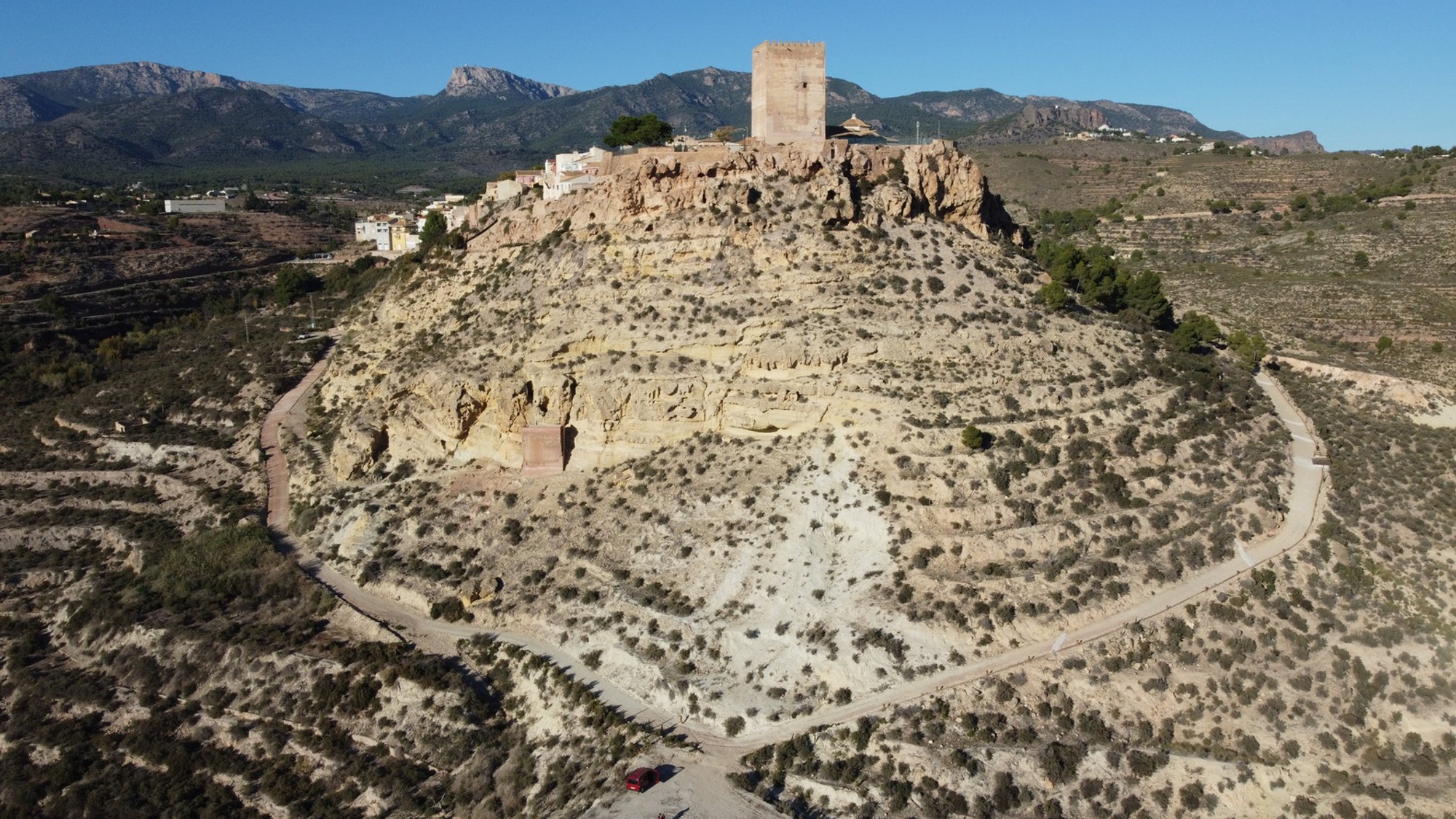
Water Tower Restoration Architecture: A Timeless Blend of Heritage and Innovation
The article explores the restoration of Aledo's medieval Water Tower, blending heritage preservation with sustainable and innovative architectural techniques.

Water towers hold significant historical, architectural, and cultural value. Restoring these structures is a testament to the intricate relationship between human innovation and nature. One such remarkable project is the Water Tower Restoration in Aledo, Spain. Designed by Estudio Huma, this project merges historical preservation with sustainable techniques, reclaiming a medieval structure as a living narrative of architectural heritage.
Historical Significance of the Aledo Water Tower
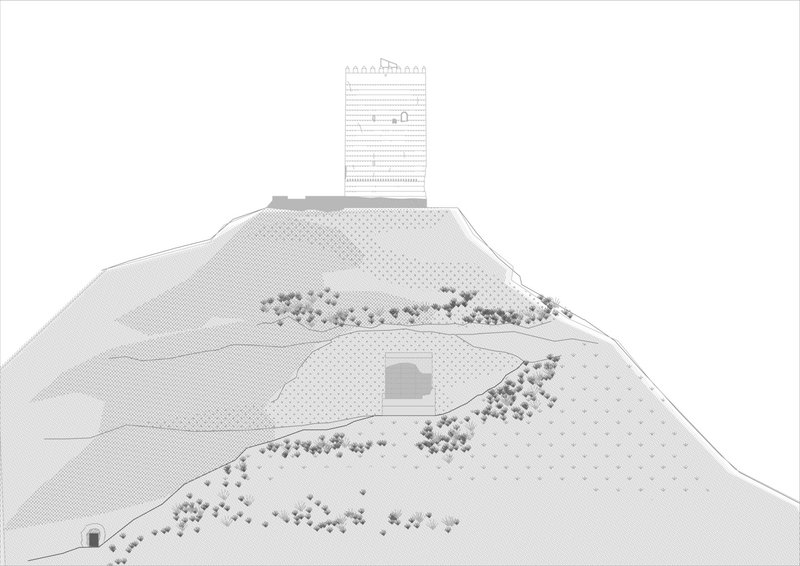
The Water Tower in Aledo, dating back to the 15th century, was originally built as a defensive structure. Known locally as the Tower of Water, it symbolizes the deep connection between communities and water resources. Over centuries, its purpose and structure evolved, blending function with fortification. The restoration aimed to honor this history by meticulously reviving its original form and materials.
Preserving Medieval Techniques
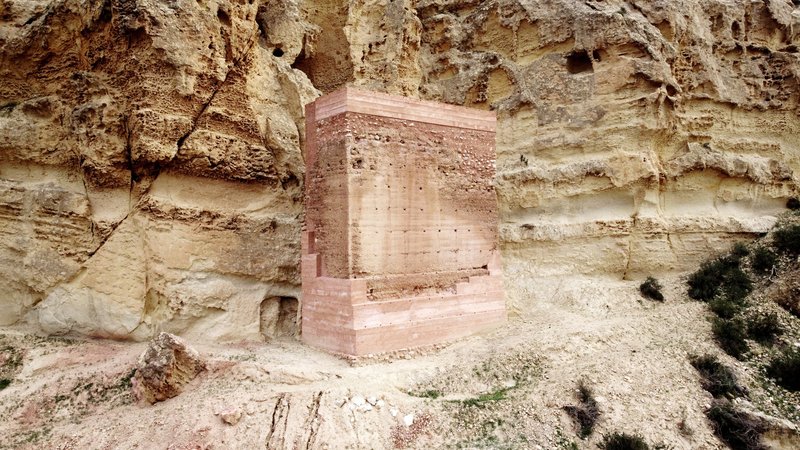
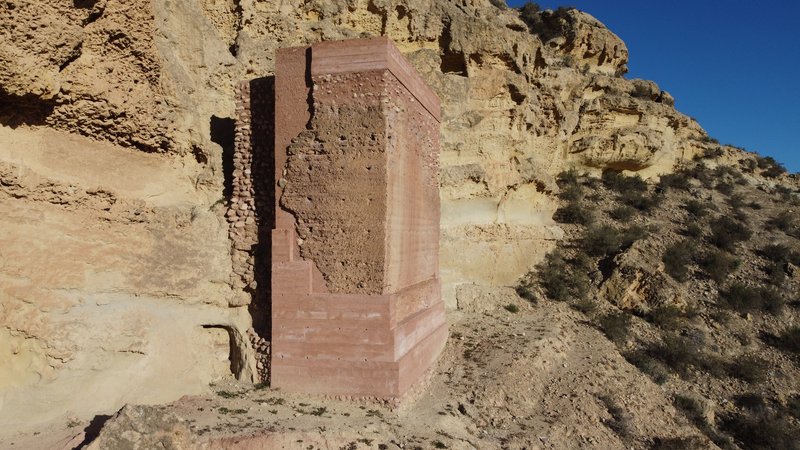
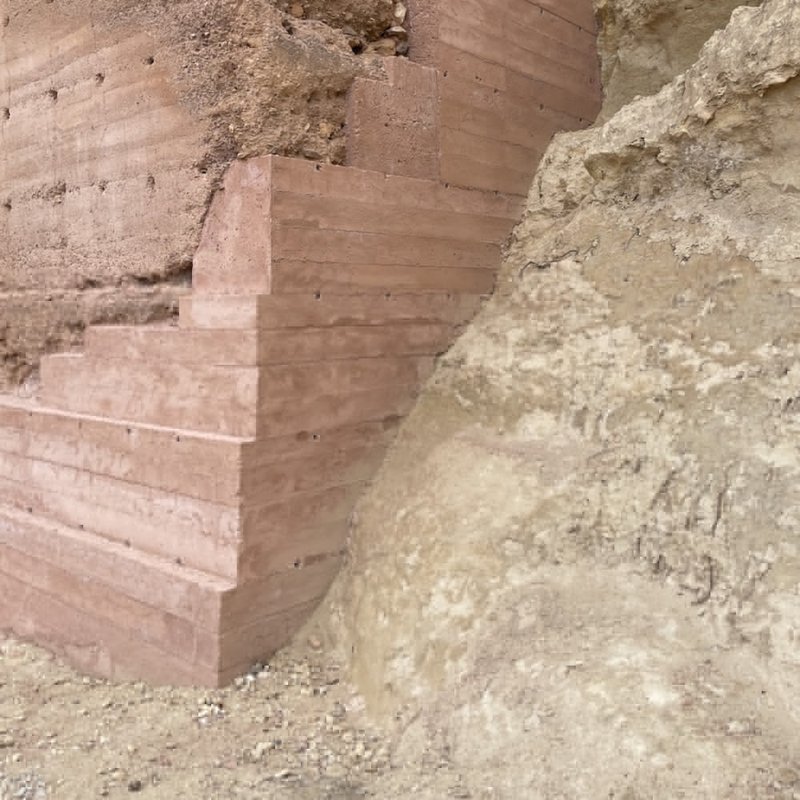
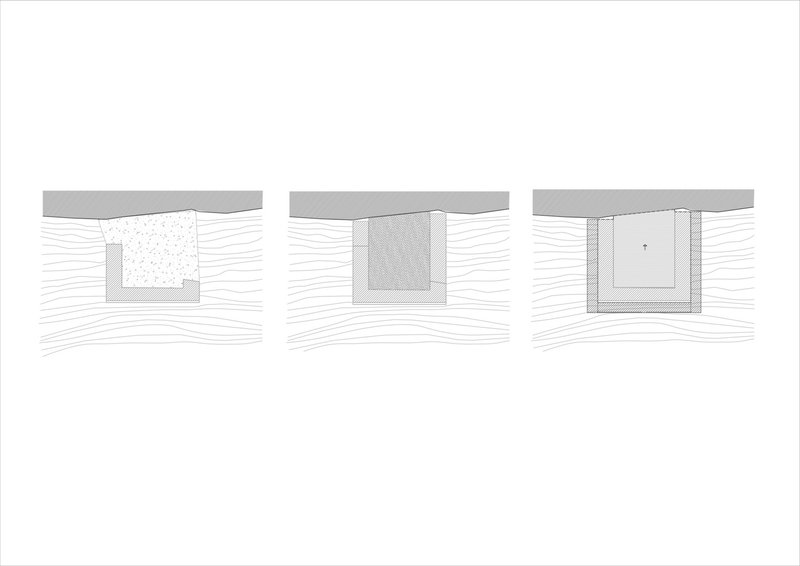
The restoration adhered to medieval construction practices, utilizing materials like white lime, local sand, and stones. These materials not only matched the original aesthetic but also ensured structural integrity. Using a traditional Castilian yardstick of 0.80 cm, the walls were rebuilt with calicastrada techniques, reestablishing the tower’s original height and footprint.
Sustainable Design and Material Use
Blending with the Environment
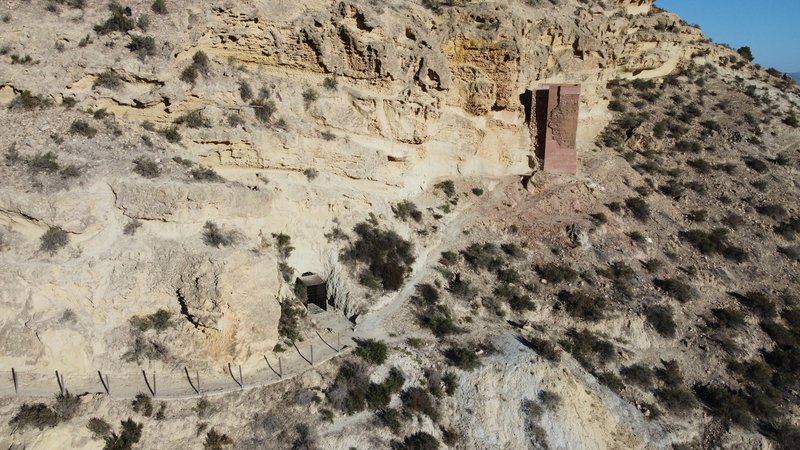
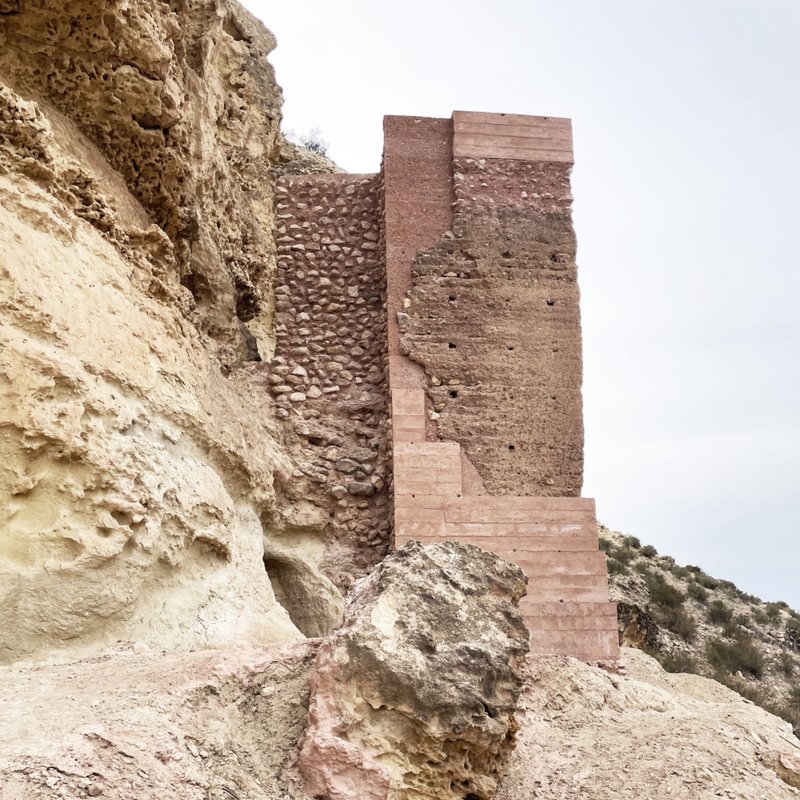
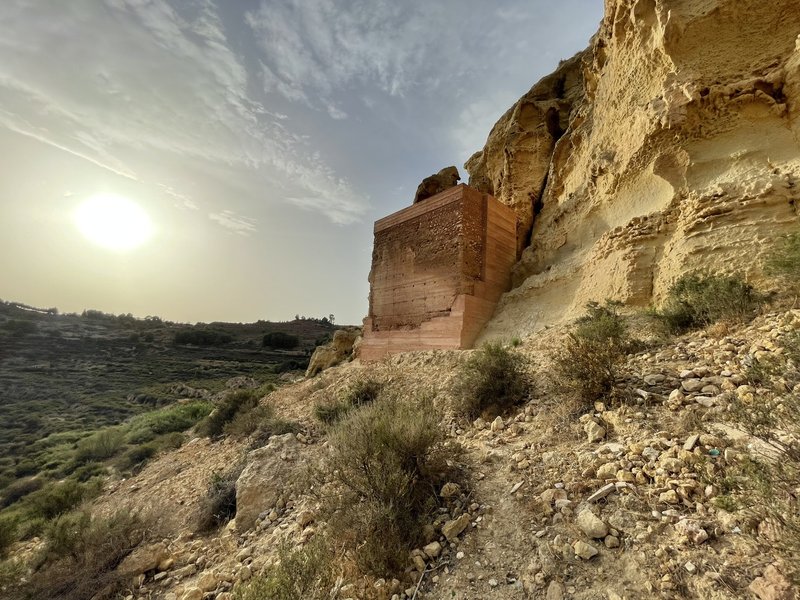
The restoration project focuses on harmonizing the tower with its natural surroundings. The reddish tones of the reconstructed walls camouflage seamlessly with the landscape, making the tower appear as though it naturally rises from the earth.
Eco-friendly Materials and Techniques
Incorporating geotextiles and rusted steel for new elements, the project emphasizes respect for the original structure. These materials provide durability while enhancing the visual appeal. Native plants such as thyme, rosemary, and rockroses were reintroduced to revitalize the ecosystem around the tower.
Innovative Features in Restoration Architecture
Horn-Shaped Entrance to the Underground Gallery
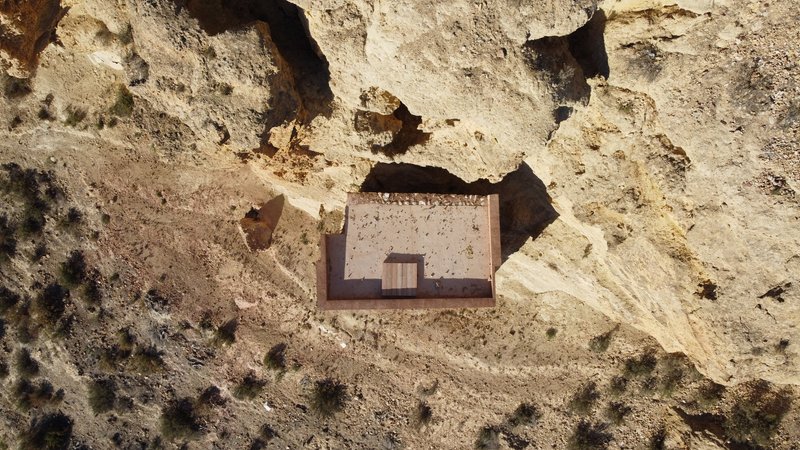
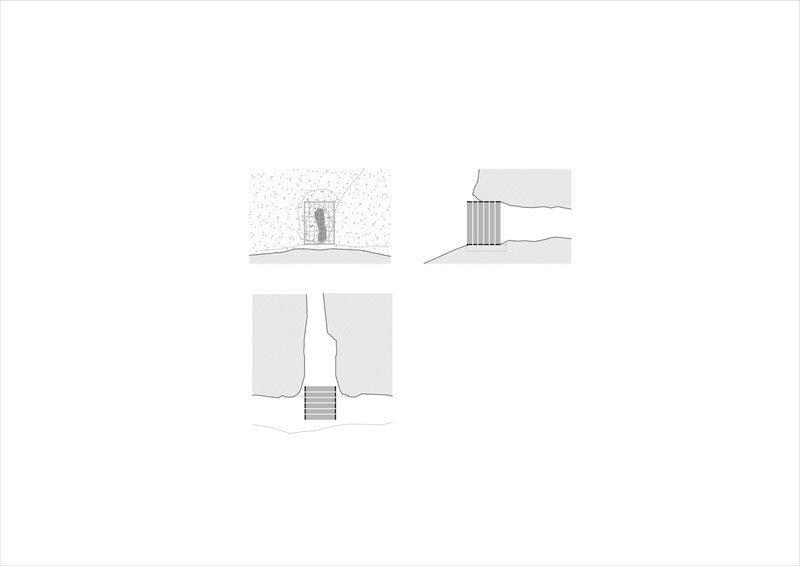
A distinctive feature of the restoration is the horn-shaped steel door leading to a snail mine. This entrance combines functionality with modern aesthetics, allowing light and ventilation to penetrate the underground gallery. The subtle design respects the historical narrative while offering contemporary utility.
Strategic Architectural Additions
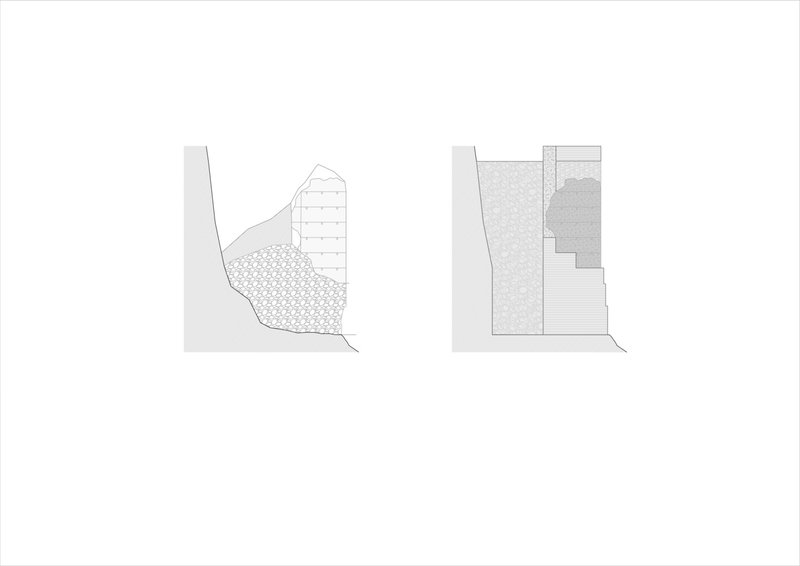
The newly added walls are intentionally set back, maintaining a respectful distance from the original structure. This technique highlights the existing elements, creating a shadow play that emphasizes the tower’s original features.
The Impact of Water Tower Restoration Architecture
Cultural and Historical Revival
The restoration of the Aledo Water Tower is more than a construction project; it is a revival of cultural identity. By recovering this architectural gem, Estudio Huma has reconnected the community to its rich history.
Sustainability and Education
The project serves as a model for sustainable restoration practices. It highlights the importance of using local materials, conserving the surrounding ecosystem, and integrating modern techniques without compromising historical integrity.
A Legacy Preserved
The Water Tower Restoration Architecture project by Estudio Huma is a masterclass in blending heritage preservation with innovative design. By respecting the past while addressing contemporary needs, the tower stands renewed as a symbol of resilience, cultural pride, and environmental harmony. This restoration not only protects a historical monument but also serves as inspiration for future architectural endeavors that balance history with modernity.

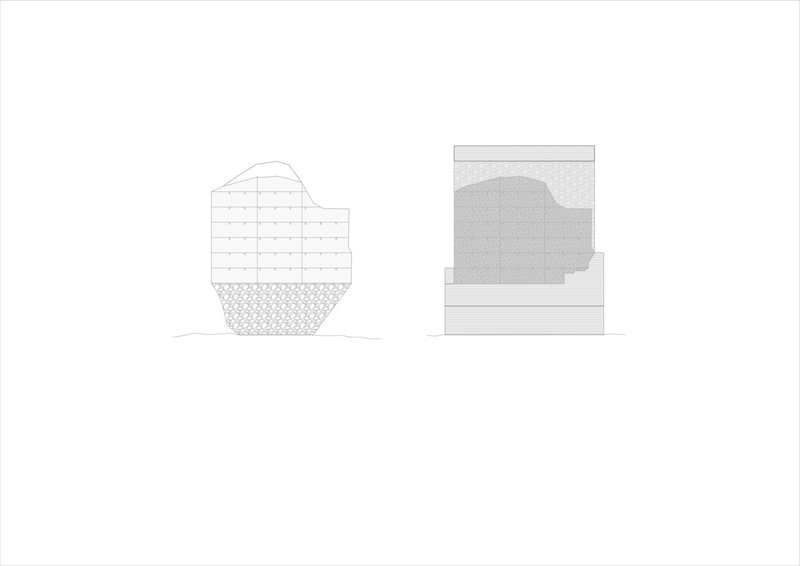
All photographs are work of Eva Garcia Millán




Popular Articles
Popular articles from the community

Prokop Hartl Turns a 1930s Prague Corner Apartment into a Lesson in Structural Honesty
A 115 m² renovation on the Vltava River celebrates exposed concrete, restored parquet, and a mirrored column as its centerpiece.
LABarq Builds an Entire House in Querétaro from a Single Custom Concrete Block
Casa Capuchinas uses one sand-colored block as structure, finish, and sunscreen across 477 square meters of suburban Mexico.
Atelier LAI Scatters a Timber Resort Across a Terraced Anhui Valley
Nanshan Junning Resort uses wood joinery and topographic sensitivity to settle 6,700 square meters into a ten-meter slope near Hefei.

20 Most Popular Office Building Projects of 2025
From biophilic workspaces in India to net-positive energy offices in New Delhi, 20 office building projects that defined architecture in 2025.

Similar Reads
You might also enjoy these articles
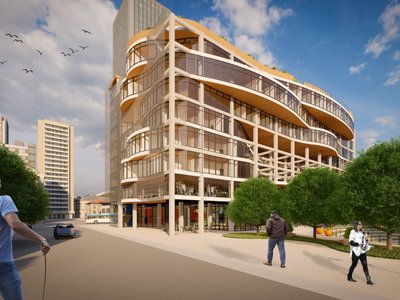
Olio Towers: A Mid-Rise for Performers That Fuses Housing, Rehearsal, and Stage
Located blocks from Houston's Theater District, this modular tower stacks living units around a central performance atrium.
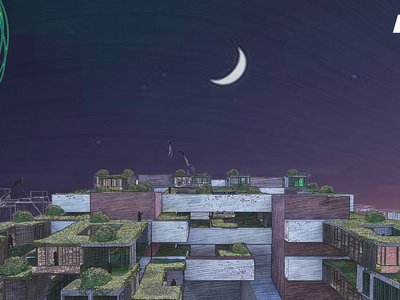
Oasis: Modular Green Housing Carved into Dhaka's Urban Fabric
A shortlisted Plugin Housing entry reclaims unauthorized settlements in Dhaka with stepped concrete volumes, green roofs, and ventilation-driven design.

Black Hole: A Floating Megastructure for the Post-Physical Era
Emiliano Mazzarotto envisions a spherical, self-scaling arena where e-sports, digital hotels, and holographic stadiums replace traditional public space.
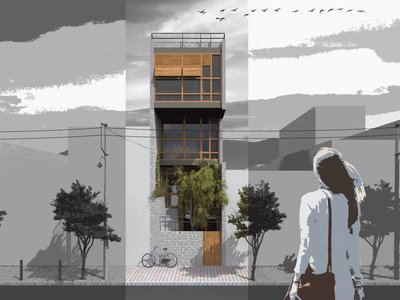
Compact & Sustainable Living in Piraeus: A Four-Level Family Home Built Around Light and Air
A narrow townhouse in one of Greece's densest port cities uses a central atrium and passive strategies to house three generations under one roof.

Explore Architecture Competitions
Discover active competitions in this discipline




The International Standard for Design Portfolios


The Global Benchmark for Architecture Dissertation Awards


The Global Benchmark for Graduation Excellence


Challenge to reimagine the Iron Throne
Comments (0)
Please login or sign up to add comments
No comments yet. Be the first to comment!