Xiangyang National Sports Center: A Model of Sustainable Sports Architecture in China
The Xiangyang National Sports Center in China blends sustainable design with regional characteristics, offering an eco-friendly sports experience.


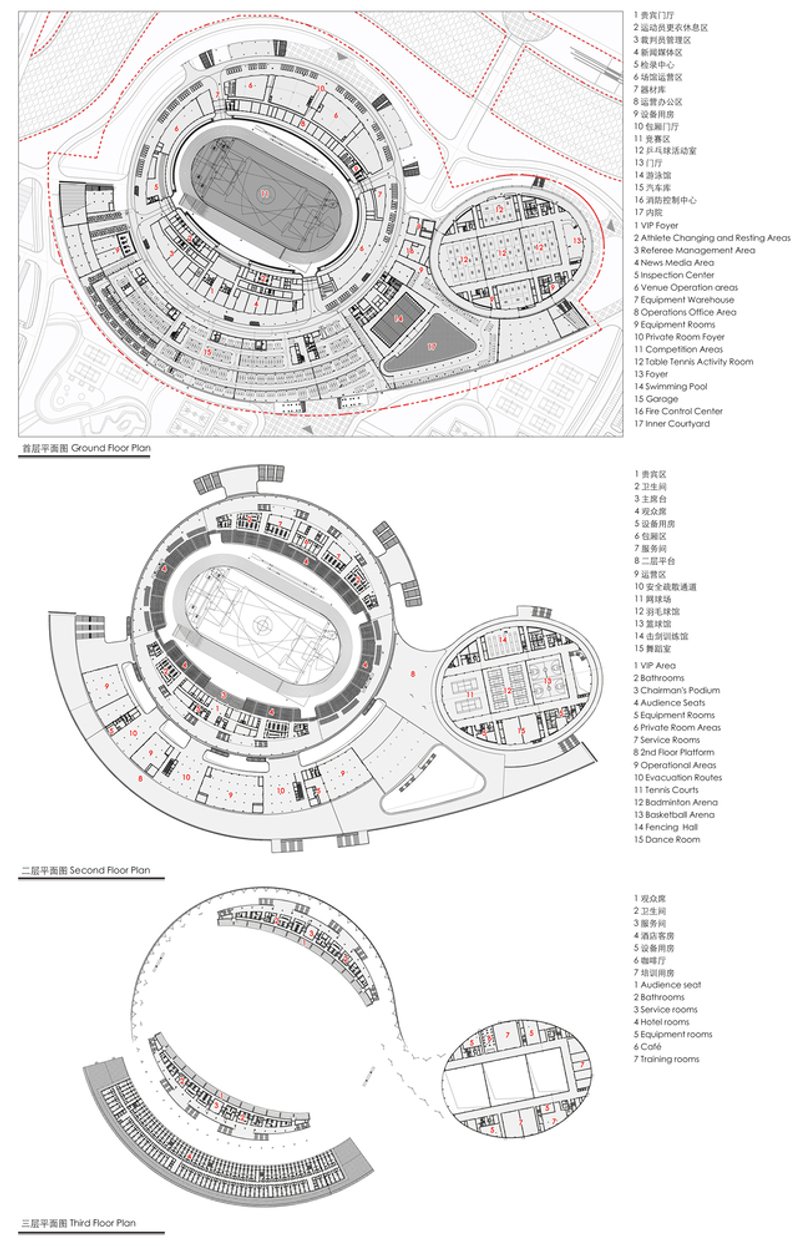
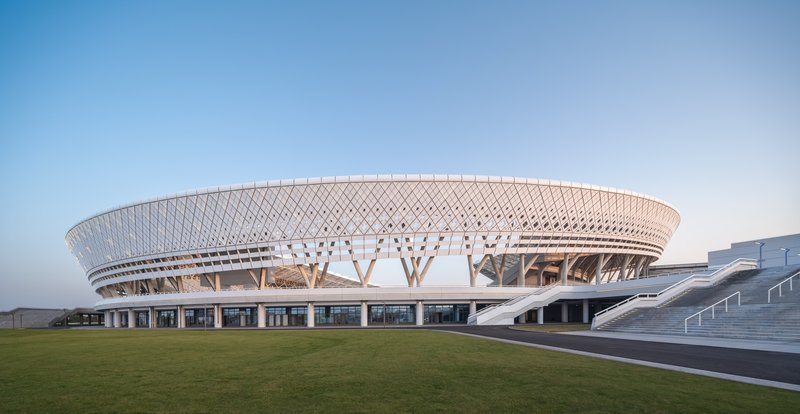
Located in the picturesque Dongjin New District of Xiangyang City, Hubei Province, the Xiangyang National Sports Center is a remarkable example of sustainable sports center architecture. Completed in 2023, the project is designed by CSADI and encompasses a 30,000-seat Class B stadium, a 33,000-square-meter national fitness hall, and a range of supporting sports facilities. As the largest national fitness sports facility in Xiangyang, it not only serves as a backup venue for the Hubei Provincial Games but also meets the growing demand for sports and fitness activities in the region, significantly enhancing the community’s access to recreational amenities.
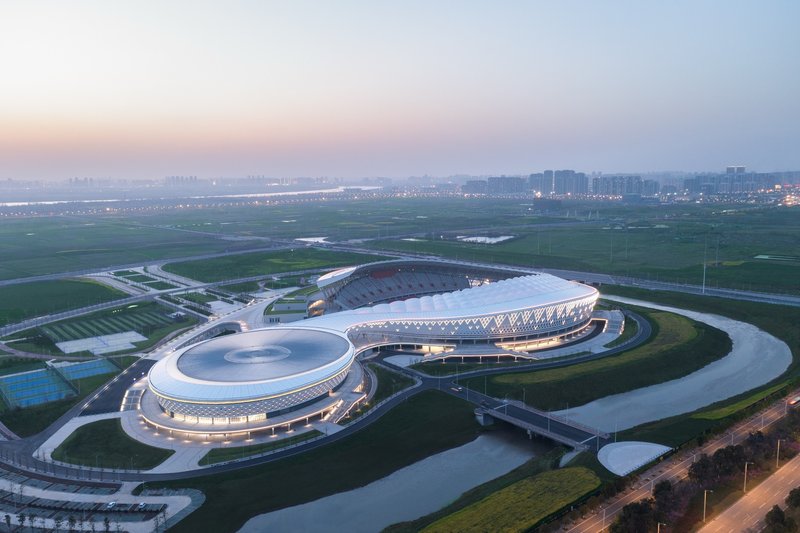
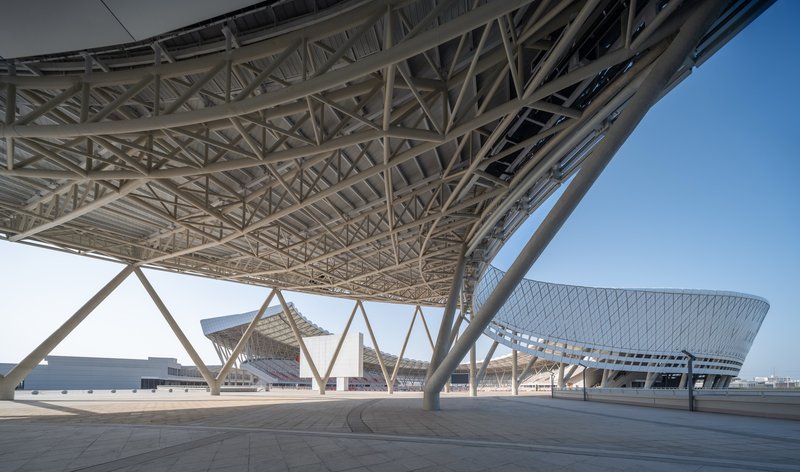
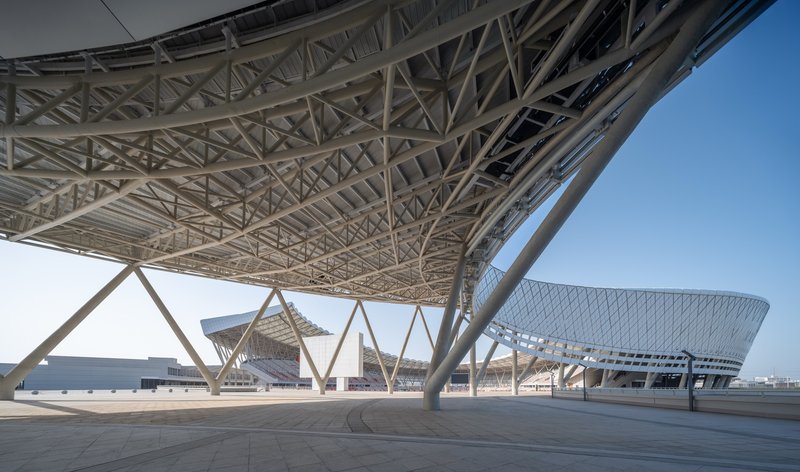
The Xiangyang National Sports Center stands as a shining example of how sports venues can blend sustainability, functionality, and aesthetic appeal. The design draws from the surrounding landscape of mountains and rivers, incorporating local characteristics to create a seamless integration between the natural environment and the built structure.

Poetic Design: Merging Architecture with Nature
The design philosophy behind the Xiangyang National Sports Center takes inspiration from the natural beauty of the surrounding environment. The site is situated at the intersection of urban greening and landscape axes, with the Hanjiang River flowing through the city and the rolling mountains encircling it. This geographical setting, where mountains and waters frame the city, informs the design concept of "Xiangshui (rivers in Xiangyang) floating like clouds, ribbons dancing and showing elegance."

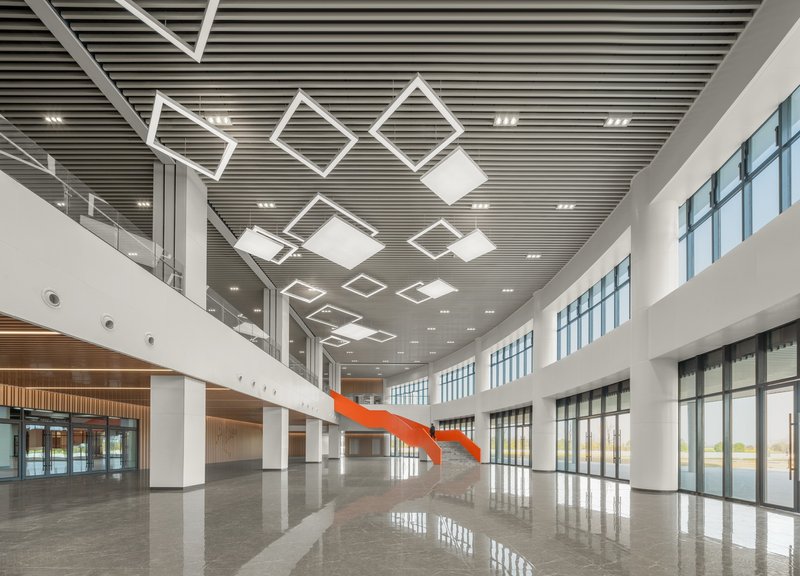
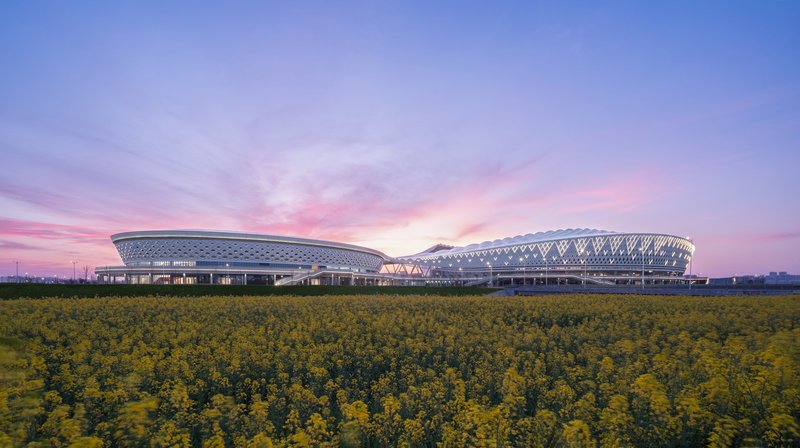
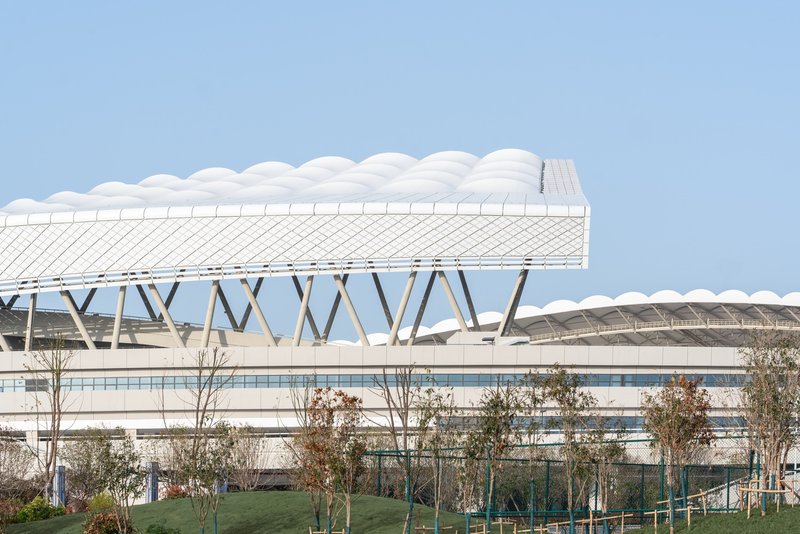
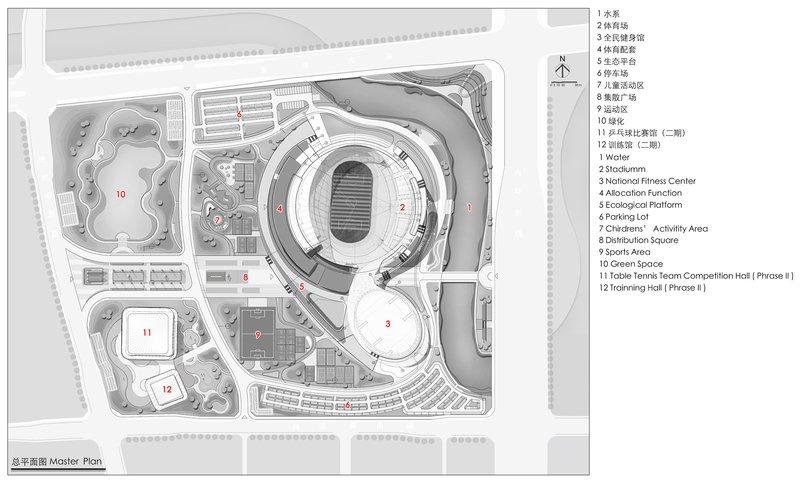
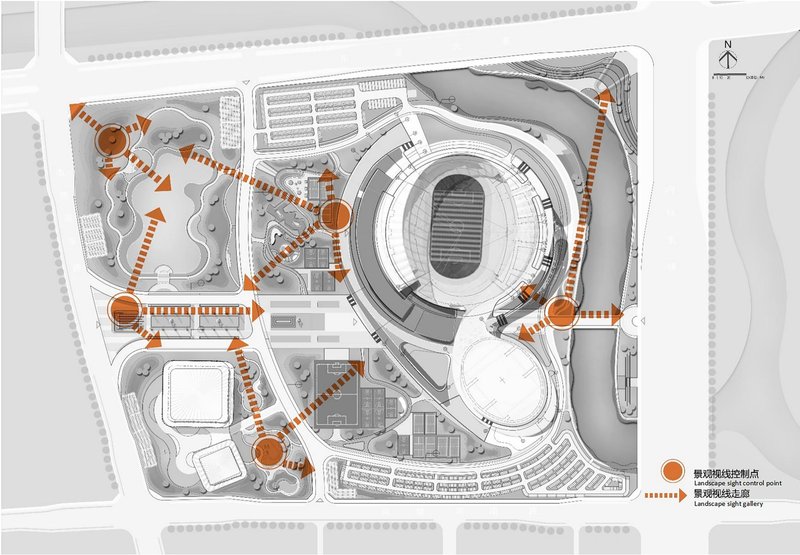
The architects at CSADI embraced this theme, reflecting the city’s romantic poetry in a rational architectural design. The sports center is designed to evoke a sense of lightness and elegance, with building forms that appear to float above the landscape like clouds. The overall layout follows the existing water systems, enhancing the connection between the venue and the natural surroundings. This creates an environment where the buildings are not only functional but also integrate harmoniously with the lush greenery and flowing waters of the region.

Creating a Harmonious Sports Experience
A key focus of the design is the creation of an environment that enhances the sports experience while blending with the surrounding natural landscape. The layout of the buildings and their interfaces are carefully concealed through overhead and hollowing techniques, making them appear as if they are floating above the pedestals. This innovative approach allows the buildings to blend seamlessly into the park, creating a sports experience that feels like walking through a verdant landscape.
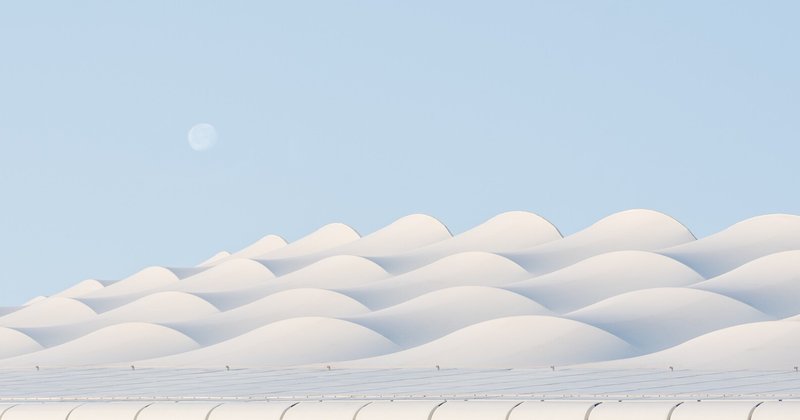
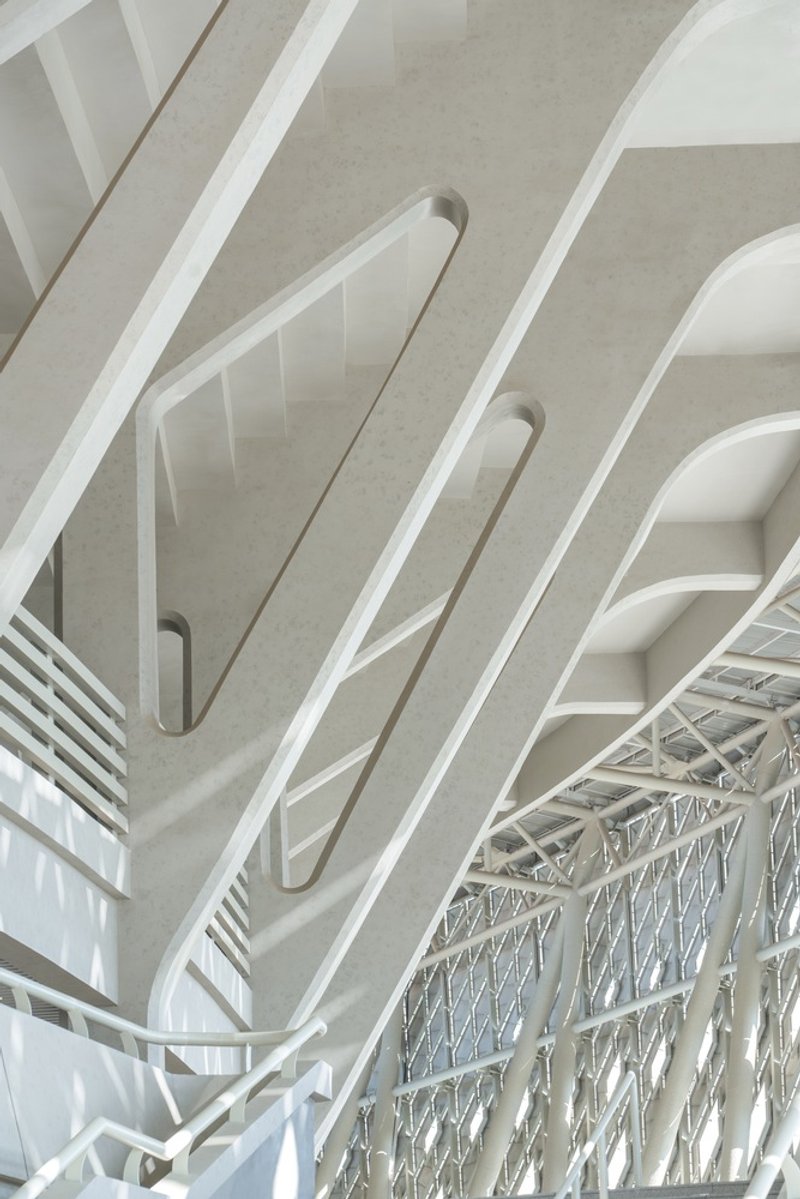
The sports center is designed with an emphasis on creating a sustainable environment. The building forms interact with the topography, allowing for a natural flow between the structure and the surrounding park. This fusion of architecture and landscape provides athletes and visitors with an experience that is both physically invigorating and emotionally soothing.

Sustainable Architecture: Energy Efficiency and Low Carbon Design
Sustainability is at the heart of the Xiangyang National Sports Center's design. The project adopts an energy-efficient strategy that prioritizes passive measures while optimizing active ones to achieve low energy consumption, low carbon, and low water usage. The design utilizes Building Information Modeling (BIM) for optimization, ensuring that the building’s systems are integrated for maximum efficiency.
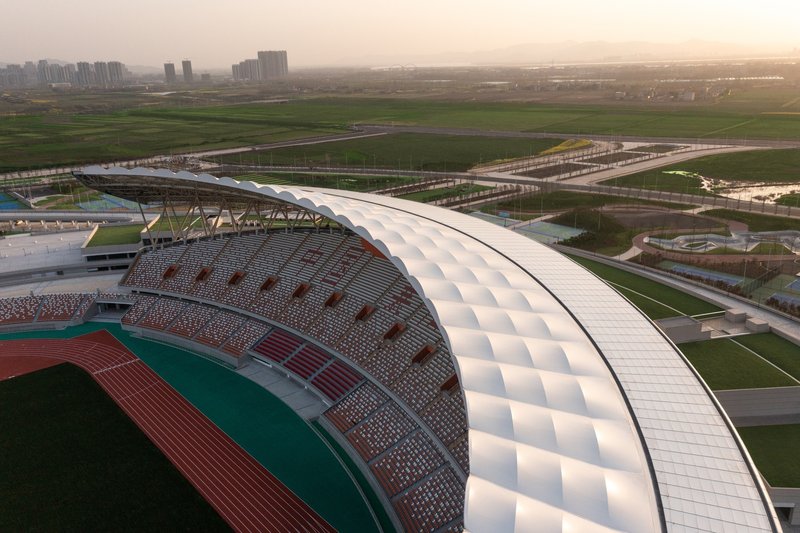
To improve natural daylighting and reduce reliance on artificial lighting, Ladybug simulations were used to model the roof shape, ensuring that the spectator stands receive optimal sunshade coverage. Additionally, Xflow wind tunnel technology was employed to minimize airflow disruptions around the competition venue, enhancing comfort for athletes and spectators alike. The use of radiance technology also improved indoor daylight distribution, increasing the natural lighting rate by 26%.
These sustainable design strategies contribute to a 78% overall energy savings for the center, setting a benchmark for future sports facilities in terms of environmental responsibility.

Post-Game Utilization: Flexible and Adaptable Spaces
One of the significant challenges with large sports facilities is ensuring that they are used efficiently after events are over. The Xiangyang National Sports Center addresses this concern by incorporating flexible spatial layouts that can be adapted for various uses. The concept of operation priority runs through the entire design, ensuring that the venue can be used for a variety of activities, both during and after major events.

The layout includes flexible reservation systems and composite adaptation, allowing the space to cater to different needs depending on whether it is in regular use or hosting a major competition. The atrium space between the stadium and the ecological platform acts as a "flexible connection," preventing interference between the different areas. Additionally, a significant portion of the venue is designed with modular spaces that can be partitioned and adapted as needed, increasing the utilization rate of the building and ensuring its sustainability long-term.
A Benchmark in Sustainable Sports Center Architecture
The Xiangyang National Sports Center is a pioneering example of sustainable sports center architecture in China. By integrating the natural landscape with innovative design techniques, the center offers a space where athletes and spectators can experience the beauty of the environment while enjoying world-class sports facilities. Its commitment to low carbon and energy-efficient design further underscores its importance as a model for future sports architecture. The project not only meets the needs of the Xiangyang community but also sets a new standard for green sports venues worldwide.
All Photographs are work of Yilong Zhao