
Zarrón Square: A Case Study in Accessible Urban Square Design
A comprehensive look at Zarrón Square's accessible design, merging tradition and modernity in Almazán, Spain.


Introduction to Zarrón Square
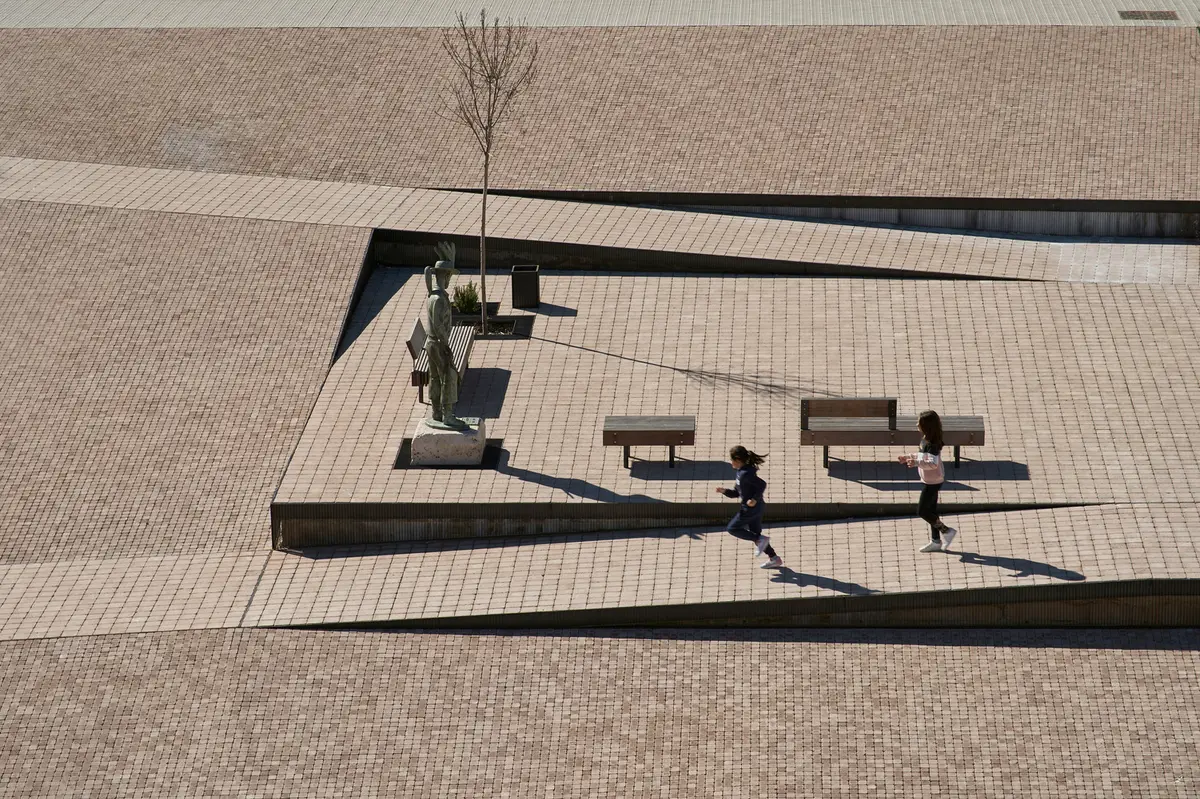
The Zarrón Square in Almazán, Spain, designed by BOV ESTUDIO, exemplifies how modern urban design can harmoniously blend accessibility, tradition, and contemporary aesthetics. The square spans 1,380 m² and was completed in 2023, addressing the challenges of bridging the old town and newer areas while creating a welcoming public space for all.

A Vision for Inclusivity
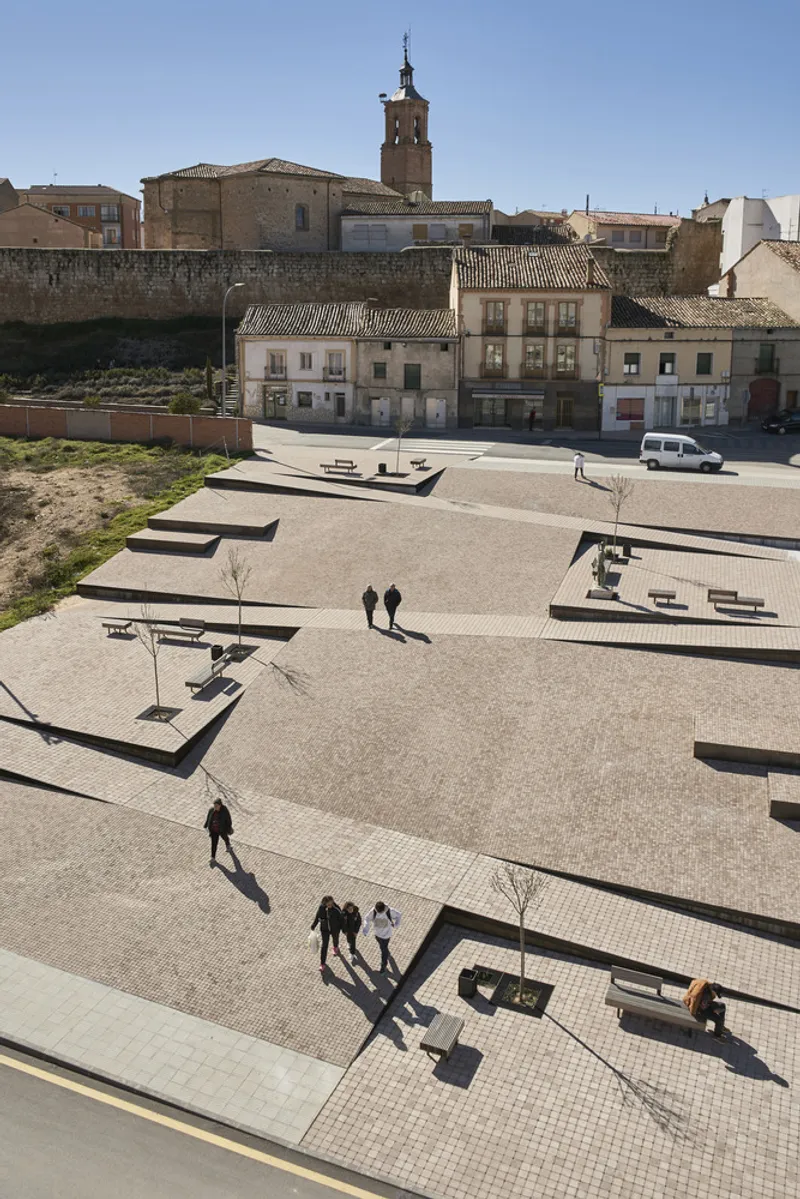
The design for Zarrón Square centers on inclusivity and accessibility. Almazán, characterized by its historical roots, required a space that seamlessly connected the old town with newer areas. The square bridges a five-meter elevation difference, ensuring smooth transitions for all users, regardless of mobility.


Key Features of Inclusivity
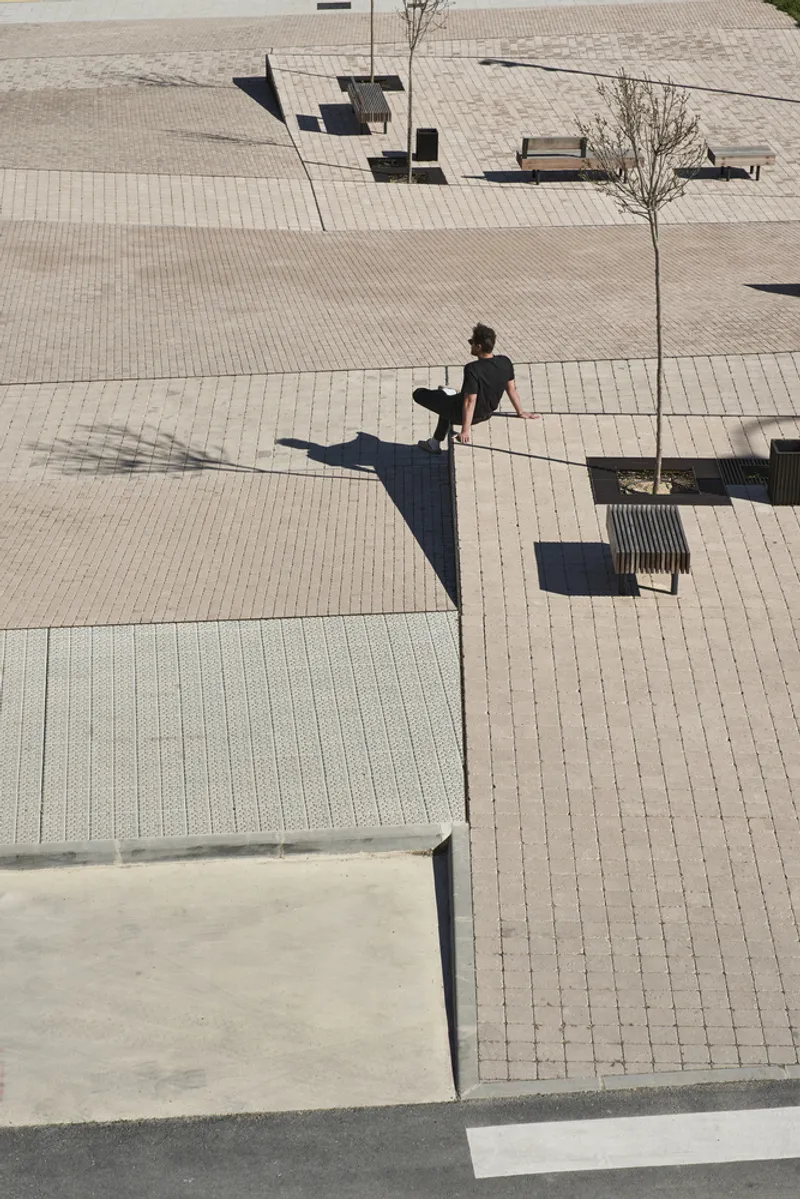
- Geometric PathwaysThe square’s zigzagging platforms distribute elevation changes across the space, softening inclines and creating universally accessible pathways.
- Inner PlazasSmall flat areas emerge as mini-plazas, providing rest zones and encouraging exploration.
- Alcoves and Informal SeatingStrategically designed alcoves and steps act as gathering points for social interaction.

A Plaza Made of Plazas
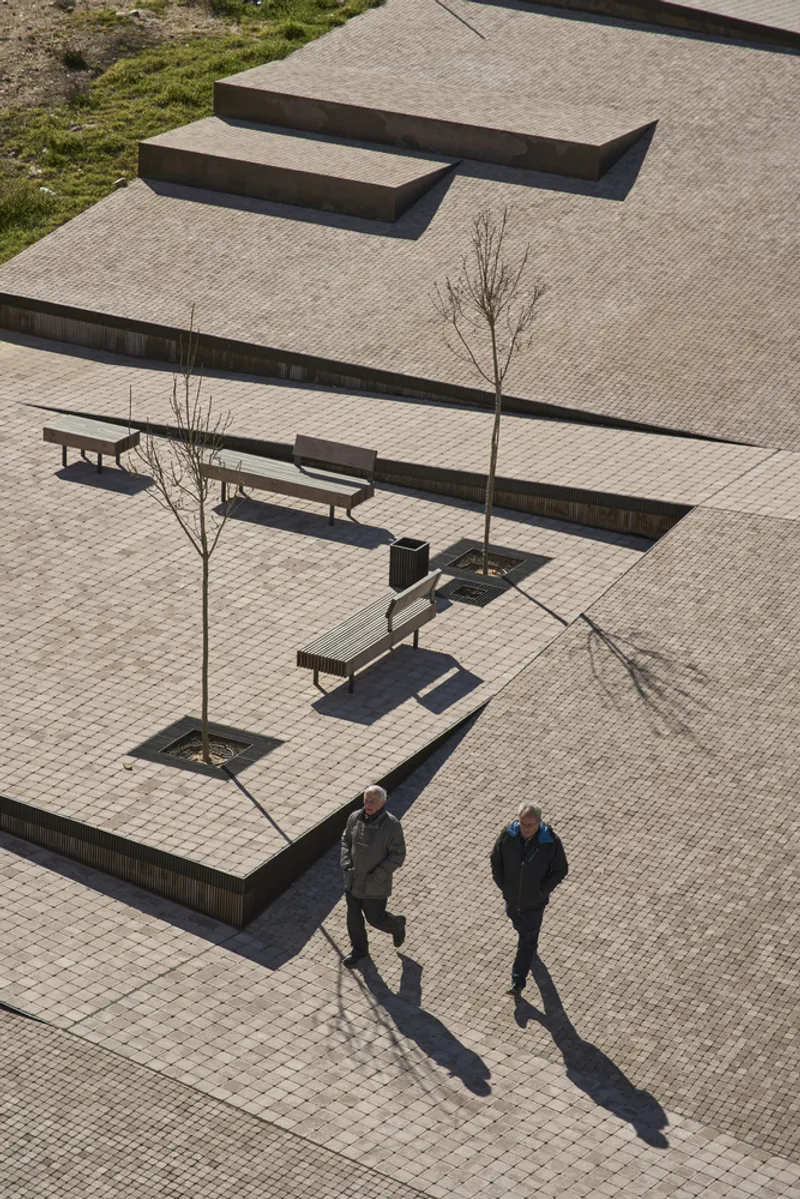
Zarrón Square adopts a layered approach, dividing the larger square into smaller, functional plazas. Each section is oriented to capture distinct views and light, promoting exploration and engagement.
Components of the Design
- Multi-Level Platforms: Smooth, sloping platforms ensure accessibility.
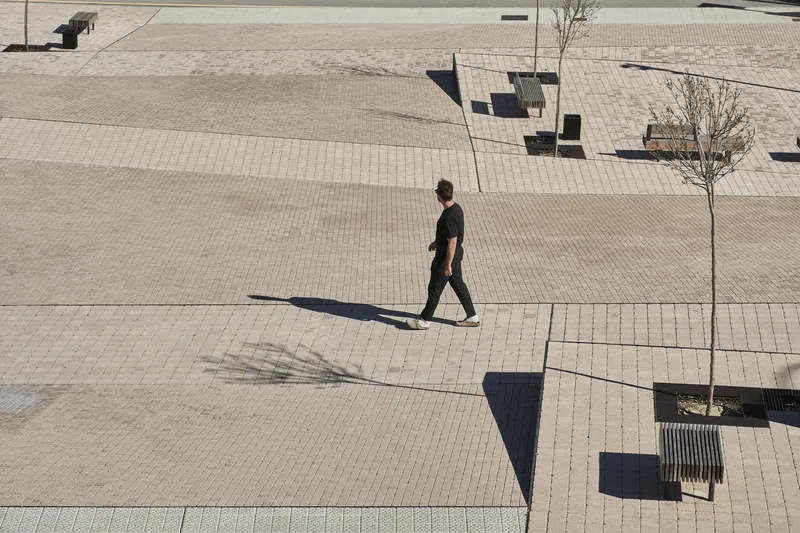
- Landscaped Rest Areas: Native trees and greenery add seasonal dynamism.
- Relocated Zarrón Sculpture: A symbolic nod to Almazán’s cultural heritage, linking tradition with modern urban design.
Cultural Significance
The plaza celebrates local culture, particularly the Zarrón dance performed during the San Pascual Bailón festival. Relocating the Zarrón sculpture to the square bridges the town’s historical essence with modern civic life.

Materiality and Design Elements
BOV ESTUDIO used materials that reflect Almazán’s heritage while meeting contemporary needs.
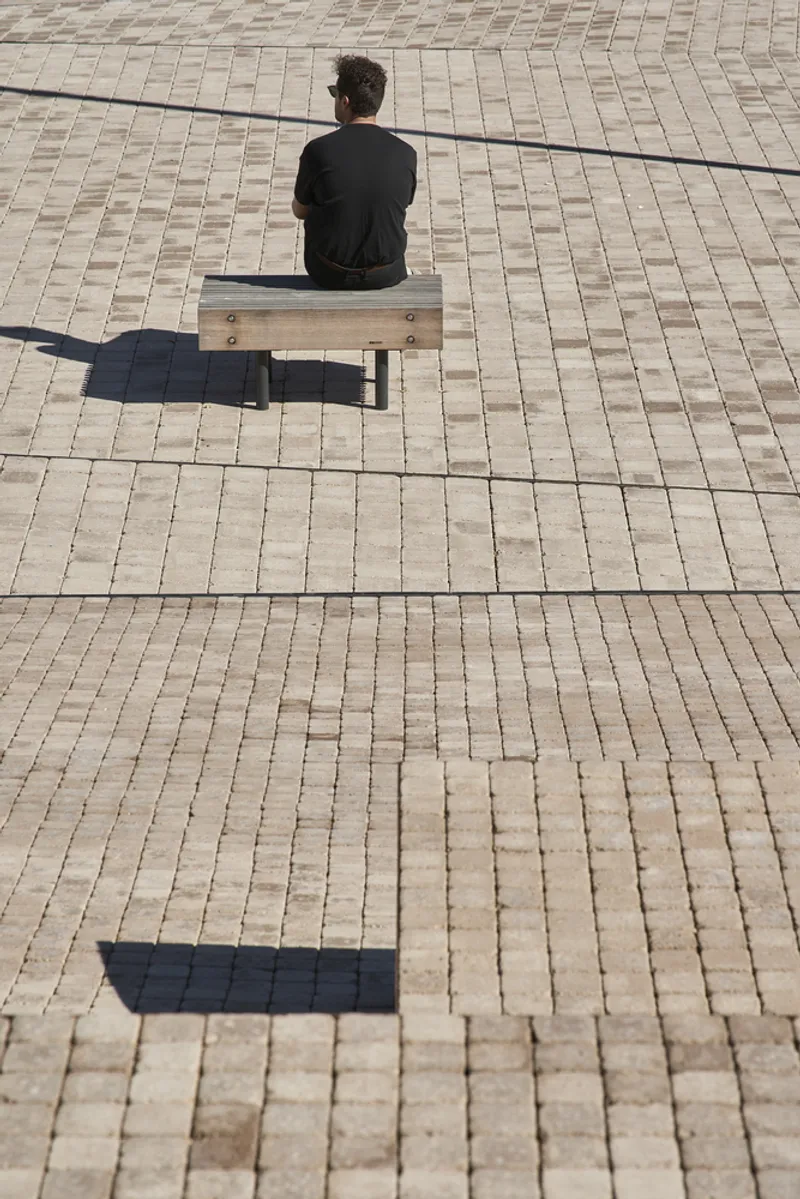
- Aged Concrete Pavers: Echo the old town's textures.
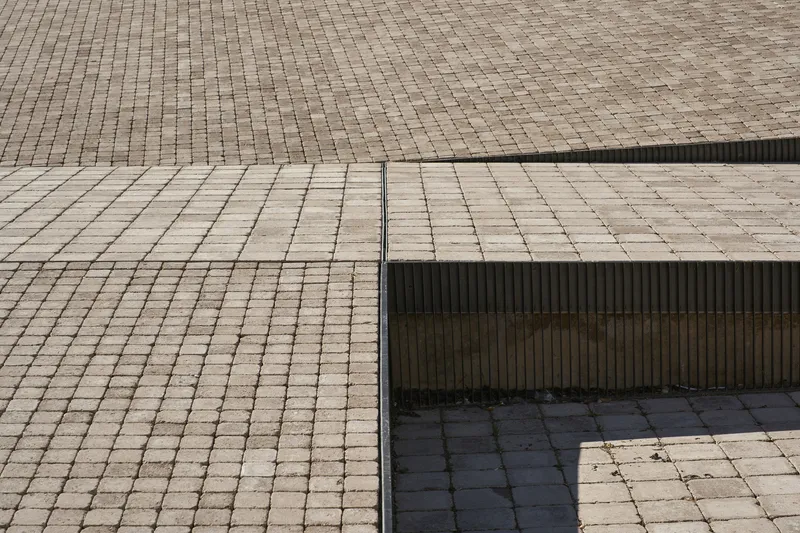
- Metal Lattices: Inspired by traditional forges, they define boundaries and diffuse light.
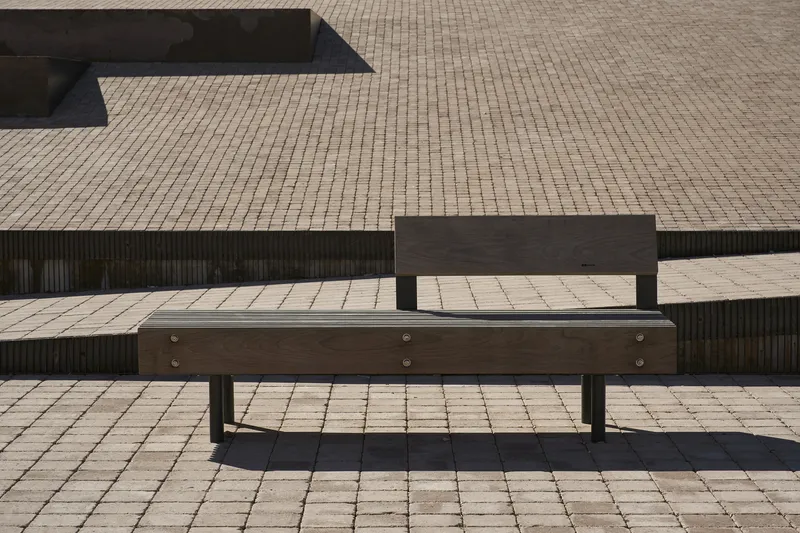
- Wooden Benches: Flexible seating arrangements invite relaxation and interaction.

Lighting Design
Integrated lighting along vertical folds and pathways enhances visibility and highlights the square's contours, creating a welcoming environment at night.

Sustainability and Functionality
The use of local materials, efficient lighting, and native trees ensures the square is not only aesthetically pleasing but also environmentally responsible. The strategic layout minimizes resource use and enhances durability.

Zarrón Square is a model of accessible urban square design, blending Almazán’s historical character with modern functionality. Its thoughtful design connects communities, respects cultural traditions, and offers a dynamic, inclusive space for all.


All photographs are work of Javier Bravo


Popular Articles
Popular articles from the community


The Amber Palace Opera: A Geological Fiction Surfaces on Tallinn's Baltic Waterfront
Pierre Brillard reimagines a Baltic legend as a public landscape, opera house, and waterfront promenade rooted in Tallinn's coastal identity.

Singing Woman: Contemporary Architecture Inspired by Estonia’s Voice and the Sea
Singing Woman turns Estonia’s song culture into flowing opera house architecture, blending public life, landscape, sea, and national memory.
Extended Shell: Retrofitting Kolkata's Balconies as Living Urban Thresholds
A modular retrofit system recovers the social and environmental intelligence of Kolkata's historic verandas for contemporary Park Street residents.
Temporary Home for Dogs: A Reversed Zoo Rethinks Animal Shelter Architecture
In Bucharest, a sinuous corridor and freed landscape flip the logic of containment, designing a shelter that works to make itself unnecessary.

Similar Reads
You might also enjoy these articles


Hodi-Mandai Geram
Project Function: Preservation and revitalization of the Intangible heritage and socio-spatial identity of the Hodi by Housing, Cultural Memory Center, Sacred Grove, landscape, local tourism economy


Olio Towers: A Mid-Rise for Performers That Fuses Housing, Rehearsal, and Stage
Located blocks from Houston's Theater District, this modular tower stacks living units around a central performance atrium.

Oasis: Modular Green Housing Carved into Dhaka's Urban Fabric
A shortlisted Plugin Housing entry reclaims unauthorized settlements in Dhaka with stepped concrete volumes, green roofs, and ventilation-driven design.

Black Hole: A Floating Megastructure for the Post-Physical Era
Emiliano Mazzarotto envisions a spherical, self-scaling arena where e-sports, digital hotels, and holographic stadiums replace traditional public space.

Explore M Square Architectural Design Competitions
Discover active competitions in this discipline

Challenge to reimagine the Iron Throne

Photograph architecture without architects

Illustrate the lost glory of Angkor Wat - Render Challenge

Design challenge to reuse E-waste
Comments (0)
Please login or sign up to add comments
No comments yet. Be the first to comment!