

Michał Kolonko
Journals 1
CUBE OF HAPPINESS
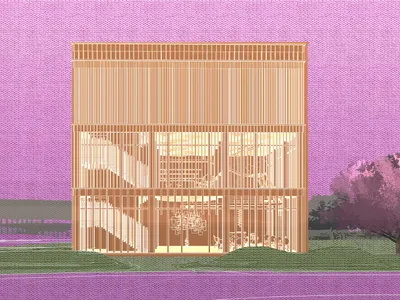
Area is located in Vienna Simmering district. The area is heavily industrialized, there are buildings such as the largest power plant in Austria, production of rolling stock and a gasworks that was revitalised by great names such as Jean Nouvel. In the vicinity of the investment area there is a railway station and the Danube Canal, which makes the area well connected and attractive, but the creation of space for people is hindered by the highly developed road infrastructure and the lack of strong connections of the future investment with the urban fabric. The landscaping and greenery cut off from the traffic by providing a tranquil buffer, creating a meeting space for visitors. The green space around the building has a public character, fulfilling recreational and educational functions. On the plot there is a museum of sculptures depicting the history of chocolate. The site plan provides space for cultural events and connections to existing roads for the supply of items needed for the operation of the building. The museum building has been designed using timber frame technology to give impetus to changes towards sustainability and to reduce CO2 emissions in the surrounding area. The façade of the building is made up of wooden slats of different cross-section and density, differentiating the different floors and providing different levels of natural lighting needed inside the building. There is extensive greenery on the roof. Excess water is drained into a storage tank for watering the greenery around the building. The layout of the rooms is adapted to the directions of the world. On the ground floor, the heart of the foyer is an original copper-tube sculpture of a cocoa tree, which separates the café and sanitary areas. The café is well lit and overlooks the greenery. Above the café there is space for copper pipe installations. On the first floor there is space for a chocolate making workshop. A mini bar with copper tubs forms the main part of the floor's design, with chocolate making machines on display, complemented by wooden chairs and wooden table tops integrated into the balustrade. On the top third floor there is a showroom with natural light from south-east to north-west. The building is adapted for people with disabilities. The entrance to the building is at ground level. A lift and separate toilets for wheelchair users are provided. The main theme of the building's interior is a combination of copper and wood. Wood is used from the exposed timber structure to the plywood of the suspended ceiling and balustrade trims. The wood forms the background for the copper. The copper in the building includes the infrastructure needed to bring the chocolate to different parts of the building. Copper pipes run through the interior to create a design element. The museum's exhibition is divided into an indoor and an outdoor area. The indoor part is located on the third floor, in an exhibition room inspired by the model of the Bologna process. The natural light entering the room is filtered through frosted glass so as not to damage the exhibits. The exhibition consists of paintings, sculptures and machines that tell the story and evolution of chocolate production over the years. The exhibition is set up chronologically in the direction of the clock and tells the story of cocoa from Mesoamerican times through the different forms of consumption and meaning, while the outer part describes the process of the plantation and the slave part of the history of chocolate. Lighting in the building is mainly naturally provided by the glazed south elevation, with artificial lighting added to ensure adequate levels of interior illumination. On the ground floor and second floor the lighting is concealed in the suspended ceiling. In the exhibition hall, artificial lighting is provided by a track system that directly faces the exhibitions. The aim of the museum project was to create a space that integrates and increases knowledge about the history and production of chocolate. The workshops aim to educate through hands-on activities. The café provides a regular clientele. The green space around the building provides a place of tranquillity and attraction when the building is not in use.