
Lighting Design
The craft of designing light to shape atmosphere, function, and experience in built environments.
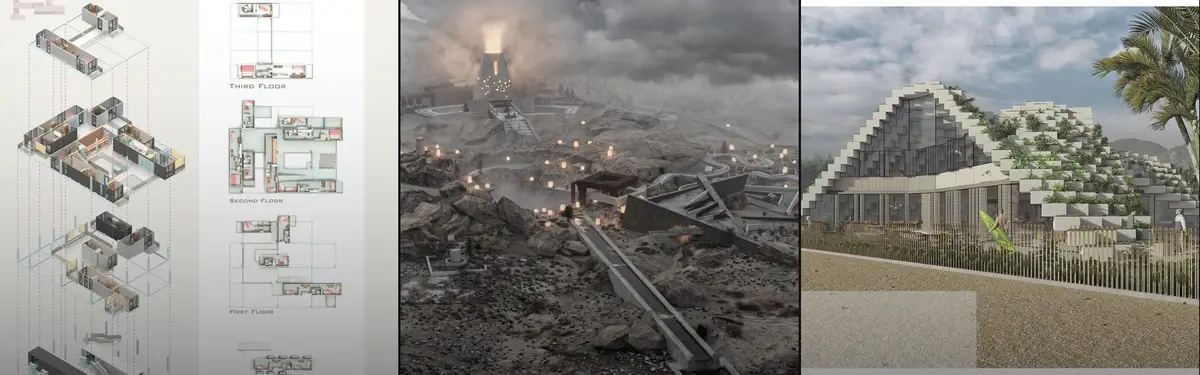
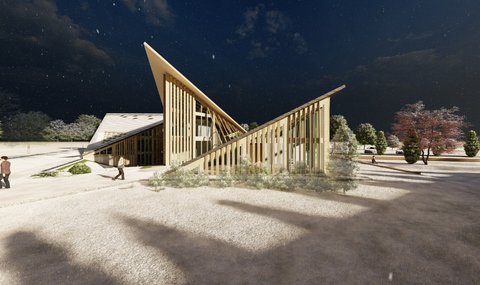
The large majority of our impressions of the world come through our eyes, and light is necessary for vision. Therefore, light is the medium for the majority of people to perceive the world. Scientifically speaking, light or visible light is electromagnetic radiation within a portion of the electromagnetic spectrum visible to the human eye. The discovery of fire was the earliest form of artificial lighting used to illuminate and protect the community. With evolution, this light has been captured in various forms such as kerosene lamps and light bulbs to illuminate the environment. From whale oil, kerosene, crude oil to electric street lights both indoor and outdoor lighting technology has evolved greatly. Img 1: Evolution of lighting technology Today, electric lighting has become ubiquitous in developed countries and basic lighting has evolved into a discipline of its own - lighting design. Lighting design is a field of work or research related to the design of lighting systems in a built environment, both indoors and outdoors. It involves the manipulation and moulding of daylight and/or electric light to meet human needs. Lighting design is based on both science and art. The basic purpose of lighting in the built environment is to enable occupants to see clearly and without discomfort. The goal of architectural lighting design is to balance the art and science of light to create an atmosphere. Efficient design also creates visual interest and enhances the experience of a space or place while meeting technical and security requirements.Need and Importance of lighting Enter a room completed with friendly, inviting light and you’ll immediately experience a sense of security and calm. Enter that equal room with inadequate or harsh lighting, and your mood will completely turn. But why is this the case? Lighting is as essential as each different element of the layout. Good lighting fixtures transform an area. It can make it comfortable dramatic as well as atmospheric.Moreover, lighting has biological and physical effects that can impact the fitness and well-being of people. Biologically, excellent lighting fixtures design can assist stabilize your circadian rhythm, helping improve your usual mood and contributing to a better night's sleep. Psychologically, top mild can assist lessen depression or even boosting cognitive performance inclusive of response time.How does lighting affect interior spaces? Lighting and the contrast of light and shadow affect our mood and hence our perception of all elements of the interior and their interaction, including colours, textures, dimensions, and furniture—lighting defines the space. The effect of interior lighting design goes far to influence our decision-making! For instance, retail spaces utilize bright lights to enthuse visitors and boost sales. Both natural and artificial lighting is significant in interior design. Natural lighting is the process of utilizing sunlight to illuminate an interior and achieve the desired mood, and it helps with the decision-making for the rest of the space elements. Img 2: Church of Light by Tadao Ando (Credits: CityVision)On the other hand, artificial lighting is as important and complementary as natural lighting. It is the skilful use of lighting devices to illuminate a space and enhance the mood of its inhabitants. There are plenty of options to choose from; including the most popular LED lighting and fluorescent bulbs. Moreover, artificial lighting is relatively easier to innovatively work with—different atmospheres and moods can be achieved.How does lighting affect the exterior/urban environments? Lighting design can transform the perception of any space. It can render a three-dimensional sculpture while focusing on restrictive parts of buildings or infrastructure. It can easily be combined with simple structure elements such as textiles or weightless materials. It is a vital environmental element that affects people's outdoor activities and the creation of liveable neighbourhoods in cities. Light can help to create hierarchy and spatial order in the city. Illumination of space is important because it helps to reduce disorientation and anxiety and creates a sense of security. In turn, nocturnal illumination of a particular object allows it to be presented as if from a new side; it helps the architecture of previously invisible details to be noticed and appreciated.Img 3: ‘LIT! - BEACONS ON CITY DARK SPOTS’ jury commendation for Beacon “Urban lighting isn’t just about meeting safety needs through code compliance or achieving an aesthetic effect. It presents a significant opportunity to fundamentally improve the quality of life of urban citizens. Properly considered, lighting can positively impact the ‘total architecture of our cities; reinforcing urban design principles, enhancing cultural experiences and encouraging social interaction. - Florence LamUrban lighting brings many tangible benefits such as the ability to extend working hours and so increase production, recreational use of the city after dark, or the possibility to travel regardless of the time of such negative phenomenon is Light Pollution ‐ a term used to describe excessive nighttime artificial lighting, present especially in large urban agglomerations. To minimize light pollution on the environment, flora, fauna and people, it is necessary to control the overall lighting level according to the power used and the time of day. Solutions to prevent and reduce this pollution can include using holistic and ecological approaches. It can prevent pollution by replacing inefficient lighting fixtures and reducing the amount of light pollution and wasted energy. In addition, choosing the right system for data reporting and feedback, reducing the number of hours the lights are on, and complying with local and environmental standards are also practical ways in which light pollution can be avoided.Architecture CompetitionsWith the ability to affect the mood, cognitive behaviour shape, and size of a space, lighting design is the most important element to consider during the design process. While architecture and design focus on employing basic interior/exterior functions of a project, minor aspects like lighting are outsourced directly without a second thought. To make designers understand the importance of a well-lit space and the effects of lighting on surroundings, architectural/design competitions offer opportunities to explore urban/interior scenarios where light is the most essential. They are a great way to find creative design enthusiasts who have the relevant skills for designing and developing micro-macro projects. Competition platforms help such designers to showcase, display and discuss ideas on a global front. Explore more projects in Lighting Design:UNI Design CompetitionsUNI is a global network of architects and designers who are solving some of the most challenging problems around the globe. UNI brings together the world's largest pool of design challenges that are curated by the finest architecture academicians and professionals globally. Since 2017, UNI has hosted more than 200+ architecture competitions for various idea level to realization level briefs. In the past, UNI has helped 50+ organizations, universities, and government bodies to use our platform to generate architecture and design solutions through competitions.Discover other competitions: https://uni.xyz/competitions