
Artful Dining
Art nouveau restaurant design challenge
Overview
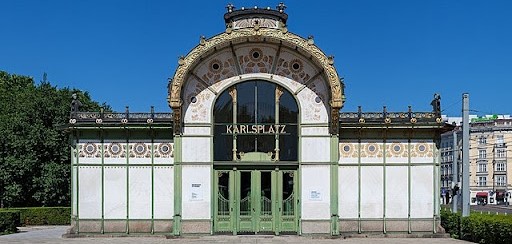 Fig: 1 - Art nouveau became a popular decorative art spread through Europe by the early 1900s. (Credits: Creative Commons)
ART NOUVEAU MOVEMENT
Every building gets accentuated with the addition of ornamentation. But a movement from the 19th century focused on this facet of the building flourished throughout the century and is still considered heritage in many countries.
Art nouveau is the style of architecture that is characterised by its exaggerated and luxurious ornamentation styles and elements such as slender lines and sinuous curves. They were reflected not just in architecture but in many other forms such as furniture, art, posters and pottery.
Striking off from the aestheticism movement, art nouveau was a movement that stood to break the monotony of classical and historic styles of buildings. It strived to be more expressive and luxurious. Some major and recurring elements of this style are lines that turn into tendrils and other foliage in an exquisite manner. Combinations of materials such as iron, glass, ceramic and brickwork were liberally used throughout the style.
While the art nouveau movement may have become faint or rare today, it is still one that evokes a lot of emotions and experiential differences in us.
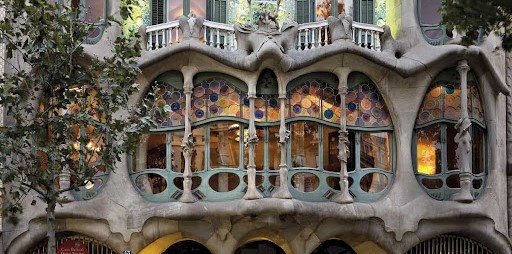 Fig: 2 - The regional influences made the style eclectic and its dynamic feature was achieved with a variety of material palettes.
(Credits: 2021 BarcelonaNavigator.com)
MERGING THE OLD AND NEW
The curling lines and whimsy of the Art nouveau movement have captured audiences for centuries, and this is true even today. The style is still prevalent today in the form of buildings, spaces and antiques that were crafted and designed during the period.
But not many modern structures have been able to appropriate the style into their structures except a few. And the few that stood out from the rest such as Antoni Gaudi’s works, of which some are still in process (secession building in Vienna) are rare.
Most of these buildings are public spaces that are open mostly for viewing and tourism. But they are only halfway through their aim of helping people experience the style as these are mostly old heritages that need to be protected. As a result, the structures of this style are dwindling in numbers with time due to the lack of awareness.
How can art nouveau style effectively impart its experiential qualities by seeping into modern and relatable experiences in public spaces such as hotels, theatres or even a restaurant?
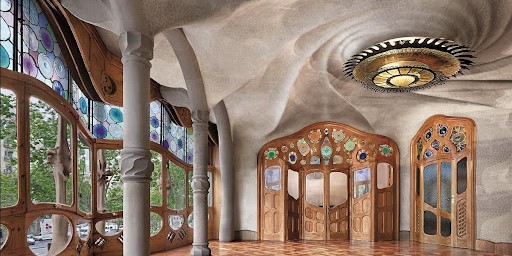 Fig: 3 - The design was inspired by natural forms of flowers and plants and its scope in interior decoration and design was largely
explored. (Credits: BarcelonaNavigator.com)
ART NOUVEAU DINING
Brief: The architecture competition brief calls for a design of a restaurant that captures the essence of the art nouveau style.
The restaurant’s interior and exteriors must embody the style and make it a wholesome experience with no boundaries. The furniture of the art nouveau period is said to have an exquisite taste to them. Such details may amplify the purpose of the building manifold.
The aim of the competition is to spread the essence of the movement and style to the people in an experiential method rather than just getting a viewing study or theoretical research on the style. The aesthetics must not interfere with the functioning of the restaurant and at the same time does not alienate and offer comfort to its visitors.
While the restaurant is supposed to be an art nouveau experience, the building must also avoid standing out of context with its neighbourhood as embellishments of any kind are not a common sight in buildings today, so moderation and effective delivery are key here.
OBJECTIVES
Ideation - The theme must be adequately represented in aspects of the design by capturing the essence of art nouveau.
Harmony - The design must establish harmony or connection with the surroundings while having outstanding features.
Balance - Privacy and interaction must be guided in the layout as per the nature of the activity. The aesthetics and functionality must be balanced to create a mix of open, semi-open and closed spaces.
Context - The design must respond to the (existing) site conditions. The wider socio-cultural, economic and environmental settings are to be considered in the design approach.
SITE
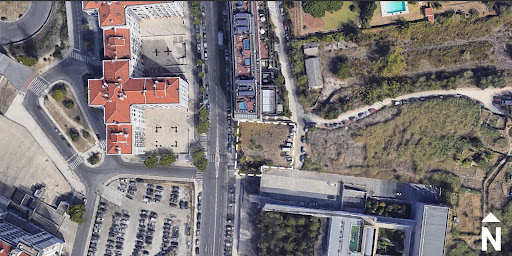
Portugal is an influential nation in terms of its culture and architecture. There are many heritage sites of global importance in the region. It is also one among the many famously art nouveau influenced countries with its local variant called Arte Nova becoming part of its rich heritage.
The site is located in Lisbon, Portugal. The style is interpreted in variant forms in the city where some projects have art nouveau facades and some exhibit style in their interiors as well. The site is in the neighbourhood of Bairro São João which has many cultural landmarks. This makes the area popular among tourists and citizens making it a hotspot of activity, nightlife and eateries. The location is ideal for the typology as the access street R. João de Freitas Branco is lined with commercial eateries and establishments.
Site area - 850 sq.m
Height restrictions - 9 meters
Ground coverage - 30%
Setbacks (as per CAD plan)
Coordinates - 38°45'03.8"N 9°10'46.6"W
AREA PROGRAMME
The restaurant must be able to accommodate 60 diners. The setup must be similar to any restaurant including kitchen, reception, storage, restrooms and so on. Other creative additions to the project can be made within the space constraints.
- Entrance: 15-20 sq.m
Reception, Waiting area
- Seating Area: 80-100 sq.m
Seating area for 60 people (maximum)
- Recreation spaces: 25-30 sq.m
Game room/reader’s area/Lounge
- Services Area: 60-80 sq.m
Kitchen, Pantry, Storage, Staff Room, Washroom (Staff and Guests), Service Entry
- Additional Activity
What other activity will your restaurant hold?
Similar Competitions
Discover competitions you might be interested in


Designing a staircase for a client

VR headsets Storefront design competition

Challenge to design luxury tourism on rails


A Global Graduation Competition for Architecture, Urban Design & Interior Design