

Artificial Decay
Challenge to design an installation to demonstrate decay
Overview
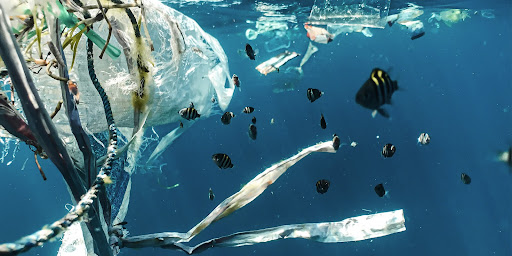 Fig: 1 - Decay of upcoming materials is of utmost concern in current times
IMPACT OF ARTIFICIAL MATERIALS ON EARTH
Decay is quite literally the gradual death and decomposition of anything. Yet decay also paves the ground for new life. Nature is intrinsically cyclical. Organisms sustain themselves off nature and then eventually return to nature to allow future life to thrive.
In the past humans have managed to create technologies that break this cyclical pattern. We developed materials and technologies that no longer return back to nature, or at least don't return to nature for very long periods of time.
As a direct consequence, Earth is facing an overwhelming environmental crisis. Yet as we become more aware, individuals have begun to realise the importance of creating objects that can die and allow for new possibilities.
Today technology has developed various materials that, though artificial, can decay along with various processes that allow existing material to decompose as well.
The examples linked here are only a sample of the possibilities.
 Fig: 2 - Can creating cyclical materials and processes help sustainable futures?
SCIENCE AND DECAY
Decay and decomposition are nothing but a series of chemical interactions that slowly break down and transform complex objects and organisms into base materials. The science of decay has long been studied in attempts to develop newer materials that are increasingly durable.
Today this same field of science is attempting to develop materials that, though artificial, can break down through controlled processes over time.
Some researchers have even managed to develop processes that break down existing materials such as plastic to create additional resources such as fuel.
This attempt to create cyclical materials and processes is a valuable avenue to consider in our attempt to create more sustainable futures.
Yet the science of the field is often out of reach for laymen to learn or experience from.
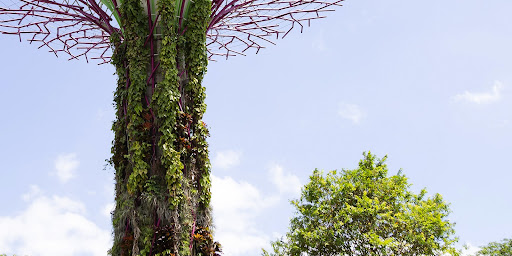 Fig: 3 - How will an installation designed out of cyclical materials look like?
BRIEF OF THE COMPETITION
As we begin to become more conscious of our impact on nature it may be valuable to create opportunities for people to learn and experience the new technologies that exist in this space.
The challenge here is to create a public installation where an individual can experience new sustainable materials and conscious technologies of decay.
The designed installation must involve a study of the material and its decay processes and present it in a way that is enticing. The installation should allow individuals to experience and engage. It must also strive to sensitise and educate its audiences in the field of decay and the technologies and materials that stimulate the same.
The design must keep in mind its physical context and the fact that over time it is bound to change as the decay process is manifested. Your design must harness emerging technologies in the field.
DESIGN OBJECTIVES
- Understand: Study the material/technology you chose to employ and the processes of decay it exhibits.
- Design: How does the installation harness the decay and decomposition processes of the chosen material/technology.
- Engage: How does the designed installation engage with the public.
- Educate: How does the design promote awareness and knowledge regarding the field
SITE
The site for this project is in Stockholm, Sweden. Sweden has already been a pioneer in the world in creating solutions for greater sustainable futures. Presently the Swedish government has ambitious plans to drive the country further towards its green goals.
The site is located in the Tegnérlunden park with a mixed-use surrounding. While the park measures about 10000sqm, the designed installation should be no bigger than 10sqm. You can choose to position the installation anywhere within the park.
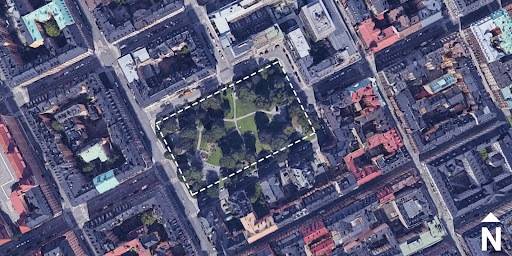
Coordinates: Maps
Site Area: 10754 sqm
Height Restriction: 6 m
The designed installation should be no bigger than 10sqm, you can choose to position the installation anywhere within the park.
Similar Competitions
Discover competitions you might be interested in


Challenge to design an open learning module for the elderly

Challenge to design a portable music platform

Challenge to design a portable theatre