
Bre/ak Code
Essay contest: Rethinking break spaces through futuristic dialogue
Overview
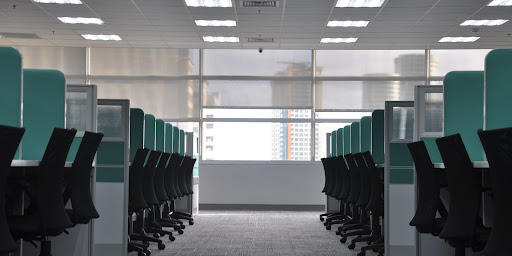 Fig: 1 -The concept of office cubicles started from the industrial revolution and continues till date (Credits-Kate sade)
PREMISE
Across decades office layouts have changed many times. In earlier times, office spaces were based on productivity-oriented and strict working philosophies, with desks arranged in rows that created a rigid system of working.
Post-1950s this strict mould of office spaces were broken, and the layout was left to be more open and free-floating which allowed change. From opening up, the box to flexible furniture office spaces transitioned rapidly.
It was posted in the year 1980, after which the concept of the cubicle was born, paving the way to a new layout of offices which are still prevailing.
Offices today have become technologically driven, providing flexible spaces, and workstations. Many offices are expanding beyond the one-size-fits-all logic. Across decades office spaces have been shaped and reshaped numerous times, through structured and free-flowing spaces. The majority of changes and transitions concluded with a need for balance; the balance of work and fun in the offices.
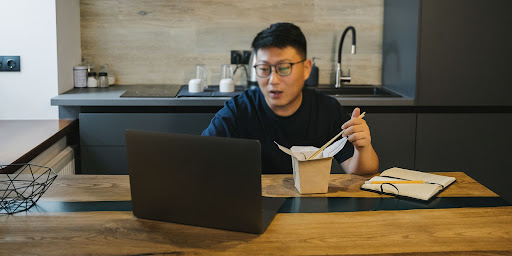 Fig: 2 - These days with work pressure and office layout the distinction between work and break is blurring (Credits-Tima-miro shnichenko)
BREAK SPACES
Each layout across all timeframes highlighted a fundamental need for break spaces in offices. Diverting the employee’s mind from work there is a need for spaces that provide recreation and change in the limited environment. Break spaces are not identified that facilitate collaboration and interaction.
Creating environments that generate a relaxing and recreational space is encouraged in an otherwise restricted layout of office spaces. Spaces like these are observed to provide psychological and physiological well-being in an office environment. Creating spaces that give a change in functional and ergonomic experience in office spaces.
With increasing stress and pressure due to the nature of work and lifestyles, how can these break spaces be introduced in future office spaces? How will they look and function in the future?
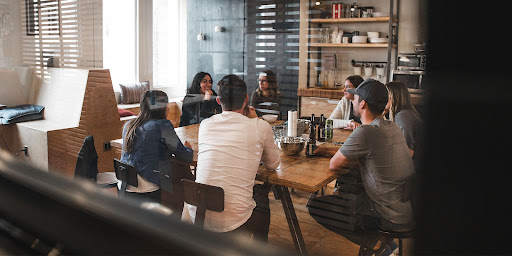 Fig: 3 -What would break spaces look like in the future?
BRIEF OF THE COMPETITION
How can break spaces be incorporated into future offices?
How can the inclusion of these future workspaces influence the well-being of employees positively?
How will the future workspaces look like with this changed perception of work and fun?
Based on the above questions the challenge is to reimagine traditional office spaces by creating spaces that are specifically built having a focus on break spaces and their impact on the office employees and environment.
Aim of this challenge is to create an intriguing dialogue about how the break spaces will evolve in future office spaces.
Exploring the relationship between workspaces and break areas, as to how they can aid and facilitate a productive environment and between workspaces and the wellbeing of the employees.
OBJECTIVES
Clarity: How effectively will your design model function with the young population?
Dialogue: To observe and identify the impacts and importance of break spaces.
Structure: To create a logically coherent structure.
Solution-oriented approach: How effectively is this essay answering the challenge questions?
DELIVERABLES
Participants shall deliver an essay of about 1000 - 1500 words and less than 3 images, in a cohesive piece that answers the above questions and arguments based on them. The images need to be ensured that they are copyright-free or you own their rights.

