
Child's Perspective
Challenge to design a workspace through a child’s perspective
Overview
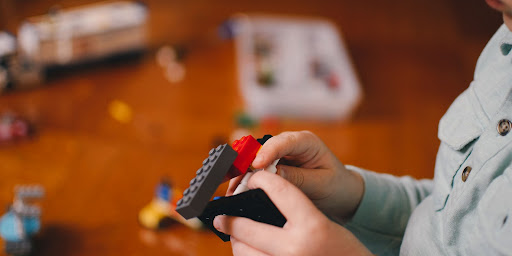 Fig: 1 - Free play was an integral part of our childhood, but now it’s compartmentalized more than ever (Credits-Kelly Sikkema)
CURRENT SCENARIO IN OFFICES
Each of us begins our lives with play. It's ubiquitous. Our first interactions with the world are all shaped and performed by mediums of play. Yet as we grow up we tend to lose sight of the play in our lives. Nowhere is this disassociation more apparent than in the adult’s sphere of work. More often than not our workspaces are devoid of play. They are sterile serious spaces made for productivity.
Yet we seem to forget the virtue of play in the workspace. Play not only contributes to social, emotional and cognitive development throughout our life, it also has the ability to encourage sharing space, build empathy and ultimately create a sense of community.
So how can adults begin to relearn the relationship between work and play? How can adults begin to create spaces that encourage play? Perhaps the answers to these questions lie with the experts in the field- Children
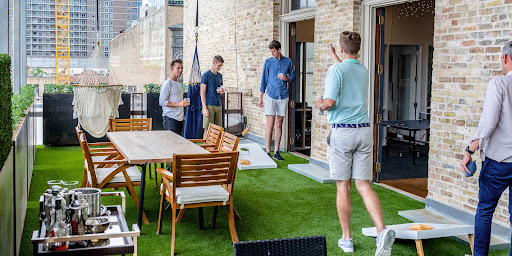 Fig: 2 - In our fast-paced lifestyles offices today do include play areas but limited space and conditioned minds block us from thinking beyond (credits-Austin Distel)
PLAY AND US
Children have a unique and rich interaction with the world. They engage with the entirety of their environment via play. They learn to negotiate the world through imitation, make-believe and creative problem-solving. Play not only develops their social, emotional and cognitive skills, it also gives them the opportunity to learn about empathy and community.
In the world of children play and work overlap. In contrast, in the adult world, even for those of us who embrace play, work and play are compartmentalised.
The drudgery of work governs the day and play is the recuperation to get back to work the next day. But what if we could imagine a future where play and work overlap as they do for children?
What if children could help us imagine better work futures where we don’t entirely lose ourselves?
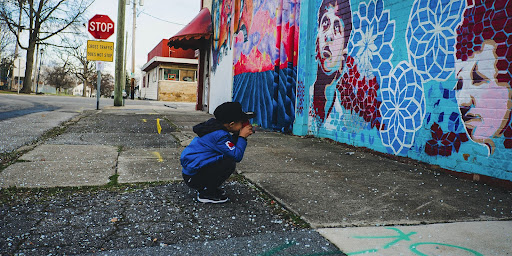 Fig: 3 - How can we through the perspectives of children improve our workspaces? (Credits- Chris Benson)
BRIEF OF THE COMPETITION
If adults are to free themselves from this compartmentalised rut, it is important to understand a child’s approach to the world. It is important to acknowledge the freedom and malleability play can lend to work, thereby allowing us to imagine better, more inspiring work futures.
Brief: For this challenge, a participant must team up with one kid ranging from the age of 5-12 in an attempt to collaboratively design a workspace that is driven by the child’s imagination.
The role of the adult is not to govern the design but to help translate the child’s imagination. The design needs to celebrate the elements of play and understand the intrinsic relationship between work and play in the child’s world to imagine cohesive work solutions.
It must encourage sparks of curiosity and wonder, incorporate joy, embrace imagination and most importantly be playful.
OBJECTIVES
- Ideate: Understand the child's perspectives and encourage the child to ideate the way they see work.
- Translate: Translate the child’s imagination into design drawings.
- Playful: Both the form and elements in the space including furniture, materials and interiors should inspire play.
- Collaborative: The design should include places to work, collaborate and engage.
These objectives are a point of beginning to conceive the design. Participants are free to assume their context and program as per their concepts.
They are to provide the most basic functions required for a workspace; work desks/offices and cabins, Cafeteria/kitchen pantry, conference/meeting rooms, play areas. They can merge/design the functions according to their design ideas.
SITE
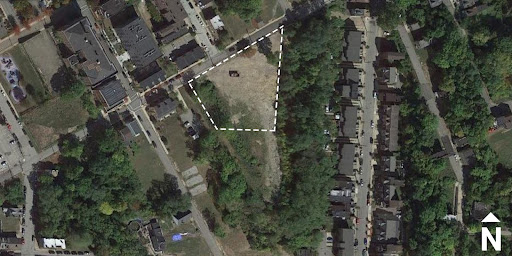
The site chosen for this project is Pittsburgh Pennsylvania. The reason being the city is already attempting to imagine how the urban landscape would emerge if children were to design it. A short distance to the south of the site is the main commercial hub of the city. The site itself is located in a mixed-use area and is near a school zone.
- Coordinates: Maps
- Site Area: 4002 sqm
- Maximum FAR: 1
- Ground Coverage: 30%
- Height Restriction: 6 m
Setbacks as per CAD plan

