
CoExist
Challenge to design a wildlife awareness center
Overview
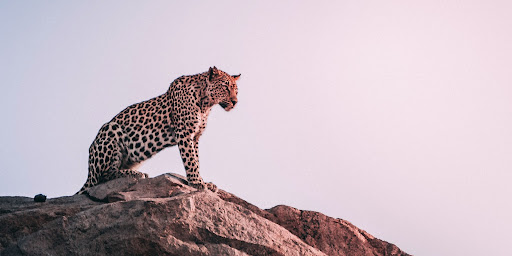 Fig: 1 - Just like us wildlife is an essential part of nature (Credits-Geran-de-Klerk)
ANIMAL CONNECTION
Nature has always been an integral element of human evolution. We as humans have resided in nature as a part of the ecosystem chain, where the processes of development have been interconnected with the other organisms. Since ancient times it has been observed that the human-animal connection is integral. The human-animal relationship has evolved beyond being a prey-predator, as we started coexisting with balance.
Animals have helped and companioned humans throughout while forming a strong bond with us. Even though the direct connection the majority of humans have with animals is often through domestication as humans settled down away from their core natural habitats and started forming their own settlements. In spite of the lack of direct connection with nature or animals, we are still connected through the ecosystem cycles and balance.
This brings us to the question of how strong is our connection with animals in today’s world?
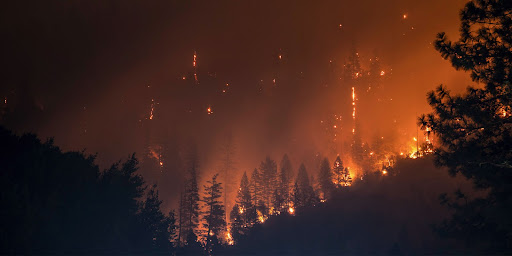 Fig: 2 - Nature and wildlife are falling prey to various human activities (Credits-Matt Howard)
AWARENESS FOR WILDLIFE
Today, we have come far from nature but our impact on it has increased manifold. Through rapid urban development across countries, the population is increasing as cities are expanding. From the expansion and intrusion of human settlements into forest areas to the diminishing ecosystems by massive deforestation, current trends are causing disruption. Not only are nature-animal relationships diminishing but also human-nature and animal dynamics are affected.
Despite the scale of impact, the majority of the population is still unaware of how our development is affecting wildlife worldwide. World wildlife living planet report 2020, reveals that there is a vast decline in the percentage of wildlife worldwide. Humankind’s lack of awareness of the consequences of their actions is creating catastrophic impacts on wildlife.
What measures can be taken to create awareness amongst humans? How can Architecture play a key role in spreading awareness and responsibility towards wildlife and the impact we have on it?
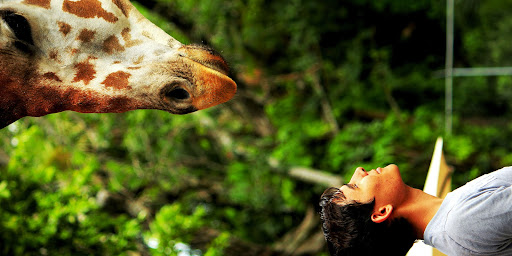 Fig: 3 - How can we renew our connection with the wildlife as well as mitigate the existing impact? (Credits-Nicklas-Bajema)
BRIEF OF THE COMPETITION
How can we as designers and architects instigate an architectural intervention that will be focused on creating awareness?
How can this bond of human-animal be emphasized and protected through architecture?
Can designing a wildlife awareness facility generate conscious awareness amongst people regarding our actions and their impact on wildlife?
The architecture competition brief calls for the design of a wildlife awareness center, which will act as an educational and information facility for people regarding our impact and awareness towards wildlife.
The wildlife centre will explore and educate people about local wildlife. The intervention will facilitate awareness regarding animal species by creating training centres, libraries, community areas, information counters, and educational activities centres that will equip people towards active conservation.
OBJECTIVES
Materials and components: How effectively is the design using local materials?
Low footprint: How is the design functioning through a small footprint and effect on-site resources?
Context-specific: How aware is the design of its context and its effect on it?
Inclusion: How is the design including animals connected in the design?
SITE
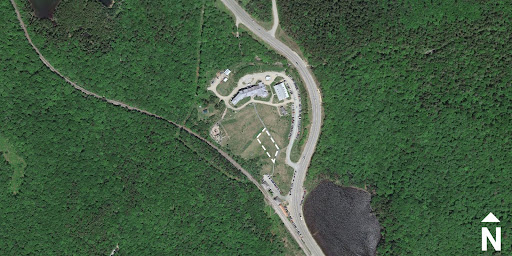
Carroll, NH, USA
The USA is the world's third-largest country in terms of size and population, bordered by the pacific ocean on the west and by the Atlantic ocean on the east, this strategic location offers a huge variety of diversity in terms of natural landscapes and cultures. The physical environment has a vast range from the Arctic to the subtropical. From the subtropical regions to the mountain peaks, there is an abundance of terrain, geology, and climatic differences, which makes the variety and expanse of this country its major contributor in terms of global tourist attractions.
This site is located near the white mountain national park area, which is majorly surrounded by dense vegetation and major tourist attractions. The site location offers a major context for the design, as it is located near the main attractions and is also present in the abundant nature scape, from the dense vegetation to the scenic locations nearby.
- Coordinates: 44°13'08.6"N 71°24'41.6"W
- Site Area: 10,383 sqm
- Height limit: 6 m
- Maximum FAR: 1
- Ground Coverage: 50%
PROGRAMMATIC OUTLINE
The programmatic outline is intended for one module capacity of 250-300 visitors. This is recommended for this challenge.
The space ideas are as follows:
- Visitors centre: 30%
- Exhibition space: 10%
- Lecture rooms: 20%
- Information spaces: 10%
- Library areas: 10%
- Administration spaces: 10%
- Ancillary spaces and services: 10%
Other additional spaces can be added by the participants as per their design needs.
Similar Competitions
Discover competitions you might be interested in




Design challenge to reuse E-waste



Imagining parliament for an unified world.

Design challenge fostering public involvement in wildlife research


Design an urban fitness centre
