
Wild Scrutiny
Design challenge fostering public involvement in wildlife research
Overview
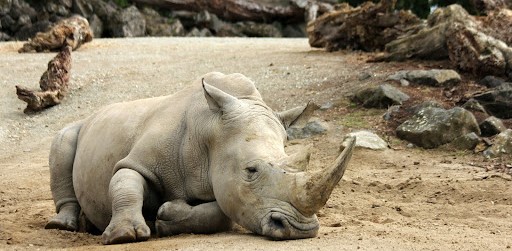 Fig: 1 - Wildlife is threatened by global warming, climate change and loss of habitats which is affecting their survival.
WILDLIFE RESEARCH APPROACH
In the past, scientists have often found it useful to employ citizen science as a research format for data collection.
Quite simply, citizen science involves the collaboration between scientists and citizen volunteers in an attempt to investigate a plethora of topics. This format of research has gained an increase in momentum in today’s world, with a rapidly growing group of interested public participants, but it is certainly not a novel research format.
In fact, this collaborative approach to data collection has had a long-standing history with wildlife biology. Modern ornithology, for example, continues to benefit from the “Migration Observer Cards” - cards developed by scientific data collected by enthusiasts since the late 19th Century.
As we grapple with increasing challenges to our natural environment, can we imagine spaces that can promote scientist-citizen collaboration?
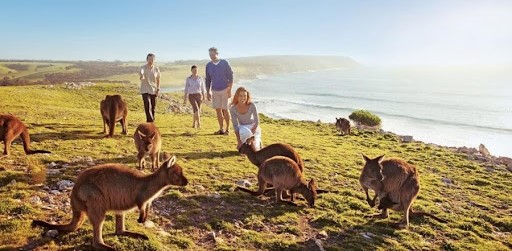 Fig: 2 - The responsibility of wildlife preservation is not restricted to professionals and authority, but citizens can also play an important part in this. (Credits: Traveller and South Australia Tourism Commission)
WHY COLLABORATE WITH CITIZENS?
Involving the public in data collection has often been approached warily, owing primarily to concerns regarding the misuse of data for the exploitation of natural species.
However, the value of transparency and collaboration in many cases is more valuable than secrecy. Collecting data from citizens in some cases may require special effort and sensitivity but, in many more cases, it merely involves recording what one encounters while bird watching, hunting, hiking, scouting, etc.
By promoting awareness, making data openly available, and actively involving citizens researchers often have the opportunity to educate local communities about natural flora and fauna and enable them to fight to protect a habitat when development is threatening a species.
Furthermore, research exponentially benefits from having more eyes and ears that can accurately identify species in one's environment.
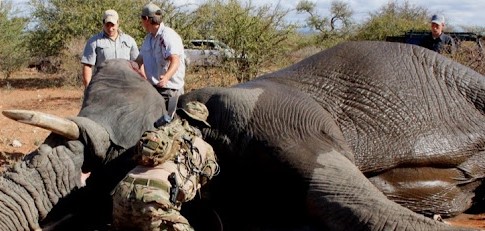 Fig: 3 - The use of data (quantitative and qualitative) can be made to increase efficiency of systems of wildlife and spread awareness for their protection and conservation. (Credits: Veterans Empowered to Protect African Wildlife)
ENCOURAGE CITIZEN COLLABORATION IN RESEARCH
As the world faces the looming human-made threat to the environment, a collaboration between researchers and citizens becomes more essential.
Including citizens in wildlife biology has the opportunity to not just foster awareness but it can also tap into a wider data collection pool, increase sensitivity to the natural world and enable effective implementation of environmental policies.
Brief: The architecture competition brief calls for a design of a research facility that encourages citizen collaboration.
The space should welcome novice wildlife enthusiasts, allow them to learn by providing basic know-how and encourage them to implement and record their findings in the surrounding natural environment.
The design should contain spaces to collate and analyse data for wildlife researchers to access. The aim of the competition is to come up with unique design solutions to better citizen-scientist relationships to foster wildlife research.
OBJECTIVES
Functional: The design should be able to support both scientific researchers and novice citizen enthusiasts looking to learn.
Form: The space must borrow from its collaborative and environmental themes and integrate these themes through its design in its urban setting.
Evolution: How can the research facility grow and change with time?
Educate: How does the design support citizens looking to learn about the natural environment?
SITE
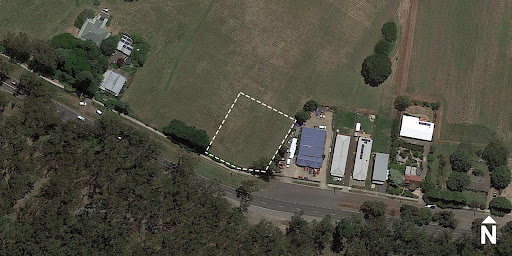
The site for this project is located in Silvan, Australia. The town is a part of Victoria, Australia, and is located 40 km east of Melbourne. The site is located close to a large natural forest that includes the Yarra Ranges, Yarra Valley, Silvan Reservoir and the Dandenong Ranges.
While adjacent to the forest, the site is also located close to human habitation to allow more people to easily access it.
- Site Area: 1,637 sq.m
- Height Restriction: 8 meters
- Maximum Built Up Area: 1,227 sqm
- Ground Coverage: 40%
- Coordinates: 37°49'23.8"S 145°25'01.3"E
AREA PROGRAMME
The design outcome must include the following spaces:
1. Offices, Administration: 10%
2. Research Spaces: 40%
- Research laboratories: should include equipment, storage and spaces for experiments.
- Archives
3. Public Spaces: 20%
- Museum that curates native wildlife-related artefacts
- Multipurpose room for community interaction
- Library
4. Outdoor recreational spaces: 10%
5. Circulation and Services: 20%
You can include any additional spaces as you deem fit.
Similar Competitions
Discover competitions you might be interested in


Design challenge to reuse E-waste

Challenge to design locus for the upliftment of human rights