
Cultural Conserve
Challenge to design a community center for Shirakawa-Go
Overview
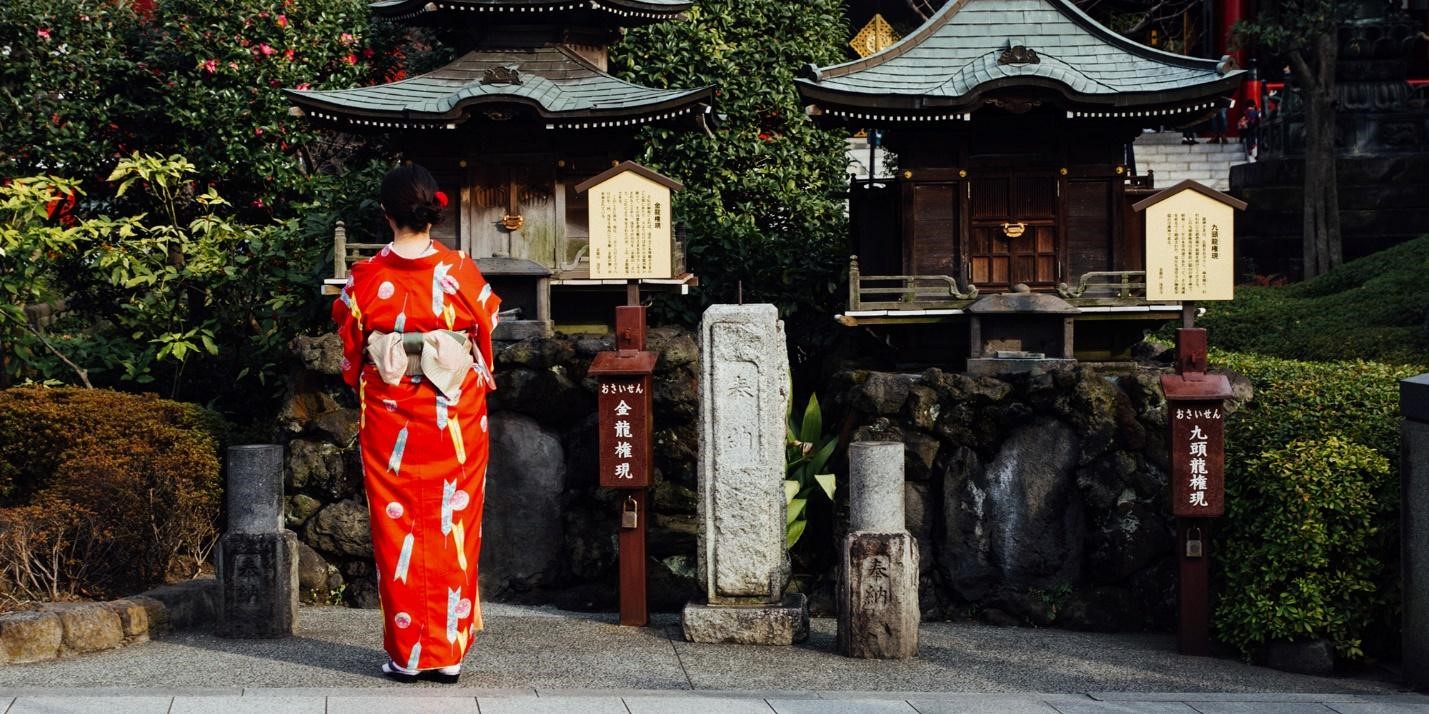 Fig: 1 – Individual cultures evolved according to regional context-Japanese culture (Credits-Nick Wood)
PREMISE
Culture is an aspect that reveals human evolution to its finest and most creative. It has evolved as spiritual and material values developed by specific groups over the world according to their understanding of themselves and the regional context.
Culture has thus formed an effective label and identity for a complex whole which includes morals; beliefs, art forms, knowledge and any other capabilities or customs acquired by man over time. They have unconsciously influenced our views, values, fears, hopes and perspectives toward other ideologies. Similarly, architecture is a product of the culture that it was designed for. It reflects the identity of a particular region and helps to maintain cultural integrity.
Architecture also acts as a physical medium which passes down past histories, ideas and way of living. Although in today’s world with accelerating global culture, expansion of a homogenous culture and trends, architecture as well as other elements of distinct cultures are dying or are being overlooked.
What can be done to maintain this past by also including the present?
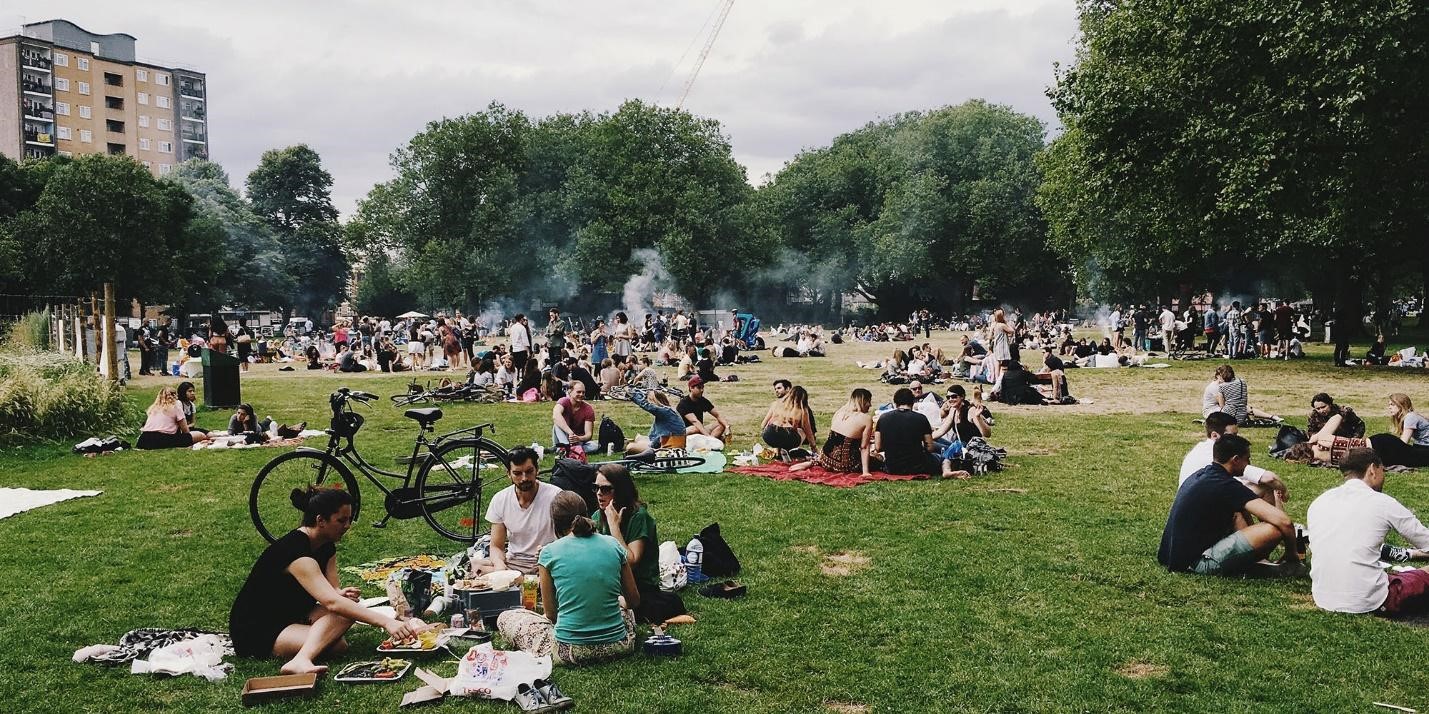 Fig: 2 -Community spaces (Credits-Robert Bye)
COMMUNITY SPACES
Place identity is generally formed by its evolving cultural history represented through its heritage and traditional character demonstrating the unique characteristic of its urban form. This unique characteristic represents the artistic ability of its citizens through history forming the cultural memory of its present citizen. However, the maintenance of and protection of this identity depends on the infrastructure and community as a whole conserving it.
Community spaces play an important role in this function, they become the foundation to which those living and visiting in the area come together and communicate. Such spaces when retrofitted with activities/services that the region needs offers a common platform of connection. It allows embracing the history and culture of the area using this spatial bond.
Though just a community space is not enough for systematic management of a culturally sensitive region and people. For this, can there be something in a physical form that acts much more than just a gathering space?
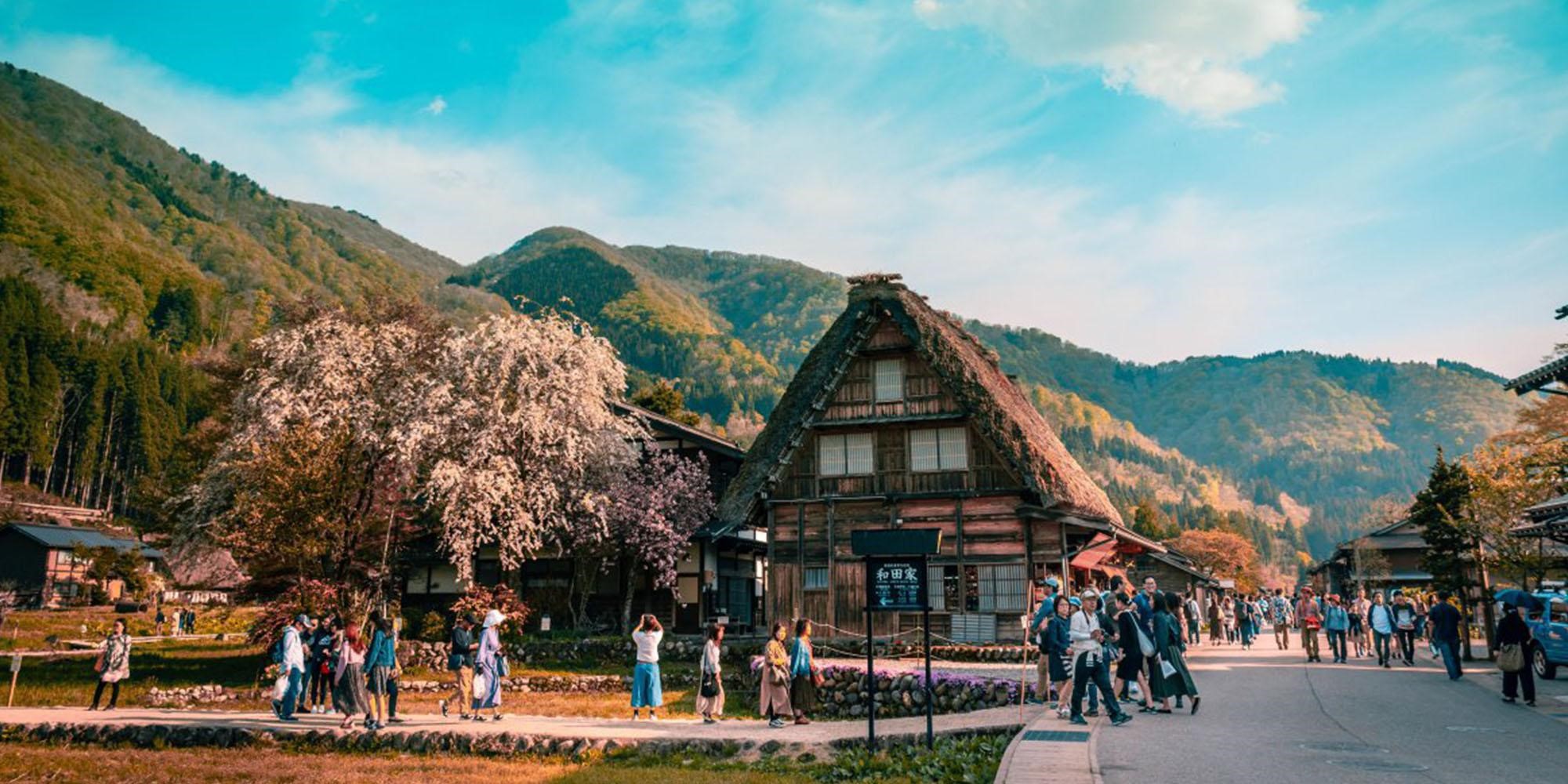 Fig: 3 – Shirakawa-go village (Credits- Sorrawis Chongcharoen)
SHIRAKAWA-GO
Shirakawa-gō, a historic village, is one of Japan's UNESCO World Heritage Sites with two other villages. Before the 1950s due to its remoteness and difficulty of access, the village was severely out of connection with the outside world. This isolation led to the development of its unique culture and traditions, including the architectural tradition of the Gassho-style farmhouses.
For some time this region was known as 'the last unexplored area of Japan'. Although since the village was declared a world heritage site in the 90s, the region is more than explored. Tourism has touched more than millions a year and is only increasing.
Concerned about how it is impacting the landscape and its residents, in the past years, villagers have started implementing strategies that slow and reduce the tourist influx. Although the need for better management is crucial. How can the rich heritage of Shirakawa-go and a need for management and services come together to serve both?
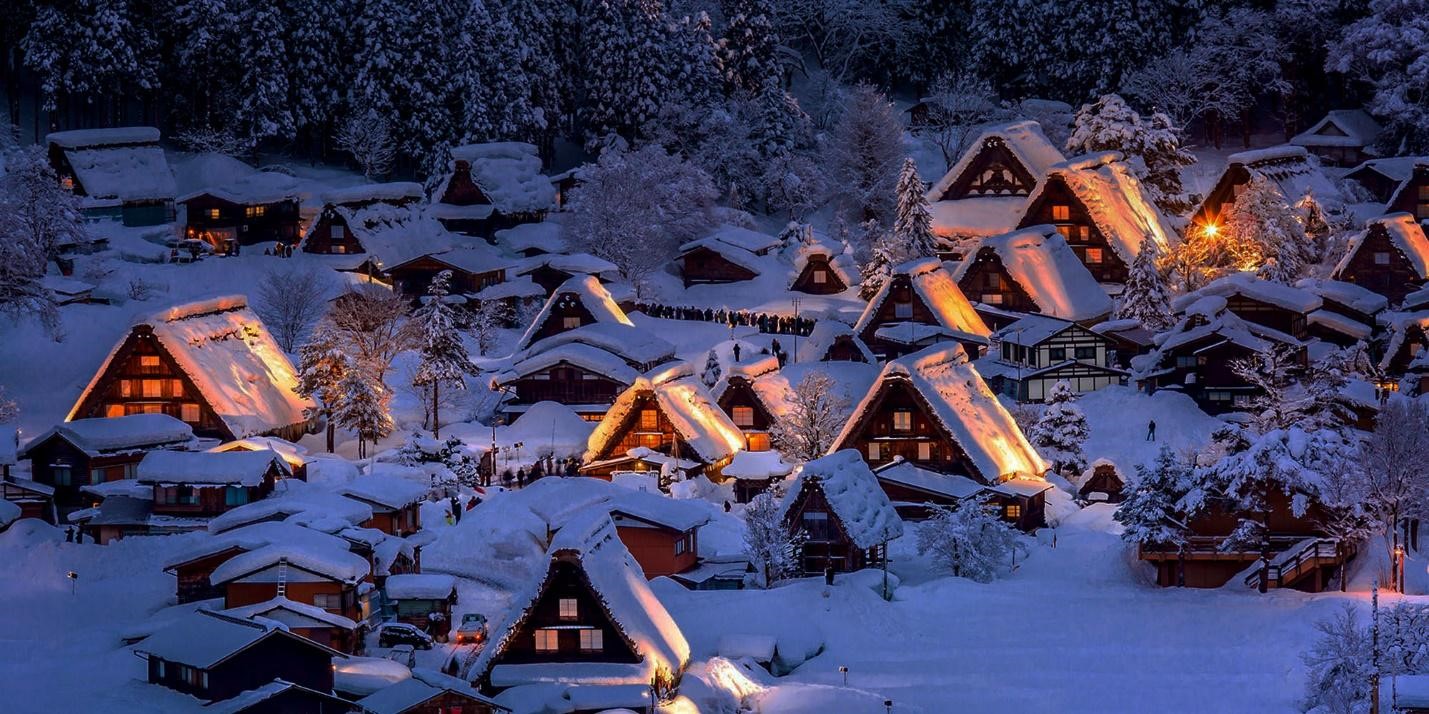 Fig: 4 – There is a need for community management to conserve the architectural and cultural heritage of Shirakawa-go (Credits-Porttraveller)
BRIEF OF THE COMPETITION
Tourist restriction further than local measures is a double-edged sword for the historic village of Shirakawa-go. As with about 150 households, half the village's population engage in some tourism activity. Moreover, the youth these days are moving out for better income jobs so the demographic that conserves the historic values and heritage alive is the ageing population.
To balance tourism with heritage and landscape conservation is proving to be a difficult challenge for the villagers, there is a need for better local strategies as well as outside participation in the preservation of the historic village.
The design challenge is to create a cultural center in the remote village of Shirakawa-go, that brings better heritage management and livelihood opportunities.
The cultural centre should symbolize Shirakawa-go's past and future. The center should take care of tourists as well as local community issues. It should be a place where locals, as well as tourists, can engage in the cultural dialogue of Shirakawa-go.
OBJECTIVES
- Identity and familiarity: Design to reflect the cultural context that is familiar to the habitants of Shirakawa-go and thus brings the community into the process of their development.
- Management and conservation: Effective open/workshop spaces and learning provisions for heritage and culture conservation.
- Reviving: Blending and reviving old construction techniques.
- Materials: Using contextual materials and assemblies.
- Experimentation: Experimenting the above two objectives with technologies of today.
The objectives can be a point of beginning to conceive this design. Participants can assume their contexts and users before initiating their design process.
PROGRAMMATIC OUTLINE
Conservation and Community 45%
Workshops spaces, learning areas in the form of AV rooms and libraries, gathering spaces, cafeteria
Management 30%
Administration offices, Conference/meeting rooms, provisions for heritage guards and guides.
Tourist 15%
Information/Exhibition area, souvenir shops
Utilities 10%
Restaurants, Cafeteria, Toilets
The programmatic outline is the point to begin your design at. You can add more functions and activities in relevance or modify the above design programme.
SITE
Shirakawa-go, Japan
The site is located at the tourist entrance and parking to enter the village, making it immediately accessible and provisional for tourist entry and exit. As well as will act as a link and support to the local tourist association located a few kilometres away from it. The cultural and community center will play a main role in displaying the local heritage other than the architectural structures and will be an indirect economic support to the conservation of the Shirakawa-go entire culture.
- Coordinates: 36.2 61156 136.9020442
- Site area: 8430.34 sqm
- Maximum FAR: 1
- Ground coverage: 50%
Setbacks (as per CAD plan)
Ground Coverage refers to the ratio of maximum allowed solid/permanent footprint on the site to balance the built and unbuilt spaces. You can utilize the other 50% of the site for any temporary intervention/recreation.

